Evaluating the performance of B2B campaigns remains a crucial challenge for marketing teams.
Making sense of available data can help identify strengths and opportunities. Here, I will share some essential metrics that I have found useful for assessing campaign performance.
These insights aim to guide you and your team to draw meaningful conclusions.
A specific focus on conversion rates, customer acquisition costs, and other key metrics can vastly improve your understanding of campaign success. By examining these areas, you can pinpoint what works and what might need adjusting.
Strong, data-driven evaluations help in decision-making and optimizing future campaigns.
Understanding lead quality, sales cycle length, and customer lifetime value also contributes significantly to overall assessment. These metrics allow you to refine your strategies and prioritize resources efficiently.
Knowing where to invest your efforts ensures that you build sustainable and profitable client relationships.
After exploring these six metrics, you will be equipped to evaluate your B2B campaigns with greater accuracy.
I aim to provide you with practical tools that enable you to make informed decisions, ensuring that your team’s strategies align with your business goals.
Taking these steps will lead your campaigns toward achieving measurable success.
Key Takeaways:
Track conversion rates to gauge campaign success.
Analyze customer acquisition cost for budgeting insights.
Measure ROI to assess financial impact.
Monitor lead quality for targeted improvements.
Evaluate sales cycle length for process efficiency.
Use these metrics to make informed decisions for your next B2B campaign.
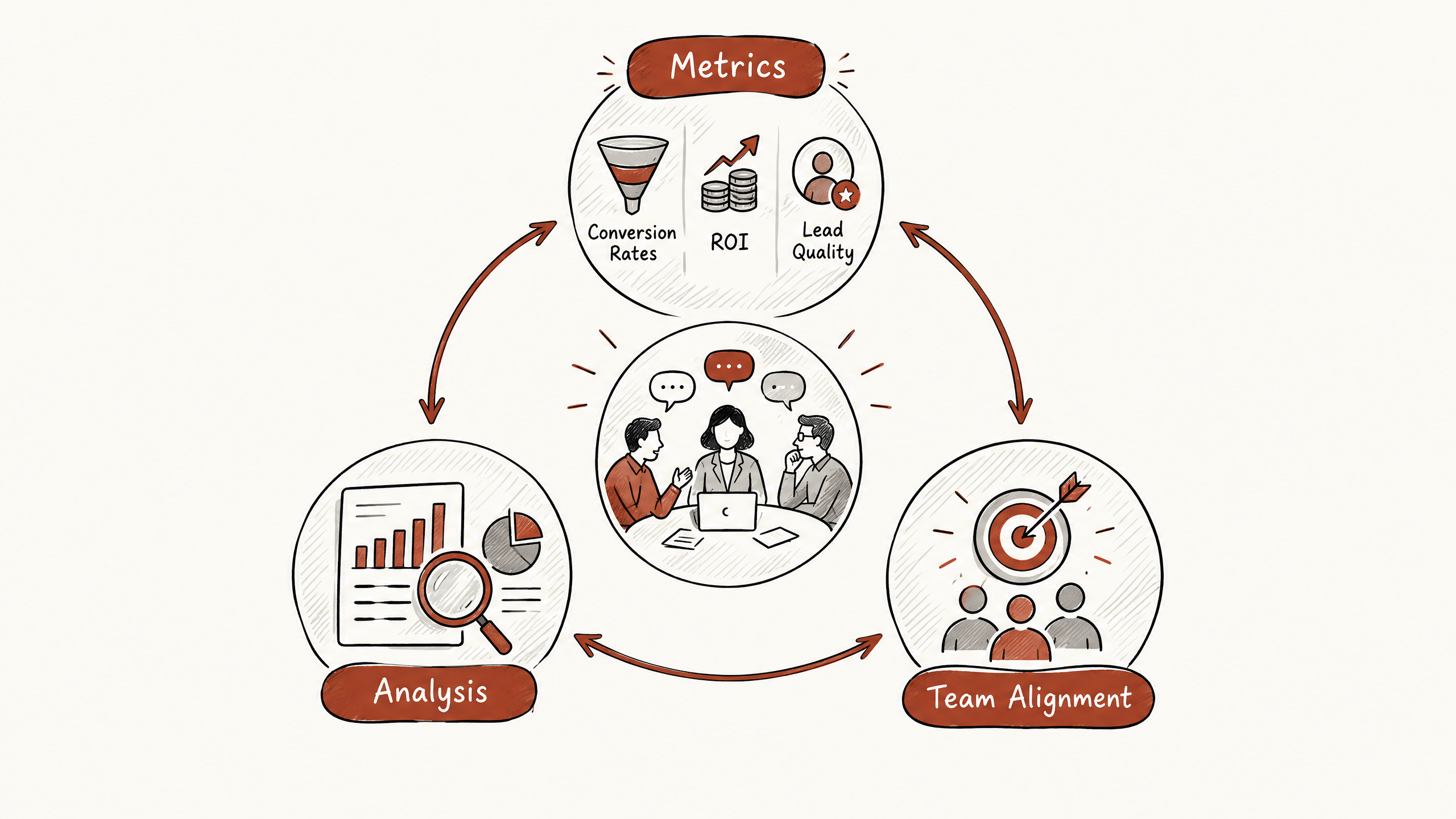
By focusing on conversion rates and lead quality, you can guide your team toward effective strategies.
1. Tracking Conversion Rates
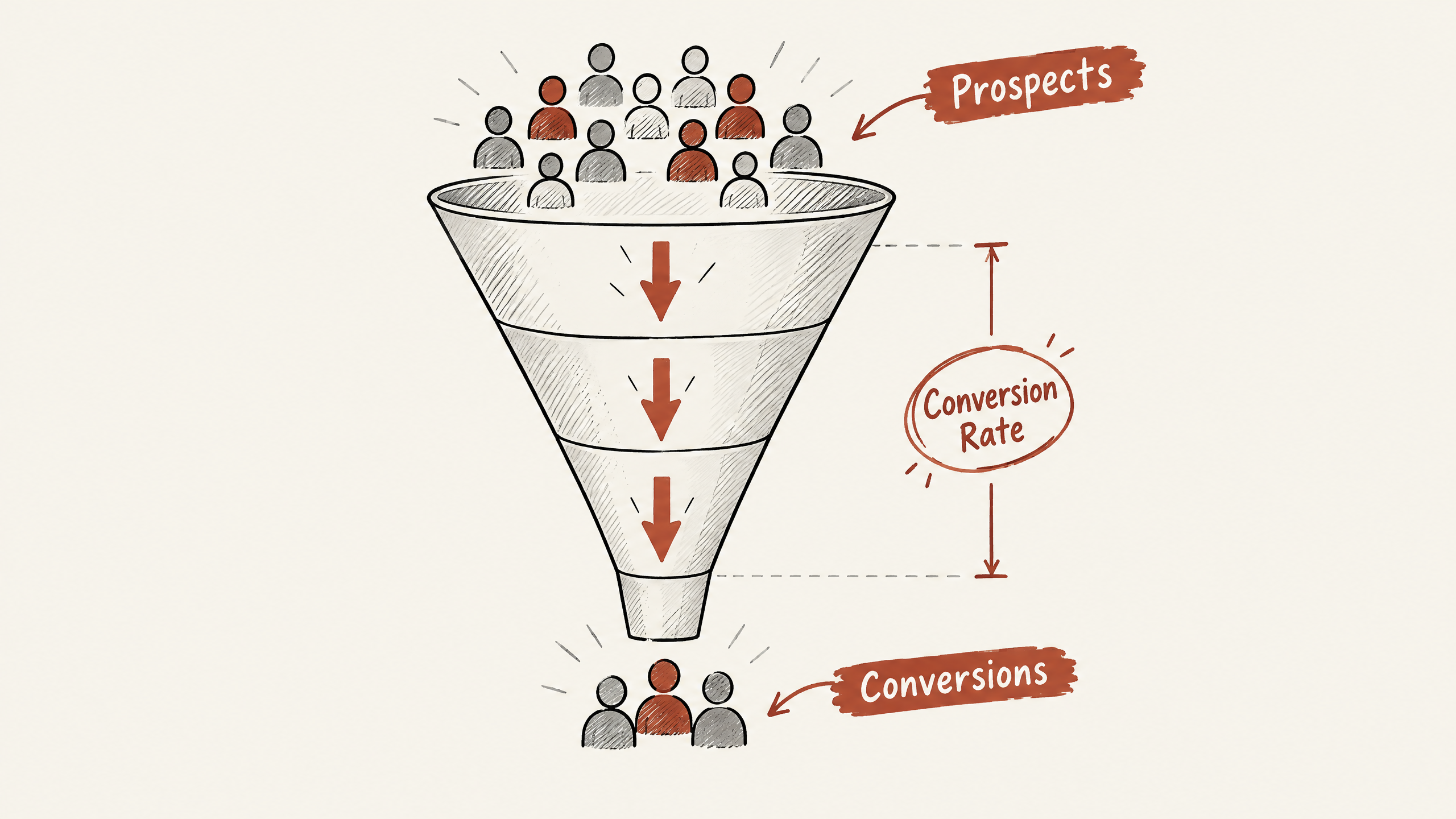
Tracking conversion rates gives insight into a B2B campaign’s effectiveness by measuring how well your marketing efforts turn prospects into leads or customers.
Start by defining what a conversion means for your team. It could be filling out a contact form, signing up for a newsletter, or scheduling a meeting.
Once defined, you can track the number of conversions against the total number of visitors or inquiries. The resulting percentage is your conversion rate.
An example: Suppose a landing page receives 1,000 visits, and 50 users complete a contact form.
Here, the conversion rate would be 5%.
Tracking this figure across campaigns helps identify which channels or tactics drive success or need adjustment.
Important: Full-funnel tracking is crucial, as focusing solely on top-of-the-funnel metrics and ignoring down-funnel activity can lead to missed opportunities for improving sales conversions.
A common mistake is only focusing on top-of-the-funnel metrics and ignoring down-funnel activity. Keep an eye on how initial conversions progress to sales-qualified leads or actual customers.
This full-funnel tracking can highlight drop-off points or strengths in your nurturing process.
To make informed decisions: Set clear conversion goals tied to your broader business targets and track regularly.
Whether using analytical tools or manual tracking, make sure consistency in measurement methods across different campaigns for reliable insights.
Consider split testing components such as headlines or calls to action to see what influences conversion rates.
2. Analyzing Customer Acquisition Cost
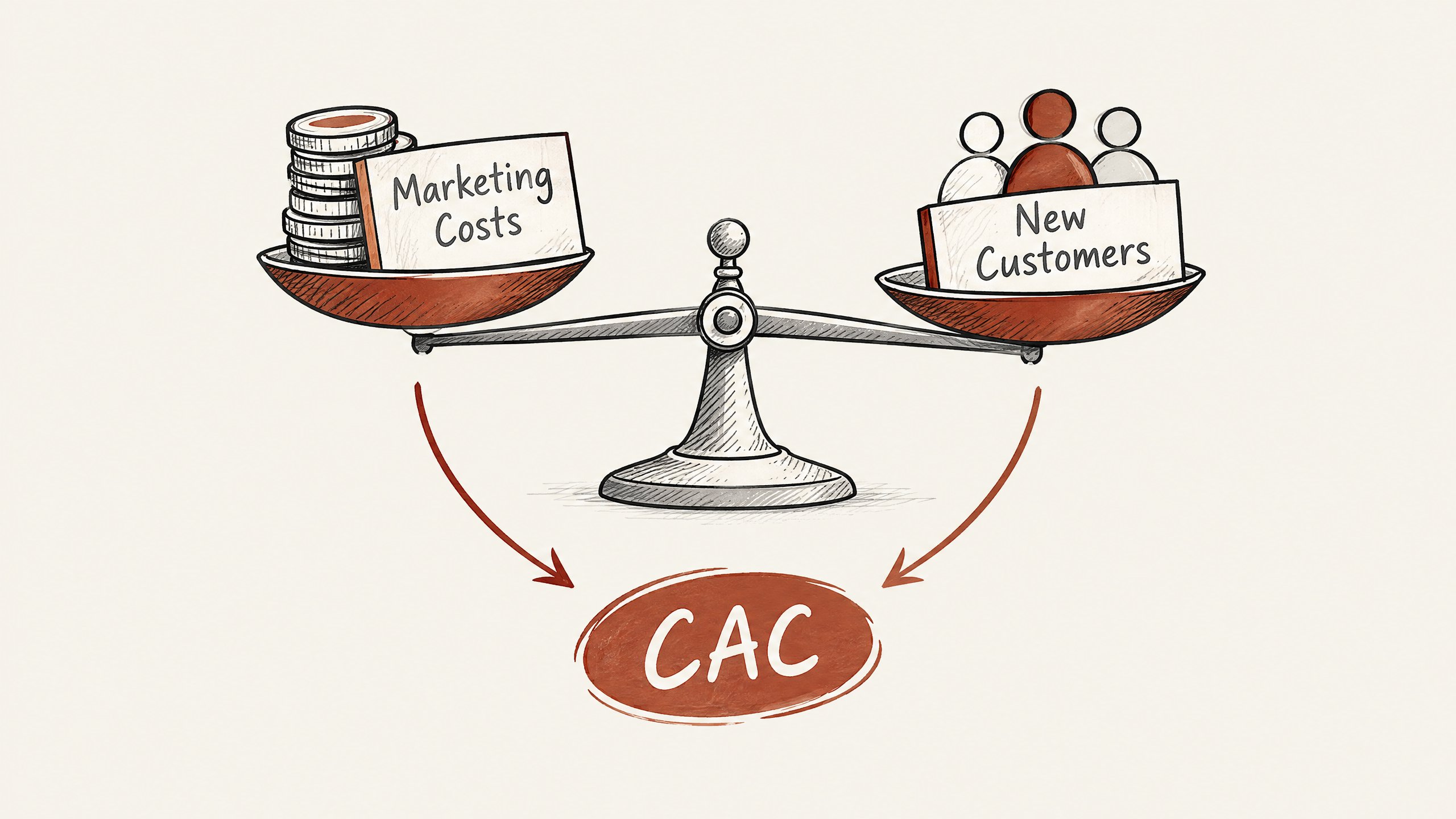
Understanding Customer Acquisition Cost (CAC) is crucial for any B2B marketing team. It measures the cost of acquiring a new customer and helps evaluate the efficiency of your marketing strategies.
By analyzing this metric, you can identify which tactics provide the best return on investment and where you might be overspending.
To calculate CAC, total all marketing expenses spent on acquiring customers during a specific period.
Then, divide that total by the number of new customers acquired in the same period.
For example, if your team spent $10,000 on marketing in one quarter and gained 50 new customers, your CAC would be $200.
Knowing the specific CAC helps you make informed decisions about budget allocation and strategy adjustments.
While CAC provides valuable insights, it must be interpreted within context.
For instance, a higher CAC might be reasonable if it leads to acquiring customers with higher lifetime value.
Pro Tip: To improve your marketing strategy, analyze your Customer Acquisition Cost alongside customer lifetime value and churn rate to make sure sustainable growth and profitability.
Another aspect to consider is the balance between CAC and customer churn rate.
High acquisition costs might not be sustainable if matched with high churn rates. Using a combination of metrics can give a fuller picture of your B2B campaign performance.
If you’re looking to deep-try these metrics, Exhibitant can assist with campaign analysis and recommendations.
Our team will help you find the optimal balance between acquisition costs and long-term profitability.
3. Measuring Return on Investment (ROI)
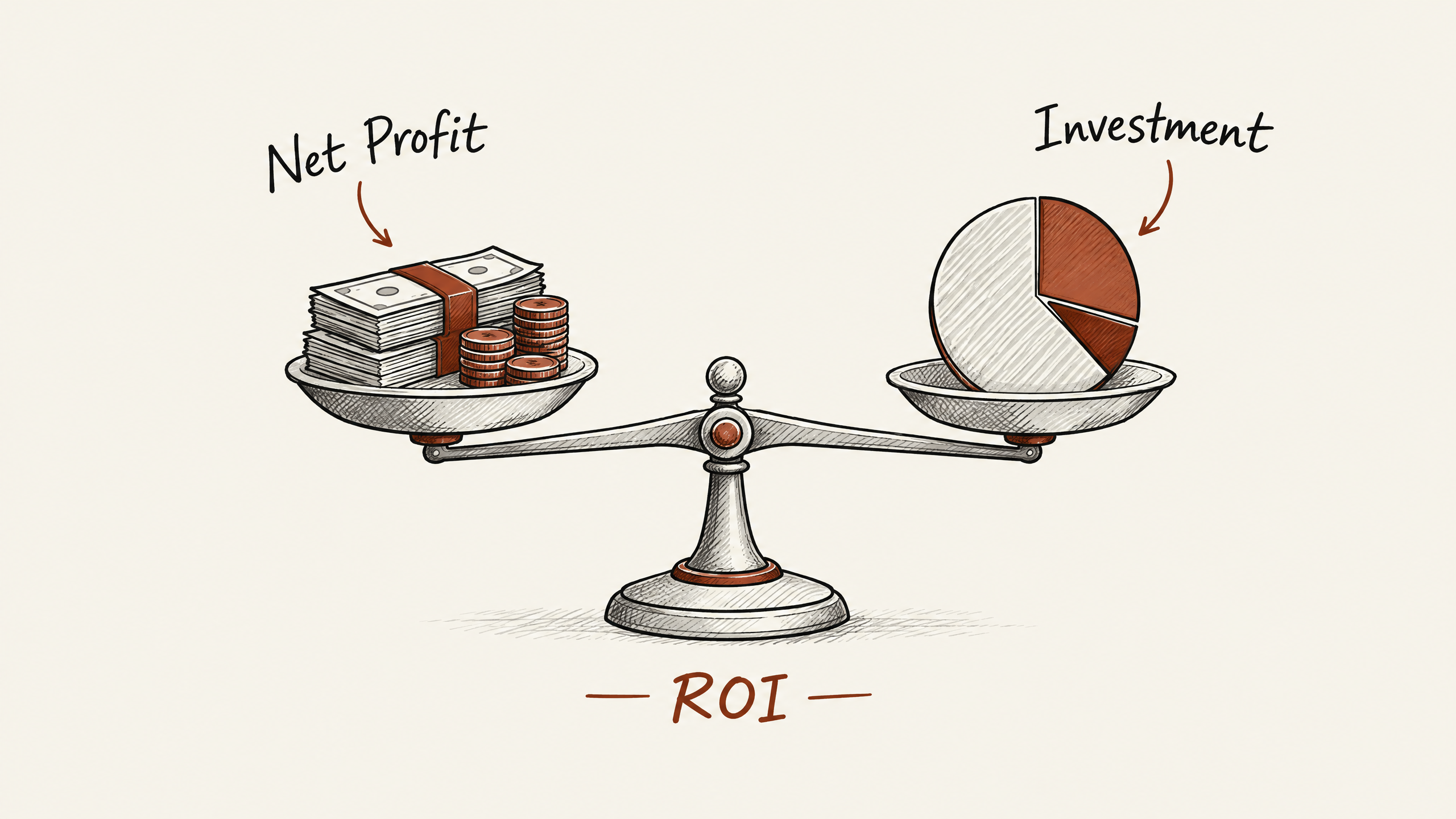
When it comes to evaluating the success of your B2B campaigns, understanding your Return on Investment (ROI) is crucial. ROI helps determine whether the resources spent on a campaign result in sufficient returns.
A well-calculated ROI can inform future marketing strategies.
The basic formula for calculating ROI is: (Net Profit / Cost of Investment) x 100.
Net profit is the revenue generated from the campaign minus all costs associated with it, such as marketing expenses, staffing, and technology.
By using this formula, you can gauge how effective your campaign has been financially.
Let’s consider a hypothetical example.
Suppose your company spent $50,000 on a B2B marketing campaign.
The campaign generated $200,000 in revenue.
The net profit for this campaign would be revenue ($200,000) minus costs ($50,000), equalling $150,000.
The resulting ROI would be ($150,000 / $50,000) x 100 = 300%. This indicates a successful campaign yielding triple the investment.
As you calculate ROI, keep in mind that it doesn’t capture the broader context of a campaign, such as brand awareness or customer satisfaction.
While these factors may not directly influence ROI calculations, they can affect long-term business growth. Another limitation is the challenge of attributing revenue when multiple campaigns or channels are involved.
After determining ROI, you should assess the outcome against your business goals. Compare the results with other initiatives to see where improvements can be made.
This will help in refining your strategy and aligning future campaigns with objectives.
Having a clear understanding of ROI enables you to make informed decisions about budgeting and resource allocation.
4. Monitoring Lead Quality
Understanding lead quality is critical for any B2B marketing campaign.
Not all leads are created equal some are more likely to convert into paying customers than others.
By monitoring lead quality, you can allocate resources more efficiently, focusing efforts on leads with the highest potential value.
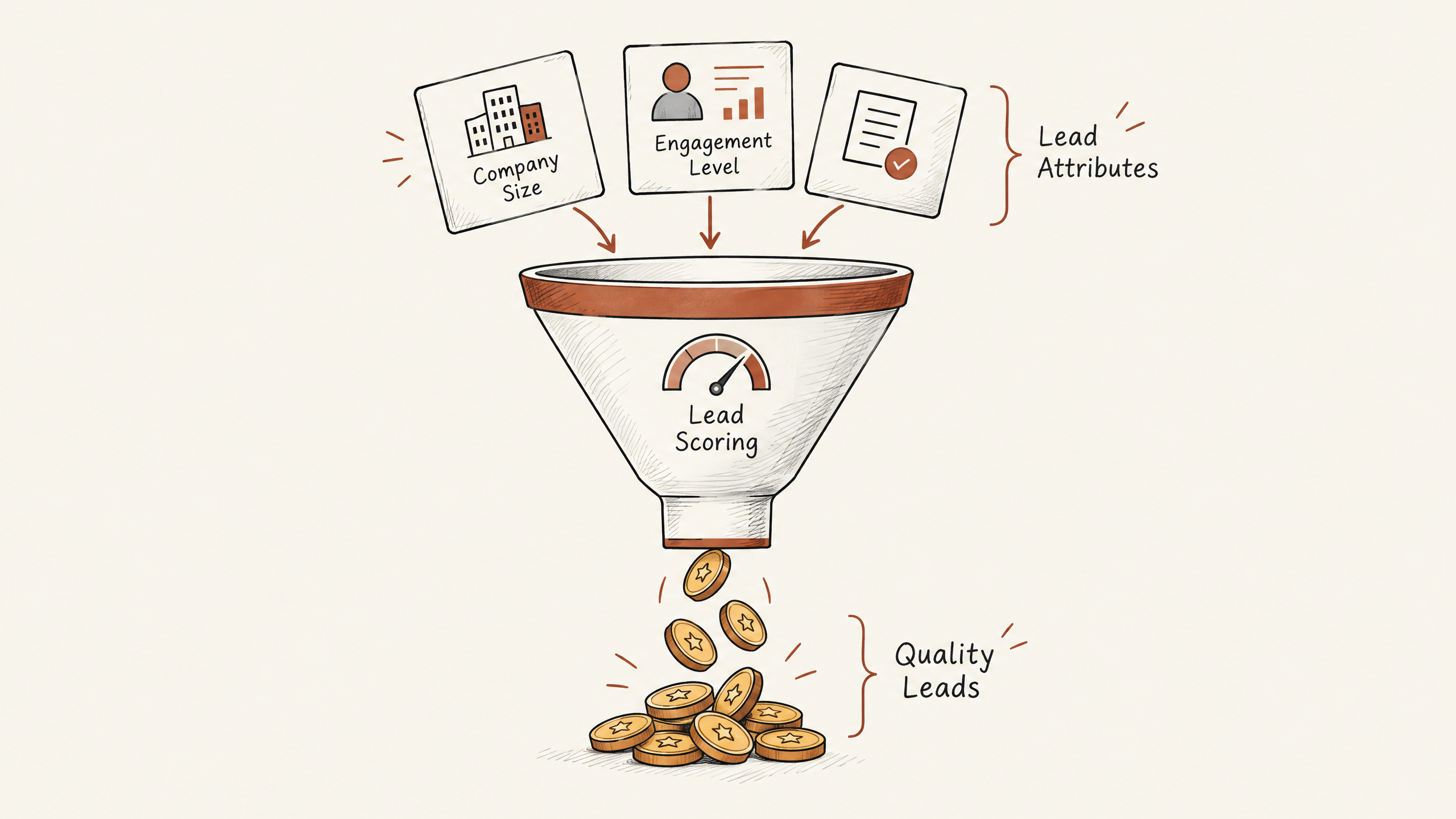
One practical way to assess lead quality is by establishing a lead scoring system. Assign a numerical value to different lead attributes based on their relevance to your business goals.
Factors such as company size, industry, engagement level, and past purchases can all contribute to this score.
Organizations often integrate lead scoring within their CRM systems to automate tracking and take action promptly.
A common mistake is to focus solely on the number of leads generated rather than their quality. This approach can result in wasted marketing spend and a bloated sales pipeline filled with low potential prospects.
Important: Focusing on lead quality over quantity ensures your marketing resources target prospects with the highest potential value, leading to a more effective sales pipeline and increased profitability.
Prioritizing lead quality, however, will provide your sales teams with better intelligence on which opportunities are most worth pursuing, ultimately leading to a shorter sales cycle.
Another method for monitoring lead quality is the use of qualitative feedback from your sales team.
Salespeople are on the front lines and can offer valuable insights into the types of leads that are genuinely interested and well-qualified versus those that are not.
Regular communication between marketing and sales about lead characteristics and outcomes can improve targeting and outreach strategies.
In your next campaign analysis meeting, examine which attributes have historically indicated high-quality leads. Use this data to refine your outreach strategies and allocate marketing resources more effectively.
By maintaining a focus on lead quality, your team can drive more impactful results and contribute more directly to business growth.
5. Evaluating Sales Cycle Length
Understanding your sales cycle length is crucial for assessing the efficiency of your B2B campaigns.
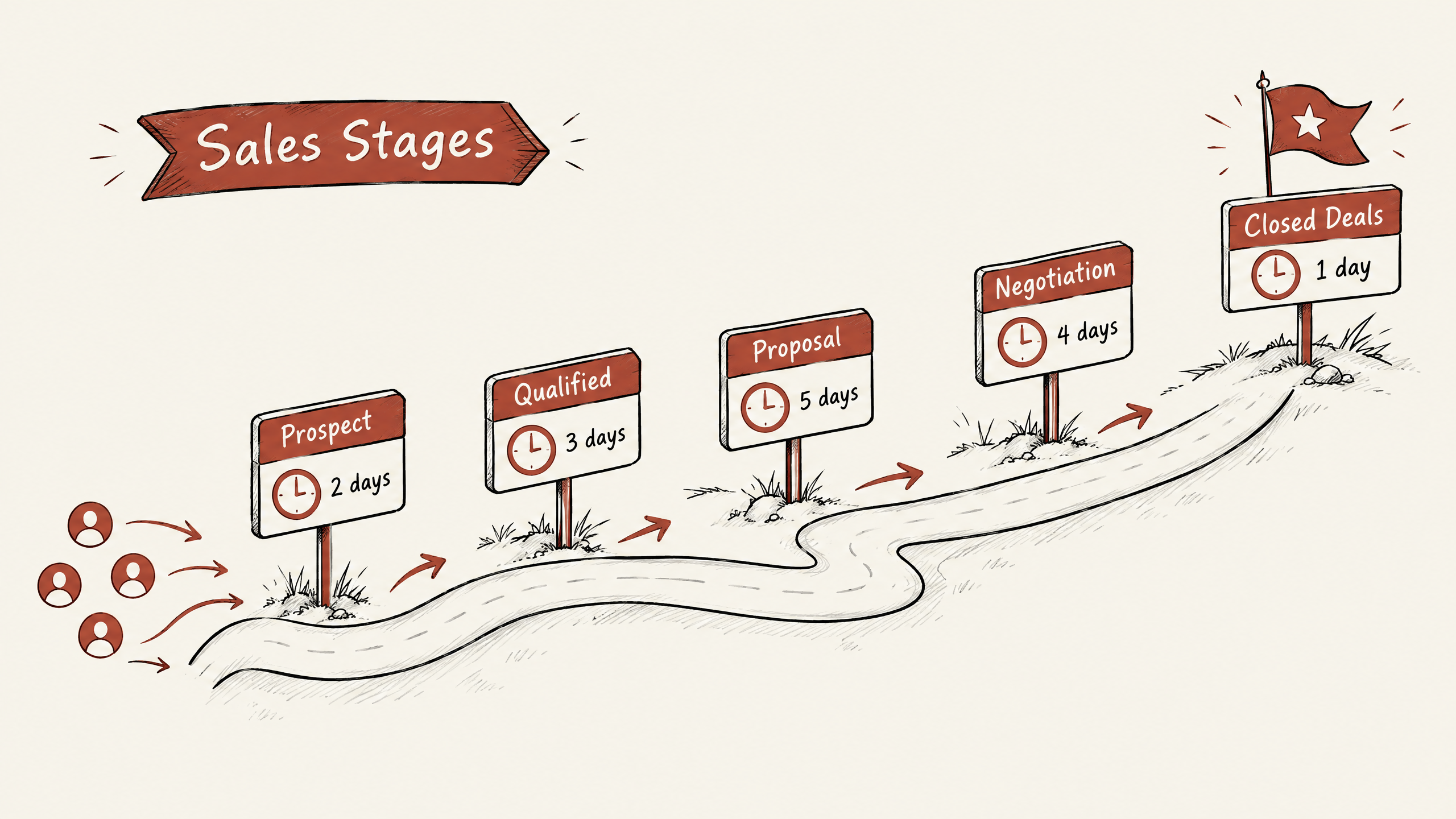
The sales cycle length measures the time it takes from an initial inquiry to closing a sale.
A shorter sales cycle often indicates a more efficient process, while longer cycles may hint at potential bottlenecks.
The first step in evaluating this metric is to clearly define the starting and ending points of your sales cycle.
Typically, it begins when a lead is first generated and ends when a sale is finalized.
Once these points are established, you can track the average time it takes for leads to transition through each sales stage.
For a practical evaluation, start by collecting data on closed deals over a specific period, such as the last quarter.
Calculate the total days for each deal and find the average.
This average gives you the median sales cycle length, providing an essential benchmark for improvement.
Keep in mind the nature of your product or service when evaluating.
Complex solutions naturally have longer sales cycles due to the decision-making involved.
For example, software solutions for enterprises often require more time than standard products.
Identify whether the length aligns with your expectations, and prioritize smoothing out unnecessary delays.
A common mistake is focusing solely on reducing the sales cycle length without understanding its implications.
Sharply cutting down the cycle may sacrifice lead quality, leading to higher churn.
The goal is a balanced cycle that aligns with lead quality and revenue objectives.
To get started with reducing your sales cycle, involve your sales and marketing teams in identifying process inefficiencies.
Pinpoint areas like initial outreach, proposal stages, or contract negotiations that often stall, and develop strategies to accelerate them without harming lead relationships.
Evaluate continuously and adapt your processes based on insights from this metric.
A constructive change in the sales cycle length could directly impact other key areas such as lead quality and ROI, increasing the overall effectiveness of your B2B campaigns.
6. Assessing Customer Lifetime Value
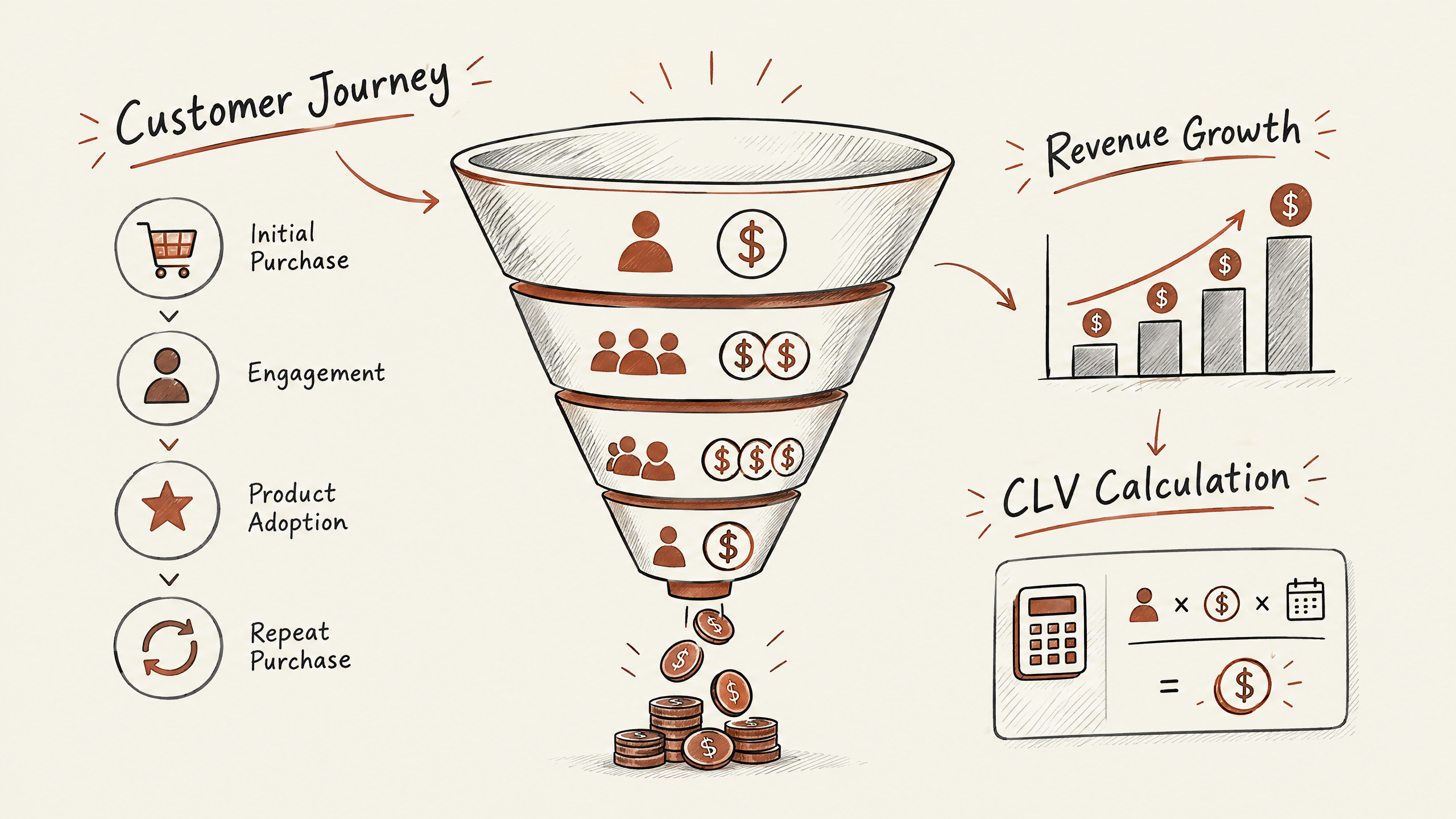
Understanding Customer Lifetime Value (CLV) is vital for B2B marketing directors and sales leaders. It helps determine the total revenue a business can expect from a single customer account.
This information is crucial for identifying the most profitable customer segments and allocating marketing resources efficiently.
By calculating CLV, you can guide strategic decisions on resource allocation, ultimately improving return on marketing investments.
To accurately calculate CLV, start by estimating the average purchase value a calculation made by dividing the total revenue by the number of purchases during a specific period.
Next, figure out the average purchase frequency rate by dividing the number of purchases by the number of unique customers.
Multiply these two numbers. Then, multiply that result by the average customer lifespan (the average time a customer continues to purchase from your business), adjusted for your industry context.
If the average purchase value is $100, the average purchase frequency is 5 times per year, and the average customer lifespan is 3 years, the CLV would be $1,500.
This number gives a clear picture of the long-term value of your customer relationships.
It’s a metric for deciding how much to invest in acquisition versus retention strategies.
When using CLV in your campaign performance reporting, make sure your data for revenue, purchase, and customer lifespan is reliable and current to avoid skewed calculations.
Also, remember that CLV is a dynamic number and should be recalculated regularly to reflect changes in customer behavior or market conditions.
If you identify underperforming customer segments through CLV analysis, it’s an opportunity to adjust strategies and enhance customer experiences. For example, if a segment has lower CLV than expected, intensifying engagement and retention strategies might help boost its potential value.
Exhibitant‘s B2B marketing services can support you in segmenting audiences and nurturing relationships.
Knowing which customers generate the most lifetime value helps in orienting campaigns toward those high-value groups, ensuring your efforts deliver greater returns.
Wrapping Up
Incorporating these metrics into your campaign evaluations will help you gain a clear view of your B2B marketing efforts. Each metric conversion rates, customer acquisition cost, ROI, lead quality, and more contributes to a full understanding of your campaign performance.
As you try the numbers, remember that context is key.
These metrics should not be viewed in isolation. Rather, they should inform your strategic decisions and allow you to adjust tactics based on comprehensive data insights.
By regularly assessing these metrics, you can stay agile and responsive in the competitive landscape.
The next step is to share these insights with your team.
Use them during your strategic planning sessions to align on what’s working and what needs improvement. When everyone has a clear picture, you are better equipped to drive continued success in your B2B marketing campaigns.
Need a clearer marketing plan?
Connect your message, channels, and next steps
Share your audience and campaign priorities. Our team can help with landing pages, content, advertising, and reporting.
Keep planning
More exhibit guidance
Keep exploring practical advice on booth planning, marketing, and getting more from your next show.
Tell us about your business, the buyers you want to reach, and what you want to achieve. Whether you need more sales conversations, stronger marketing, or a trade show presence, we’ll help you identify where to focus and what support makes sense. Together, we can shape a practical plan around your priorities, budget, and timeline.
 Louie J.


 Lorena G.