Agreed metric definitions
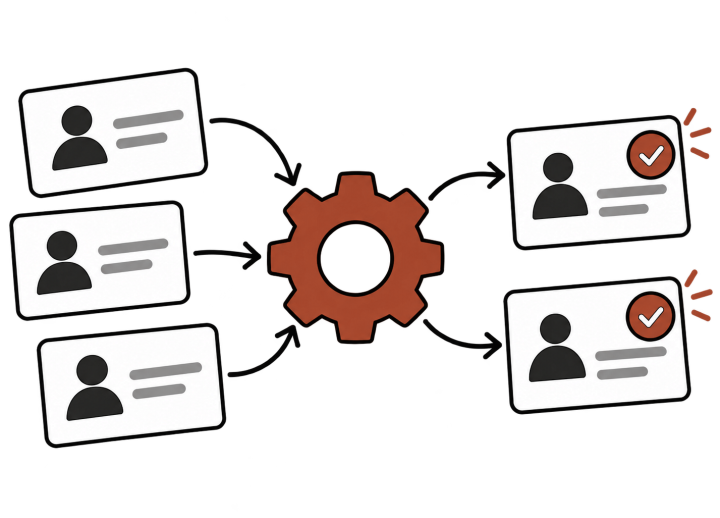
A clear distinction between visits, inquiries, meeting requests, opportunities, and recorded sales. Define what counts before comparing channels or presenting a single total.
Campaign Reporting
We bring campaign and sales data into a practical reporting view. Track activity from inquiry to follow-up and use the findings to decide what to continue, adjust, or investigate.

Ways to work together
Compare the scope of each approach, including the decisions and inputs your team will own. The proposal confirms the services and responsibilities you choose.
Create a baseline and a useful structure for future review.
Your part: Provide reporting access and confirm how your team defines leads, stages, and sales outcomes.
Bring the agreed data together and use it to guide regular decisions.
Your part: Keep source records current and share sales context that the platforms cannot supply.
Who it helps
Use Campaign Reporting where it supports a specific business need. These starting points help us choose the right work and identify the information your team needs to provide.
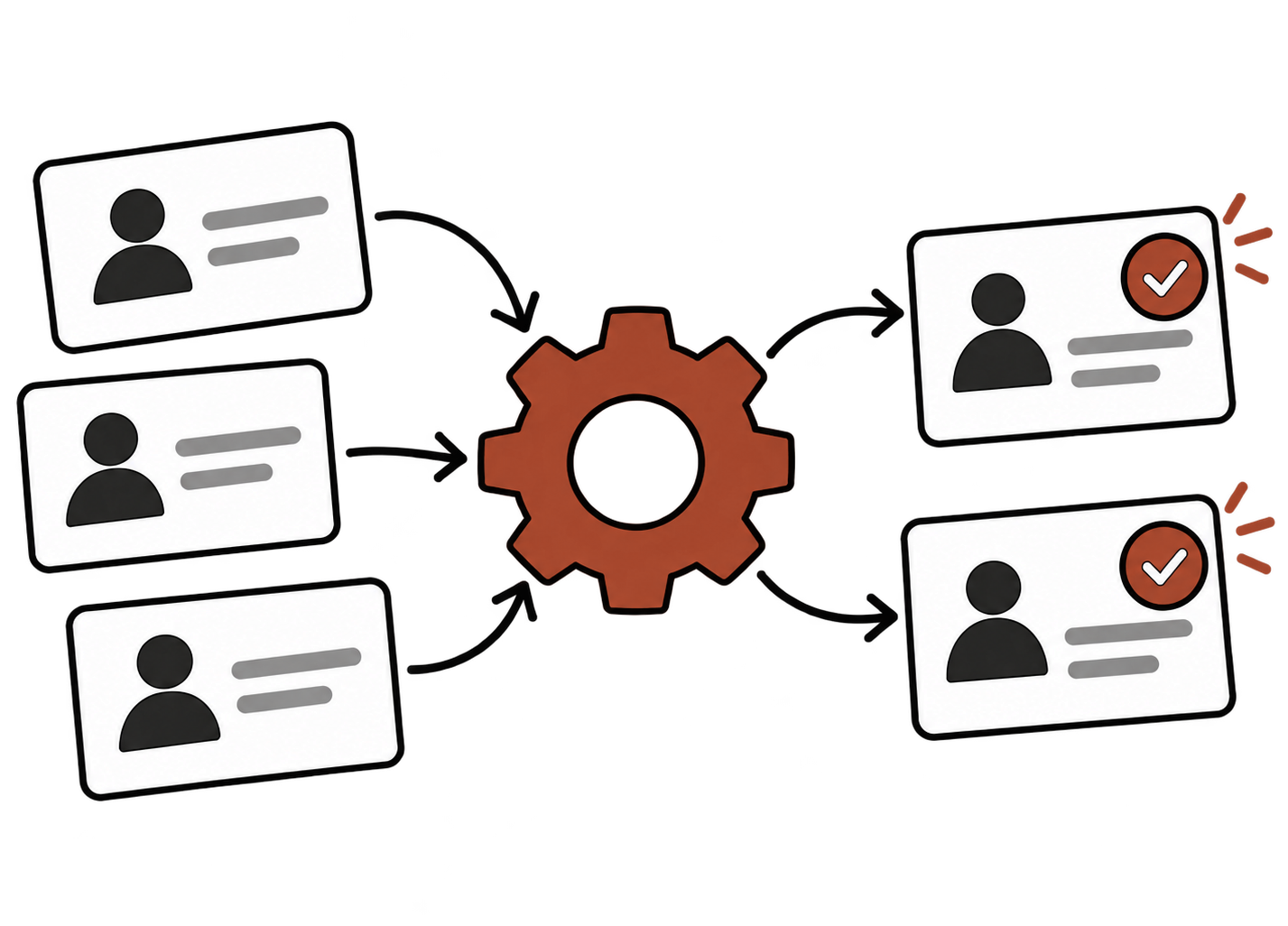
Reconcile definitions and reporting periods before assuming that one platform's conversion total should match another's.
Connect campaign activity to the available inquiry and pipeline records without disguising missing data.
Review what the data supports, what is uncertain, and which practical action would improve the next decision.
Agree a reporting rhythm, consistent definitions, and named action owners so each review leads to a practical next step.
How it works
Follow the work, decisions, and responsibilities at each stage. We agree the actual schedule around your scope, approvals, and the dependencies that affect delivery.
Start with the business questions the report needs to answer.
Assess the available records and the gaps that affect comparisons.
Present the agreed measures with enough context to interpret them.
Turn the findings into a practical next step and an owner.
The stages show the working sequence, not a guaranteed turnaround. Your proposal confirms the included work, review points, and timing. External approvals and separately scoped services can affect the schedule.
Quality and controls
Use specific review points to catch gaps and keep the work connected to the approved brief. Each check needs the right information and a person who can make the decision.

The handoff
Useful work needs a usable handoff. Agree the outputs, supporting information, and ownership so the next stage can move forward with a clear starting point.
Definitions, source locations, and the rules used to calculate or group the reported measures.
The agreed dashboards, exports, or reports and their refresh responsibilities.
Findings, unresolved questions, and recommended actions with the people responsible for taking them forward.
Reports distinguish recorded results from estimates and explain incomplete attribution. Data cleanup, new tracking, CRM implementation, integrations, and software are separate unless included in the agreed scope.
Scope and pricing
The proposal connects your requirements to deliverables, responsibilities, fees, and terms. Review the initial work, ongoing needs, and connected services together.

Compare the approaches
A visible set of numbers and a useful business discussion solve related but different problems.
| What to consider | Dashboard setup | Recurring reporting |
|---|---|---|
| Primary value | Dashboard setup A consistent place to view selected measures and definitions. | Recurring reporting A regular explanation of changes, limits, and recommended actions. |
| Dependencies | Dashboard setup Available data connections, permissions, and clear refresh ownership. | Recurring reporting Current records, business context, and stakeholders ready to act on findings. |
| Next step | Dashboard setup Your team uses and maintains the agreed reporting view. | Recurring reporting The team reviews evidence together and updates the next decisions. |
Frequently asked questions
Find practical answers about getting started, approvals, scope, costs, and what happens after delivery.
8 questions about getting started.
We review the sources, available access, export options, and definitions before confirming the reporting approach. Some data can be connected; other sources may require a manual contribution. The proposal identifies the systems included and the responsibilities for keeping them current.
Yes. A source review can identify gaps and explain what the available data can support. Historical information may remain incomplete even after tracking improves. We distinguish reporting from the implementation needed to repair tracking or CRM processes, with that work separately scoped.
Yes. A defined campaign can provide a useful starting point for source review and metric definitions. Agree the period, costs, intended action, and available sales context. Expanding the report later requires consistent definitions so the initial campaign can be compared meaningfully with the wider program.
We can review the spreadsheet as an available source when access and definitions are clear. Confirm who maintains it, what each status means, and how records connect to campaigns. The report should explain any manual contribution and the limits of incomplete or inconsistent entries.
Start with the information in the preparation checklist: current reports and business questions; advertising and analytics sources; CRM stages and sales definitions; source labels and tracking conventions; reporting period and review cadence; data owners and decision-makers. You do not need a finished specification to discuss the project. Identify what is confirmed, what is still undecided, and any deadline or budget constraint that could change the recommended scope.
Yes, when the responsibilities and handoffs are clear. Identify who supplies information, who implements each part, and who has final approval. We define the work our team owns and the dependencies retained by others. That helps avoid duplicate effort, conflicting instructions, and assumptions about services that no one has agreed to provide.
We can use the first discussion to identify the gaps and decide what can be clarified early. Missing facts, access, specifications, or approvals may prevent later work from starting. Bring the materials you have and explain what is uncertain, so preparation can be sequenced around the decisions that matter.
Start by sharing the previous scope, relevant materials, and what went wrong. We can review whether the issue involved requirements, execution, handoff, or expectations. A new supplier alone is not a guarantee of a better outcome. The useful next step is an agreed brief, clear responsibilities, and review points that address the actual problem.
Campaign Reporting
Share your goals, current materials, and timing. We will review the Campaign Reporting requirements, identify open decisions, and agree a practical scope with your team.
info@exhibitant.com