B2B lead generation

Start relevant conversations with potential buyers

We research relevant accounts, write your outreach, and prepare the campaign. Start with research and setup, or add ongoing support to turn buyer interest into sales conversations.
See what you get
  • Your team approves the audience and emails
  • Research and setup, with optional campaign support
  • For year-round outreach and pre-show conversations
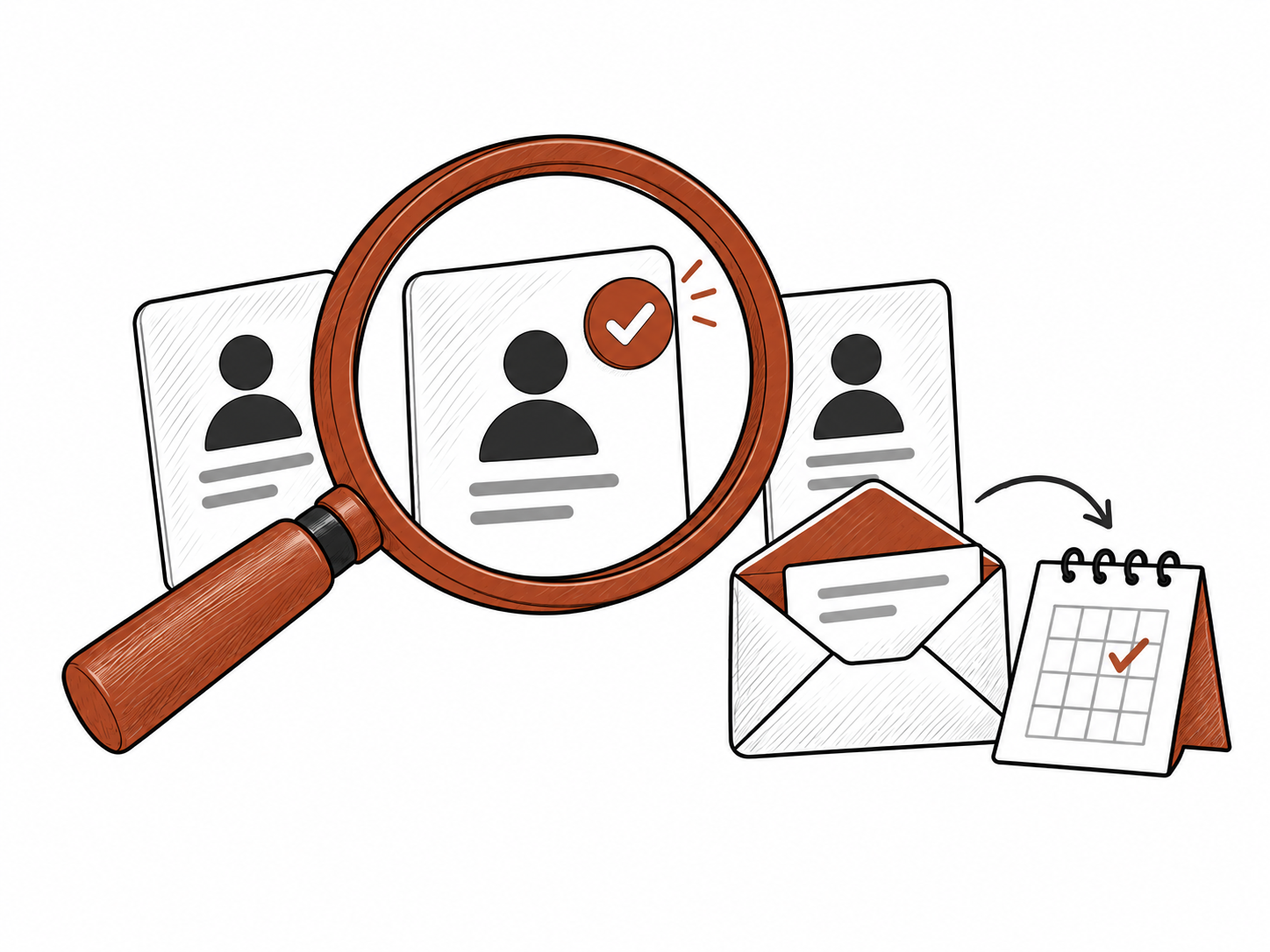
Hand-drawn magnifying glass selecting a buyer profile, with an outreach envelope and a checked meeting calendar

What you get

Start with a campaign your team can use

Turn your offer into a defined audience, a researched list, and outreach ready for approval. The initial research and setup engagement brings these pieces together.

An audience brief

The industries, markets, company profile, buyer roles, and account exclusions that guide your campaign.

A researched prospect list

Relevant companies and contacts, organized into focused segments for your outreach.

An email sequence

An opening message and follow-ups built around your offer, ready for your team to review.

A setup and handoff plan

A sending-setup review, a named reply owner, and clear next steps for launching the campaign.

Campaign support

Choose how much support you need

Start with the preparation, or scope help with running the campaign. Explore what each option covers.

Research and setup

Prepare the campaign

Get the audience, prospect research, outreach copy, and setup plan ready. Your team takes it forward.

  • Audience brief and account exclusions
  • Researched prospect segments
  • Email sequence ready for approval
  • Sending review and handoff plan

Your part: Your team handles sending, sales replies, and meeting coordination.

Add campaign support

Keep outreach moving

Build on research and setup with ongoing support agreed around your campaign and sales capacity.

  • Sending within the agreed campaign scope
  • Message testing and campaign review
  • Reply routing to your sales owner
  • Reporting on conversations and next steps

Your part: Your team answers product and sales questions and leads the meetings. We agree follow-up responsibilities in your proposal.

Who it helps

New accounts, new markets, or an upcoming show

For B2B teams with a clear offer and specific buyers to reach. Plan outreach around your sales priorities, with or without a trade show.

Works best when you know the problem your offer solves, understand your customer value, and have someone ready to follow up.
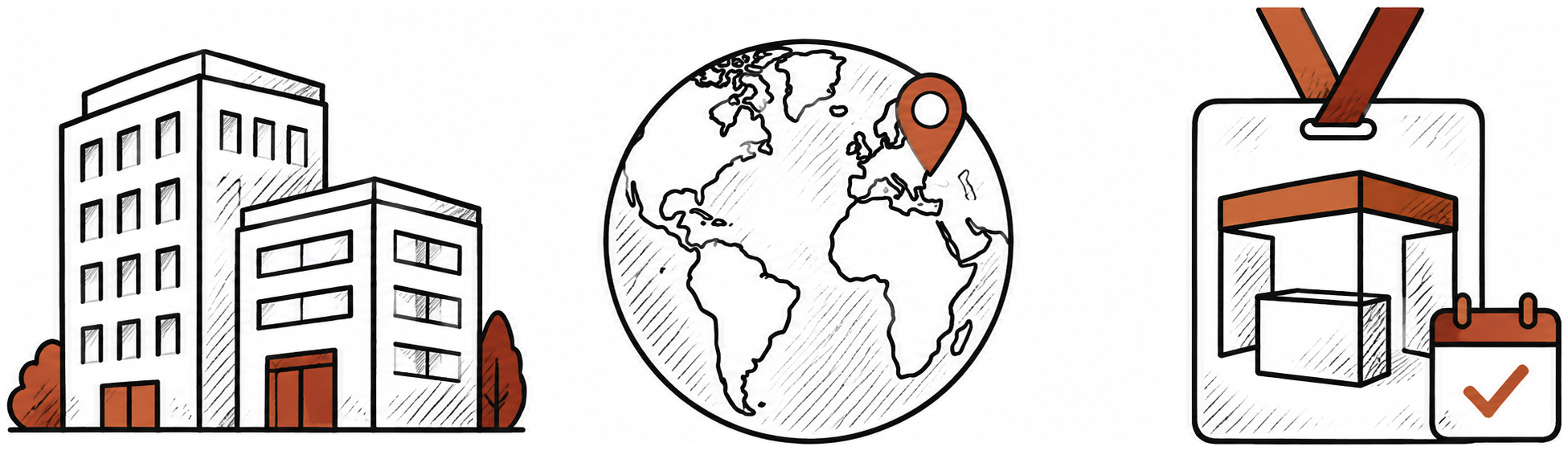
Hand-drawn company buildings, a globe with a location pin, and a trade show invitation with a checked calendar
  • Reach new accounts

    Give your sales team a focused way to approach relevant companies beyond its current network.

  • Introduce an offer to a new market

    Organize prospects by buyer role and business need, then test a message built for that audience.

  • Start conversations before a show

    Connect outreach to a product demo, booth invitation, or pre-show meeting request.

How it works

From the right audience to a useful sales conversation

A four-stage plan takes you from the campaign brief to focused outreach and review. Research and setup cover the preparation; launch and ongoing review are included when you add campaign support.

  1. Week 1

    Align and set up

    Turn your offer and sales goals into a campaign brief, then review the sending setup needed to reach the right buyers.

    • Agree industries, buyer roles, and conversation criteria.
    • Review domains, inboxes, and sending readiness.
    • Define exclusions, reply ownership, and sales capacity.
    Your part
    45–60 min
    Estimated effort

    Complete kickoff and share your offer, sales materials, target buyers, and account exclusions.

  2. Week 2

    Prepare and approve

    Build the first prospect segments and write the outreach your team will review before anything goes out.

    • Research company fit, buyer roles, and contact details.
    • Prepare the opening email and follow-up sequence.
    • Agree reply routing and any separately scoped CRM handoff.
    Your part
    15–20 min
    Estimated effort

    Approve the audience and email copy, confirm exclusions, and name the person who will handle sales replies.

  3. Week 3

    Launch the first tests

    With campaign support, begin focused outreach once the audience, messages, and sending setup are ready.

    • Confirm approvals and sending readiness before launch.
    • Test approved messages and review the first replies.
    • Route interested buyers to your agreed sales owner.
    Your part
    10–15 min
    Excludes sales calls

    Review early conversations and share what makes a good fit. Your sales owner answers questions and arranges meetings.

  4. Week 4 onward

    Expand what works

    Use campaign replies and sales outcomes to refine the audience, improve the messages, and plan the next round of outreach.

    • Refine segments and messages using buyer feedback.
    • Review conversations, meeting requests, and sales outcomes.
    • Adjust outreach within the agreed scope and sales capacity.
    Your part
    10–15 min/week
    Excludes sales calls

    Lead the sales conversations, share outcomes, and keep the campaign owner informed about your team's capacity.

Illustrative timing and effort estimates for kickoff, approvals, and campaign feedback. Your schedule is agreed around the scope, approvals, and sending readiness; sales calls are additional.

With ongoing support, campaign review continues after the initial launch. Your team owns sales conversations and meeting coordination; reply routing and review follow the scope in your proposal.

Lead quality

Agree what makes a conversation worth having

Define the companies, buyer roles, and signs of interest that matter to your team. Keep an interested reply, a meeting request, and a confirmed appointment distinct.

Your team approves the audience and email copy before launch. Current customers, active deals, and do-not-contact records belong in the exclusion plan.
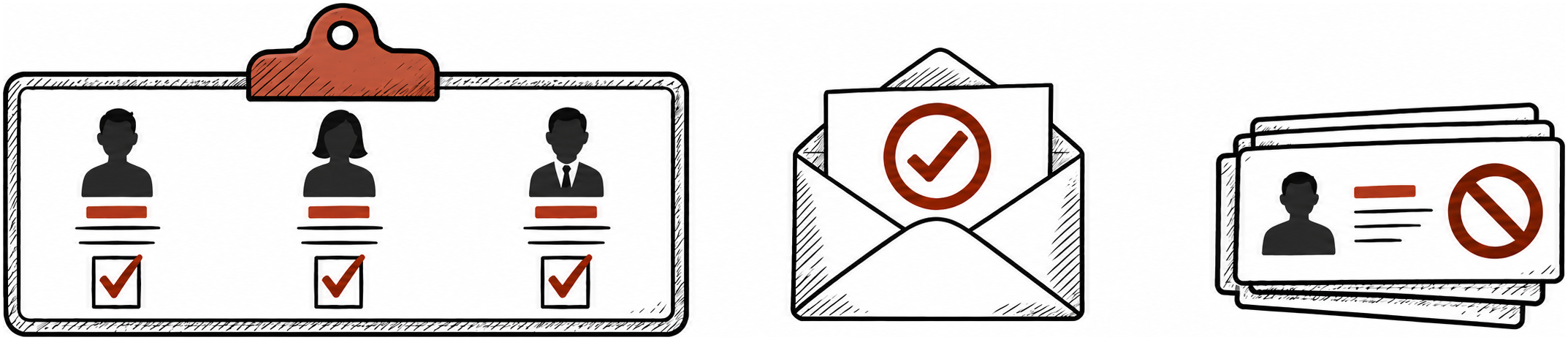
Hand-drawn approved audience checklist and outreach envelope beside excluded contact cards
Company fit
The industry, geography, and company profile match the audience brief.
Buyer fit
The contact has a role in choosing or using your offer, or can point you to the right person.
Real interest
A relevant question, stated need, referral, or willingness to learn more. Automatic replies and opt-outs stay separate.
An agreed next step
Capture what still needs to happen, who owns it, and any meeting timing already discussed.

Sales handoff

Give sales a clear next step

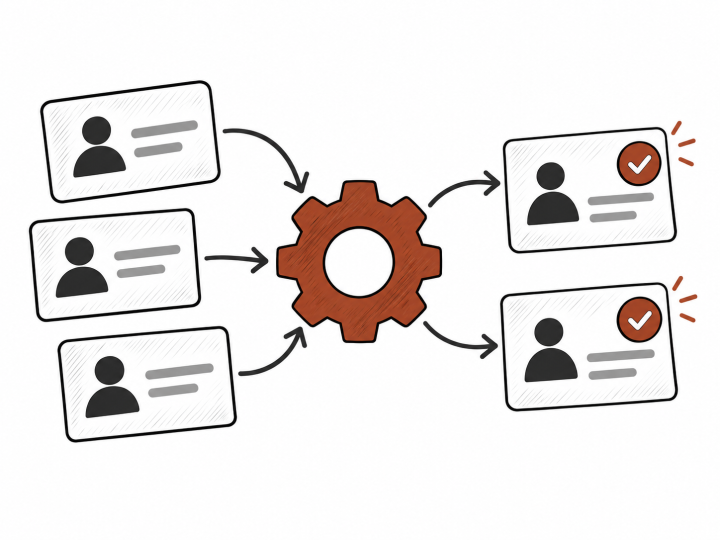
Agree the buyer details, reply context, and follow-up plan that travel to the person owning the conversation.

Buyer context

Contact
Company, name, role, and contact details.
Audience fit
Why the account and buyer match your brief.

Conversation history

Their reply
The message, questions, and offer they responded to.
Current status
Interested reply, meeting request, or confirmed appointment.

Follow-up plan

Sales owner
The person responsible for answering and following up.
Next action
What needs to happen next and any agreed timing.

Your team leads the sales conversation. Campaign support can include reply routing. CRM and automation work are scoped separately.

Plan the CRM handoff

Scope and pricing

Know what you’re agreeing to before launch

Your audience, campaign window, sending setup, and follow-up needs shape the quote. We outline the deliverables, responsibilities, fees, and terms before work starts.

Bring your offer, target buyers, and launch date to the conversation.
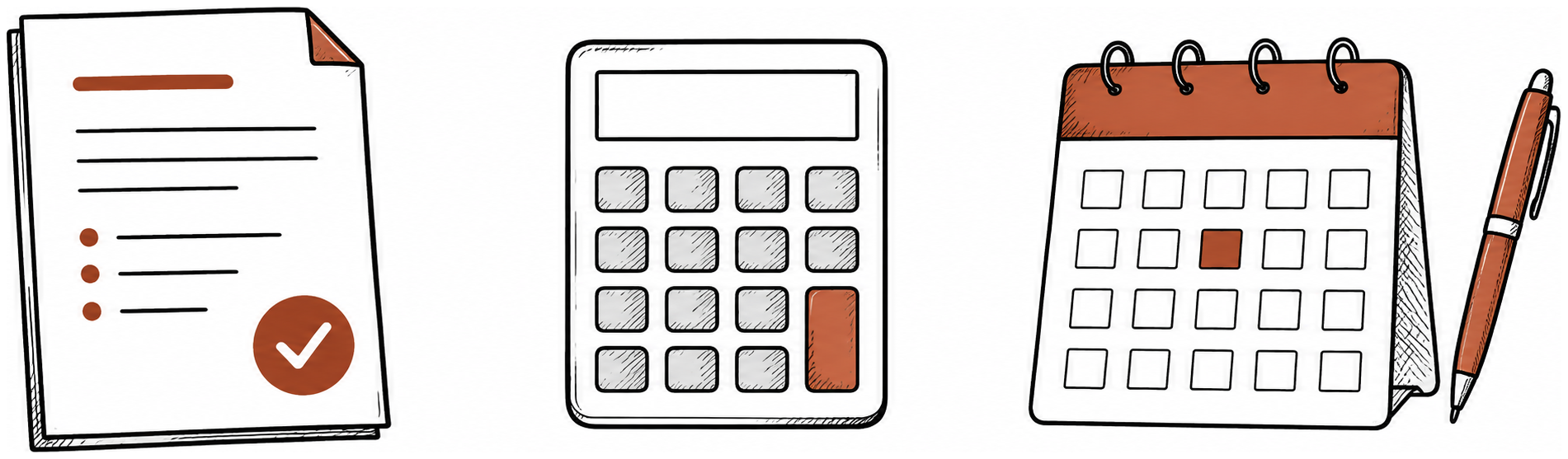
Hand-drawn approved proposal, campaign budget calculator, and launch calendar with a cedar pen
Initial research and setup
The audience brief, prospect research, outreach copy, sending review, and handoff included in your engagement.
Ongoing campaign support
The sending, message updates, reply support, and reporting agreed for your campaign period.
Tools and connected services
Domains, mailboxes, and software, plus any separately scoped landing page, CRM, or automation work.

Channel comparison

Cold email or paid ads? Compare the fit

Cold email opens direct conversations with selected buyers. Ads can capture search demand or build awareness. Both need a relevant offer and sales follow-up.

Who you reach
Paid search & social adsReach people through search queries or audience targeting. Some platforms also support company, job-title, and contact-list targeting.
Cold outreach with ExhibitantWe select companies and decision-makers that match your brief, then reach out directly with a relevant reason to talk.
What you pay for
Paid search & social adsMedia spend is billed according to the platform and campaign, often for clicks or impressions. That spend does not guarantee an attended meeting.
Cold outreach with ExhibitantResearch, copy, sending setup, tools, and the campaign support in your quote. Deliverables, fees, and terms are agreed before work starts.
The path to a meeting
Paid search & social adsAn ad leads to a website or lead form. Your team or agency still needs to turn that interest into a qualified sales conversation.
Cold outreach with ExhibitantAn email starts the conversation. Campaign support can include routing interested replies to your sales owner with buyer details and context. Your team answers sales questions and arranges the next step.
The ongoing work
Paid search & social adsSomeone needs to manage targeting, creative, landing pages or forms, tracking, budget, and optimization, alongside lead follow-up.
Cold outreach with ExhibitantWe prepare prospect research, outreach copy, and setup. Ongoing sending, reply routing, and campaign review are scoped around your campaign. Your team approves the direction and leads sales conversations.
Already running ads? You can use both
Keep the advertising campaigns that are working for your business. Cold email can run alongside them, giving your sales team a direct way to approach specific companies and buyers you want to reach. Review both channels by the qualified meetings they create, the customers you win, and the total cost of acquiring those customers.

ROI calculator

What could the meetings be worth to your business?

Use your campaign budget and sales numbers to estimate the return from attended meetings. Change the example inputs to match your business.

meetings
%
USD

Use the same revenue period for each customer, such as their first year.

%

Revenue left after the direct cost of delivering your service.

USD

Leave at 0 for a fixed monthly quote.

USD

The starting values are examples, not Exhibitant pricing. Enter your recurring quote as the monthly campaign budget. Add a per-meeting fee only if it appears in your quote.

Based on your inputs. ROI uses gross profit after recurring campaign fees, before one-time setup costs, overhead, and taxes.

Your ROI

414%

Gross profit return after campaign fees.

Expected new customers
3
Customer revenue
$30,000
Gross profit before fees
$18,000
Monthly campaign costs
-$3,500
Gross profit after fees
$14,500

1 new customer to break even. Covers this month's campaign costs.

Frequently asked questions

Questions before you start?

Find the details about research, approvals, campaign scope, and sales follow-up.

7 questions about getting started.

Can we start with research and outreach setup?

Yes. Start with a defined engagement covering an audience brief, researched prospect segments, outreach copy, a sending-setup review, and an agreed handoff. Your team can handle sending and follow-up, or we can scope ongoing campaign support separately.

Do we need to be exhibiting at a trade show?

No. Outreach can support ongoing B2B prospecting as well as an event. We plan the message around a relevant reason to talk, such as a product demo, a business need, or an upcoming show.

What do you need from us to get started?

Your offer, target markets, buyer roles, relevant sales materials, and campaign timing. We also need your account exclusions and a named contact to approve copy and own sales follow-up.

We tried cold email before and it did not work. What would change?

We would first review the audience, offer, messages, sending setup, and replies from the previous campaign. That helps identify what needs a different approach before investing in more sending. A revised campaign still needs a relevant offer and a sales owner who can follow up; a different provider alone does not guarantee better results.

Our audience is very niche. Is outreach still worth exploring?

A narrow audience can make the brief more focused, but there must be enough relevant accounts to support the campaign. Share your ideal customers, buyer roles, geography, and exclusions so we can review the audience before agreeing the research scope. We would rather identify a limited market early than fill a list with companies that do not fit.

What if our offer or sales materials are not ready yet?

Start by clarifying who you help, the problem you solve, and the next step you want a buyer to take. Share the materials you already have so we can identify gaps before writing outreach. Branding, sales materials, or a landing page can be scoped separately when the campaign needs them.

We already have a sales team and run ads. Why add outreach?

Outreach gives your team another way to approach selected accounts with a relevant reason to talk. It can sit alongside ads, referrals, and sales prospecting rather than replacing them. Agree account ownership and exclusions first, then compare the useful conversations and opportunities each channel contributes.

B2B lead generation

Let’s plan your next outreach campaign

Bring your offer, target buyers, and campaign timing. We will talk through the audience, research and setup you need, and how interested replies reach your sales team.

info@exhibitant.com
Tell us what you need

A few details will help us make the most of our conversation.