Page and content plan
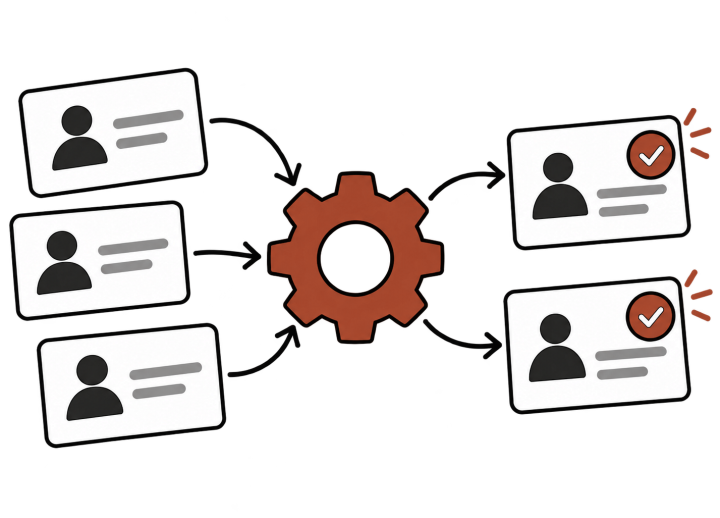
An agreed sitemap, page purpose, and content outline. Each page connects a buyer question to the information and next action that belong there, so the build starts with a useful structure.
Web Development
We plan, write, and build websites and landing pages that help visitors understand your offer and take action. Connect trade show invitations, advertising, and ongoing marketing to a useful destination.
Ways to work together
Compare the scope of each approach, including the decisions and inputs your team will own. The proposal confirms the services and responsibilities you choose.
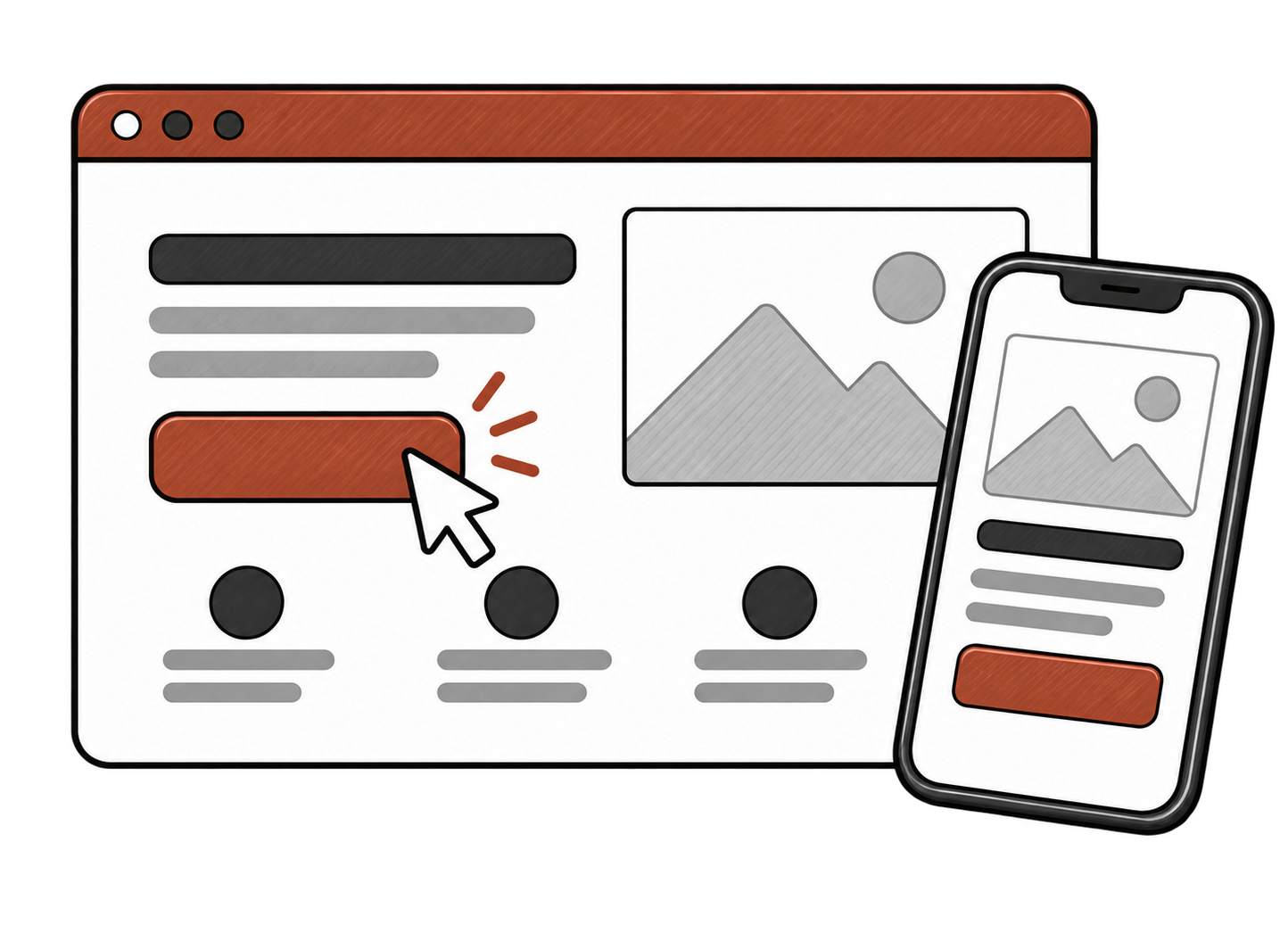
Give one campaign, product, or event a dedicated destination with one clear conversion goal.
Your part: Supply product facts, approve the page, and name the person who will answer inquiries.
Organize a broader offer across a coordinated set of pages and reusable design patterns.
Your part: Confirm page owners, existing content, access, and the approval process. Ongoing maintenance is separately scoped.
Who it helps
Use Web Development where it supports a specific business need. These starting points help us choose the right work and identify the information your team needs to provide.
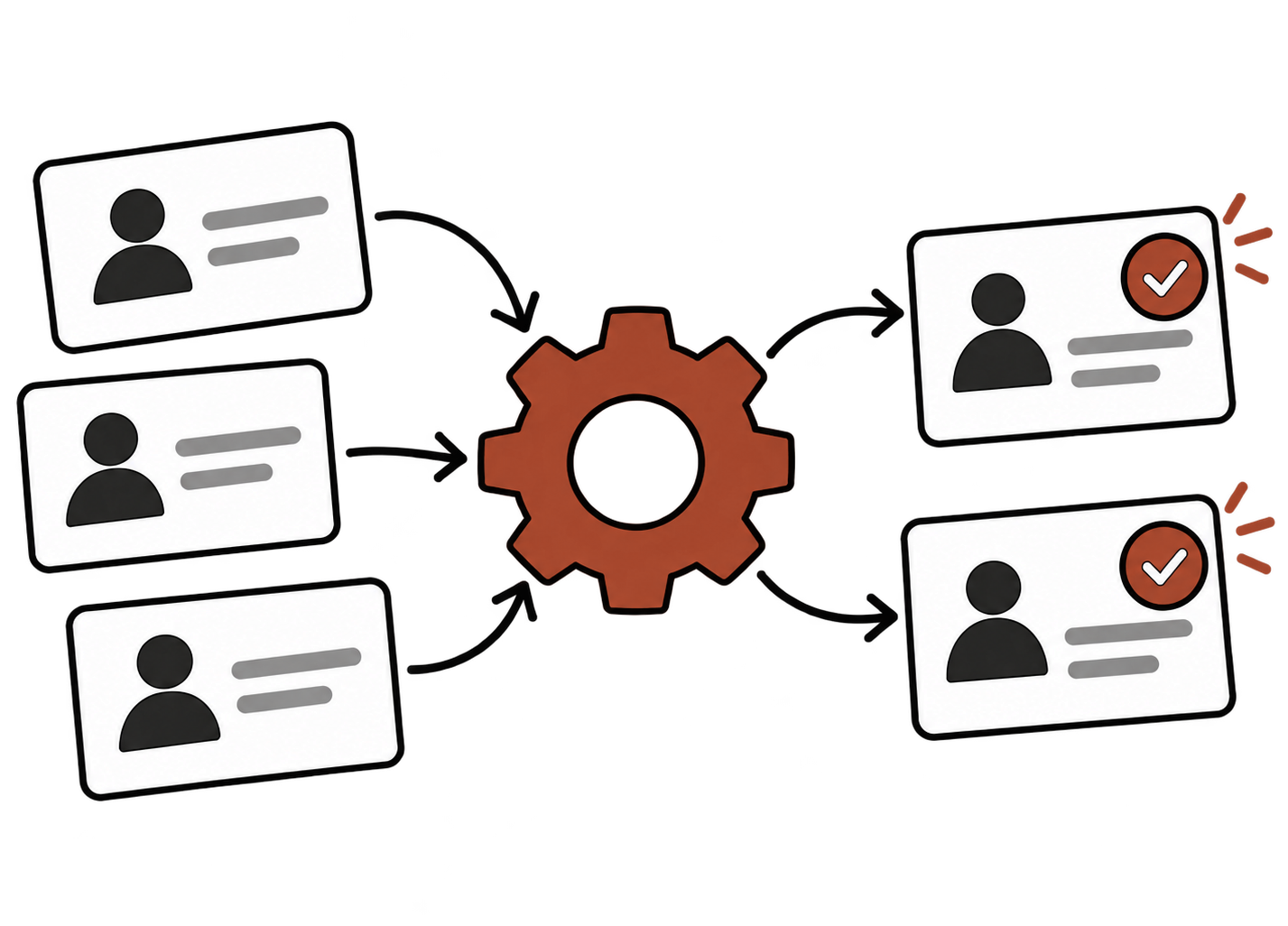
Connect advertising, outreach, or a show invitation to a page that explains the specific offer and makes the next step clear.
Bring changing services, mixed messages, and disconnected pages into a structure buyers can understand without needing a sales call first.
Review where forms send messages, what context they capture, and how the right person follows up after a visitor takes action.
Plan reusable page sections and an editing workflow so routine content changes have clear owners and instructions.
How it works
Follow the work, decisions, and responsibilities at each stage. We agree the actual schedule around your scope, approvals, and the dependencies that affect delivery.
Agree the audience, business action, pages, and content responsibilities before choosing layouts.
Turn the page plan into copy and responsive designs for review before implementation.
Implement approved pages and connect the agreed forms, booking, and measurement tools.
Complete the launch checklist, resolve agreed issues, and transfer operating context to your team.
The stages show the working sequence, not a guaranteed turnaround. Your proposal confirms the included work, review points, and timing. External approvals and separately scoped services can affect the schedule.
Quality and controls
Use specific review points to catch gaps and keep the work connected to the approved brief. Each check needs the right information and a person who can make the decision.
The handoff
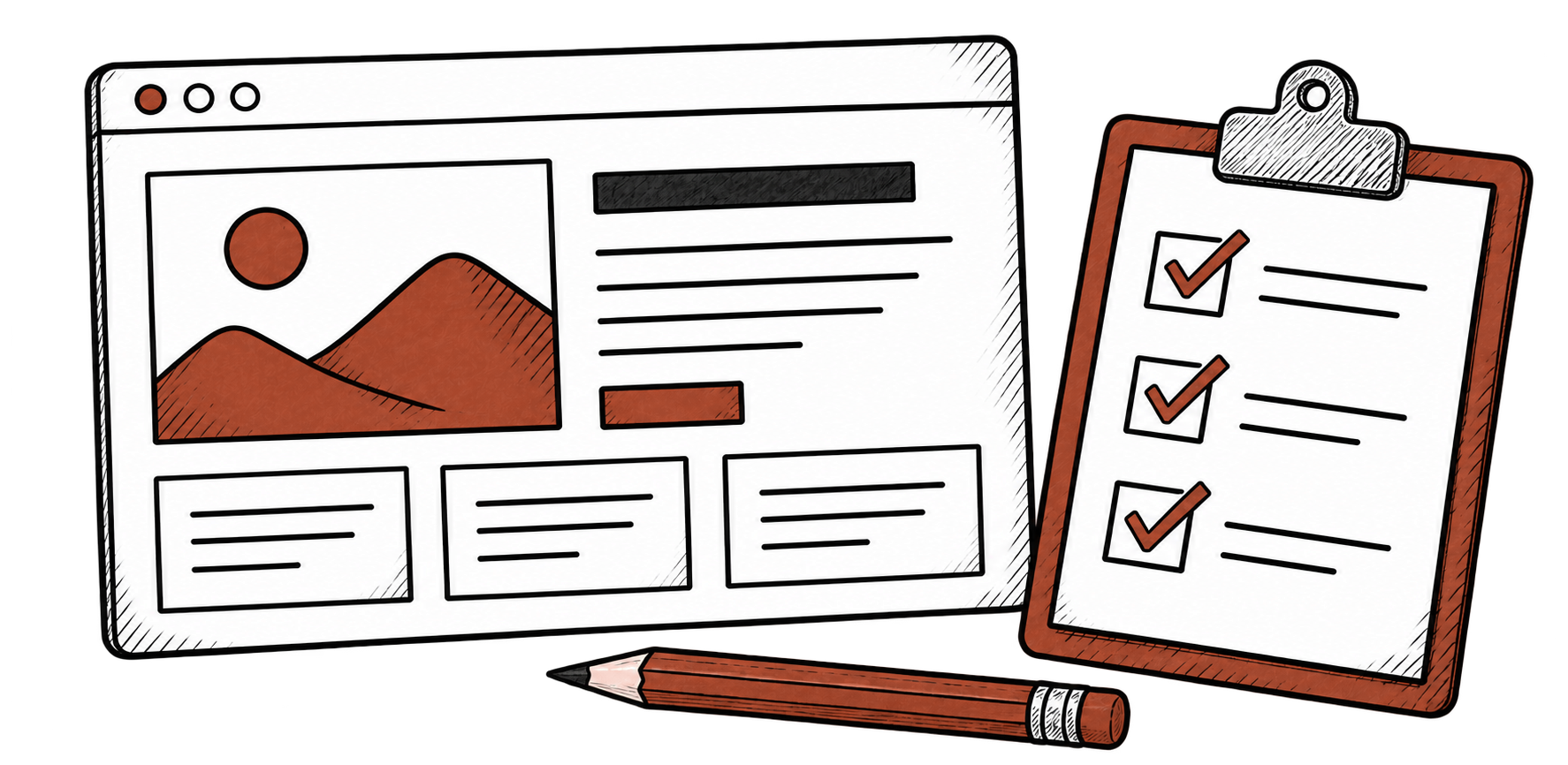
Useful work needs a usable handoff. Agree the outputs, supporting information, and ownership so the next stage can move forward with a clear starting point.
The agreed pages, account responsibilities, hosting details, and access handoff. Ownership and license terms follow your proposal.
Instructions for routine updates within the chosen platform, including how to handle images, page content, and form recipients.
The inquiry events and reporting access included in the build, with a clear boundary between launch work and separately scoped maintenance.
We plan the pages, features, and launch steps with your team, so everyone knows what comes next. Hosting, maintenance, SEO, and future content can be added to your plan, with scope and costs agreed upfront. Together, we coordinate the content, access, approvals, and technical checks needed for launch.
Scope and pricing
The proposal connects your requirements to deliverables, responsibilities, fees, and terms. Review the initial work, ongoing needs, and connected services together.
Compare the approaches
Choose the size of the build around the buyer journey. More pages only help when they have a clear job.
| What to consider | Campaign landing page | Business website |
|---|---|---|
| Best fit | Campaign landing page One audience, one offer, and a focused action such as requesting a demo or booking a meeting. | Business website Several services, audiences, or buying questions that need a connected navigation and page structure. |
| Content | Campaign landing page A concise offer explanation with relevant proof, objections, and a form or booking action. | Business website An organized set of service, company, resource, and contact pages with shared visual patterns. |
| Ongoing work | Campaign landing page Review campaign traffic, inquiry quality, and the page as the offer changes. | Business website Maintain content, technical dependencies, and navigation as the business and website grow. |
Frequently asked questions
Find practical answers about getting started, approvals, scope, costs, and what happens after delivery.
8 questions about getting started.
Yes. We first review its platform, structure, content, and technical constraints. That helps distinguish improvements within the current site from a rebuild. Share the problems you want to solve, along with any parts your team relies on and wants to keep.
Yes. A focused landing page can support one offer while the larger website remains in place. Agree how it will be hosted, where inquiries should go, and how visitors reach it. A later website expansion needs its own page and content scope.
Yes. Start by identifying the audiences, service relationships, and questions that deserve separate pages. The sitemap should help visitors compare the relevant options without repeating the same content everywhere. We agree the page list and distinct layouts before estimating the build, so the scope reflects the actual information structure.
We can plan the missing content around the offer and buyer questions. Your team still needs to supply accurate service details and approve claims. Identify the available photos, brand files, product information, and subject experts early, then separate the material we can develop from information only your business can confirm.
Start with the information in the preparation checklist: current website and access owner; priority services and buyer questions; required pages and integrations; brand files and approved imagery; launch date and review owner; inquiry recipient and success measures. You do not need a finished specification to discuss the project. Identify what is confirmed, what is still undecided, and any deadline or budget constraint that could change the recommended scope.
Yes, when the responsibilities and handoffs are clear. Identify who supplies information, who implements each part, and who has final approval. We define the work our team owns and the dependencies retained by others. That helps avoid duplicate effort, conflicting instructions, and assumptions about services that no one has agreed to provide.
We can use the first discussion to identify the gaps and decide what can be clarified early. Missing facts, access, specifications, or approvals may prevent later work from starting. Bring the materials you have and explain what is uncertain, so preparation can be sequenced around the decisions that matter.
Start by sharing the previous scope, relevant materials, and what went wrong. We can review whether the issue involved requirements, execution, handoff, or expectations. A new supplier alone is not a guarantee of a better outcome. The useful next step is an agreed brief, clear responsibilities, and review points that address the actual problem.
Web Development
Share your goals, current materials, and timing. We will review the Web Development requirements, identify open decisions, and agree a practical scope with your team.
info@exhibitant.com