
Exhibitant insights

Get practical ideas for your next campaign or show

Join our newsletter for advice on reaching B2B buyers, planning outreach, and getting more from trade shows.

B2B lead generation

Ideas for prospect research, outreach, and follow-up.

Trade show exhibits

Tips for booth design, graphics, and show preparation.

Social Media Management

6 Steps to Create a High-Impact Social Media Strategy

Elevate your brand with a strategic social media approach using these six actionable steps.

Creating a high-impact social media strategy is a must for any growing business. With countless platforms, diverse audiences, and evolving algorithms, navigating this space can seem overwhelming.

Here is how I would approach it: simplify and focus on key steps that will help your company achieve measurable results.

Your social media strategy should begin by setting clear goals. This gives direction to your efforts and ensures every post serves a purpose.

Aligning with your company’s objectives will allow you to see tangible results from your social media presence.

Understanding your audience is crucial for shaping content that resonates. Knowing who they are and what they want enables your team to engage them effectively.

Choose the platforms where your audience is most active to make your presence felt.

After crafting content and choosing platforms, establish a publishing schedule to maintain consistency. This routine helps in managing resources and expectations.

Finally, measure how well your social media strategy is performing, using analytics to inform future decisions.

By the end of this guide, your team will be equipped to create a strategic social media plan that enhances engagement and drives business goals.

Key Takeaways:
  • Define clear social media goals aligned with business objectives.
  • Identify your target audience’s preferences and behaviors.
  • Select the right platforms for your business needs.
  • Craft engaging content tailored to each platform.
  • Implement a consistent publishing schedule and workflow.

Understanding these key steps will help you create a high-impact social media strategy.

Focus on aligning them with your team’s current goals and resources.

1. Define Your Social Media Goals

Before diving into social media, it’s crucial to establish clear goals.

These objectives guide your strategy and help align efforts with broader business aims.

Begin by identifying what you want to achieve.
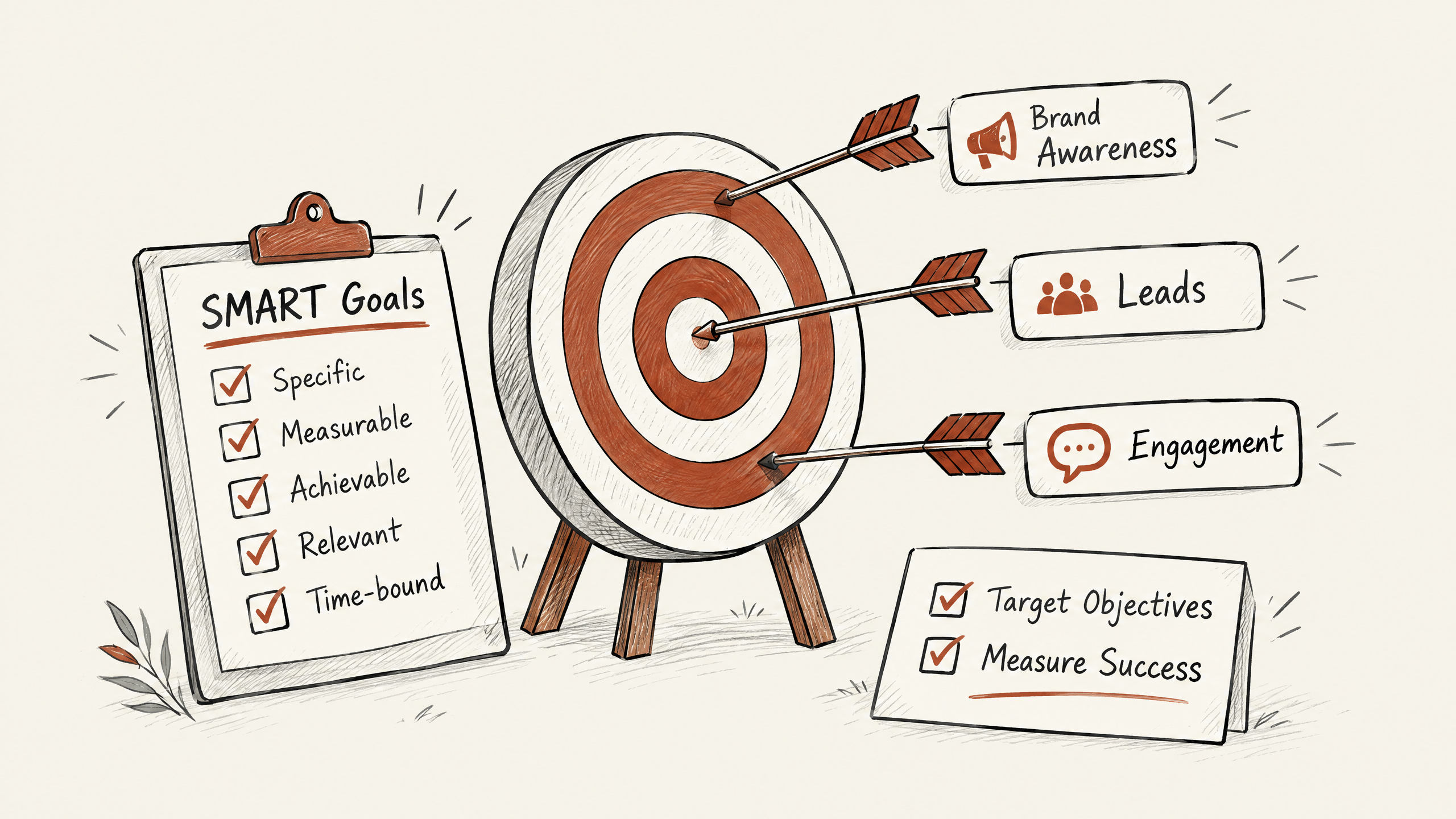
1. Define Your Social Media Goals — 6 Steps to Create a High-Impact Social Media Strategy

Common goals include increasing brand awareness, generating leads, or enhancing customer engagement.

Each goal should be measurable and time-bound, giving you concrete targets to work toward.

Think of your social media goals as part of your overall marketing strategy. Consider how they support your company’s objectives.

For instance, if your business aims to expand into new markets, social media can be an effective way to reach and understand these audiences.

Writing goals using the SMART framework (Specific, Measurable, Achievable, Relevant, Time-bound) can also be helpful.

Aligning goals with key performance indicators (KPIs) is an important step.

KPIs allow you to track progress and adjust tactics as needed. If one of your goals is to boost brand awareness, metrics like reach and impressions can indicate your success.

Clearly defined goals set a roadmap for your social media journey, ensuring every post and interaction contributes to a larger purpose.

Important: Clearly defined social media goals, aligned with your overall business objectives, create a strategic roadmap that ensures every post and interaction contributes meaningfully to your success.

Prioritizing your goals is essential, especially if resources are limited.

Determine which objectives will have the most significant impact on your business so your team can focus its efforts there.

It’s easy to get sidetracked by new trends, but having a prioritized list helps maintain focus. Regular reviews of your goals and their alignment with business objectives keep your strategy relevant.

Finally, make sure to share these goals with your team.

Clear communication ensures everyone is on the same page and understands how their roles contribute to achieving these targets.

This shared understanding can also foster collaboration and creativity, driving more effective campaigns.

At Exhibitant, we emphasize the importance of cohesive goal setting with clients, knowing that a well-defined strategy is the foundation for success in social media management.

2. Identify and Understand Your Audience

The success of any social media strategy hinges on a deep understanding of your target audience.

Knowing who you are speaking to allows you to tailor your content, tone, and messaging for impact.

First, assess who currently interacts with your brand.

2. Identify and Understand Your Audience — 6 Steps to Create a High-Impact Social Media Strategy

Examine existing customer data, sales records, and feedback to identify demographic characteristics. Details like age, location, industry, and job role can provide invaluable insights.

Once you have a rough demographic picture, it’s crucial to explore deeper into your audience’s interests and behaviors.

Use analytics from your current social media accounts to track what types of posts resonate most.

Look for patterns in engagement metrics: do certain topics, formats, or times of day prompt more interaction? Combine this data with inputs from surveys or customer interviews to refine your understanding.

Next, develop buyer personas to represent different segments of your audience.

Each persona should include demographic information, needs, and challenges as well as what motivates them in a business context.

Remember, good personas are grounded in real data but capture a more full view of your customers’ journeys.

A common mistake teams make is assuming audience needs without grounding in actual data or feedback.

This can lead to content that misses the mark, resulting in low engagement.

By ensuring your audience is well-understood, you can create social media strategies aligned with their needs and preferences.

For a practical approach, start by revisiting your company’s CRM system to gather existing customer data. Use online tools to help deepen your insights about your social media followers.

Verify these findings with external market research where applicable.

By investing time in understanding your audience, you’ll set a strong foundation for creating resonant content across platforms.

3. Choose the Right Platforms

Selecting the appropriate social media platforms is crucial for reaching and engaging your target audience effectively. Not all platforms cater to the same demographics, and each has its own strengths and limitations.

Knowing where your audience spends time has a direct impact on your success.

To begin, evaluate the unique features of each platform. For instance, Instagram is ideal for visually-driven brands, whereas LinkedIn is more suitable for B2B marketing.
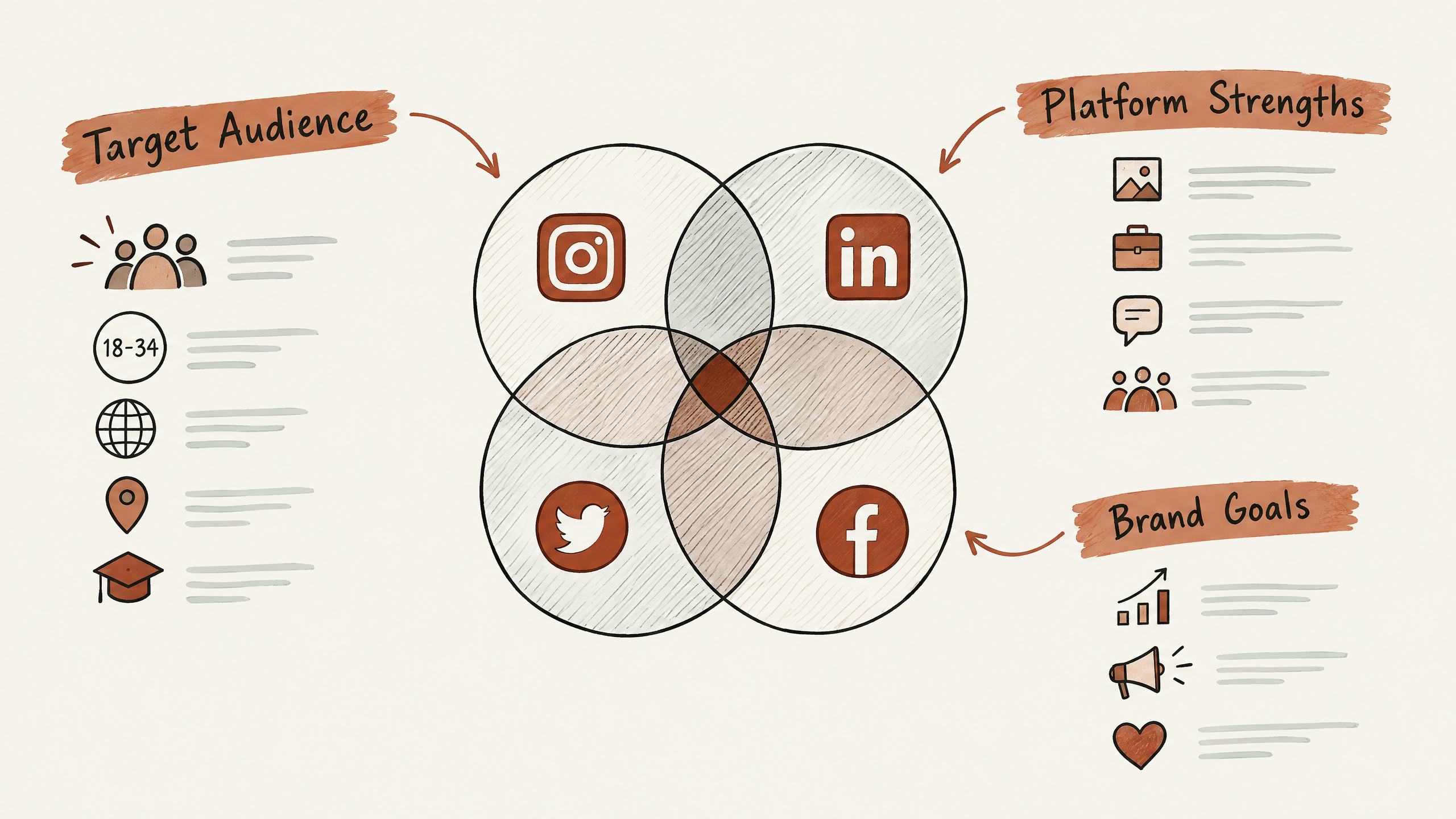
3. Choose the Right Platforms — 6 Steps to Create a High-Impact Social Media Strategy

Twitter excels in real-time updates, while Facebook has a broad reach across diverse age groups.

By understanding these characteristics, you can align each platform’s strengths with your brand goals.

Next, conduct a competitive analysis to see where your competitors are active and thriving.

This research can highlight untapped opportunities or overcrowded spaces.

If you notice competitors are not using TikTok effectively, for example, this might be a chance to establish an early presence there and captivate a younger audience.

Create a checklist of decision criteria that reflects your business objectives.

Assess the following areas for each platform:

  • Audience demographics: Does the platform’s audience align with your target market?
  • Content type: Can the platform show your content in the way you intend?
  • User engagement: Are users interactive and engaged in a way that supports your goals?
  • Resource availability: Do you have the creativity, budget, and time to produce content suitable for the platform?

Keep in mind that spreading your resources too thin across many platforms can dilute your impact.

It’s often more effective to focus on a few key channels and execute well than to maintain a presence everywhere with diminished results.

Aim for quality over quantity.

Consider a hypothetical scenario: If your business targets young professionals with tech products, focus on LinkedIn for connections and Instagram for product visuals. Each platform would serve a distinct purpose, reinforcing your brand through different audience touchpoints.

As you finalize your platform selection, make sure each one is integrated into your overarching social media strategy. This alignment facilitates cross-promotion and ensures a cohesive brand message, ultimately enhancing your reach and influence.
4. Develop Engaging Content

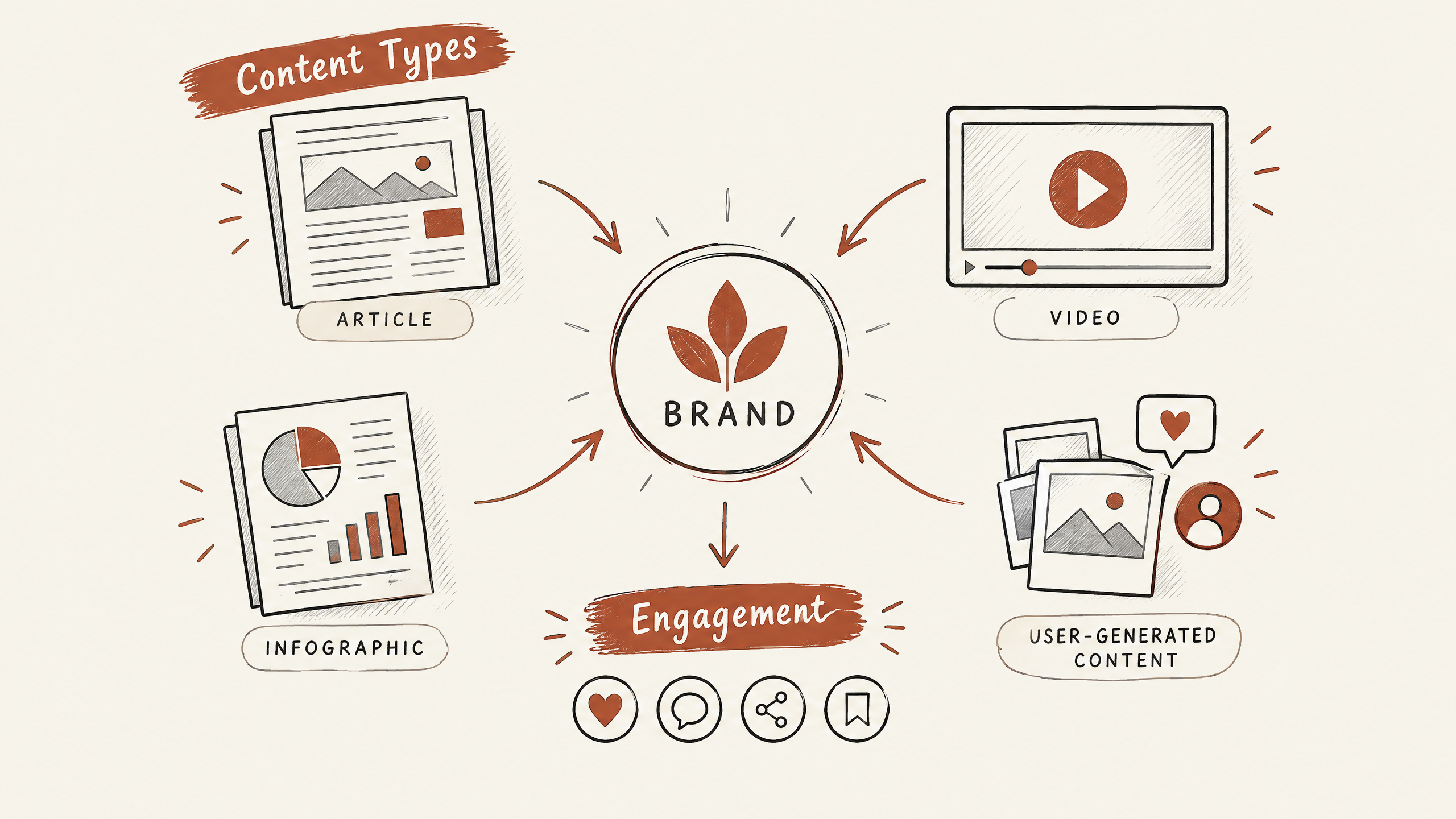
Crafting posts that elicit strong engagement is a blend of creativity and strategy. Your first step is to build a unique content calendar.

Include a mix of content types: articles, videos, infographics, and user-generated content.

This variety can keep your audience invested and interested.

4. Develop Engaging Content — 6 Steps to Create a High-Impact Social Media Strategy

Highlighting your company’s unique insights or products can be particularly compelling.

Once you’ve determined the types of content, focus on creating compelling narratives or visuals centered around your brand.

High-quality images or graphics often capture attention more effectively than text-heavy posts. A vibrant infographic may summarize industry data or offer key takeaways from a recent webinar.

Both are prime examples of visually appealing content that educates while engaging.

To keep your content relatable and authentic, it’s important to develop a distinct brand voice. This voice should sync with your corporate values and resonate with your audience.

Whether your tone is formal, friendly, or somewhere in between, maintaining consistency builds recognition and trust.

A common mistake is shifting the tone too frequently, which can confuse followers.

Iterate on successful content by noting which posts garner the most likes, shares, or comments. This data can inform future campaigns.

While developing content, remember it’s a balance between quality and quantity.

An effective post should either inform, entertain, or inspire.

If a content calendar is new for your team, start with a basic outline highlighting which content types to create on specific days or weeks.

Adjust this as you find what resonates best with your audience.

5. Establish a Consistent Publishing Schedule

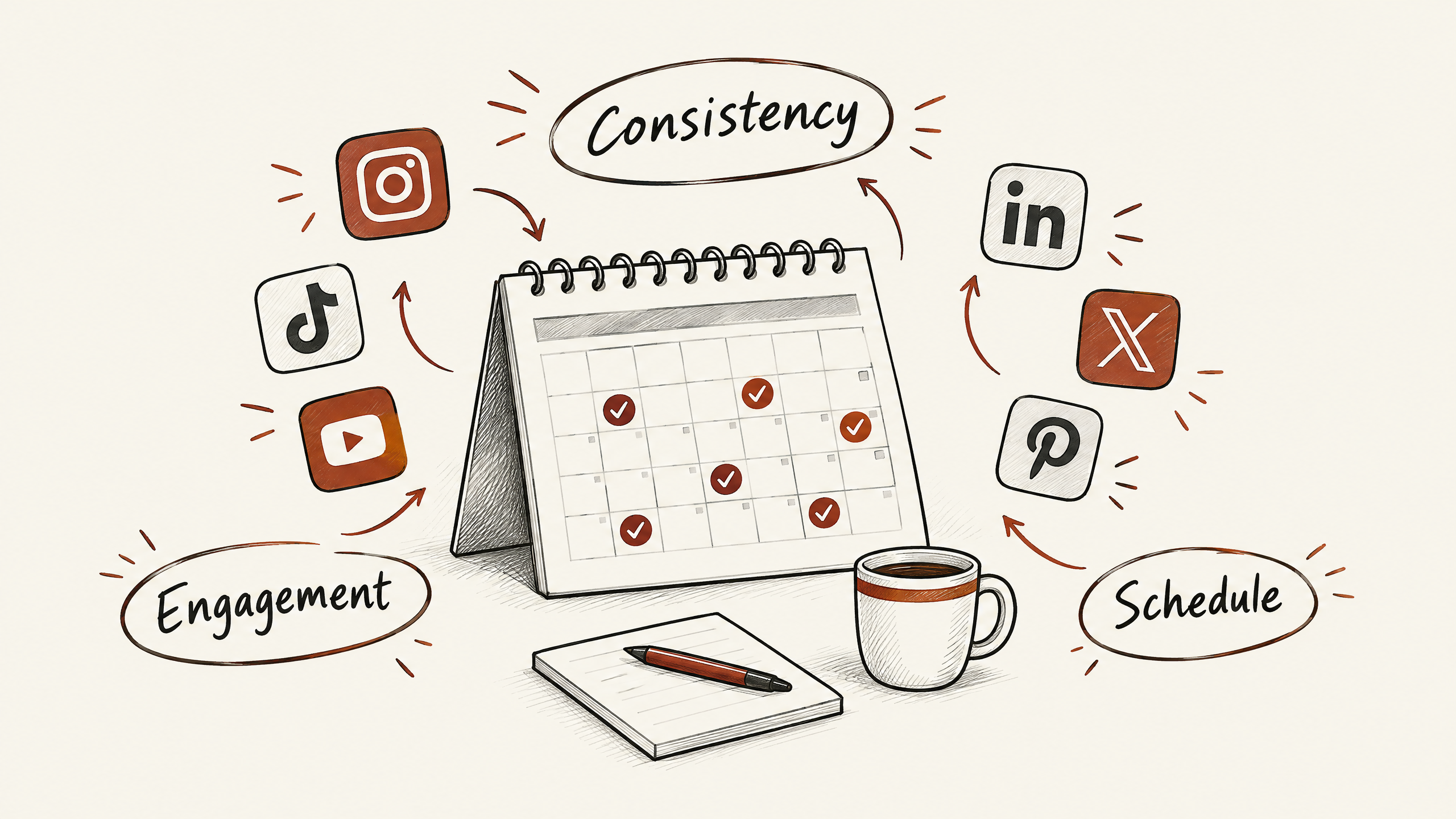
A consistent publishing schedule is crucial for maintaining your audience’s engagement and trust on social media.

Regular posting helps your brand remain top-of-mind for your followers, while sporadic updates may lead to a decrease in interest and interaction.

The right schedule can vary between industries and audience preferences, so it’s essential to tailor this for your specific needs.

5. Establish a Consistent Publishing Schedule — 6 Steps to Create a High-Impact Social Media Strategy

Start by determining how frequently you can realistically post, considering your team’s resources and capacities. An overly ambitious schedule might lead to burnout, so balance is key.

For instance, many brands find success with posting daily or several times a week on platforms like Facebook and Instagram.

LinkedIn and Twitter can often support a higher frequency due to their more dynamic feeds.

When developing your publishing schedule, consider the best times for engagement.

Use insights from your analytics tools or platform recommendations to identify when your audience is most active. This can vary by platform, with some audiences more engaged in the evening and others around midday.

To stay organized, it’s helpful to create a content calendar.

Pro Tip: To maintain engagement and trust, create a content calendar tailored to your audience’s activity, allowing flexibility for spontaneous updates and ongoing schedule refinement.

This can be a simple spreadsheet or more advanced software, outlining what you’ll post and when.

Include post details, target audience, and any special campaigns to maintain a structured approach.

Avoid the common mistake of being too rigid; allow room for timely or spontaneous content.

Engage your team in a regular review of the publishing schedule. Discuss what’s working, what isn’t, and whether adjustments are needed.

Consistency matters, but so does responsiveness to audience feedback and performance data.

Keep refining your schedule to resonate with your audience’s evolving preferences.

6. Measure and Analyze Performance

To truly know if your social media efforts are paying off, you’ll need to measure and analyze performance.

This means tracking key metrics that align with your goals.

For instance, if your goal is increasing engagement, watch the metrics like comments, shares, and likes. However, if you’re aiming for lead generation, then clicks, conversions, and the number of leads are vital.

6. Measure and Analyze Performance — 6 Steps to Create a High-Impact Social Media Strategy

Begin by selecting the right tools for monitoring your performance.

Platforms like Google Analytics and native social media insights can provide detailed reports on various metrics. Focus on metrics that matter most to your business objectives, like engagement rates for brand awareness or conversion rates for sales-focused campaigns.

While analyzing data, be aware that not all metrics are created equal.

Vanity metrics, like the number of followers, shouldn’t heavily influence decisions. Instead, prioritize metrics that influence your bottom line, such as conversion rates and ROI.

This distinction will guide your team’s decision-making and resource allocation.

In our work at Exhibitant, we help teams set up and navigate these measurement tools.

Our experience in targeted outreach and digital marketing ensures that your data aligns with strategic goals, providing insights that drive effective action.

Once you’ve gathered your data, it’s time to put it into action.

Use insights to inform future content planning and adjust your social media strategy as needed. This may involve altering posts that underperform or doubling down on successful ones.

Regular analysis is crucial, allowing you to remain agile and effective in a constantly evolving digital landscape.

One Last Thing

You’ve now walked through the essential components of building a high-impact social media strategy. From setting clear goals to analyzing your performance, these steps provide a roadmap for success.

With these guidelines, you can tailor your strategy to meet your company’s unique needs and goals.

As you move forward, stay flexible and willing to adjust your strategy. The social media landscape can change quickly, so it’s vital to keep an eye on emerging trends and technologies.

One Last Thing — 6 Steps to Create a High-Impact Social Media Strategy

By doing so, you make sure that your social media efforts continue to resonate with your audience.

Make social media a collaborative effort across your team.

Engage with colleagues for feedback and fresh ideas, and assign clear ownership for each stage of the process.

This collaboration will strengthen your strategy and increase its effectiveness.

Now that you have your strategy outlined, the next step is putting it into action.

Start implementing the steps, track your progress, and refine as needed.

With dedication and attention to detail, you’ll see your social media presence thrive.

Need a clearer marketing plan?

Connect your message, channels, and next steps

Share your audience and campaign priorities. Our team can help with landing pages, content, advertising, and reporting.

Hand-drawn campaign page, megaphone, and reporting chart

Contact our team

Tell us who you want to reach

Tell us about your business, the buyers you want to reach, and what you want to achieve. Whether you need more sales conversations, stronger marketing, or a trade show presence, we’ll help you identify where to focus and what support makes sense. Together, we can shape a practical plan around your priorities, budget, and timeline.

info@exhibitant.com

Tell us what you need

A few details will help us make the most of our conversation.