
Exhibitant insights

Get practical ideas for your next campaign or show

Join our newsletter for advice on reaching B2B buyers, planning outreach, and getting more from trade shows.

B2B lead generation

Ideas for prospect research, outreach, and follow-up.

Trade show exhibits

Tips for booth design, graphics, and show preparation.

Booth Costs

7 Essential Factors Impacting Trade Show Booth Rental Costs

Understand booth rental costs with these key factors for effective budgeting.

Understanding the factors that affect trade show booth rental costs is crucial for successful event planning.

As someone who’s navigated the labyrinth of trade show expenses, I recognize how overwhelming it can be to budget effectively.

With numerous elements to weigh, clarity is essential for making informed decisions.

Booth size, location, and design choices can significantly impact your costs.

Your team might worry about factors like how much space to rent and the logistical challenges of different venues.

Each decision comes with a price tag, and weighing these factors can seem daunting.

Beyond the basics, costs can balloon with additional services and logistics.

Customization may enhance visual appeal, but it requires a clear understanding of budget implications.

Installation, dismantle fees, and shipping also play roles that might not be immediately obvious.

If you’re questioning how these elements converge, I will walk you through the critical factors influencing your booth rental costs.

By the end, you’ll have a solid grasp on how to strategically balance expenses with exhibitor goals.

Key Takeaways:
  • Consider booth dimensions for accurate cost estimation.
  • Location impacts overall booth rental expenses.
  • Custom designs increase booth rental costs.
  • Additional services can add unexpected expenses.
  • Plan logistics early to avoid last-minute costs.

Thinking through your booth’s size, location, and design can guide your team’s rental decisions.

Addressing these essential factors early can help avoid sudden costs.

1. Assessing Booth Size and Configuration

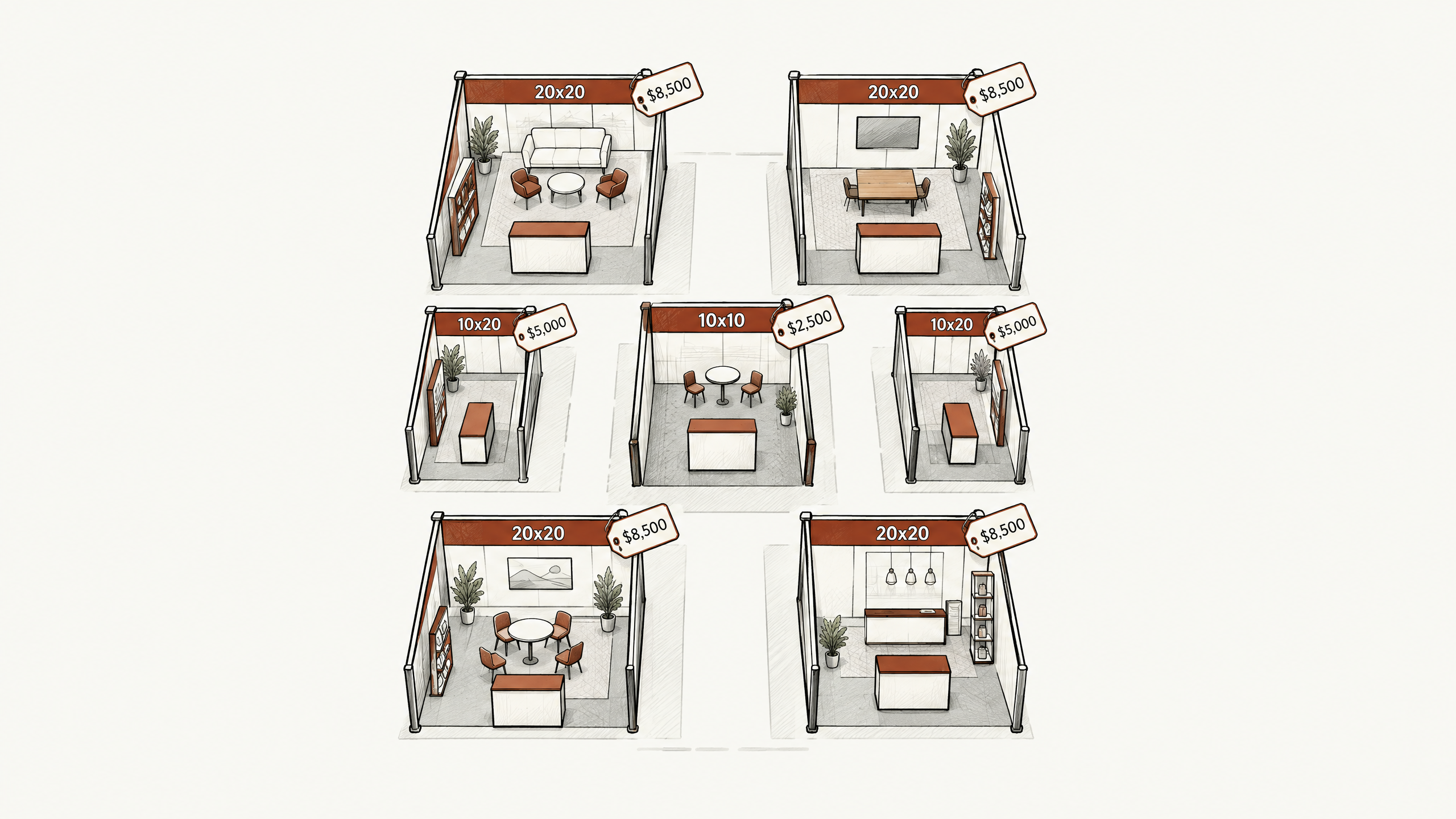
When planning your trade show presence, booth size and configuration are among the first factors to evaluate.

The size of your booth will largely determine rental costs. Larger spaces naturally command higher fees, but the additional space can offer more room for branding and engagement.

Begin by estimating the foot traffic you expect at your booth.
1. Assessing Booth Size and Configuration — 7 Essential Factors Impacting Trade Show Booth Rental Costs

For a new product launch, a larger booth may offer better visibility, while a smaller space might suffice for a niche audience.

Matching booth size to strategic goals can help you get the most out of the value of your investment.

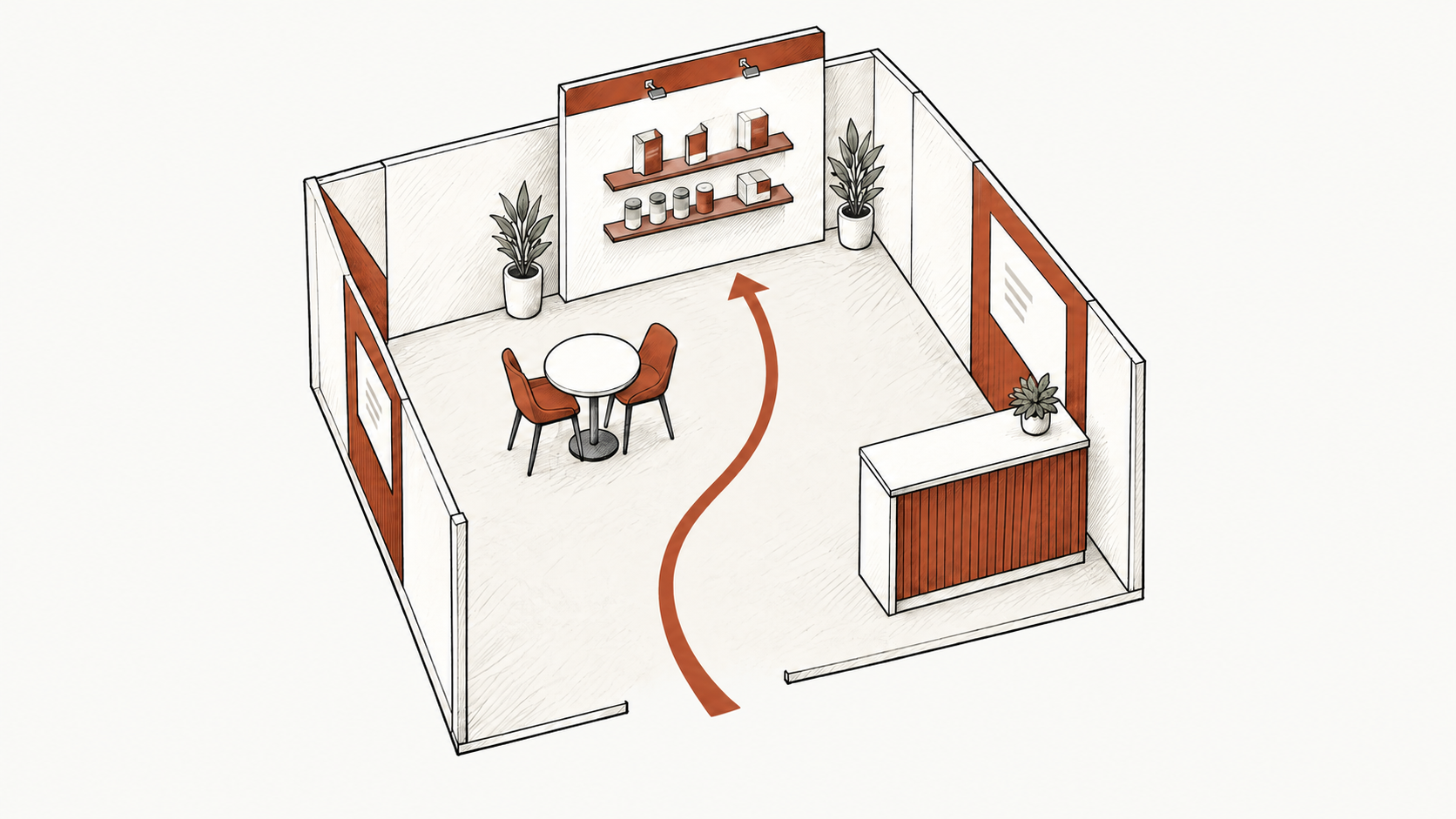
Next, model your booth configuration based on your exhibit needs.

What displays, furniture, or technology do you require?

Customizable configurations expand utility but can add to costs.

Plan your booth layout to enhance guest interaction, keeping logistical and budgetary constraints in mind.

When planning configuration details, create a checklist for essential elements such as seating, demonstration areas, and branding space.

A common mistake is overcomplicating the design, leading to clutter and lost messaging.

Focus on simplicity and clarity to improve both cost and visitor experience.

To illustrate, say you’re planning for an exhibit with product demonstrations and a meeting area.

Aim for a medium-sized booth with a clean, open configuration. Balance your booth’s scale with practical needs to foster effective engagement without excessive expense.

2. Evaluating Trade Show Location

The location of a trade show can significantly impact booth rental costs.

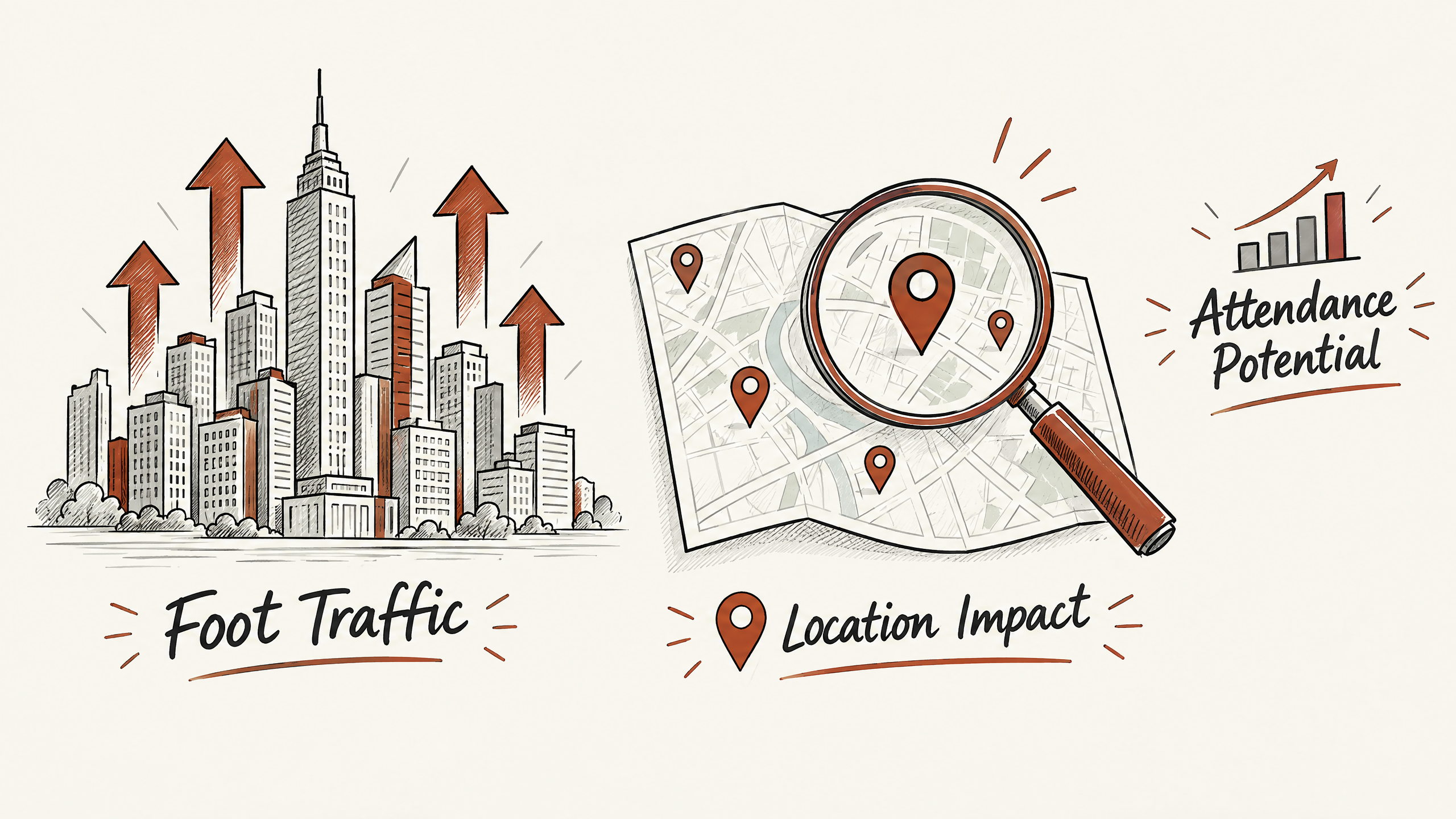
Different venues charge varying rates based on factors like foot traffic potential, prestige, and city demographics.

For example, hosting a trade show booth in a major urban center may come with a higher price tag due to increased demand and expected attendee turnout.
2. Evaluating Trade Show Location — 7 Essential Factors Impacting Trade Show Booth Rental Costs

Evaluating these geographical and logistical aspects can help you anticipate and budget for overall costs.

Understanding the typical attendance at a trade show in different locations is crucial. A high-attendance event often justifies higher rental costs, as it provides a chance to reach more potential customers.

However, it’s essential to balance the cost with the target audience exposure you’ll gain.

Conduct research on past attendee profiles and numbers to assess if the investment aligns with your marketing goals.

Consider the accessibility and infrastructure surrounding the trade show venue.

Venues that are easy to reach by public transportation or near major airports might command higher rental costs, as they draw larger audiences from various regions.

While paying more for such locations might stretch your budget, the ease of access can enhance attendee experience and increase foot traffic.

A common mistake is neglecting hidden costs associated with certain locations.

These can include additional fees for electricity, internet, or waste management. Before finalizing your decision, ask the venue for a detailed breakdown of all included and potential extra costs.

This transparency can help avoid unexpected expenses that could affect your budget.

Working with a partner like Exhibitant can aid in navigating these location-related challenges.

Our expertise in trade show planning ensures you select a strategic location that offers the right value for your investment, while meeting your outreach goals.

3. The Impact of Booth Design and Customization

When planning a trade show booth, one critical factor in the overall cost is the booth design and customization.

A well-designed booth not only contributes to attracting visitors but also ensures your brand stands out.

The choices made in this area often require careful budget planning.
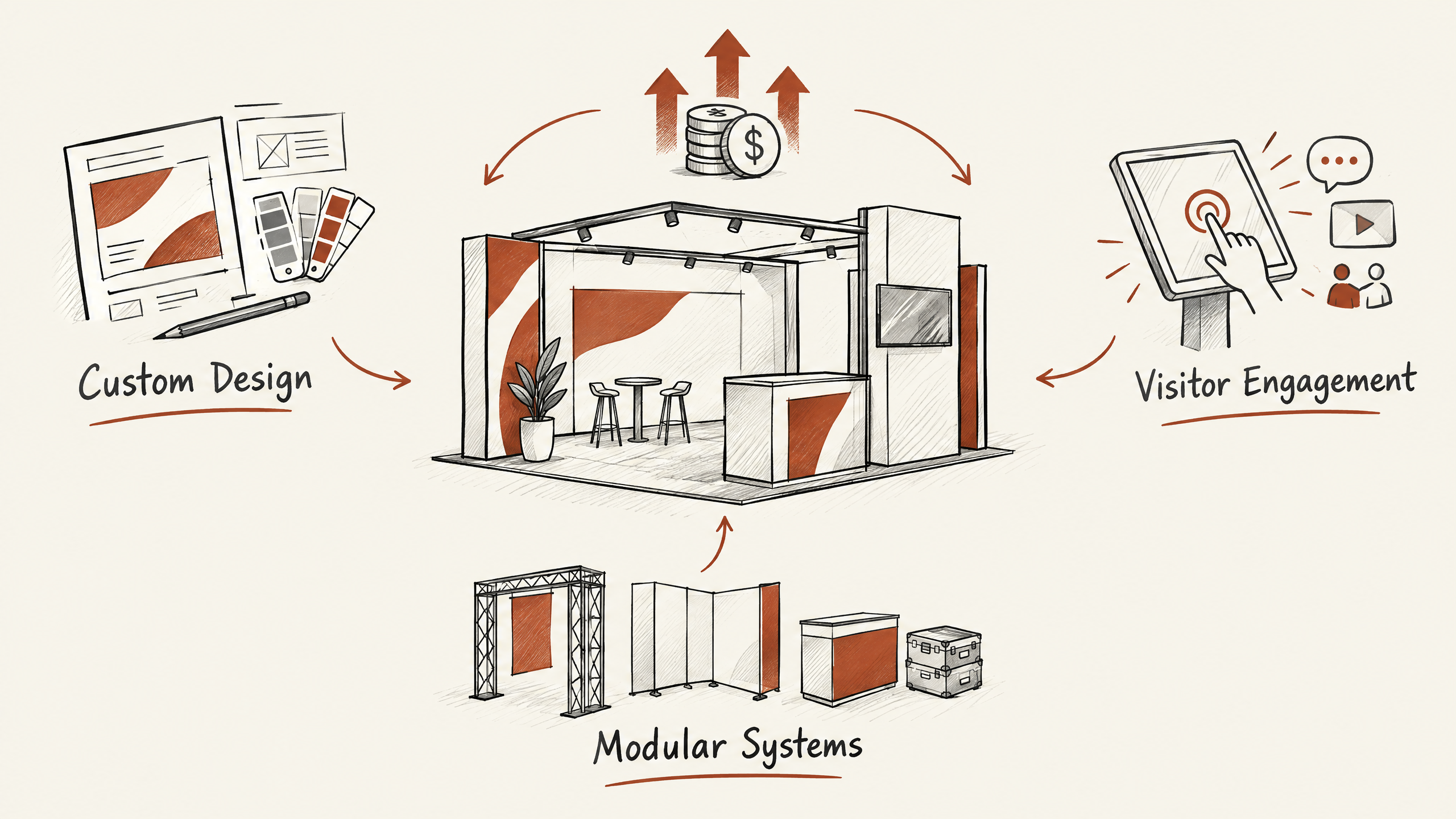
3. The Impact of Booth Design and Customization — 7 Essential Factors Impacting Trade Show Booth Rental Costs

Custom designs can be more expensive, but they offer a unique opportunity to express your brand’s identity and values.

Customization may include branded graphics, specialized structures, or interactive elements, which increase costs.

However, these features can enhance visitor engagement, potentially generating more leads.

To control costs, consider the use of modular exhibit systems. These systems allow for flexibility and creativity without needing significant investment in bespoke elements.

Investing in reusable displays can spread the cost across multiple shows, providing more value for money.

When choosing elements of booth design, always evaluate the tradeoff between upfront costs and long-term value.

A booth that successfully communicates your message might be worth the additional expenditure.

Discuss your options with a design team, ensuring alignment with your overall marketing strategy and budget constraints.

Keep in mind the installation and dismantle costs associated with complex designs.

A booth requiring more labor-intensive setup can impact overall costs significantly.

By keeping these factors in balance, you can make sure the design contributes positively to your trade show goals.

In a hypothetical scenario, if you allocate $20,000 for booth design, consider placing 20-30% towards customization.

This allocation would cover key design elements while leaving room in the budget for other considerations such as logistics and staffing.

Make deliberate choices to balance what enhances your exhibit and what fits your budget.

4. Understanding Additional Services and Features

When planning a trade show booth rental, understanding the additional services and features that might be included or offered is crucial for budgeting. These extras can significantly affect your overall costs.

Add-ons can range from electrical and internet connections to on-site storage and even cleaning services during the event.

Each of these services may seem minor but can quickly add up, so it is essential to review the offerings and calculate their potential impact on your budget.
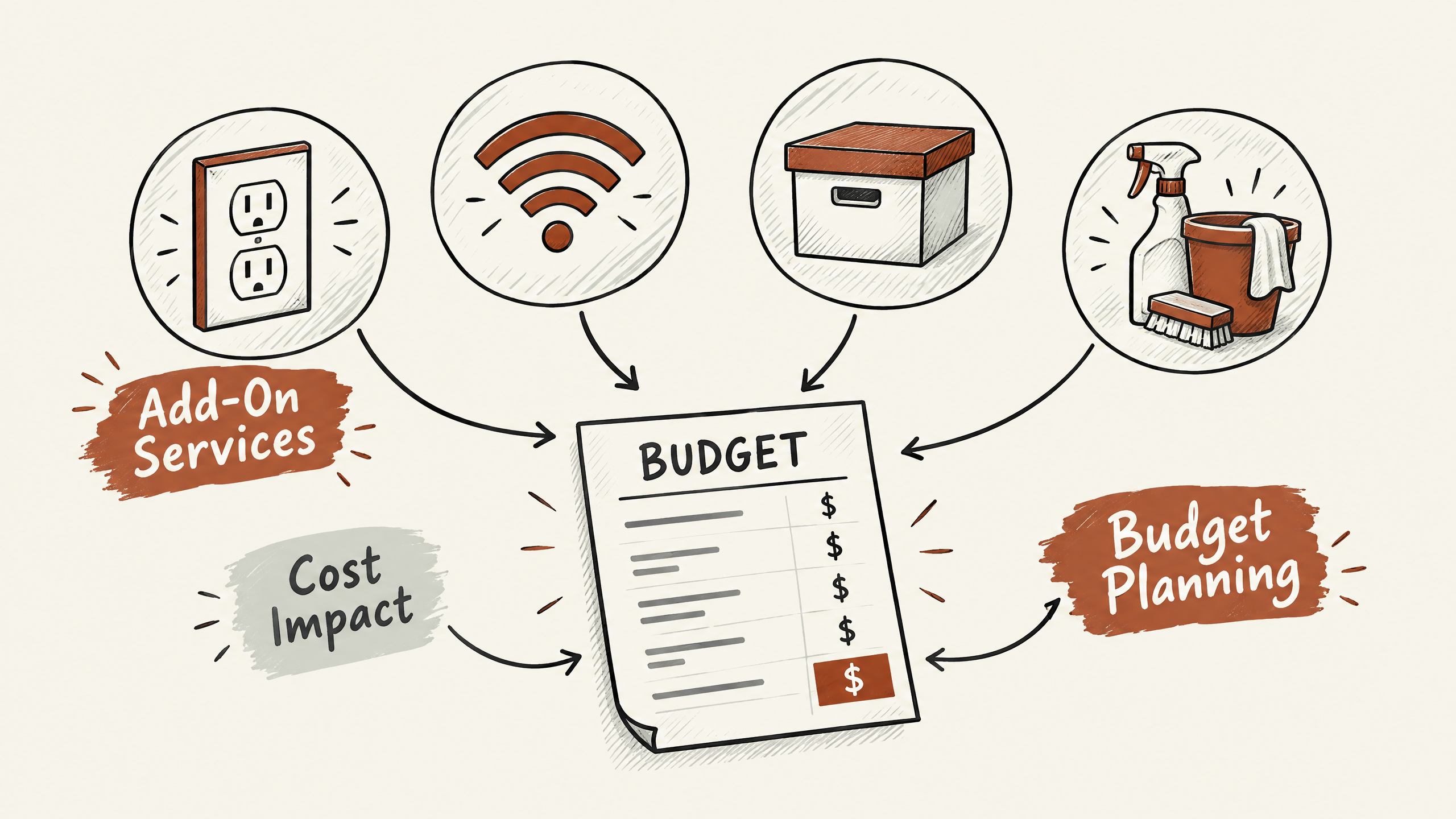
4. Understanding Additional Services and Features — 7 Essential Factors Impacting Trade Show Booth Rental Costs

For instance, if you know your booth will feature digital displays, you’ll likely need reliable access to electricity and potentially high-speed internet, both of which incur extra charges.

Similarly, storage space for promotional materials or equipment is often at a premium. To make sure all requirements are met without unexpected costs, collaborate closely with your team to identify every necessary service or feature and whether it’s customizable to your needs.

Beyond basic necessities, consider whether any additional opportunities exist to enhance your presence.

Features like advanced lighting or dynamic tech integrations can make a significant impression, attracting more attendees to your booth. Think about your strategy and the message you want to convey.

However, balance the appeal of enhancements with their costs, which can creep above your initial budget.

Exhibitant’s customized solutions can support you in determining which services will provide the most value. Our expertise in trade show marketing helps clients minimize wasted spend on unnecessary features, ensuring an effective and targeted strategy for engaging potential buyers.

When reviewing your options, weigh the expected benefits against the added costs carefully to make informed decisions and get the most out of your investment.
5. Factoring in Shipping and Logistics

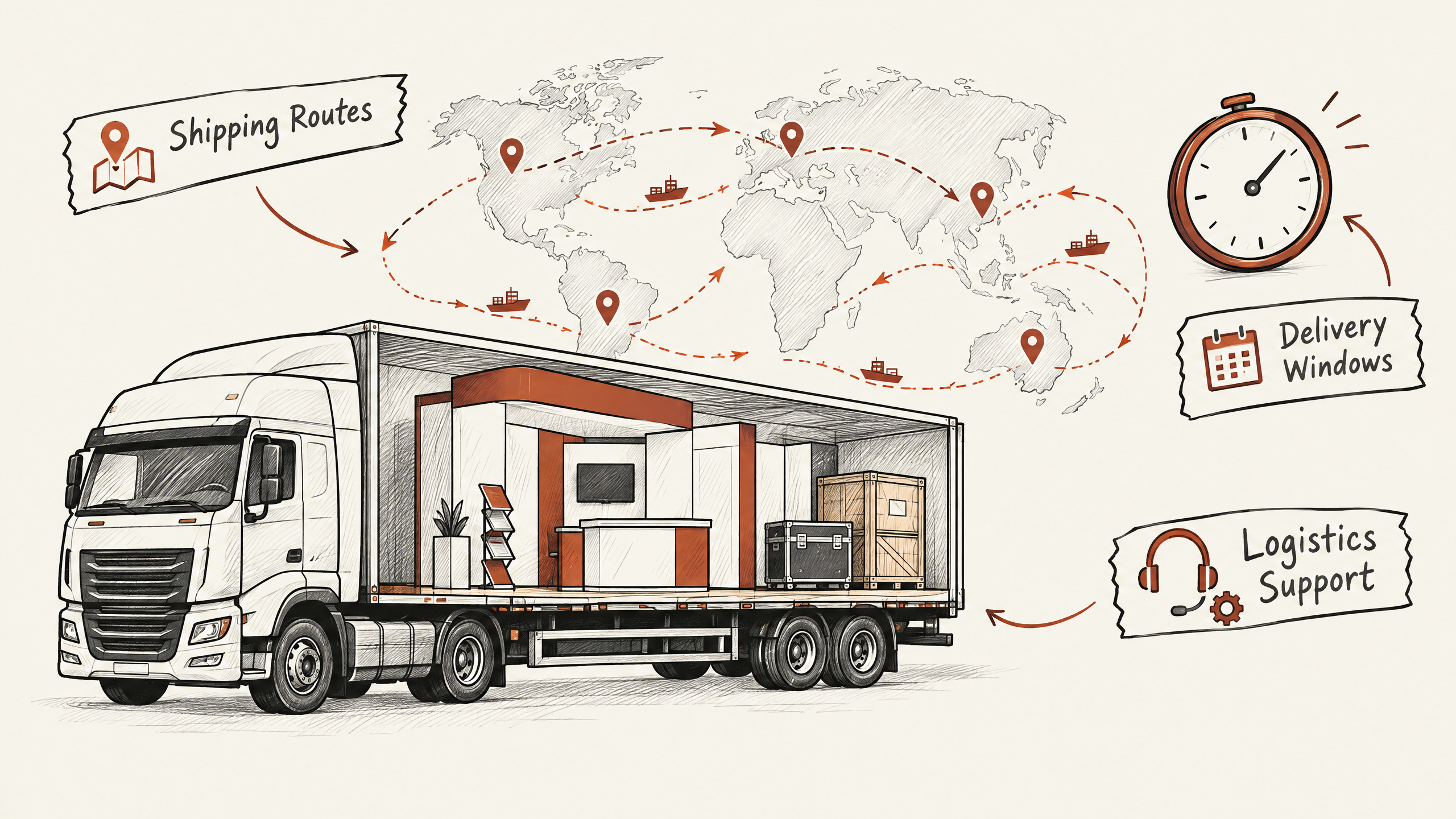
The shipping of booth materials is a crucial aspect to budget when calculating trade show costs.

First, determine the geographical distance between your office and the event location. Longer distances increase shipping fees, and can affect your overall budget.

To reduce potential overages, consider working with a logistics company experienced in trade shows.

5. Factoring in Shipping and Logistics — 7 Essential Factors Impacting Trade Show Booth Rental Costs

A logistics company’s role is to handle the safe and timely transport of your booth materials.

They often understand the specific requirements and deadlines trade shows impose.

Knowing when to ship and how to best package your materials can save last-minute headaches and fees.

Be aware of potential constraints like delivery windows and warehouse storage needs.

Handling shipping internally may save upfront costs, but you risk unexpected challenges. Is your team prepared for lost items or unanticipated delays?

Hiring specialists may cost more initially, but it could ultimately prove valuable in avoiding longer disruptions.

When selecting a logistics company, check their references and inquire about any hidden fees.

Consider a hypothetical situation: a company ships their booth using standard carriers.

Due to unclear scheduling, materials arrive late. This scenario could cost more in expedited fees than if they used a dedicated logistics firm.

Weighing these options helps make sure timely, hassle-free booth delivery.

Estimate your shipping costs thoroughly when planning your budget. Consider mileage, packaging, and storage expenses at show sites.

By accounting for these aspects, you prevent surprises when the final invoice arrives.

6. Considering Installation and Dismantle Costs

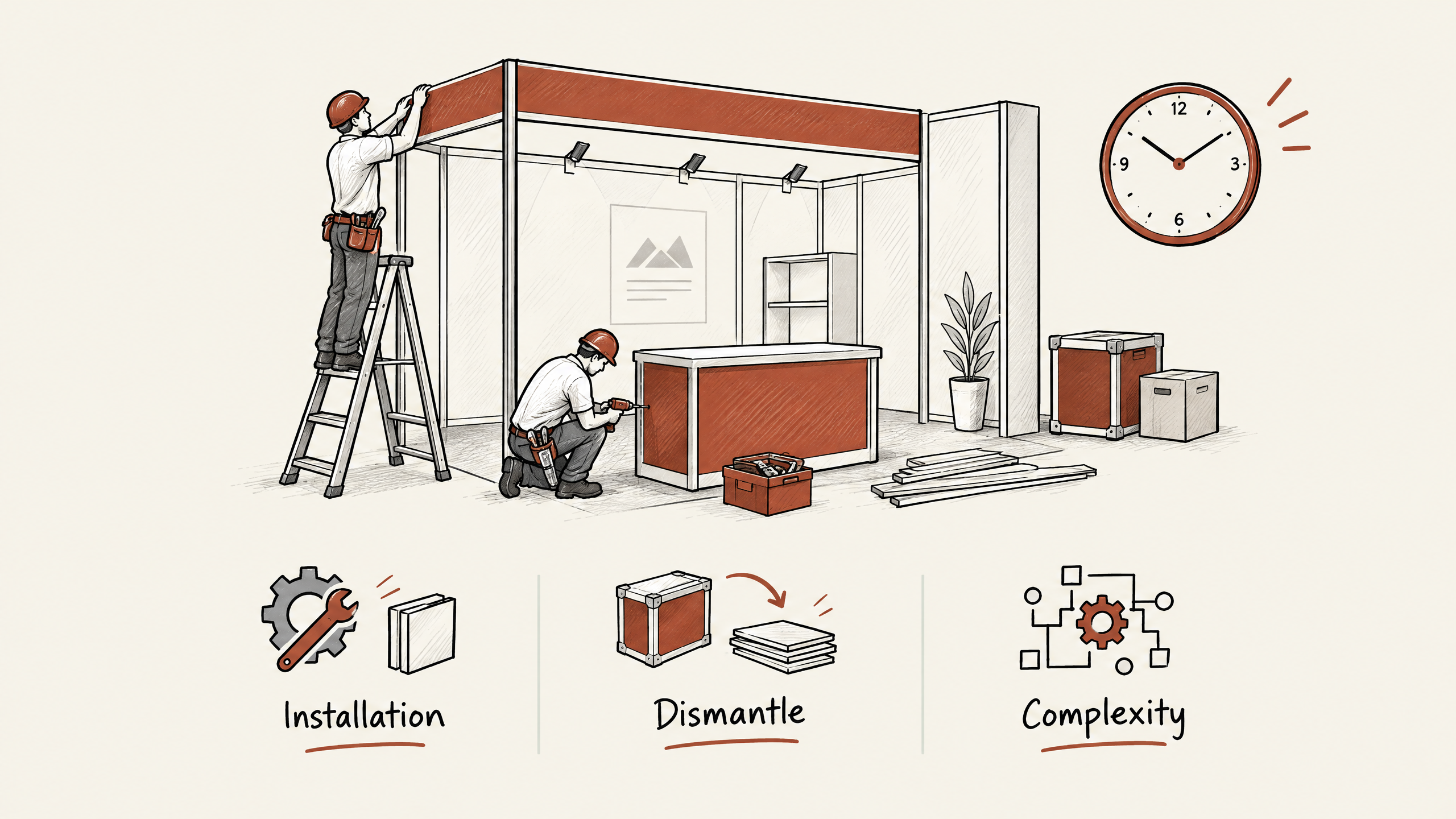
When planning for a trade show, installation and dismantle costs (often referred to as I&D) should not be overlooked. These costs are linked to setting up and taking down your booth, and they can vary significantly depending on the complexity of your booth design and the venue’s workforce rules.

Understanding these elements of I&D will help you budget effectively and avoid unexpected expenses.

The first step is assessing the complexity of your booth. A custom-designed booth with intricate elements will likely require more time and specialized labor for both installation and dismantling.

6. Considering Installation and Dismantle Costs — 7 Essential Factors Impacting Trade Show Booth Rental Costs

This complexity can drive up costs quickly. Therefore, when planning your booth, keep in mind how its design influences the I&D process.

Opting for a simpler layout might save on these costs without compromising your brand presence.

Another important factor is the venue’s union regulations.

In some locations, union labor may be required for setup and teardown, which can increase costs. Union labor often comes with set rates and specific work hours, which means you might have to pay overtime if your schedule doesn’t align with their standard working hours.

Knowing the rules and working within them can help save on unnecessary labor costs.

I recommend creating a detailed setup and teardown plan to improve efficiency and save costs.

Break down the tasks required for both processes, identify which can be handled by your team, and determine those that need outsourced labor.

This approach will help allocate resources wisely and minimize time spent on the floor, reducing labor charges.

A common mistake many make is underestimating time requirements. Failing to allocate adequate time for installation and dismantling can lead to costly overtime charges.

To avoid this, work with your team and any hired labor to establish clear timelines well before the event. This coordination ensures everyone understands the schedule, which reduces the risk of delays and extra expenses.

Balancing costs and efficiency in booth installation and dismantle is crucial for a successful trade show presence.

Being proactive in planning, understanding the rules of the venue, and streamlining processes can make a significant difference to your trade show budget.

7. Accounting for Promotional and Marketing Materials

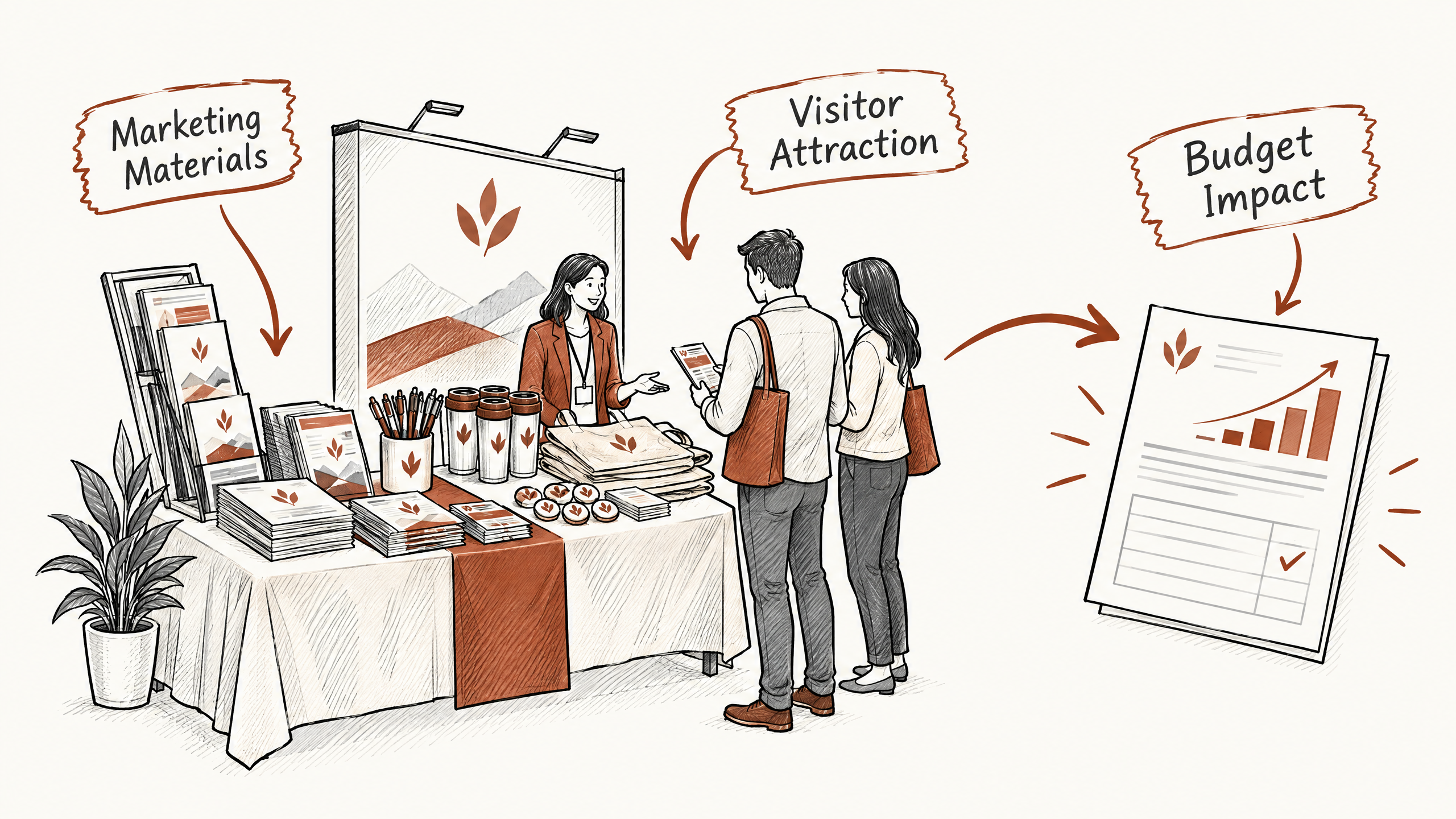
When planning for a trade show, the cost of promotional and marketing materials can add up quickly.

These materials are essential for attracting visitors and ensuring your brand stands out. Think about the scope and variety of materials you need, such as brochures, flyers, branded giveaways, and digital displays.

Each choice affects your budget, so plan carefully.

7. Accounting for Promotional and Marketing Materials — 7 Essential Factors Impacting Trade Show Booth Rental Costs

Start by defining the types of marketing materials your booth will require.

Brochures or catalogs are often the backbone of trade show marketing, providing potential clients with detailed information about your products and services. However, these can become costly when printing at scale, especially if high-quality paper or custom designs are involved.

Branded giveaways can also make a strong impact, but balance quality with budget.

While a unique item can leave a lasting impression, overextending on expensive items may not always yield a return. Try opting for useful or innovative items that align with your brand messaging to engage visitors effectively.

Consider the use of digital displays and interactive screens. These tools may require a higher upfront investment but can save costs long term by reducing the need for printed materials.

They also offer the flexibility to update content as needed, ensuring information stays current throughout the event.

Here’s a checklist to guide your decisions:

  • Identify key promotional materials needed
  • Calculate costs for printing and production
  • Evaluate giveaway options and their relevance to your audience
  • Assess digital solutions to supplement or replace print materials

A common mistake is underestimating the need for replenishment throughout the event.

Always account for additional printing or ordering if materials run out, which could happen with higher-than-expected booth traffic. It’s cheaper to budget for a surplus upfront than to scramble mid-show.

What It All Comes Down To

When planning for a trade show, taking a comprehensive approach to your booth rental costs is crucial.

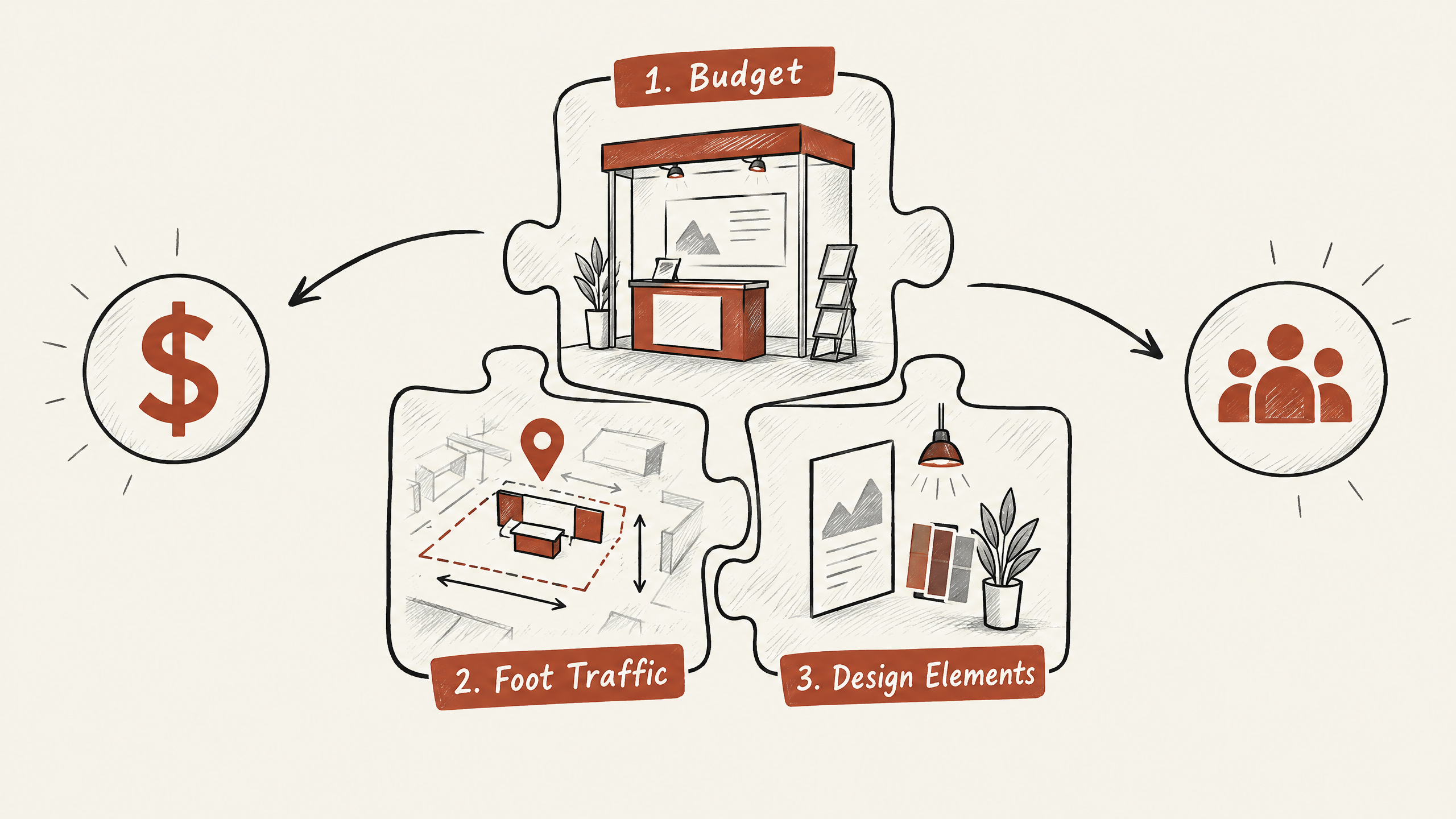
Each aspect we’ve covered impacts your budget, so it’s essential to view these factors as interconnected parts of a larger picture. Balancing booth size and configuration with a focus on your audience can create a more effective presence.

The location of the trade show not only affects accessibility but also influences potential foot traffic to your booth. This, combined with the intricacies of booth design and customization, can determine how your brand is perceived by potential clients.

What It All Comes Down To — 7 Essential Factors Impacting Trade Show Booth Rental Costs

Additional services, shipping logistics, and installation costs add layers of complexity to your budgeting process. Understanding these elements aids in controlling expenses while maintaining a high-standard presentation.

Promotional and marketing materials further push your booth’s success by enhancing brand visibility.

Looking at these components holistically allows you to allocate resources wisely and make informed decisions.

My advice is to work closely with your teams to outline a clear strategy, grounded in both financial constraints and marketing objectives.

Such strategic planning will make sure that your trade show participation delivers the best possible return on investment, aligning with your broader business goals.

Need a booth plan?

Turn show goals into a practical exhibit path

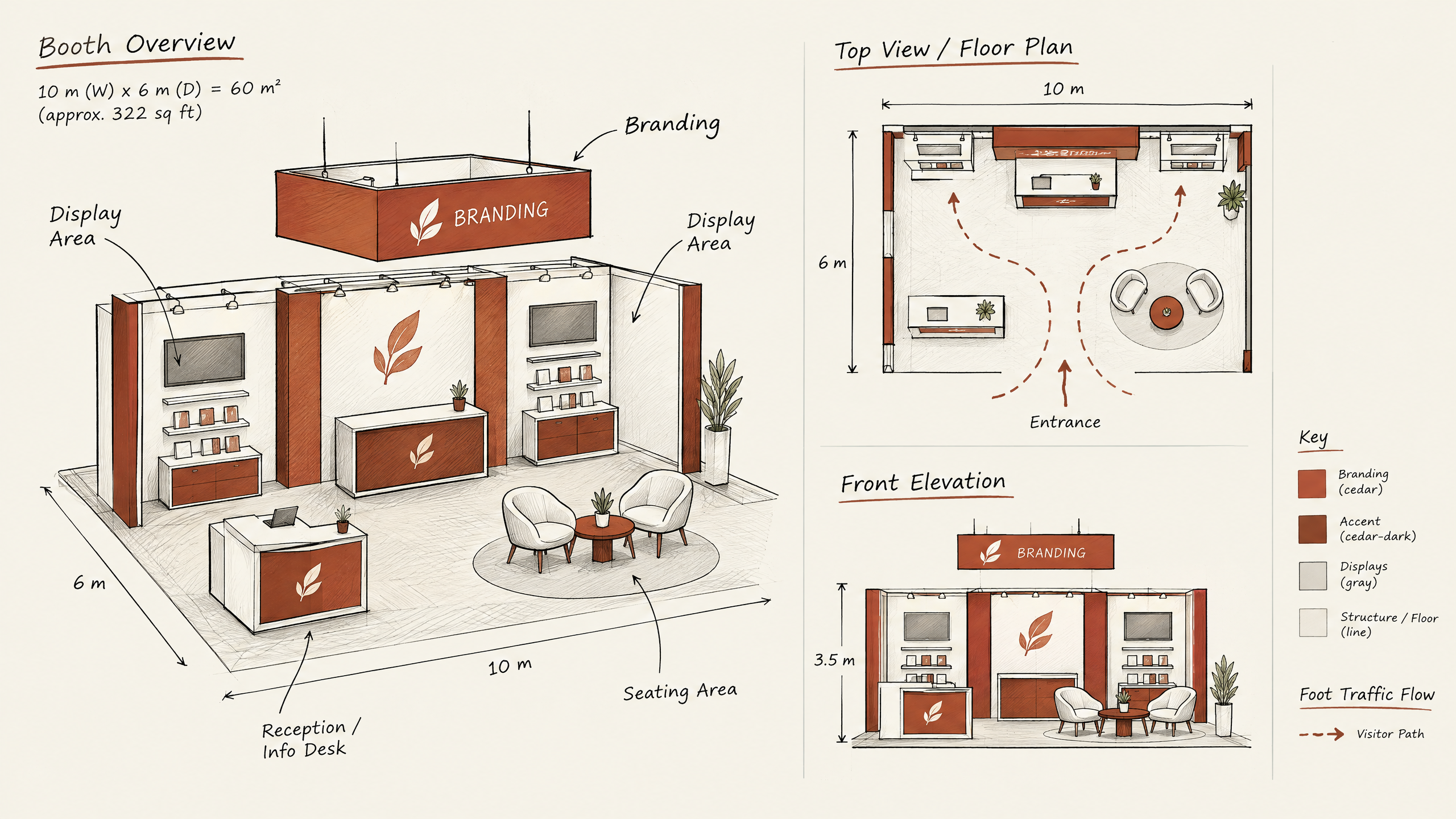
Share your footprint, timeline, and priorities. Our team can help shape the booth direction, graphics, and project support.

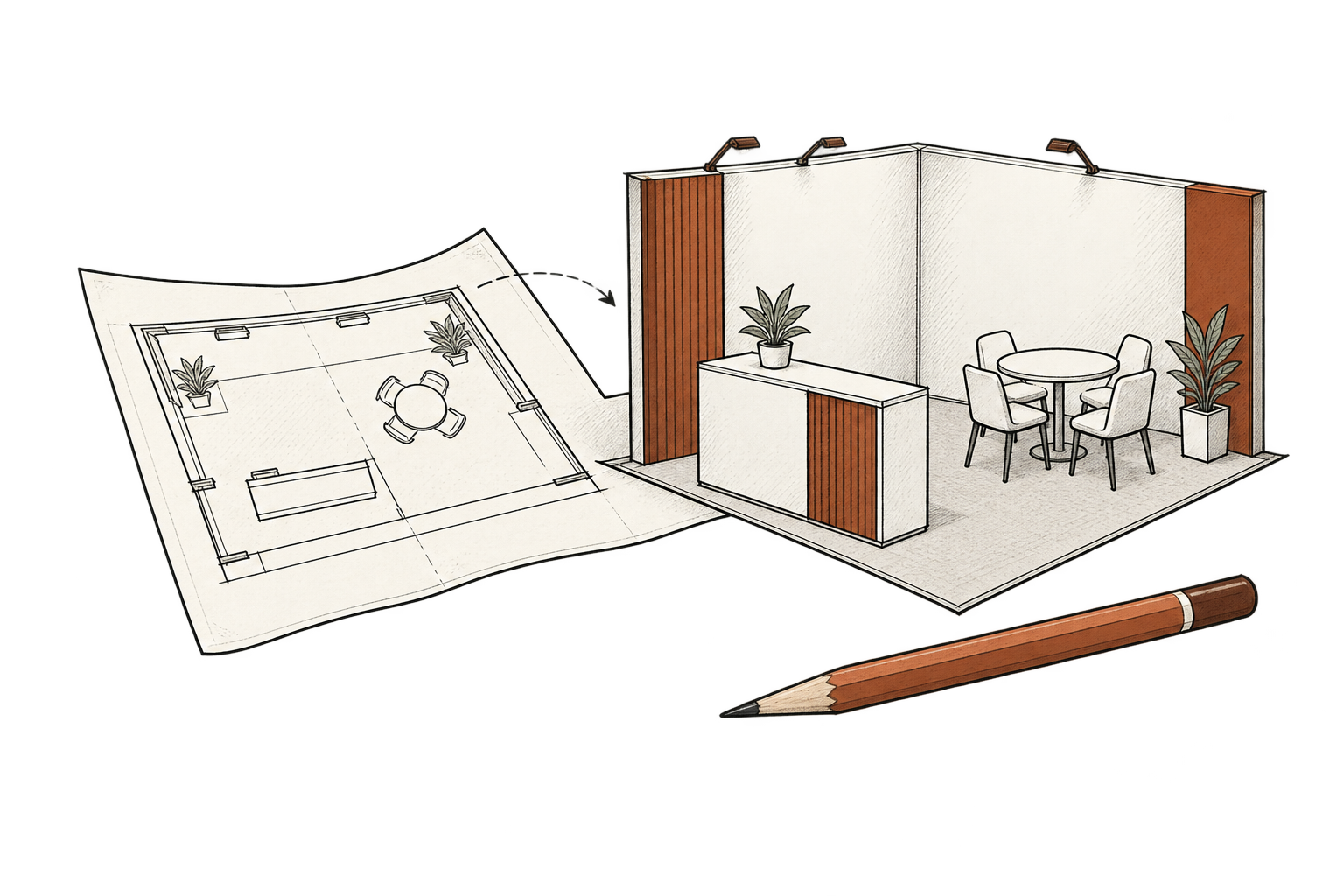
Hand-drawn booth floor plan and exhibit with cedar accents

Contact our team

Tell us who you want to reach

Tell us about your business, the buyers you want to reach, and what you want to achieve. Whether you need more sales conversations, stronger marketing, or a trade show presence, we’ll help you identify where to focus and what support makes sense. Together, we can shape a practical plan around your priorities, budget, and timeline.

info@exhibitant.com

Tell us what you need

A few details will help us make the most of our conversation.