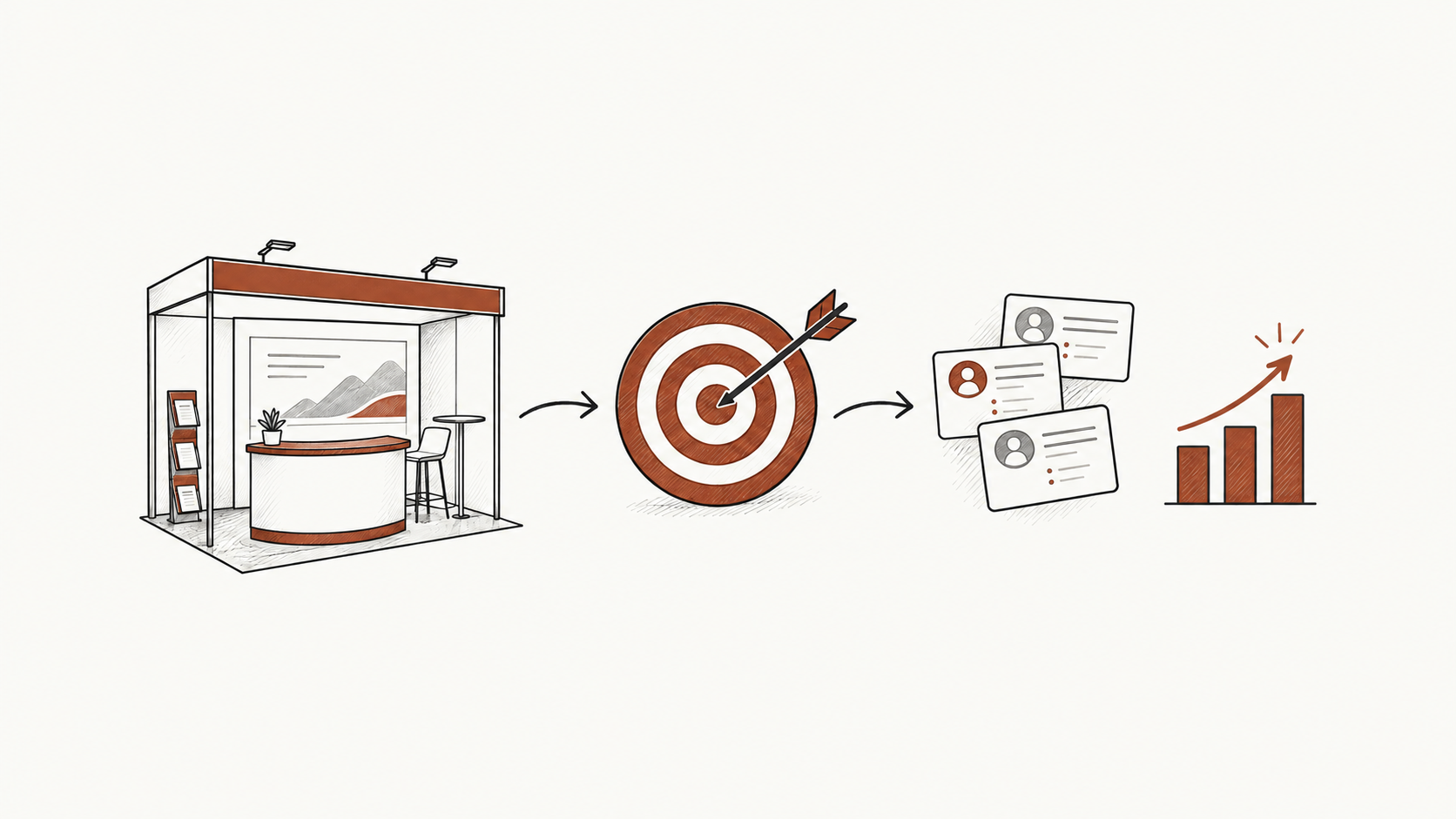
As trade show exhibitors, I would say we all know that a successful event hinges on securing valuable leads that translate into long-term business relationships.
However, capturing attention in a bustling exhibit hall can be a monumental challenge.
With every exhibitor vying for a slice of the lead-capturing pie, finding Unique strategies is key.
From what I have seen, more exhibitors are embracing digital solutions to refine their lead capture techniques. But it still boils down to how creatively and effectively you engage with attendees to make a lasting impression.
As trade shows become increasingly competitive, adopting a fresh approach to lead capture is essential to stand out from the crowd.
One thing I often hear is how crucial it is to blend technology with human interaction to gather more qualitative data effectively. This blend can turn casual conversations into solid business opportunities.
By focusing on meaningful engagement, you can create memorable experiences that open doors to future business collaborations.
In this post, I’m going to go over six innovative lead capture strategies that can really boost your trade show presence.
These strategies will get you thinking differently about how you approach lead generation at your next event.
Key Takeaways:
Utilize digital badges to streamline lead capture processes.
Incorporate gamification elements to engage and attract visitors.
Leverage social media for pre-show and on-site interaction.
Employ mobile apps for instant lead data collection.
Personalize follow-up messages to convert leads effectively.
You’ll see how these strategies can make your booth a go-to spot with simple, practical steps.
Try ways to turn passing interest into solid leads with just a few tweaks.
Each section breaks down the method so you can apply it right away.
With these insights, you’ll feel ready to transform your next trade show outing.
1. use the Power of Digital Badges
One thing most exhibitors are finding increasingly valuable is the use of digital badges at trade shows. These advanced tools do much more than just identify attendees; they can also serve as an effective lead capture mechanism.
By utilizing near-field communication (NFC) or QR codes embedded in badges, exhibitors can seamlessly collect contact information with just a tap or scan.
From what I’ve seen, this technology reduces the hassle of manually gathering details, saving both time and effort on the show floor.
What we have seen work really well is integrating digital badge systems with your company’s customer relationship management (CRM) software. That way, lead data flows into your sales pipeline for an immediate, actionable follow-up, ensuring no opportunity is overlooked.
Additionally, by linking badges to interactive experiences within your booth, you encourage deeper engagement, making attendees more likely to spend time learning about your offerings. A key aspect here is the customization options available, letting you track specific attendee interactions or interest level in real-time.
A great example of innovation in action; some exhibitors use badges to trigger personalized digital content displays as visitors approach. These targeted interactions make your booth both memorable and informative.
One thing most exhibitors might overlook is the analytical power digital badges offer; they provide critical insights into which elements of your display are drawing the most attention.
Incorporating this data into post-show assessments can refine future strategies.
So, while the initial setup might require some investment, the returns in terms of rich engagement and precise data capture are well worth it.
Something that comes up a lot is how adaptable digital badges can be across different types of events.
Whether it’s a massive B2B trade show or a niche industry gathering, these tools scale to fit diverse needs.
Plus, the convenience of contactless engagement aligns well with today’s health-conscious event landscapes, offering an added layer of comfort for participants.
Electronically-stored leads mean less paper clutter and enhanced organization, freeing your team to focus on meaningful interactions.
As such, incorporating digital badges into your strategy not only modernizes your approach but sets the stage for a more connected and successful event presence.
2. Engage Visitors with Gamification
What we have seen work really well at trade shows is using gamification to engage attendees.
By incorporating games or interactive activities, you can draw visitors into your booth and keep their attention longer, which naturally increases the chance of capturing quality leads.
People are more likely to remember your company when they associate it with a fun experience, making your booth stick out among the crowd.
From what I’ve observed, incorporating leaderboards or challenges motivates visitors to participate even more actively.
One thing most exhibitors end up doing is utilizing apps or tablets for games that require visitors to fill out a lead capture form to participate. This approach not only makes it easier to collect data but also simultaneously entertains attendees, creating a dual-purpose interaction.
Quiz-based games with industry-related questions often draw in the right crowd by attracting individuals genuinely interested in your field.
Here at Exhibitant, we tend to see that gamification strategies lead to better-qualified leads since they naturally filter in attendees interested in your niche.
Pro Tip: Enhance your trade show booth by combining digital quizzes and physical prizes to create engaging, memorable experiences and capture high-quality leads effortlessly.
Offering small prizes, discounts, or raffle entries for participants can increase engagement even further by sparking a competitive spirit among the audience.
At the end of the day, the goal is not just to have a crowded booth, but to fill it with leads that truly hold potential for future business.
For a successful approach, consider using a blend of digital and physical elements in your game, such as combining a digital quiz with a physical prize.
The Exhibitant team has seen that when done right, gamification can greatly enhance how visitors engage with your brand at trade shows. It’s essential to align these activities with your brand message to create a cohesive and memorable experience.
Overall, leveraging gamification strategies at exhibits can effectively enhance visitor interaction, make sure a meaningful booth experience, and ultimately result in a significant increase in quality lead capture.
3. get the most out of Social Media Interaction
When it comes to enhancing your lead capture efforts, integrating social media interaction with your trade show strategy can be a big improvement.
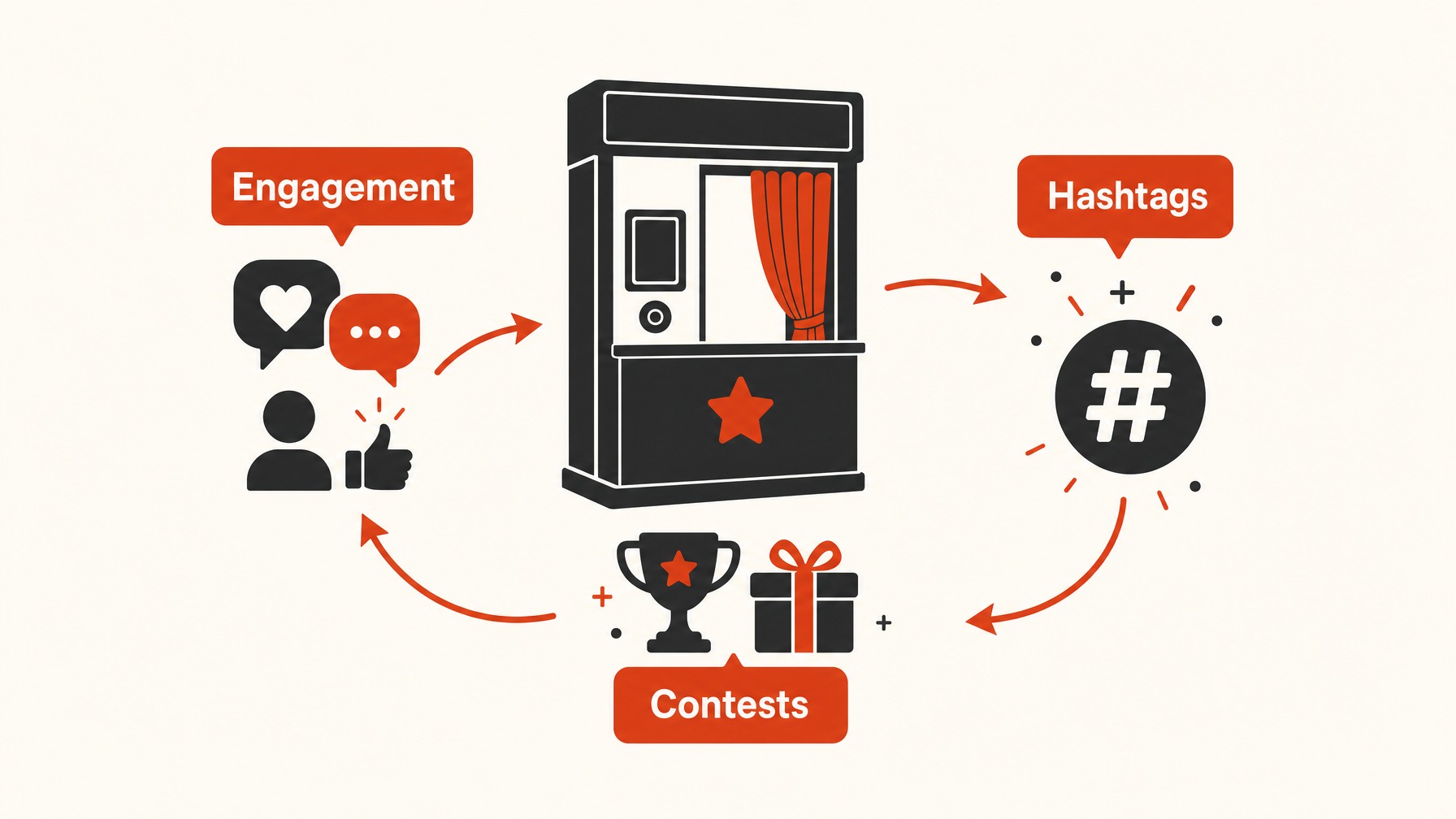
What we have seen work really well is setting up dedicated hashtags for your booth, which encourages attendees to engage, share experiences, and generate buzz on various platforms.
I would say the biggest thing here is to actively monitor these platforms during the event to identify potential leads.
By promptly responding and engaging with attendees’ posts, exhibitors can create a personal connection that greatly enhances lead conversion opportunities.
Another effective strategy is to host social media contests or giveaways that require attendees to post about your company or product, creating organic reach and attention.
From what I have seen, companies that offer photo opportunities at their booth tend to gain significant traction online. Encouraging visitors to take photos within a themed booth and share them with specific tags can broaden your social reach.
Further, offering a shared Wi-Fi connection at the booth with a landing page prompting visitors to interact or share their visit incentives attendees to engage.
Social media is also a powerful tool for promoting live demos or schedule announcements during the event. Real-time updates can draw potential leads to your booth and enhance attendance at key presentations.
Engaging with attendees before they arrive by posting teasers or sneak peeks of your exhibit on Twitter, LinkedIn, or Instagram can pique interest and drive foot traffic.
By embedding social media into your event strategy, exhibitors can plan to capture a wider range of leads who may not have otherwise engaged with the physical booth. One strategy is to collaborate with influencers or industry personalities attending the event, leveraging their networks for broader reach.
Ultimately, tapping into the extensive reach and engagement potential of social platforms helps drive meaningful interactions and enrich your trade show presence.
4. improve Lead Capture with Mobile Apps
One thing we have seen transform lead capture efficacy is the integration of mobile apps specifically designed for trade shows. These apps simplify the process by allowing exhibitors to quickly scan visitor badges or manually enter data with ease.
What really works well here is that apps can automatically assign categories or tags to leads, making it straightforward to sort and prioritize contacts for post-show follow-up.
Beyond basic data collection, many mobile apps offer features like note-taking and voice-recording which can be invaluable for capturing detailed conversations with potential clients.
From my perspective, having the ability to access and share information in real-time is another key benefit of using mobile apps for lead capture.
Sales teams can instantly receive notifications when a VIP or highly qualified lead interacts with the booth, allowing for immediate engagement.
This smooth integration can significantly improve the efficiency of your team at the trade show, as they no longer have to scramble through piles of paper to find crucial information.
Mobile apps also help in reducing the risk of losing valuable lead data through misplaced physical records, ensuring that all contact information and interaction details are safely stored and can be accessed anytime.
These tools often sync with CRM systems, allowing for quick integration into your existing sales processes post-event.
Important: You can vastly improve lead capture at trade shows by using mobile apps to seamlessly scan and categorize visitor data in real time.
What I have noticed is that exhibitors who use mobile apps effectively often see an improved quality of their leads as the data is more organized and actionable.
The insights gathered through app analytics can also inform future sales strategies and improve performance at upcoming trade shows. Exhibitant provides personalized exhibit strategy and booth systems, empowering your team to focus on such high-value interactions rather than getting bogged down by administrative details.
Through show support and partnership, Exhibitant goes beyond being a mere display vendor, acting as a collaborative partner for exhibit success.
Furthermore, the adoption of these apps shows your forward-thinking and tech-savvy approach to potential clients, setting you apart from competitors.
In today’s highly digital world, such innovations in lead capture methods show visitors that your company embraces modern solutions, which can enhance your reputation and attract more interest.
In the end, optimizing lead capture with mobile apps should be part of your broader event strategy, integrating seamlessly with other efforts to make sure a cohesive approach to both on-site interaction and post-show follow-up. Strategic implementation here can provide significant returns on your trade show investment.
5. Personalize Your Follow-Up Strategy
One thing most exhibitors end up realizing is that a personalized follow-up strategy can significantly enhance the effectiveness of their lead capture efforts.
It’s not just about getting names and contact information; it’s about tailoring post-show communications to align with each prospect’s specific interests and expectations. Personalization shows your leads that you are not just another business mass-emailing random content but a company that truly listens and cares about their unique needs.
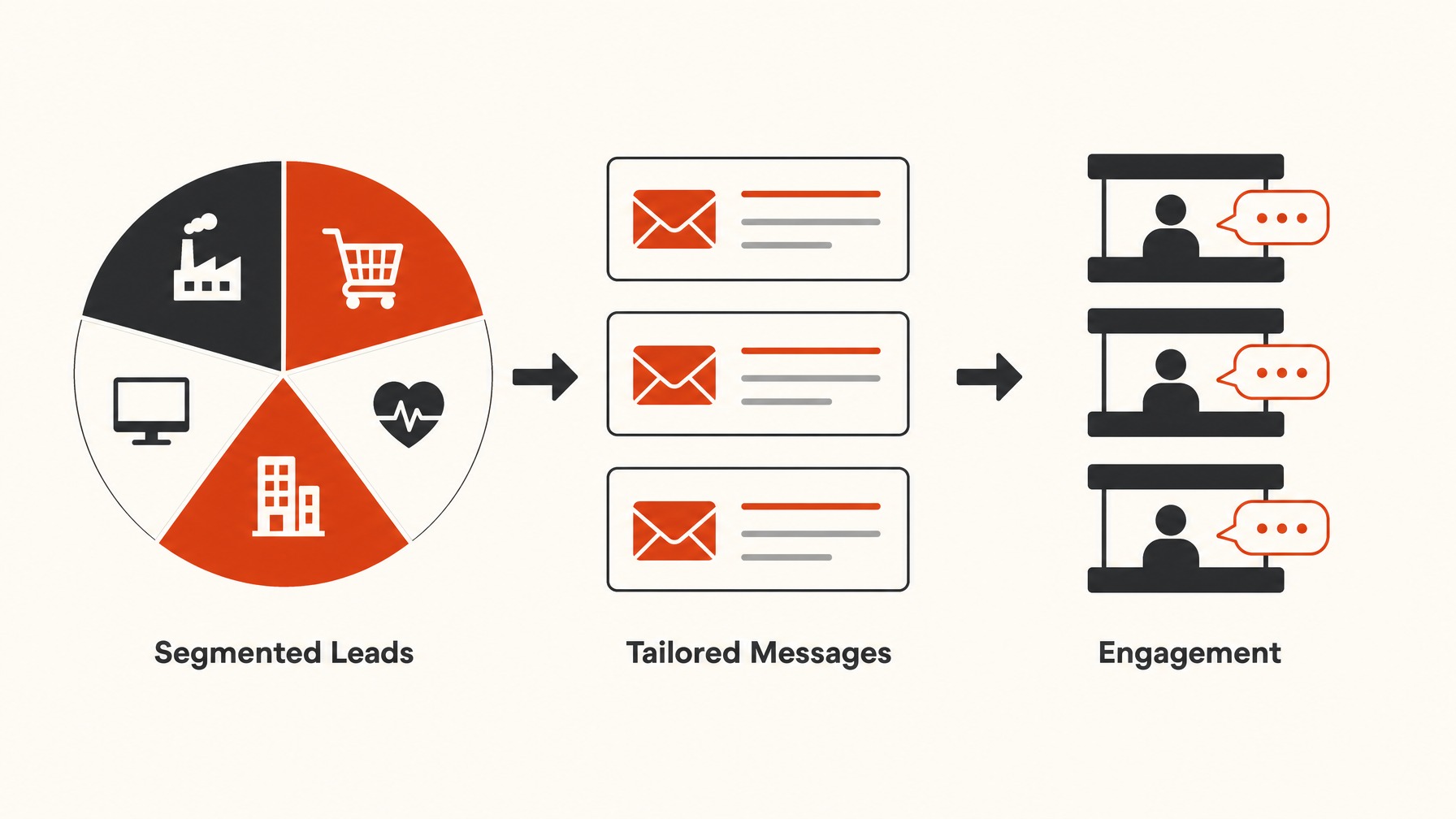
From what I have seen, the ones that get it right usually begin by segmenting leads based on collected data points such as industry, job role, and expressed interest during interactions at the show. They craft tailored messages that speak directly to their prospects’ concerns and aspirations.
Your follow-up emails and calls should reference past conversations, specific product queries, and relevant industry trends to demonstrate that you are attentive and informed.
Another effective tactic is to use a combination of communication channels, such as email, phone calls, and even direct mail, which allows for a more full and dynamic engagement.
Depending on the lead’s preferences and behavior, a multi-channel approach can be more engaging and less intrusive.
For instance, while some prospects may appreciate a detailed email packed with insights, others might respond better to a concise phone call to discuss how your solutions address their challenges.
One thing that comes up a lot is the timing of the follow-up.
Exhibitors who strike while the iron is hot, often within 48 hours post-event, tend to have a higher response rate. However, your follow-up should not end after the initial contact.
A series of value-driven communications over a period can keep your brand top-of-mind and nurture these leads further down the sales funnel.
What we have seen work really well is integrating personalized digital content such as tailored product demos, case studies, or informative webinars in your follow-up strategy.
Such content can add value, spark further engagement, and position your company as a thought leader in the industry.
Personalized follow-up is not just good practice; it’s essential for crafting long-lasting business relationships and driving lead conversion after the trade show hype subsides.
6. Measure and Refine Your Lead Capture Process
What successful exhibitors often recognize is that the real power of a lead capture strategy lies in the ongoing process of measurement and refinement. Many exhibitors set up their systems and then forget them, but the most effective ones treat lead capture as a dynamic process.
From what I’ve observed, thoroughly analyzing your data after each event can reveal fascinating insights that lead to more strategic decisions next time around.
It’s crucial to use strong metrics to assess how effectively your lead capture techniques are functioning.
Start by defining the KPIs that matter most to your team, such as the number of leads captured, conversion rates, and lead quality.
Once you have concrete data, it’s much easier to identify what worked and what didn’t.
Analyzing this data helps in aligning future trade show strategies more closely with organizational goals.
Incorporating feedback from your team can also clarify whether the systems in place are user-friendly and effective.
One thing most exhibitors end up doing is testing and experimenting with new methodologies to see how they stack up against the tried and true.
Pro Tip: After each trade show, you should thoroughly analyze your lead capture data and experiment with new techniques to continually enhance your strategy.
For the exhibitors who nail this, continuous improvement becomes second nature testing different lead capture technologies, tweaking questions asked, or varying booth layouts can dramatically shift results. One actionable insight is to keep a detailed log of the changes made along with their outcomes.
The next step is refining strategies based on these learnings.
From my point of view, this is where things get exciting, as small tweaks can result in significant boosts to lead generation efficacy.
By staying responsive to collected data, you make sure that each subsequent event becomes progressively more effective, allowing for more precise targeting and communication.
This ongoing refinement is not just about making changes but about strategically iterating toward a more successful outcome.
Final Words
What we have seen work really well is a strategic integration of modern techniques and technologies within the lead capture process at trade shows.
Capturing leads effectively isn’t just about setting up a flashy booth; it requires a keen understanding of what resonates with attendees.
By taking the time to use the power of digital badges and engaging visitors through gamification, exhibitors can create memorable interactions that extend well beyond the event.
Furthermore, maximizing social media interaction is an essential component in today’s digital landscape, which can help expand the reach of your exhibit efforts.
Today’s trade show success often hinges on how well you integrate mobile apps designed for lead capture, as they simplify the process and provide immediate access to valuable attendee data.
What truly elevates these efforts is a personalized follow-up strategy that keeps your leads warm and engaged, ensuring that the initial connection you made doesn’t go to waste.
It is important for exhibitors to measure and refine their lead capture processes continuously, allowing improvement with each event.
Something that comes up a lot is the need for adaptability, as trade shows are constantly evolving with new tools and strategies.
At the end of the day, commitment to refining your approach will determine the success of your lead generation efforts. So, take these innovative strategies to heart and apply them thoughtfully to remain competitive in the bustling world of trade shows.
Need a booth plan?
Turn show goals into a practical exhibit path
Share your footprint, timeline, and priorities. Our team can help shape the booth direction, graphics, and project support.
Keep planning
More exhibit guidance
Keep exploring practical advice on booth planning, marketing, and getting more from your next show.
Tell us about your business, the buyers you want to reach, and what you want to achieve. Whether you need more sales conversations, stronger marketing, or a trade show presence, we’ll help you identify where to focus and what support makes sense. Together, we can shape a practical plan around your priorities, budget, and timeline.
 Lorena G.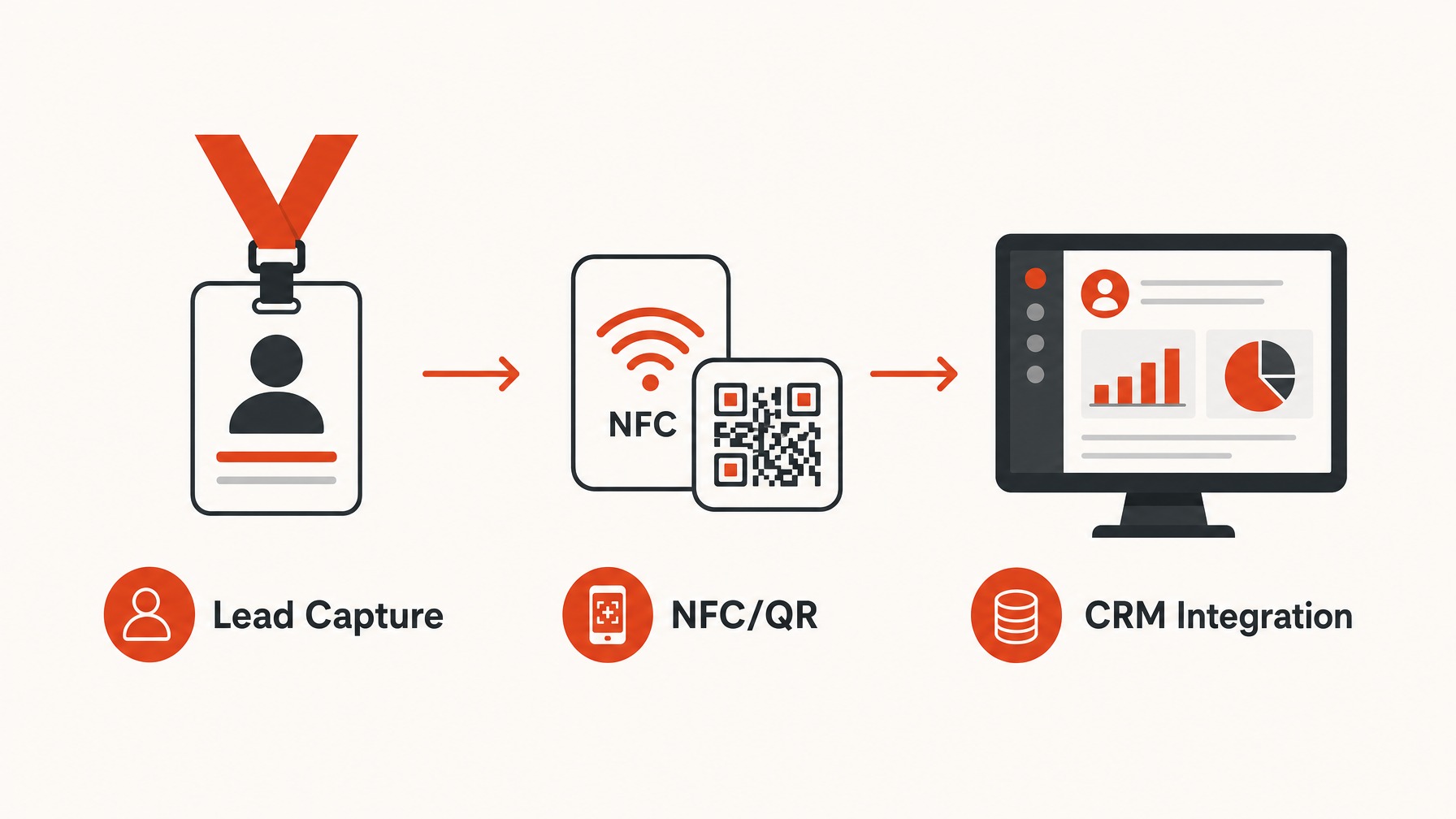


 Louie J.