 Lorena G.
In the fast-paced world of B2B lead generation, cold email outreach continues to play a crucial role in establishing initial contact with potential clients. When done right, these emails can open the door to valuable business relationships.
However, reaching out effectively amidst an inbox cluttered with similar requests is often a challenge.
Something that comes up a lot in discussions with colleagues is the importance of strategic planning in cold email campaigns.
It’s not just about sending an email and hoping for a response; it’s about understanding your target market and delivering a message that resonates. Crafting an effective outreach strategy requires a blend of research and creativity.
From what I have seen, many businesses still struggle with the balance between scale and personalization.
The key to successful B2B outreach lies in crafting emails that not only reach the right audience but also stand out in a crowded inbox.
Identifying the right strategies to both personalize your message and target relevant prospects can greatly enhance your cold email success rate.
Today, I want to cover six essential strategies that can help you achieve greater success with your cold email campaigns. From personalization to follow-up techniques, we’ll explore actionable insights that can help refine your approach to B2B outreach.
- Personalize emails with recipient-specific data to increase response rates.
- Craft compelling subject lines to grab attention instantly.
- Segment your audience for targeted messaging and increased relevance.
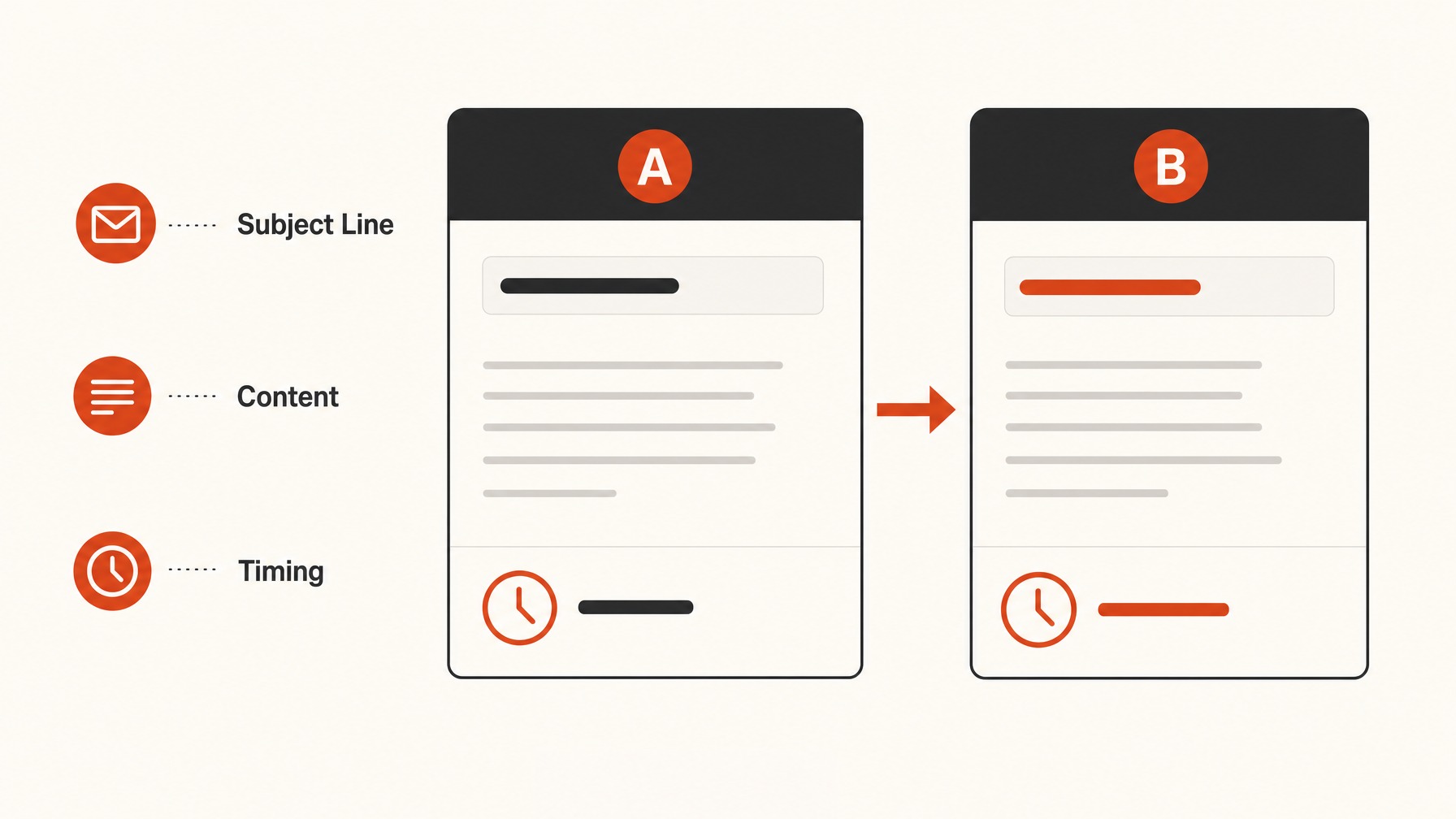
- A/B test email copies to refine and optimize outreach strategies.
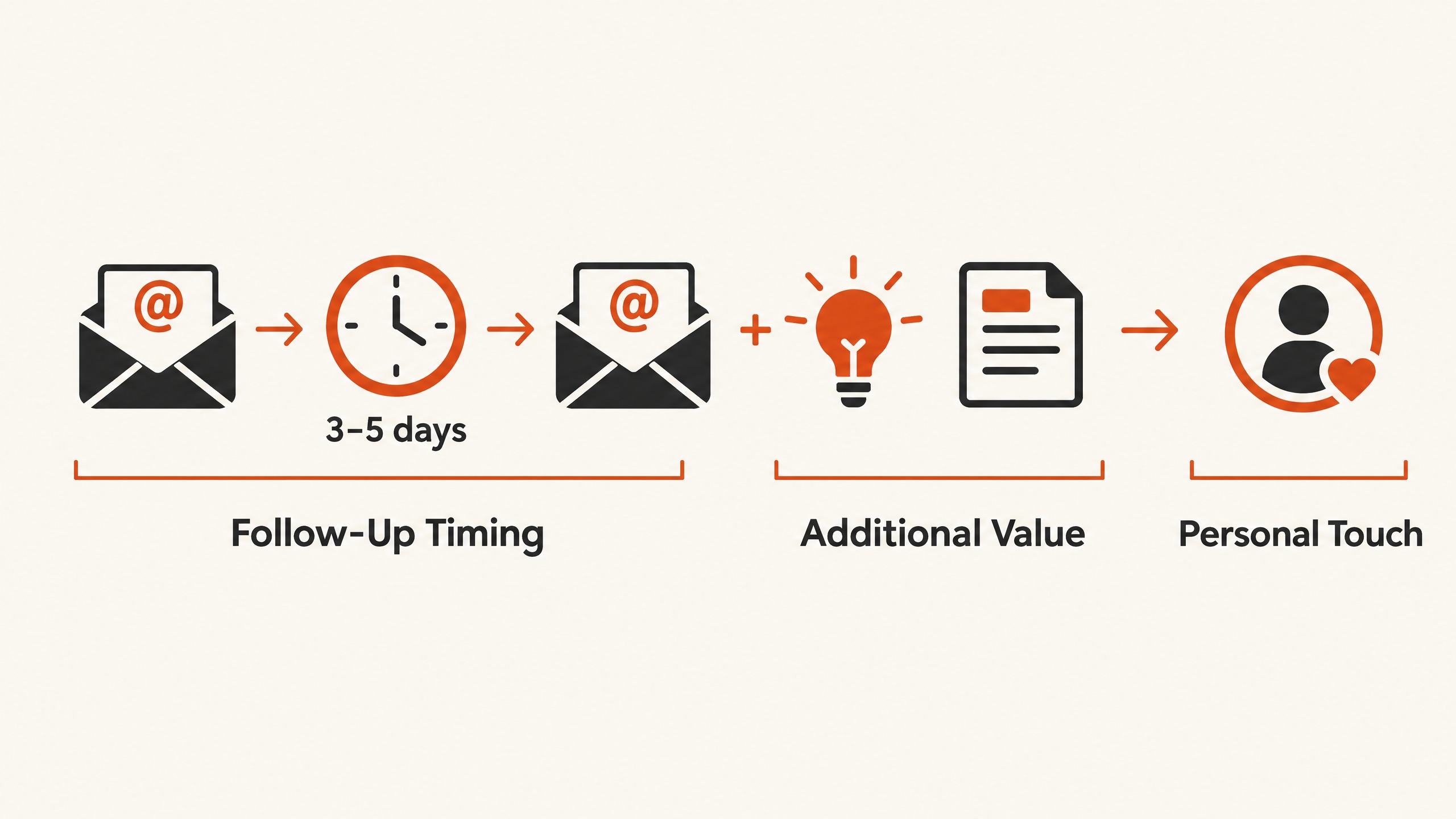
- Follow up consistently but avoid overwhelming your prospects.
You might think you’ve got a handle on cold email outreach, but there’s always more to learn.
See what’s next to see how these strategies really work in practice.
You’ll find insights that dig deeper into each step, showing you how to make your outreach more effective.
Try real-world examples and tips that will boost your results.
1. Personalization: The Key to Engagement
From what I have seen, personalization is the backbone of any successful cold email outreach strategy.
It’s about focusing on each recipient as an individual rather than a generic contact on a list. One thing teams often do is use recipient-specific data to craft emails that speak directly to their unique needs and interests.
This involves researching your prospects to understand what makes their business tick and how your solution aligns with their goals.
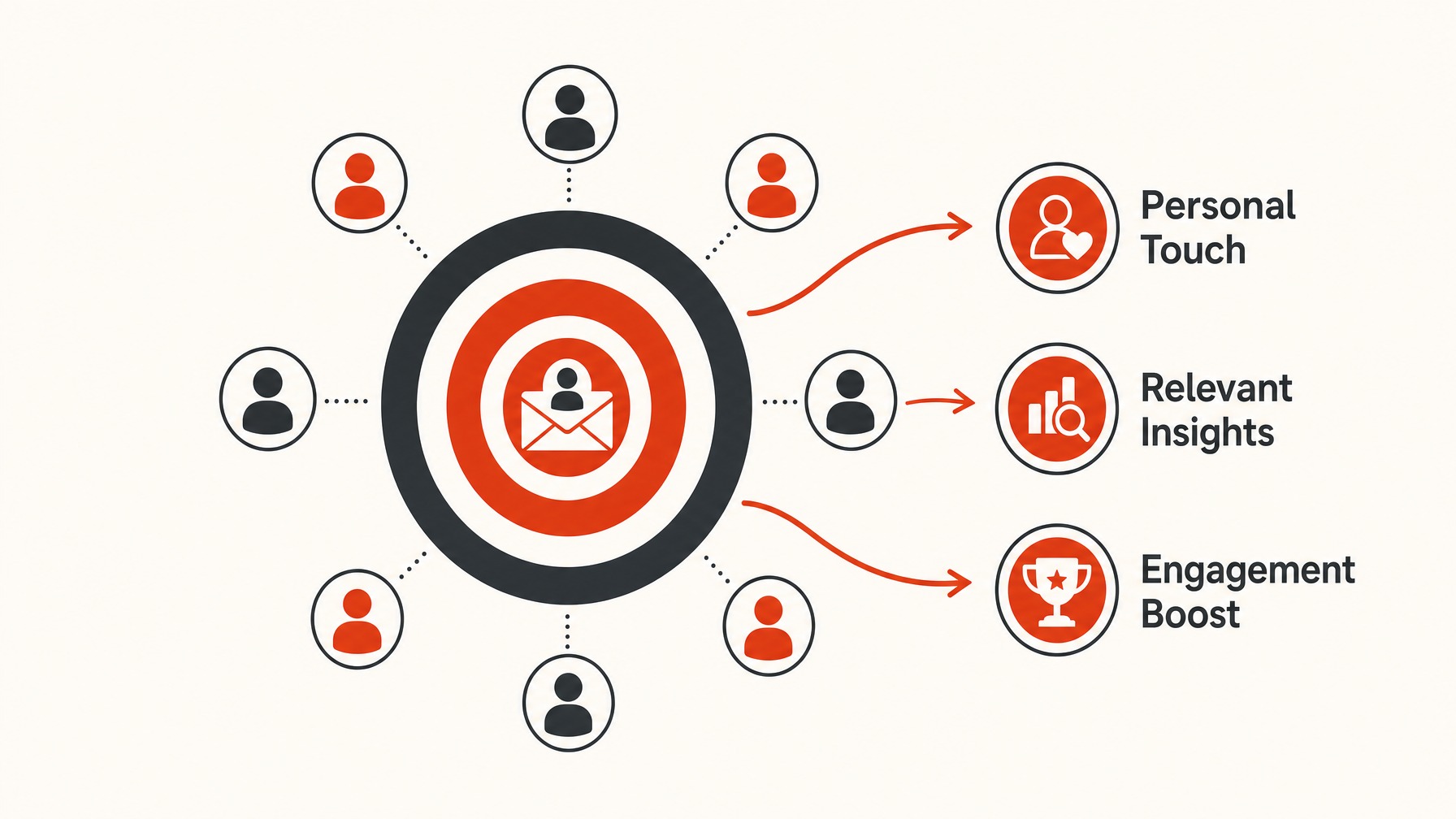
What we have noticed is that when emails reflect genuine effort and attention to detail, recipients are far more likely to engage.
In addition to addressing the recipient by their name, it’s beneficial to include industry-specific insights or references to recent company achievements.
This level of detail signals that the outreach isn’t just blanket marketing but a thoughtful connection attempt. Integrating personalization at scale might sound challenging, but automation tools can help manage this by pulling in relevant data dynamically.
One strategy I’ve seen work really well is using segmented lists to target emails that reflect distinct categories within your audience.
A tailored outreach approach can significantly raise your chances of securing meetings and driving meaningful conversations.
Crafting messages that resonate with the recipient’s specific context can transform your outreach from cold to compelling.
2. Crafting Subject Lines that Captivate
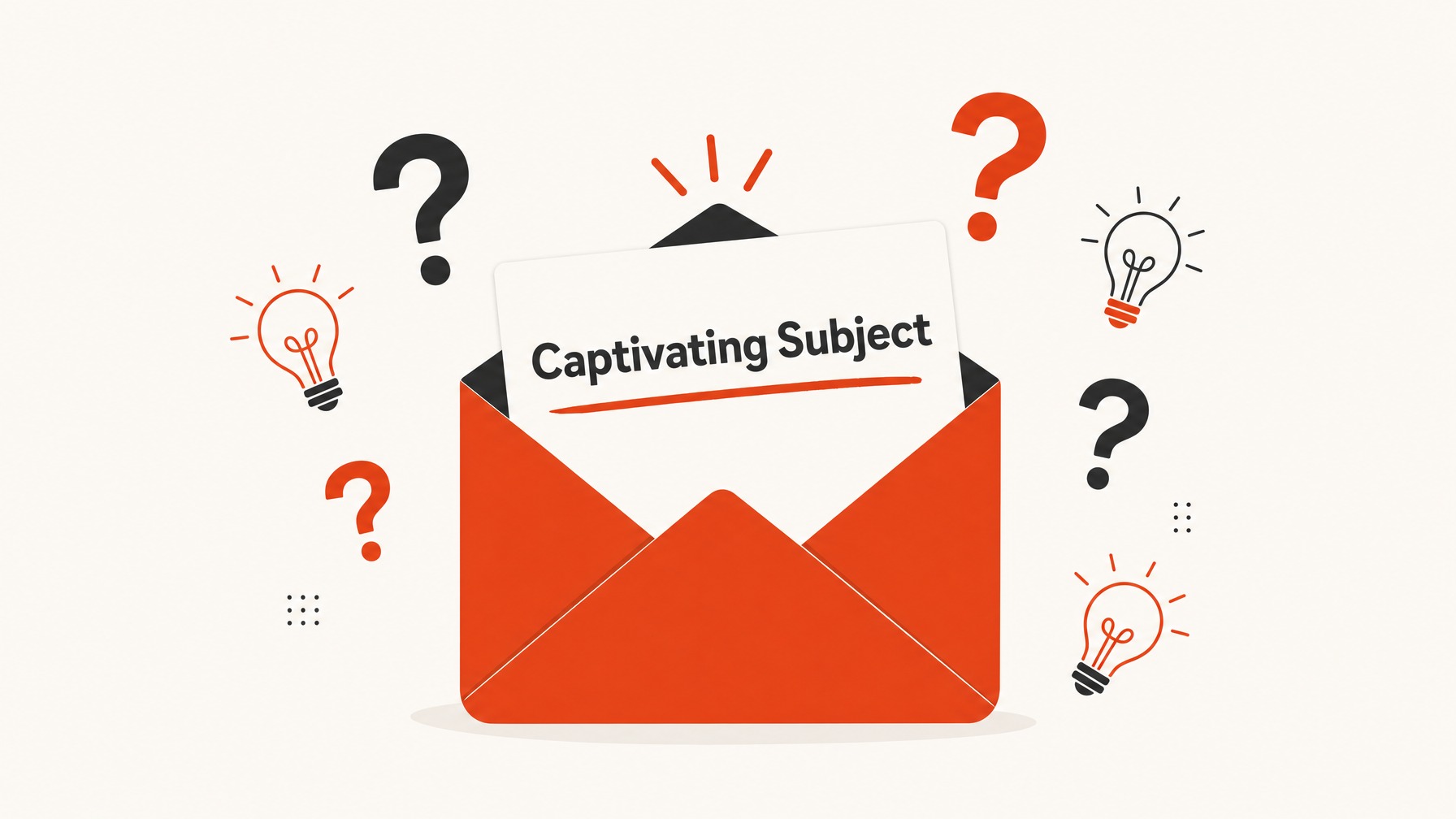
One thing that B2B marketers often grapple with is the challenge of standing out in a crowded inbox. A subject line acts as the gatekeeper to your email’s success, and what we have seen work really well is focusing on intrigue and relevance.
The most engaging subject lines are those that spark curiosity while clearly conveying the value of your email.
You might find that posing a thought-provoking question or offering a bold statement can arouse interest and draw attention. However, from what I have seen, the ones that get it right usually keep their subject lines short yet impactful, ideally around 6-10 words.
It’s also essential to tailor your subject lines to resonate with your specific audience.
Different industries and roles respond to different types of messaging, so consider the nuances of your target market when crafting your email hooks.
A practical tip that often comes up is to incorporate dynamic keywords related to your recipient’s business or pain points.
Another strategy that proves effective is the use of personalization tokens, where including the recipient’s name or company can make a generic message feel more bespoke.
Crafting the perfect subject line requires a blend of art and science, so keep testing and refining your approach to find what truly captivates your audience.
3. Audience Segmentation for Targeted Messaging
When it comes to cold email outreach, audience segmentation is one of the most critical strategies for achieving targeted messaging.
What really stands out is the ability to grouping prospects based on their specific characteristics, needs, or behaviors. At Exhibitant, we often emphasize how segmentation can dramatically boost campaign performance.
This is because when we tailor messages to address the specific pain points and objectives of different segments, the engagement levels tend to increase. It’s common for companies to divide their audience into sectors like industry, company size, and even geographical location.
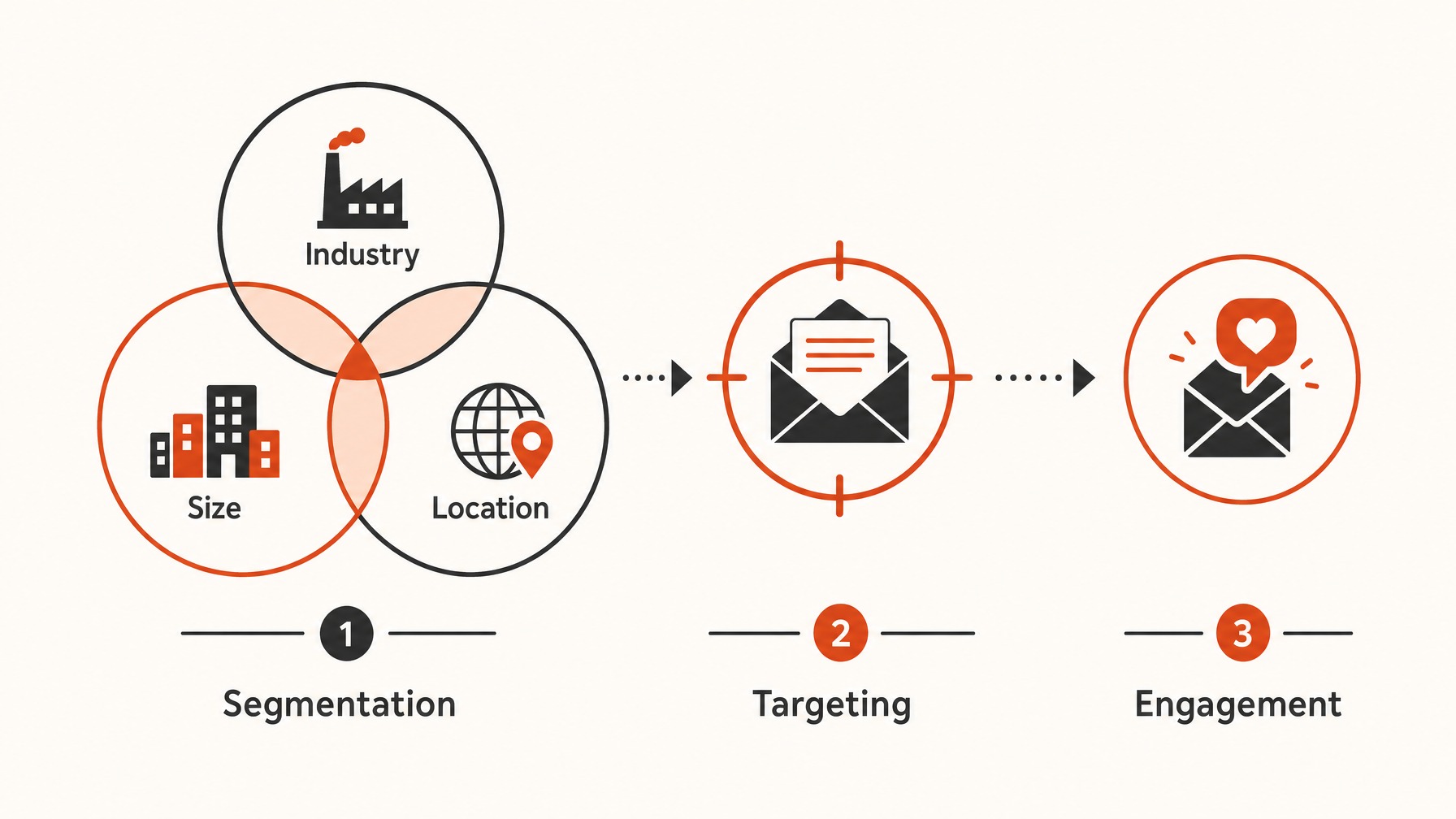
This segmentation allows for customized messaging that resonates with the unique challenges faced by each group.
A simple yet effective approach is to first conduct detailed research to understand the varying needs across segments. From what we have seen, mapping these needs to specific features or benefits offered in your products or services works well.
The goal should always be to convey relevance, ensuring recipients feel that the email speaks directly to them.
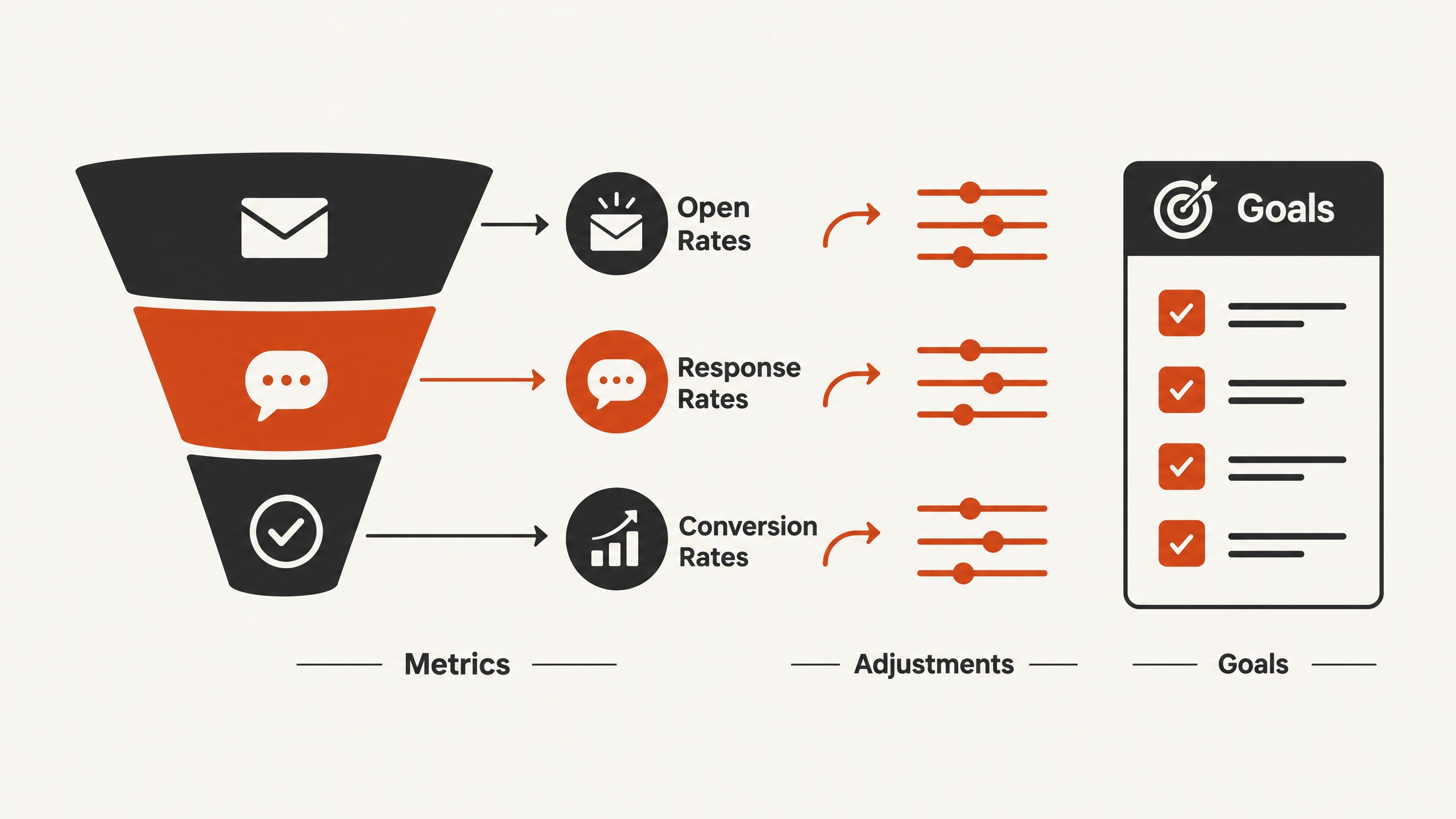
The beauty of segmentation is not just better engagement, but also the ability to refine messages based on data feedback. After initial outreach, it’s vital to assess results and adjust segments if certain messages are underperforming.
However, we frequently encounter situations where segmentation requires an iterative approach. Over time, the more personalized and targeted your emails, the higher the chances of converting prospects.
In a field where precision is key, crafting segmented campaigns is a step you can’t afford to overlook.
By consistently refining your segments, your team can maintain a dynamic outreach strategy that adapts to evolving market demands and insights.
Remember, well-segmented campaigns not only speak to the immediate needs of your audience but also establish long-term trust and relevance.

 Louie J.