In the bustling world of trade shows, having a booth that stands out is more than just an aesthetic exercise; it’s a strategic maneuver.
From my experience working with exhibitors, I can confidently say that a well-executed booth strategy can make the difference between fading into the background and becoming the talk of the event.
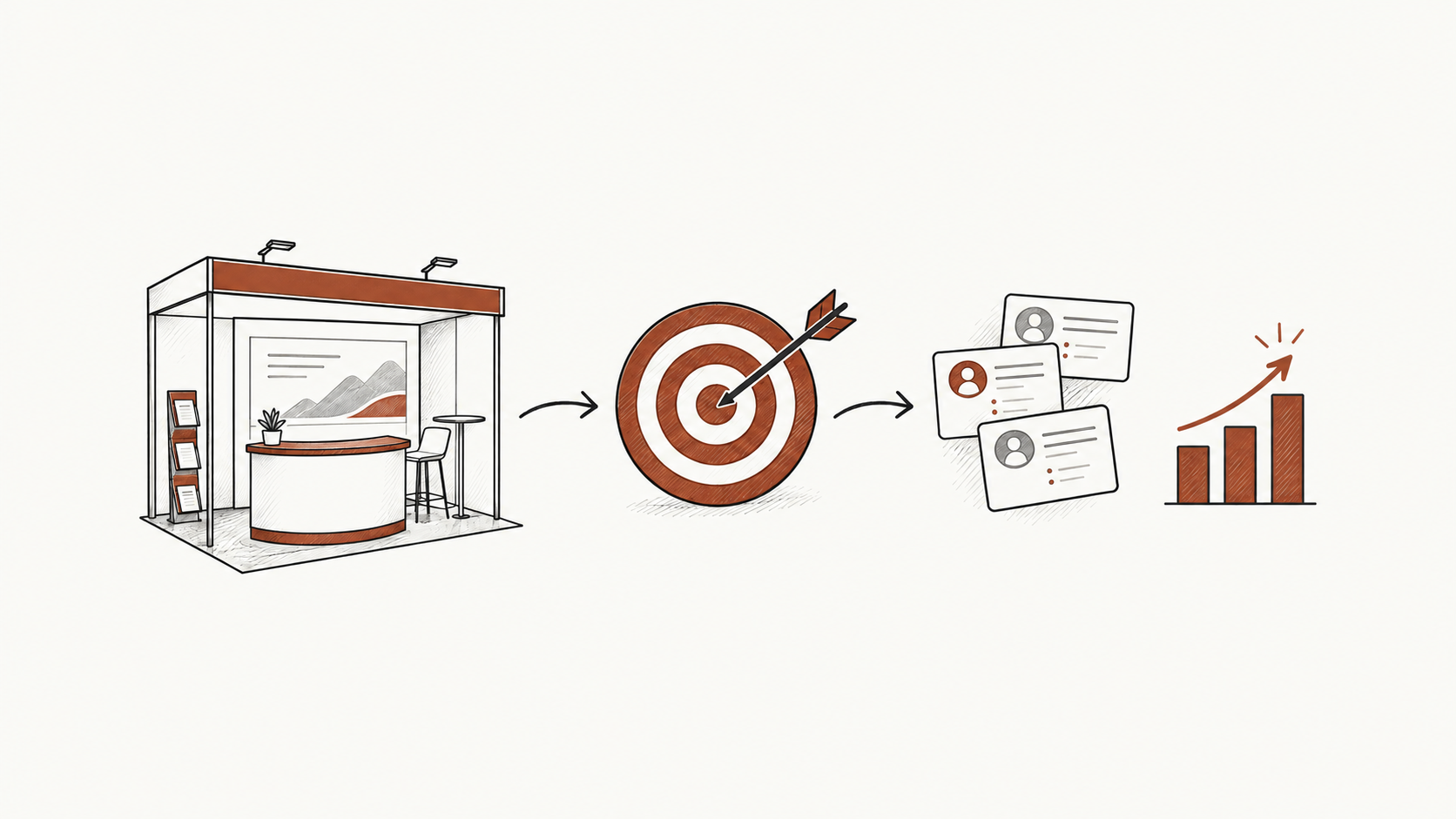
Something that comes up a lot is the importance of establishing clear goals before the event begins. Knowing what you want to achieve whether it’s lead generation, brand awareness, or direct sales provides a guiding beacon for your team and helps shape every decision you make along the way.
From what I have seen, eye-catching booth design is crucial, but it’s also vital that the design is functional. The most successful exhibitors I’ve worked with invest time in ensuring their booth not only captures attention but is also laid out to enhance comfortable interactions with attendees.
Training your staff for maximum engagement is another critical component in any booth strategy.
Staffing a booth isn’t just about having people standing around; it’s about creating a team that knows how to draw in and engage attendees while delivering your brand message effectively.
In this post, I’ll walk you through seven key objectives your trade show booth must achieve to make sure a strong presence and successful outcomes at your next big event.
Key Takeaways:
Define clear goals aligned with event objectives.
Design a captivating booth that draws attendees.
Ensure staff is well-trained and engaging.
Utilize technology for enhanced interaction.
Follow-up strategies secure lasting connections.
You’ll find more about how to set and reach your booth’s big goals.
Next, learn about ways to make your booth stand out and catch eyes.
It’s all about having a friendly team to make great connections.
There’s also talk about using cool tech to get people involved at your booth.
1. Establish Clear Goals and Metrics
When you’re planning your trade show presence, the first step that many successful exhibitors prioritize is to establish clear goals and measurable metrics.
This strategic approach helps you decide what success looks like and provides a benchmark for evaluating your performance.
Without setting these goals upfront, it’s challenging to determine whether your trade show investment is paying off.
From what I’ve seen, companies that set specific objectives are better at crafting a targeted booth strategy.
One thing most exhibitors end up doing is selecting key performance indicators (KPIs) that align with their broader business objectives.
Some popular KPIs include the number of qualified leads generated, meetings set up, or even social media engagement rates during the show. Defining these measurements can not only help you fine-tune your tactics but also aid in making adjustments in real-time.
I would say the biggest thing here is having the ability to pivot quickly if something isn’t working as planned.
The objective-setting process should involve a comprehensive discussion with all stakeholders to make sure that everyone is on the same page and understands the expected outcomes. Collaborative goal-setting often results in a more unified team effort during the event.
Something that comes up a lot is the need to prepare a detailed plan, which includes both quantitative and qualitative metrics to assess performance.
This helps in creating an actionable follow-up strategy post-show.
2. Design an Eye-Catching and Functional Booth
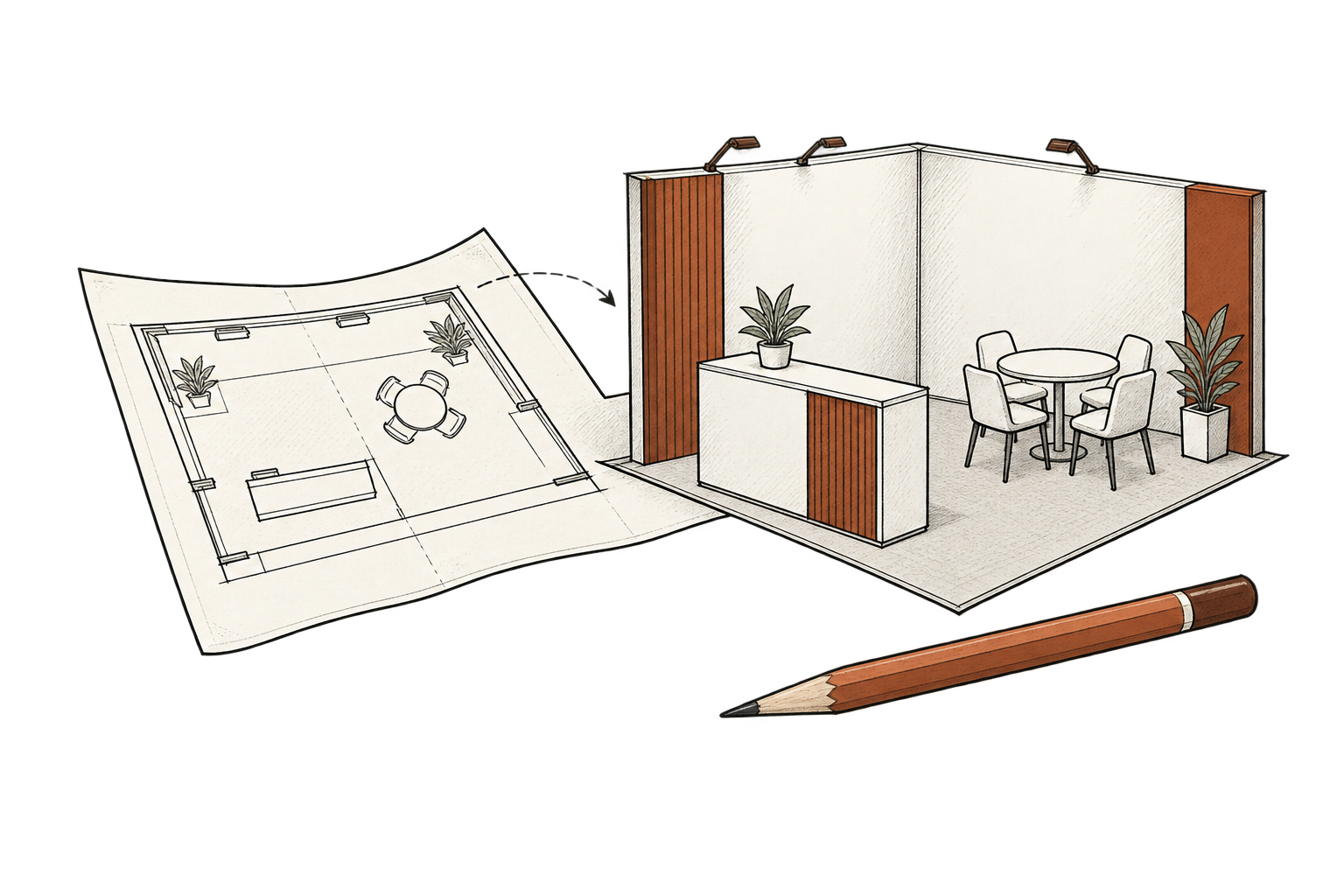
What we have seen work really well in a trade show booth design is a delicate balance between eye-catching visuals and practical functionality. Bold graphics and vibrant colors are often excellent ways to draw attendees in, but they must not overwhelm the space or distract from your key messaging.
It’s about creating an immediate visual impact while simultaneously serving the needs of both staff and visitors.
Bear in mind that an overly cluttered booth can confuse and disorient attendees.
From what I have seen, the ones that get it right usually integrate strategic elements that highlight their unique value proposition.
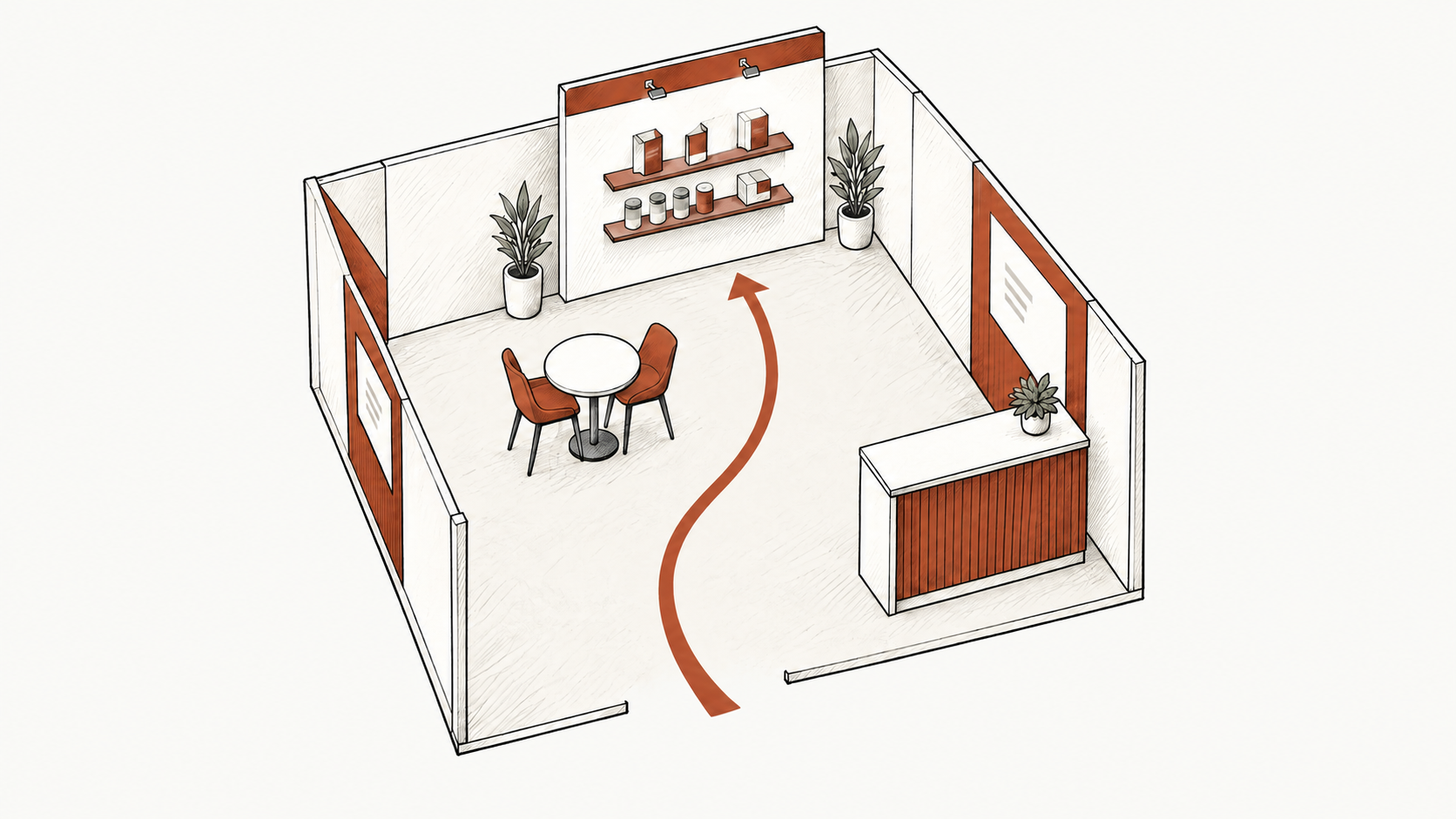
This means designing with clear sightlines and ensuring key information is accessible from various angles. It’s not just the visuals that matter, but also how you organize the layout to make navigation intuitive.
For instance, booths arranged with clear entry and exit points enhance traffic flow and guide attendees naturally through the journey.
One thing most exhibitors end up doing is thinking about how their booth can function as a smooth brand experience. This involves cohesive branding across every element from the furniture to the lighting to the staff uniforms to reinforce the company’s messaging and identity.
Plan for spaces where meaningful conversations can happen without interference from other attendees.
Incorporating comfortable seating areas where discussions can happen without interruptions is another crucial aspect.
Important: You need to strike a precise balance in your booth design between bold visuals and practical functionality to captivate attendees without overwhelming them.
These areas should be clearly accessible but also somewhat private to facilitate open dialogue about your products and services.
A well-thought-out design encourages people to stay longer at your booth, increasing the potential for more meaningful interactions.
Something that comes up a lot is the necessity of ensuring all technological integrations within the booth are both high-functioning and user-friendly. This could mean interactive screens or demonstrations that allow visitors to engage directly with your offering.
Also, it’s vital to make sure all visuals and tech components support your core communication goals, helping attendees grasp your messages quickly and effectively.
Ultimately, when designing a trade show booth, aim for a space that does not just attract attention but also fosters a comfortable and informative environment. A functional layout combined with striking design elements can entice attendees, foster engagement, and most importantly, clearly communicate your brand’s story and value.
By considering every aspect from visuals to technology, you create an exhibit that stands out while meeting all strategic objectives.
3. Train Your Staff for Maximum Engagement
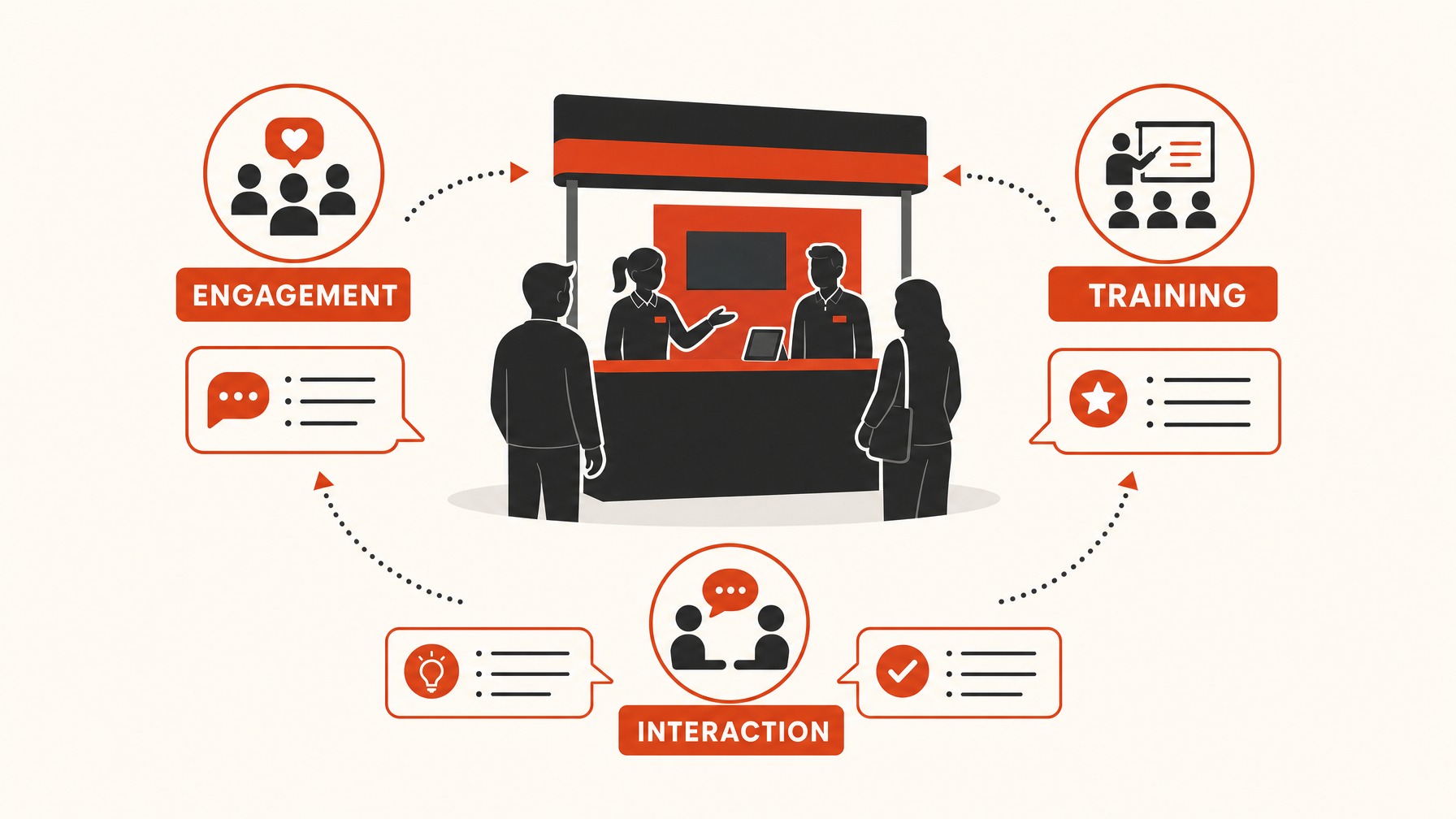
From what I have observed, one of the most critical factors in the success of a trade show booth is the ability of your staff to engage effectively with attendees.
When your team is well-prepared, they can turn casual conversations into meaningful interactions that drive business results. Start by selecting personnel who are not only knowledgeable about your products but also enthusiastic and approachable.
Attendees are drawn to representatives who seem genuinely excited and ready to provide insights and solutions.
One thing most exhibitors end up doing is conducting role-playing exercises prior to the event to simulate real-life interactions. This fosters confidence and ensures your team is ready for any situation that might arise.
Additionally, equip your team with a firm understanding of your booth’s objectives and metrics.
This way, they can seamlessly align their engagement strategies with your overall goals, such as lead generation or brand promotion.
It is also essential that your staff understands the art of reading body language and knowing when to approach an attendee or give them space. This can prevent potential visitors from feeling overwhelmed or pressured, enhancing the likelihood of a positive interaction.
Encourage your team to ask open-ended questions that invite dialogue, allowing them to glean valuable insights about attendees’ needs and preferences.
What we have seen work really well is ensuring that your staff rotates roles throughout the event, preventing fatigue and maintaining high energy levels.
When your team feels refreshed and motivated, their ability to connect remains strong throughout the show.
Remember, it’s not just about having a presence at the booth; it’s about creating a dynamic atmosphere where every attendee feels valued and engaged. By investing in thorough training, you’re setting the stage for successful encounters that translate into lasting partnerships.
4. Incorporate Innovative Technology Solutions
What we have seen work really well is the integration of innovative technology solutions in trade show booth strategies.
From virtual reality experiences to interactive touchscreens, technology can attract attention and deepen engagement. Incorporating elements like augmented reality or advanced demos can transform a typical booth into an engaging experience for attendees.
From what I have seen, the ones that get it right usually see a noticeable uptick in foot traffic and become a talking point of the event.
Using technology isn’t just about the novelty; it allows for personalized, data-driven interactions that attendees appreciate. Investing in a responsive app or quick QR code interaction can help gather information seamlessly and offer attendees customized content tailored to their needs.
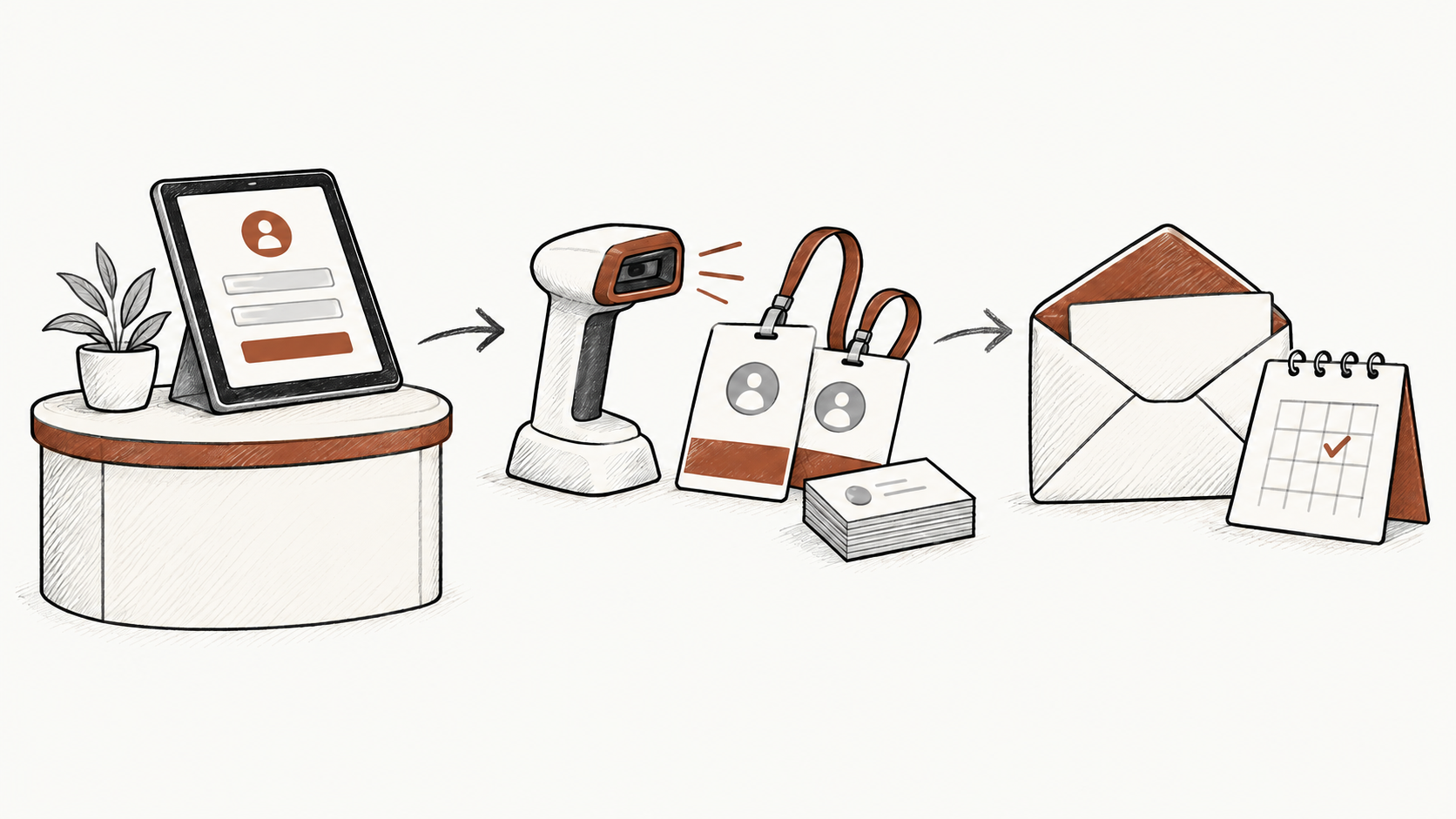
Digital lead capturing tools automate and simplify the process, freeing up your staff to build crucial relationships rather than being bogged down by paperwork.
The Exhibitant team has seen significant success stories where RFID technology was utilized to track booth engagement and attendee interaction patterns. One thing most exhibitors end up doing is choosing technology that not only fits their booth’s aesthetics but also aligns with their brand messaging and objectives.
Pro Tip: Enhance your trade show booth by integrating user-friendly, branded technology like interactive touchscreens or RFID tracking to boost engagement and simplify lead capture.
Implementing tech that is intuitive and straightforward ensures it enhances the attendee experience, rather than creating confusion or clutter.
It’s crucial that technology use is strategic and adds measurable value to your trade show objectives. While flashy, complex systems may catch the eye, they should not overshadow the core message your booth aims to deliver.
The ultimate goal is to foster meaningful connections and generate leads, and a well-integrated tech strategy can be just the boost you need.
5. Create Memorable Giveaways and Promotions
One thing most exhibitors end up doing is focusing on giveaways, as they are a proven method to create a lasting impression on attendees.
What we have seen work really well is when companies align giveaways with their brand messaging and objectives.
This strategic approach makes the giveaway more than just a freebie, transforming it into a powerful marketing tool that attendees will remember long after the event is over.
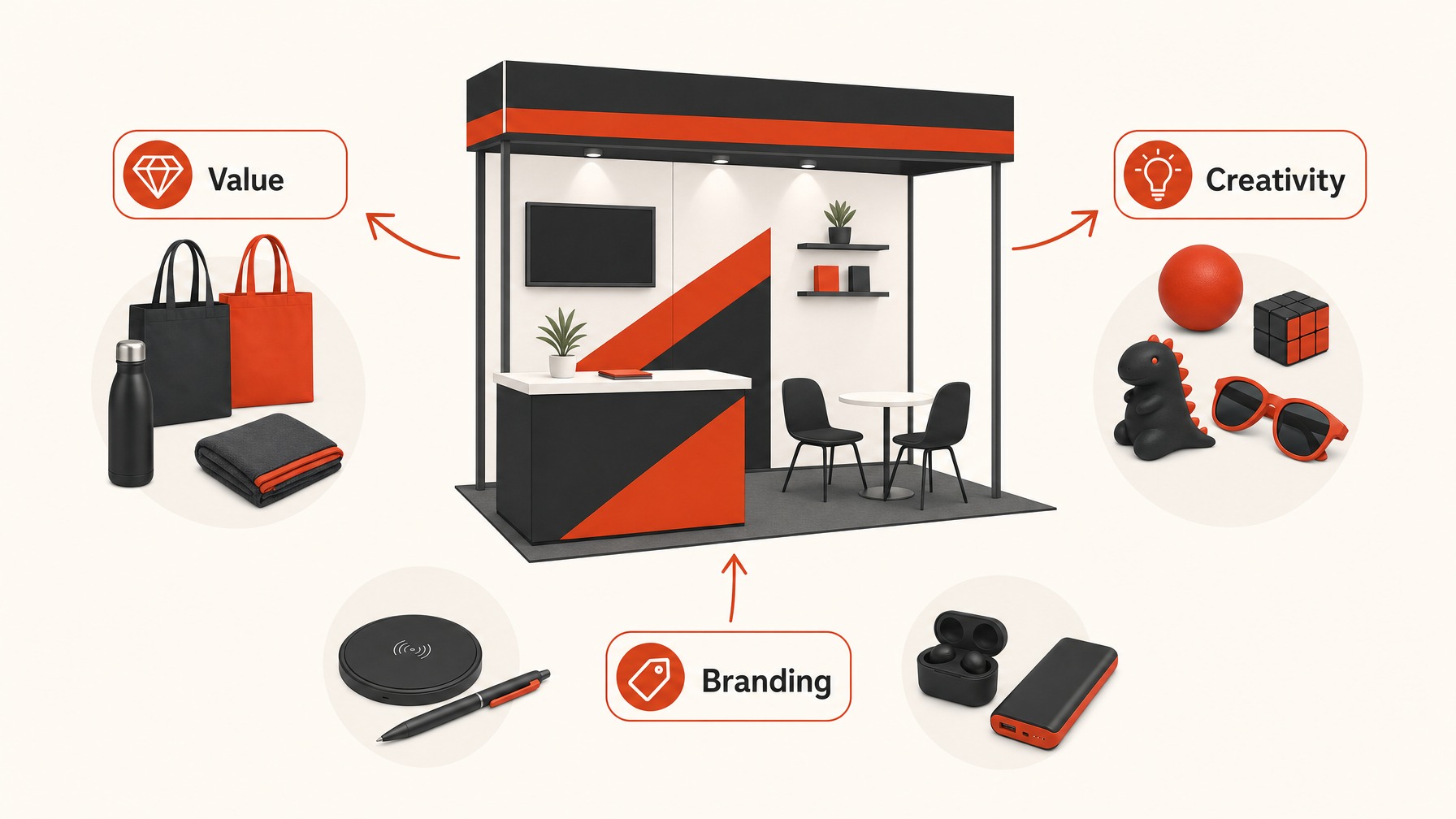
Strong branded items like reusable bags, tech gadgets, or even personalized novelties can resonate well with your target audience. However, it’s essential that these items reflect not just value, but also creativity and relevance to your brand.
The more the giveaway can become a talking point, the greater the impact on brand recall.
A great strategy is to pair your giveaways with creative promotions that drive booth traffic, such as a spin-to-win wheel or a digital interaction that requires scanning a QR code for a prize entry.
These activities can increase engagement and make your booth not only a destination but an experience.
Additionally, incorporating exclusive promotions for attendees can further entice participation and visitation.
For instance, offering limited-time discounts or deals only available to those who stopped by the booth can create a sense of urgency and importance.
Throughout the show’s duration, timing these promotions strategically could result in increased booth visits during typically slow periods.
Always evaluate how these promotions and giveaways will fit into your overall strategic objectives and make sure they provide meaningful value to your audience.
6. use Efficient Lead Capture Techniques
A successful trade show hinges on not just how many people visit your booth but how effectively you capture their interest for follow-up.
What I have seen work really well is using a variety of lead capture techniques that align with your overall objectives. While traditional methods like business card collection still have their place, integrating more advanced solutions like mobile apps and customized forms fosters deeper engagement.
From what I have seen, the ones that get it right usually blend multiple capture methods to improve both efficiency and reliability.
An area where many exhibitors fall short is in preparing themselves for real-time lead qualification at the booth.
I would say the biggest thing here is ensuring that those responsible for data entry can distinguish between hot leads and general interest.
Something that comes up a lot is the need to capture specific data points that correlate directly with your potential sales strategies. For B2B companies, this might mean understanding a visitor’s purchasing authority, while B2C exhibitors might focus on immediate purchase intent.
This is where incorporating interactive technology, such as digital kiosks or survey tablets, can be most effective.
Important: To excel at trade shows, you must seamlessly integrate traditional methods with advanced digital solutions for efficient lead capture and real-time qualification.
You can configure these tools to automatically segment leads based on the responses collected.
What we have noticed is that digital solutions facilitate not just the smooth collection of contact information but also allow for real-time analytics.
Exhibitant offers comprehensive exhibit strategy and booth systems to support your lead capture goals.
As an exhibit partner, our focus is on optimizing your booth for meaningful engagements rather than merely supplying a temporary display.
7. Develop a solid Post-Show Follow-Up Plan
From what I have seen, the ones that really nail their post-show follow-up treat it with as much importance as the show itself.
What you do after the event can significantly impact your return on investment.
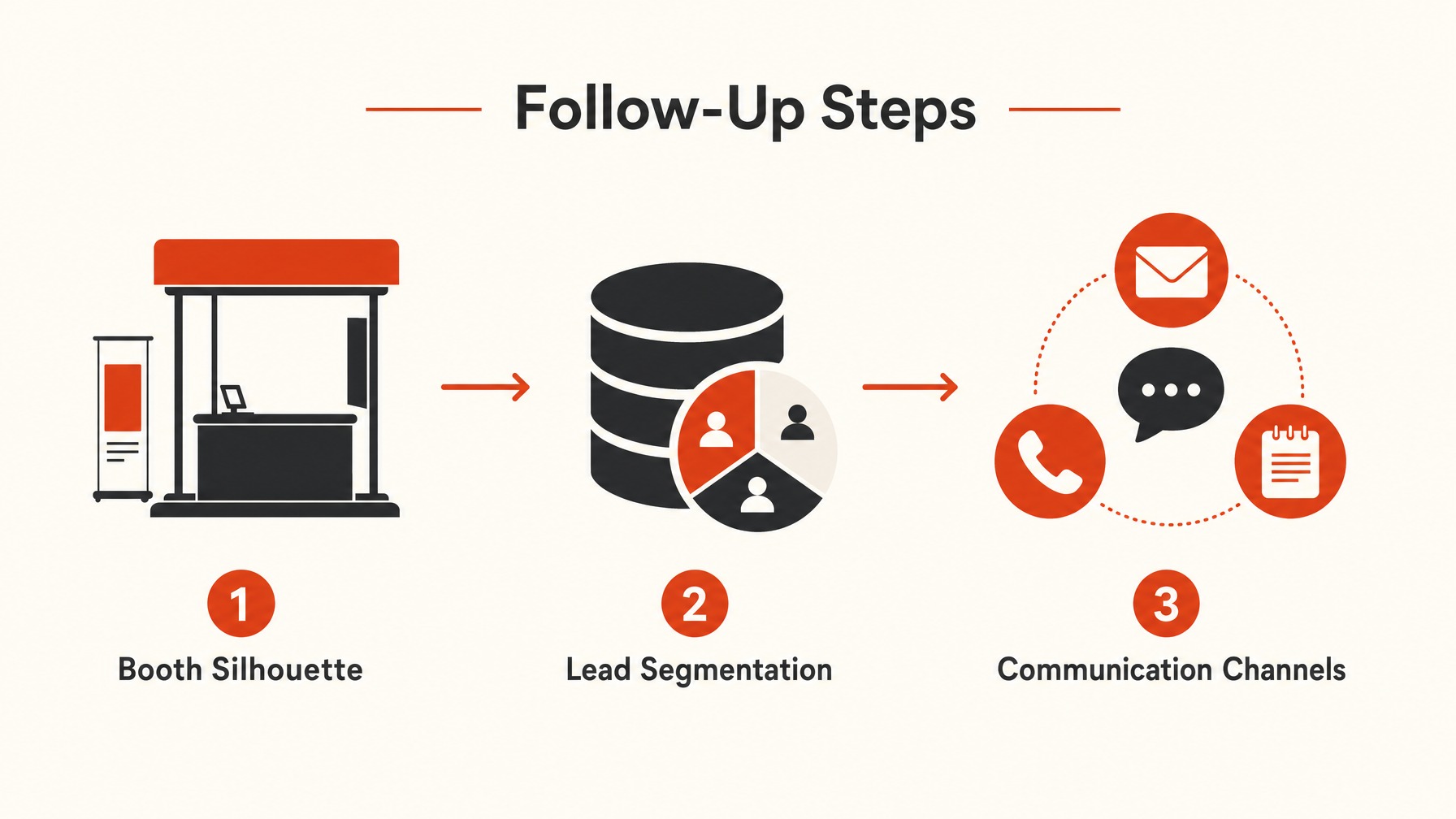
A solid follow-up plan should begin even before you head to the trade show. Organize your database by segmenting your collected leads into categories based on interest levels and potential opportunities.
This allows you to tailor your communications and make them as effective as possible.
One thing most exhibitors end up doing is utilizing multiple channels for follow-up communications.
Email campaigns, personalized thank-you notes, and even follow-up calls can all help make sure that you continue the conversation.
Each channel has its strengths, and combining them gives you a multi-layered approach.
The biggest thing here is not to let leads go cold.
Establish a timeline for follow-ups that extends a couple of weeks past the event, ensuring your leads remember the interaction and the value your company provides.
What we have seen work really well is creating drip campaigns that deliver consistent, valuable content over time. This could be white papers, case studies, or updates about your products.
This sustained engagement can reinforce the connection made during the show and keep your company fresh in mind for future opportunities.
By building in touchpoints, you nurture relationships and move leads through your sales funnel.
Don’t forget to also include a mechanism to track and analyze the effectiveness of your follow-up efforts.
This could be through software tools that track email opens, responses, and subsequent actions.
Monitoring these metrics can give you insights into what strategies are resonating and which need refinement.
This feedback loop is essential for continuously optimizing your interactions in future events, making your post-show follow-up plan not just an exercise, but a pivotal part of your overall trade show strategy.
The Bottom Line
After diving into the essential objectives for your trade show booth, the key takeaway is that every aspect should align with your overall marketing strategy.
From planning and design to on-site management, each element must support your core goals to make sure you are maximizing your presence.
These objectives are not isolated tasks but rather interwoven efforts that should drive your team’s activities before, during, and after the event.
What we have seen work really well is a synchronized approach that incorporates all elements seamlessly, enhancing your brand’s engagement with prospects and partners alike.
By focusing on these critical areas, you give your team a structured framework to measure success and ROI.
Each action you take should be driven by a clear understanding of your desired outcomes, which is why having measurable metrics in place is fundamental.
One thing most exhibitors end up doing is overlooking the post-show follow-up, which can nullify all previous efforts if not executed diligently.
Those who get it right usually see a significant return on their investment through rigorous follow-up strategies and personalized engagement with leads.
From what has been discussed, aligning technology, staff, and leads captures a full value proposition, setting the stage for future successes.
Integrating these elements provides substantial long-term benefits, positioning your company strategically within your industry.
When all comes together cohesively, your trade show participation becomes a powerful vehicle for growth and opportunity.
Need a booth plan?
Turn show goals into a practical exhibit path
Share your footprint, timeline, and priorities. Our team can help shape the booth direction, graphics, and project support.
Keep planning
More exhibit guidance
Keep exploring practical advice on booth planning, marketing, and getting more from your next show.
Tell us about your business, the buyers you want to reach, and what you want to achieve. Whether you need more sales conversations, stronger marketing, or a trade show presence, we’ll help you identify where to focus and what support makes sense. Together, we can shape a practical plan around your priorities, budget, and timeline.
 Louie J.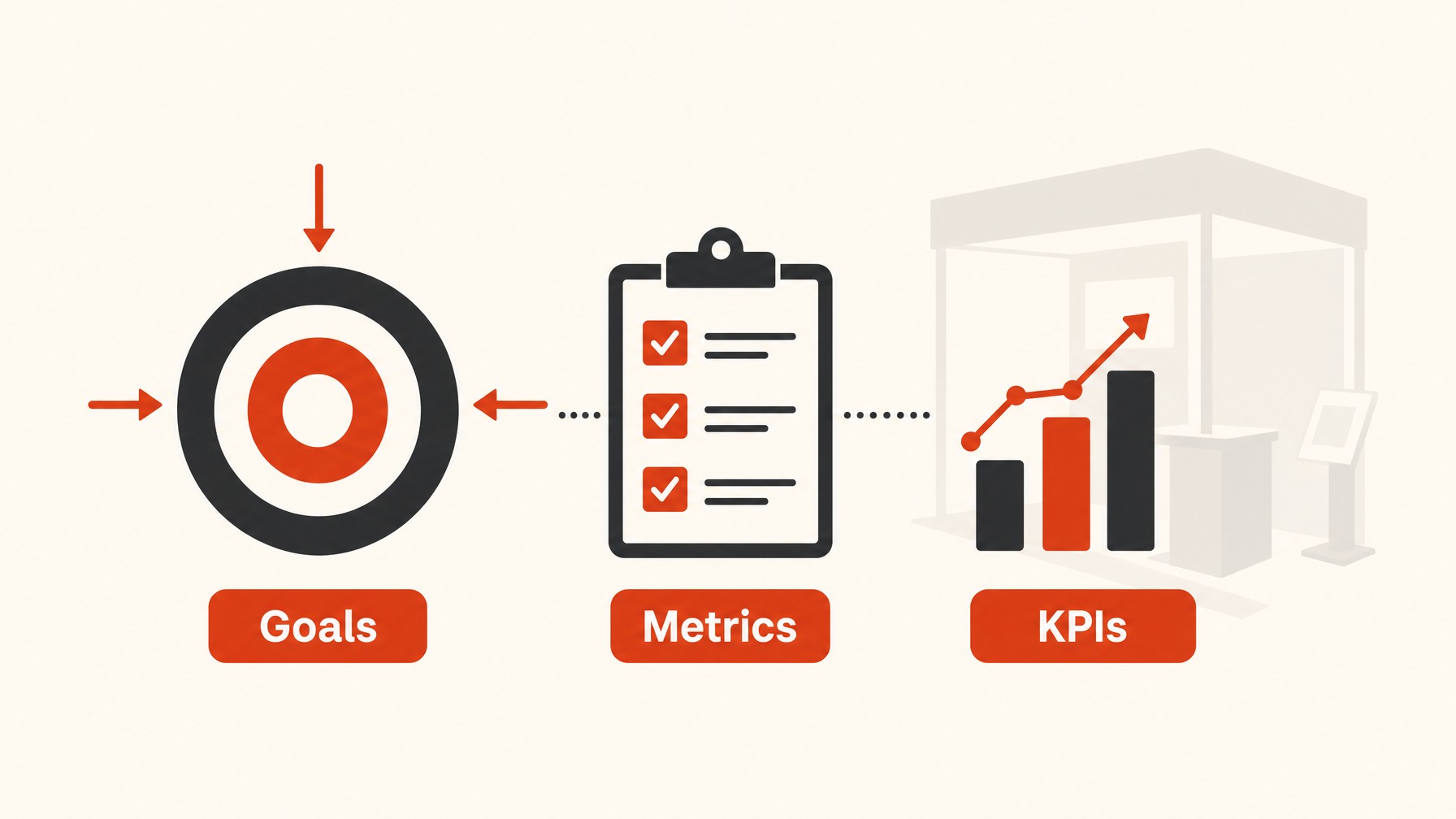
 Lorena G.