 Lorena G.
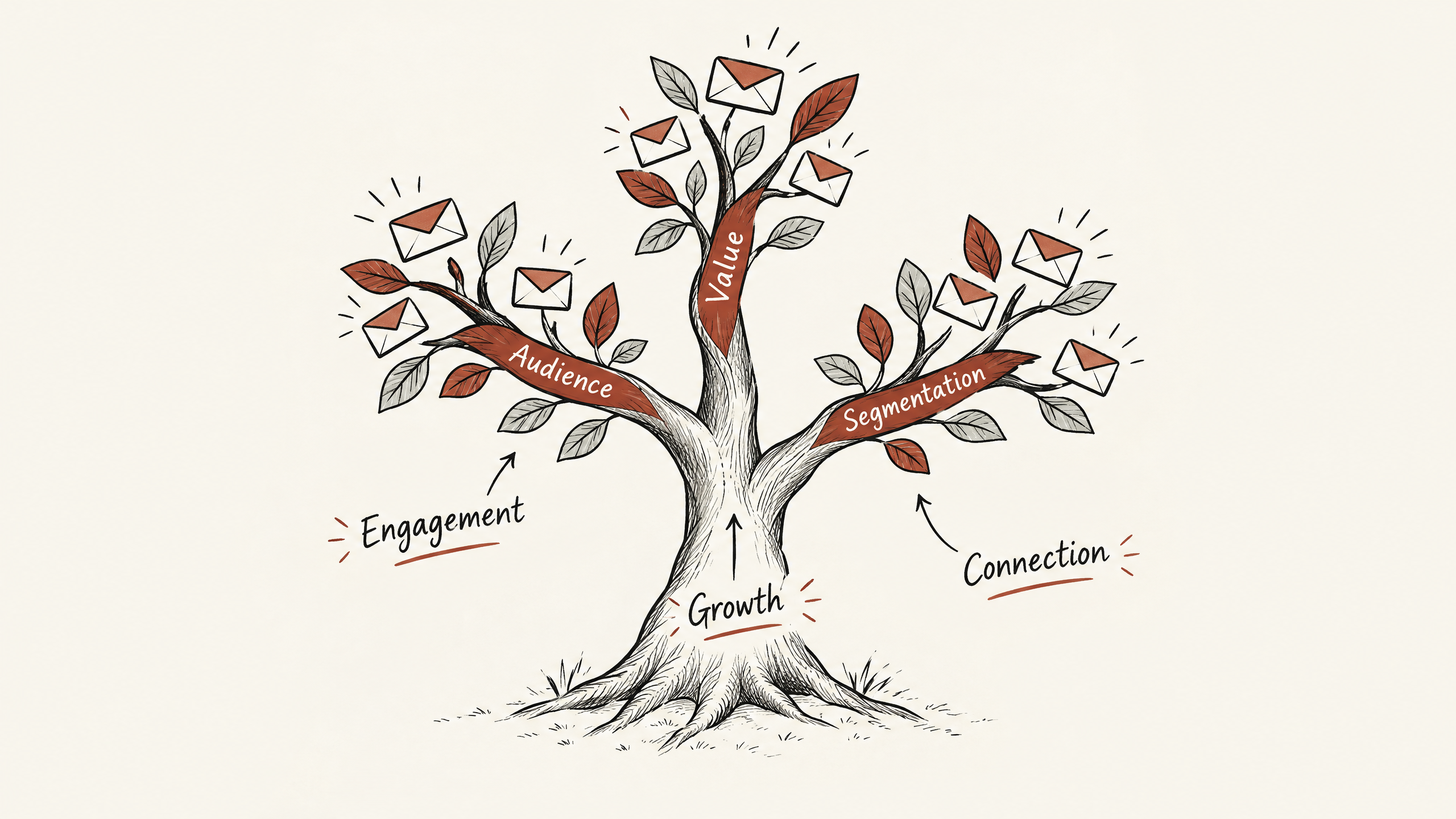
Creating engaging email newsletters can be a daunting task, especially when trying to strengthen existing relationships rather than reaching out cold. Here is how I would approach it: recognize that nurturing your subscribers means more than just delivering content; it’s about delivering the right content to the right people.
A well-crafted newsletter can significantly enhance your interaction, proving beneficial for both you and your audience.
Understanding your audience is the foundation of an effective email strategy.
By truly knowing who they are, you can tailor your messaging to address their needs and interests directly.
This approach helps in breaking through the noise and ensuring your emails don’t just end up in the spam folder.
Personalization is not just about using someone’s first name in the greeting.
It involves custom content that resonates with the individual’s preferences and behaviors.
This personal touch fosters a deeper connection, enhancing the likelihood that your audience will engage with your message and find value in it.
After reading this article, you will have practical steps to increase engagement through personalized content and strategic audience segmentation.
These insights will help you and your team to deliver messages that matter, ultimately leading to stronger connections with your subscribers.
Let’s explore these essential practices for creating newsletters that engage and nurture your existing contacts.
- Personalize emails to resonate with your audience.
- Craft compelling subject lines to increase open rates.
- Segment your audience for targeted messaging.
- Use clear calls to action to drive responses.
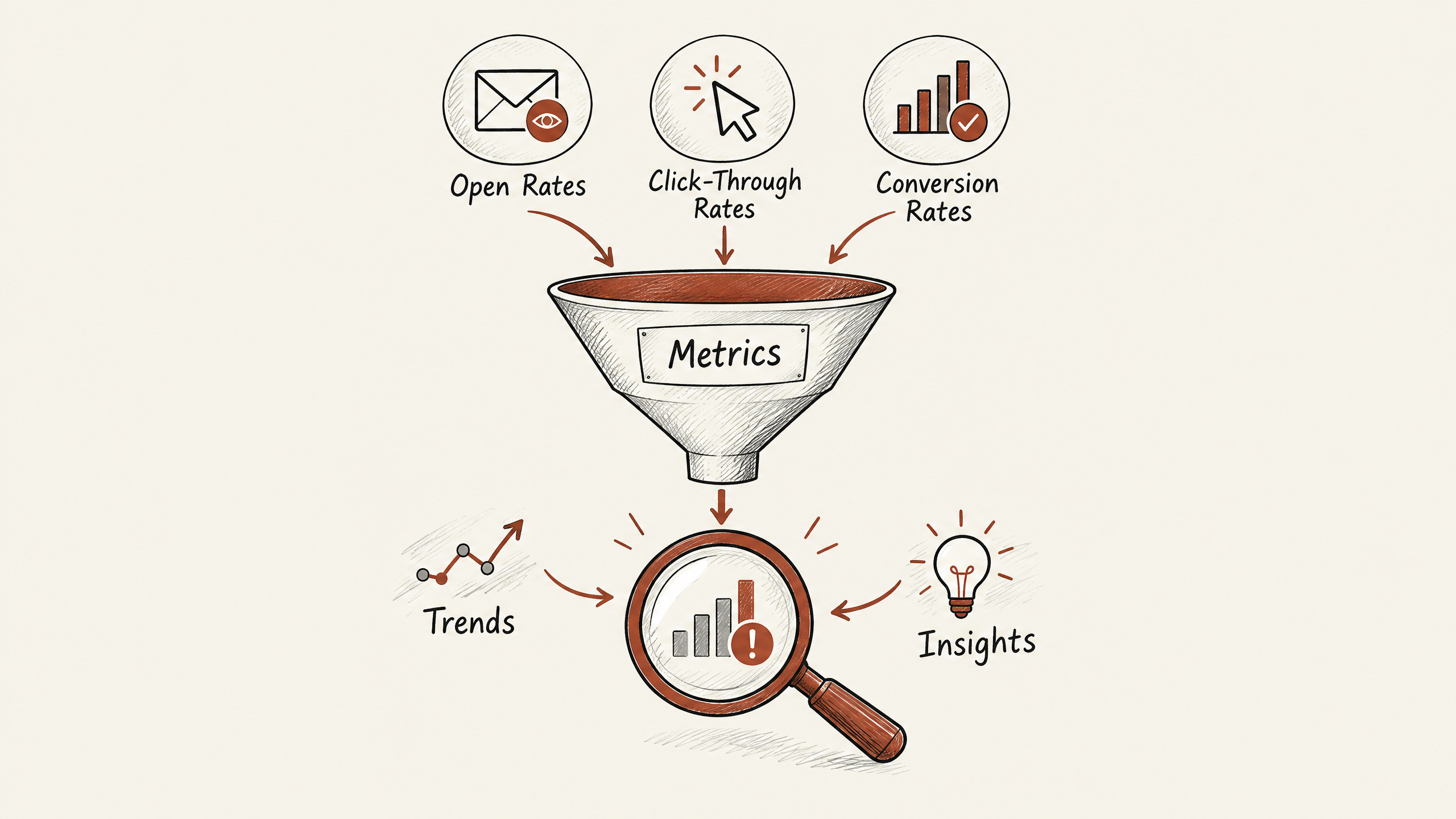
- Analyze metrics to refine future campaigns.
Focus on these practices to enhance your email strategy.
Prioritize your audience’s needs and interests.
1. Understand Your Audience
Before crafting engaging email newsletters, it’s essential to understand your audience. Knowing your subscribers means you can deliver relevant content that captures their attention.
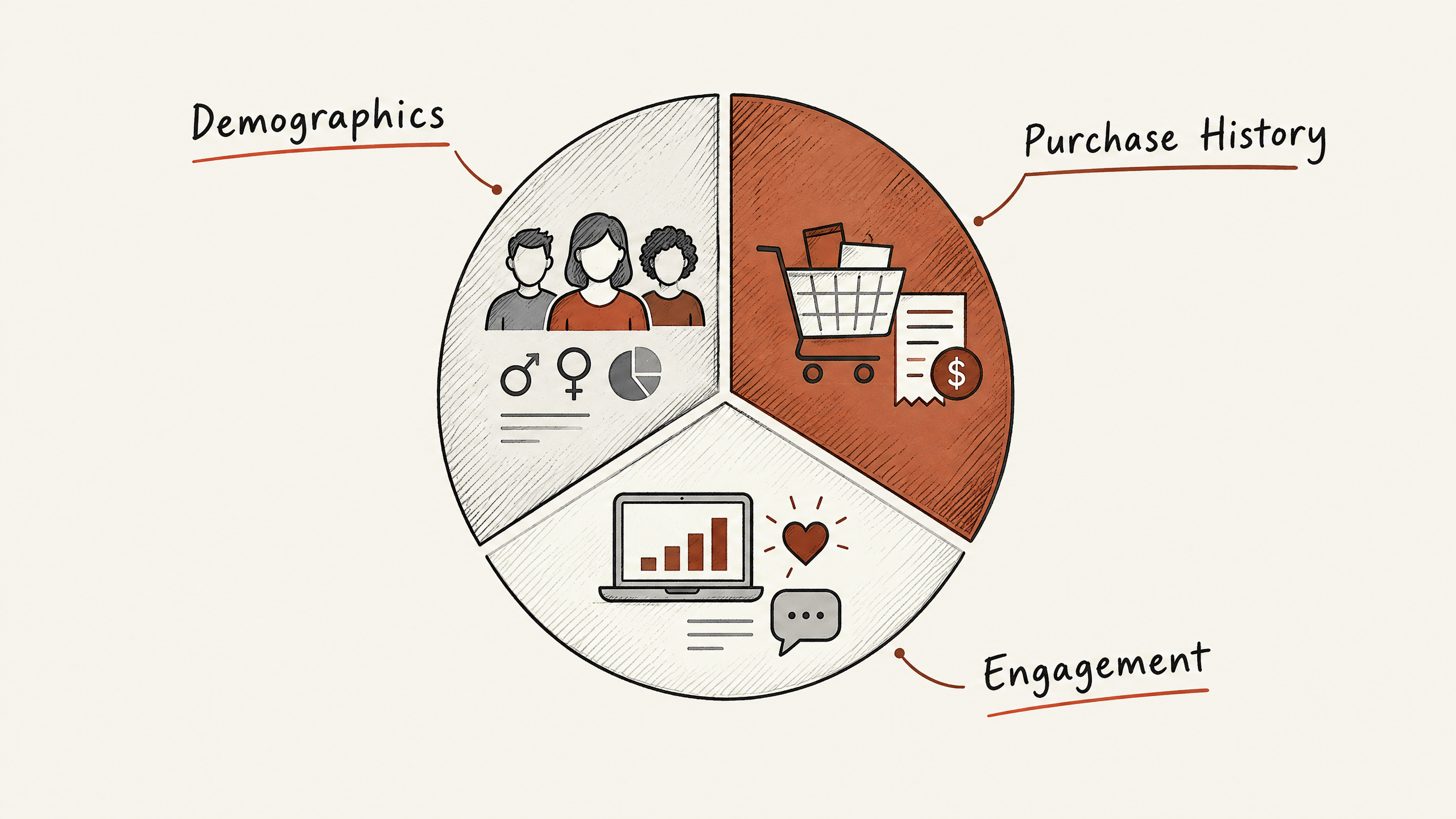
Start by gathering demographic data such as age, location, and industry.
Additionally, consider their past interactions with your brand, including purchase history and interests.
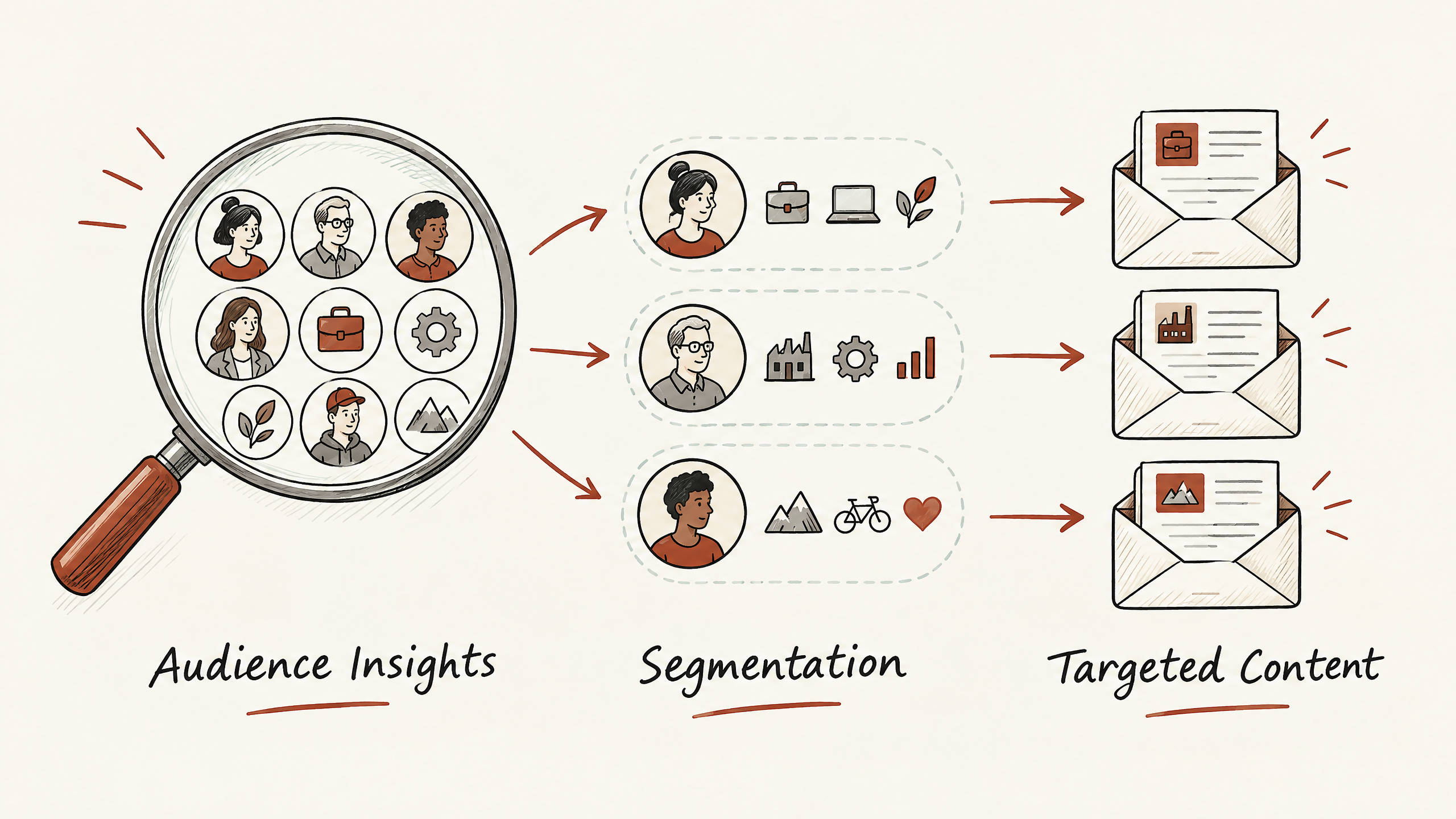
Segment this information to create more targeted content.
For instance, if you run a software company, you might group subscribers by industry, such as retail or healthcare, and tailor your messaging to their specific needs. The goal is to speak to your audience’s unique pain points and provide solutions that have real value.
A common mistake is assuming a one-size-fits-all approach works in email marketing.
Broadcasting the same message to everyone can result in lower engagement and even unsubscribes.
Instead, use insights from your audience data to personalize your communication this can increase the likelihood of your message resonating with your readers.
To illustrate, let’s assume your business sells eco-friendly products.
If your subscriber data shows that a portion of your list is particularly passionate about sustainability, you might send them content focused on your environmental initiatives.
This targeted effort prioritizes what resonates most with them, building stronger relationships.
Identifying the right subgroups within your audience ensures high engagement levels and opens the door to a deeper relationship with your subscribers.
Your next step is turning these insights into personalized, impactful messages that hold their attention.
2. Personalize Your Content
To truly engage your audience, personalization is key in any email marketing strategy. Tailoring your content to reflect the preferences and behaviors of each recipient boosts both engagement and conversion rates.
Think beyond the basic first-name greetings and explore into data-driven insights that allow you to tailor recommendations, offers, or updates specific to your customer’s interests.
Start by analyzing your existing customer data to identify patterns and preferences. Use this information to build detailed customer profiles.
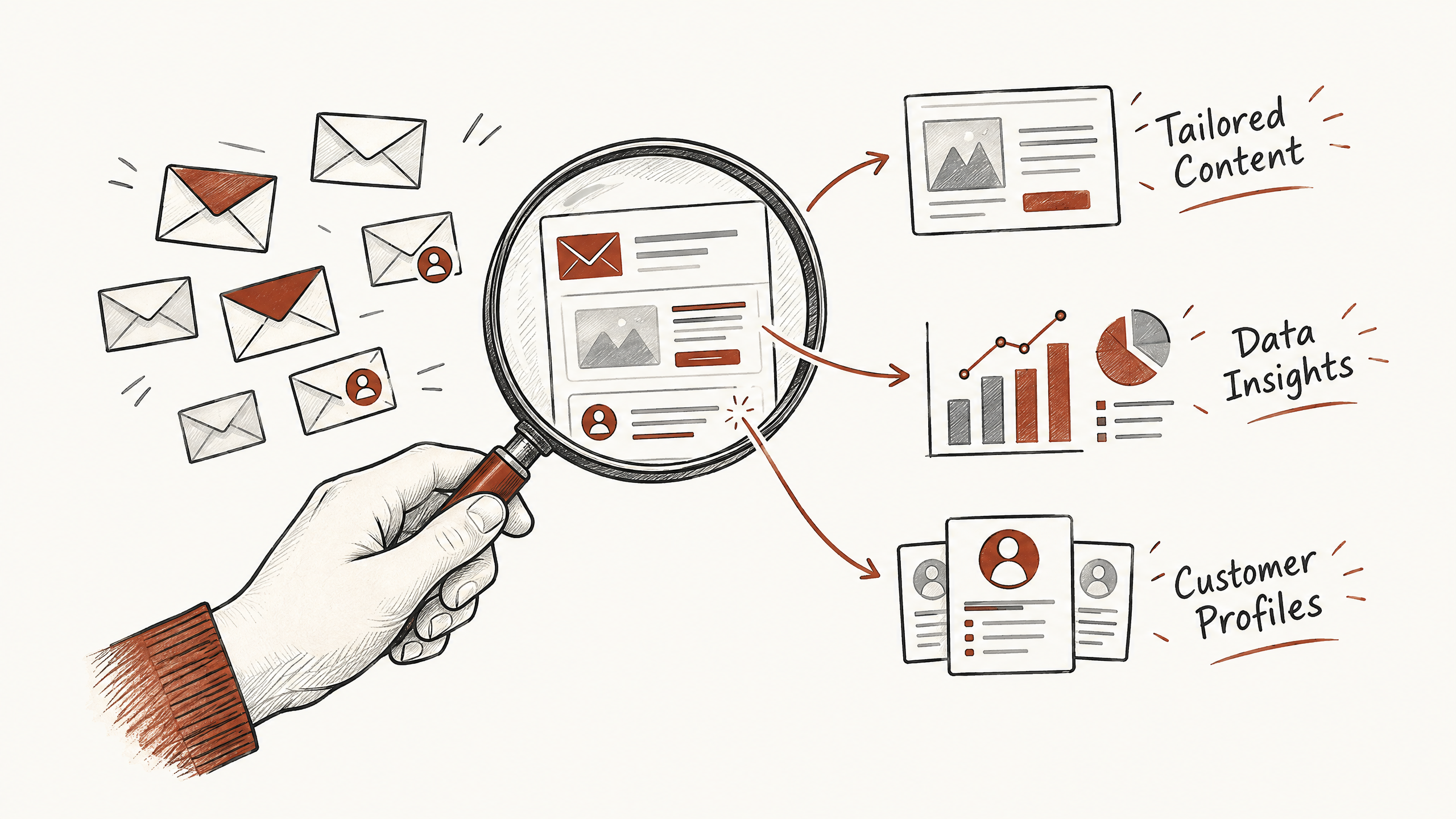
For example, if a segment of your audience is interested in a particular product or service, customize your newsletters to include content related to that interest. This could mean including exclusive offers, relevant articles, or updates on similar products.
One common mistake is personalizing in a way that feels generic or forced. If you rely solely on automated methods without context, you risk losing the personal touch.
Balance is crucial: personalization should feel natural rather than mechanical.
This can be achieved by maintaining a consistent brand voice and ensuring that every piece of personalized content aligns with the overall message and goals of your newsletter.
Let’s say you run a software company and notice that a certain business sector has shown increased engagement in your demos.
Tailor content in your emails to discuss specific challenges that industry faces and how your solution can help. Include customer stories or success metrics that resonate with those particular readers.
This tailored approach makes recipients more likely to find your emails relevant and, importantly, actionable.
To accomplish this, collaborate with your data analytics team to gather insights, then work with content creators who can adapt messaging appropriately.
Timing plays a role, too: make sure your scheduled newsletters align with industry events or important customer milestones.
This maximizes relevance and fosters a deeper connection with your audience.
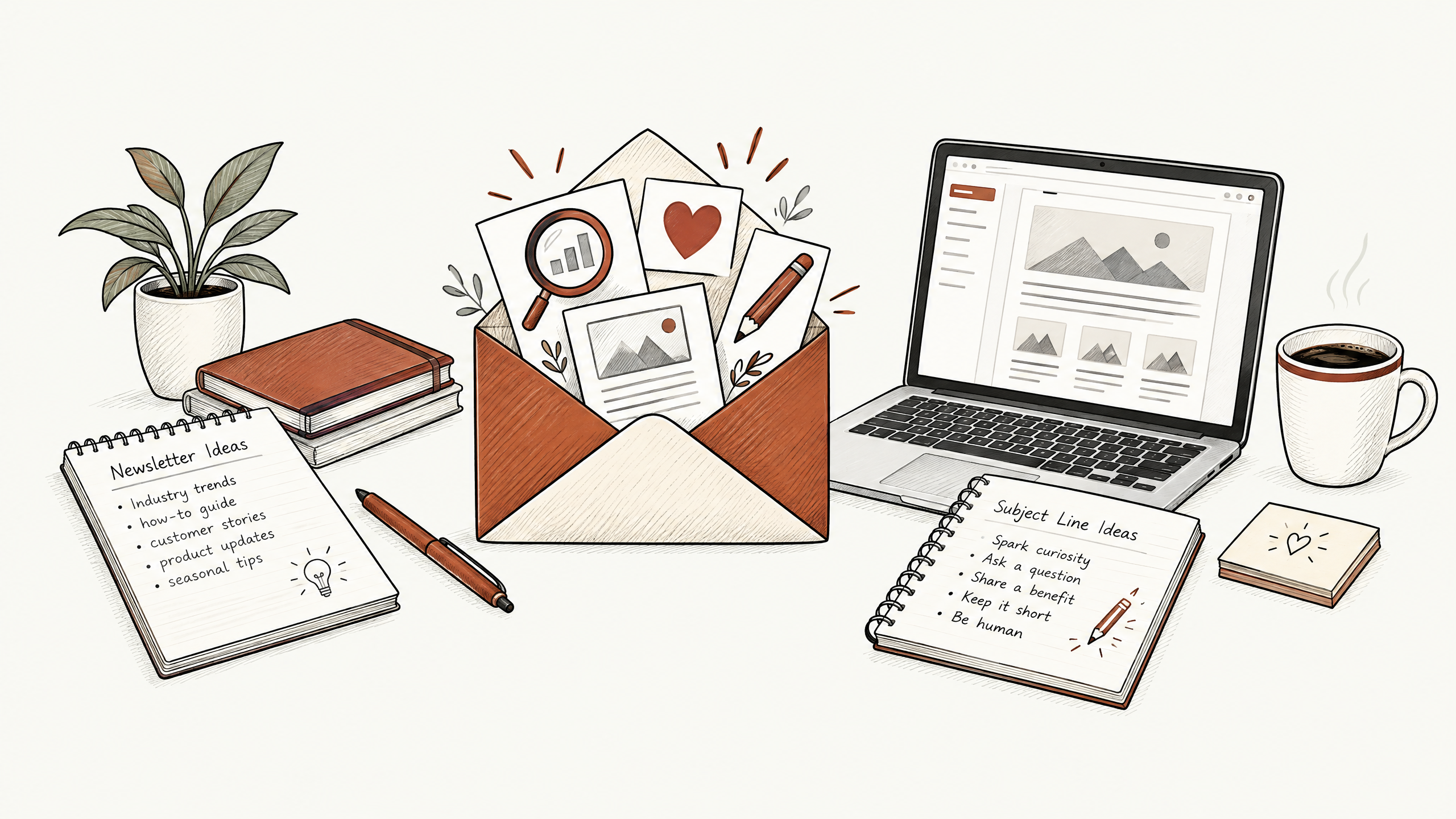
3. Craft Compelling Subject Lines
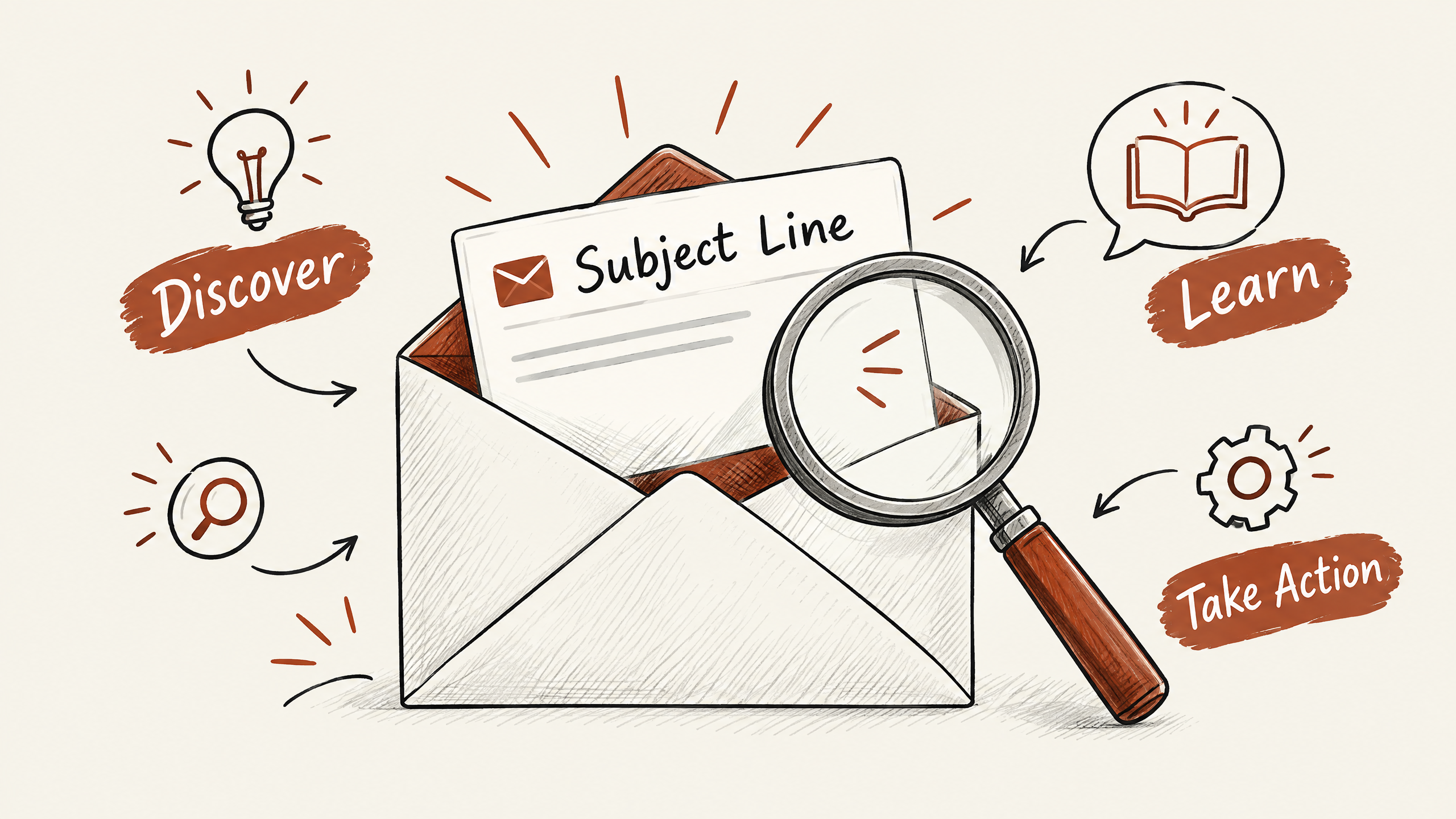
Your subject line is the first impression subscribers get of your email.
A well-crafted subject line can significantly impact open rates and engagement. The goal is to make readers curious and inclined to click, without resorting to gimmicks.
Focus on clear and concise messaging that aligns with your audience’s interests and needs.
To begin, avoid overly long subject lines.
Keep them to 50 characters or fewer to make sure they display fully on most devices.
This brevity forces you to deliver a punchy and effective message.
For example, instead of “see These Amazing Promotions We Have in Store for You,” try “Exclusive Deals Just for You.”
Using actionable language can also boost engagement.
Phrases like “Discover,” “get,” or “Learn” guide recipients towards the action you want them to take. Combine this with a specific detail or benefit.
An example might be “Uncover 5 Ways to Boost Your ROI Today.” This approach marries curiosity with value, encouraging recipients to open the email.
Another tactic is incorporating personalization in the subject line.
This builds rapport and a sense of relevancy.
Include the recipient’s name or reference a recent interaction, such as “John, We’ve Tailored These Suggestions Just for You.”
A common pitfall is using spammy language. Avoid terms like “Free” or excessive punctuation, which can trigger spam filters.
Instead, aim for authenticity and genuine enthusiasm.
Finally, test different subject lines to gauge effectiveness.
A/B testing lets you compare variations so you can refine future campaigns.
Exhibitant‘s email marketing services can support your tests by managing plans, tracking metrics, and analyzing the results.
 Louie J.