 Louie J.
When it comes to planning a successful trade show, having a well-thought-out action plan is critical.
From what I have seen, the most effective plans are those that are not just about showing up but really about achieving specific, well-defined goals.
This is something that comes up a lot in conversations with seasoned exhibitors.
In my experience, an action plan needs to allocate your resources strategically to make the most of your participation. It’s not just about what you have, but how you use it to create impact and draw attention among a sea of competitors.
I’ve noticed this strategic approach can indeed make all the difference.
Time management also plays a crucial role.
Developing a detailed timeline helps make sure that everything runs smoothly from start to finish.
It’s one of those things we tend to overlook, but a well-scheduled plan can help your team stay focused and reduce stress.
I would say a great trade show action plan also empowers your team to engage effectively with potential clients.
The training and preparation provided will enable your team to make meaningful connections, ultimately leading to success beyond just the event itself.
In this post, I want to walk you through five essential elements of an effective trade show action plan: defining objectives, allocating resources, developing a timeline, engaging your team, and using technology well.
- Define clear objectives to guide your trade show strategy.
- Allocate resources efficiently for maximum impact and ROI.
- Develop a detailed timeline for seamless execution.
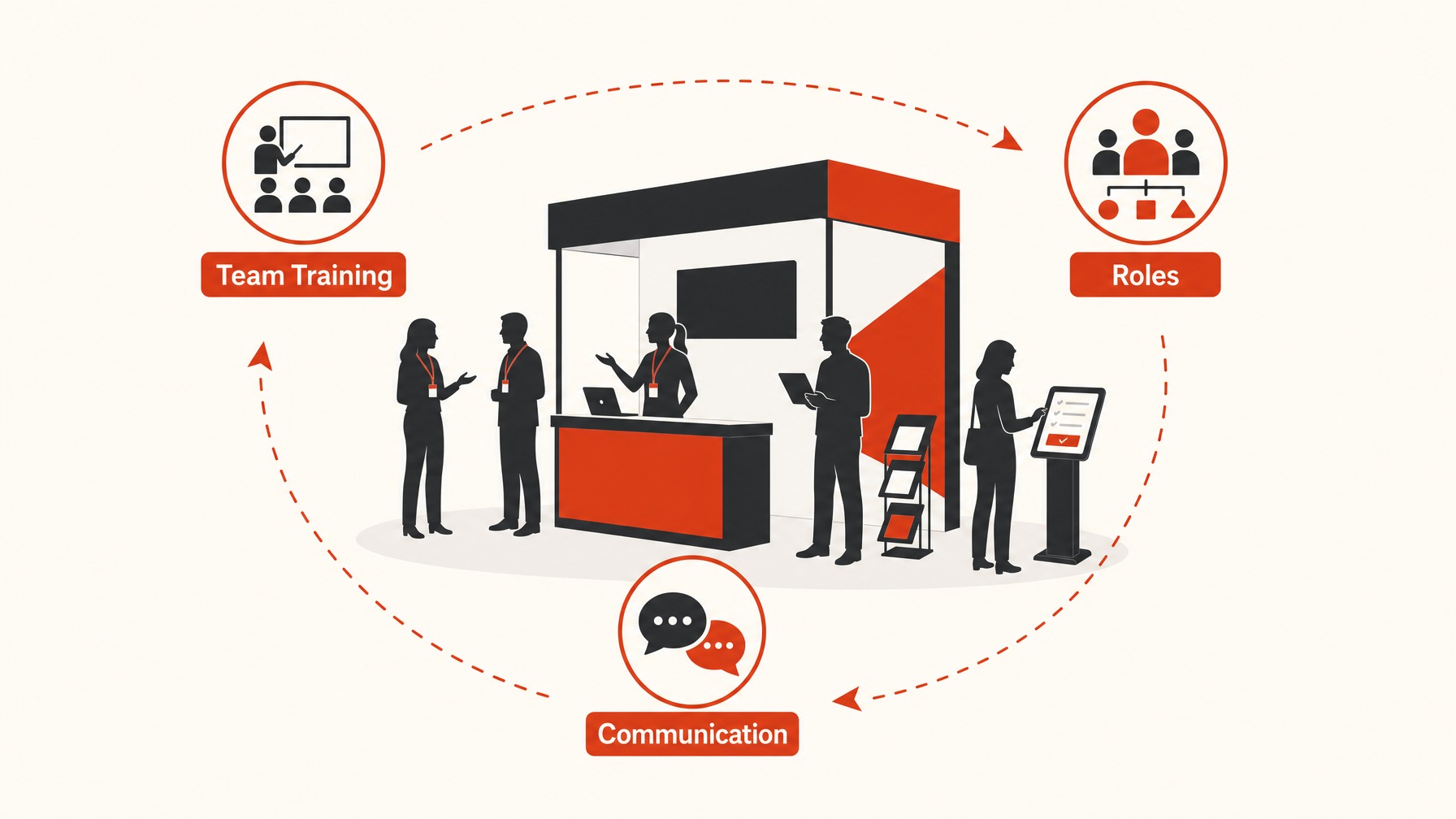
- Engage your team with specific roles and responsibilities.
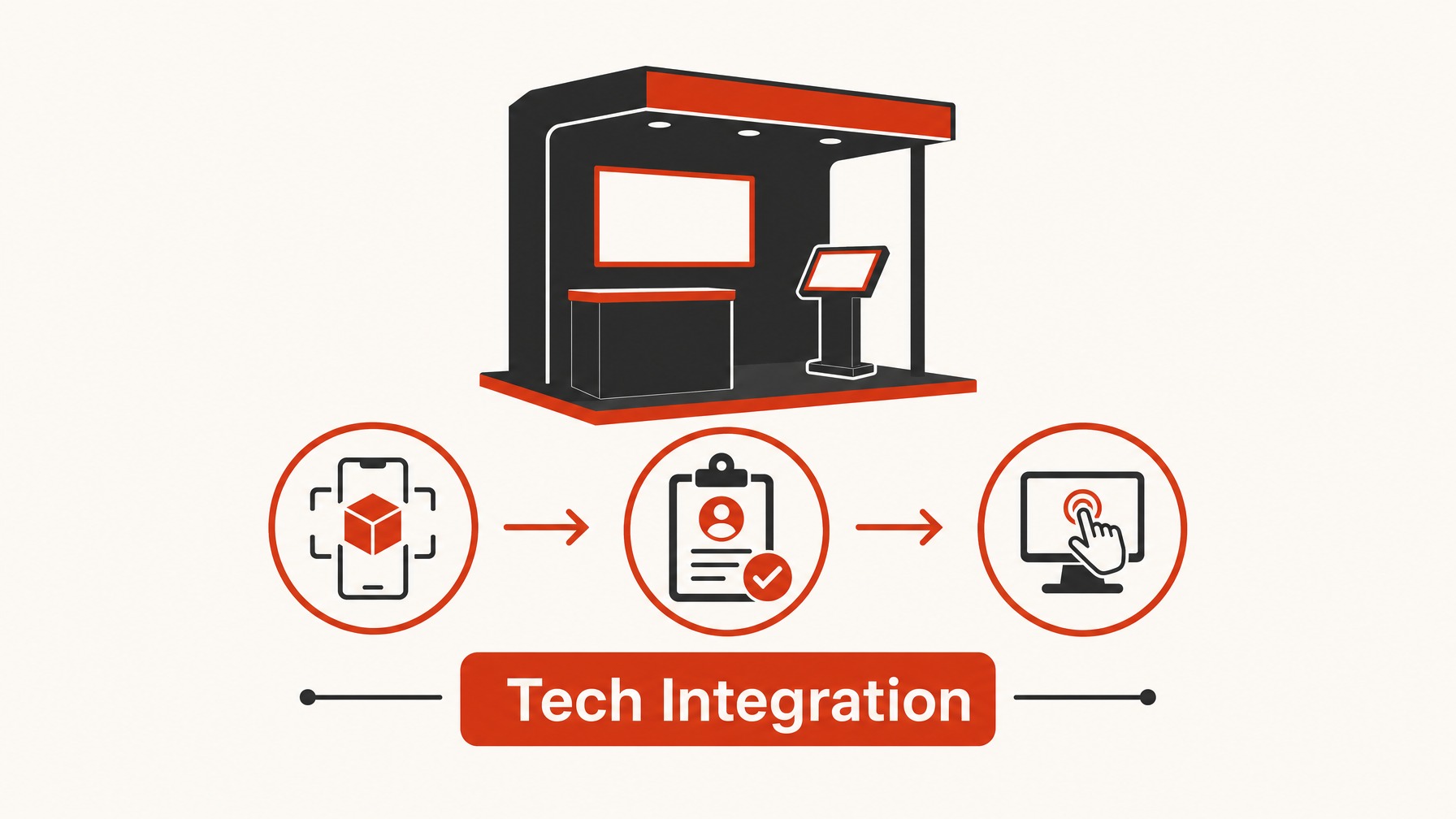
- Incorporate technology to enhance lead capture and follow-up.
You’ll get practical tips to make sure your trade show plans truly work.
Each section dives into how you can use these ideas in real-life situations.
You’ll pick up tactics to make the most of your resources and team.
Get the tech know-how to collect leads and keep the momentum going after the show.
1. Define Clear Objectives
What I have seen work really well is starting by defining clear objectives, a crucial initial step in crafting an effective trade show action plan.
Without having precise goals in place, your team can lose focus and resources might be wasted.
These objectives serve as both a roadmap and a yardstick to measure the success of your participation at the event.
One thing most exhibitors end up doing is focusing too broadly, which makes their strategies less effective in driving results.
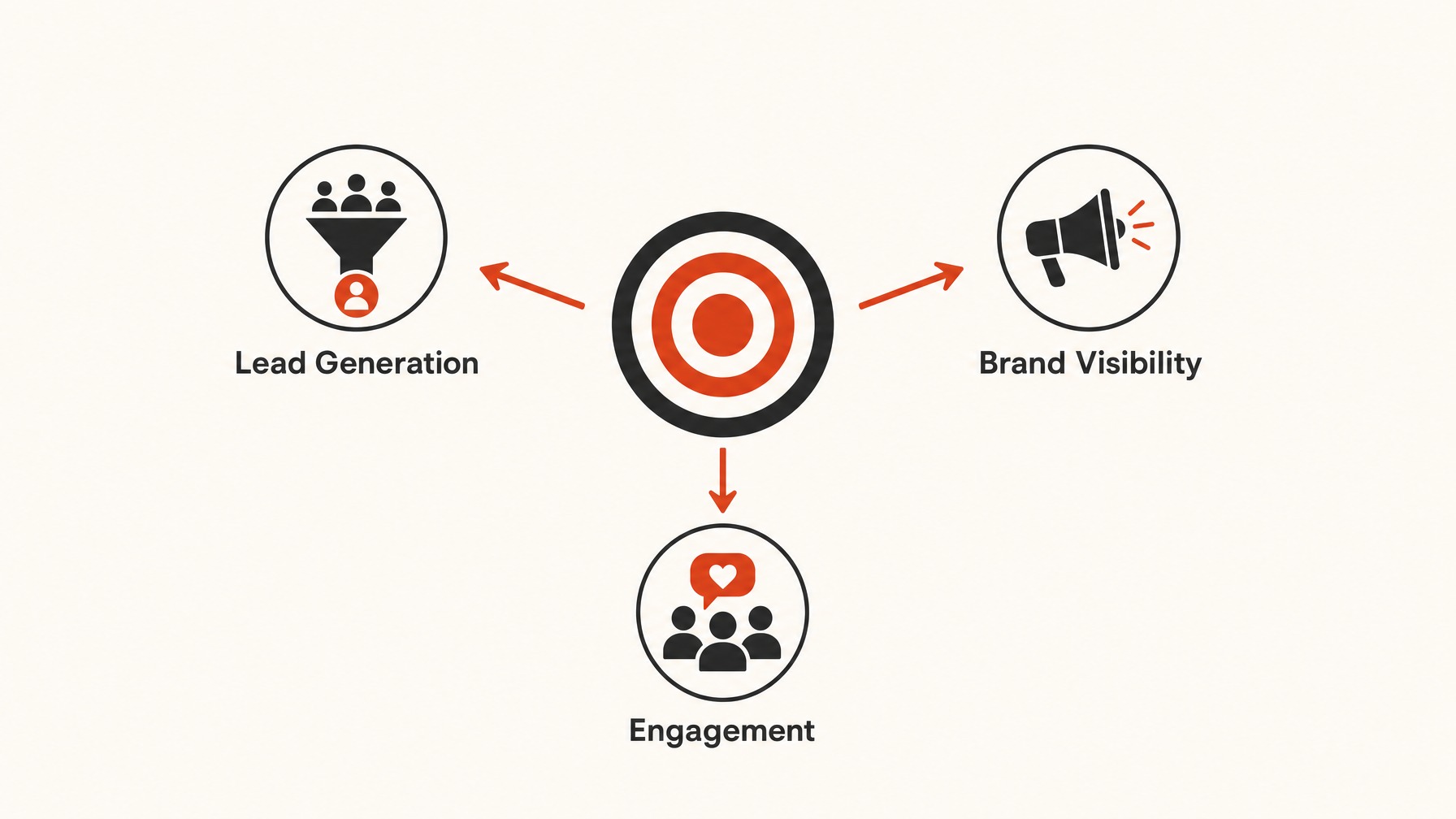
From my experience, the companies that benefit the most often set objectives in three key areas: lead generation, brand visibility, and attendee engagement. First, consider how many qualified leads you aim to gather and cultivate during the event.
Second, think about the level of brand visibility you’re aiming to achieve in the market.
Lastly, do not overlook the importance of creating engaging interactions that leave a lasting impression on attendees.
Pro Tip: make sure you set clear, specific objectives for lead generation, brand visibility, and engagement to get the most out of your trade show’s impact and efficiency.
It might also be useful to align these objectives with your business’s overall strategy to create cohesiveness.
For instance, if expanding into a new market is a corporate goal, your trade show objective might focus on connecting with potential partners in that area. Moreover, having measurable targets can help in adjusting your strategy both before and during the event for achieving optimal outcomes.
The key here is to establish objectives that are Specific, Measurable, Achievable, Relevant, and Time-bound (SMART).
A well-defined set of objectives not only guides your team but also allows for clear communication and alignment across various stakeholders. When the event concludes, these objectives serve as benchmarks for evaluating overall performance and return on investment.
I would say the biggest thing here is to not skip this planning phase. It will inform every decision you make in preparation for the trade show.
2. Allocate Resources Strategically
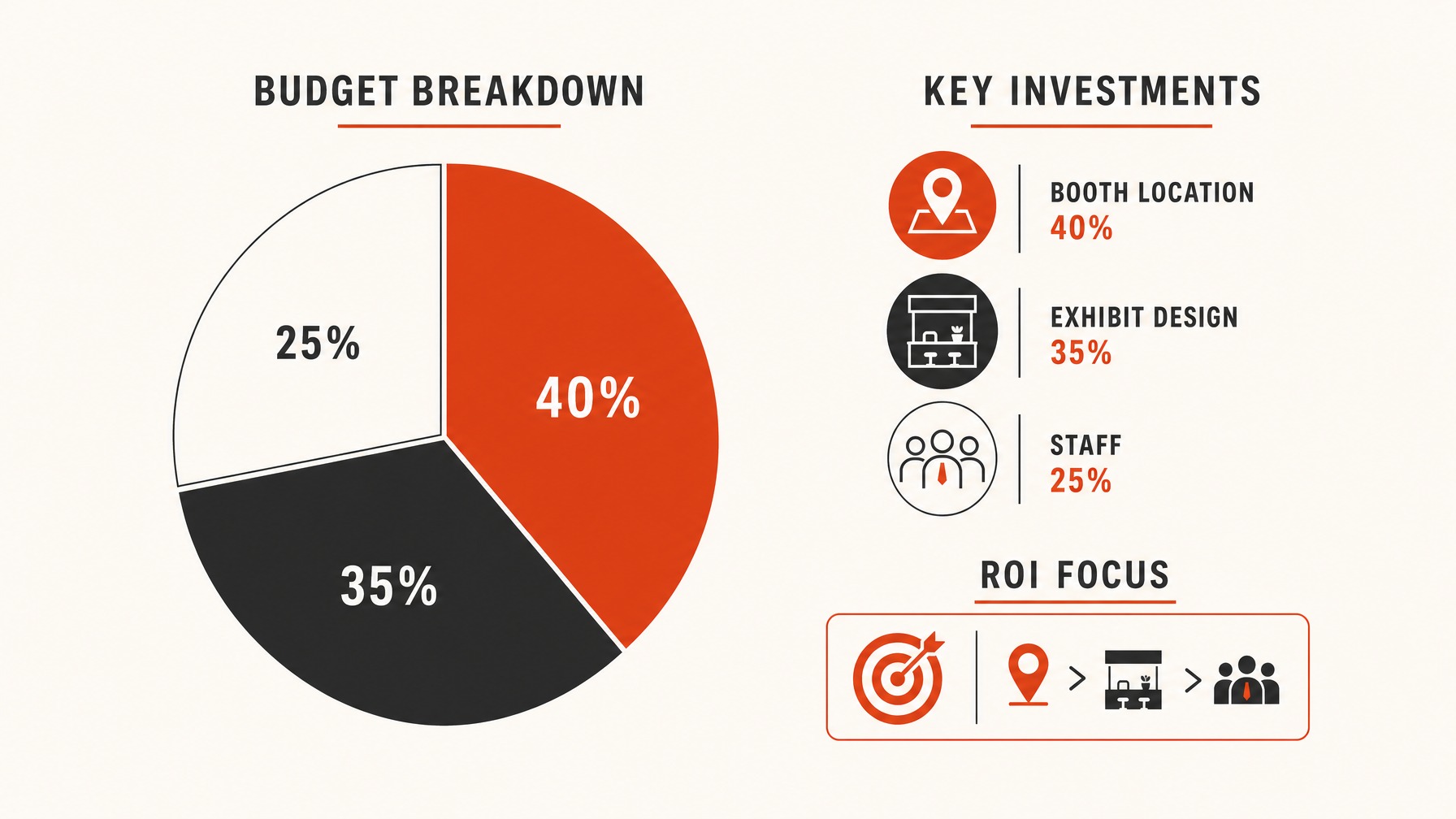
One aspect we’ve observed to be incredibly effective is the strategic allocation of resources, tailored specifically to the needs of each unique trade show. The challenge lies in balancing your budget while ensuring you have the right elements to make an impact.
Allocating your budget should reflect a deep comprehension of what each show requires, whether that means prioritizing high-traffic booth locations, innovative exhibit designs, or investing in skilled staff members who can deliver key messages.
From what the Exhibitant team has seen, those who excel in this area start by considering which areas will deliver the highest ROI.
For instance, identifying whether modern technology or eye-catching giveaways will better resonate with your target audience.
Some companies find it valuable to reallocate funds that might have been earmarked for less effective promotional materials towards enhancing the visitor experience through interactive displays or immersive demos.
I would say the biggest thing here is understanding where your strengths lie and focusing your resources to amplify those strengths.
This is not just about spending money wisely but about deploying resources to create a cohesive, memorable brand presence. Here at Exhibitant, we often emphasize the importance of analyzing past trade show performance to make informed decisions about future investments.
What we have seen work really well is a consistent review and refinement of resource allocation strategies after each event.
This allows for adapting and evolving approaches based on what has resulted in the most significant engagement and leads.
Strategic resource allocation is not a static process; it requires ongoing attention, nimbleness, and a willingness to pivot when necessary to meet the dynamic needs of evolving trade shows.
3. Develop a Detailed Timeline
From what I have seen, those that create a well-structured timeline for their trade show plans tend to execute more smoothly and effectively.
A detailed timeline enables you to map out every crucial task and deadline, ensuring that you stay on track and avoid last-minute stress. An effective timeline should encompass pre-show preparations, show execution, and post-show tasks, allowing ample time for adjustments as needed.
One thing most exhibitors end up doing is breaking down their timeline into monthly, weekly, and even daily checklists.
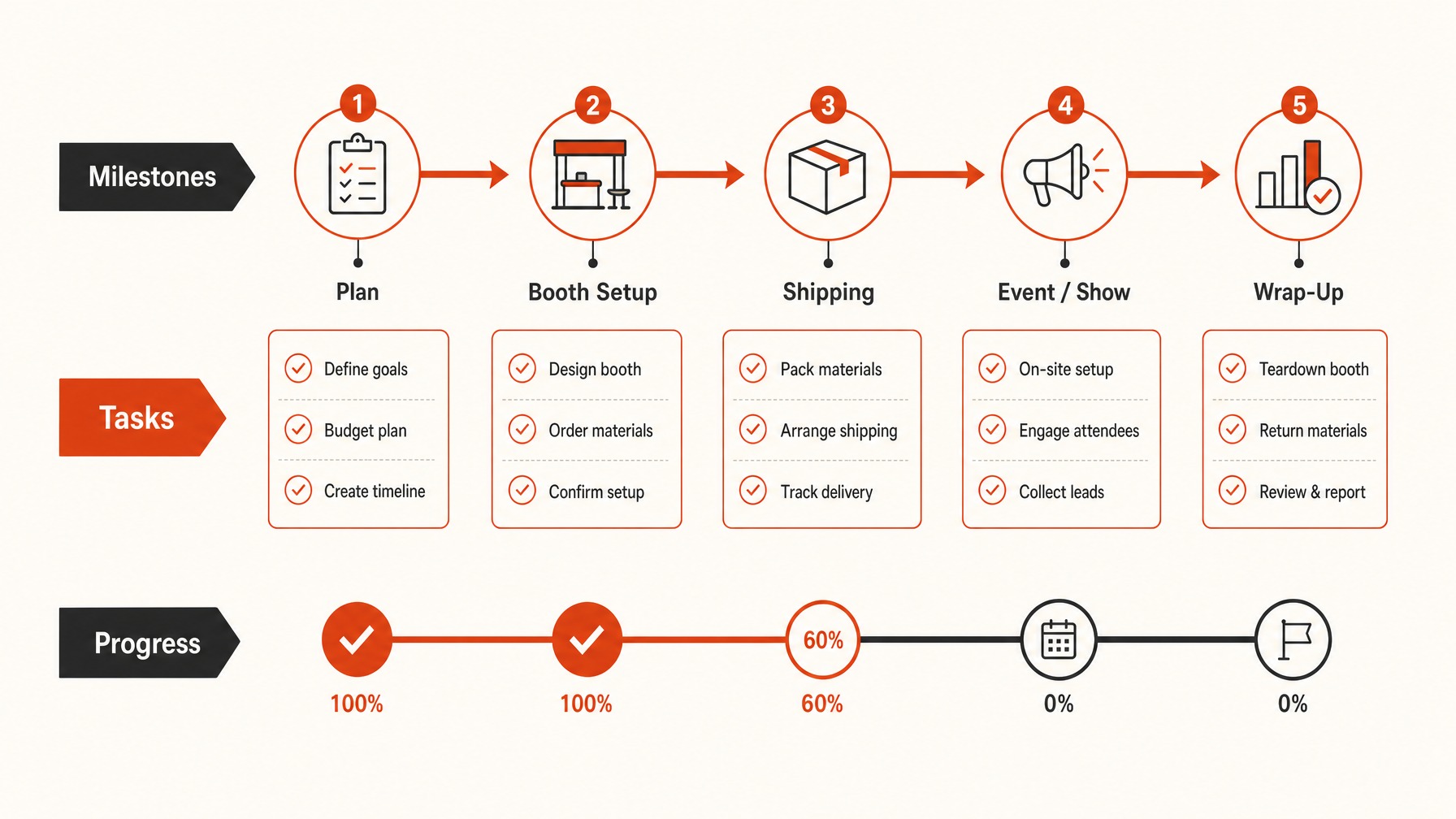
This approach allows you to assess progress continually and adjust your strategy as the event draws nearer. It’s important to include milestones for key activities such as booth design finalization, shipping logistics, and marketing promotions.
By viewing your timeline as a living document, you can better accommodate unexpected changes and stay flexible throughout the process.
What we have seen work really well is incorporating buffer times for unexpected delays or challenges.
These buffers prevent your timeline from becoming too rigid and allow creative solutions when obstacles arise. Establishing internal deadlines slightly ahead of key deliverables gives your team extra breathing room to handle any contingencies that may occur.
Important: Creating and regularly updating a detailed timeline with buffer times is crucial to make sure smooth execution and flexibility for unexpected challenges during your trade show.
A comprehensive timeline also facilitates effective communication among your team members and external partners.
By keeping everyone informed of timelines and expectations, you reduce the risk of miscommunication and make sure smooth collaboration. Regular updates can be used to track progress and address any potential bottlenecks that might compromise your success.
I would say the biggest thing here is ensuring the timeline gets reviewed and updated regularly.
This practice not only helps in identifying areas of concern but also offers opportunities to improve processes as your trade show strategy evolves. A consistent, thorough review can help you capitalize on any emerging trends or adjust strategy based on new data.
By approaching your timeline as a strategic asset, you’re setting your team up for a smoother, more effective event experience.


 Lorena G.