 Lorena G.
Planning a successful trade show experience involves more than just creative designs and eye-catching displays. In my experience, one of the most crucial aspects is preparing your booth logistics to make sure a smooth and stress-free event.
When you’re juggling deadlines and coordination, having a solid logistical plan in place can set the stage for a successful show.
From my perspective, something that comes up a lot is how exhibitors tend to focus solely on the design and forget about the nitty-gritty details that can make or break your experience.
Packing up everything you need, getting it to the venue, and setting it up efficiently is as important as the booth design itself.
When those elements are in harmony, the result is nothing short of spectacular.
It’s clear to me that understanding logistics can vastly improve your trade show success.
You could have the most appealing booth, but if you haven’t thought through how to manage your materials and staff, you might find yourself overwhelmed when it’s too late to make changes.
That’s why I find it critical to focus on logistics as much as creativity.
In this post, I’ll walk you through six proven strategies for preparing your trade show booth logistics. It’s all about having a plan, being organized, and knowing exactly what’s needed before the event begins.
- Streamline logistics by centralizing booth materials and coordinating deliveries.
- Develop a detailed timeline for setup and teardown processes.
- Ensure booth staff is well-trained in logistics and emergency protocols.
- Utilize technology to track inventory and manage booth components.
- Pre-arrange onsite support for unexpected logistical challenges.
You’ll find that each step adds more insight into how to make your booth setup a breeze.
By diving deeper, you’ll see ways to handle common challenges and boost efficiency.
Get ready to discover tips that could mean the difference between scrambling and smooth sailing.
With a bit of planning, your next trade show can be a successful and stress-free event.
1. Centralize Your Booth Materials
One thing most exhibitors end up doing is underestimating the complexity of their booth materials.
What we have seen work really well is having all your materials in one location, which streamlines both packing and transportation. Having a centralized storage system enables you to track inventory accurately and ensures that nothing is left behind.
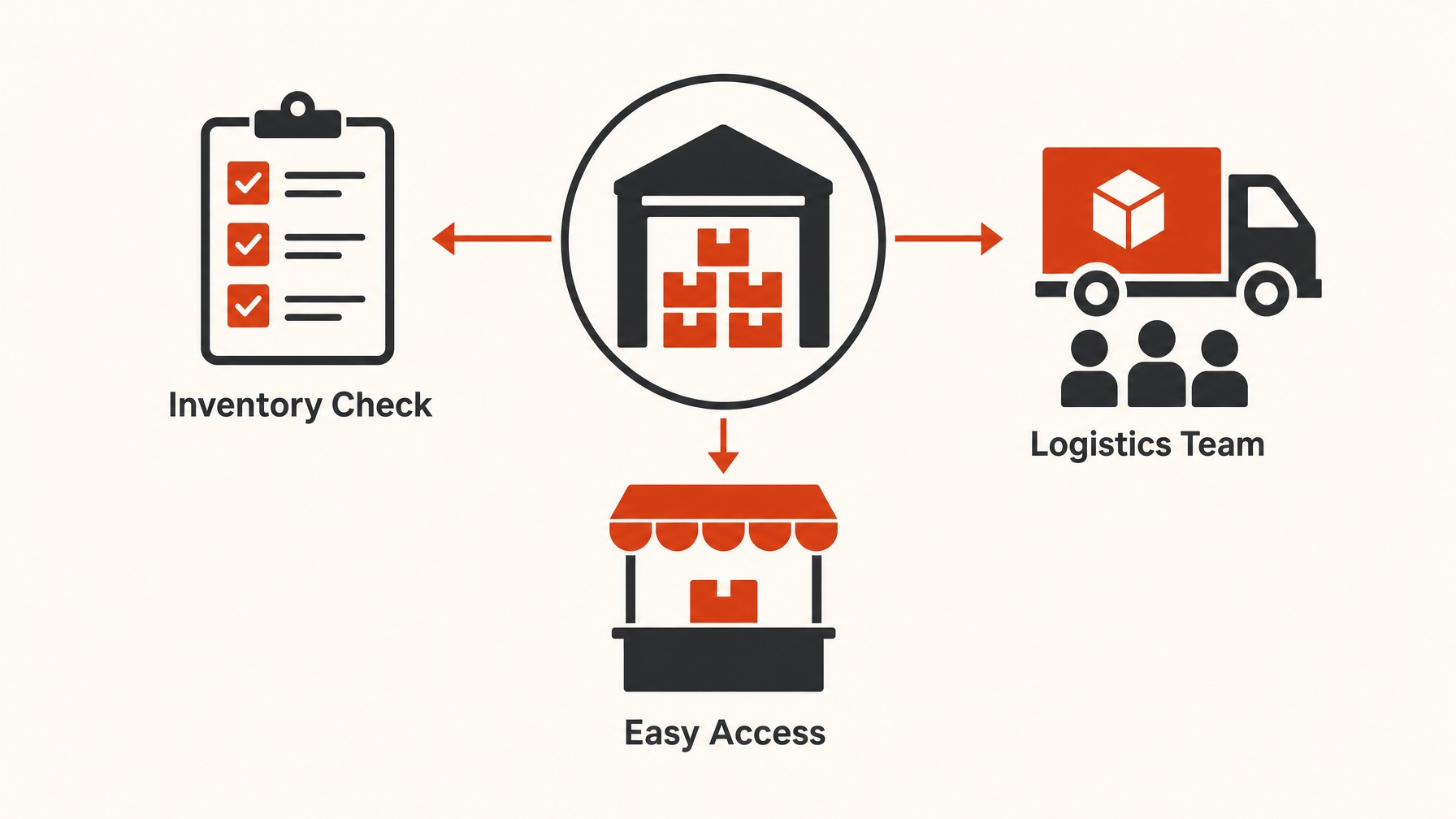 Logistics” />
With everything in one place, it’s easier to conduct a thorough check-list review ahead of the event.
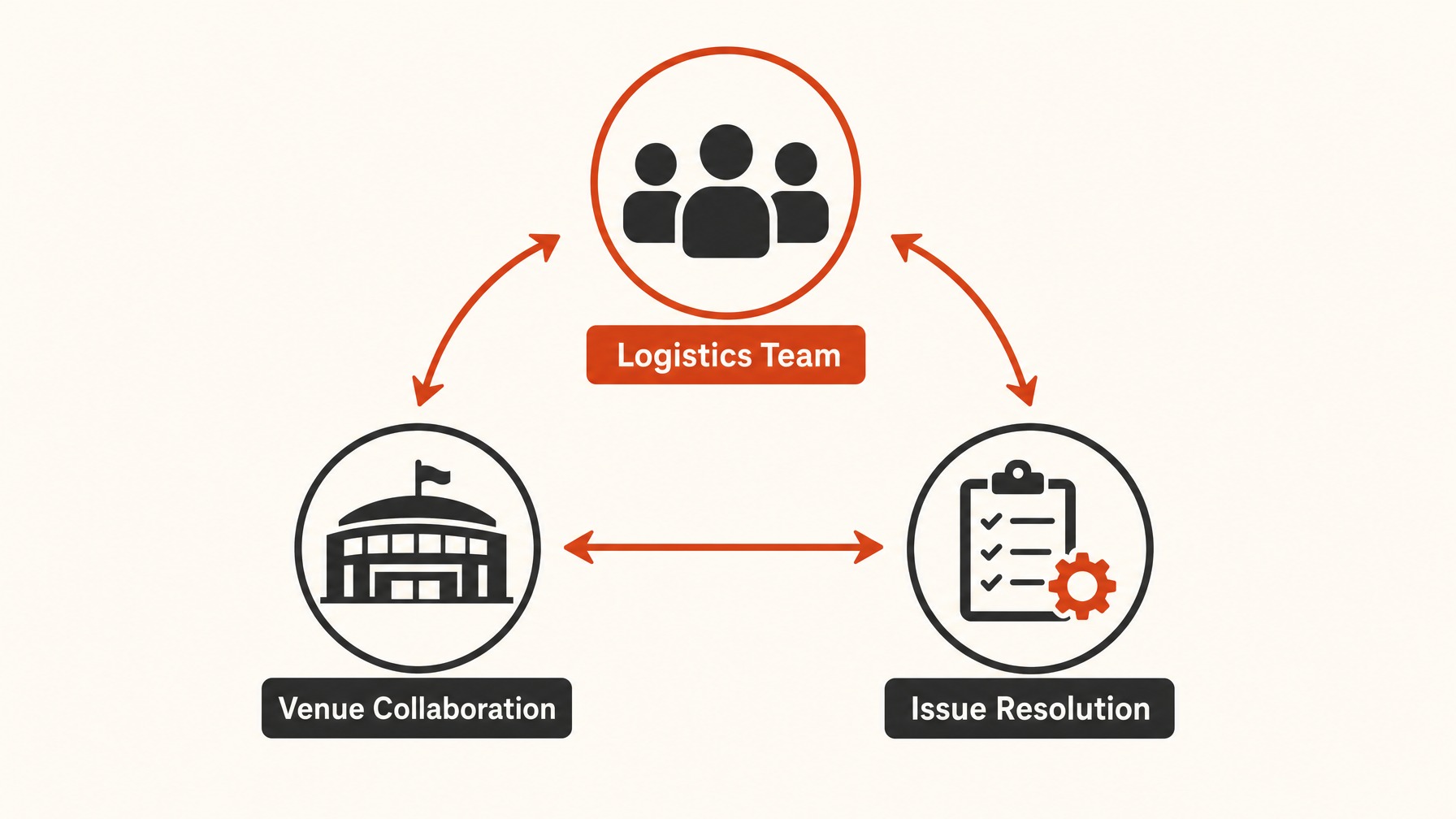
From what I have seen, the ones that get it right usually have a designated person or team responsible for managing the logistics of booth materials.
This responsibility often includes everything from checking current inventories to acquiring any additional supplies needed for the upcoming show.
With a clear picture of what’s available and what’s missing, resources can be allocated more effectively.
Something that comes up a lot is the importance of labeling and organizing materials by category, which lessens the chaos on the trade show floor.
If transporting your booth materials involves third-party vendors, it’s critical to maintain open communication with them from the get-go.
Having detailed shipping instructions and a timeline is crucial for tackling potential mishaps along the way.
Keep in mind that third-party vendors may have their protocols and knowing them can prevent unexpected delays. I would say the biggest thing here is building contingencies into your logistics plan to account for those unforeseen hiccups.
This means having backup supplies or a plan to quickly procure replacements if anything goes missing or gets damaged.
A centralized strategy simplifies not just packing but unpacking and setting up as well. The result is a more stress-free experience for everyone involved and increased focus on more critical tasks like customer engagement and lead capture.
When you centralize your trade show materials, you minimize room for error and help your team to perform at their best during the event.
Making this a standard practice can be immensely beneficial show over show, creating a foundation for smoother logistical operations.
Streamlined logistics can play a significant role in achieving your overall event objectives, allowing you to focus on what truly matters.
2. Develop a Detailed Timeline
From what I have seen, a successful trade show execution often hinges on well-structured planning, and at the heart of that is a detailed timeline.
Creating this timeline requires understanding every aspect of your trade show journey, from booth setup to tear-down.
Begin by mapping out each phase of your trade show project, allowing adequate time for all critical tasks like design approvals, logistics coordination, and marketing outreach.
One thing most exhibitors end up doing is attempting to squeeze everything into the last few weeks before the show, which invariably leads to unnecessary stress and potential oversights. What works far better is to chart a timeline well in advance, breaking down responsibilities among your team members for manageable execution.
Think of it as your roadmap, guiding your team through deadlines with confidence and precision.
Here at Exhibitant, we tend to recommend scheduling backwards from the event date to allocate sufficient time for preparation.
This ensures that all tasks, including shipping and receiving materials, are accounted for without rushing.
Important: Creating a detailed timeline well in advance is crucial because it helps you identify potential bottlenecks and avoid last-minute stresses.
I would say the biggest thing here is that a detailed timeline not only keeps your project on track but also offers valuable insights into any potential bottlenecks that could arise.
This forward-thinking approach empowers your team to address those issues before they become problems.
A comprehensive timeline helps track progress and sets realistic expectations for both internal teams and external vendors.
Aligning everyone with key milestones such as booth design finalization or product shipment deadlines reduces the possibility of miscommunication. What we have seen work really well is incorporating buffer periods to allow for unexpected delays, which are almost inevitable in trade show contexts.
By having a detailed timeline in place, you’re much more likely to see a smooth and smooth exhibitor experience come showtime.
3. Train Your Booth Staff
From what I have seen, one of the biggest factors in a successful trade show experience is your booth staff’s preparation and engagement. It’s crucial to make sure that your team fully understands not only the products or services they’re representing but also the subtle art of trade show interaction.
When your staff is well-trained, they know how to engage passersby, draw them into the conversation, and effectively communicate your brand’s message.
One thing most exhibitors end up doing is investing in role-playing exercises before the event.
These exercises can simulate the type of interactions the staff might encounter on the show floor, preparing them to handle various scenarios with confidence.
I would say the biggest thing here is focusing on teaching your staff to ask the right questions so they can quickly qualify leads among the sea of attendees.
It’s also important to train your staff on using lead capture technology effectively, ensuring a smooth transition from face-to-face interaction to digital follow-up.
This can significantly impact the quality and quantity of leads that your team can capture throughout the event.
What we have seen work really well is empowering your staff to tailor their pitch to different audience segments, as this makes the interaction more personalized and engaging.
Don’t overlook the significance of soft skills such as body language and active listening, as these can dramatically improve the attendee’s experience at your booth.
Encourage a strong knowledge-sharing culture within your team, so they can learn from each other’s experiences and continually improve their skills.
By placing a heavy emphasis on training, you’ll have a booth staff that’s not only prepared for the rigors of a trade show but also effective in converting interactions into valuable business opportunities.
 Louie J.