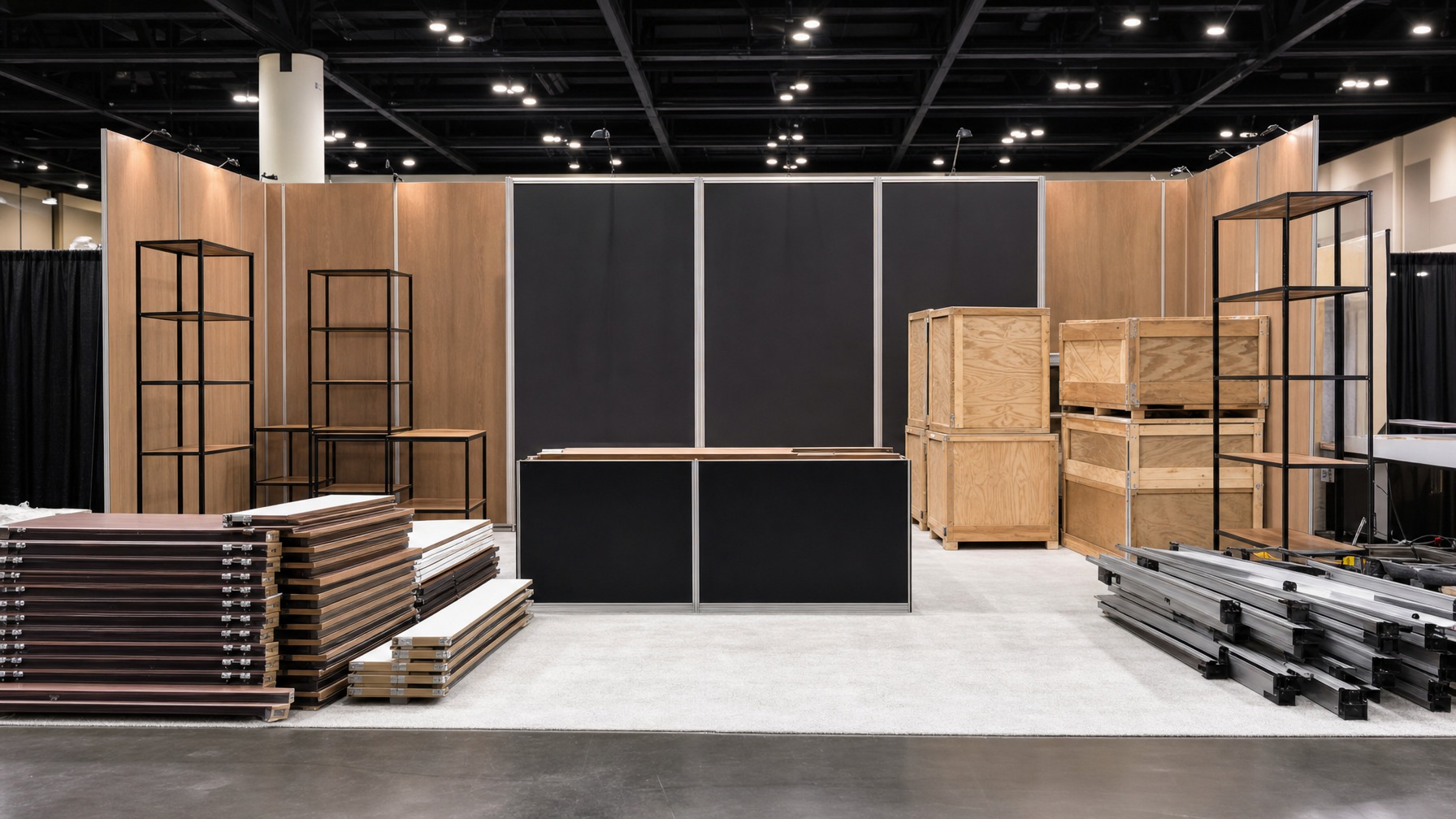
Whether you’re a trade show veteran or new to the scene, the end of an event might just be the most hectic part of the show.
After days of presenting and networking, efficiently dismantling your booth can save time, money, and a whole lot of stress.
Something that comes up a lot is the importance of strategic planning ahead of time.
From what I’ve seen, having a clear plan in place can transform chaos into a smooth operational process.
Knowing what to expect and preparing your team accordingly is key to a successful dismantle.
I would say one of the biggest challenges is organizing the team.
Delegating roles and responsibilities ensures everybody knows what they’re doing, and trust me, it makes a huge difference.
You’ll also want to get your head around the best packing and labeling techniques; they can mean the difference between a swift exit and a long, frustrating night.
Today I want to walk you through my six tips for efficiently managing your trade show booth dismantle, including some insights on venue regulations and the value of a final walkthrough.
Key Takeaways:
Plan dismantle logistics well in advance for a smooth process.
Allocate clear roles and responsibilities to team members.
Use proper labeling for quick packing and inventory checks.
Ensure compliance with venue-specific dismantling regulations.
Conduct a final walkthrough to prevent overlooked items.
Dismantling your trade show booth can be just as crucial as setting it up.
When you understand the finer details, it becomes much more manageable.
You’ll find tips that go beyond the basics, providing practical advice for real challenges.
From packing strategies to avoiding common pitfalls, there’s a lot more depth to ease your booth breakdown journey.
1. Pre-Dismantle Planning
One thing most exhibitors end up overlooking is the importance of detailed pre-dismantle planning.
From what I have seen, a solid plan doesn’t just simplify your process but also significantly cuts down on the time and resources needed.
I would say the biggest thing here is engaging your team in an early discussion about what needs to happen when the show ends.
It’s far too common for teams to rush through this phase, treating it as an afterthought only to face chaos at closing time.
What we have seen work really well is forming a checklist that highlights each step of the dismantling process well before the event begins.
This can be shared with everyone involved so there are no surprises.
Something that comes up a lot is the dependency on vendors who arrive late or need specific instructions at the last minute.
Anticipating these external dependencies and having Back-up Plans can make a world of difference.
Another critical aspect is identifying the necessary tools and resources needed for a smooth dismantle. This involves not only packing materials but also ensuring that you have the right number of hands on deck when the time comes.
What often sets successful teams apart is their proactive approach in coordinating logistics like post-show transportation and off-site storage. This is where early planning pays off, allowing you to tackle any unforeseen challenges without losing valuable time or incurring extra costs.
2. Delegating Roles and Responsibilities
When it comes to efficiently managing your trade show booth dismantle, one of the key aspects is clearly delegating roles and responsibilities to your team members.
From what I have seen, those exhibitors who succeed often start this process well before the dismantling day arrives, allowing each individual time to understand their specific tasks.
One thing most exhibition teams usually focus on is matching the tasks to individual strengths, ensuring that everyone knows exactly what they’re responsible for during the dismantling process.
Having a well-defined chain of command is another aspect that is crucial to a smooth booth dismantle. Designate a team leader tasked with overseeing the entire operation and acting as the point of contact for any issues or special instructions.
A clear delegation plan not only reduces confusion but also helps in maintaining accountability, which is indispensable in such high-pressure environments.
Assigning roles like packer, inventory manager, and logistics coordinator can make the entire process seem like a well-oiled machine, enhancing the efficiency of the pack-up.
Pro Tip: To make sure a smooth booth dismantling, start delegating specific roles aligned with each team member’s strengths well before the event concludes.
Another important point is to conduct brief meetings that allow team members to voice concerns and clarify expectations surrounding their specific roles.
This preemptive measure often leads to a more synchronized effort where tasks flow seamlessly from start to finish.
As is often the case, allocating roles ahead of time also primes the team to hit the ground running when the event finally concludes.
Role assignment is even more critical when working with external vendors or contractors, as it ensures that everyone, internal or external, knows who to report to at different stages of the dismantle. From my experience, teams that are strategic in their delegation often find the dismantling process to be far smoother and more efficient.
3. Efficient Packing and Labeling Techniques
Packing and labeling are key elements that simplify the booth dismantling process and pave the way for a smooth transition out of the venue. What many seasoned exhibitors rely on is a well-organized system for packing materials and ensuring that each item is easily identifiable.
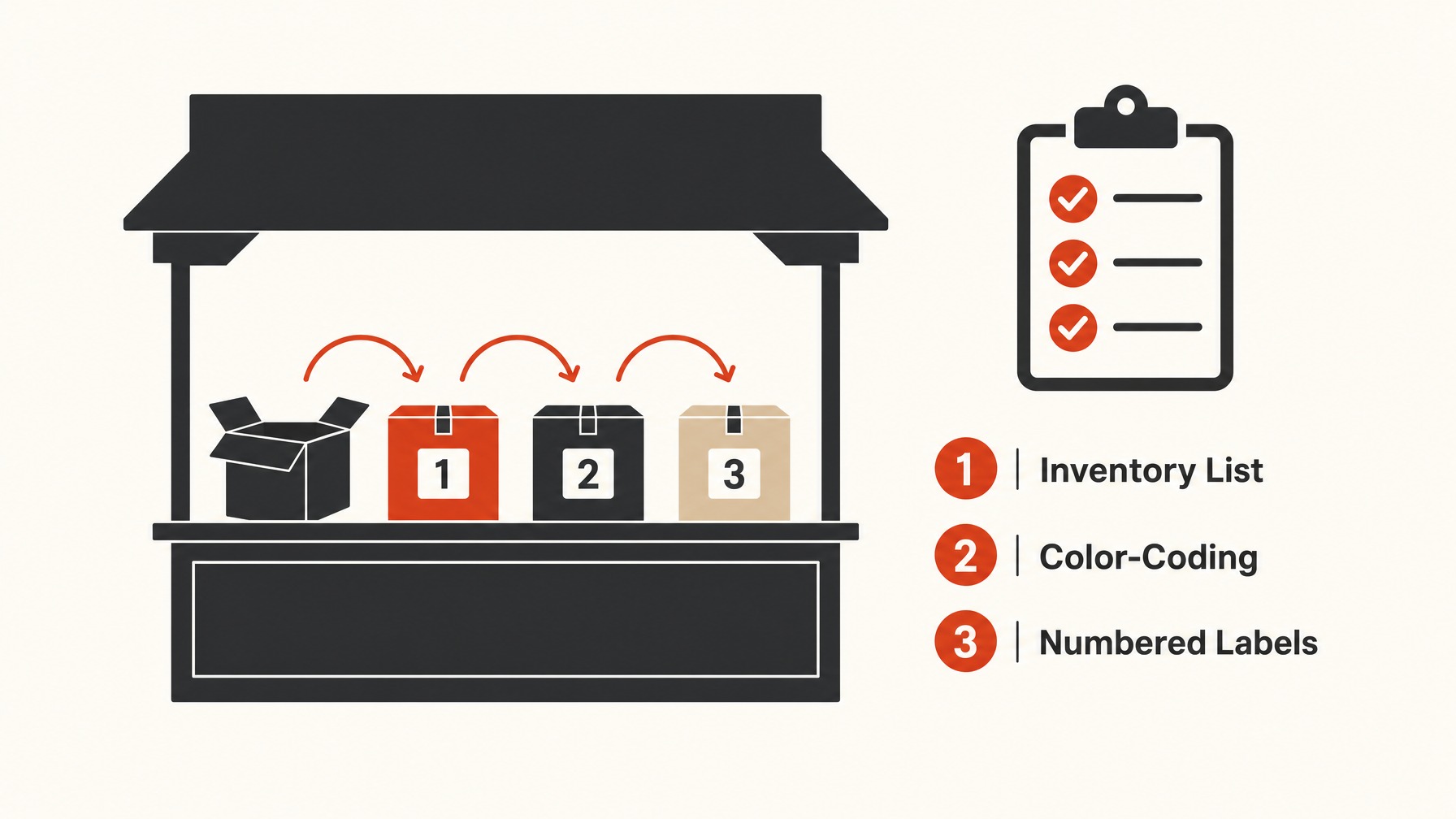
One practice that stands out is creating a detailed inventory list prior to dismantling, allowing for a streamlined approach when grouping items.
From what the Exhibitant team has seen, color-coding packing materials based on categories greatly enhances the efficiency of unpacking at the next show.
One technique that exhibitors frequently use is the incorporation of numbered labels which match the inventory list, providing clarity during both packing and unpacking.
Additionally, using high-quality packing materials such as sturdy boxes and bubble wrap ensures that items remain in pristine condition during transit.
A lot of exhibitors find that labeling all sides of the packages reduces the risk of misplacement and makes logistics manageable. Something that comes up a lot is the use of specific packing zones at the dismantle site to prevent items from being inadvertently left behind.
An important aspect of efficient packing is recognizing the weight distribution of packed items to prevent damage and facilitate easier handling.
Including instructions on each box regarding which items are fragile or require special care helps handlers know how to manage them properly. What has been crucial to successful dismantle operations is involving the dismantling crew or vendors in a pre-dismantling walkthrough to align on packing strategies and preferences.
These expert techniques not only save time and effort but also preserve the structural integrity of your exhibit, ensuring it remains ready for the next event.
4. Navigating Venue Regulations
One thing most exhibitors realize quickly is that each venue comes with its own set of unique regulations and guidelines governing the dismantling process.
It’s crucial to familiarize yourself with the venue’s specific rules, as they often dictate aspects like dismantle timing, waste disposal, and safety measures.
What we have seen work really well is reaching out to the venue’s management a few weeks in advance to confirm all the requirements and perhaps even schedule a briefing.
This not only helps you plan your dismantling process efficiently but can also prevent any unexpected fines or penalties for non-compliance.
From what I have seen, the ones that get it right usually assign someone in their team to be the point person for liaising with venue staff.
This dedicated role ensures that there is clear communication between your team and the venue personnel both throughout the event and during dismantle.
Most venues have very specific protocols regarding the use of their facilities, perhaps stipulating things like preferred exits or specific times when equipment can be moved.
Important: You should designate a team member to liaise with venue staff, ensuring compliance with specific dismantling regulations and avoiding unexpected penalties.
Not adhering to these can cause delays or additional costs, so having someone well-versed in these rules can effectively simplify your dismantling operations.
Another aspect that comes up a lot is the importance of adhering to any environmental and sustainability guidelines that the venue may have in place.
Many modern venues now have strict policies regarding waste management, recycling programs, and minimizing environmental impact.
I would say the biggest thing here is coordinating with the venue’s environmental team well in advance to understand their expectations and make sure compliance.
Efficiently executing these steps will not only keep your dismantling process in good standing with the venue but also reflect positively on your company’s environmental consciousness.
5. Conducting a Final Walkthrough
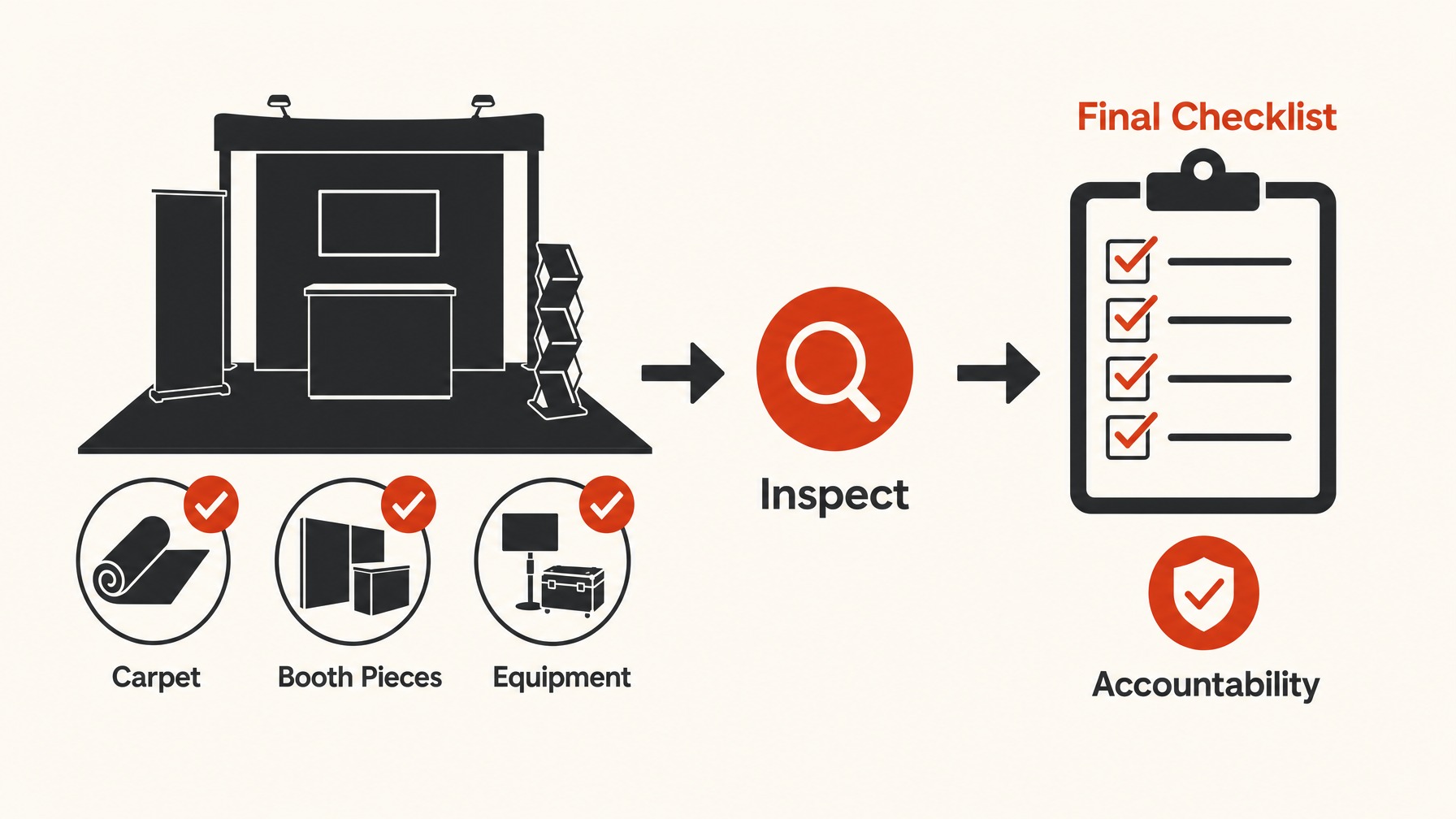
One critical step exhibitors often overlook is conducting a comprehensive final walkthrough of their booth before handing it back to the venue staff.
This practice allows you to make sure that all rented or borrowed materials are accounted for and that nothing has been left behind.
It’s not just about logistics; a walkthrough is an opportunity to validate that your brand investment has been properly secured and that any potential damage is identified promptly.
From what I’ve seen, the exhibitors who avoid penalties and surprise charges are those who take a methodical approach during this step.
They check everything from the carpet condition to the completeness of the disassembled booth pieces.
Gather your team for this walkthrough, as it also serves as a chance to debrief and share immediate feedback or insights. I strongly suggest turning this into a checklist procedure to make sure no details are missed along the way.
During the walkthrough, don’t forget to take photographs for your records, especially if you encounter any damage or discrepancies.
These images offer proof of the booth’s condition at the time of your departure, safeguarding against unwarranted claims.
What we have seen work really well is involving your logistics partner if feasible; their expertise can provide a significant advantage.
At Exhibitant, our approach isn’t merely about supplying displays but involves partnering with you to develop a cohesive exhibit strategy that secures your booth’s integrity and success.
The last thing you want is to miss out on recovering all your materials or facing unexpected fines, and a final walkthrough can prevent this.
By incorporating this into your dismantle routine, you not only maintain organizational responsibility but also protect your investment.
Emphasize the importance of this step to your team, demonstrating that diligence in these final moments contributes to the overall exhibit success.
This ritual, though simple, can significantly improve operational efficiency and provide a smooth transition post-event.
Treat it with the attention it deserves.
6. Debriefing and Feedback Collection
After the dust settles from your trade show, the debriefing process becomes a critical step that some teams might overlook. What we have seen work really well is gathering the team immediately after the show or soon after, while experiences are still fresh in their minds.
This is the time to have an open discussion about what went right, what could be improved, and any unexpected challenges that cropped up. One thing most exhibitors end up doing is holding a short meeting to capture insights while everyone is still at the venue.
This approach not only ensures that feedback is accurately recorded but also inspires constructive dialogue among the team.
I would say the biggest thing here is structuring this debrief session to encourage honest and detailed feedback.
The key areas you might want to cover include booth operations, visitor interactions, and logistics, as well as any pre-show marketing efforts.
From what I have seen, those who document their feedback meticulously end up with a valuable repository of lessons for future events.
Another aspect that should be incorporated into the process is feedback from attendees, gathered through surveys or direct conversations during the show.
Pro Tip: Right after the trade show, hold a structured team debrief at the venue to capture fresh insights and actionable improvements for future events.
This external perspective provides invaluable insights into how your booth is perceived and what potential clients found memorable or lacking.
Post-show debriefing isn’t merely an exercise for pointing out errors but rather an opportunity for collective improvement.
Gathered feedback can then be analyzed and used to refine your strategies for subsequent events, which can lead to continuously enhanced performance and more effective trade shows. By fostering an environment that encourages open feedback, you also help your team and promote a culture of learning and adaptation.
Something that comes up a lot is the importance of addressing action items that arise from these discussions promptly, so they don’t lose momentum. This ensures that feedback collected turns into tangible improvements for the next show you attend.
A thorough debrief and feedback collection can be the magic ingredient that differentiates a successful exhibitor from a mediocre one.
Closing Thoughts
Wrapping up a trade show is an undertaking that demands thorough organization and efficient execution.
Each step, from pre-dismantle planning to debrief and feedback collection, contributes to a smoother, more efficient process. What I have often seen is that those who invest in meticulous planning and coordination from the start tend to experience fewer problems at show end.
One thing that usually makes a huge difference is how clearly roles and responsibilities are defined among the team.
Everyone knowing their part can prevent miscommunications and make sure that tasks are handled efficiently and consistently. Similarly, using structured and efficient packing and labeling techniques not only saves time but also avoids damage to expensive booth components.
If there’s one takeaway from navigating venue regulations, it’s that advance knowledge reduces last-minute scrambling.
This knowledge pays dividends by cutting down on bottlenecks during crucial dismantle periods.
Meanwhile, conducting a final walkthrough ensures no critical detail gets overlooked, safeguarding your assets and promoting accountability among staff.
Finally, make gathering feedback a priority, as it provides valuable insights to refine future events and foster a culture of continual improvement.
Streamlined processes lead to reduced stress and enhanced focus on what matters most, the relationships fostered during the event.
Grasp these strategies firmly and see them as a solid foundation ensuring your events run smoothly.
By applying these principles, you set the stage for more successful trade shows in the future.
Need a booth plan?
Turn show goals into a practical exhibit path
Share your footprint, timeline, and priorities. Our team can help shape the booth direction, graphics, and project support.
Keep planning
More exhibit guidance
Keep exploring practical advice on booth planning, marketing, and getting more from your next show.
Tell us about your business, the buyers you want to reach, and what you want to achieve. Whether you need more sales conversations, stronger marketing, or a trade show presence, we’ll help you identify where to focus and what support makes sense. Together, we can shape a practical plan around your priorities, budget, and timeline.
 Louie J.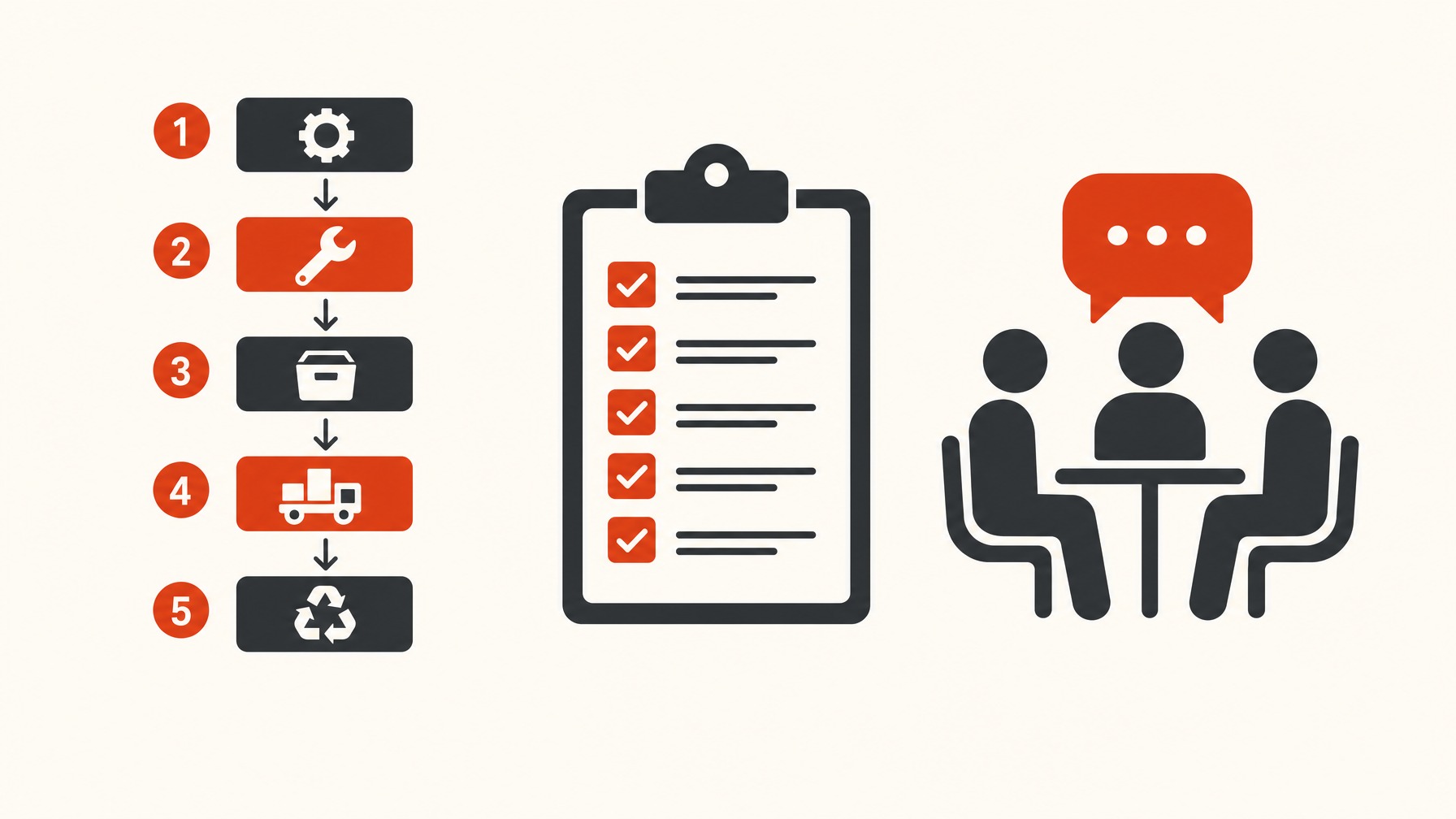
 Lorena G.