
6 Industry-Specific Booth Design Trends to Watch in 2024

Stay ahead with these six cutting-edge booth design trends tailored for various industries in 2024.

Every year, trade shows are evolving, with fresh trends shaping how we connect and engage. As we look ahead to 2024, one area that is particularly dynamic is booth design.

From what I have seen, the landscape is noticeably shifting to accommodate industry-specific preferences and emerging technologies that are revolutionizing the way exhibitors present their brands.

Professionals are increasingly aware that standing out is about more than just flashy visuals.

There’s a growing trend toward using sustainable materials, which not only appeal to eco-conscious attendees but also reflect a brand’s commitment to environmental responsibility.

The notion of ‘green’ has turned into a significant talking point, and it’s exciting to see how booths are becoming platforms for sustainability messages.

Another trend that comes up a lot is the emphasis on interactive digital displays. These aren’t just gimmicks; they offer immersive experiences that engage attendees on a deeper level.

Exhibitors today are keen on using technology to tell stories that capture the imagination while offering real-time insights that enhance the overall interaction.

Today, I want to walk you through six booth design trends that are making waves for specific industries in 2024, and how these can reshape your trade show presence.

Key Takeaways:
  • Incorporate sustainable materials to appeal to eco-conscious attendees.
  • Leverage digital displays for interactive and immersive experiences.
  • Utilize modular designs for flexible booth configurations.
  • Integrate data analytics tools for on-the-spot visitor insights.
  • Adopt industry-specific themes to resonate with target audiences.

You’ll see how to make your booths stand out with fresh ideas.

Get tips on using eco-friendly materials and clever design hacks.

Find out why flexible layouts and tech are changing the game.

Don’t miss the deeper insights that could spark your next big booth success.

1. Sustainable Materials for Eco-Conscious Attendees

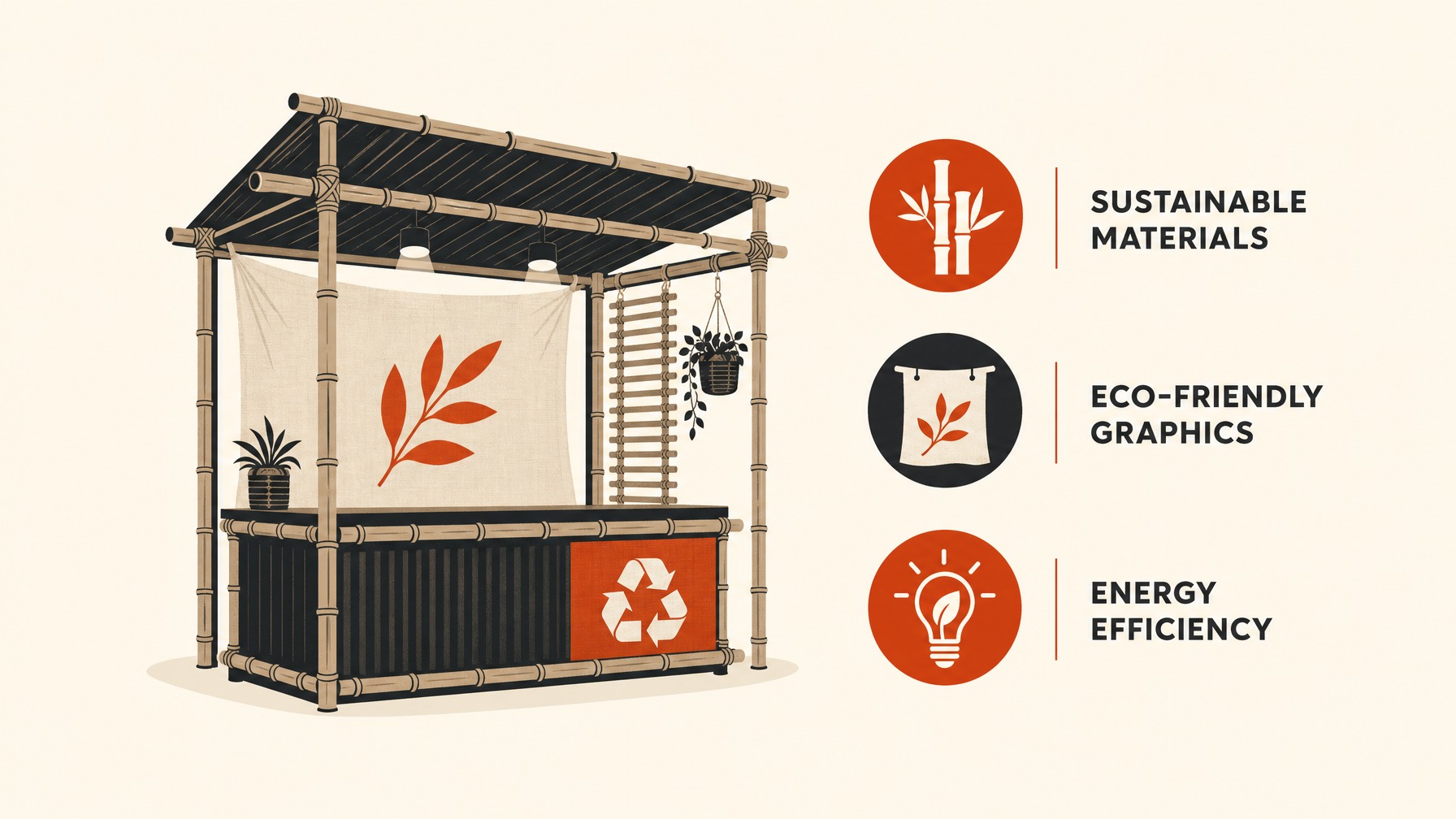
One thing most exhibitors are realizing is the growing demand for sustainability in booth design, as eco-conscious attendees value brands that demonstrate environmental responsibility.

In response to this shift, many companies are opting to use materials like bamboo, recycled aluminum, and biodegradable fabrics, which have a lower environmental impact.

These materials not only align with green values but also appeal to attendees who are increasingly considering sustainability in their purchasing decisions.
1. Sustainable Materials for Eco-Conscious Attendees — 6 Industry-Specific Booth Design Trends to Watch in 2024

From what I have seen, those who get it right focus on weaving sustainability into every aspect of their booth.

This includes everything from eco-friendly graphics printed on recyclable materials to energy-efficient LED lighting that reduces the carbon footprint of the exhibit.

Here at Exhibitant, we tend to notice that exhibitors integrating these practices don’t just meet attendee expectations they often exceed them.

What we have seen work really well is when exhibitors communicate their commitment to sustainability directly through artful integration within the booth design.

For instance, using modular flooring made from recycled materials can clearly show a company’s dedication to sustainable practices, making a strong impression. Brands that transparently highlight these features may find themselves connecting more deeply with attendees who share these values.

One trend that’s emerging involves the use of digital displays powered by renewable energy sources, like portable solar panels, further reducing environmental impact.

This not only enhances the visual appeal of the exhibit but also sparks conversations about the company’s dedication to sustainability.

By sharing these efforts, exhibitors not only look good but also do good, reflecting positively on their corporate image.

Ultimately, integrating sustainable materials is not just a strategy for compliance but also a proactive approach to building lasting relationships with a new generation of environmentally savvy consumers.

Exhibitors that embrace these changes are likely to see a gain in both reputation and attendee engagement at trade shows.

By keeping a finger on the pulse of these trends, you’ll be better positioned to gain traction in this ever-evolving landscape.

2. Interactive Digital Displays for Immersive Experiences

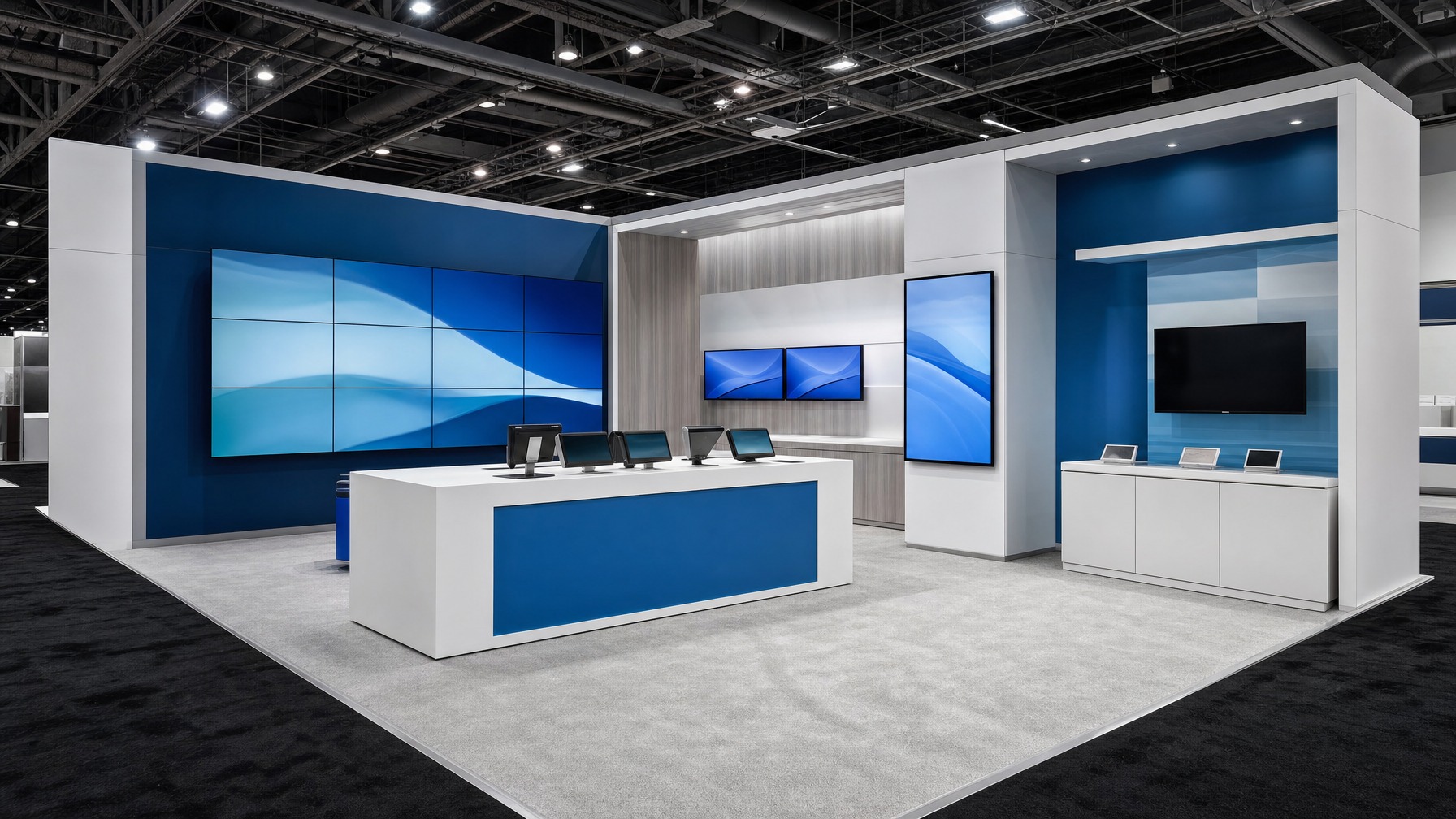
From what I’ve seen, integrating interactive digital displays into booth design is becoming a big improvement for exhibitors looking to create immersive experiences that stand out on the show floor. These displays don’t just attract attention; they actively engage attendees by allowing them to interact with your brand in a dynamic way.

The biggest shift we’ve noticed is the move from static visuals to more interactive content that allows attendees to explore into the specifics of your product or service. This approach not only captures interest but holds it, creating memorable touchpoints that resonate well beyond the event itself.

One thing most exhibitors end up doing is incorporating touchscreen displays that facilitate detailed product demonstrations or virtual walkthroughs. These tools have proven effective at capturing the interest of a tech-savvy audience keen on exploring new technologies in a hands-on manner.

We’ve also seen an uptick in the use of augmented reality to enhance product showcases.

This tech lets companies overlay digital information onto physical products, offering deeper insights and sparking engaging discussions right at the booth.

An effective strategy worth noting is utilizing digital displays for real-time social media integration.

Pro Tip: You should incorporate interactive digital displays with live social media feeds and AR to boost engagement and track valuable attendee data for future optimization.

It’s something that comes up a lot as a missed opportunity, but when done right, it can significantly boost booth traffic. Displaying live feeds or promoting a custom event hashtag can incentivize visitors to share their experiences instantly, broadening your reach beyond immediate attendees.

I would say the key here is to select a blend of technologies that not only showcases your products effectively but also aligns with your overall brand strategy.

Moreover, data from these interactive platforms provides invaluable insights into attendee behavior. By tracking engagement levels with specific content or features, exhibitors can refine their booth strategies for future shows, tailoring them to better meet the interests and needs of their target audience.

This data-driven approach enhances the ROI measurement of trade show participation, making follow-up efforts more targeted and effective.

3. Modular Designs for Flexible Configurations

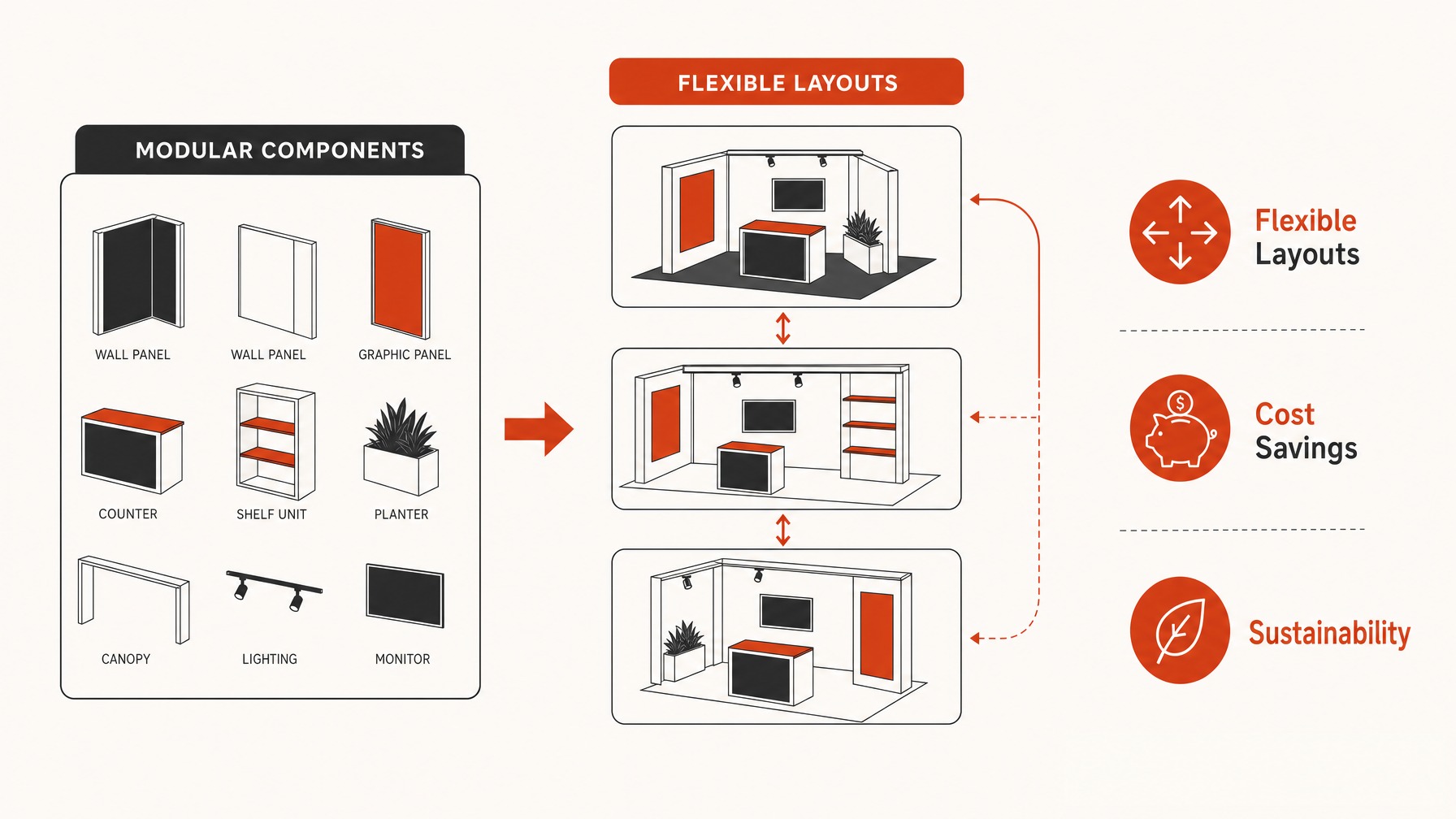
Something that comes up a lot in discussions is the increasing popularity of modular booth designs, which offer unparalleled flexibility.

Exhibitors are quickly learning that having a booth structure that can be easily reconfigured allows for tailored setups suited to different event spaces and themes.

What we have seen work really well is the ability to adjust layouts based on the specific footprint requirements of each show.
3. Modular Designs for Flexible Configurations — 6 Industry-Specific Booth Design Trends to Watch in 2024

I would say the biggest thing here is that modular designs help reduce costs in the long run.

They provide the adaptability to repurpose and revamp existing components instead of starting from scratch every time.

This not only saves money but also aligns with current trends in sustainability by minimizing waste.

One thing most exhibitors end up doing is integrating various elements like customizable panels, lightweight frames, and interchangeable graphics.

By doing so, they create a dynamic yet practical space that can evolve as needed.

Moreover, these components are generally easier to transport and set up, which is a major convenience for staff who handle logistics.

From what I have seen, the ones that get it right usually build in flexibility to adapt booth elements to different product displays or interaction zones. For example, many use modular furniture that can be rearranged to encourage more visitor engagement in certain areas.

The focus has shifted from static to dynamic, allowing the user experience to feel fresh each time.

This trend, interestingly, also caters well to companies with diverse product lines looking to show different aspects of their brand throughout the year.

By employing modular systems, companies can efficiently rotate focus between different offerings without a complete overhaul of booth structure. In essence, modular designs enhance versatility and keep your exhibit investment adaptable for various contexts and needs.
4. Industry-Specific Themes to Enhance Brand Resonance

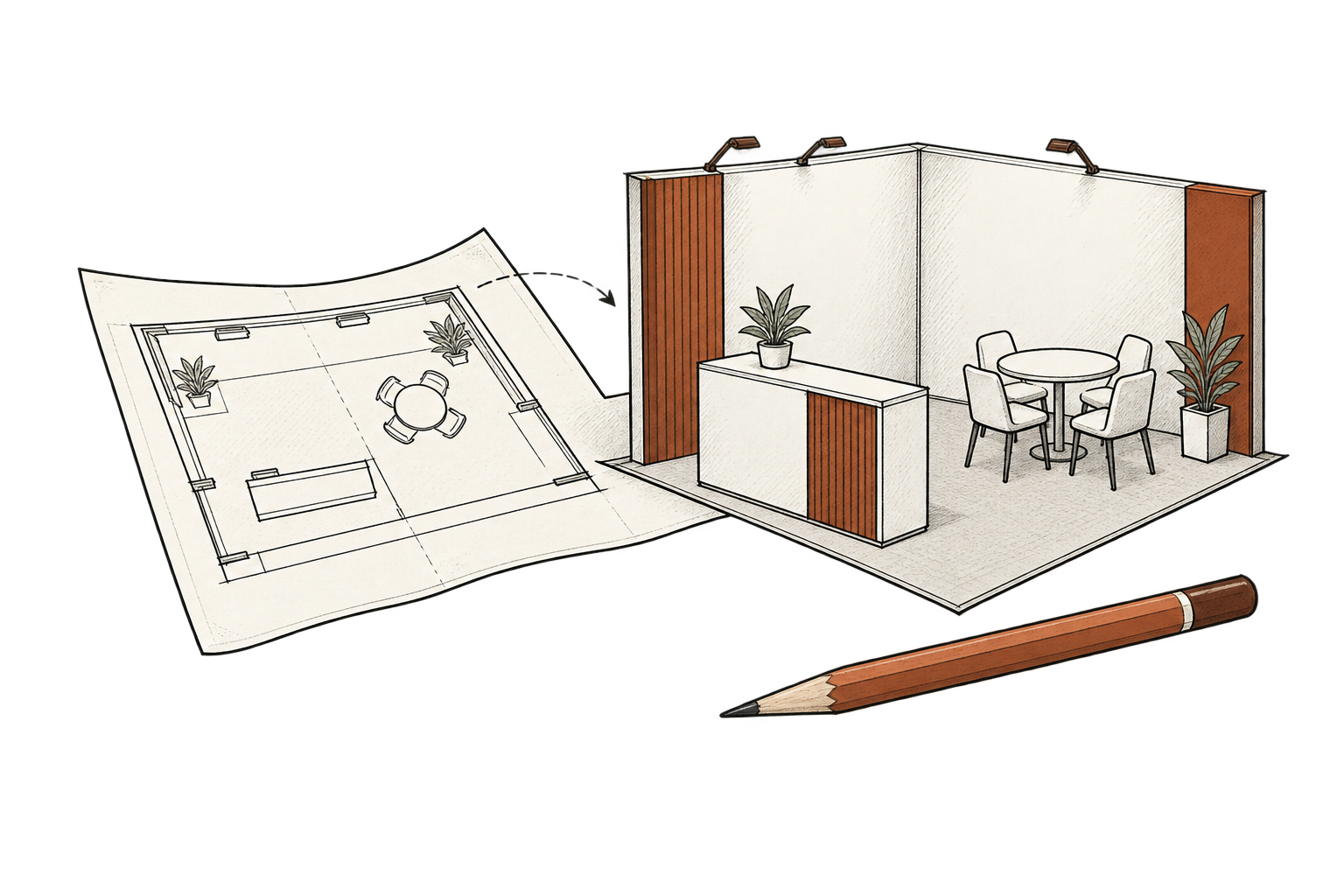
From what I have seen, the exhibitors who truly stand out often focus on creating industry-specific themes that speak directly to their audience. It’s not just about flashy visuals it’s about strategically aligning your booth design with the core elements of your industry.

For instance, at medical conventions, you might see booths designed to resemble innovative labs, which underline modern technology and precision.

This approach not only draws in attendees but also establishes a deeper connection with those who understand the nuances of that industry.

One thing most exhibitors end up doing is tailoring their booth’s message to resonate with the unique challenges and opportunities within their sector.

By doing so, they don’t just attract visitors; they attract the right visitors who have a genuine interest in their offerings.

Consider how an agricultural technology company may use elements like earthy textures and green elements to emphasize sustainability and growth. Such nuanced design choices can significantly enhance the effectiveness of your trade show presence.

Important: Focus on crafting an industry-specific theme for your booth to attract and engage the right visitors by speaking their language and expectations.

I would say the biggest thing here is to make sure that each element of the booth, from graphics to interactive experiences, speaks the specific language and expectations of your industry.

Exhibitant can support companies in this strategic endeavor by offering a wealth of expertise in exhibit strategy and booth systems. Serving as an exhibit partner rather than just a display vendor, Exhibitant helps brands to craft themes that are not only visually appealing but also deeply resonant and memorable for their target audience.

With the guidance of their show support, your booth can become a powerful tool for communicating industry leadership and innovation.

5. Data Analytics Tools for Real-Time Insights

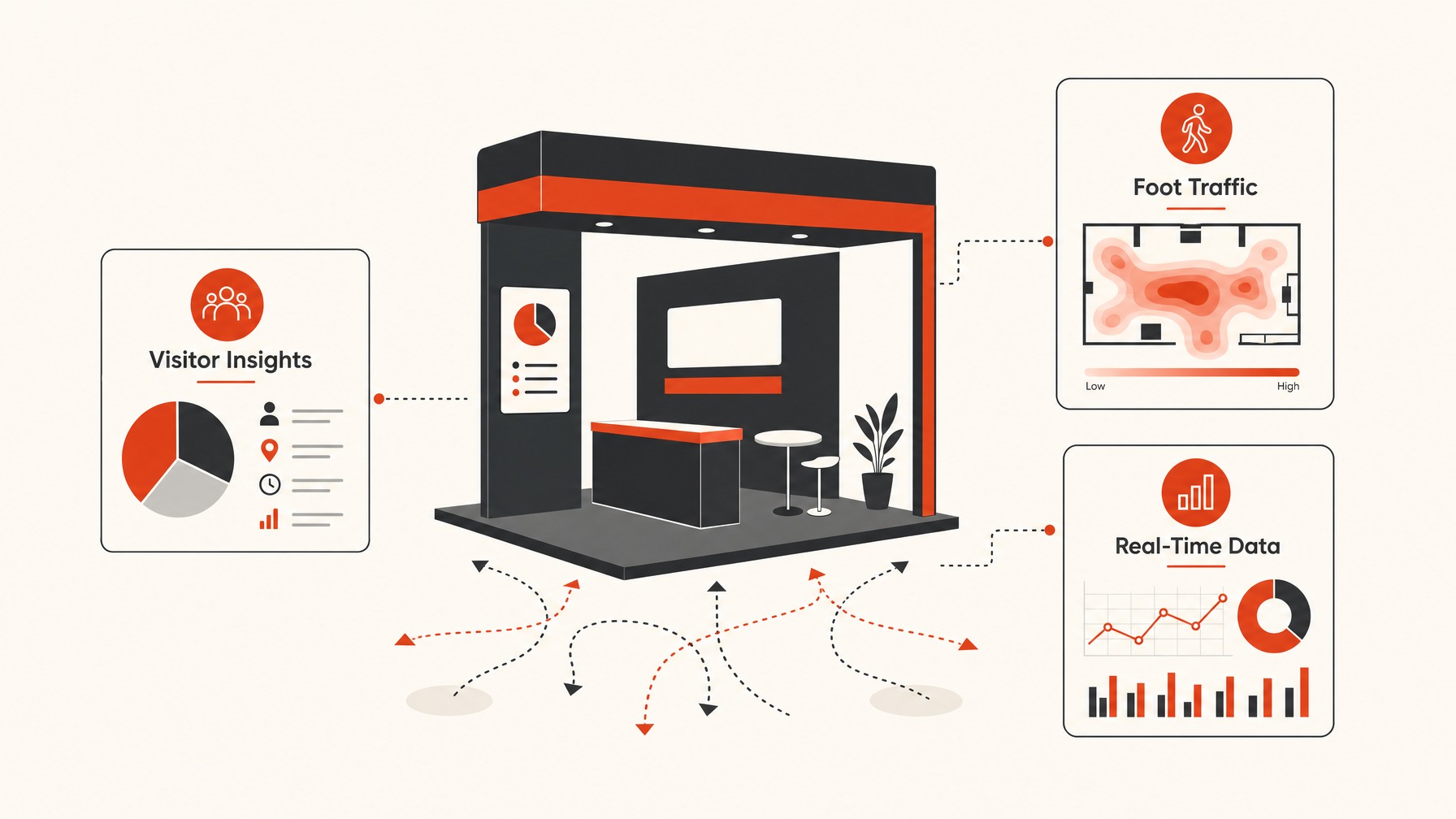
What we have seen work really well is the integration of data analytics tools directly into booth activities. This strategy allows exhibitors to capture and analyze visitor data instantly, facilitating more effective engagement during the show.

These tools can significantly enhance the ability to gain real-time insights into attendee behaviors and preferences.

By leveraging such insights, companies can adapt their on-site strategies on the fly, optimizing interactions and ultimately converting more leads.

5. Data Analytics Tools for Real-Time Insights — 6 Industry-Specific Booth Design Trends to Watch in 2024

One thing most exhibitors end up doing is utilizing these analytics to monitor foot traffic patterns around their booths. This helps them determine which displays or products garner the most attention and adjust their staff placement or messaging accordingly.

From what I have seen, the ones that get it right usually have a clear understanding of the key metrics they want to improve.

This might include engagement time, lead acquisition rate, or even demographic information of visitors who engage with specific areas of the booth.

Something that comes up a lot is the importance of aligning your analytics tools with your pre-show objectives for more cohesive outcomes. For instance, a company focusing on particular market segments should tailor their data collection to capture relevant demographic information for those audiences.

Advanced tools now offer features like sentiment analysis and voice recognition, providing deeper insights into attendee interactions.

Real-time alerts can also notify staff if a high-value visitor enters the booth, ensuring timely and personalized interactions.

I would say the biggest thing here is choosing the right mix of tools that align with your company’s specific goals.

A good starting point is an analytics suite that offers dashboards with customizable metrics, enabling easy tracking and reporting.

By effectively implementing these systems, you’re setting up your team to make data-driven decisions that enhance the overall success of your booth.

While the technology keeps evolving, staying updated with the latest offerings ensures you can continually refine your approach and stay competitive in the trade show environment.

6. Multi-Sensory Elements to Engage All Senses

From what I’ve seen, the most engaging booths at trade shows don’t just target the visual sense, but strive to create a full experience that touches on multiple senses.

Exhibitors successful in capturing attention usually make use of sound, scent, touch, and even taste to create a lasting memory for attendees.

The idea here is to create an immersive environment where attendees feel enveloped in your brand’s story.

While visual displays remain essential, incorporating elements like background music, or live sound effects can dramatically set the ambient mood.

Adding scent to your booth can offer a refreshing or intriguing element, especially in industries like food and retail, where product aroma plays a significant role. Scented elements could be as straightforward as having fresh-baked cookies or more complex using a diffuser to project a brand-specific scent.

Tactile engagement is another area where exhibitors can stand out whether it’s through interactive products, textured surfaces, or other touchpoints that invite visitors to physically interact with the booth.

Pro Tip: You should incorporate subtle scent diffusers to complement your booth’s theme, creating a memorable and immersive experience for attendees that they’ll associate with your brand.

Something that comes up a lot is including a small tasting station or samples if applicable, providing an opportunity to connect through taste, especially effective in the food and beverage industries.

If we explore a bit deeper, the integration of multi-sensory elements can pave the way for deeper emotional connections and increased retention of the brand’s message.

Multi-sensory design respects the simple fact that humans are not solely visual creatures but experience life through a rich tapestry of sensory inputs. Utilizing the following sensory enhancements could profoundly change how attendees perceive your exhibit:

  • Subtle background music or live soundscapes
  • Scent diffusers with a signature fragrance
  • Interactive touchpoints for tactile engagement
  • Tasting stations tailored to the industry

I would say the biggest takeaway here is that integrating sensory elements isn’t about overloading the senses but rather creating a smooth, memorable experience. Multi-sensory engagement holds the potential to transform how stakeholders interact with your booth, ensuring they not only see but feel and remember your brand long after the show concludes.

One Last Thing

Reflecting on these design trends, it’s clear how important it is to maintain flexibility and responsiveness in your booth strategy for 2024.

What I see working well for most exhibitors is incorporating these trends not just for novelty, but for their capabilities to enhance visitor engagement and meet evolving attendee expectations.

Diving into sustainable materials and interactive displays isn’t just about keeping pace with competitors; it shows a commitment to corporate responsibility and innovation.

With these insights in mind, the biggest takeaway for many will be to tailor these trends to align with your brand’s identity and strategic goals.

I think the ones that truly excel are those that thoughtfully integrate elements like multi-sensory experiences or real-time analytics in a way that reflects their unique value propositions.

It’s about understanding your audience and aligning your booth elements strategically to move the attendee relationship beyond the trade show floor. This approach not only strengthens the brand resonance but also elevates the overall trade show experience for participants.

Now, with the various trends we’ve explored, applying a thoughtful combination that matches your specific industry is the key. Making informed choices on which elements to incorporate will help you to not only stand out but also create meaningful connections.

In my view, taking small, calculated steps toward innovation is what often distinguishes a standard booth from a truly impactful one. Approach your planning phase not just as a task, but as an opportunity to push boundaries and connect on deeper levels.

Besides, investing the effort to stay abreast of these emerging trends will pay dividends in how your brand is perceived at these essential industry events.

Need a booth plan?

Turn show goals into a practical exhibit path

Share your footprint, timeline, and priorities. Our team can help shape the booth direction, graphics, and project support.

Talk to our team

Contact our team

Build the booth around the show goal

Tell us about your show, booth goals, timeline, and where your team needs support. We will help you shape the booth direction, program plan, and next conversation.