From what I have seen, planning an effective trade show presence is both an art and a science.
The key ingredient in this complex recipe is a well-thought-out booth budget. I’ve observed countless businesses struggle not because they lack creativity, but because they underestimate the true costs involved in exhibiting.
One common theme I’ve noticed is the surprise many exhibitors feel when they start factoring in the foundational costs.
Booth space alone can vary drastically depending on the size and location of the event.
It’s important to allocate resources wisely to make sure you’re not blindsided by unexpected fees.
While the design and construction of your booth are undeniably crucial, the importance of technology rentals can’t be overstated.
With trade shows evolving into tech-savvy events, the integration of modern gadgets often dictates the level of engagement you can achieve with your visitors.
Today, I want to cover seven essential costs that you’ll need to consider as you plan your trade show booth budget.
Key Takeaways:
Understand booth space fees to avoid unexpected expenses.
Allocate funds for booth design and setup costs.
Plan for technology rentals to enhance your display.
Include marketing materials in your budget for maximum impact.
Factor in travel and accommodation costs for your team.
Setting up a trade show booth involves several key steps.
You’ll want to try the full picture to plan your budget wisely and avoid overspending.
With detailed insights on booth design and travel, you can make sure your display is both effective and cost-efficient.
By understanding the financial considerations thoroughly, you’re setting yourself and your team up for success.
1. Booth Space Rental Costs
Booth space rental forms one of the biggest chunks of your trade show budget, and getting a handle on this can truly set the tone for your entire event strategy.
What we have seen work really well is conducting a thorough analysis of different venues to understand the nuances in pricing and space offerings.
When calculating these costs, it’s critical to recognize that some prices may include additional charges for things like electrical access or lighting, which can easily disrupt your initial planning if overlooked.
One thing most exhibitors end up doing is underestimating how early commitments can positively impact their rental costs.
By booking early, many exhibitors lock in a favorable rate that can alleviate the pressure of last-minute price hikes that often occur closer to the event. From what I have seen, it’s beneficial to maintain a competitive mindset, frequently checking for discounts or preferential rates through memberships in industry organizations.
Laying out all these considerations makes staying within budget more achievable and can significantly reduce stress as the event approaches.
A detailed understanding of what’s included in the rental contract can prevent unforeseen costs and enable more strategic financial planning moving forward.
Be attentive to all the tiny details within the contract; hidden fees, such as after-hours access or specific maintenance requirements, can quickly add up.
For anyone seasoned in this field, that level of attention to detail becomes second nature, leading to fewer surprises on the balance sheet.
An early investment in understanding these costs will pay off, potentially freeing up budget space for other essential aspects of your trade show presence like marketing or booth technology.
With careful preparation and an eagle-eye on potential pitfalls, booth space rental can be one of the more manageable aspects of your overall strategy.
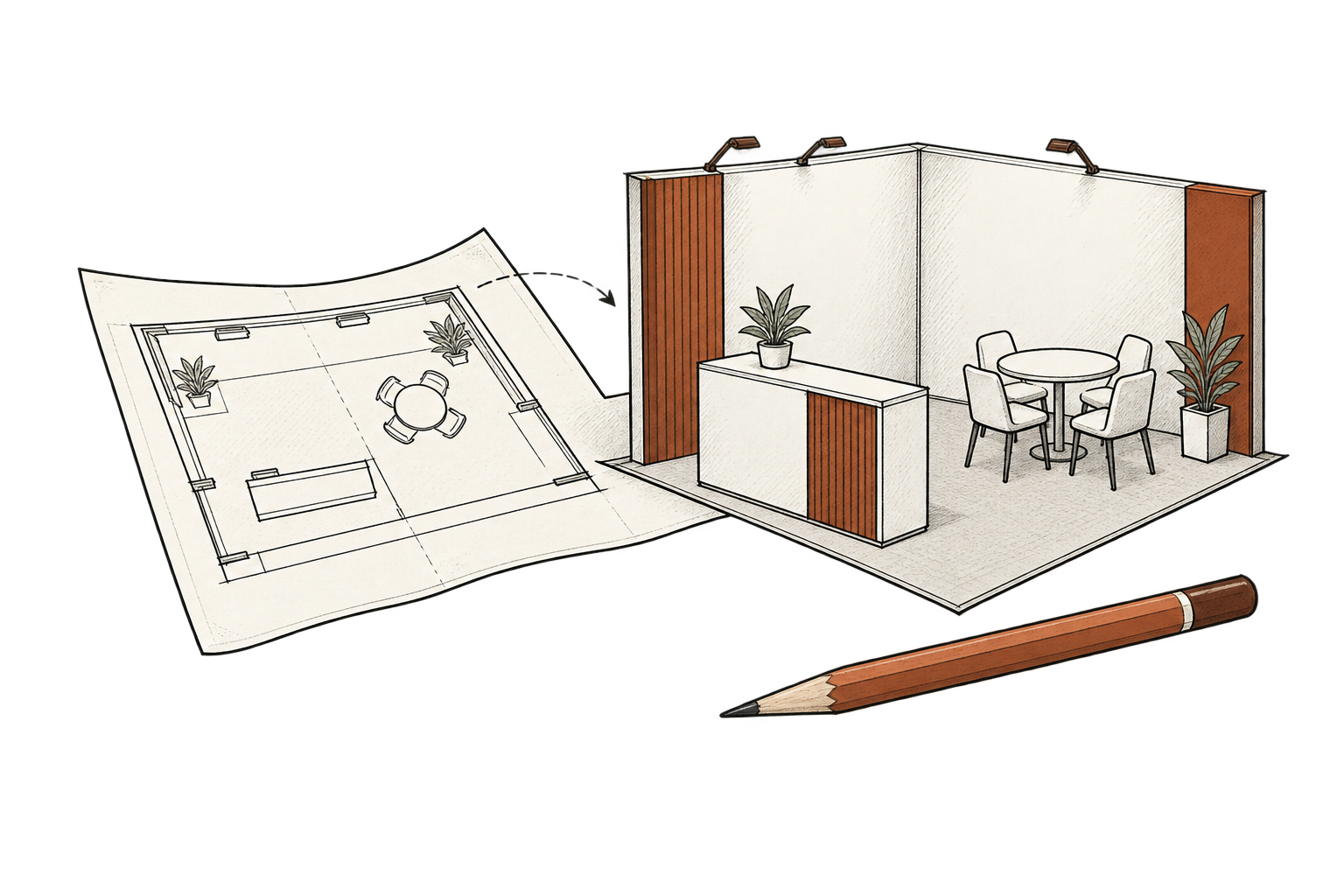
2. Design and Construction Expenses
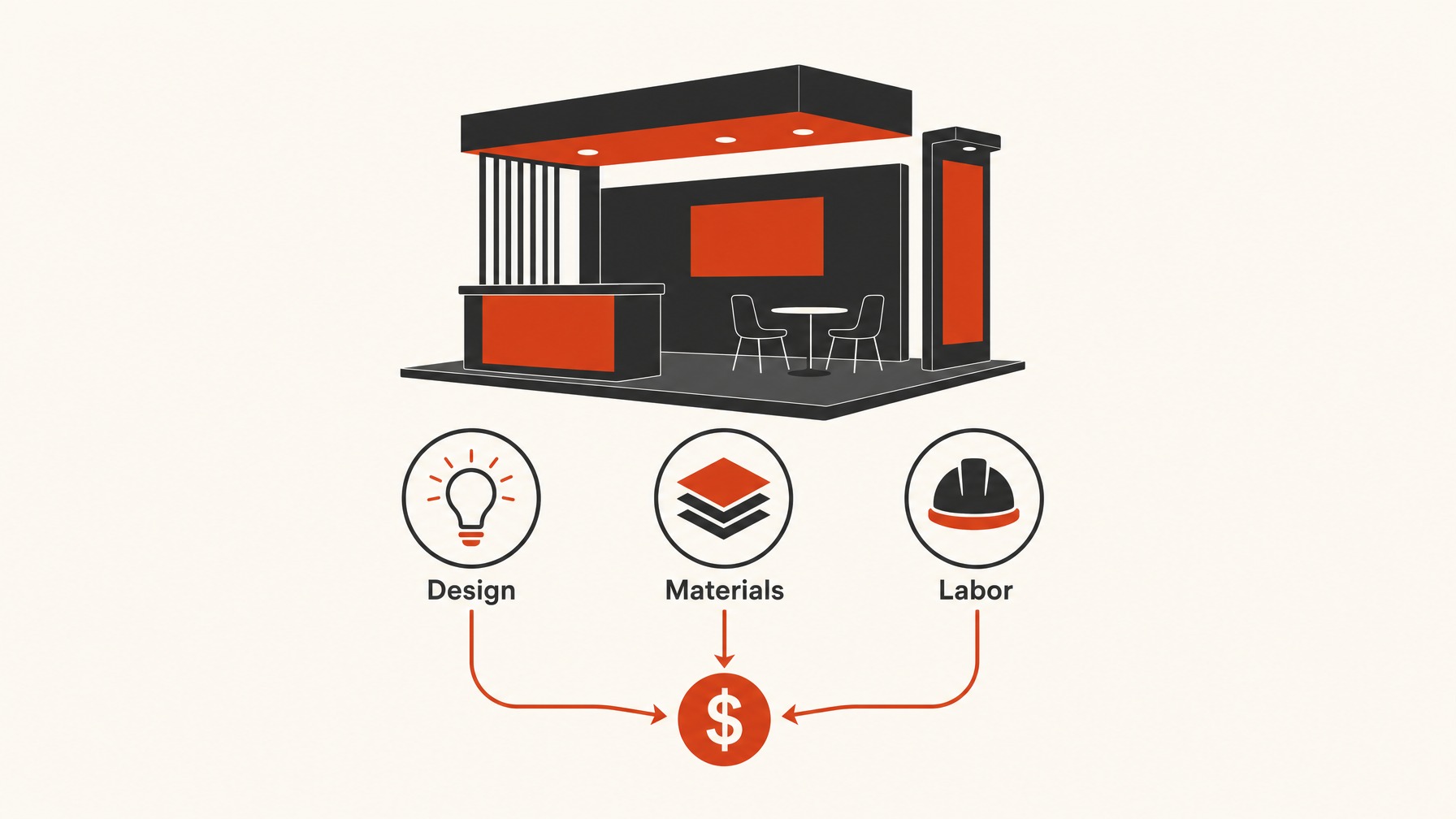
One of the significant contributors to your overall trade show budget is the design and construction of your booth.
From what we have seen, those exhibitors who allocate sufficient funds for these aspects usually create a more impactful presence. The costs involved are not trivial, as they include innovative designs, high-quality materials, and expert labor to bring your vision to life.
Booths that stand out often feature custom elements, sophisticated lighting, and high-end finishes that really captivate attendees.
When planning your design, I would say the biggest thing here is making sure it aligns with your brand while also being functional and inviting.
One thing most exhibitors end up doing is considering how their structure can facilitate interactions and show products effectively. Modular booths offer flexibility as they can be reconfigured and reused, potentially leading to long-term savings.
However, custom booths can provide a truly unique experience that sometimes outweighs the initial cost.
Interestingly, I’ve seen that investing in environmentally friendly materials is becoming increasingly popular.
These options not only enhance your brand image but also appeal to eco-conscious visitors.
Sometimes exhibitors include striking visual elements, such as large graphics or digital displays, which can significantly affect construction expenses.
Balancing aesthetics and practicality is crucial, with the most successful exhibitors carefully weighing each component’s benefit against its cost.
Something that comes up a lot is the decision between using an in-house team versus hiring external experts for design and build.
From what I have observed, collaborating with experienced professionals in this field often results in a more polished and effective booth.
An often-overlooked aspect is the timeline; planning and executing a complex build requires careful management to avoid rushed final touches.
Keep in mind that design and construction times can impact other areas such as shipping and on-site assembly.
3. Technology Rentals and Integrations
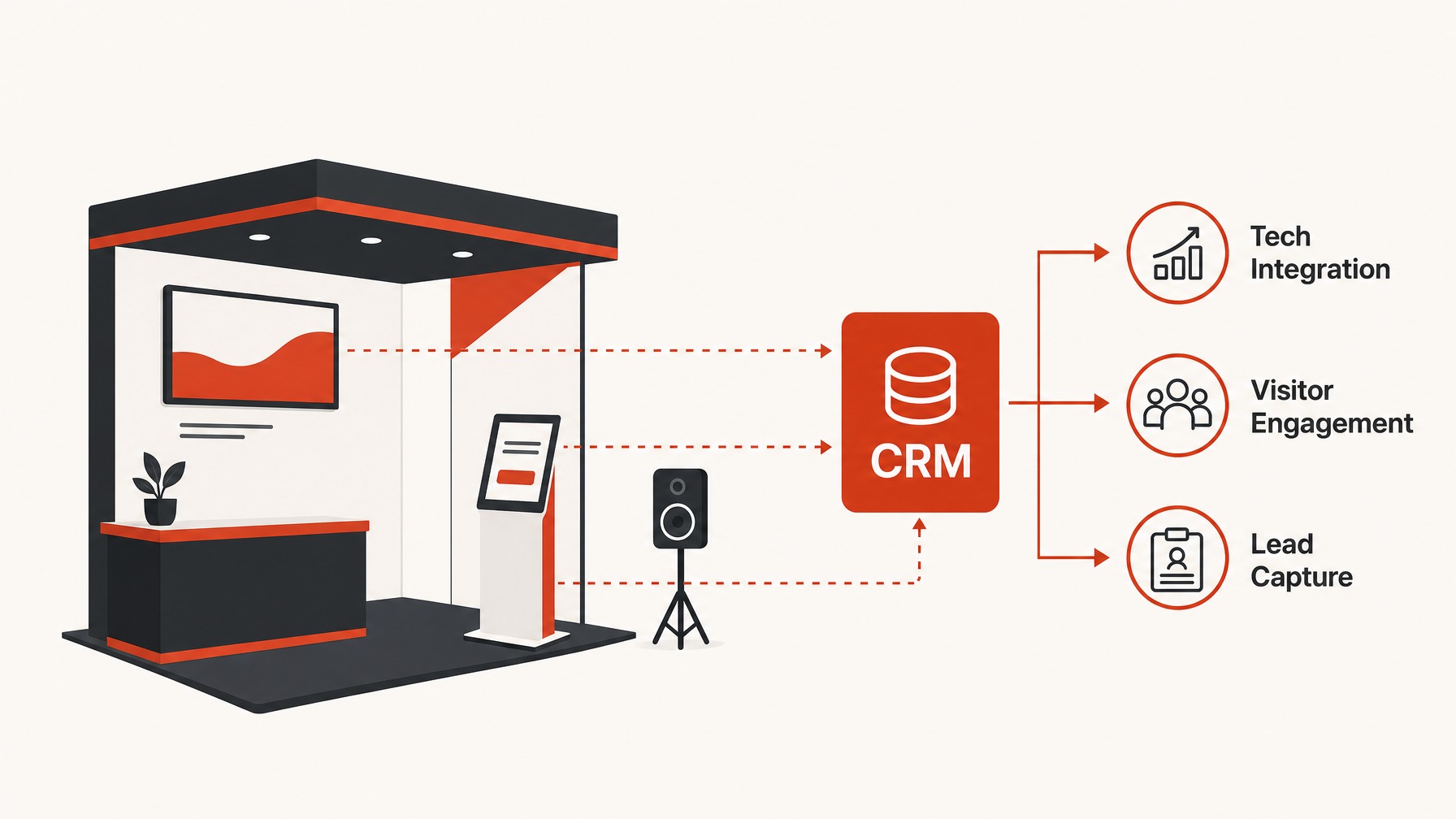
When we explore into technology rentals, it becomes clear that no exhibition today is complete without the right gadgets and digital touchpoints. What we have seen work really well is integrating the latest tech that aligns with your brand message and booth goals.
Investing in high-quality displays, interactive kiosks, and audio-visual equipment can significantly amplify visitor engagement.
These elements not only serve to capture attention but also create a memorable experience that differentiates your booth from competitors.
Another aspect to consider is the smooth integration of these technologies with your existing systems.
From what I have seen, the ones that get it right usually incorporate CRM integrations or lead capture tools that align with their sales and marketing objectives.
This allows your team to gather actionable insights and engage with potential leads more effectively post-show.
There is also a significant emphasis on data security and management when it comes to these integrations.
As technology becomes more sophisticated, ensuring that your data handling processes are solid and compliant with regulations is crucial. One thing most exhibitors end up doing is working closely with IT experts to manage these elements, ensuring technology not only functions smoothly but also enhances the overall booth experience.
Keep in mind that the costs associated with technology rentals can vary significantly based on the complexity and customization required.
From my experience, it’s important to allocate a dedicated portion of your budget to accommodate these needs, including potential technical support and setup fees. High-quality technology, while sometimes a sizeable investment, can drive booth traffic and ultimately, deliver excellent return on investment when planned thoughtfully.
Effective use of technology in your booth isn’t just about the visual appeal; it’s about creating a strategic tool that propels your engagement and lead generation.
I would say the biggest thing here is ensuring every technological element ties back to your exhibition goals and delivers tangible outcomes.
Make thoughtful choices in alignment with your objectives, and technology can be a big improvement for your booth’s success.
4. Marketing and Promotional Materials
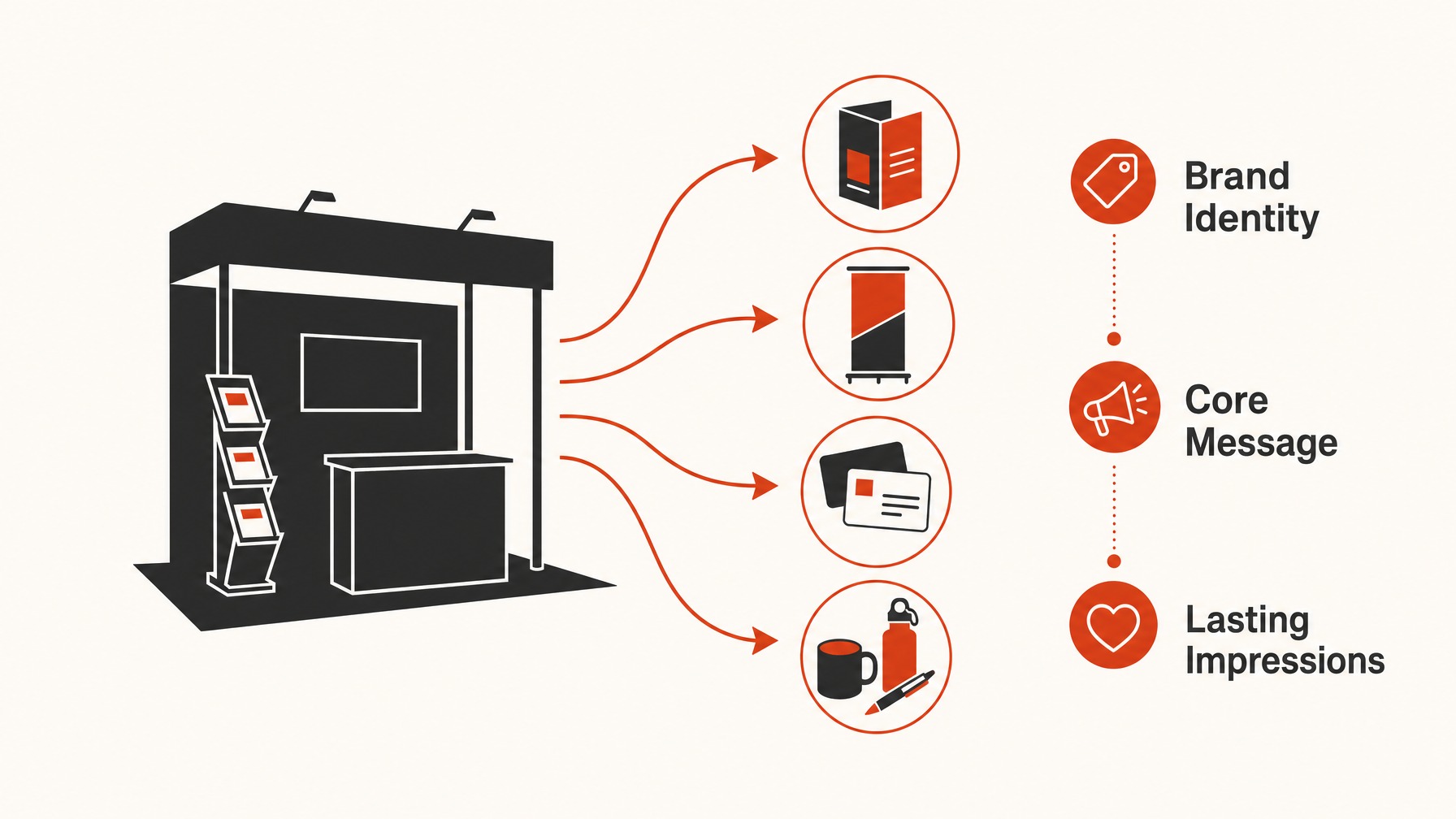
From what I have seen, allocating a solid budget for marketing and promotional materials can significantly impact the effectiveness of your trade show efforts. Many exhibitors invest in visually appealing brochures, banners, and business cards that vividly show their brand.
It’s vital to make sure these materials not only reflect your brand’s identity but also communicate your core message clearly and effectively.
Custom-designed promotional items such as branded pens, tote bags, or USB drives are popular for creating lasting impressions and boosting brand recall long after the event concludes.
The Exhibitant team often sees exhibitors focusing heavily on digital and interactive elements, which means that investing in digital displays, such as dynamic video presentations or touch screen information kiosks, is increasingly becoming a norm.
However, the choice of materials should align well with your overall booth strategy and the interests of your target audience.
Furthermore, it’s crucial to prepare a comprehensive plan for distributing these materials efficiently to get the most out of reach.
One thing most exhibitors end up doing is ensuring that key promotional offers or discounts are prominently featured in the marketing materials, encouraging attendees to act quickly.
Creative use of promotional materials can significantly enhance booth traffic and lead generation during the show. Here at Exhibitant, we tend to emphasize the importance of refreshing your materials regularly to keep your content up-to-date and engaging.
Prudent budget allocation for these materials can help in delivering a strong ROI by attracting more visitors and retaining their interest in your offerings.
Thoughtful planning in this area often leads to a successful trade show experience and helps support overall marketing and promotional goals.
A well-crafted message conveyed through high-quality materials is always a winning combination.
5. Staffing and Training Costs
What many experienced exhibitors focus on is the importance of staffing and the associated costs. Staffing your booth is more than just having bodies present; it requires a team that is well-versed in your products and can engage with diverse attendees.
The most successful trade show experiences often rely on well-trained staff who can effectively communicate your brand’s value.
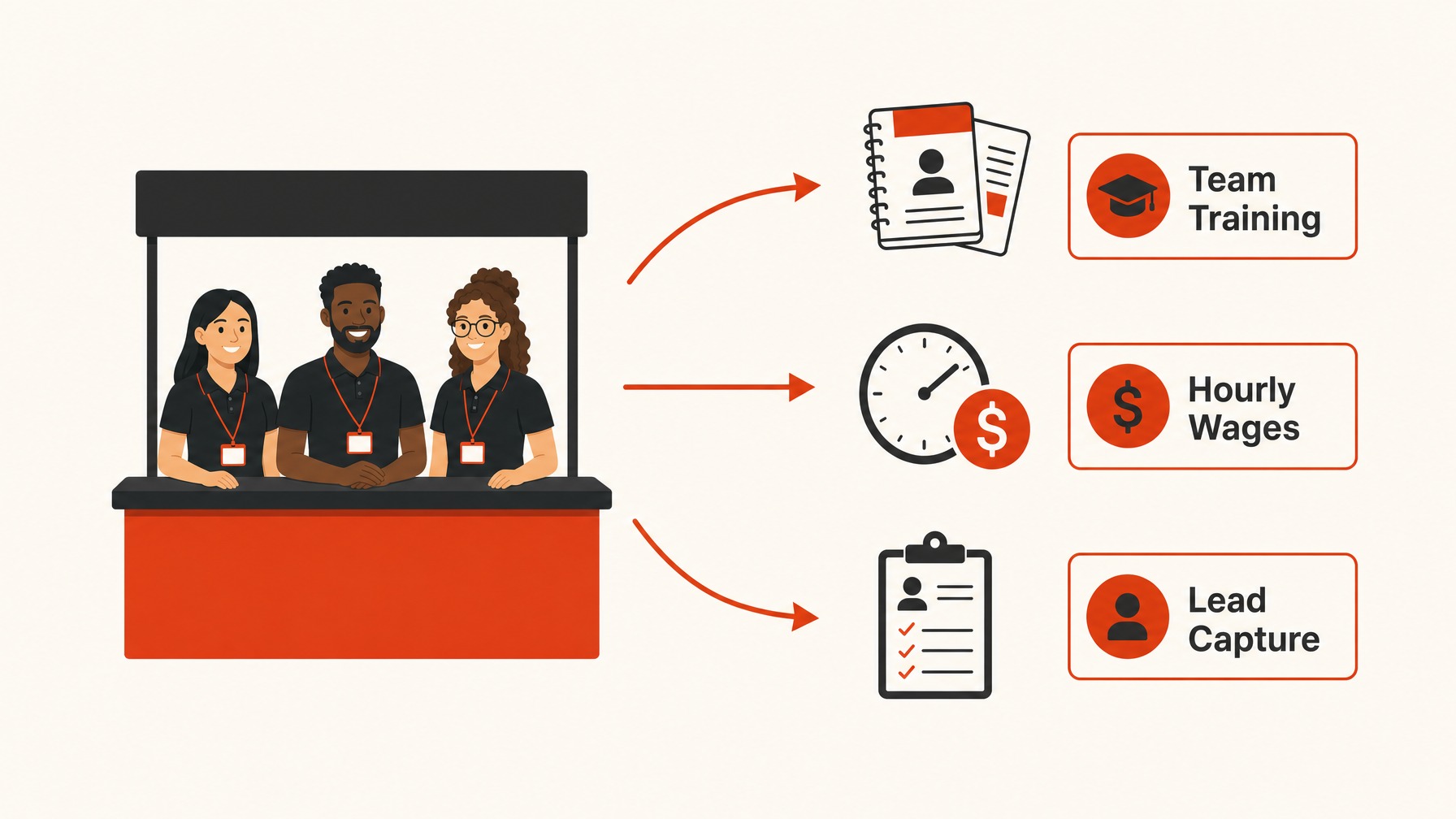
From what I have seen, those who prioritize training often see the best results, as a knowledgeable team is more likely to capture valuable leads.
This means allocating a portion of the budget to invest in comprehensive training sessions prior to the event.
It’s crucial to consider not only the hourly wages but also the costs associated with training materials and potential consultancy fees for professional trainers.
One thing most exhibitors end up doing is underestimating the intricacies involved in training staff for a trade show setting. Beyond the general product knowledge, it’s important to develop soft skills like engagement tactics and active listening to foster meaningful interactions with attendees.
Budgeting for these aspects can significantly enhance the quality of leads generated.
I would say the biggest thing here is making strategic choices about whom to send; you want individuals who are personable and can adapt quickly to fast-paced environments.
It’s not just about the number of staff but ensuring they are the right fit for the exhibition environment. This puzzle piece can be the difference between a booth that thrives and one that merely survives.
Another cost factor arises with the need to possibly fly key staff members to the exhibiting city for training. This adds another layer of complexity to the staffing budget, encompassing both travel and accommodation for pre-show preparation sessions.
Trade shows can be unpredictable, and having a flexible team that’s trained to tackle unforeseen challenges is invaluable.
Ultimately, ensuring your team is well-prepared requires a significant investment, but one that often yields the best returns when properly executed.
These investments often translate into an engaging booth experience that stands out within the crowded trade show floor, garnering higher attendee interest and a better return on investment.
6. Logistics and Transportation Fees
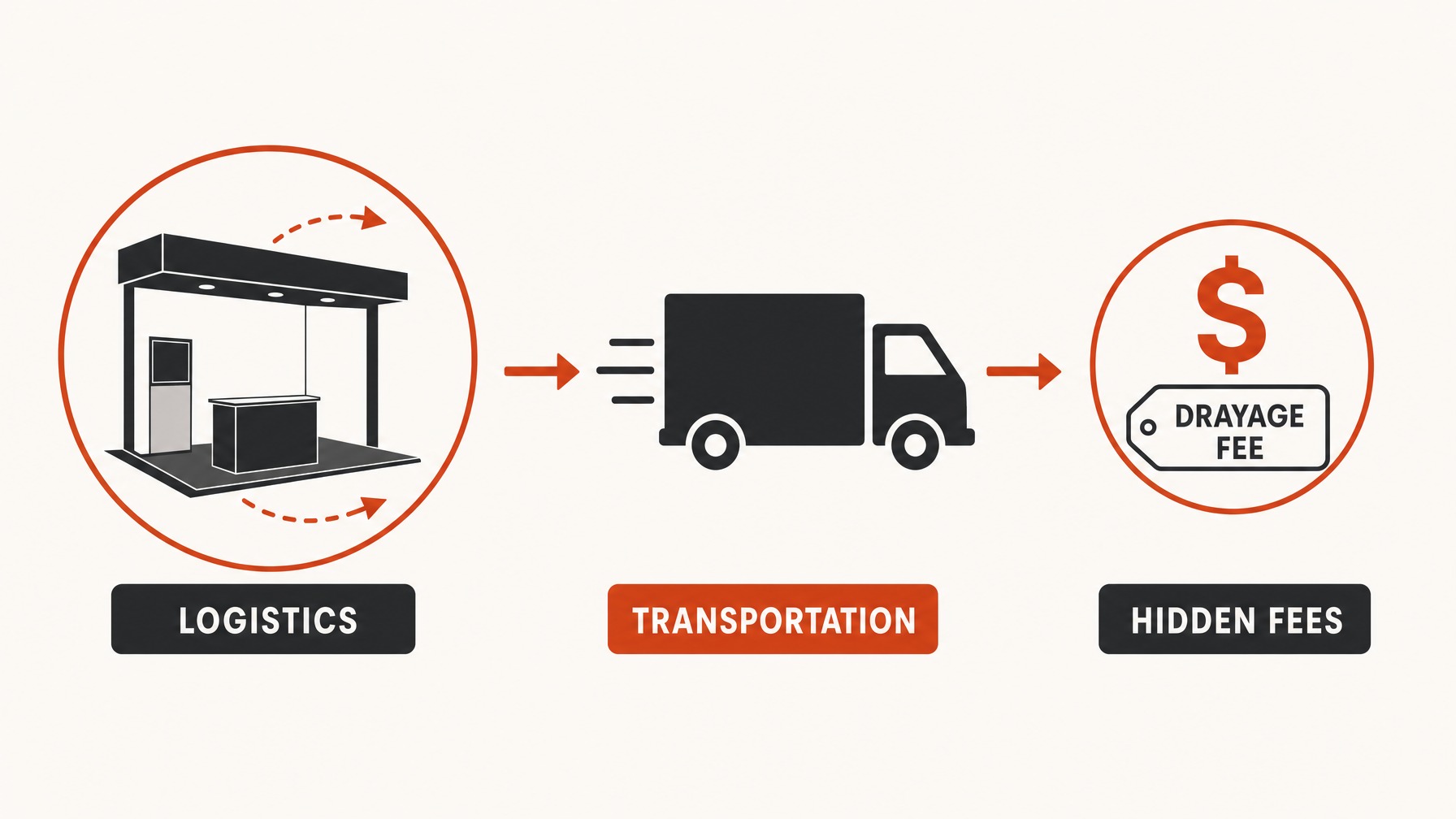
From what I have seen, logistics and transportation can significantly impact your trade show budget if not properly managed. It’s critical to plan the movement of your booth materials well in advance to avoid last-minute expenses.
What really helps is collaborating with a logistics partner who understands the intricacies of trade show shipping.
They will need to handle everything from scheduling freight to tracking shipments, ensuring timely delivery of your materials.
Keep in mind that inexperience in this area can lead to costly mistakes.
Something that comes up a lot is monitoring hidden costs, such as drayage fees, which are often overlooked.
These costs are incurred for the handling of materials from the loading dock to your booth space and should be included in your budget. I would say the biggest thing here is to understand the event’s specific rules and regulations, as they can vary greatly from one venue to another.
Proper labeling and documentation are essential to prevent unnecessary delays, particularly during large events.
Having a solid plan can mitigate the risk of facing unexpected fees.
One thing most exhibitors end up doing is using specialized transport services for their exhibits, which helps simplify the process.
These services often provide a higher level of care, which can mean the difference between damaged goods and a successful setup.
Your logistics partner should offer insight into the best practices for efficient transportation and assist in navigating potential challenges.
Focusing on optimizing scheduling and logistics processes can help reduce transportation fees in the long run.
From what I have seen, the ones that get it right usually see a significant return on investment.
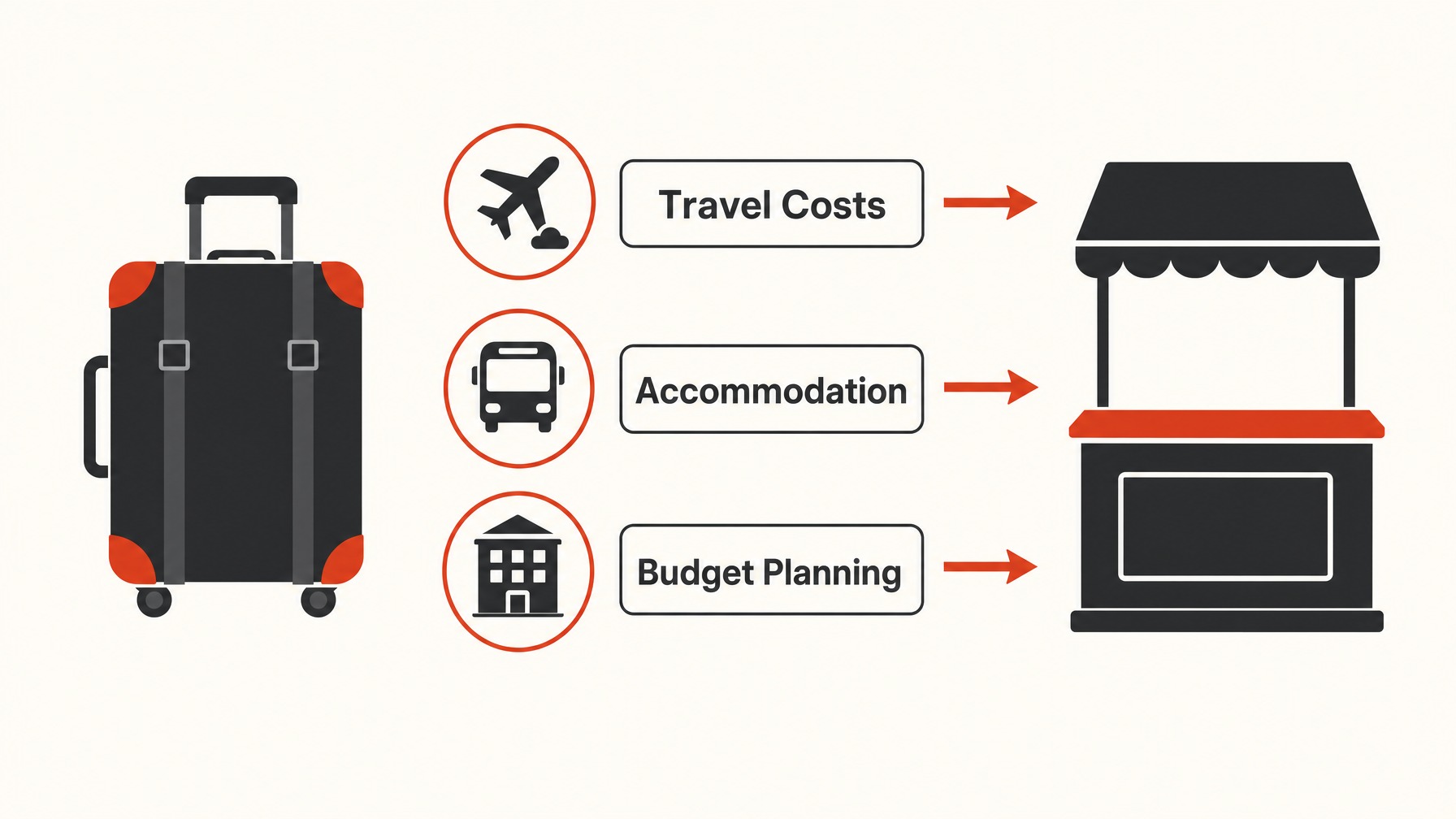
7. Travel and Accommodation Costs
Travel costs are a crucial element that should not be underestimated when planning your trade show budget. What I often see is companies realizing too late that these expenses can significantly impact their bottom line.
It’s not just about booking flights; you need to account for local transportation, daily allowances, and, of course, lodging.
The location of the event plays a substantial role in determining how much you’ll spend, whether it’s a local conference or an international trade show.
Your accommodation should balance being cost-effective while also offering the convenience of proximity to the event, which is essential for timely booth setups and early starts.
I’ve found that booking early often secures better rates and options, reducing potential stress down the road.
One thing many seasoned exhibitors do is negotiate group rates at hotels to save on accommodation costs.
This strategy can be more economical, especially if you are sending a large team.
It also fosters team cohesion by keeping everyone in the same place, facilitating easier meetings and planning sessions before, during, and after the event.
A comprehensive budget for travel and accommodation helps prevent unexpected expenses that could eat into your overall return on investment.
Exhibitant helps simplify these logistical elements as part of their full exhibit strategy services, bridging the gap between planning and executing an effective trade show presence.
With Exhibitant, companies gain an event partner committed to smooth show support rather than just a display vendor, adding value every step of the way.
Closing Thoughts
Having a comprehensive understanding of the various costs involved in exhibiting at a trade show is fundamental to making informed budgeting decisions. The recurring theme across these seven essential costs is that good planning can prevent unexpected expenses and make sure that your investment is effectively directed.
That’s where the art of strategic allocation comes into play knowing where to invest more to get the most out of your return and where to save a little can significantly impact the overall outcomes of your trade show experience.
What we have seen work really well is to view each category not just as a line item, but as an integral part of your overall strategy.
Prioritizing costs based on potential ROI and their alignment with your goals can go a long way in enhancing your booth’s success.
From what I have seen, exhibitors who approach their budgeting process with precision and foresight often find themselves reaping greater benefits when the event concludes.
Keeping each of these seven cost areas in mind as you plan will not only help manage your expenses but also enable you to create a meaningful, engaging experience for attendees.
It’s about maintaining a balance between premium investments in crucial areas while still managing to keep overall costs controlled.
As you prepare for your next trade show, the insights gathered from examining these essential costs will serve as your guide, helping to craft an impactful presence that resonates with your audience and drives measurable results.
Need a booth plan?
Turn show goals into a practical exhibit path
Share your footprint, timeline, and priorities. Our team can help shape the booth direction, graphics, and project support.
Keep planning
More exhibit guidance
Keep exploring practical advice on booth planning, marketing, and getting more from your next show.
Tell us about your business, the buyers you want to reach, and what you want to achieve. Whether you need more sales conversations, stronger marketing, or a trade show presence, we’ll help you identify where to focus and what support makes sense. Together, we can shape a practical plan around your priorities, budget, and timeline.
 Louie J.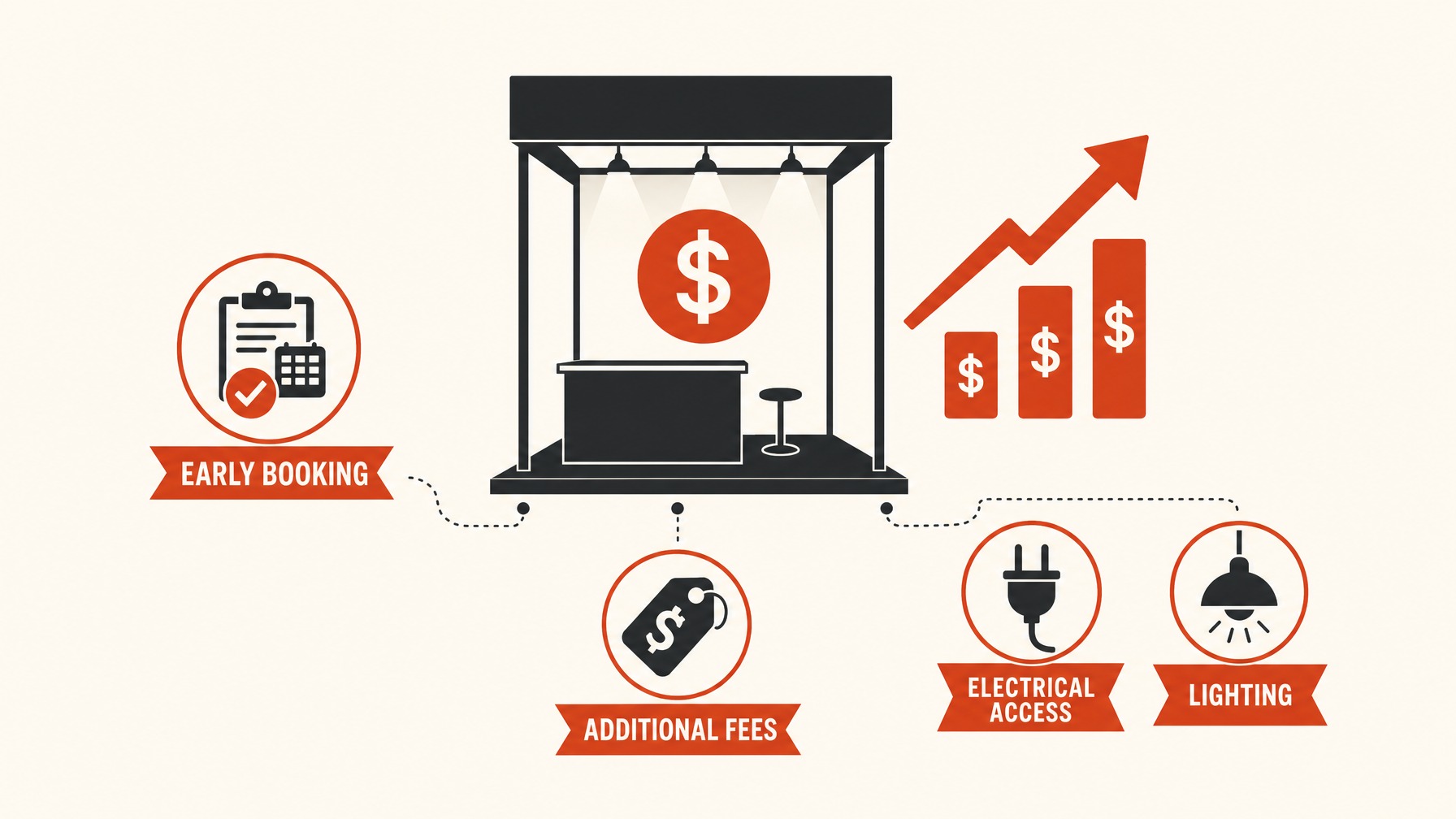

 Lorena G.