In the fast-paced world of trade shows and events, designing for lead capture success is a crucial goal for any exhibitor.
Despite significant planning and execution, capturing quality leads can sometimes fall short of expectations. By focusing on key design elements, your team can enhance visitor engagement and improve lead capture rates.
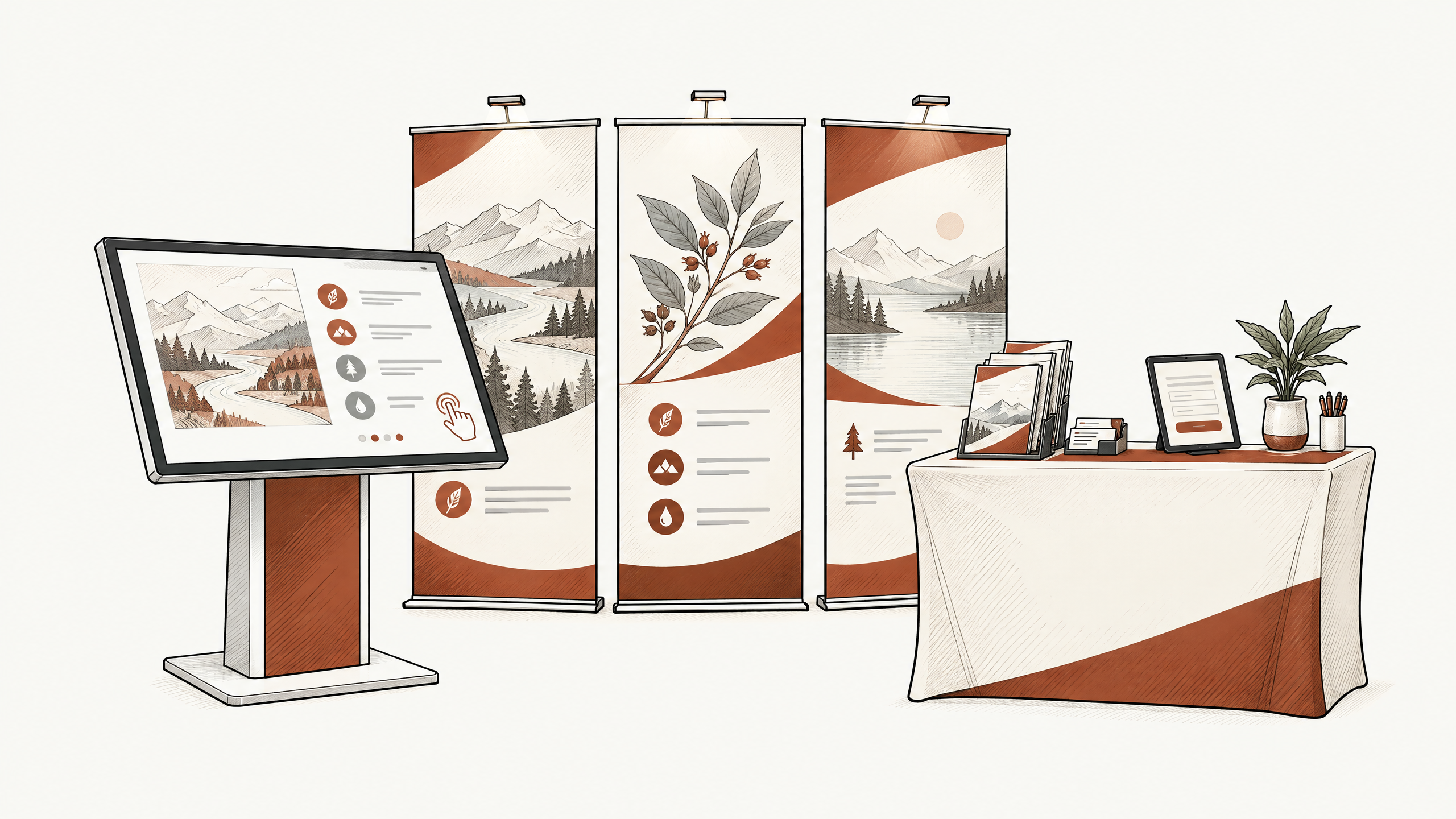
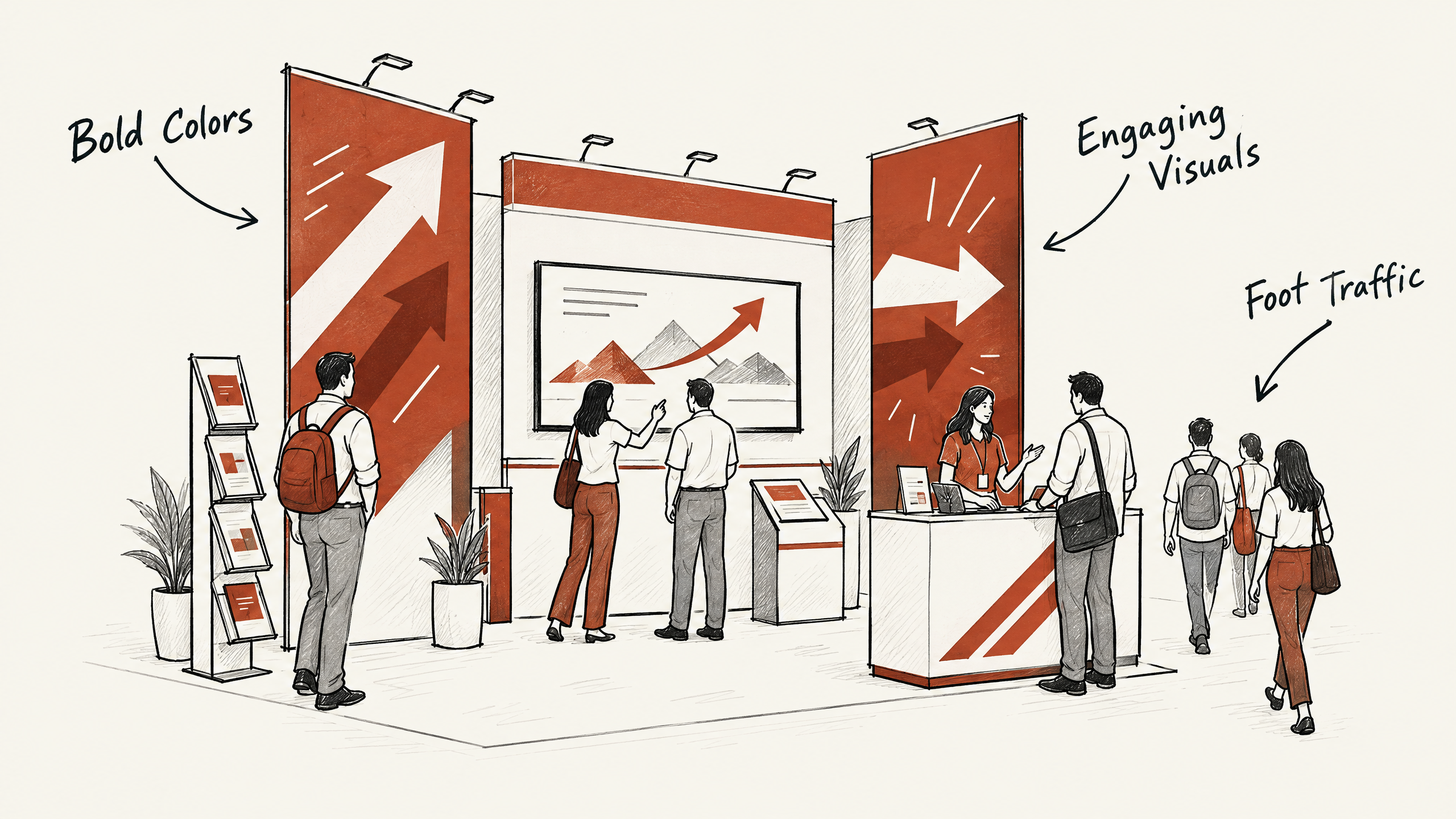
One method to boost your booth’s appeal is by using bold colors and visuals to draw attention and create a memorable experience.
It’s amazing how a splash of vibrant color can make a booth stand out in a crowded venue. The way you integrate interactive design elements can also play a significant role in engaging visitors.
To facilitate effective traffic flow, think strategically about the layout of your booth. An open and inviting space will naturally encourage visitors to explore more.
Strategic lighting not only highlights your products but can create an inviting and dynamic atmosphere. Lighting often sets the stage for what visitors feel before they even step inside your booth.
As we explore these topics, you will discover creative ways to capture leads efficiently and effectively. By the end of this article, you will have actionable insights to enhance your booth’s design and ultimately improve your lead capture strategy.
Key Takeaways:
Use bold colors to attract booth visitors.
Incorporate interactive elements for engagement.
Optimize layout for smooth traffic flow.
Utilize lighting to highlight key areas.
Personalize experiences to capture interest.
Focus on using bold colors and interactive elements to engage visitors effectively.
Improve booth flow by optimizing the layout and using lighting to highlight areas.
1. Use Bold Colors and Visuals
When designing for lead capture success, using bold colors and striking visuals can make a significant impact.
These elements help catch the eye of potential leads, drawing them in from across the event floor. Color psychology plays a crucial role here, influencing mood and behavior.
For instance, red can convey urgency while blue often signals trust and calm.
Choose colors that align with your brand and message goals.
Engaging visuals go beyond just color.
Incorporate large, high-quality graphics or images that tell a story or convey key messages at a glance.
Think of how a strong visual can capture attention and drive foot traffic to your booth. Keep the visuals aligned with your campaign message to create a cohesive experience that supports lead capture goals.
Avoid clutter by focusing on a few impactful images rather than overwhelming potential clients with too many elements.
As you select these design components, balance strong visuals with functionality.
A common mistake is to create overly busy displays that confuse rather than inform.
Instead, highlight your core message with a few vibrant elements that serve as focal points. Experiment with different options to find what best resonates with your target audience.
My advice is to test multiple combinations to see which stands out and facilitates lead generation effectively.
Adding interactive design elements to your lead capture initiatives can significantly boost engagement.
These elements make your booth or digital experience more immersive, encouraging potential leads to spend more time with your brand.
This time investment often correlates with increased interest and the likelihood of converting a visitor into a lead.
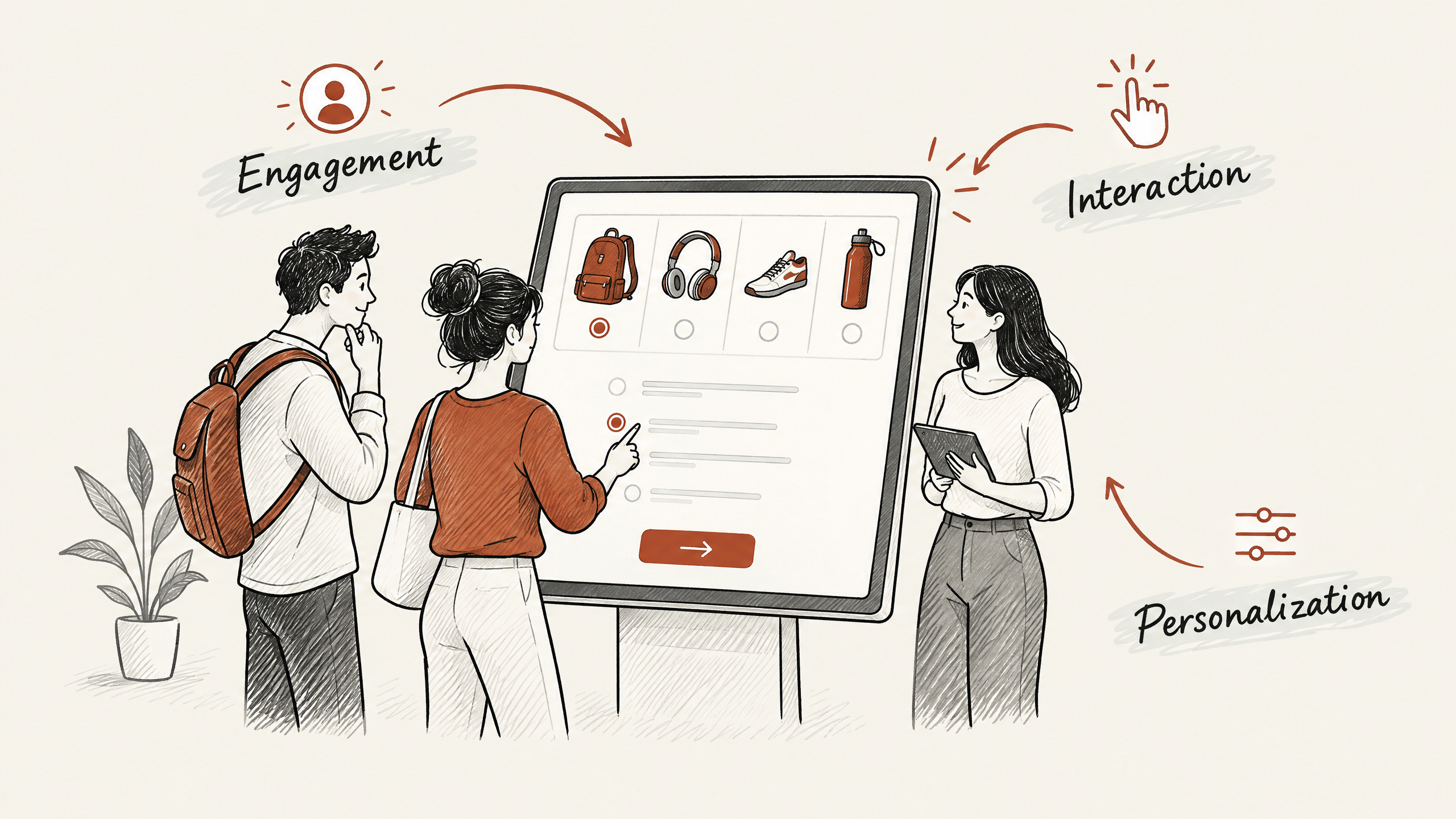
One effective approach is incorporating touch screens or tablets that invite visitors to explore your products or services at their own pace.
You can present interactive demos, quizzes, or even gamified content to keep your audience engaged.
For instance, a touchscreen with a product quiz allows users to answer questions and see personalized product recommendations, creating a memorable interaction.
When designing these experiences, avoid the mistake of overloading visitors with information.
The interaction should be intuitive, with a clear path to conversion. make sure a prominent call-to-action is on the screen, like signing up for more information or entering a drawing. A smooth lead capture form should follow the engagement to capture data while interest is high.
Exhibitant can support your team in developing interactive displays that align with your marketing goals.
Our team can help create engaging content and guide you on incorporating these elements effectively without overwhelming your prospects.
Be mindful of maintenance and technical requirements. make sure devices are in good working condition, and staff are trained to troubleshoot any issues during the event.
Here’s a practical checklist to get started:
Define a clear objective for the interactive element.
make sure the design is intuitive and user-friendly.
Include a prominent call-to-action.
Prepare staff to assist with technical support.
By thoughtfully integrating interactive elements, your lead capture process can not only gather interest but also leave a lasting impression on potential clients.
3. Improve Booth Layout for Traffic Flow
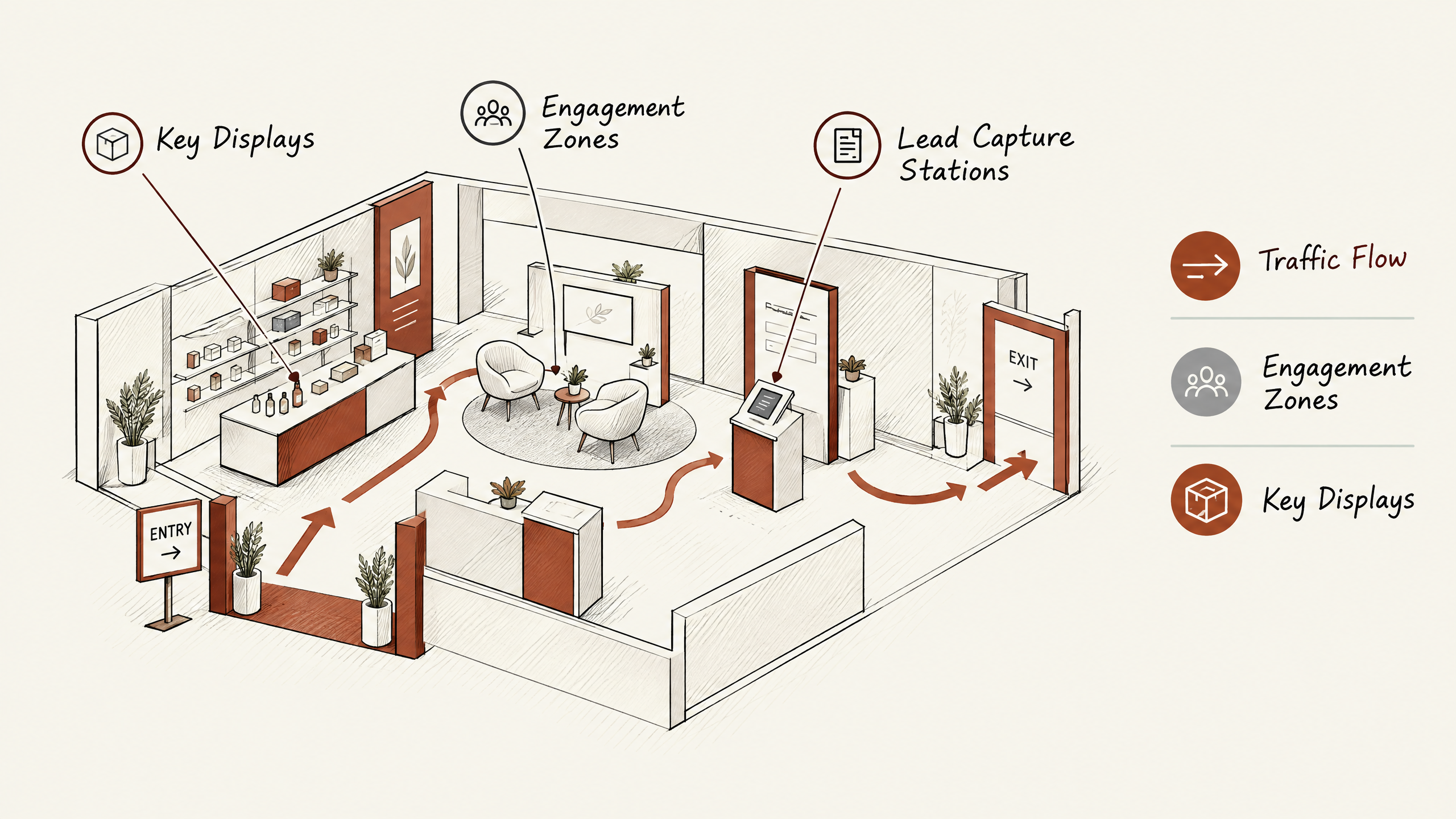
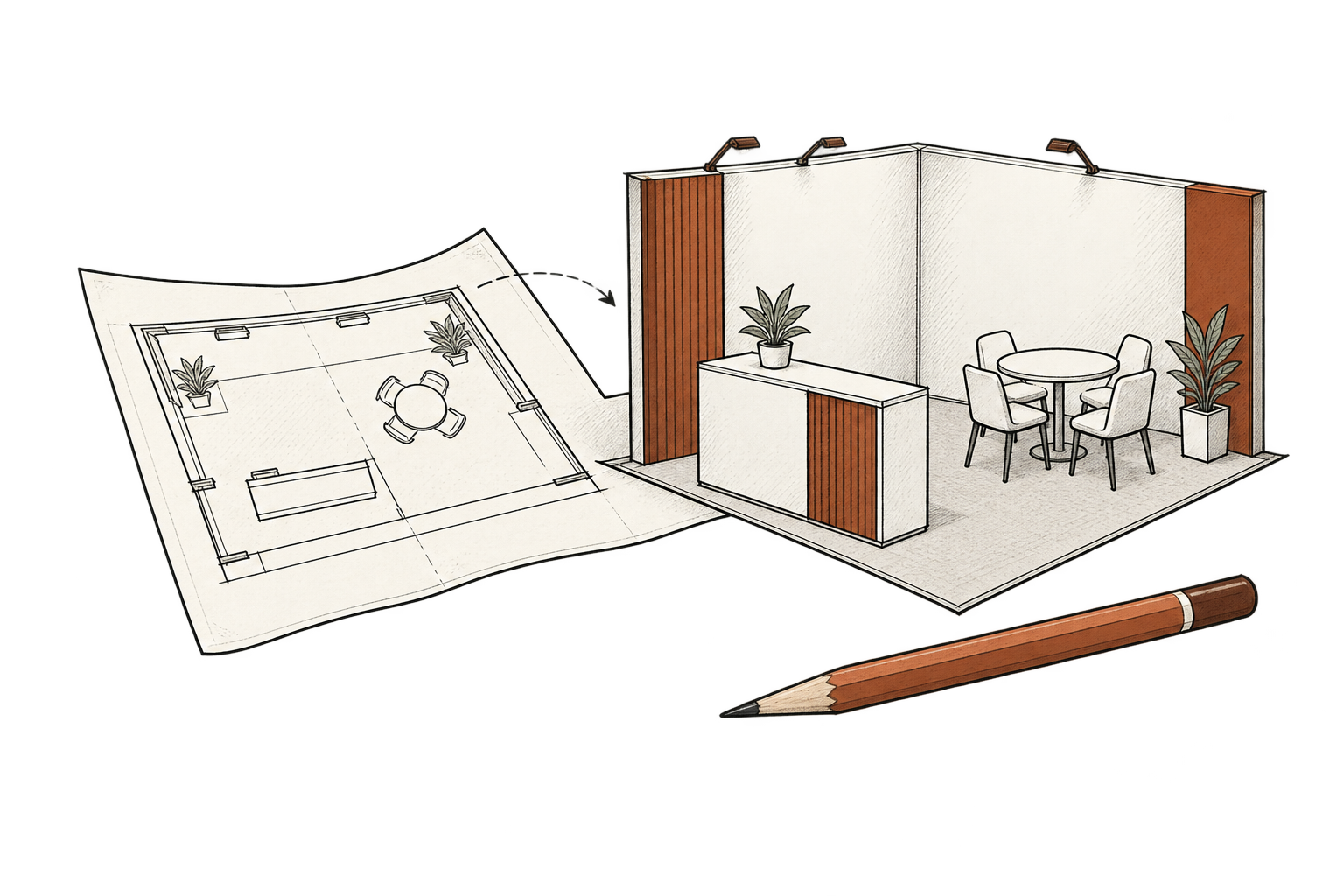
When aiming for successful lead capture, your booth layout must facilitate smooth navigation. This enables potential leads to access key information effortlessly.
First, focus on clear entry and exit points to minimize bottlenecks. Visitors should easily locate and reach product displays and interaction areas.
A well-planned layout isn’t merely about spacing. It tailors to the visitor journey, guiding them naturally to important zones.
Position your lead capture technology in strategic spots like the end of their path through the booth.
This can subtly encourage engagement before they exit.
Consider creating a hypothetical scenario where a visitor walks through your booth.
Start with eye-catching elements to draw them in, and place informative displays along their route to maintain interest. Finally, direct them to a conclusion point with lead capture forms or demo stations.
Pro Tip: make sure smooth navigation within your booth by clearly defining entry and exit points and strategically placing lead capture technology to naturally guide visitors through key interaction areas.
This logical flow can significantly increase visitor engagement.
Don’t underestimate the importance of flexible space configuration. This allows your team to adjust the setup based on visitor patterns during the event.
Common mistakes include overly complex layouts that confuse visitors or lack of clear pathways that discourage exploration.
An effective booth layout supports not just navigation but enhances the overall visitor experience.
You’ll want to conduct tests before the event to make sure flow and adjust in real time based on observation during the exhibition.
4. Use Strategic Lighting Techniques
Effective lighting can significantly influence the attention and engagement visitors have at your booth.
Selecting the right lighting techniques is more than just a design choice; it’s a practical strategy that can direct visitors to key areas and create mood or ambiance.
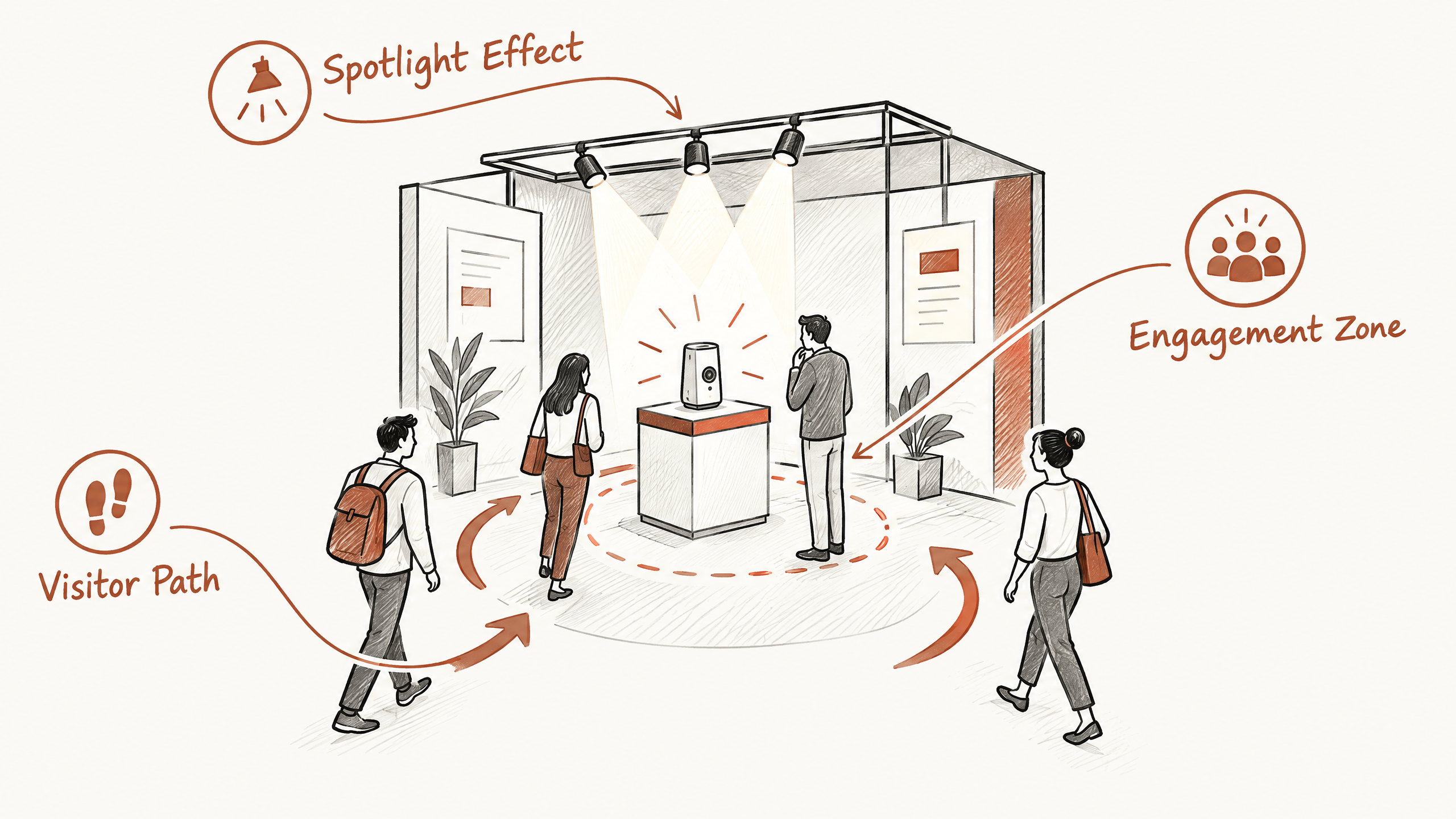
Consider using a combination of spotlights, accent lighting, and ambient lighting to achieve a complete visual experience.
Spotlighting can draw immediate focus to specific areas or products you want attendees to notice first.
It’s particularly useful for booths that have featured displays or interactive elements. When spotlights are directed at a focal point, your team can channel the initial curiosity of visitors effectively, guiding them through a narrative or demonstration planned for lead capture.
Accent lighting can be critical in shaping your overall booth design and enhancing dimensionality.
This type of lighting is ideal for highlighting textures, colors, or branding elements on banners and booths.
By providing subtle highlights, accent lights create a visual hierarchy, making your display not only more engaging but also easier for visitors to navigate.
A common oversight is overloading the space with too much light, which can create glare or uncomfortable environments. Balance is key; too much accent lighting can detract from where you want the visitor’s focus to be.
Important: Balancing lighting is crucial: too much can create an uncomfortable environment, so test your setup in a similar venue to avoid potential pitfalls.
Ideally, test your lighting setup in an environment similar to your actual venue.
This will allow you to fine-tune aspects, avoiding potential pitfalls when surrounded by competing trade show displays.
Incorporate dimmable solutions where possible.
Having control over the brightness can be a great asset for adjusting to venue lighting conditions and visitor flow. Additionally, using color temperature thoughtfully can enhance the mood, drawing visitors into the specific atmosphere you aim to create.
Opt for warmer lights to make the space inviting, or cooler lights to convey sleek professionalism.
Ultimately, the lighting plan should align with your brand’s story and help attendees feel guided and comfortable. A well-lit booth ensures that every part of your exhibit isn’t just seen but seen in the best possible light.
As you’re designing, think about the mood and atmosphere you want to create, and make lighting part of your toolkit for shaping visitor experiences.
5. Create Personalized Visitor Experiences
In today’s competitive trade show environment, crafting a personalized visitor experience can significantly boost lead capture success.
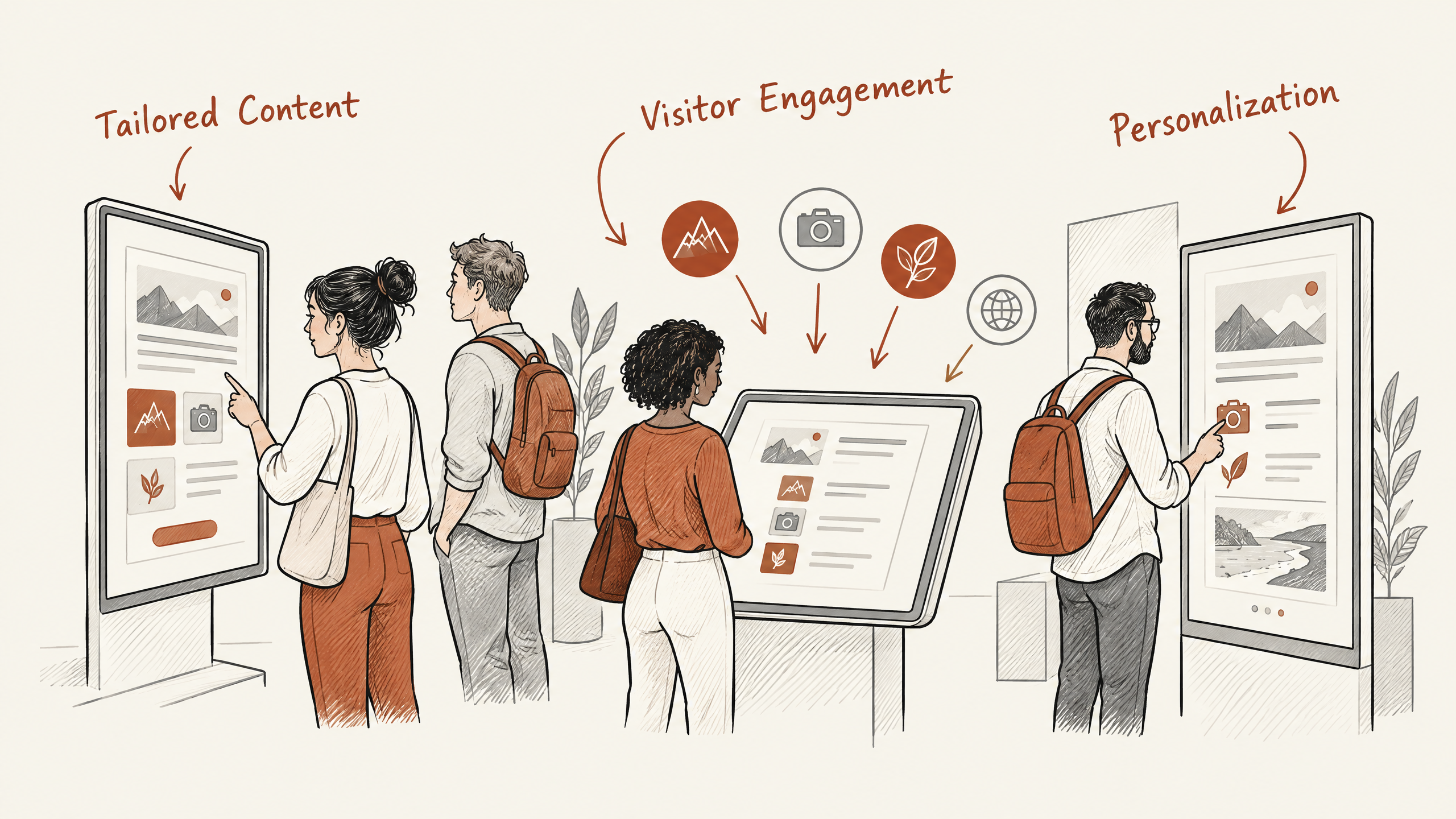
Personalization goes beyond just addressing prospects by name it involves tailoring interactions based on their interests and needs.
A good starting point is to engage with visitors using a brief pre-event survey to gather insight into what they hope to gain.
Armed with this information, adjust your event messaging and materials to target specific audience segments.
For instance, if a subset of attendees is particularly interested in sustainability, make sure your booth showcases eco-friendly products or services.
Use signage and digital displays that speak directly to these themes.
Visitor experience can be further enriched through one-on-one interactions.
Equip your sales representatives with personalized talking points to engage meaningfully with prospects. Encourage them to ask open-ended questions about the visitor’s challenges and goals.
This builds rapport and positions your offering as a potential solution.
Scenario: Assume your company offers a range of software solutions. At the trade show, you encounter a visitor intrigued by your analytics tool.
Based on their survey response, tailor the demonstration accordingly, emphasizing features that align with their interests, such as advanced reporting capabilities.
This focused approach can significantly improve engagement and increase the likelihood of successful lead capture.
A common mistake is offering generic experiences that fail to resonate.
Avoid this by ensuring each visitor leaves with a sense of being understood and valued.
The effort invested in personalizing their experience often results in a stronger connection and enhances the potential for follow-up conversations.
6. Incorporate Technology for Dynamic Engagement
In the digital age, incorporating modern technology can transform your lead capture efforts.
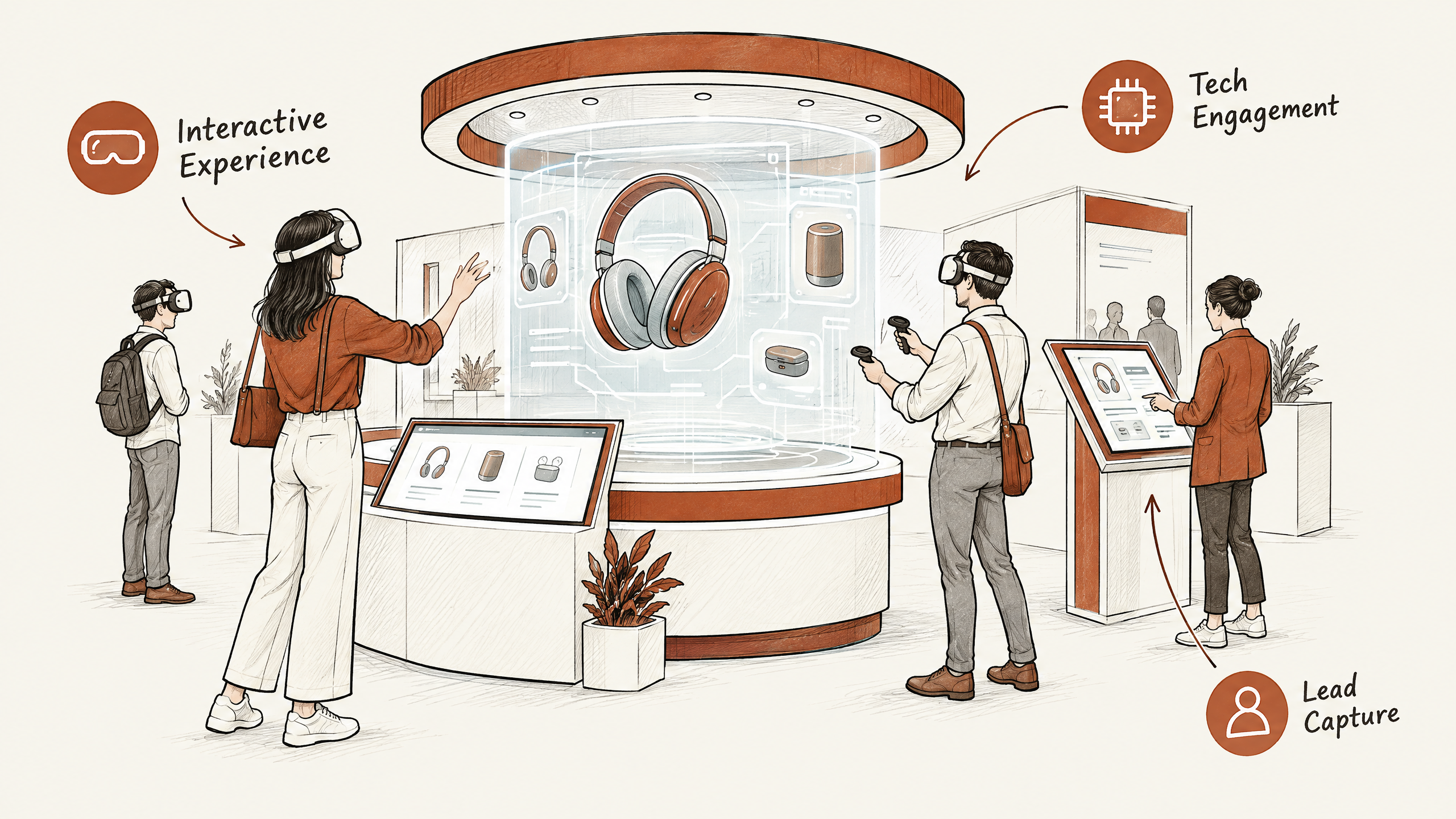
By integrating technology like augmented reality and touch screens, you can create an interactive experience that draws in potential leads. These tools can show your products or services in an immersive way, encouraging visitors to spend more time at your booth and engage with your brand.
Start by determining what type of technology aligns with your brand and objectives.
For example, if your audience is tech-savvy, consider implementing a virtual reality demo to let them experience your offerings firsthand. This approach can generate excitement and facilitate a deeper understanding of your product’s benefits.
Additionally, incorporating interactive surveys or quizzes can not only attract visitors but also provide valuable data on their preferences and needs.
However, it’s essential to recognize the potential pitfalls.
A common mistake is to overload the booth with too many tech elements, which can overwhelm visitors rather than engage them. It’s crucial to select technology that genuinely enhances the visitor’s experience and advances your lead capture strategy.
You can work with an agency like Exhibitant to seamlessly incorporate technology into your next trade show exhibit, ensuring it is both impactful and aligned with your goals.
To avoid missteps, follow a simple checklist: Identify audience preferences, align technology with your objectives, train your team on its use, and monitor visitor interaction.
By focusing on strategic technology integration, you can not only capture leads but also make a lasting impression on potential clients.
Before You Go
Crafting a lead capture strategy that genuinely resonates with your audience is essential.
The creative approaches discussed in this article offer practical ways to engage and convert potential leads effectively.
As you reflect on these strategies, think about how they can be tailored to your specific brand and objectives.
Start by selecting one or two ideas that align well with your current marketing goals. For example, if your priority is enhancing visitor interaction, focus on incorporating interactive design elements and technology.
If you’re looking to attract more foot traffic, consider how bold colors and visuals and strategic lighting techniques could amplify your booth’s presence.
Once you’ve identified your focus, involve your team to brainstorm concrete steps for implementation.
It’s not just about making changes for the sake of it. The goal is to create a cohesive and personalized experience that encourages engagement and interest from potential clients.
Remember, the key to successful lead capture lies in thoughtful planning and execution.
As your team moves forward, continue to test and refine these strategies. Adjust them based on feedback and results, keeping your efforts aligned with the evolving interests of your audience.
Thoughtful execution will help you capture leads that are genuinely interested and likely to convert into lasting business relationships.
Need a booth plan?
Turn show goals into a practical exhibit path
Share your footprint, timeline, and priorities. Our team can help shape the booth direction, graphics, and project support.
Keep planning
More exhibit guidance
Keep exploring practical advice on booth planning, marketing, and getting more from your next show.
Tell us about your business, the buyers you want to reach, and what you want to achieve. Whether you need more sales conversations, stronger marketing, or a trade show presence, we’ll help you identify where to focus and what support makes sense. Together, we can shape a practical plan around your priorities, budget, and timeline.
 Lorena G.
 Louie J.