
Exhibitant insights

Get practical ideas for your next campaign or show

Join our newsletter for advice on reaching B2B buyers, planning outreach, and getting more from trade shows.

B2B lead generation

Ideas for prospect research, outreach, and follow-up.

Trade show exhibits

Tips for booth design, graphics, and show preparation.

Trade Show Planning

4 Key Steps for Developing an Effective Trade Show Staff Plan

Discover actionable steps to create a trade show staff plan that ensures success and engagement.

Planning a trade show can be a massive undertaking, especially when organizing your staff. An effective trade show staff plan is vital to make sure everything runs smoothly.

Without clear guidance, staff can become easily overwhelmed, leading to a less successful event.

Here is how I would approach it.

Your staff’s performance is pivotal, influencing the experience of every attendee they engage with.

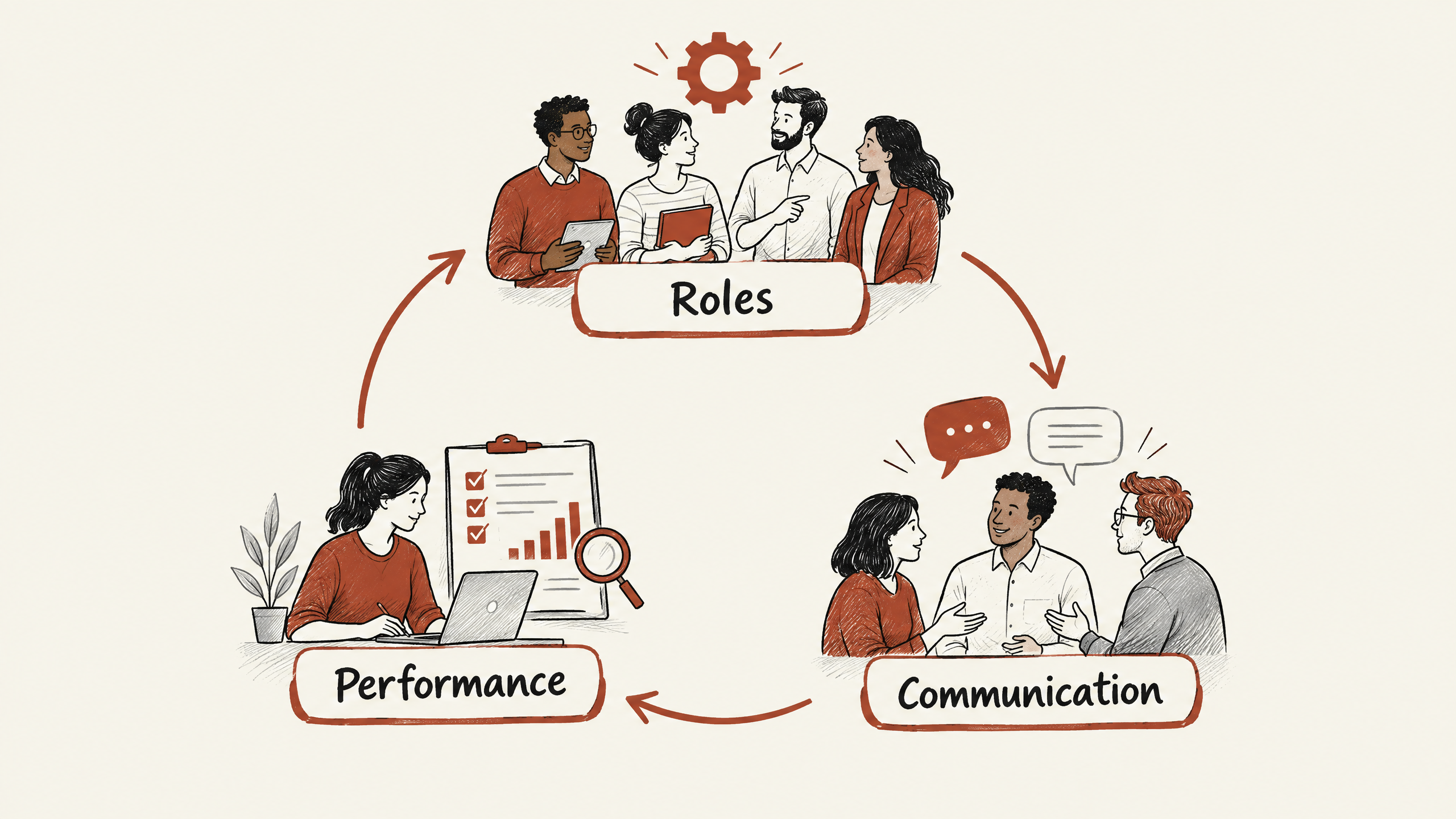
Defining roles and responsibilities is essential to create a smooth experience for both staff and attendees. This clarity helps prevent miscommunication and ensures each team member knows their tasks.

Training and preparing your team is not an optional step.

By dedicating time to prepare your team, you make sure they represent the brand well and handle unexpected situations with confidence. A trained team can adapt to the unpredictable dynamics of a trade show floor.

Once your team is in place, a solid communication plan is crucial for maintaining coordination during the event.

This communication strategy enables your team to stay updated and react promptly to any changes.

Communication is the backbone of a smoothly operated trade show.

I’ll walk you through the steps to develop a comprehensive trade show staff plan.

These steps will equip you to make informed decisions and refine your approach for future events.

Upon reading, you’ll be ready to use strategies for each phase, ensuring your team is prepared and your trade show is successful.

Key Takeaways:
  • Define clear roles and responsibilities for each team member.
  • Schedule training sessions to enhance staff skills and confidence.
  • Create a communication plan for seamless coordination.
  • Implement a feedback system to improve future events.
  • Monitor staff performance and adjust tactics as needed.

Defining clear roles and responsibilities helps your team work more efficiently. Scheduling training boosts their skills and confidence, ensuring smooth operations.

1. Define Roles and Responsibilities

Before jumping into a trade show, focus on defining roles and responsibilities for your team. A clear organizational structure will help your team operate efficiently and get the most out of the trade show’s potential.

When everyone’s duties are spelled out, it reduces confusion and improves performance on the day of the event.

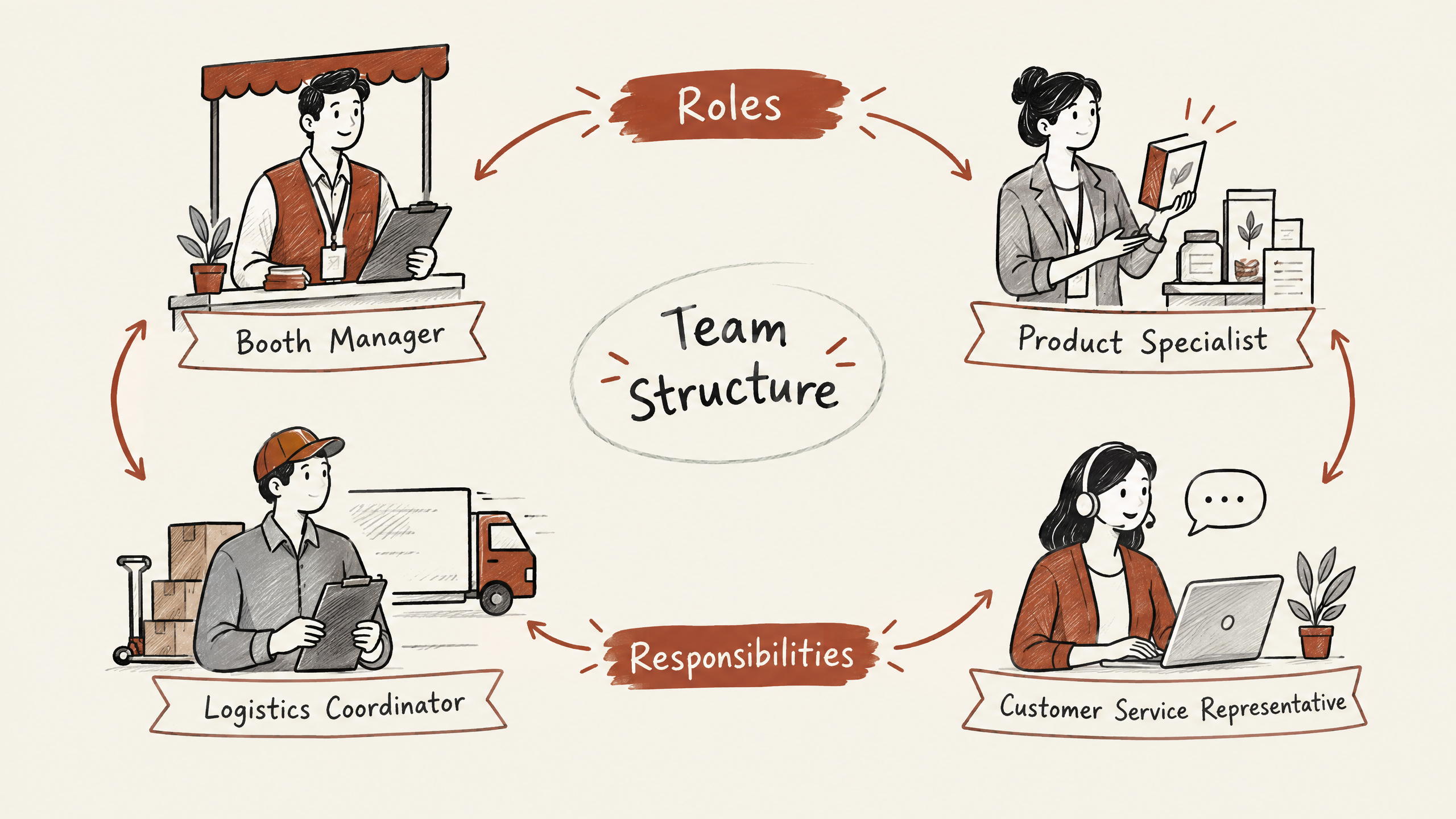
Start by categorizing essential roles in your team.
1. Define Roles and Responsibilities — 4 Key Steps for Developing an Effective Trade Show Staff Plan

Common roles include booth manager, who oversees the entire operation, product specialists to engage and educate attendees, and logistics coordinators to keep everything running smoothly.

Having a clear structure ensures no area is overlooked.

Depending on your trade show presence, appoint customer service representatives to handle inquiries.

Marketing leads can collect and follow up on attendee interest. Define these roles based on your staffing capacity and specific event focus.

Once roles are assigned, detail the specific duties within each role. Each team member should know their main tasks along with backup responsibilities if another team member is unavailable.

This way, your booth can function without disruption.

A clear understanding of duties and inter-team dependencies helps minimize downtime and increases each member’s effectiveness. Involve your team during the planning stage.

They can provide input on role allocations based on their skills and experience, leading to increased buy-in.

  • Booth Manager: Oversees the setup and coordination.
  • Product Specialists: Engages attendees and provides product info.
  • Logistics Coordinator: Manages schedules and operational needs.
  • Customer Service: Handles inquiries and guest support.
  • Marketing Leads: Collects data and initiates follow-up.

Incorporating the Exhibitant team into role definition can provide additional expertise and support, especially when handling complex logistics or marketing strategies.

We offer services to help organize and define these roles effectively.

2. Train and Prepare Your Team

Effectively training your trade show staff is a cornerstone of successful participation.

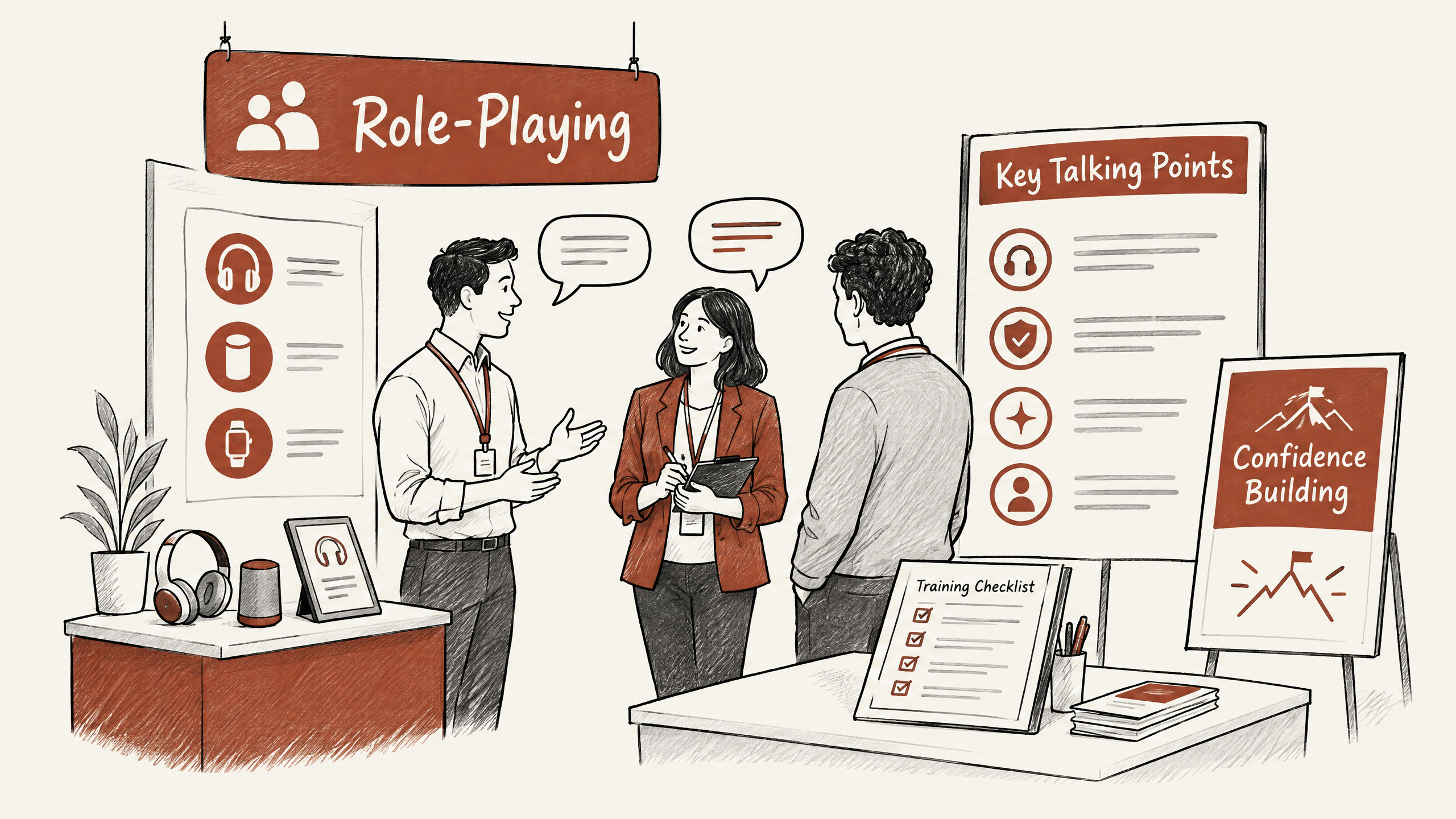
It’s essential to make sure each team member is well-prepared and confident in their role. First, organize training sessions that cover the booth’s mission, products, and key talking points.

This helps staff members understand overarching objectives and how their presence contributes to meeting trade show goals.
2. Train and Prepare Your Team — 4 Key Steps for Developing an Effective Trade Show Staff Plan

Incorporate role-playing exercises to simulate real-world interactions.

These exercises give your staff practical experience using their knowledge and enable them to engage visitors effectively.

Practice handling common questions and objections to improve reactions and build confidence.

Aim to replicate genuine scenarios they might encounter on the trade show floor.

Beyond technical knowledge, emphasize the importance of attitude and body language. A positive demeanor can be just as crucial as product expertise.

Encourage staff to maintain eye contact, use a friendly tone, and exhibit approachable non-verbal cues. These elements can significantly enhance visitor engagement and foster productive conversations.

Another key aspect is addressing crisis management.

Traders should know how to handle unexpected issues. Develop a basic protocol to guide team responses to various scenarios, from equipment malfunction to unexpected attendance surges.

Having a plan empowers your team to address issues calmly and efficiently.

Regularly reviewing the training content and soliciting feedback can help you continually improve future preparations.

With thorough training, your team will be better equipped to represent your brand effectively, handle inquiries, and navigate challenges gracefully during the event.
3. Use a Communication Plan

An effective communication plan ensures your team is on the same page throughout the trade show.

This coordination not only helps in managing everyday tasks but also in quickly addressing unexpected challenges.

Having a solid plan in place facilitates smooth operations, creating a smooth experience for both your team and attendees.

3. Use a Communication Plan — 4 Key Steps for Developing an Effective Trade Show Staff Plan

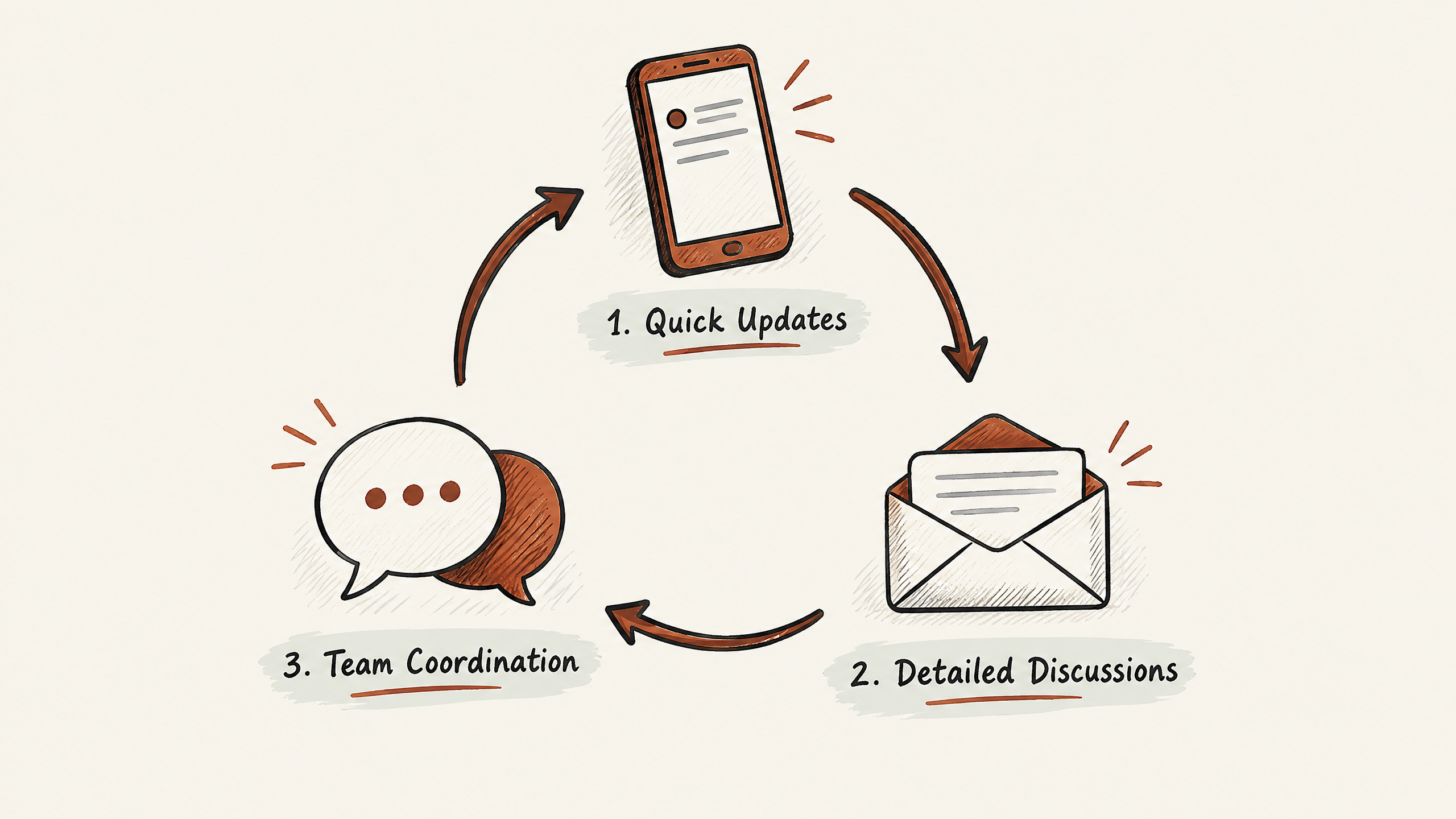
A communication plan should outline when and how to use different communication channels.

Decide whether text, email, or face-to-face meetings are preferred for various scenarios.

For instance, use group messaging apps for quick updates, while detailed discussions can occur during morning briefings.

Using Exhibitant‘s exhibitor support services can enhance these efforts by aligning digital communications with an on-site strategy.

make sure every team member knows the communication plan before the event. Hold a pre-show meeting to review expectations and address any questions.

Create a contact list with roles and responsibilities clearly mentioned. This way, the right person can be reached for specific concerns, enhancing efficiency.

  • Channel Selection: Determine primary modes of communication.
  • Roles and Contacts: List team members and their responsibilities.
  • Timing: Schedule regular updates and check-ins.

A common mistake is underestimating the time needed to communicate effectively.

Avoid this by setting up brief, regular sessions to touch base. Efficient communication is crucial not only for operations but also for maintaining team morale and focus throughout the hectic days of a trade show.

4. Monitor and Adjust Staff Performance

Once your trade show is underway, it’s crucial to have a system in place to monitor and adjust staff performance.

This ongoing evaluation helps make sure that your team is operating smoothly and making the most of every interaction with potential clients.

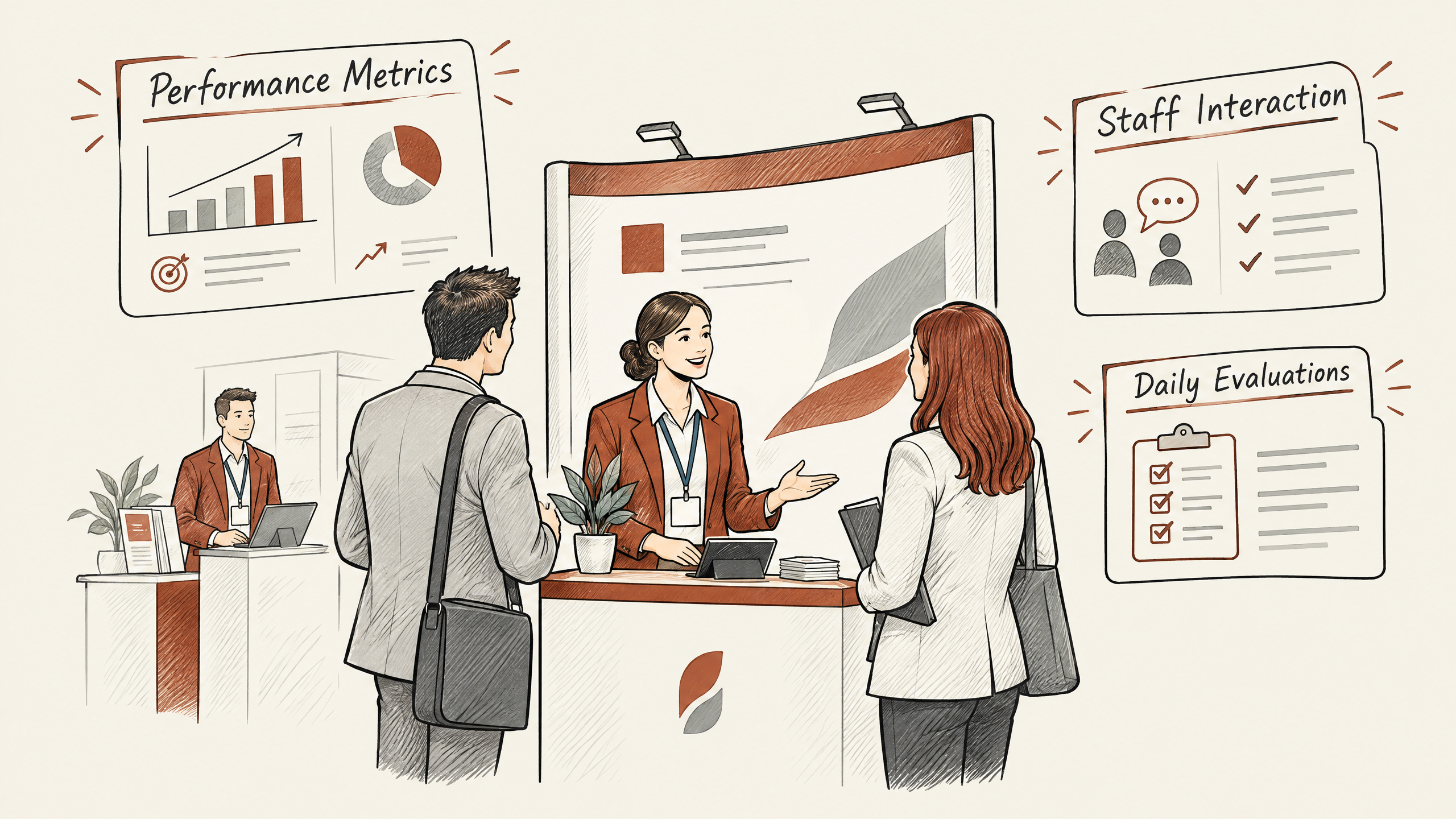
Begin by setting clear performance metrics before the event.

4. Monitor and Adjust Staff Performance — 4 Key Steps for Developing an Effective Trade Show Staff Plan

These could include the number of leads generated per staff member, the quality of lead interactions, or the percentage of time engaged with attendees.

To effectively track these metrics, you can use simple tools such as checklists or forms that your team can fill out at the end of each day.

These tools make it easier to record interactions and outcomes quickly.

Then, have a dedicated person responsible for gathering these evaluations and summarizing the day’s performance.

A daily review meeting can be invaluable here, as it allows your team to discuss what’s working, analyze any issues, and pivot strategies as required.

Consider adjusting your staffing plan based on this feedback, whether it’s shifting focuses or redistributing workload.

A common mistake is to wait until after the event to assess team performance.

By continuously monitoring and adjusting, you can make real-time decisions that have an immediate impact on your trade show’s success. For instance, you might find that an underperforming area of the exhibit needs more staff or realize that a particular pitch resonates better with attendees.

Capturing that information as it happens allows your team to capitalize on what’s working, thus enhancing overall performance.

Remember to be flexible and maintain open lines of communication throughout the process.

Encourage feedback from your team, as they might have useful insights into attendee behavior or logistical challenges. help them to suggest improvements and take ownership of their performance.

By doing so, you foster a proactive environment where staff members are motivated to excel.

The Bottom Line

Creating an effective trade show staff plan is about ensuring that your team is ready, informed, and adaptable.

By clearly defining roles and responsibilities, you set the stage for efficiency and success. This clarity helps align expectations and allows team members to focus on their specific duties.

Training and preparation are the up-front investments that yield dividends during the event.

The Bottom Line — 4 Key Steps for Developing an Effective Trade Show Staff Plan

When your staff is well-prepared, they’re more likely to engage prospects effectively and represent your brand professionally.

It’s vital to establish a solid communication plan to address any issues that arise and keep everyone synchronized.

This open line of communication will also make post-event feedback more solid and actionable.

Monitoring and adjusting staff performance in real-time not only helps you manage challenges effectively but also provides insights for future improvements.

This real-time feedback loop is essential for maximizing your team’s effectiveness and ensuring a productive trade show experience.

As you plan your next event, use these strategies to create a staff plan that not only supports your objectives but also enhances the overall return on investment.

Keeping your staff motivated, informed, and adaptive can lead to meaningful connections and business growth.

Need a booth plan?

Turn show goals into a practical exhibit path

Share your footprint, timeline, and priorities. Our team can help shape the booth direction, graphics, and project support.

Hand-drawn booth floor plan and exhibit with cedar accents

Contact our team

Tell us who you want to reach

Tell us about your business, the buyers you want to reach, and what you want to achieve. Whether you need more sales conversations, stronger marketing, or a trade show presence, we’ll help you identify where to focus and what support makes sense. Together, we can shape a practical plan around your priorities, budget, and timeline.

info@exhibitant.com

Tell us what you need

A few details will help us make the most of our conversation.