 Louie J.
Creating an effective booth message is both an art and a science.
It’s about more than just catching attention; it’s about clearly conveying what sets your brand apart. With thousands of potential attendees passing by, your booth message needs to be both inviting and informative.
Here is how I would approach it.
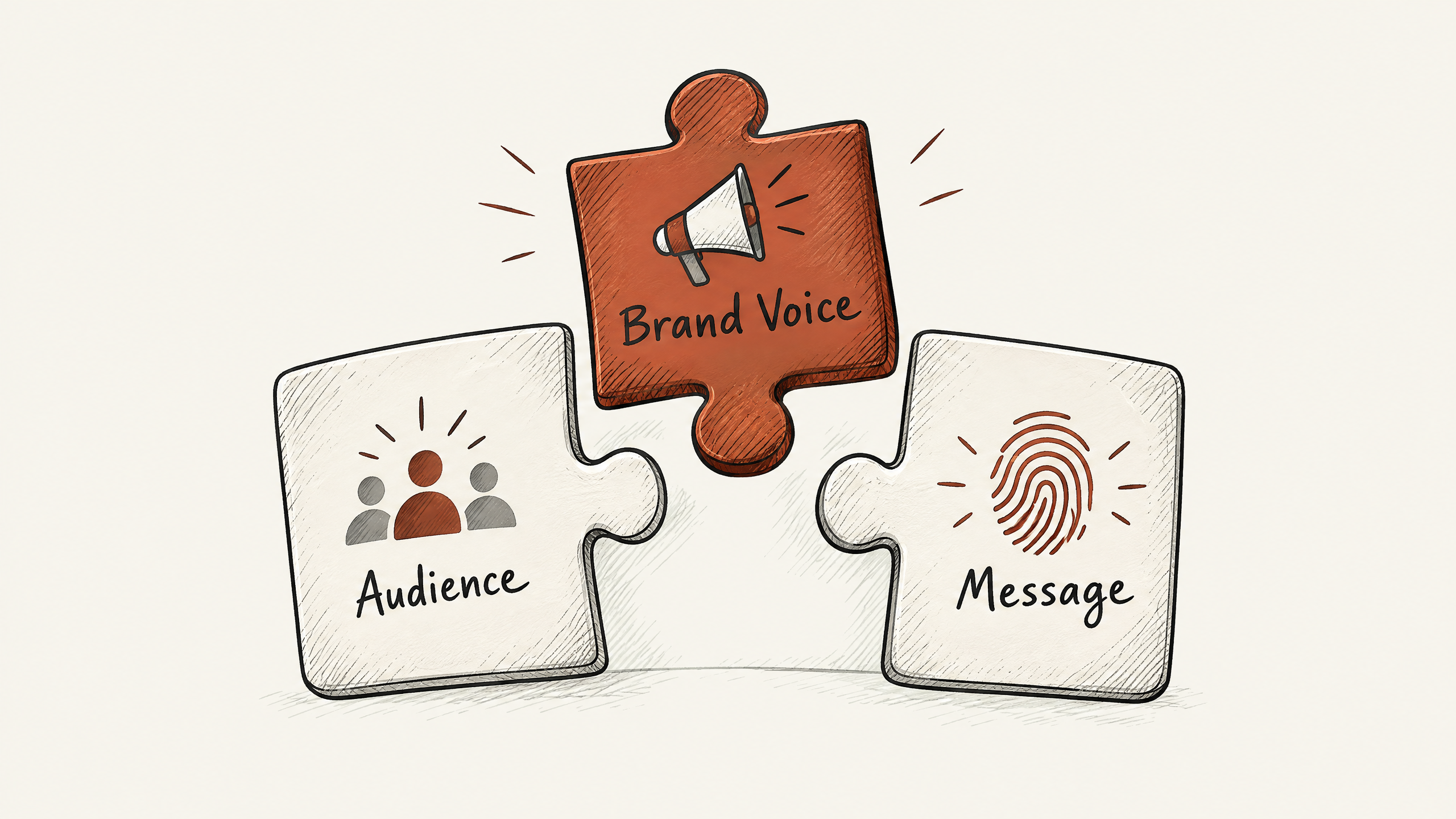
As you’re crafting this message, you must focus on six essential elements.
Start by knowing your audience. This ensures your message resonates with the right people and draws them in.
Without this foundational understanding, even the most compelling message can fall flat.
Clarity and conciseness are your next priorities. A muddled or overly complex message will lose interest quickly.
On the flip side, a clear and succinct message sticks in the mind, making your booth memorable.
Highlighting your unique selling points will also help your message stand out in a crowded exhibition hall.
After reading this article, you’ll have the practical insights needed to craft a compelling booth message. You will be equipped to engage your audience effectively, ensuring your booth doesn’t just blend into the background but becomes a focal point.
Let Exhibitant guide you through the process with these tried-and-true strategies.
- Tailor your message to your target audience for maximum impact.
- Utilize concise and powerful language for clarity.
- Highlight unique benefits or solutions your brand offers.
- Incorporate engaging visuals to reinforce your message.
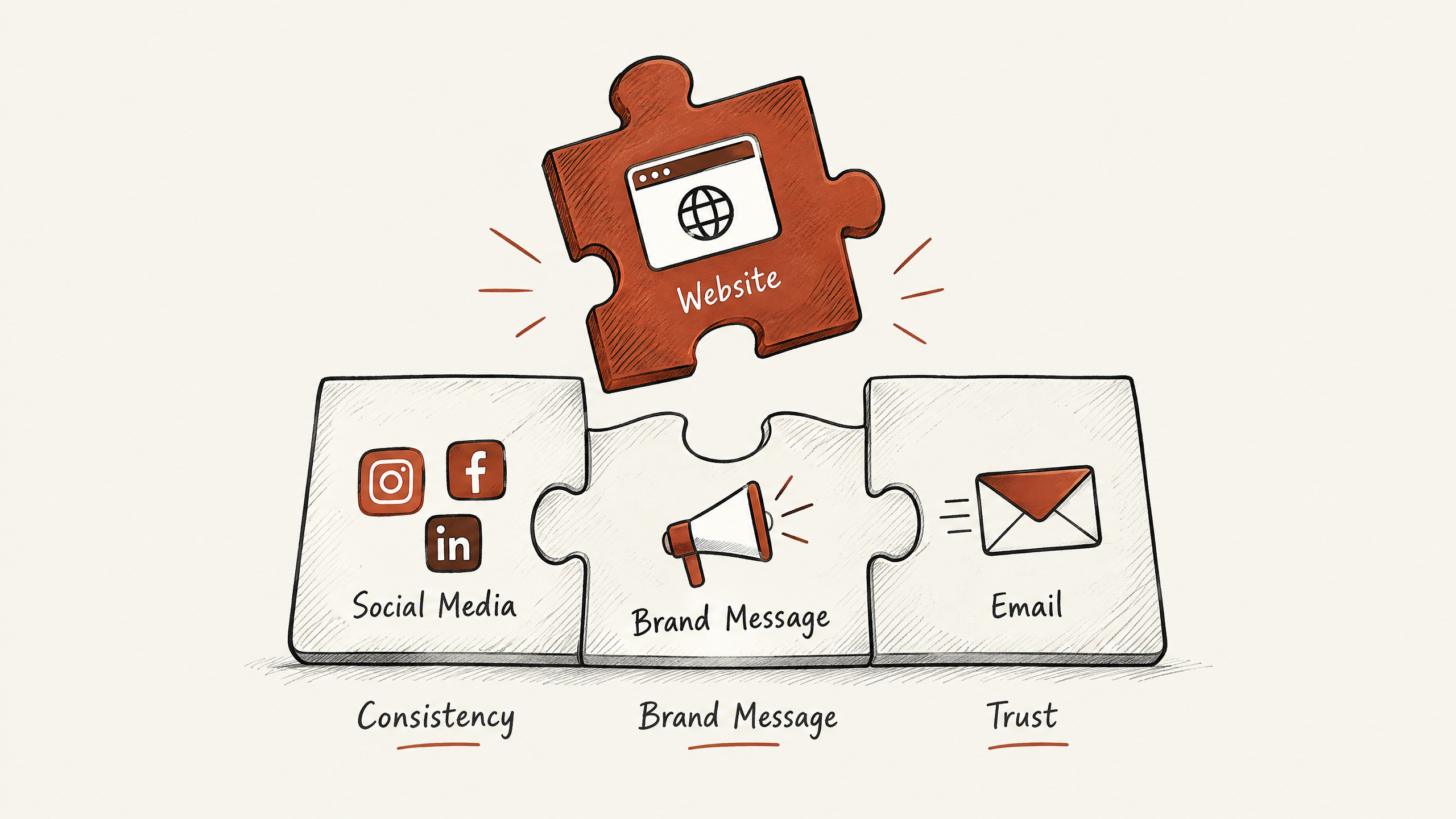
- Prepare a consistent message across team and materials.
Craft a clear, engaging message that highlights your brand’s unique benefits.
Make sure your whole team aligns with this consistent message for greater impact.
1. Know Your Audience
The foundation of any successful booth strategy is a deep understanding of your target audience. Start by identifying the demographics and preferences of the visitors you expect to attract.
For example, are they C-suite executives, mid-level managers, or technical experts?
Each group will respond differently to your message.

Knowing who your audience is will help you tailor your booth message to address their specific needs and interests.
When crafting your message, think about the key challenges your audience faces and how your product or service can solve those problems.
A message that speaks directly to their pain points and offers a clear solution will resonate far more effectively than a generic pitch. Suppose you’re targeting sales leaders who struggle with reducing lead response time.
In that case, a message like “simplify your sales process and respond to leads in real-time” will have their attention.
Pro Tip: To effectively engage your target audience, tailor your booth message by identifying their specific challenges and offering clear solutions that show your product’s unique benefits.
It’s also essential to consider audience engagement methods.
Surveys, industry reports, and social media listening can provide invaluable insights into their interests and behaviors.
Use this information to develop a message that not only captivates but also fosters interaction. A common mistake is underestimating the diversity of potential booth visitors.
Avoid this by designing messages that speak to primary and secondary targets without diluting the core message.
2. Keep It Clear and Concise
An effective booth message needs to be straightforward and easily digestible. Attendees often have limited time as they navigate the busy trade show floor, so your message should be able to capture their attention quickly.
Aim for a concise message that communicates your core offering in one or two sentences.
Avoid jargon and overly complex language that might confuse passersby.
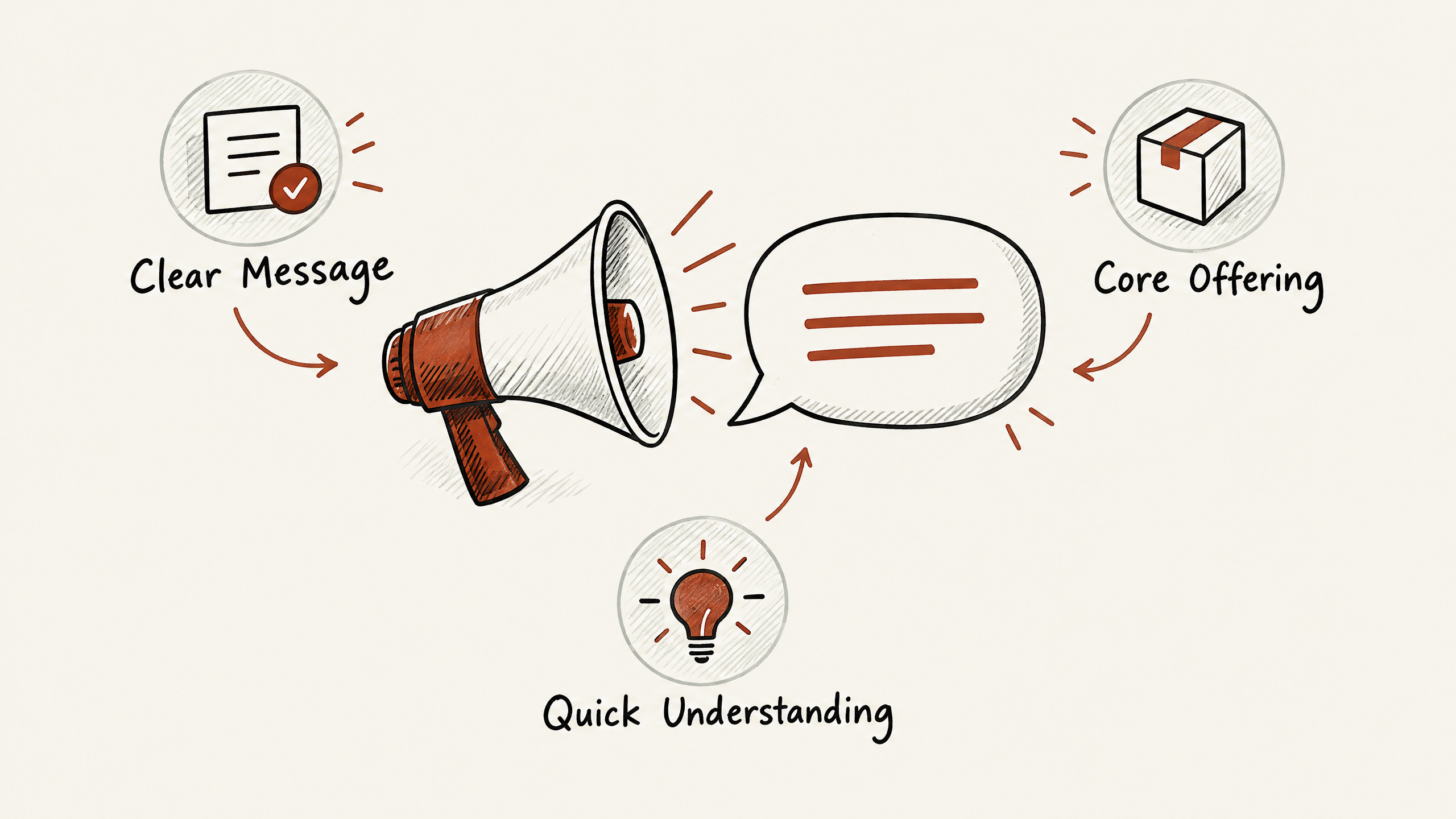
When crafting your booth message, remember the importance of clarity.
You want visitors to immediately understand what your business does and how it can benefit them.
Consider using active verbs and compelling language that resonates with your target audience.
Important: Focus on clarity by crafting a concise booth message that highlights your core offering in one or two sentences, avoiding jargon to make sure quick understanding.
For instance, if your product improves efficiency, emphasize how it saves time and enhances productivity.
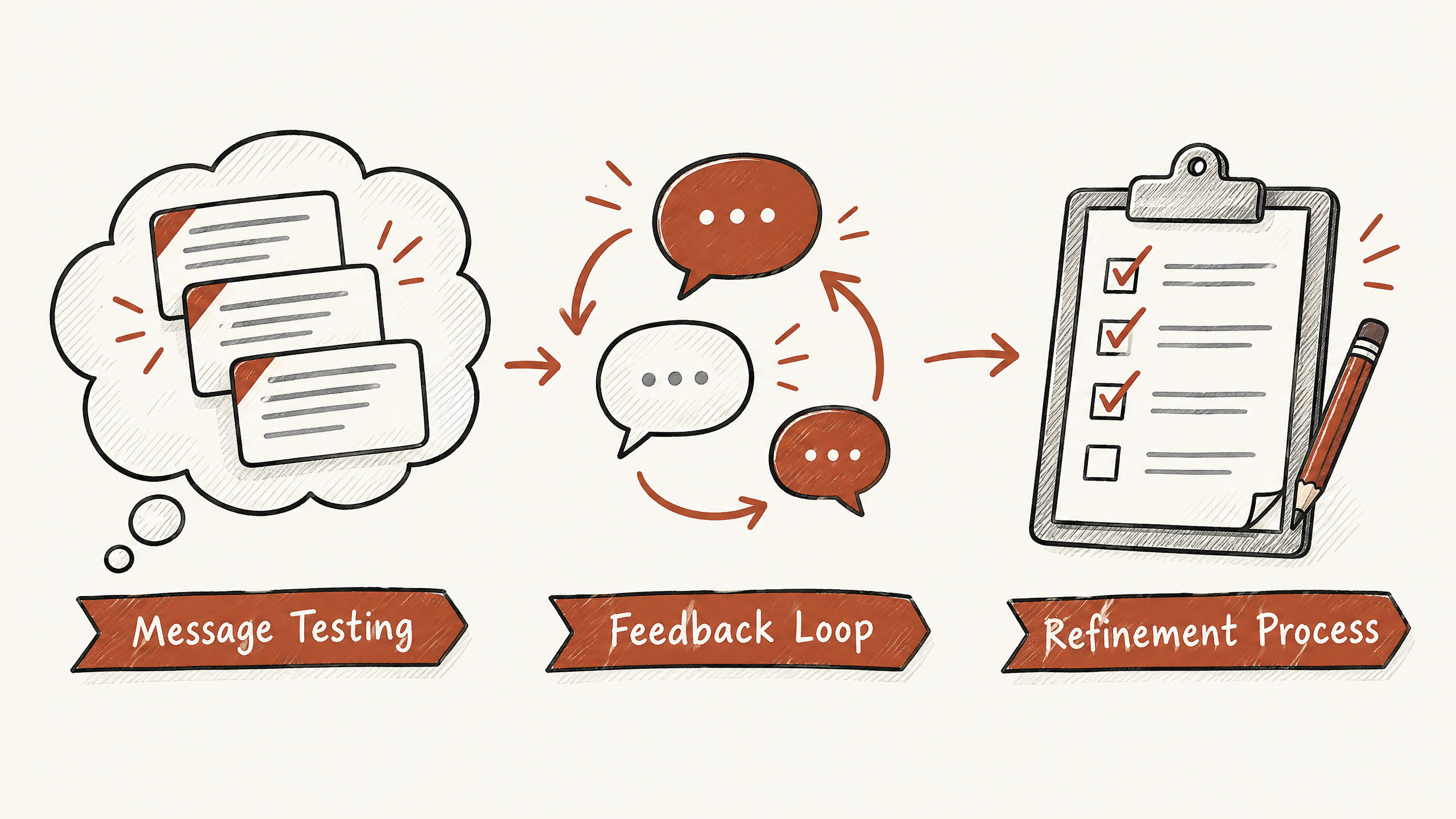
Use a checklist to refine your message:
- Identify the main benefit your product or service offers
- Eliminate unnecessary words that do not add value
- Test the message’s clarity with someone unfamiliar with your business
A common mistake is trying to communicate too much at once.
This can overwhelm your audience and dilute your message’s impact.
Instead, prioritize your key points and let additional details be part of a deeper conversation with interested leads. Keeping your message clear and concise helps in effectively directing visitors to the next step, whether it is a demonstration, brochure, or conversation with your team.
3. Highlight Unique Selling Points
Your booth message must emphasize your business’s unique selling points (USPs) to differentiate you from competitors.
These are the elements that set you apart, giving potential clients a reason to engage with your brand over others at the trade show. Highlight what makes your product or service unique, whether it’s an innovative solution, exceptional customer service, or unmatched value.

To effectively convey these USPs, start by identifying the core strengths of your offering.
A successful approach involves selecting a few key elements that resonate most with your target audience. For example, if your product reduces time to market by 20% compared to industry standards, that message should be front and center.
Choose language that is straightforward but impactful, making it easy for attendees to understand why they should choose you.
Be cautious not to overload your message with too many points, as this can dilute the impact. Instead, focus on one or two main selling propositions that align with your audience’s needs and interests.
Pro Tip: To effectively highlight your unique selling points, focus on one or two key elements that resonate most with your target audience and show them prominently at your booth.
A common mistake is trying to communicate everything at once, which can lead to confusion and disengagement. By honing in on specific selling points, you help visitors quickly grasp what’s in it for them.
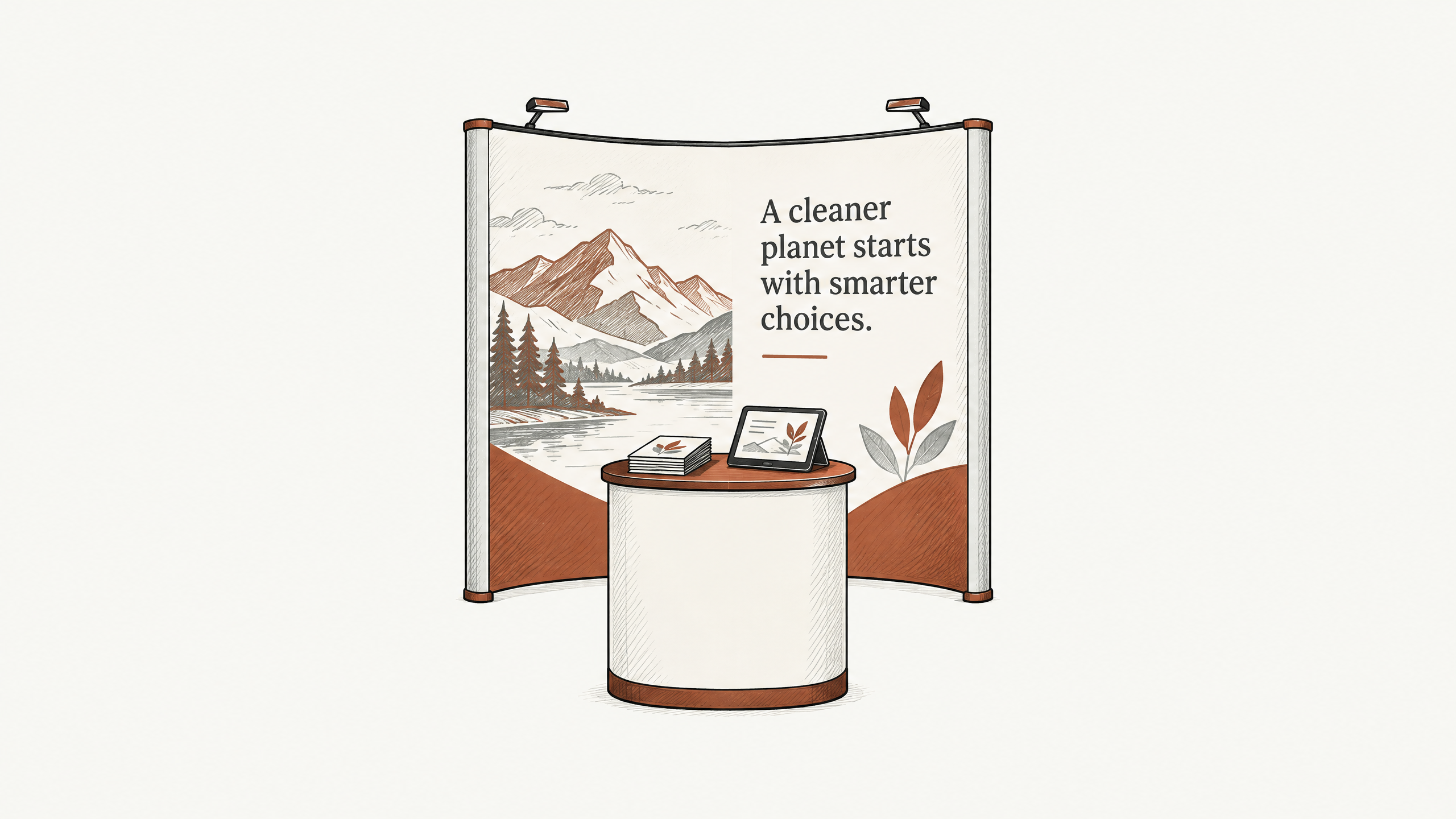
Here is one hypothetical scenario: suppose your company specializes in eco-friendly packaging solutions.
Highlight how your products not only meet sustainability goals but also offer cost savings.
Illustrate these benefits visually on your booth signage, reinforcing them through concise messaging.
Remember, your USPs play a significant role in capturing attention amidst the trade show bustle, ultimately driving more meaningful interactions and potential business relationships.

 Lorena G.