
Exhibitant insights

Get practical ideas for your next campaign or show

Join our newsletter for advice on reaching B2B buyers, planning outreach, and getting more from trade shows.

B2B lead generation

Ideas for prospect research, outreach, and follow-up.

Trade show exhibits

Tips for booth design, graphics, and show preparation.

Freight Logistics

6 Common Mistakes in Freight Logistics Planning to Avoid

Avoid costly errors in freight logistics planning with these six practical tips tailored for B2B teams.

Freight logistics planning can be a complex undertaking, especially when you’re dealing with direct-to-show shipping, crates, and drayage.

Small mistakes in this process can lead to significant disruptions and increased costs.

I find that with some targeted improvements, you can manage freight logistics effectively.

One critical area often overlooked is when to plan your shipping routes.

Establishing routes early can prevent last-minute adjustments.

I’ve noticed that meticulous planning can keep your project smoothly on track.

Another common pitfall is not verifying crate specifications.

Double-checking dimensions and requirements with your freight provider can prevent frustrating delivery issues.

Knowing the right crate specifications ensures your shipments are protected and compliant.

In this article, I will discuss six frequent mistakes in freight logistics and how you can avoid them.

By identifying these pitfalls, you’ll be better prepared to handle the challenges of freight coordination and delivery planning.

Key Takeaways:
  • Plan shipping routes early to avoid last-minute delays.
  • Verify crate specifications to prevent damage during transit.
  • Coordinate closely with drayage providers for smooth delivery.
  • Manage delivery timing to align with trade show schedules.
  • Review all paperwork thoroughly to prevent customs issues.

Efficient logistics planning hinges on attention to detail at each step.

Consider how your team’s focus on early route planning, crate verification, and timing coordination could prevent common delays and issues.

1. Plan Your Shipping Routes Early

Early planning for your shipping routes can save your team time and stress.

When you plan ahead, you can identify potential challenges and critical choices like mode selection.

Thoroughly evaluating options will simplify the process and create cost savings.
1. Plan Your Shipping Routes Early — 6 Common Mistakes in Freight Logistics Planning to Avoid

By investing this time up front, you’ll be better positioned to avoid pitfalls that can disrupt your logistics operations.

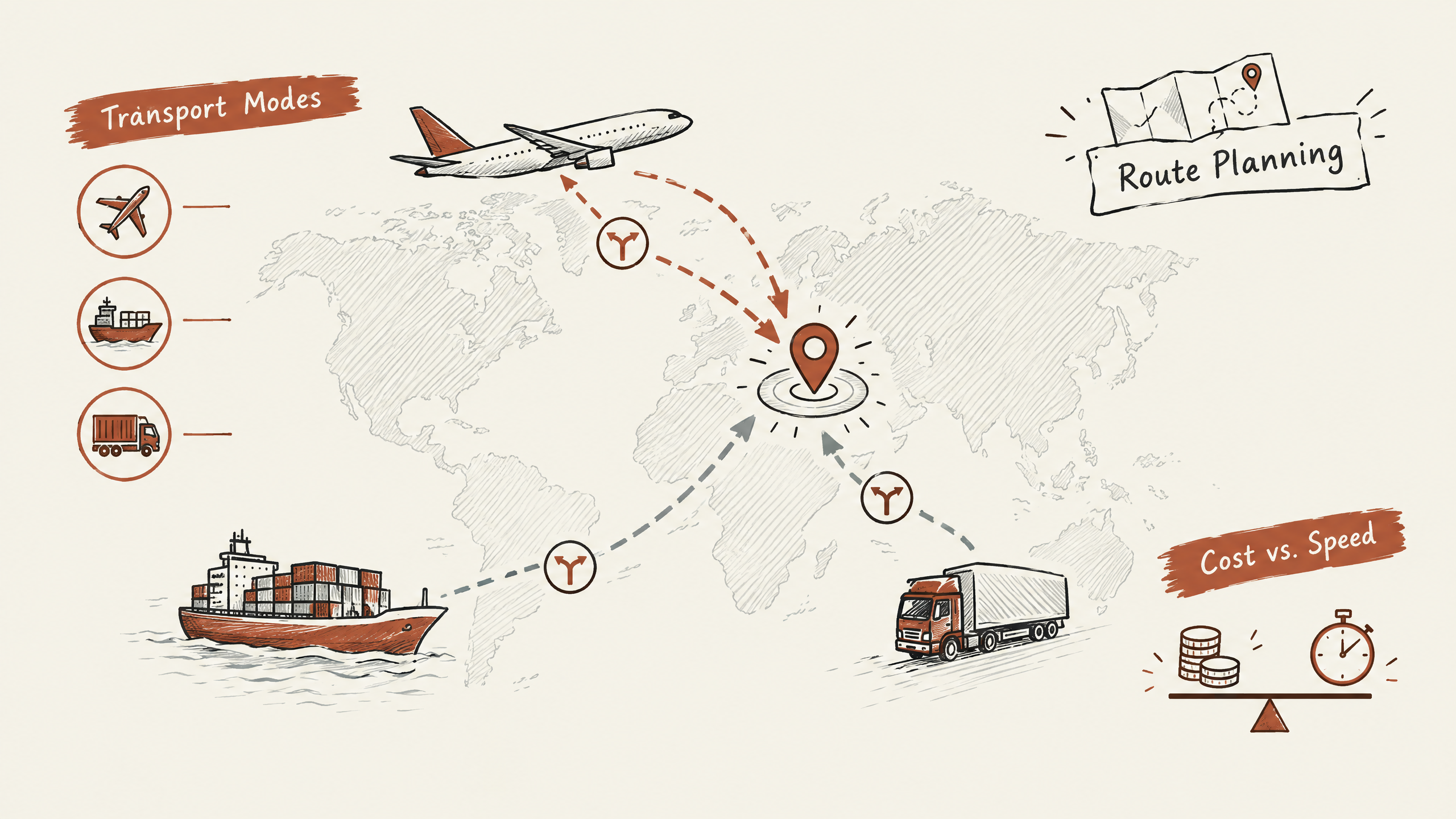
An effective route strategy involves determining the best modes of transport, including deciding between air, sea, and road freight based on your specific needs. Each mode offers unique tradeoffs in cost, speed, and capacity.

Air freight is faster but might be more expensive; sea freight could lower costs but increase transit times.

Road freight lies somewhere in between, offering flexibility but subject to variable fuel prices and regulations.

When finalizing shipping routes, account for factors like shipping deadlines, budget constraints, and environmental impact.

For instance, if you have a tight timeline, air freight may be your best option.

Important: Early planning of your shipping routes enables you to identify potential challenges, make informed decisions, and ultimately save time and reduce costs.

If reducing transportation costs is a high priority, sea freight might serve best.

Be clear on your priorities and recognize tradeoffs to make an informed decision.

As you map out your strategy, collaborate with logistics partners to understand routing restrictions, customs requirements, and any seasonal variations that might impact transit times.

Working with Exhibitant can provide you with access to experienced logistics consultants who are well-versed in navigating these complex factors.

Avoid common pitfalls like overlooking transit insurance or failing to account for potential delays at ports or customs.

By meticulously planning your routes and considering all relevant factors, you can make sure that your freight logistics align effectively with your overall business objectives.

2. Verify Crate Specifications

In freight logistics planning, verifying your crate specifications is a crucial step you cannot afford to overlook.

Proper specifications make sure safe transit, avoid costly delays, and protect your goods.

It’s important to match the size and material of your crates with the freight’s needs, as well as transportation and storage requirements. Mistakes here can lead to damage or increased costs.
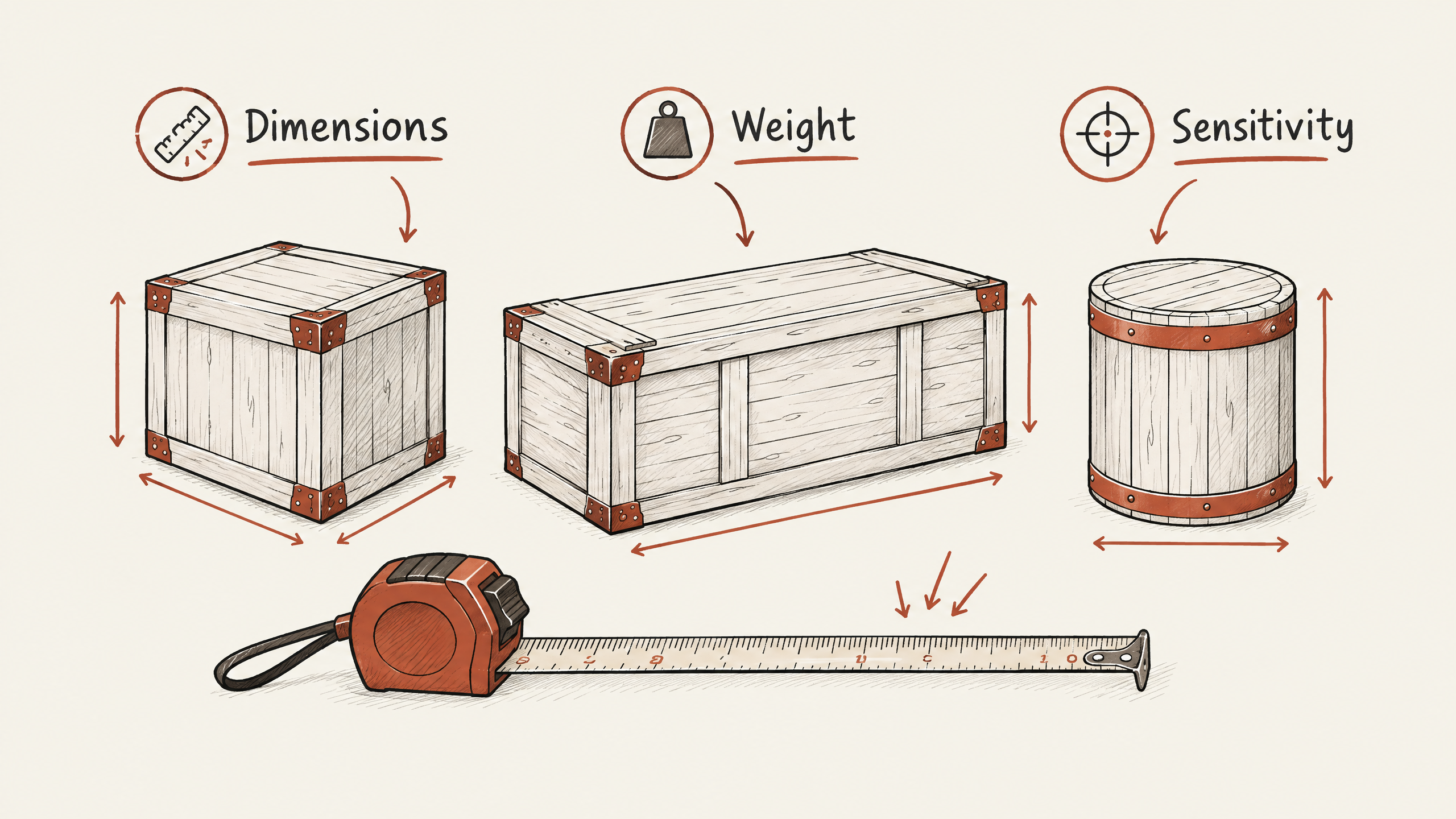
2. Verify Crate Specifications — 6 Common Mistakes in Freight Logistics Planning to Avoid

One key step is to measure your cargo accurately.

Make a habit of double-checking the dimensions, weight, and sensitivity of your items. Double-checking saves you from paying extra fees if the size or weight is underestimated.

Accurate measurements of your freight can also facilitate a smoother loading process.

For example, a shipment of intricate electronics may need specialized cushioning and specific crate sizes to make sure no damage upon arrival.

Material choice is another vital aspect of crate specifications.

Wood, plastic, or metal crates offer different levels of protection and cost.

Choose according to the durability your cargo requires and the environmental conditions it will face.

Pro Tip: Always double-check crate specifications, including dimensions and material compliance, to make sure safe transit and avoid costly delays or damage during international shipping.

A misjudgment here could result in compromised crate integrity during transit.

Opting for the wrong material might break your budget if it doesn’t sufficiently protect fragile or valuable items.

Lastly, if you are shipping internationally, verify that your crates comply with international export standards. Non-compliance with standards like ISPM-15 for wooden crates can lead to customs issues or even shipment rejection.

Cross-verify regulations for each destination port.

This step involves checking treat protocols and marking compliance, which could avoid significant hassles.

Forms and approvals may vary based on the shipment’s nature and destination.

Engage the appropriate team members early to verify all measurements, materials, and compliance. Miscommunication or rushed checks here might disrupt your entire logistics plan.

Consider carrying out a pre-shipment audit to catch and correct any discrepancies.

3. Coordinate with Drayage Providers

Coordinating with drayage providers is crucial for smooth freight logistics, especially around trade shows and exhibitions.

Drayage involves the movement of your goods from one point to another, typically from your shipping hub to the event venue.

Ensuring this process is smooth can significantly impact the success of your logistics plan. Early engagement with a reliable drayage provider helps identify potential challenges and mitigates risks associated with unforeseen delays.
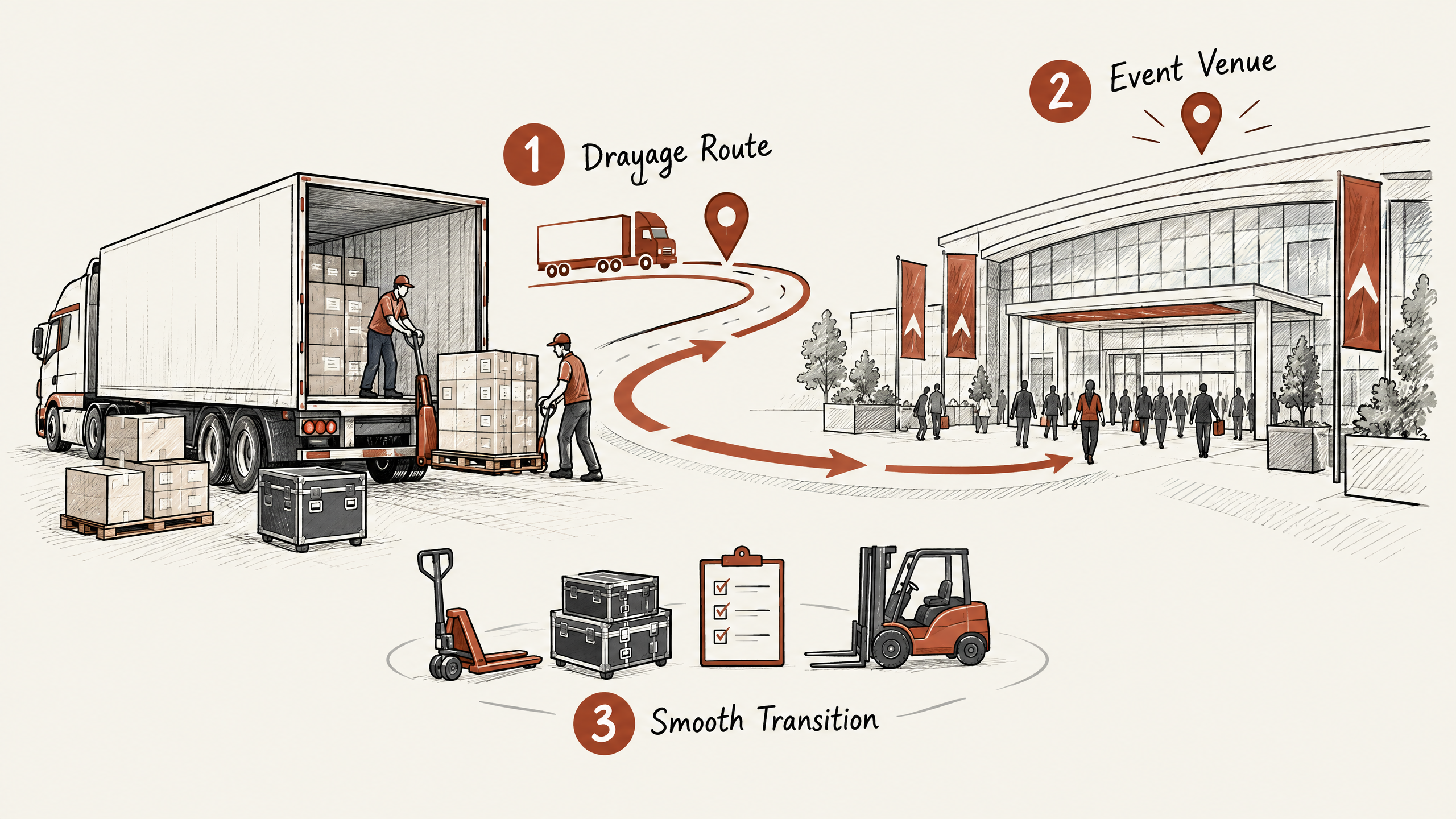
3. Coordinate with Drayage Providers — 6 Common Mistakes in Freight Logistics Planning to Avoid

Choose a drayage provider with experience in trade shows.

These professionals understand the unique demands of event logistics and can navigate complex venue requirements. This is particularly important during peak times when many exhibitors rely on similar services.

By working with someone who knows the ropes, you make sure your materials arrive on time and in pristine condition.

When collaborating, clearly communicate your delivery schedule and requirements to the provider.

Provide them with exact dimensions, weights, and any special handling instructions for your items.

This information helps your team manage timing and expectations, reducing the risk of costly errors.

Likewise, by sharing your timeline, the drayage provider can coordinate with their resources to align with your needs, ensuring a smooth transition of your materials.

When planning for trade shows, Exhibitant offers freight coordination services, helping you integrate your drayage schedule with other logistical needs. Coordination with drayage providers might seem straightforward, but overlooking this aspect can lead to delays or extra costs.

Avoid common mistakes by establishing clear expectations and maintaining open communication with your drayage provider.

This proactive approach will help simplify your logistics efforts and support a successful event execution.
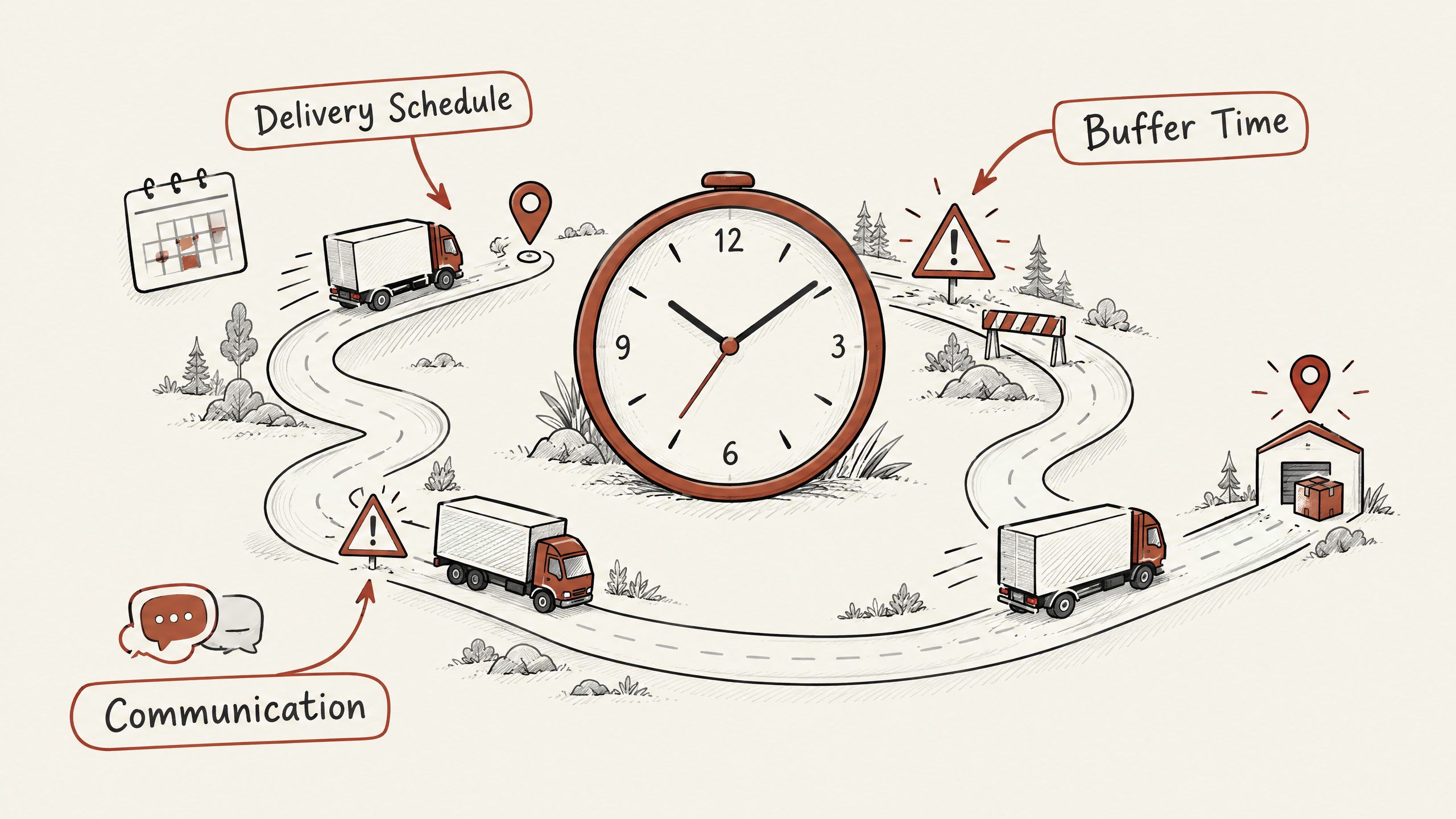
4. Manage Delivery Timing

Properly managing delivery timing is crucial in freight logistics planning, as it directly impacts your business operations and customer satisfaction.

Delays can lead to increased costs, missed opportunities, and damaged reputation.

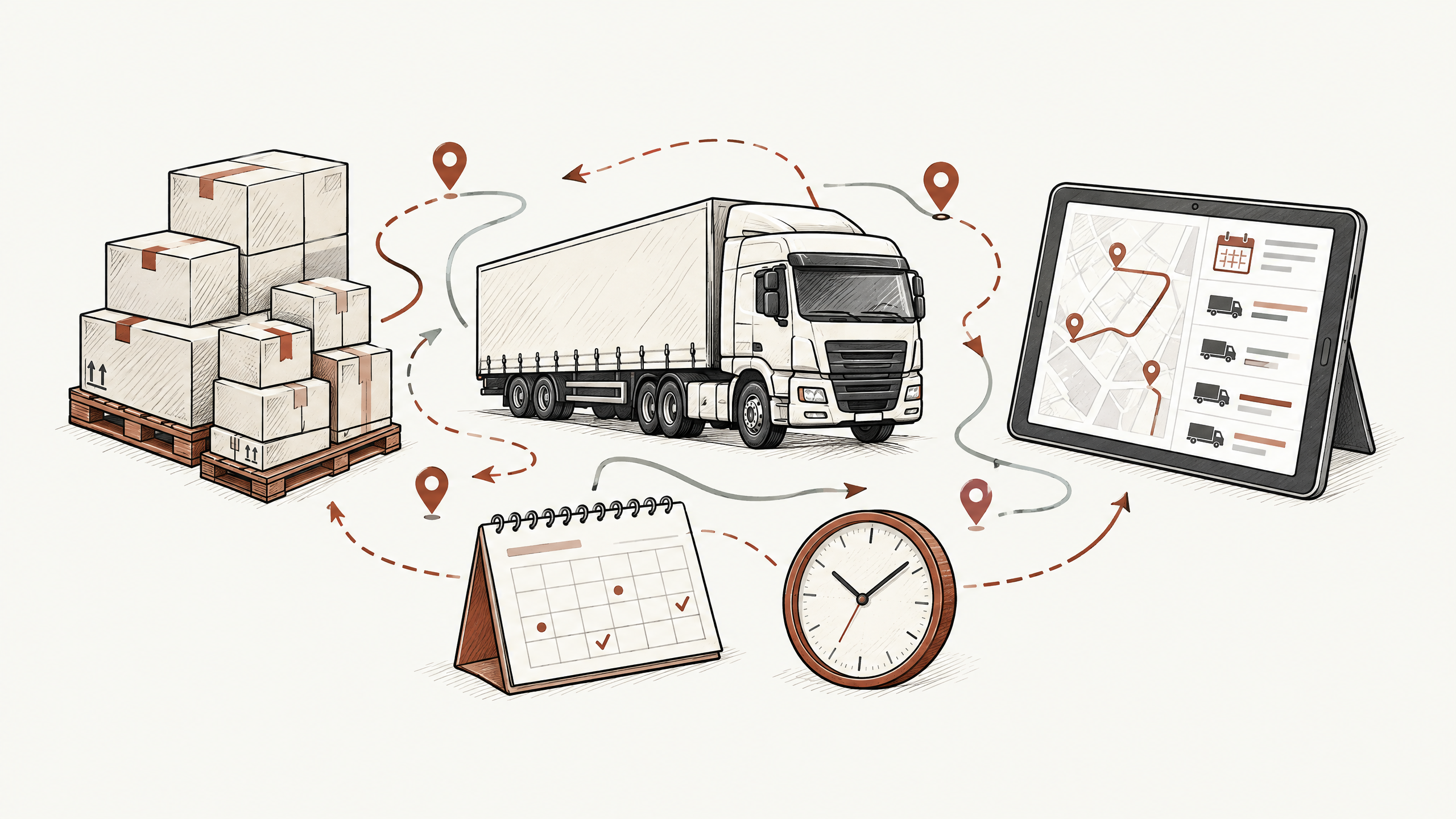
To keep delivery schedules on track, start by assessing your inventory needs and the lead time required by your carriers.

4. Manage Delivery Timing — 6 Common Mistakes in Freight Logistics Planning to Avoid

Once you understand the lead times, create a master schedule that outlines key milestones, from warehouse departure to final delivery.

This schedule should include built-in buffer times to accommodate unexpected delays, such as traffic congestion or port holdups.

Prioritizing communication with your carriers about any changes or constraints can help prevent last-minute surprises.

A common mistake is focusing solely on the initial shipping date, without checking the entire timeline. For instance, you might plan to ship on a Monday, but if the delivery location can’t receive goods until Thursday, you’re wasting resources paying for storage or idling assets.

Always confirm receiving hours at the delivery point and adjust your plans accordingly.

To illustrate, imagine you need materials delivered for a trade show two days before the event.

Assume a shipping window of seven days and factor in unpredictable variables, like adverse weather. Regularly monitoring your delivery’s progress can alert you early to potential disruptions, allowing time to mitigate issues before they escalate.

Finally, coordinate with internal teams involved in unloading and setup, so they’re prepared when goods arrive.

This includes aligning schedules for handoffs and confirming resource availability. Streamlined operations require precise timing, so every part of the logistics chain must function in concert for ultimate efficiency and effectiveness.

5. Review Paperwork Thoroughly

It is vital to review all freight paperwork meticulously before shipping.

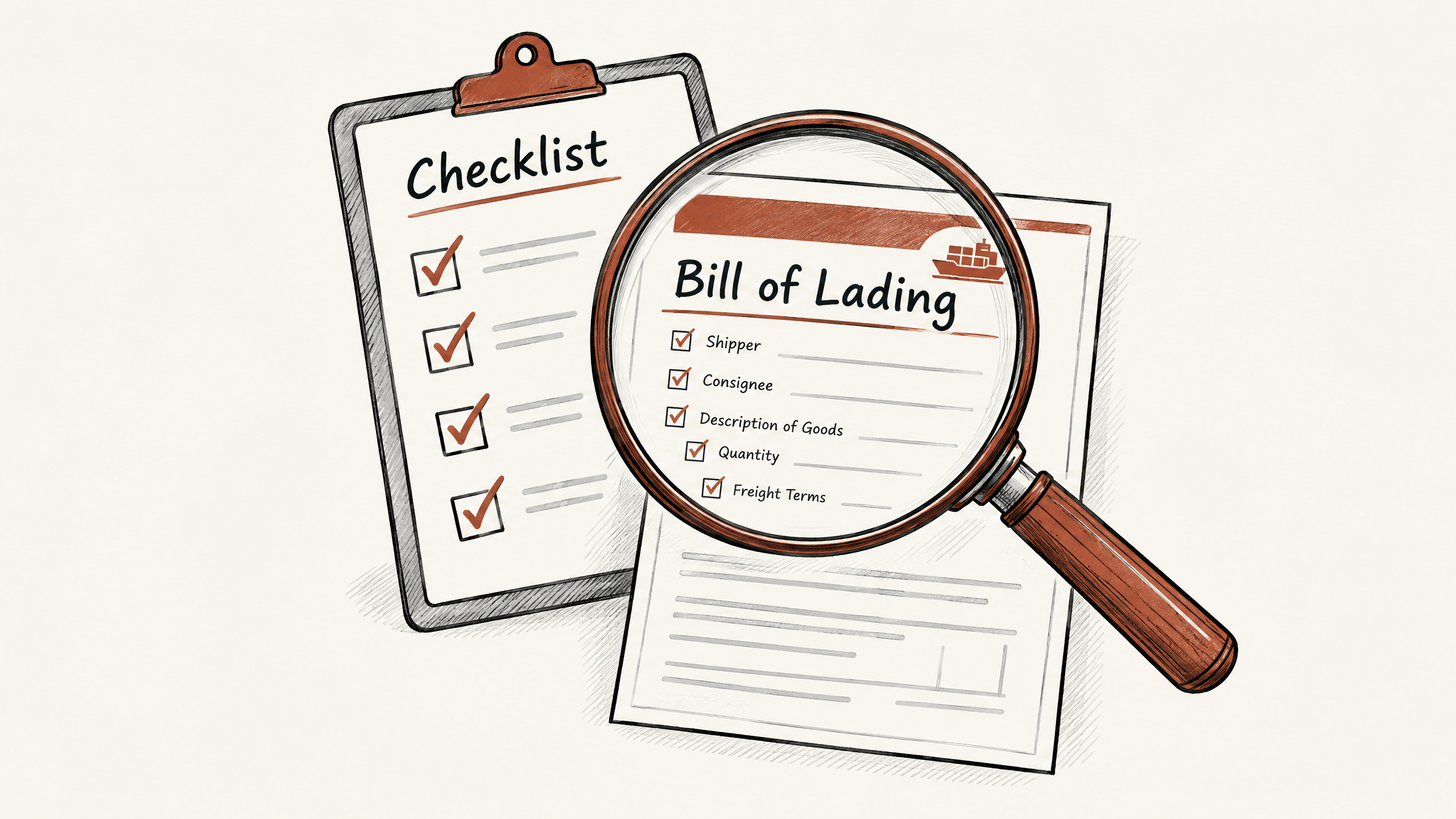
Missing or incorrect details in documents like the bill of lading can cause significant delays or result in costly fines.

Your shipping documents serve as the official record of your freight shipment, so their accuracy can directly impact the smoothness of your logistics process.

5. Review Paperwork Thoroughly — 6 Common Mistakes in Freight Logistics Planning to Avoid

Start by ensuring that all necessary fields are filled out clearly and correctly. Cross-check consignment details, quantities, descriptions, and destination information.

It’s useful to have a checklist to catch overlooked fields or errors during preparation.

A missing signature or incorrect weight entry can halt progress just as quickly as failing to file a required form. Assigning a dedicated team member to handle this aspect reduces the risk of oversight.

Another key consideration is compliance with any legal or regulatory requirements linked to your freight.

These regulations may vary based on the shipment’s origin and destination, so it’s essential to stay informed.

Some common missteps include neglecting specific import or export permits, especially for international logistics, which may require additional documentation.

In a hypothetical scenario, imagine a company shipping exhibits to a trade show. If the team forgets to confirm the end destination’s correct address or fails to include a special handling instruction, it can result in costly rerouting or damage.

To avoid pitfalls, teams should build in checkpoints well in advance of the shipping date.

After everything is checked, the final step is obtaining stakeholder approval. This process typically involves sending the completed set of documents to relevant team members or partners for review.

Allow sufficient time for this stage; stakeholders may need several days to identify issues or raise questions.

Careful coordination throughout these steps significantly improves your assurance that the shipment will proceed without unexpected hurdles.

6. Communicate with All Stakeholders

Effective communication with all stakeholders is crucial in freight logistics planning.

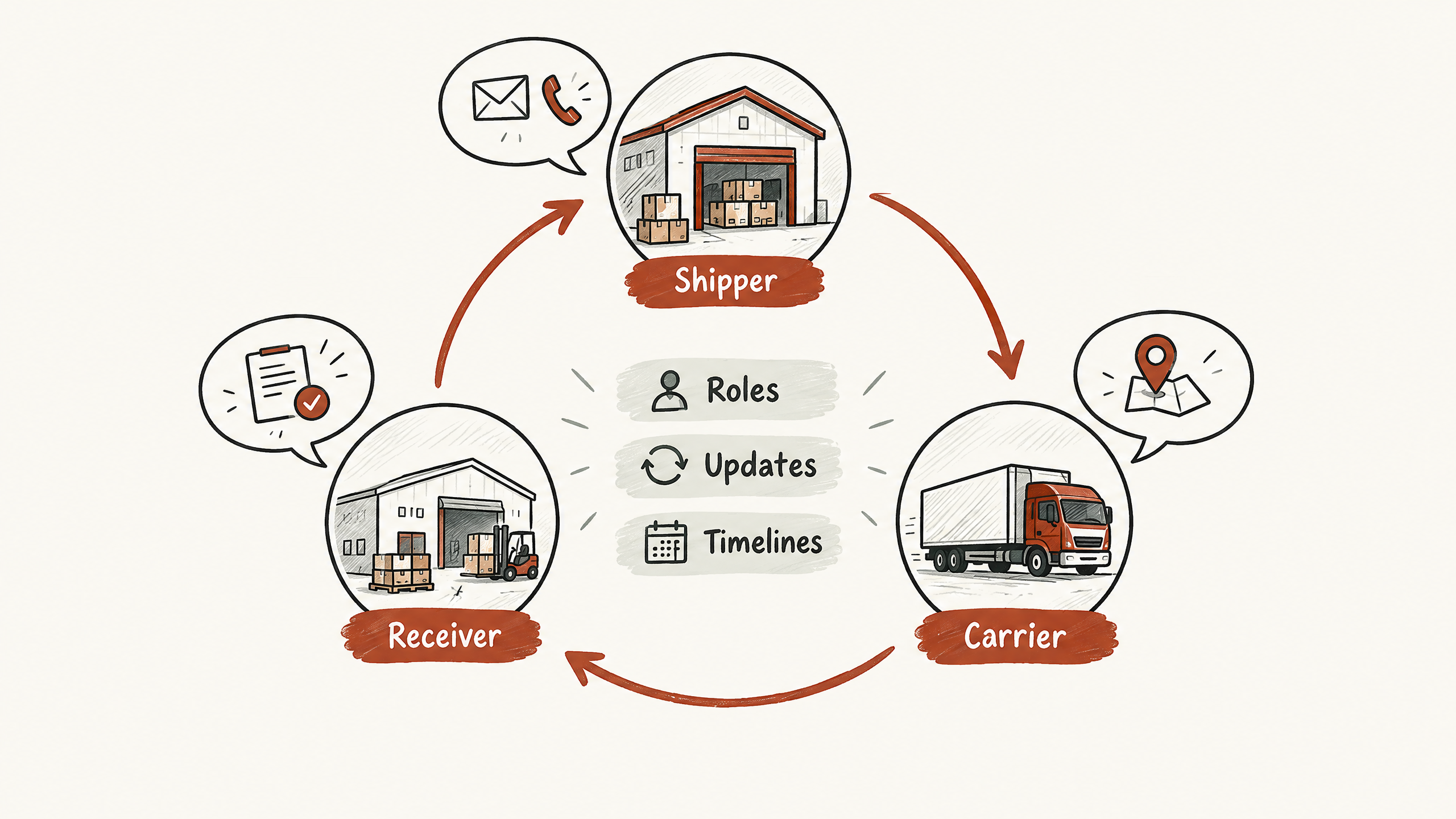
Whether it’s the shipper, carrier, receiver, or your internal team, everyone needs to be on the same page.

Without clear communication, you risk misaligned expectations and costly mistakes.

6. Communicate with All Stakeholders — 6 Common Mistakes in Freight Logistics Planning to Avoid

It’s essential to establish a clear communication process and make sure that all parties know their roles and responsibilities.

Create a communications checklist with key details like contact information, preferred communication methods, and critical communication timelines. For example, you might specify weekly check-ins with your carrier and daily updates during the final delivery stage.

Regular updates help to mitigate any unforeseen issues.

Missing this step can cause delays that ripple through your whole supply chain.

One common mistake is underestimating the importance of stakeholder alignment.

If one party doesn’t have the same information or expectations, it can disrupt the entire logistics process.

Designate a point person responsible for communication at each stage of the shipment.

Important: Clear communication prevents costly disruptions by ensuring all stakeholders have the same information and expectations throughout the logistics process.

This person should have the authority to make quick decisions to avoid bottlenecks.

A practical scenario would be coordinating between the warehouse team and the delivery drivers to clarify what needs to be loaded first.

By ensuring that both sides have up-to-date load lists, all stakeholders are informed and prepared for efficient execution.

Supporting open communication channels can save your operation from expensive corrections later on.

Collaboration tools like shared documents and project management software can foster transparency among stakeholders.

Easy access to real-time data helps all parties stay informed and engaged.

Building this into your process ensures that everyone moves towards the common goal without costly missteps.

One Last Thing

You’ve covered the vital steps in freight logistics planning, from early route planning to thorough paperwork reviews.

Now, it’s time to bring everything together with effective execution.

Every detail you manage contributes to a smooth experience for your team and partners.

One Last Thing — 6 Common Mistakes in Freight Logistics Planning to Avoid

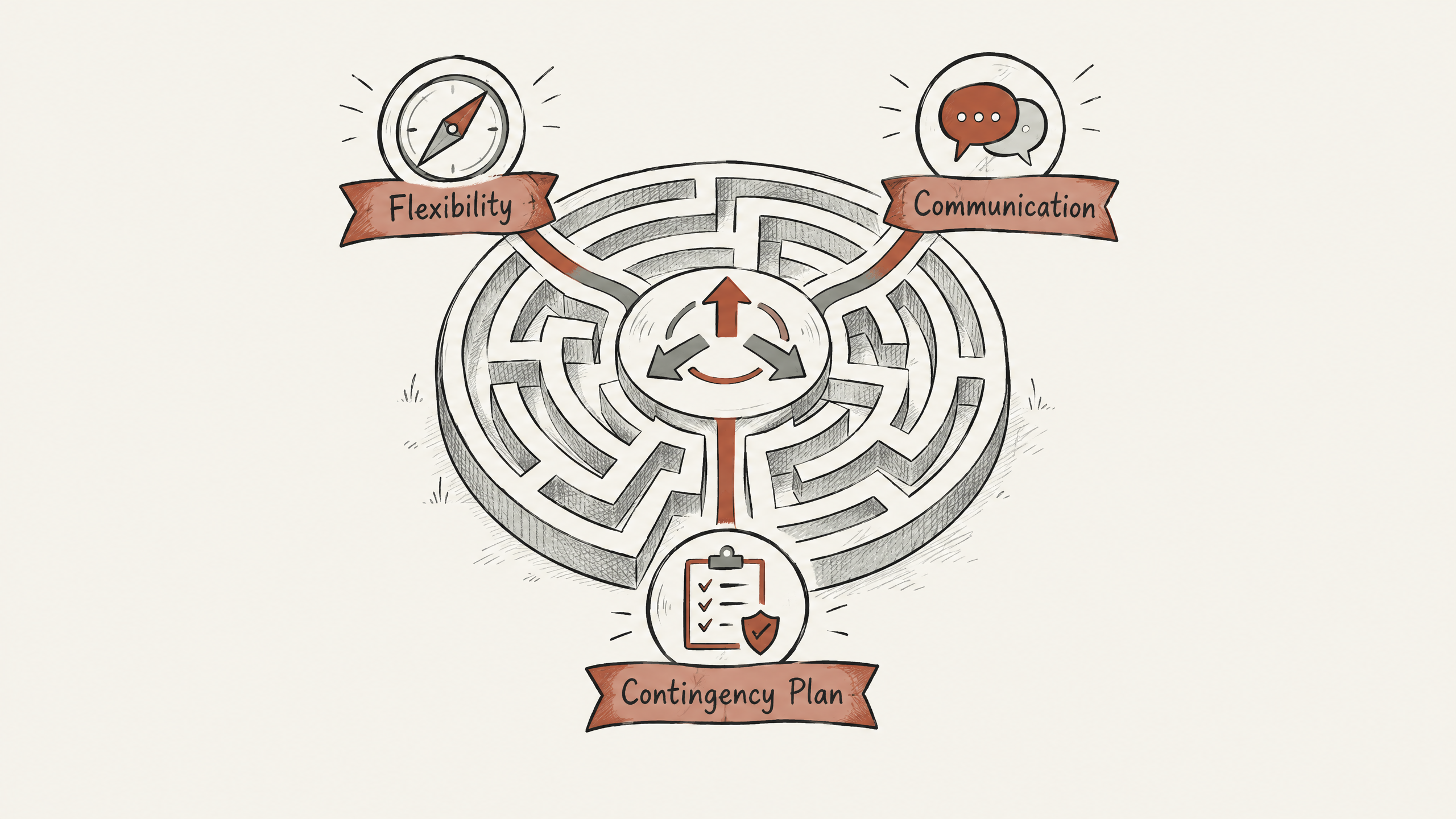
A key takeaway is the importance of staying adaptable.

Logistics can be unpredictable, but maintaining flexibility allows you to handle obstacles as they arise.

Keep communication lines open and always have a contingency plan.

As you move forward, make sure your team is aligned on roles and responsibilities.

Clear communication will reduce the likelihood of last-minute confusions.

With a structured approach, you can navigate the complexities of logistics smoothly.

Take a moment to review your processes and identify areas for improvement. Continuous reflection and adjustments will reinforce your logistics strategy, ensuring that you’re ready for any future shipping challenges.

Need a booth plan?

Turn show goals into a practical exhibit path

Share your footprint, timeline, and priorities. Our team can help shape the booth direction, graphics, and project support.

Hand-drawn booth floor plan and exhibit with cedar accents

Contact our team

Tell us who you want to reach

Tell us about your business, the buyers you want to reach, and what you want to achieve. Whether you need more sales conversations, stronger marketing, or a trade show presence, we’ll help you identify where to focus and what support makes sense. Together, we can shape a practical plan around your priorities, budget, and timeline.

info@exhibitant.com

Tell us what you need

A few details will help us make the most of our conversation.