 Louie J.
Preparing for a trade show involves meticulous planning, especially when it comes to managing your utility needs. From electricity to internet connectivity, utility services play a critical role in the smooth operation of your booth.
Properly addressing these factors ensures that your trade show experience is both efficient and successful, avoiding unexpected issues that could disrupt your presentation.
My first step would be to clearly identify and evaluate your utility requirements. This involves understanding the specific services your team will need to operate effectively during the event.
From here, it’s about matching these needs to the options that the exhibition venue can provide.
Knowing these details ahead of time can save your team from unexpected surprises.
Navigating the complexities of venue specifications can be daunting, but it’s fundamental to make sure compatibility with your equipment and strategy.
Different venues might have varying rules and standards, which can affect how you plan for electricity, water, or even internet services. A thorough understanding of these specifications will help tailor your approach to align with what is expected and available.
Timely submission of utility orders is non-negotiable.
Missing deadlines for utility services can lead to higher costs or unavailable services, which would have a direct impact on your trade show performance.
Being proactive with these orders ensures your team is equipped and ready from day one of the show.
In this guide, I will walk you through a comprehensive plan for preparing utility needs at trade shows. By the end, you’ll have clear, actionable steps to efficiently manage all aspects of your utility requirements, ensuring a smooth, hassle-free experience.
Together, we’ll pave the way for an electrifying presence at your next event.
- Assess utility needs early for cost-effective planning.
- Coordinate with venue for utility availability and logistics.
- Ensure timely submission of utility orders to avoid delays.
- Verify all equipment compatibility with venue utilities.
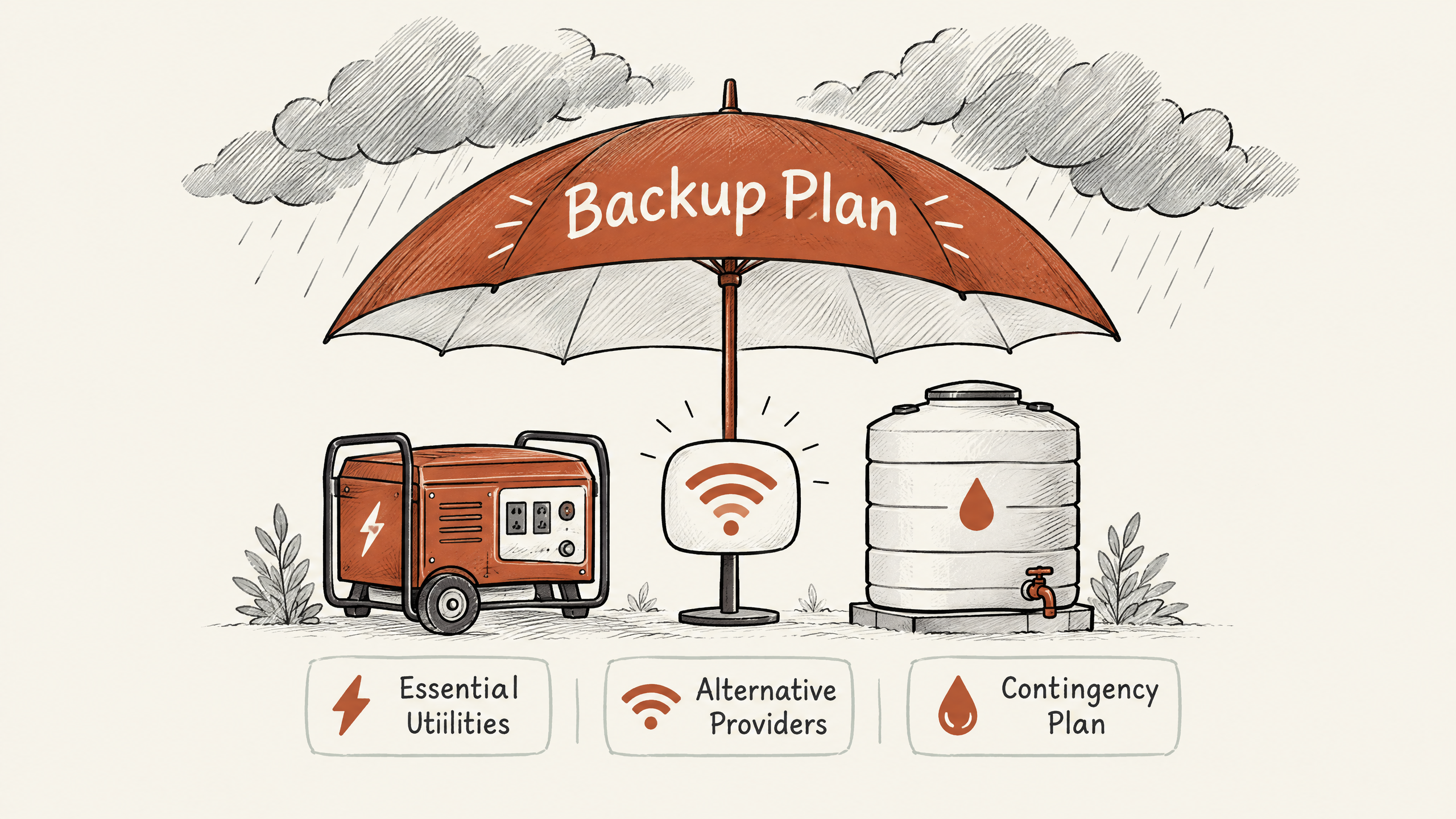
- Implement a contingency plan for unexpected utility issues.
Start by assessing your trade show’s utility needs early for effective planning.
Connect with the venue to make sure utility availability and handle logistics smoothly.
Submit your utility orders on time to avoid delays and potential issues.
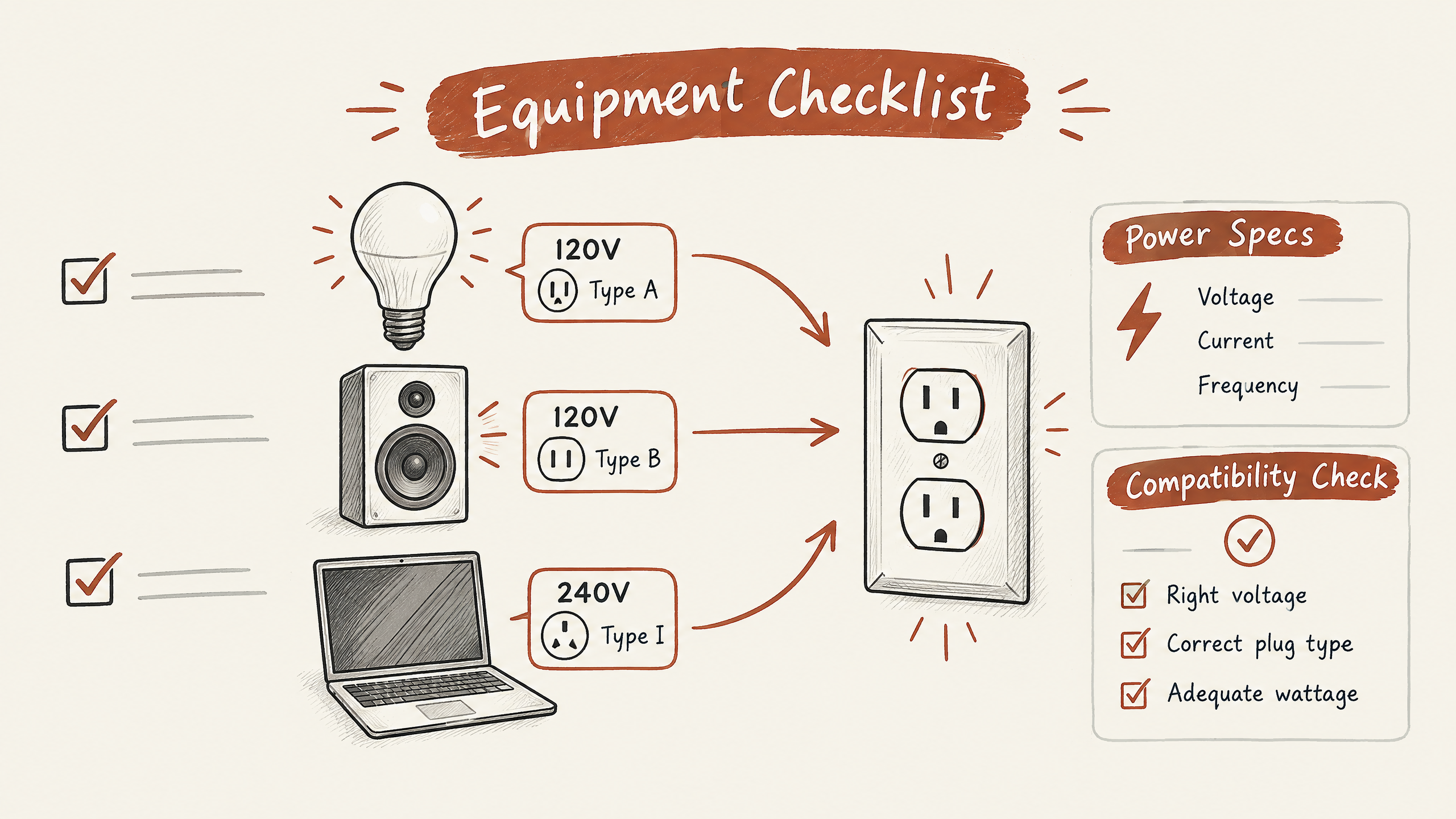
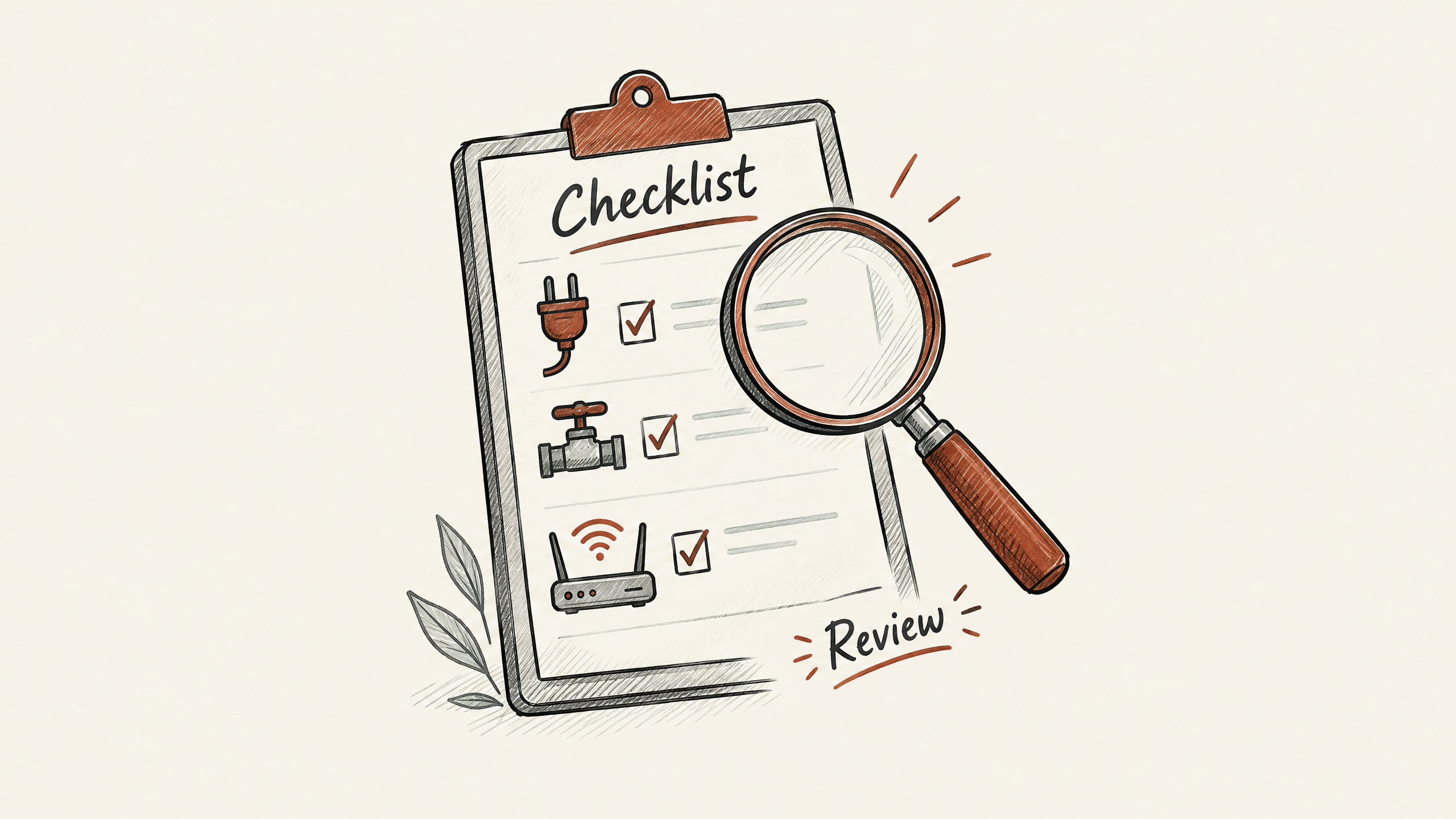
Double-check that your equipment is compatible with the venue’s utilities.
Have a backup plan for any unexpected utility issues you might encounter.
These steps will set your team on the right path for a successful trade show.
1. Evaluate Your Utility Requirements
Properly evaluating your utility requirements is a crucial first step when preparing for a trade show. Start by taking an inventory of all equipment and technology that will be used at your booth.
Pay special attention to items that require power, internet, or water. This includes everything from computers and displays to coffee machines and lights.
Create a detailed list with distinct categories for power and connectivity.
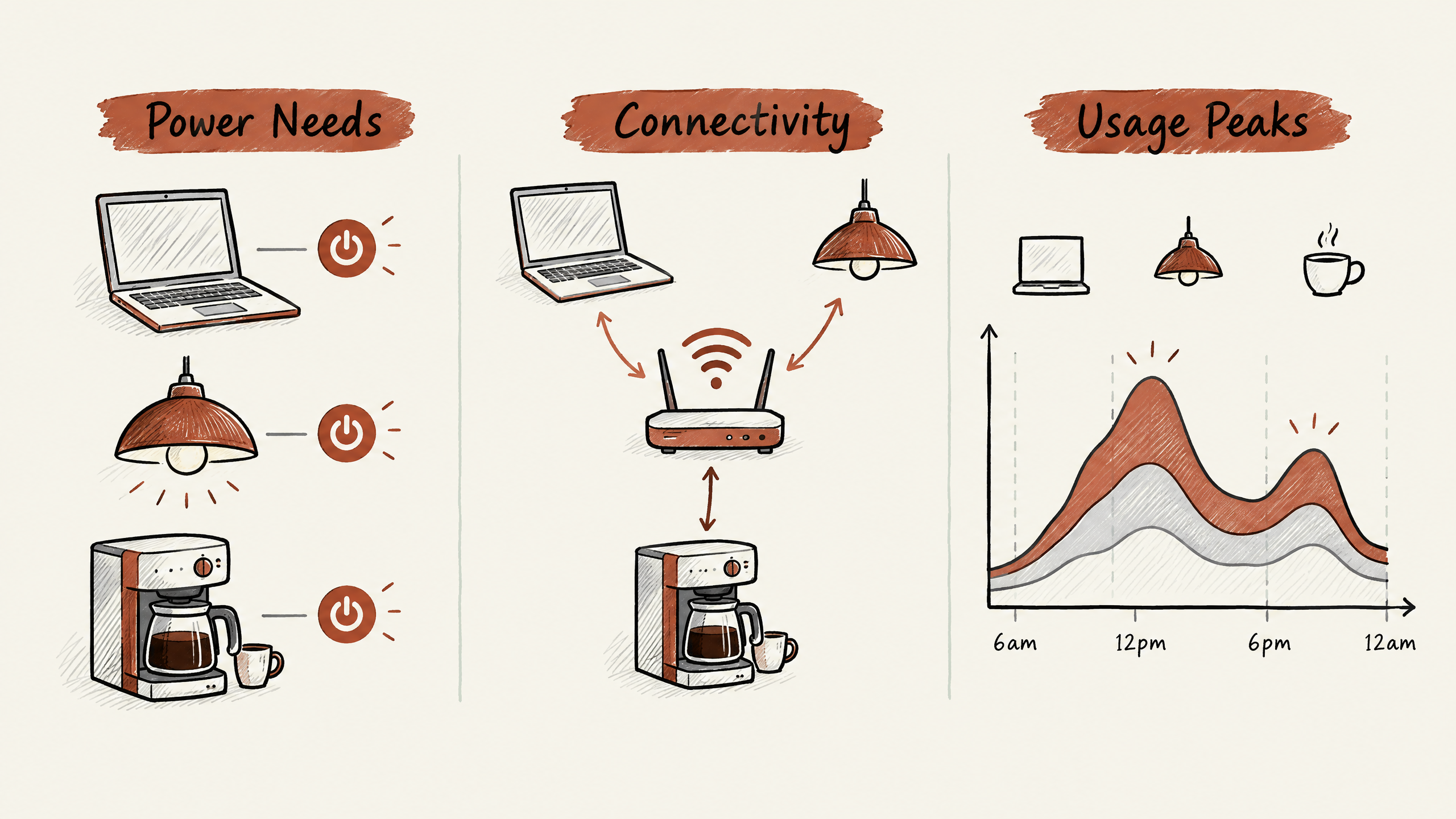
Note the amp and voltage requirements for each piece of equipment. Include any networking needs, such as wired internet connections or Wi-Fi access points.
Not only will this help in planning, but it will also facilitate smoother communication with utility providers.
Factor in peak usage times when your booth experiences the most activity.
Miscalculating energy needs during these times can lead to technical disruptions.
Plan for extra capacity to handle such peaks safely.
Important: Miscalculating your utility needs, especially during peak usage times, can lead to technical disruptions at your trade show booth.
For instance, if your booth includes a presentation area, an additional power line may be prudent to accommodate the increased load during talks or demos.
A common mistake teams make is underestimating utility needs, risking disruptions during the event. Overestimating is less problematic but can result in unnecessary costs.
Striking the right balance is key.
You can improve accuracy by analyzing past events or seeking input from team members experienced with trade shows.
When you complete your list, share it with the project manager and make sure that stakeholders sign off on the final list. This provides multiple opportunities to catch overlooked needs or redundant resources.
With a firm grasp on your utility requirements, you’re laying the groundwork for a smooth trade show experience.
2. Research Venue Specifications
Once you know your utility needs, the next step is to research the venue’s specifications.
Every venue has different capabilities and limitations, from power supply to internet access. Understanding these details before the trade show ensures you know what you can work with and what requires additional arrangements.
To start, connect with the venue’s management team to obtain a specifications sheet.
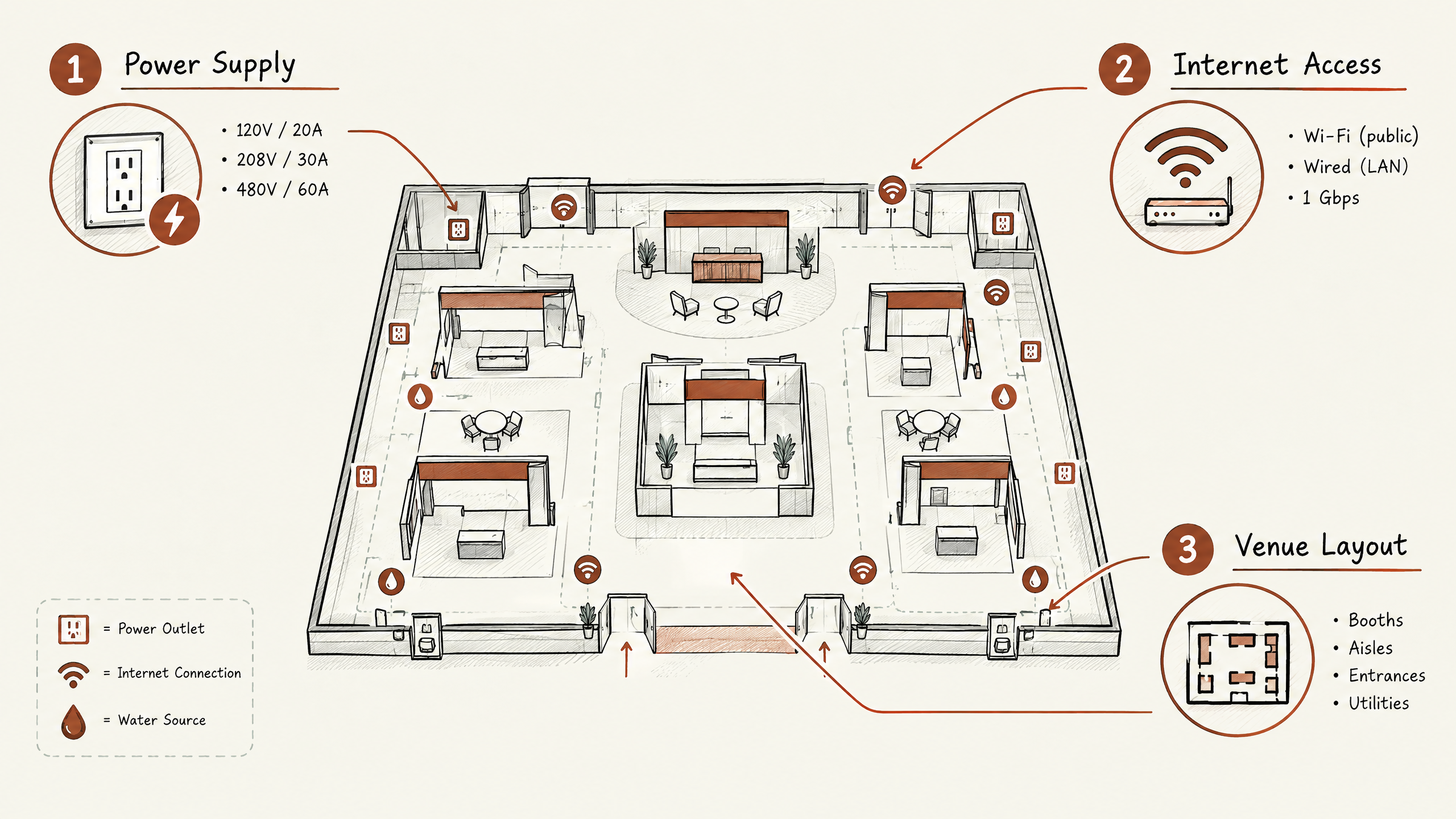
This document typically outlines available utilities, power limits, and internet speeds. Confirm the specifics: how many outlets are available, the voltage of those outlets, and whether special wiring or installations are necessary.
If the venue provides on-site assistance with services like electricity or water, it’s essential to know who’s responsible for each task and how to contact them.
Another critical aspect is timing and deadlines.
Venues often have specific windows for utility installation, and missing these can lead to delays or increased costs. You may need to coordinate with multiple service providers to meet these deadlines.
In some cases, ordering services closer to the show date can incur express fees or penalties.
Pro Tip: Contact the venue’s management early to obtain a detailed specifications sheet, allowing you to address utility needs and arrange any necessary additional installations before the show.
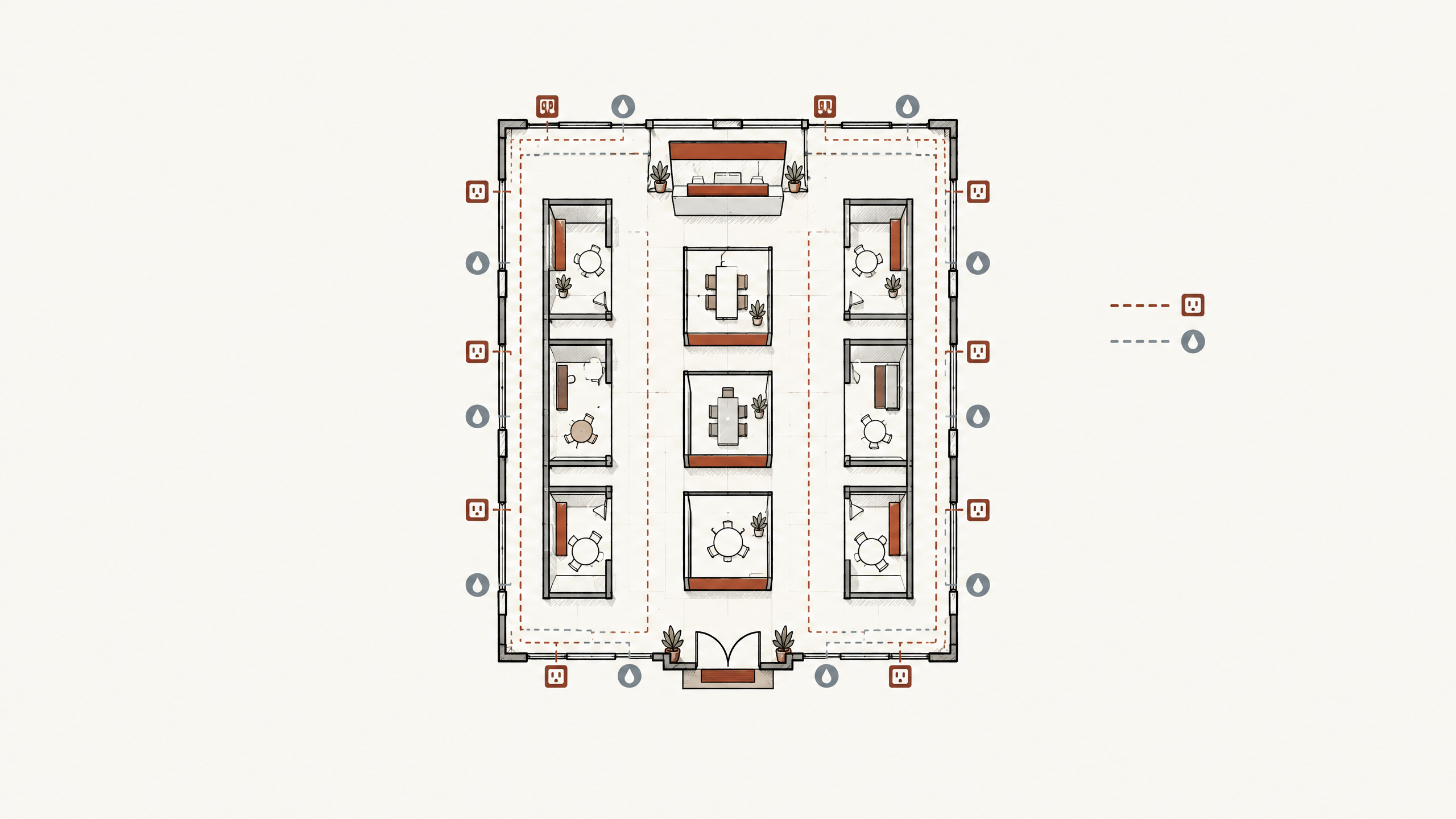
Let’s apply this to a hypothetical scenario. Suppose your company’s booth needs 10 electrical outlets.
After receiving the venue’s specifications, you learn only 8 outlets are standard in your allocated space. This information allows you to arrange for additional outlets in advance, avoiding complications during setup.
A common mistake teams make is assuming all venues provide uniform services.
Always clarify what is included in the basic rental and what will require extra budgeting or planning.
Being proactive not only minimizes risks but also allows for a smoother setup.
At Exhibitant, we support our clients with these processes, making it easier to navigate venue requirements effectively.
3. Submit Utility Orders Timely
Once you have a solid understanding of your utility requirements and the venue’s specifications, the next critical step is to submit your utility orders in a timely manner.
This ensures that your booth will have the necessary power, water, and internet setups.
Delayed submissions can result in incomplete setups or higher costs, as last-minute orders are often charged at a premium.
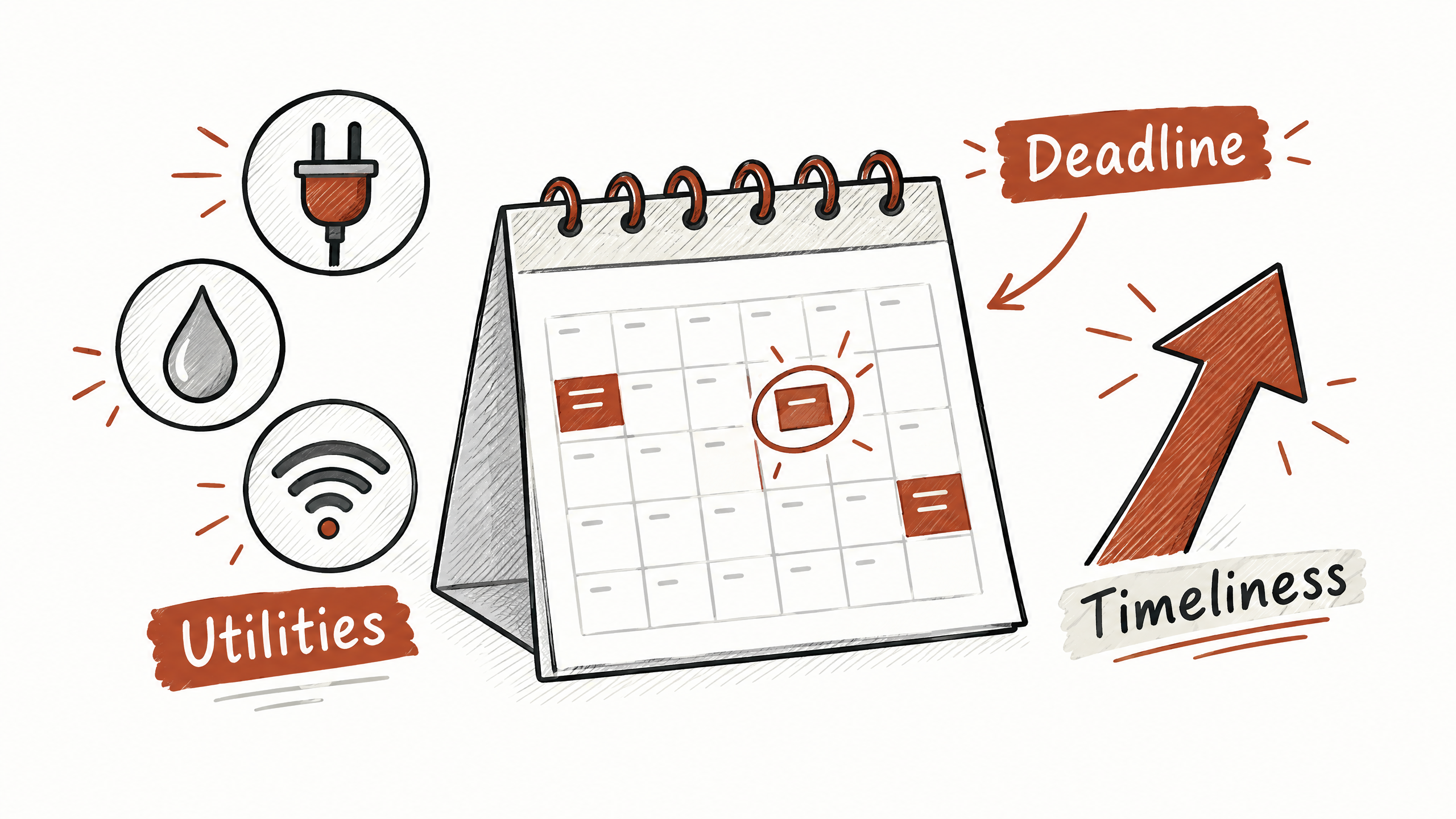
To avoid these pitfalls, I recommend setting a firm deadline for your team to gather all order details and complete submissions.
Begin this process early, especially for larger trade shows where utility services can become overwhelmed with late requests. Keep a calendar with the submission deadlines highlighted many shows require these orders weeks, if not months, in advance.
A common mistake you’ll want to avoid is underestimating the time needed for approval and potential revisions. Review and finalize your utility needs at least one month before the trade show.
Important: Submitting utility orders well before their deadlines can prevent higher costs and make sure your booth has the necessary power, water, and internet setups.
This allows time for any adjustments if the venue’s feedback requires you to revise your requests.
It’s also prudent to track your submission confirmation. Retain all communications, receipts, and order confirmations as part of your show binder or digital folder.
These can help resolve any discrepancies if your orders are not executed as planned.
By getting your utility orders in on time, you’re setting the stage for a smooth set-up and a successful exhibit.

 Lorena G.