
Exhibitant insights

Get practical ideas for your next campaign or show

Join our newsletter for advice on reaching B2B buyers, planning outreach, and getting more from trade shows.

B2B lead generation

Ideas for prospect research, outreach, and follow-up.

Trade show exhibits

Tips for booth design, graphics, and show preparation.

B2B Lead Generation

6 Effective Techniques to Enhance Your B2B Lead Generation

Discover proven strategies to boost your B2B lead generation efforts and connect with potential clients.

When dealing with B2B lead generation, the right techniques can make all the difference.

As an Exhibitant author advising a fellow professional, I focus on effective strategies that truly enhance potential prospects.

With so many approaches available, honing in on the most impactful ones can dramatically affect your results.

There is no one-size-fits-all when it comes to reaching potential clients, especially in B2B contexts. Precision and personalization often hold the key to success.

The strategies I recommend include not only crafting personalized cold email outreach but also focusing on targeting prospects with accuracy.

These tailored efforts can help open doors that generic tactics simply cannot.

To succeed in this endeavor, it’s vital to conduct thorough contact research and simplify meeting requests.

Knowing your audience and understanding their needs eases the path to meaningful connections. This planning sets a strong foundation for successful outbound campaigns, maximizing your chances of engagement and conversion.

Throughout this article, you will discover practical ways to refine your B2B lead generation efforts.

By the end, you will be equipped to enhance your lead generation strategy with confidence and informed choices. Let’s explore how these actionable steps can reshape your approach to finding and nurturing valuable business leads.

Key Takeaways:
  • Craft personalized cold emails to capture attention.
  • Utilize data-driven prospect targeting methods.
  • Conduct thorough contact research to refine lists.
  • Optimize meeting requests for maximum conversion.
  • Plan outbound campaigns with clear objectives.

Start by focusing on personalized cold emails to make a lasting initial impression.

Use data-driven targeting to make sure you’re reaching the right prospects.

Research and refine your contact lists for better accuracy.

Make sure your meeting requests are enticing yet clear.

With these steps, you’ll be well on your way to a successful outbound campaign.

1. Personalize Your Cold Email Outreach

In B2B lead generation, personalizing your cold email outreach is crucial.

It shows your prospects that you’ve taken the time to understand their needs, making them more likely to engage with your content.

Personalized emails can boost response rates significantly, as they cut through the generic noise often associated with mass communication.

1. Personalize Your Cold Email Outreach — 6 Effective Techniques to Enhance Your B2B Lead Generation

Your first step should be to research your prospects thoroughly. This involves gathering data on their company, role, and specific challenges they might face.

You can build a profile for each target, which helps tailor your messaging to their unique situations. For example, if you were targeting a marketing director at a mid-sized tech company, you could reference recent industry trends that might impact their strategy.

This level of detail shows you’re invested in helping them succeed.

Next, craft compelling subject lines that resonate. They should directly relate to the prospect’s interests or business context.

Avoid generic subject lines like “Exciting Offer Inside” and instead opt for personalized hooks such as “Driving Growth for [Prospect’s Company Name]”. A well-crafted subject line can be the difference between your email being opened or ignored.

Important: Personalizing your cold email outreach by researching prospects’ roles and challenges can significantly boost response rates, making your engagement more meaningful and relevant.

Include specific details about the prospect’s business in the body of your email.

Referencing recent achievements or news about their company adds a personal touch.

You might say, “I saw the recent article about [Prospect’s Company] and was impressed by your team’s approach to solving [specific issue].” This not only catches their attention but also opens the door for a more meaningful conversation.

Finally, close your email with a clear call to action. Whether it’s setting up a meeting, registering for an event, or simply providing feedback, a well-defined next step helps guide the recipient further along the sales funnel.

At Exhibitant, we emphasize the importance of a tailored approach, ensuring your outreach efforts are well-received and effective.

By prioritizing personalization, you can create more engaging and successful outreach campaigns.

2. Target Prospects with Precision

When it comes to B2B lead generation, targeting the right prospects is crucial.

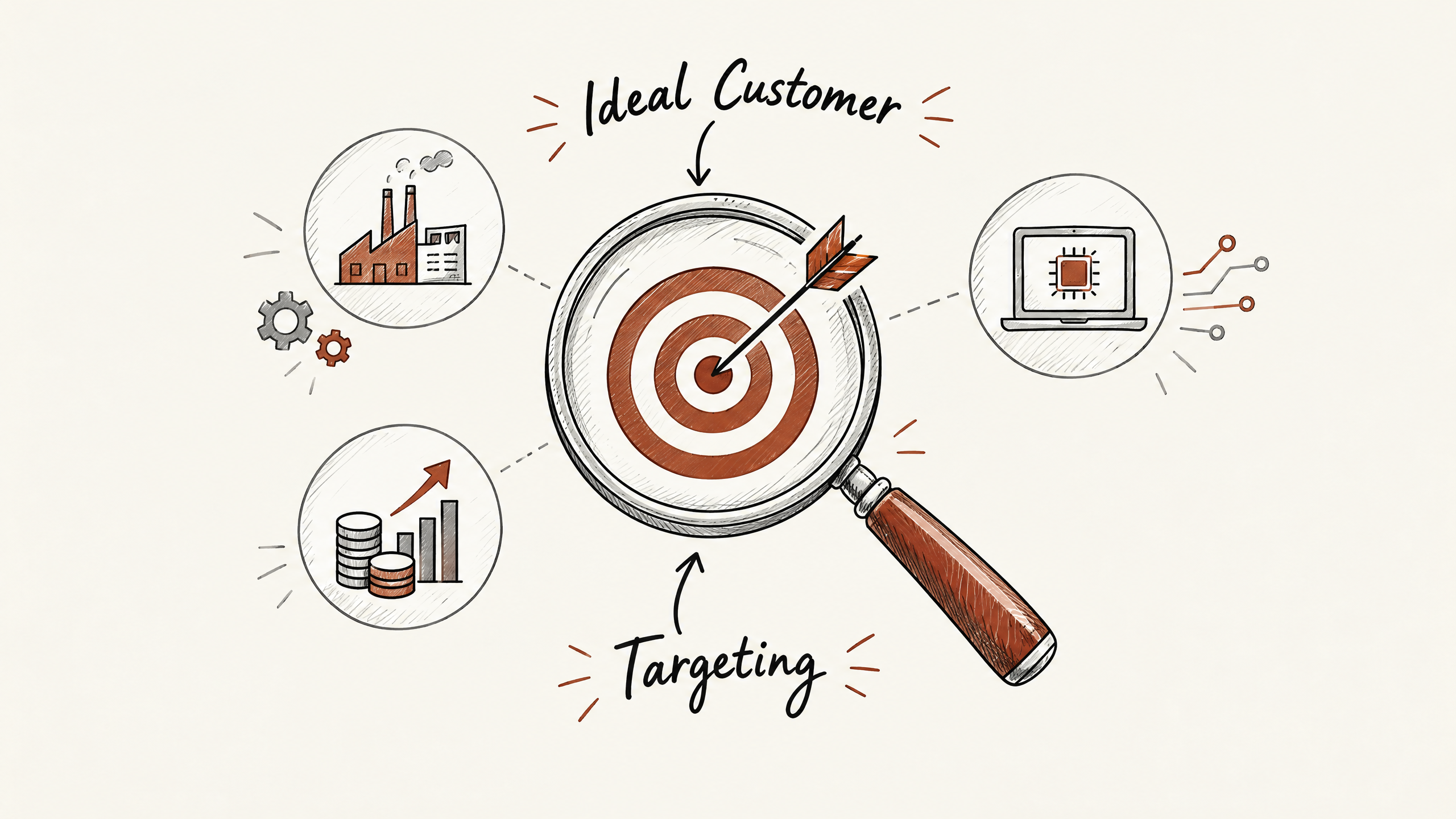
To begin, clearly define your ideal customer profile (ICP) by identifying specific industries, company sizes, and geographic locations that align with your product or service.

This focus ensures you dedicate resources to prospects with the highest potential to convert into valuable clients.
2. Target Prospects with Precision — 6 Effective Techniques to Enhance Your B2B Lead Generation

To make your targeting efforts more precise, consider the unique characteristics that make an organization your ideal fit. This could include annual revenue thresholds, technological sophistication, or key challenges your solution resolves.

Take the time to delineate these criteria distinctly, as a comprehensive ICP avoids the time and resource waste of engaging with poorly suited leads.

For example, if your company offers a software solution for mid-sized manufacturers, your ICP should reflect manufacturing companies with specific revenue ranges or operational complexities.

Not only does this provide a focused approach, but it significantly increases the likelihood of your outreach resonating with recipients who truly need what you’re offering.

A common mistake is to cast a wide net and engage with every potential lead, hoping a percentage will convert.

This scattergun approach often leads to inefficient allocation of marketing resources and diminishes your overall conversion rates.

Instead, continuously refine your ICP as you gather feedback and new data from your campaigns.

An actionable next step is to segment your prospect list according to these refined criteria.

Prioritize reaching out to prospects who closely match your ICP and evaluate the success rate of engagements.

This assessment can reveal further insights into who your most lucrative leads truly are, allowing for even more precise targeting in future campaigns.

3. Conduct Thorough Contact Research

When aiming to enhance your B2B lead generation, conducting thorough contact research is a critical step that should not be overlooked.

Knowing who you’re speaking to and understanding their needs can significantly improve your engagement rates. It starts with gathering detailed information about potential prospects before reaching out.

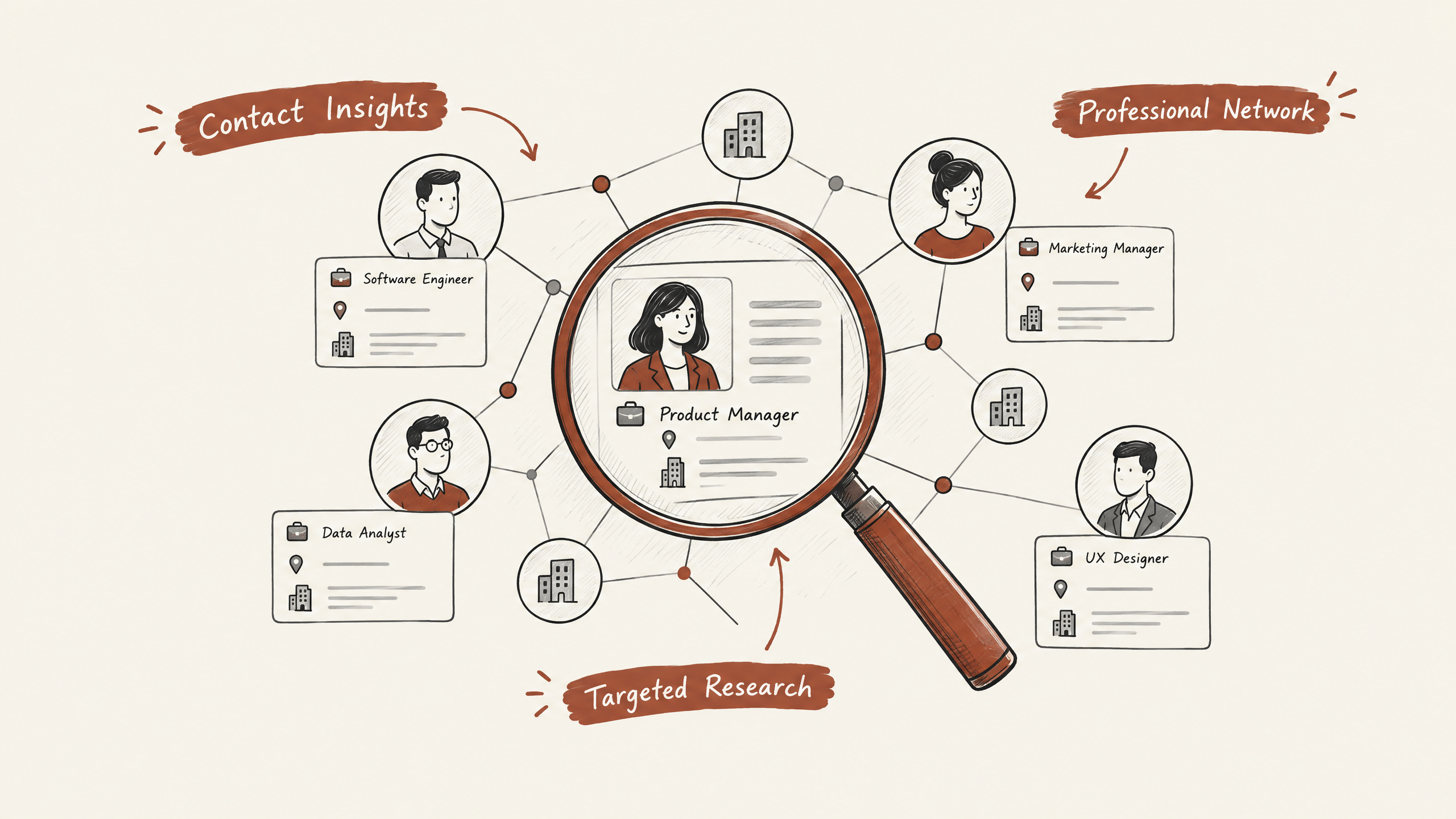
This means diving deeper than just names and email addresses, and looking into job titles, industry details, company size, and recent activities.
3. Conduct Thorough Contact Research — 6 Effective Techniques to Enhance Your B2B Lead Generation

One tool I recommend for this task is LinkedIn, where you can get a sense of a contact’s professional network and industry reach. This platform can also provide insights into mutual connections, group memberships, and shared interests, giving you a full view.

Using these insights, you can tailor your messages to speak directly to their roles and responsibilities.

A common mistake many teams make is not verifying the contact’s information. This can lead to misguided messages or targeting the wrong individuals.

Pro Tip: Before reaching out to potential prospects, make sure you conduct thorough research on their roles, industry, and recent activities to tailor your messaging effectively.

Always double-check the accuracy of your data with reputable databases and tools. This step ensures your efforts are being directed toward the right people and avoids unnecessary outreach.

In practical terms, setting aside time to update and refine your contact list regularly is crucial.

Treat it as an ongoing process rather than a one-time task. As the industry landscape and your contacts’ roles continually evolve, staying updated helps keep your outreach relevant.

If you’re selling a software solution for operational efficiency, knowing a contact’s recent interest in similar products from a webinar can provide a strategic edge. This information can inform the tone and content of your outreach, making your communication far more compelling.

4. Improve Your Meeting Requests

Crafting effective meeting requests is essential for successful B2B lead generation.

A well-considered request not only showcases your professional expertise but also demonstrates respect for the recipient’s time.

The goal is to secure interest and commitment, which means tailoring each request to the specific pain points and needs of the prospect.

4. Improve Your Meeting Requests — 6 Effective Techniques to Enhance Your B2B Lead Generation

Begin by clearly stating the purpose of the meeting and what they can expect to gain from it.

This could be in terms of problem solving, value propositions, or industry insights.

Once you have established the purpose, it’s crucial to provide flexible timing options for scheduling. Offering two to three time slots shows that you respect their schedule while increasing the chances of securing a meeting.

Make sure these options are clear and in their time zone to avoid confusion.

Using a calendar scheduling tool can simplify this process both for you and the prospect, reducing back and forth emails.

Important: To effectively secure meetings, tailor your request to address the prospect’s specific pain points, offering flexible scheduling while highlighting mutual benefits.

Additionally, your meeting request should highlight the mutual benefits.

Explain how both parties will gain from the meeting this builds a case for why it’s worth their time. This is where Exhibitant can step in: our expertise in outbound campaign planning helps you create compelling meeting formats and proposals.

Remember, a mistake teams often make is focusing solely on sales pitches rather than positioning the meeting as a collaborative opportunity.

Finally, always include a clear call to action.

Encourage them to confirm a preferred time or to suggest alternatives.

Keep the language polite yet assertive, showing enthusiasm for the potential partnership without being overly aggressive. With a well-optimized meeting request, you’re more likely to engage prospects and turn these interactions into long-term relationships.

5. Plan Effective Outbound Campaigns

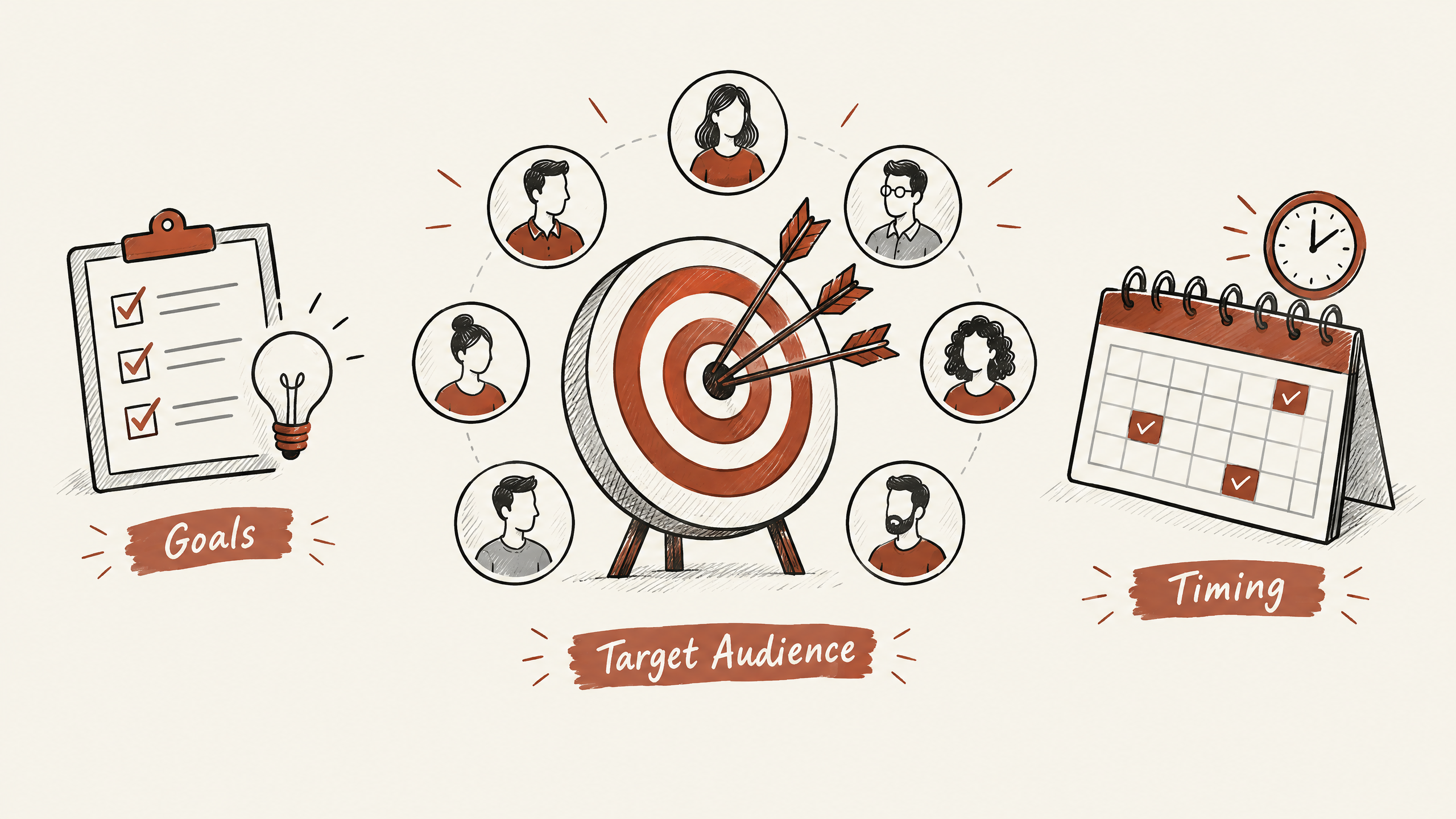
Creating a successful outbound campaign begins with a clear understanding of your target audience.

Before diving into the details, outline who you’re trying to reach.

Evaluate their specific needs, preferences, and pain points. This segmentation will guide the crafting of messages that resonate and prompt action.

5. Plan Effective Outbound Campaigns — 6 Effective Techniques to Enhance Your B2B Lead Generation

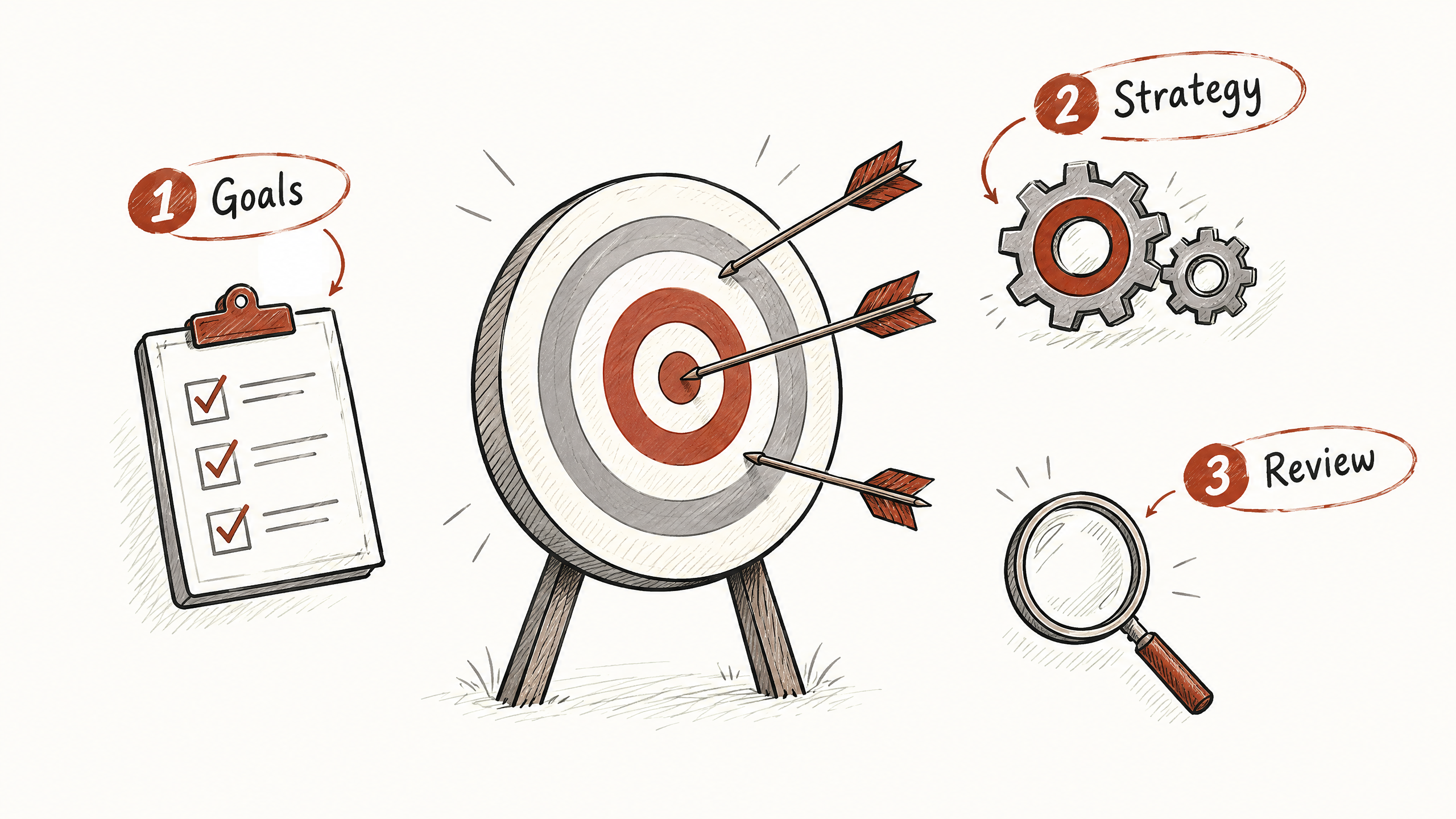
Next, set specific goals for your campaign.

Whether you’re looking to increase brand awareness, generate qualified leads, or drive conversions, having a precise objective will direct your strategy.

For instance, if your aim is to generate 100 qualified leads in a month, tailor your tactics to support that number.

Timing is also crucial in planning outbound campaigns. Strategically decide when your messages should be sent to achieve the best engagement.

Consider timing factors such as industry events, fiscal periods, or time zones.

Sending a well-crafted message at 9 a.m. in your prospect’s time zone may yield better results than a blast at midnight.

Your campaign message should be clear and compelling.

Pro Tip: To enhance engagement, schedule your outbound messages for optimal times, such as 9 a.m. in your prospect’s time zone, considering industry events and time zones.

Develop a central theme or offer that aligns with your goal and resonates with your audience.

Keep your messaging concise and focused on the benefits, with a strong call to action encouraging prospects to take the next step.

Once you’ve developed your plan, choose the right channels for outreach.

Options include email, social media, phone calls, or even direct mail.

Select channels that are most appropriate for your audience’s preferences and the nature of your message.

Here’s a step-by-step example to help illustrate a hypothetical campaign plan for a mid-sized tech company:

  • Identify and segment 500 IT managers as your target audience, aiming to demonstrate how your solution saves operational costs.
  • Set the goal to schedule 15 demos over the next 30 days.
  • Schedule email sends for Tuesdays and Wednesdays between 9 a.m. and 11 a.m. in each target time zone.
  • Create an email series highlighting recent case studies and offering a free consultation.
  • Follow up emails with personalized LinkedIn messages for more direct engagement.
  • Track response rates and adjust the strategy halfway through the campaign if needed.

A common mistake in outbound campaigns is using a one-size-fits-all approach.

Customization is key, and taking the time to personalize your outreach can make a significant difference in engagement. Allocate time and resources to iterate and improve messaging based on results and feedback.

6. Use Technology for Lead Tracking

For B2B marketers, effectively tracking leads is critical.

The right technology solutions can significantly enhance this process.

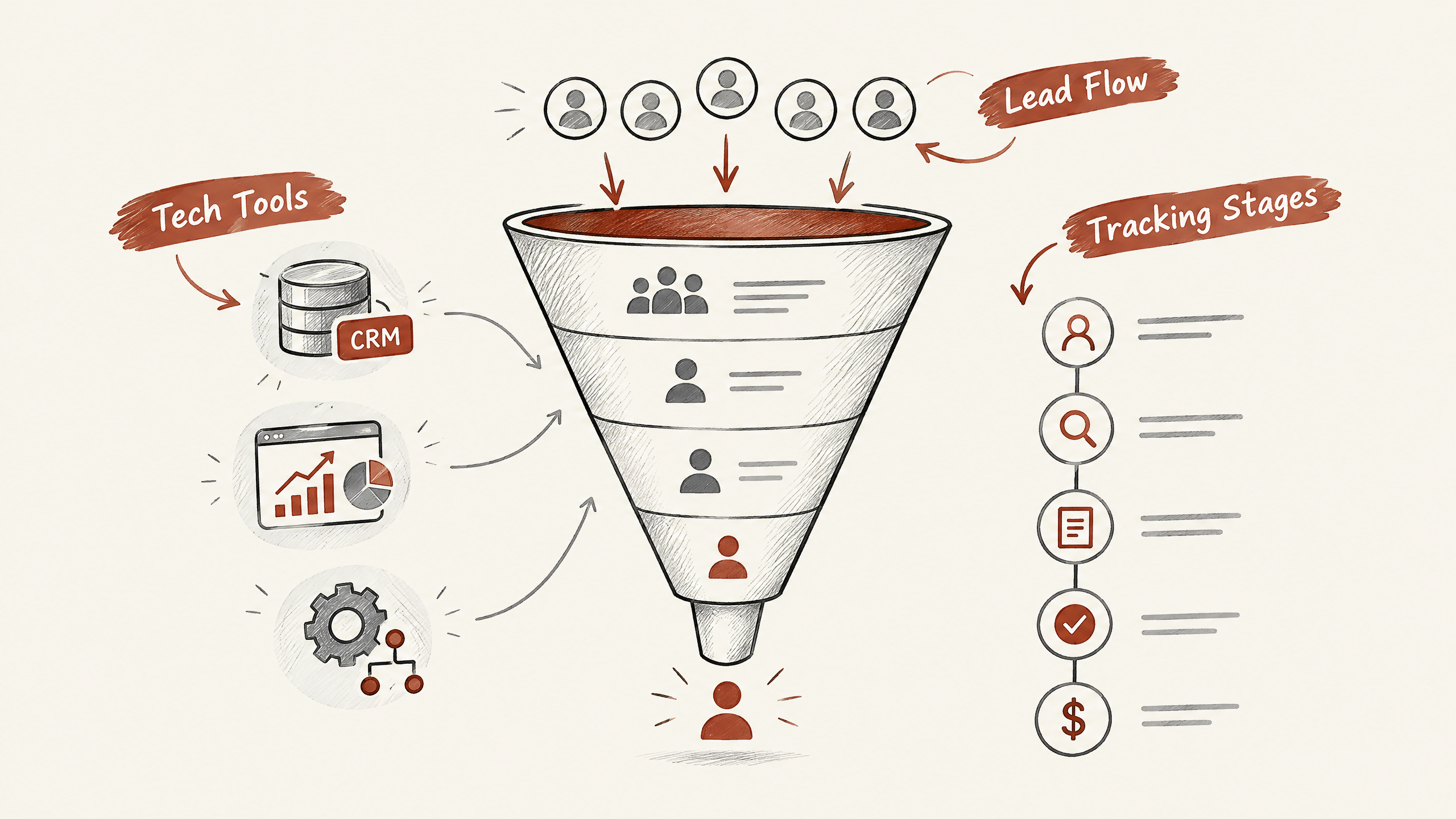
Tools like CRM systems, lead management platforms, and analytics dashboards help you monitor where a lead is in the sales funnel.

6. Use Technology for Lead Tracking — 6 Effective Techniques to Enhance Your B2B Lead Generation

Automating these processes frees your team to focus on nurturing relationships rather than getting bogged down by manual data entry.

One common mistake in lead tracking is relying on outdated software. If your CRM or analytics tools aren’t up to date, leads can slip through the cracks.

Regularly review your tools to make sure they still meet your tracking needs. Evaluate how each piece of technology integrates with your other systems.

Your team should be able to access and share crucial information without jumping through hoops.

Let’s look at a hypothetical scenario to see how technology can play a role: Imagine your sales team is following up with a lead who attended a webinar.

By implementing tracking technology, you can automatically tag this lead in your CRM, note their webinar attendance, and schedule follow-up tasks. This streamlined approach ensures no leads are forgotten and the right follow-up actions are taken.

Deciding which tools to use requires a thorough understanding of your team’s unique needs.

Consider budget constraints, the size of your sales team, and the complexity of your sales process.

Are you looking for an all-in-one solution or specific features like advanced analytics or mobile access? Make sure to discuss these with your team, gather input, and conduct trials before making a final decision.

The primary tradeoff in choosing technology is often between functionality and ease of use. More comprehensive platforms might have a steeper learning curve.

However, simpler tools might not offer the versatility you require. Balancing these factors is key to effective lead tracking and nurturing in your organization.

Before You Go

You’ve explored several actionable techniques to boost your B2B lead generation.

The key takeaway is to put these strategies into practice in a way that suits your unique business needs. Whether you are refining your cold email outreach or using technology to track leads, each step is vital in building a solid sales pipeline.

As you move forward, focus on setting specific goals for your outreach efforts.

Before You Go — 6 Effective Techniques to Enhance Your B2B Lead Generation

This involves clarifying what success looks like for your team. Are you aiming to reach a certain number of qualified leads per month?

Or, perhaps you’re testing different messaging approaches?

Defining these objectives will guide your actions and measure progress.

Another crucial next step is to review and adjust your strategies regularly.

The market is always evolving, so it’s important to remain flexible.

Analyze what’s working and what’s not, and adapt accordingly.

This will help you stay competitive and relevant in the ever-changing B2B landscape.

Now that you have these insights, align them with your team’s priorities and resources.

This alignment ensures that everyone is on the same page and working towards the same goals.

Execute these strategies methodically, and watch as your lead generation efforts gain momentum.

Ready to reach the right buyers?

Build a focused outreach plan

Share your audience, offer, and sales goals. Our team can help with prospect research, cold email outreach, and meeting requests.

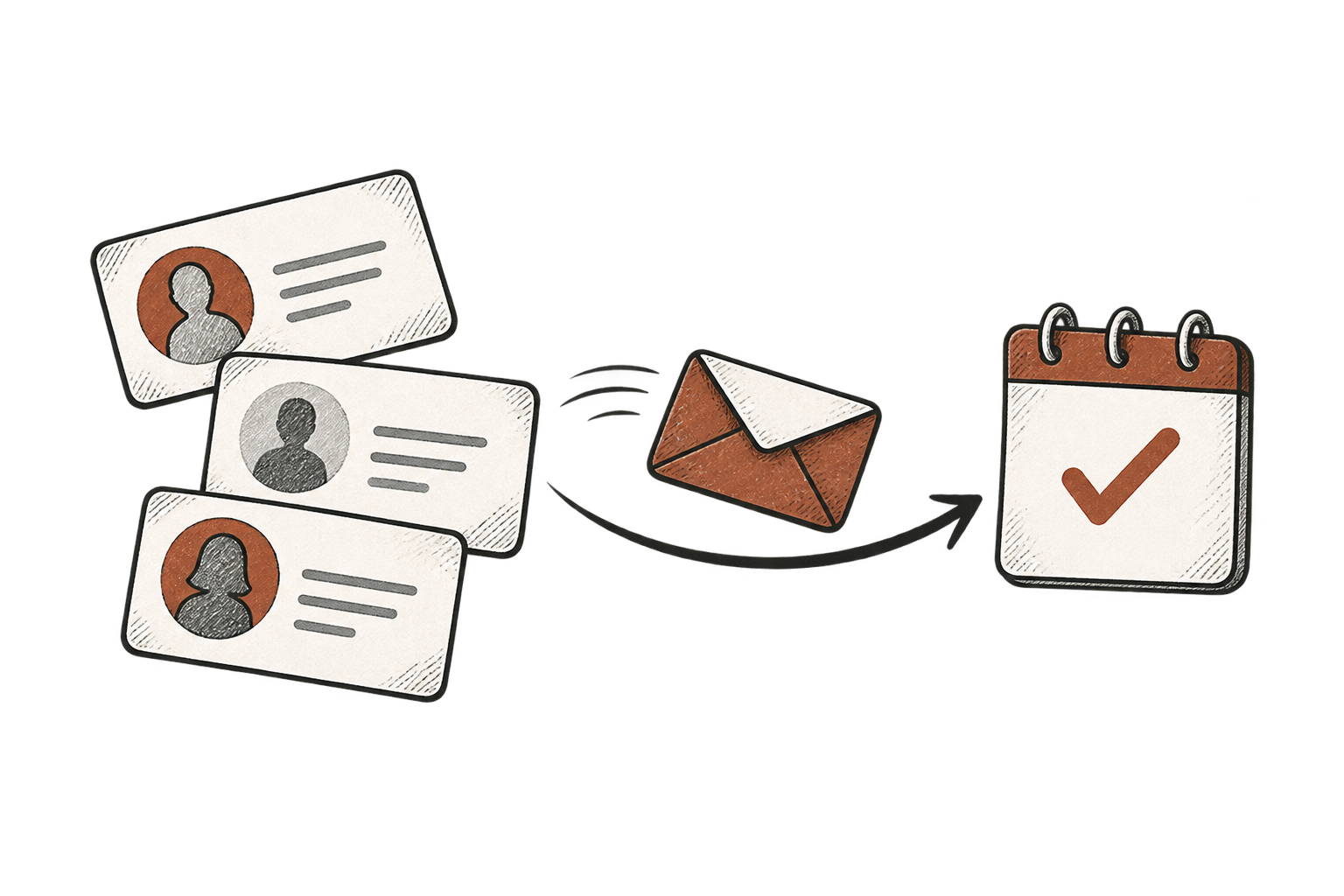
Hand-drawn prospect cards, outreach envelope, and meeting calendar

Contact our team

Tell us who you want to reach

Tell us about your business, the buyers you want to reach, and what you want to achieve. Whether you need more sales conversations, stronger marketing, or a trade show presence, we’ll help you identify where to focus and what support makes sense. Together, we can shape a practical plan around your priorities, budget, and timeline.

info@exhibitant.com

Tell us what you need

A few details will help us make the most of our conversation.