 Lorena G.
When planning a trade show, the venue choice is pivotal, influencing everything from exhibitor satisfaction to attendee engagement.
From my experience, the success of an event can hinge on picking a venue that aligns with the show’s objectives. You really can’t underestimate how significantly a well-chosen venue can enhance the experience for everyone involved.
One aspect that often goes under the radar is understanding the nuanced details of each potential location.
It’s not just about square footage and layout, though those are vital. I’ve seen how accessibility and the surrounding environment can drastically impact attendance numbers and overall enthusiasm.
You want a spot that excites but also accommodates everyone involved.
What frequently comes up in conversations with other organizers is the importance of knowing the venue’s offerings in terms of amenities and services.
It’s worth diving into past event feedback to get a sense of the venue’s reputation.
The feedback can reveal hidden gems or deal-breakers that aren’t evident in an initial tour or online gallery.
Don’t overlook negotiating terms that align with your budget.
Venues have different packages and inclusions, so understanding what’s genuinely valuable can save a lot of headaches.
In this post, I’m going to walk you through the key considerations when choosing your next trade show venue.
- Evaluate venue size for your booth and expected foot traffic.
- Consider location accessibility for attendees and exhibitors.
- Assess venue amenities like Wi-Fi, AV equipment, and catering.
- Review past event feedback to gauge venue reputation.
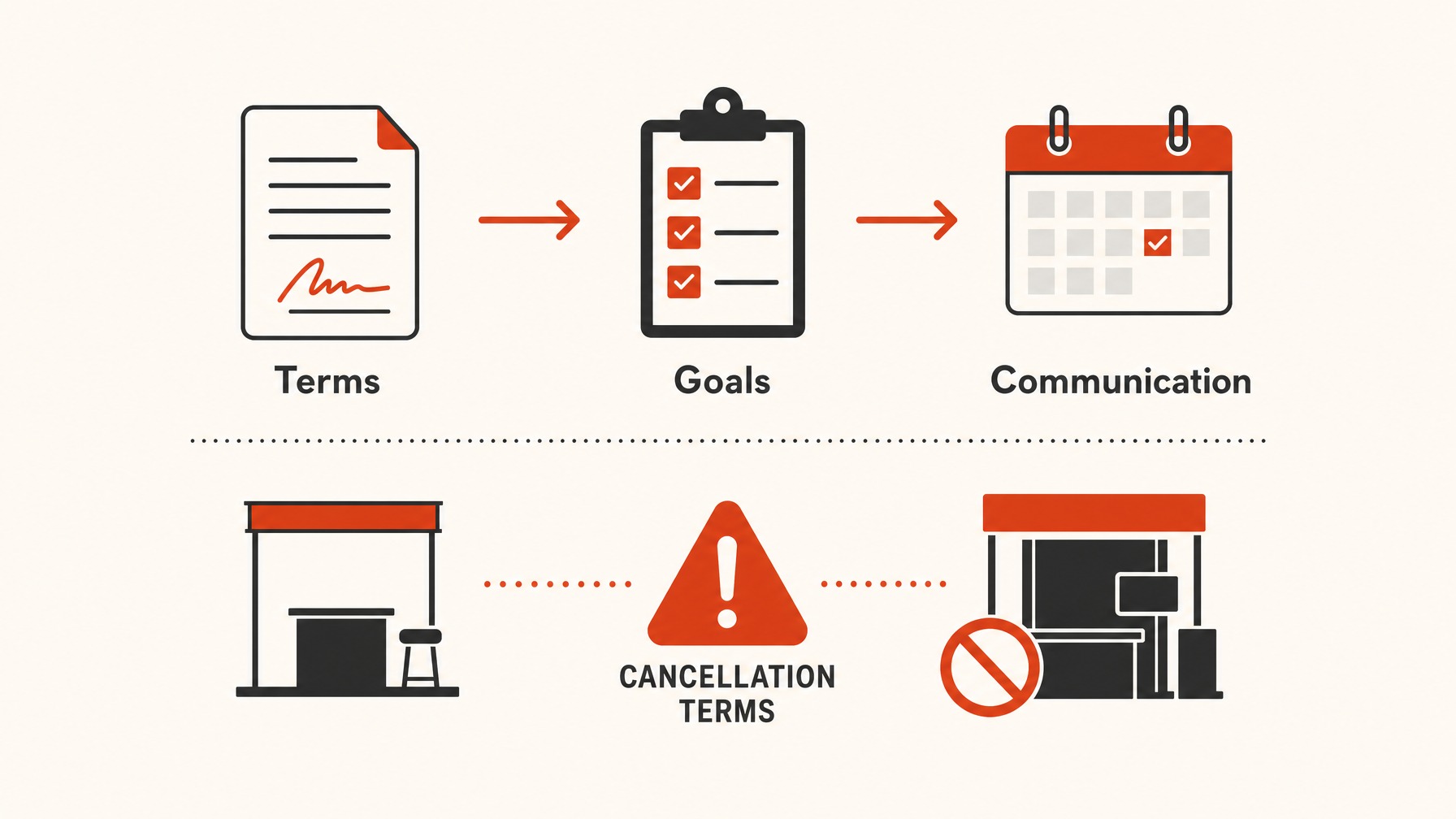
- Negotiate flexible terms for unforeseen changes or cancellations.
You’ll find more practical details and tips ahead.
Think about the specific needs of your event.
We’ll dive deeper into what makes a venue really the right fit for you.
Stay tuned to learn how to make your next trade show a success.
1. Assessing Venue Size and Layout
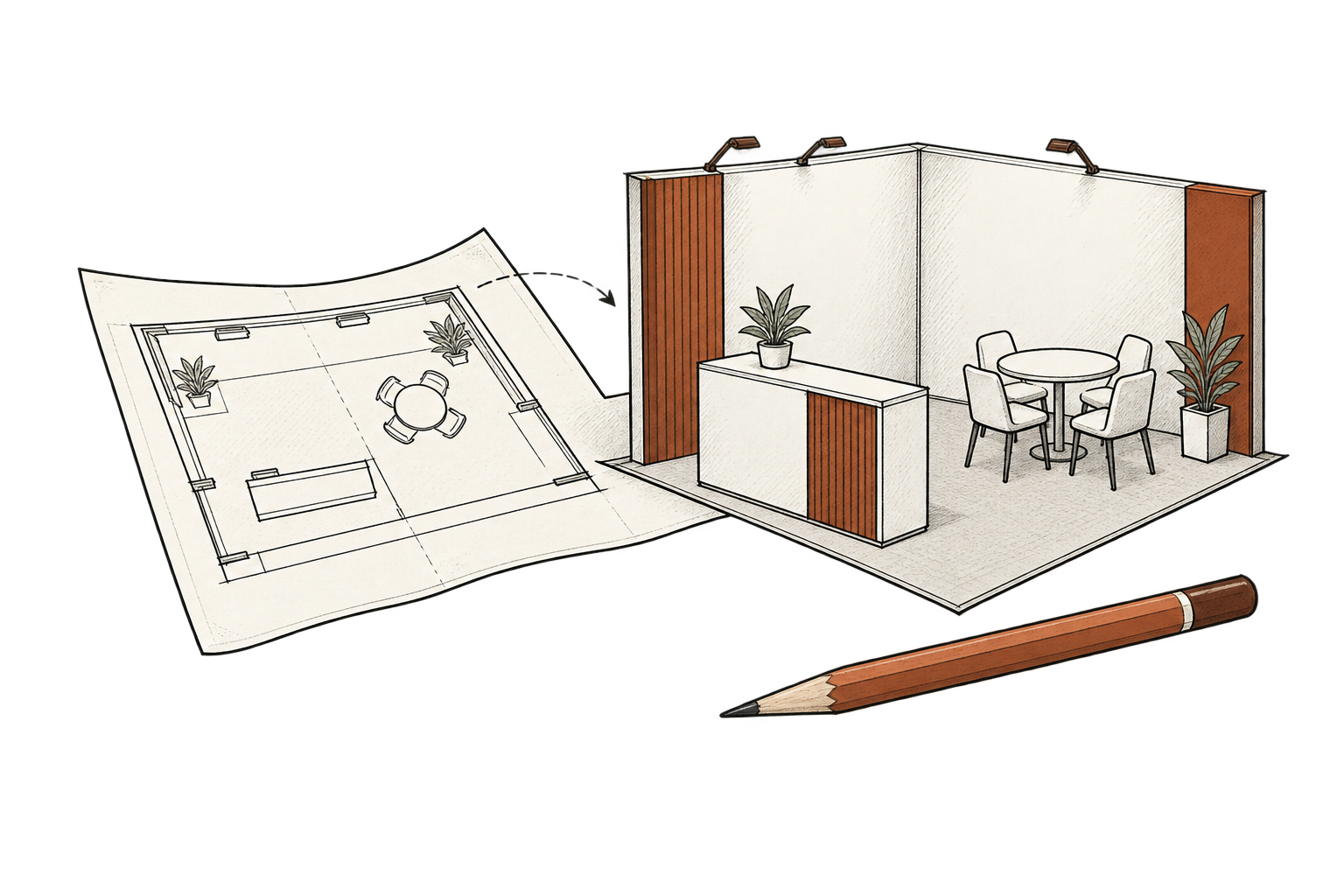
When it comes to choosing the perfect venue for your trade show, starting with a detailed analysis of the venue’s size and layout can set the stage for successful planning. What we have seen work really well is this preliminary assessment helps you determine if the space can accommodate your exhibition needs without sacrificing attendee comfort or logistical efficiency.
One thing most exhibitors end up doing is underestimating the importance of a venue’s footprint.
You should ideally match the venue size with the anticipated turn-out, factoring in space for essential elements like booths, walkways, and social areas.
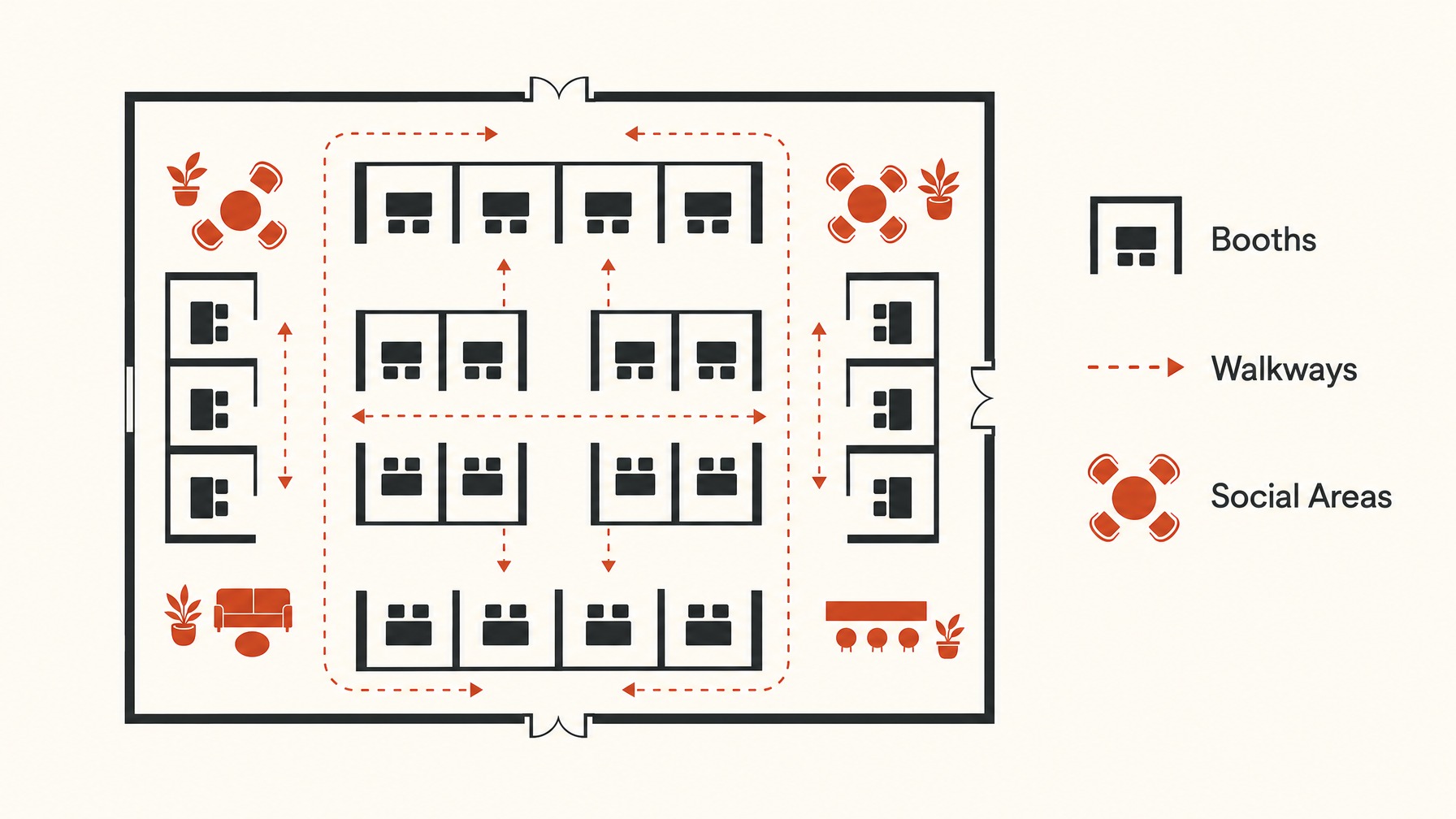
A venue too small might lead to cramped aisles and limited movement, whereas an unnecessarily large space can detract from the event’s energy and intimacy.
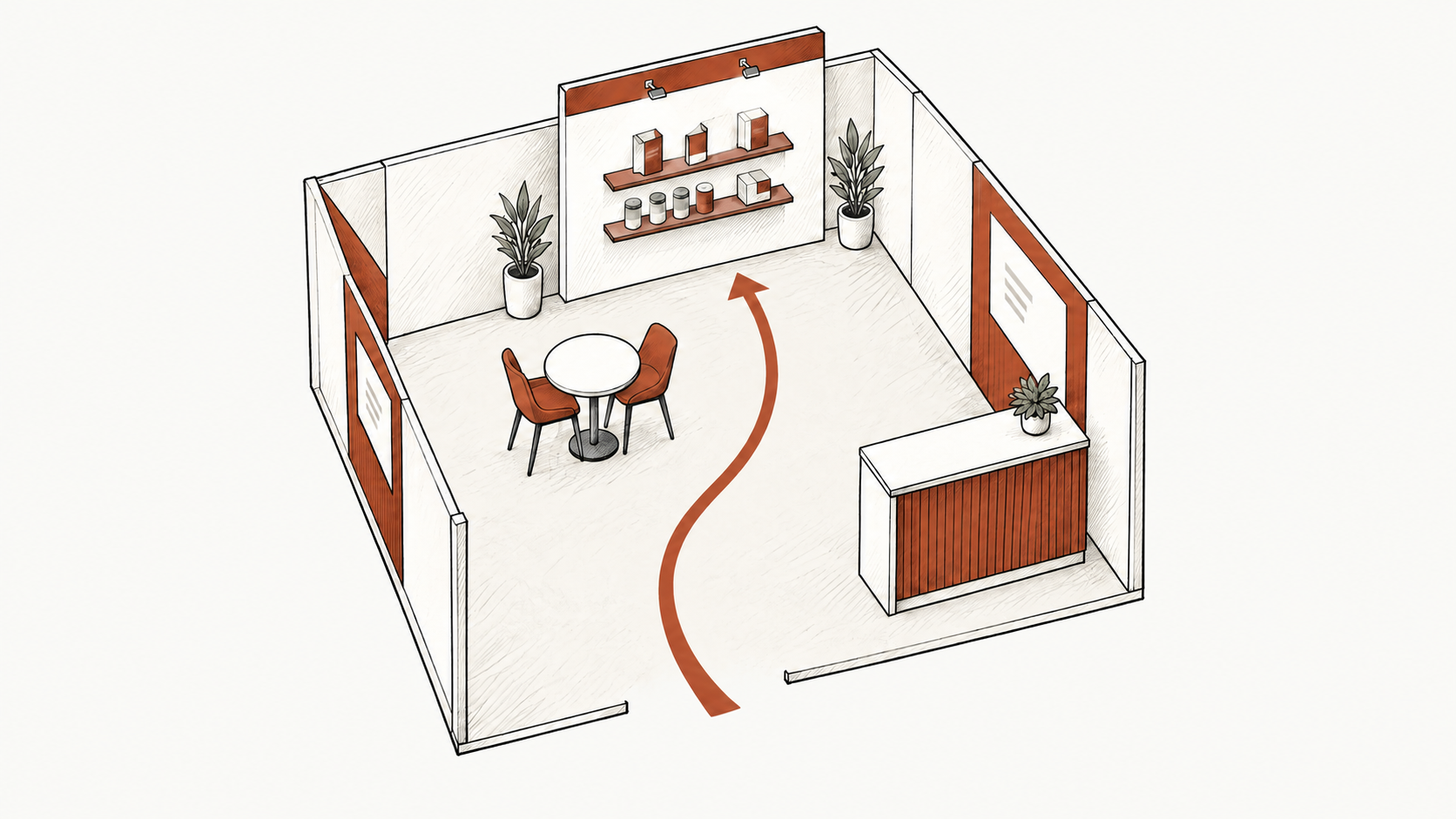
From what I have seen, the ones that get it right usually consider how the layout facilitates attendee flow.
The use of intelligent design in booth arrangement and spacing contributes to a productive and engaging environment. Additionally, make sure that key facilities like restrooms and food stations are easily accessible without disrupting the natural flow of the exhibit floor.
Another aspect to evaluate is the flexibility of the venue layout. This could include movable walls, accessible storage areas, and adaptable electrical setups.
Such features enhance the capability to customize the space according to your specific thematic and practical requirements.
Something that comes up a lot is whether the venue offers integrated technology solutions.
Essential services like Wi-Fi connectivity and audio-visual equipment should meet modern standards and blend seamlessly into the layout.
The presence of ample power sources and efficient lighting further complements the space’s functionality, boosting both exhibitor and attendee experience.
I would say the biggest thing here is understanding how the venue’s entrance and exit points might impact both security procedures and attendee experience. You want to make sure smooth entry and exit to avoid bottlenecks that could lead to frustration and inefficiency.
Incorporating this knowledge early in your planning will provide a foundation for a successful engagement strategy at your event.
2. Evaluating Accessibility and Location
When selecting a trade show venue, one of the most critical factors to evaluate is accessibility.
Having an accessible venue means you can attract a more extensive audience, including international participants who might require nearby airports and strong transport links.
In my experience, venues close to major transit hubs inherently provide a competitive edge. This ensures both your attendees and exhibitors can easily reach the location, minimizing travel stress and maximizing turnout.
Beyond transport, another important aspect to consider is the venue’s proximity to accommodation.
Whether your target audience is primarily local or from out-of-town, having a range of hotels nearby is vital. What we have noticed at Exhibitant is that venues surrounded by various lodging options generally draw larger crowds.
Attendees appreciate the convenience of reducing travel time to and from the venue.
Flexibility in accommodation options also caters to the diverse needs of different delegates, which is always beneficial.
The local amenities surrounding the venue play a crucial role as well. Visitors often prefer locations where they can easily access restaurants, entertainment, and other services to enhance their overall event experience.
Pro Tip: When choosing a trade show venue, make sure it’s near transit hubs and diverse lodging options to attract international attendees and enhance their experience.
An ideal venue would not only boast an excellent location but also enrich attendees’ time outside of event hours.
I’ve found that exhibitors tend to favor locations where participants can recharge and network in local areas, boosting off-site engagement opportunities.
Another thing to keep a close eye on is the overall neighborhood safety and hospitality.
Venues that are in safe, well-regarded areas create a more pleasant experience, ensuring attendees feel comfortable and secure throughout their stay.
From my observations, the ones that get it right usually combine prime locations with a vibrant local atmosphere.
This combination is crucial not only for your event but for the subsequent success and satisfaction of your attendees.
3. Reviewing On-Site Amenities and Services
When you’re looking to book a venue for your next trade show, one of the first things you should pay attention to is the on-site amenities and services offered by the facility.
What we have seen work really well is selecting a venue offering a comprehensive suite of services such as food and beverage options, audio-visual equipment, and reliable Wi-Fi connectivity.
These amenities can significantly enhance the attendee experience, keeping your guests comfortable and engaged, while allowing you to focus on the event’s primary objectives.
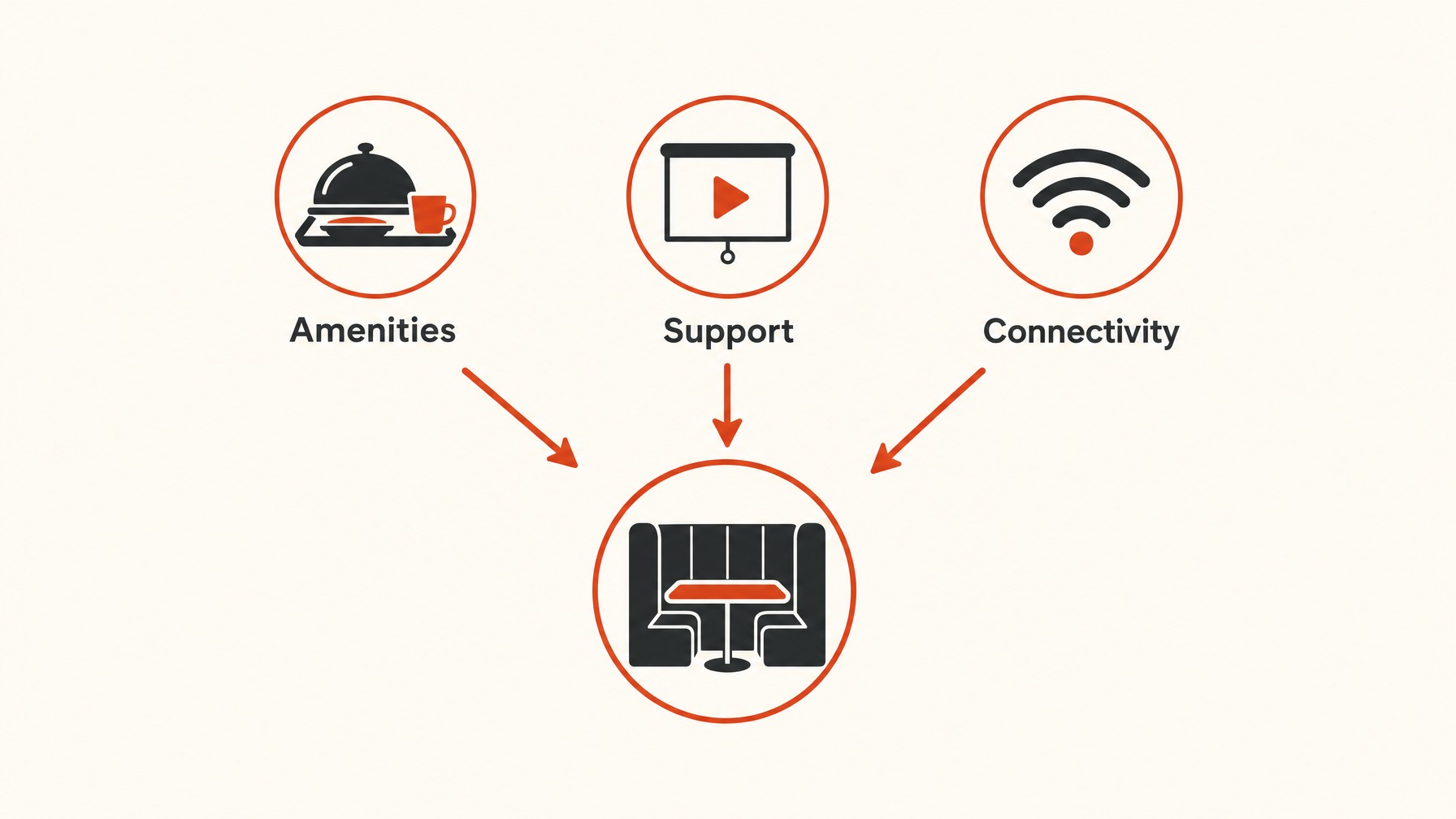
The venues that get it right usually offer technical support staff on standby, ready to help with any unexpected technical glitches that may arise.
This is incredibly important for ensuring smooth presentations and uninterrupted operations.
Look closely at the parking facilities as well, since inadequate parking can frustrate attendees and lead to poor impressions of both your event and brand.
Another thing most exhibitors end up doing is reviewing the venue’s catering policies. Determine whether outside vendors can be brought in or if you are limited to the establishment’s in-house services.
A venue with a range of flexible catering options often allows for a more customized event experience, especially when tailoring to specific dietary requirements or themes.
Something that comes up a lot is the value of additional business support services such as printing, shipping, and assistance with logistics.
These services can be critical when dealing with last-minute changes or additions to your exhibit. From what I have seen, exhibitors are most successful when they make sure the venue can handle the unique aspects of their particular event.
Furthermore, consider the available breakout rooms or lounge areas that attendees can use for private meetings or networking.
Such spaces are often underestimated, but they facilitate more productive discussions and business dealings during the course of the event. Always be clear about what amenities and services are included in the baseline rental fee and what might incur additional charges.
Many venues offer customizable packages that can be tailored to your specific needs, which can be a significant advantage.
By reviewing these features carefully, you can better match the venue’s offerings to your event requirements, maximizing both efficiency and impact.
This attention to detail in selecting a venue ensures that your trade show not only meets expectations but achieves its goals.
 Louie J.