
6 Tips for Efficient Trade Show Booth Move-In and Setup

Streamline your trade show booth setup with these expert tips for smooth, efficient operations.

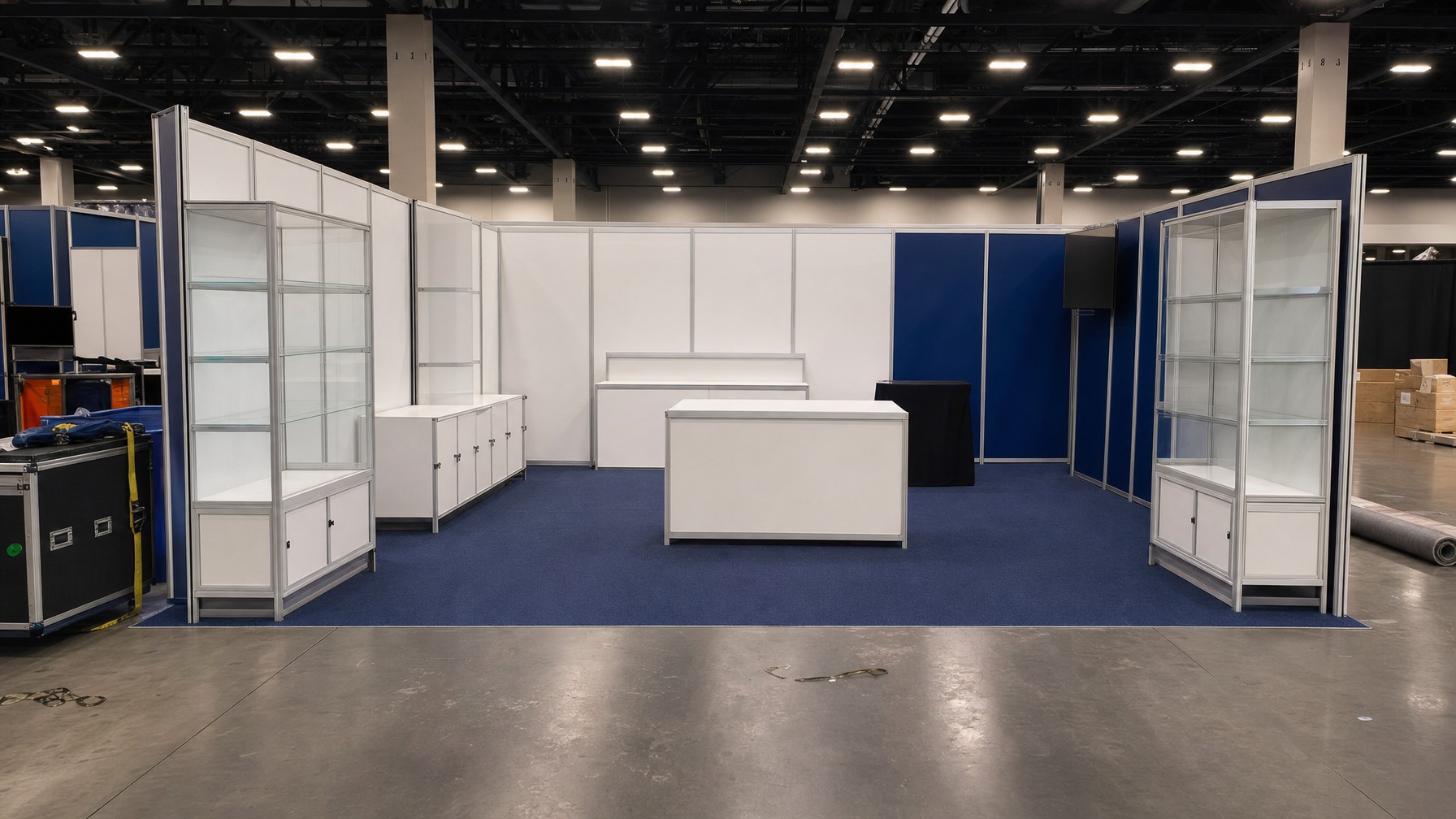
Setting up a trade show booth efficiently is both an art and a science, and from what I have seen, it can make or break an exhibitor’s success at the event. Even the most exciting displays can fall flat if they’re not assembled smoothly and on time. Navigating the maze of logistics and deadlines can be daunting, but a well-organized move-in process can alleviate a lot of headaches.

One key challenge that I’ve noticed many exhibitors face is coordinating pre-event logistics with the venue and ensuring that all parts arrive when they should.

There’s an art to setting up a booth swiftly without a frantic last-minute scramble, and streamlining those logistical details plays a pivotal role in achieving that harmony.

Another aspect often overshadowed is the effective organization of booth components.

From what I’ve observed, having a streamlined system for unpacking and assembling parts can speed up the process significantly.

Equipping your team with proper training and the right tools is crucial as it empowers them to perform optimally, no matter the pressures they face on the ground.

Technology can also be a powerful ally in the setup process, offering tools that simplify tasks or improve communication among team members. Yet, I would say it’s just as important to factor in potential contingencies that might arise.

Preparing for the unexpected is something that comes up a lot in conversations with seasoned exhibitors, and it can really save the day when things don’t go as planned.

In this post, I’ll walk you through six indispensable tips for a smooth trade show booth move-in and setup.

Key Takeaways:
  • Coordinate with venue staff to streamline logistics and prevent delays.
  • Label and organize booth components for easy identification and assembly.
  • Utilize digital tools for real-time setup tracking and adjustments.
  • Train staff on setup procedures to ensure smooth execution.
  • Plan for contingencies, including weather and equipment malfunctions.

The simple tips are a great start, but there’s much more you need to know to handle booth setups like a pro.

You’ll find deeper insights on how to keep your team organized and ready for action.

Your move-in process can be a breeze when you apply these practical strategies and tricks.

Keep reading to learn how to turn potential setbacks into stress-free victories.

1. Pre-Event Coordination with the Venue

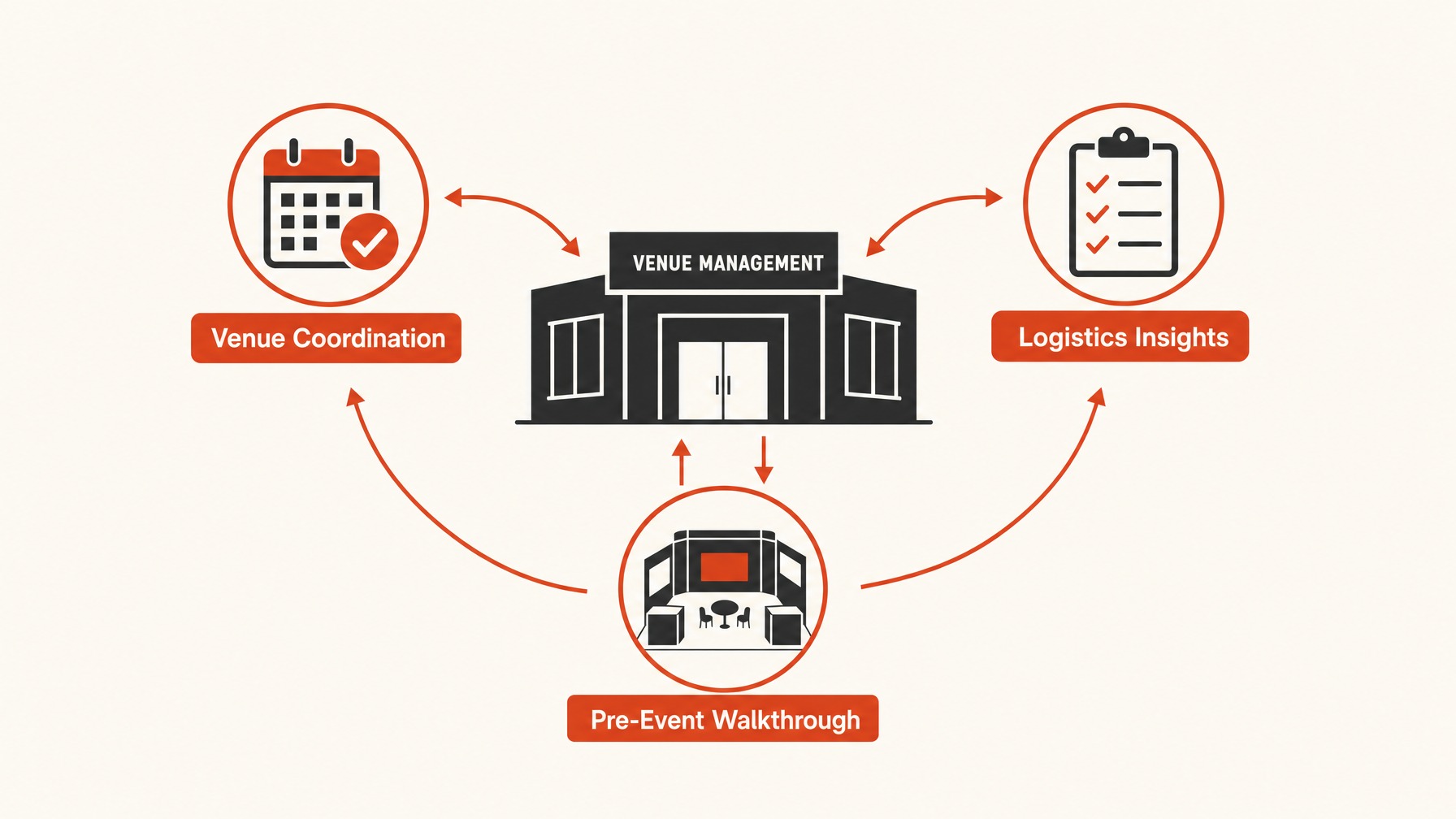
From what I have observed, an integral part of a successful trade show booth move-in is thorough pre-event coordination with the venue.

This involves more than just booking your space; it means understanding the logistics of the event floor well before the event date.

One thing I often recommend is initiating communication with the venue’s event managers, as they can provide vital information that’s not readily available in printed guides.
1. Pre-Event Coordination with the Venue — 6 Tips for Efficient Trade Show Booth Move-In and Setup

Their insight can be useful for understanding nuances like power supply locations and general floor traffic flow.

What we have seen work really well is requesting a meeting or walkthrough of the venue prior to the event.

This provides an opportunity to physically map out your booth setup and address any potential challenges onsite.

Additionally, familiarize yourself with the venue’s rules and regulations, such as noise restrictions, rigging specifications, and safety protocols.

Knowing these ahead of time can save you from last-minute adjustments during move-in.

Another vital aspect is coordinating load-in times and procedures with the venue to make sure an optimized setup.

It’s crucial to confirm details like access points and available staff assistance to simplify the process for your team. I would suggest aligning all this information with your logistics plan to eliminate bottlenecks on the day of setup.

2. Streamlining Logistics for a Smooth Setup

One thing most exhibitors end up focusing on is how to fine-tune their logistics to simplify booth setup.

Packing booth materials logically and using detailed labeling is crucial for ensuring every item is easily found when needed.

We’ve noticed the most effective way to achieve efficiency is by creating a comprehensive shipping checklist. This practice ensures nothing important is overlooked, and every item required for assembly is accounted for.

A lot of exhibitors find that working closely with their shipping partners can make a big difference in managing timelines effectively.

Engaging with vendors who are familiar with trade show protocols can greatly reduce the setup hassles and help in anticipating any potential delays.

Another important aspect here is to schedule deliveries for low-traffic times, allowing easy access to loading docks and minimizing unnecessary waiting.

I would say the biggest thing here is having clear communication with your logistics team to make sure that everyone is on the same page regarding schedule and responsibilities.

Using a staging area to sort equipment and materials can make the entire setup process more organized and efficient. This approach allows for better allocation of resources and manpower, especially when it comes to transporting items from storage to the booth.

Important: Streamlining your trade show logistics requires a comprehensive shipping checklist and clear communication with your logistics team to avoid overlooked items and setup delays.

It’s also important to have an emergency kit on hand stocked with tools and supplies to tackle unforeseen installation issues.

Something that comes up a lot is the need for extra fasteners, adhesives, and other material essentials, which can prevent last-minute scrambling.

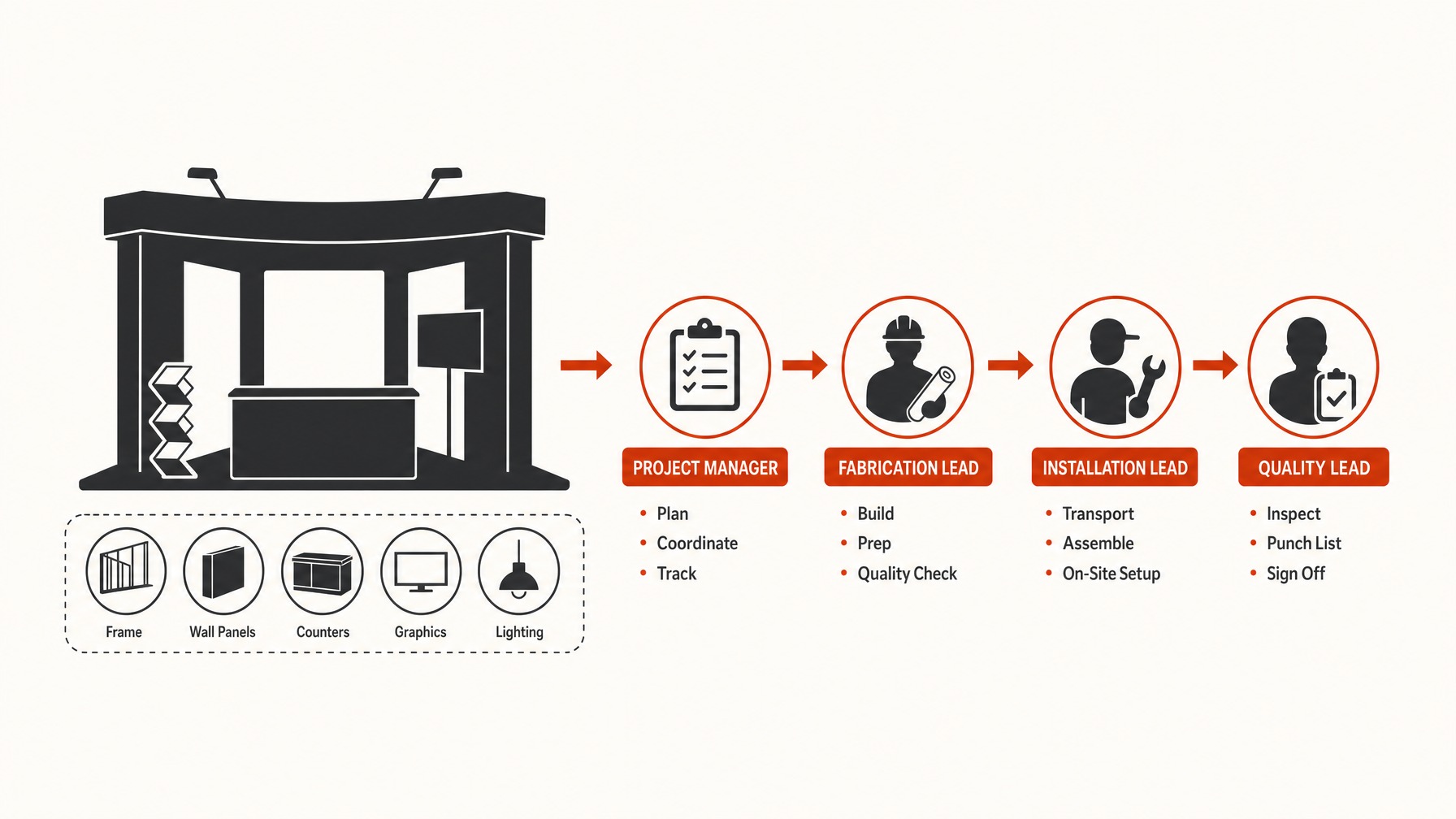
Finally, those who perfect the logistics aspect tend to have a dedicated team member specifically assigned to manage the setup timeline.

This individual acts as the point person and ensures that all tasks are being executed as planned.

They maintain oversight, provide quick problem-solving, and guarantee that everything runs like clockwork.

From my observations, having a person in this role often translates to fewer delays and a smoother setup experience.

3. Organizing Booth Components Effectively

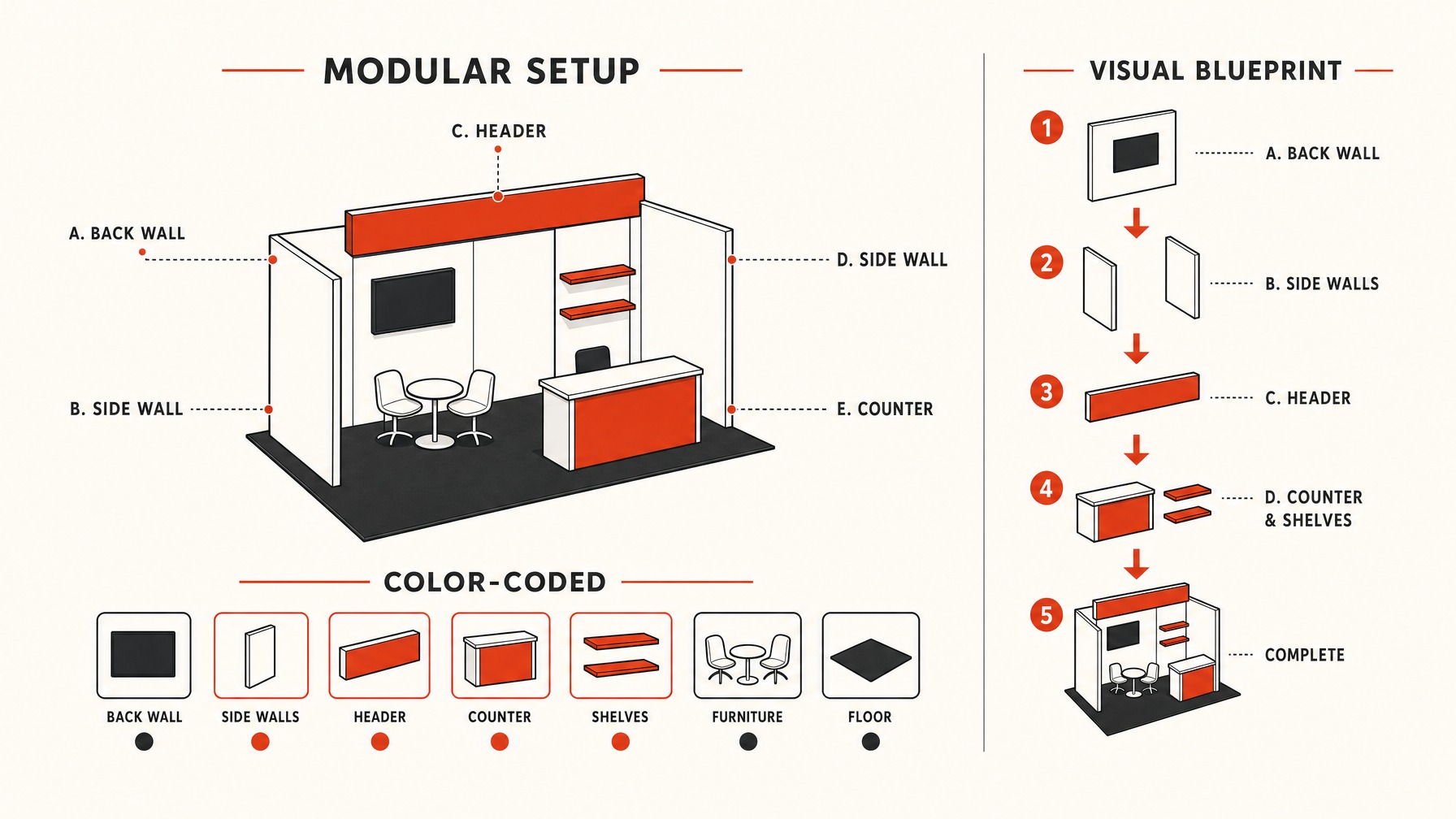
When it comes to organizing booth components, what we have found works well is to think of your exhibit as a modular setup.

Breaking it down into manageable sections not only aids in ease of movement but also enhances your team’s ability to focus on specific areas during setup.

One thing most exhibitors end up doing is color-coding parts or using dedicated labels to identify sections and equipment related to specific areas.
3. Organizing Booth Components Effectively — 6 Tips for Efficient Trade Show Booth Move-In and Setup

This system becomes a huge asset when time is limited, ensuring that everything is at the right place at the right time.

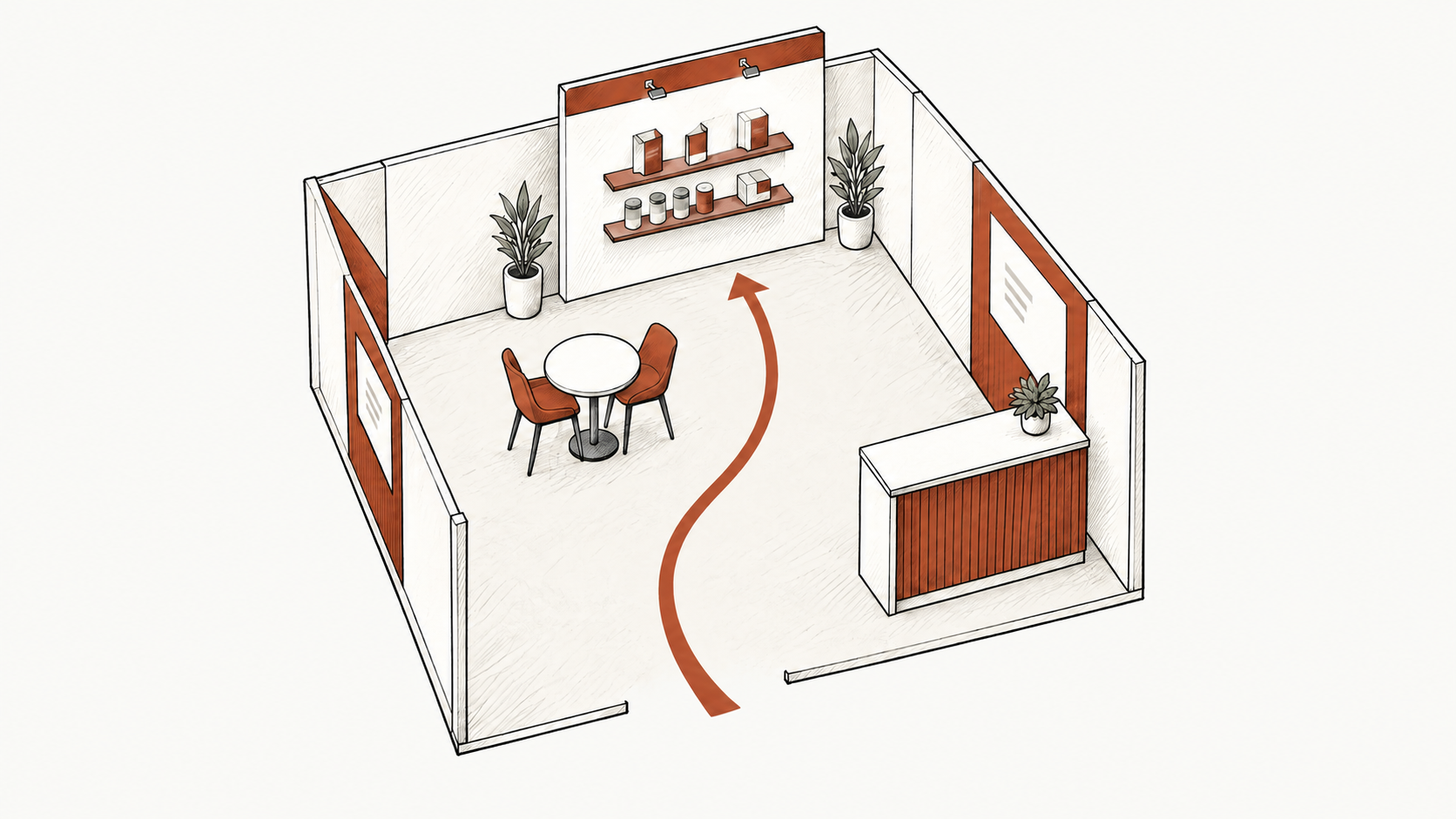
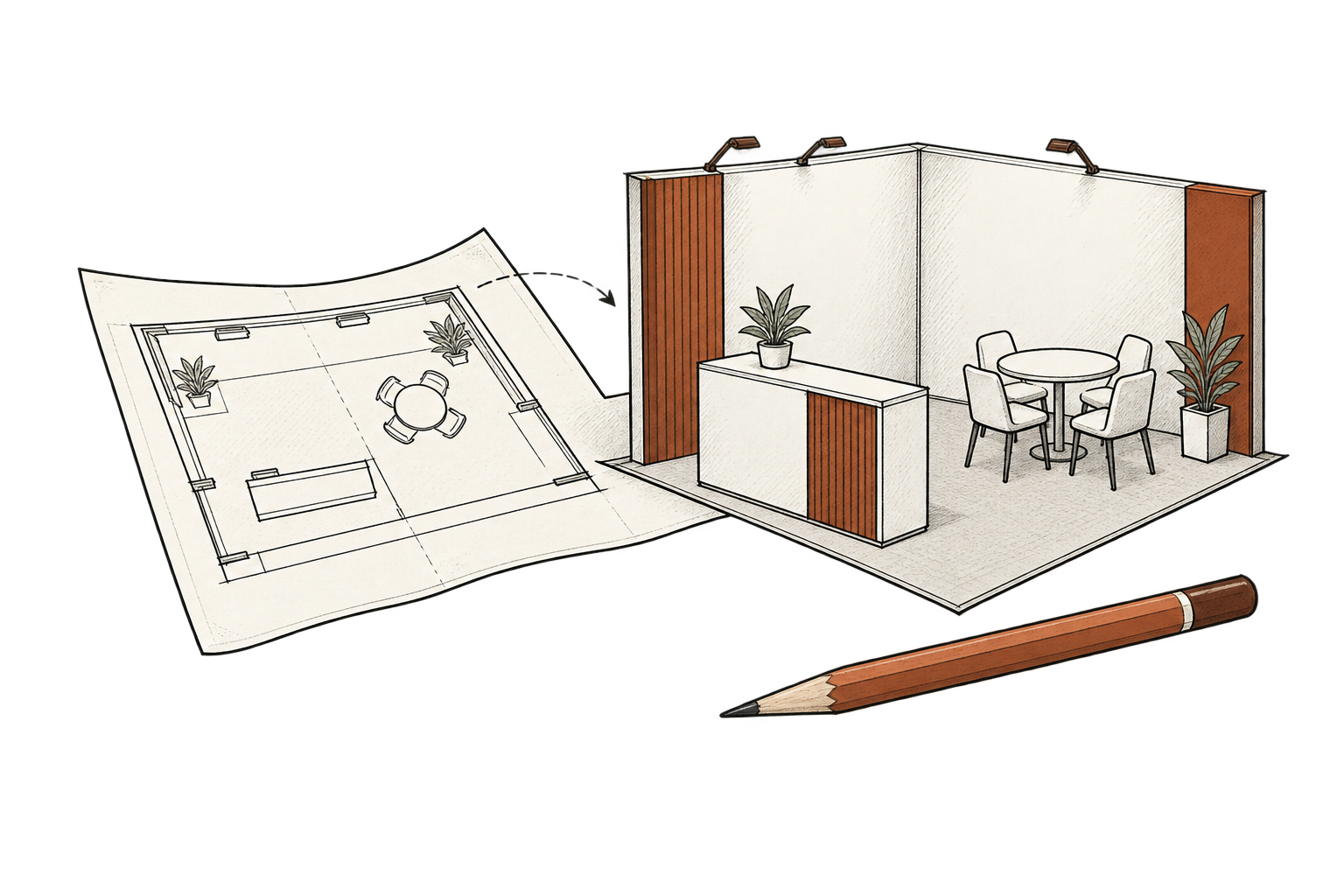
Another key strategy to consider is creating a visual layout or blueprint of your booth arrangement. This guide will be invaluable onsite, offering your team a clear visual reference to follow.

At Exhibitant, the team has seen exhibitors benefit from using photos or diagrams from past setups to recreate successful booths swiftly and accurately. If you have new elements this year, a trial setup back at your home office might help iron out the kinks before facing the pressures of the exhibition floor.

It’s the kind of preparation that can prevent costly errors when every minute counts.

Organizing your booth components also means anticipating what tools and supplies you’ll need. A dedicated toolkit for quick fixes or unexpected emergencies can save downtime and keep your team moving efficiently.

Packing tools like labeled bins and clearly marked bags might feel like a minor detail but often become pivotal in staying organized.

One last point worth mentioning is digital checklists for inventory management, which have been game-changers in helping teams track what they’ve packed and what’s still needed.
4. Leveraging Technology for Setup Efficiency

What we have seen work really well is using technology to simplify the entire booth setup process, making it much more efficient and organized.

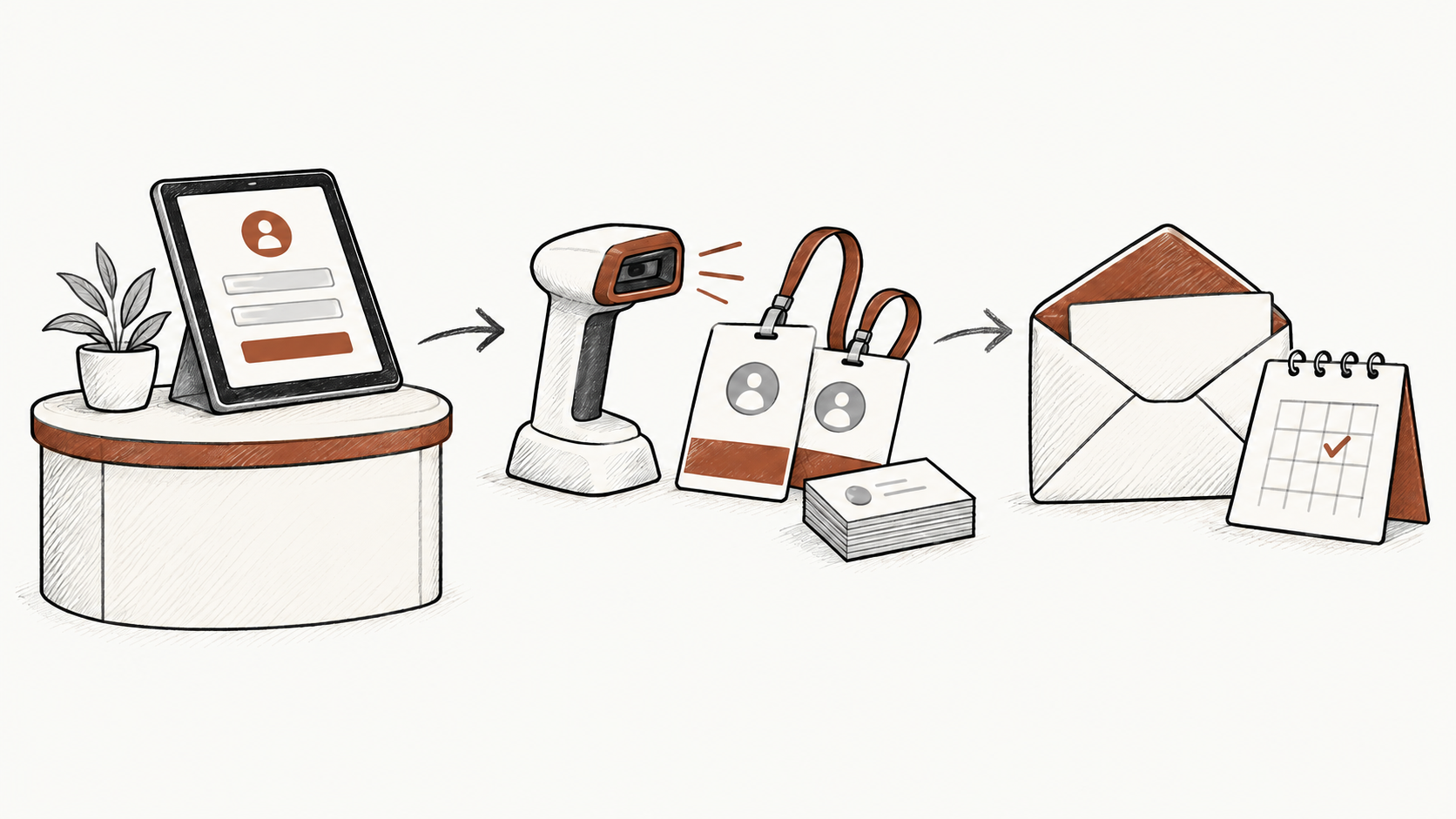
Incorporating project management software can help your team stay on track with timelines, tasks, and logistics, ensuring that everyone knows what needs to be done when they arrive at the venue.

By having a central digital checklist, you can reduce the likelihood of forgetting crucial components or minor details that might derail your schedule.

Another thing that often comes up is the use of augmented reality (AR) tools to visualize the booth layout before the event.

With the help of AR, you can identify potential layout issues and make adjustments without having to move heavy components around, saving precious time and effort.

From what I have seen, the ones that get it right usually employ inventory management apps to track and manage booth materials efficiently.

These apps allow you to conduct a digital inventory check, confirming that all parts and accessories are accounted for and ready before move-in day.

Pro Tip: Make sure your team is fully trained on digital tools like project management software and AR before the event to simplify setup and prevent delays.

One thing most exhibitors end up doing is leveraging communication platforms to keep the entire team connected during setup.

Real-time messaging apps facilitate immediate updates, necessary adjustments, and unexpected challenges, enabling prompt decision-making and problem-solving.

If used wisely, these technologies considerably reduce delays by fostering clear and consistent communication across the team.

I would say the biggest thing here is ensuring everyone is adequately trained in the chosen tools before the event.

This proactive approach minimizes the learning curve on the ground, allowing the team to hit the ground running, thus improving overall setup efficiency.

5. Training Your Team for Optimal Performance

From what I have seen, the secret sauce to a smooth booth setup lies in proper team training. Your team should not only understand the intricacies of booth assembly but also know how to handle unexpected challenges effectively.

When your staff is well-prepared, it significantly reduces the time spent on troubleshooting and allows for a more efficient setup.

Training sessions prior to the event can cover everything from understanding the layout to recognizing the function of each booth component. This preparation ensures everyone is on the same page and knows exactly what their role entails during the installation phase.

5. Training Your Team for Optimal Performance — 6 Tips for Efficient Trade Show Booth Move-In and Setup

One thing most exhibitors end up doing is conducting hands-on practice sessions that mimic the setup environment as closely as possible.

This training method allows team members to experience potential issues firsthand and develop strategic responses to tackle them.

Another approach that works well is creating a detailed step-by-step installation guide which your team can refer to on-site.

Such guides can prevent confusion and aid in maintaining a steady pace during the setup process.

Moreover, it’s beneficial to assign specific responsibilities to each team member to minimize overlaps or miscommunication.

I would say the biggest thing here is encouraging open communication among your team members, which further facilitates a coordinated effort.

Encourage feedback after training sessions to identify areas of improvement, ensuring each member is confident in their tasks.

Additionally, consider a team debrief after the booth setup to capture what worked well and what could be adjusted in the future.

By reviewing the process together, you cultivate a culture of continuous improvement which enhances your team’s performance over time.

Ultimately, a well-prepared and cohesive team can transform a challenging setup into a smoothly executed task.

6. Planning for Potential Contingencies

An essential part of a successful trade show is having a solid contingency plan that addresses possible unforeseen challenges. From my experience, the exhibitors who excel are those who anticipate potential logistical hurdles like shipping delays, equipment malfunctions, or even staff shortages, and develop strategies to manage them in advance.

One thing that’s worth exploring is creating a detailed list of possible scenarios and assigning team members specific roles to address each one.

This way, your team is ready to respond swiftly and efficiently without unnecessary stress.

Another smart move is to prepare a contingency budget aimed at covering unexpected costs that might arise during the setup. Whether it’s additional labor, rental of missing equipment, or last-minute materials, having a financial cushion ensures you can address problems without affecting the rest of your event budget.

What I have seen work really well is keeping an emergency kit with essentials like tools, first-aid supplies, and extra promotional materials. This additional layer of preparedness can help you tackle minor issues before they become significant problems.

Additionally, always have a direct line to your key contacts at the venue and your shipping partners, so you can quickly coordinate solutions if issues arise.

Important: You must create a detailed contingency plan for your trade show, anticipating logistical hurdles and assigning specific roles to team members for swift, stress-free responses.

This network of communication ensures timelines are adhered to and unexpected challenges are minimized.

Exhibitant plays a crucial role here as well, providing not just booths but also comprehensive show support.

By offering strategic planning and adaptive booth systems, Exhibitant acts as your exhibit partner to help you plan for, and navigate, any bumps in the road. That kind of partnership transforms the way you approach contingencies and brings peace of mind to your trade show strategy.

Closing Thoughts

Reflecting on the tips shared, it’s clear that efficient trade show booth move-in and setup require both strategic planning and tactical execution.

When you invest time in careful pre-event coordination and simplify your logistics processes, you’re building a strong foundation for your trade show experience. By organizing booth components and incorporating technology, you not only simplify the setup but also increase your team’s productivity on site.

Additionally, emphasis on team training cannot be overstated. Well-prepared staff can significantly impact the speed and quality of your setup and dismantle activities.

As with any complex project, preparing for contingencies ensures you’re ready to address any unforeseen challenges without derailing your schedule.

Applying these strategies consistently will not only enhance operational efficiency but also reduce stress for everyone involved.

From what I have seen, the exhibitors who successfully use these best practices often enjoy smoother events and richer interactions with attendees.

Efficient installations make room for more focus on engaging with prospects and achieving your trade show objectives.

Need a booth plan?

Turn show goals into a practical exhibit path

Share your footprint, timeline, and priorities. Our team can help shape the booth direction, graphics, and project support.

Talk to our team

Contact our team

Build the booth around the show goal

Tell us about your show, booth goals, timeline, and where your team needs support. We will help you shape the booth direction, program plan, and next conversation.