 Lorena G.
One thing I often hear from trade show professionals is how crucial a well-designed booth can be.
A 10×30 booth offers a versatile canvas for making a memorable impact.
You’d be amazed at how the right design choices can transform your space into a hotspot for visitor engagement.
From what I have seen, the key to a successful trade show booth lies in striking the balance between form and function.
A booth should not only be appealing but also facilitate meaningful interactions with your audience.
Drawing in a crowd begins with thoughtful design elements that resonate with your brand message.
Something that comes up a lot is the importance of visual elements in attracting attendees. Attendees are naturally drawn to booths that have dynamic and engaging features.
Strategic choices in color, lighting, and layout can make your booth stand out amid a sea of competitors.
In this post, I’ll walk you through seven tips that can help you design an eye-catching 10×30 trade show booth, from effective use of open spaces to savvy technology integration.
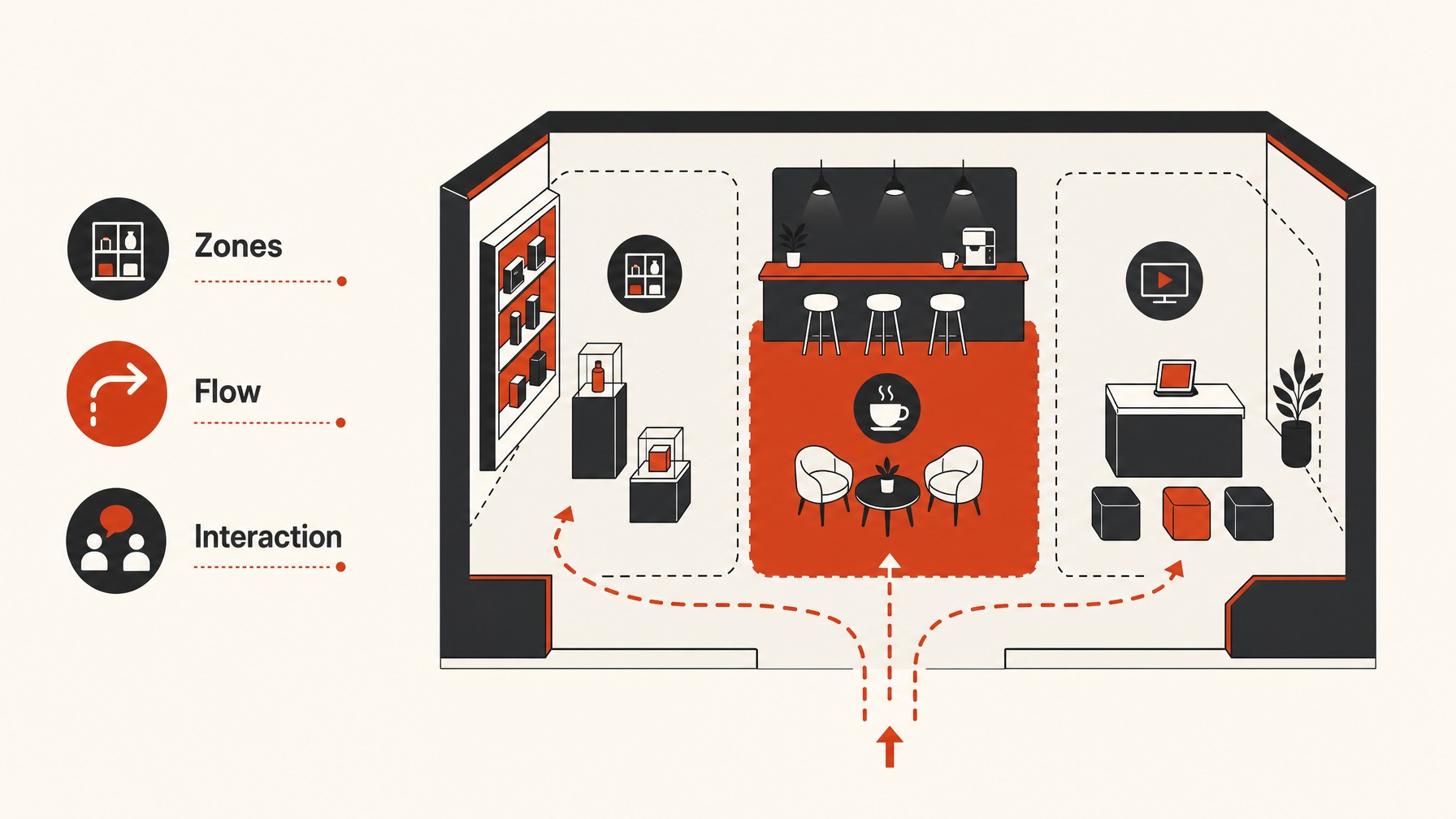
- Prioritize open spaces for easy attendee access.
- Use bold graphics to draw attention from afar.
- Incorporate interactive elements for visitor engagement.
- Ensure strategic lighting highlights key areas.
- Optimize layout for smooth traffic flow.
You’ll find methods to create a booth that really grabs attention and keeps visitors interested.
Dive deeper into tips on how to make your booth not just seen but remembered.
Smart designs lead to smoother traffic and more engaged visitors.
Stick around to get the insights you need to create a space that stands out and works for you.
1. get the most out of Open Spaces for Accessibility
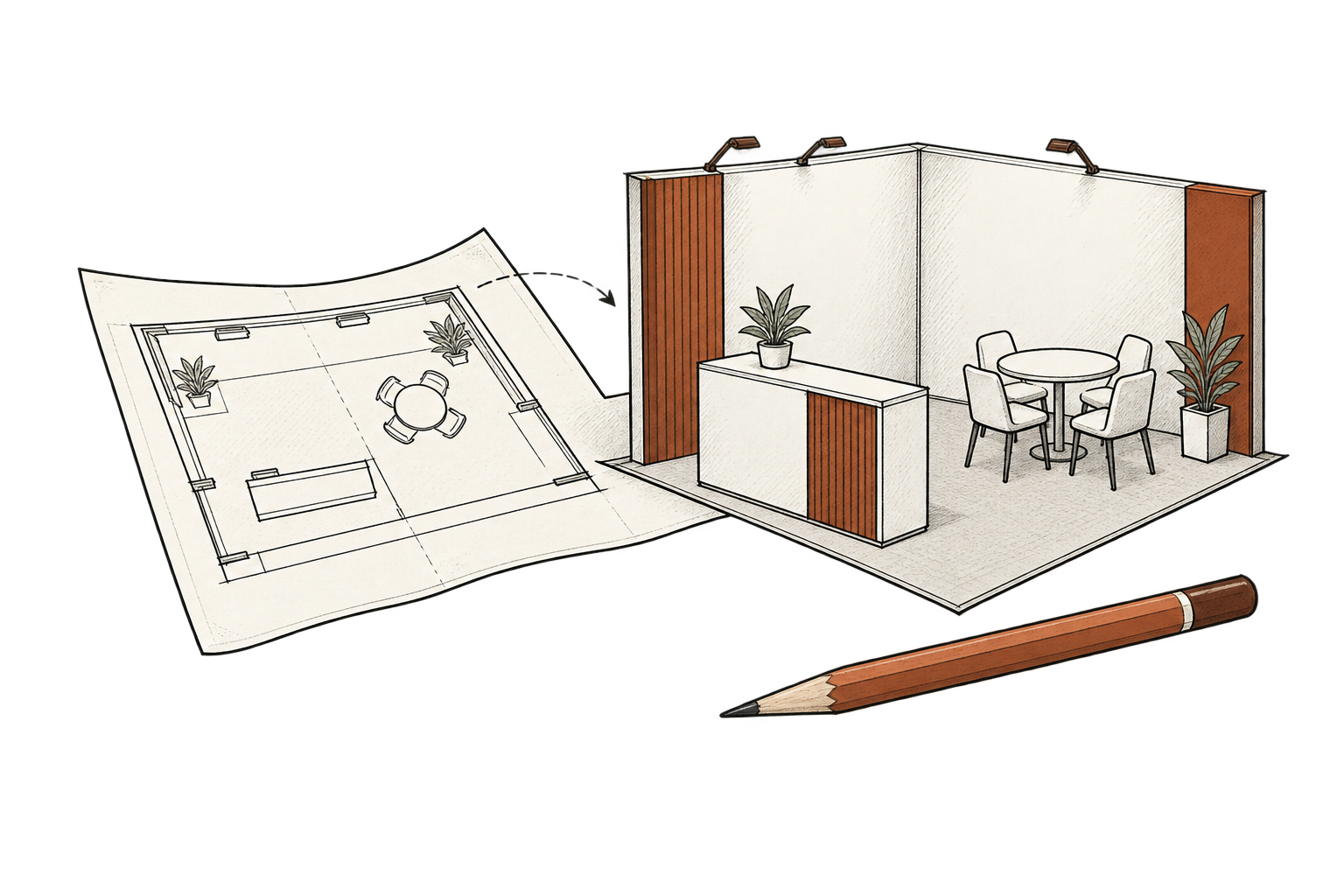
The art of designing a 10×30 trade show booth lies in striking a balance between functionality and stunning aesthetics.
From what I have seen, those who get the design right often focus on creating open spaces within their booth.
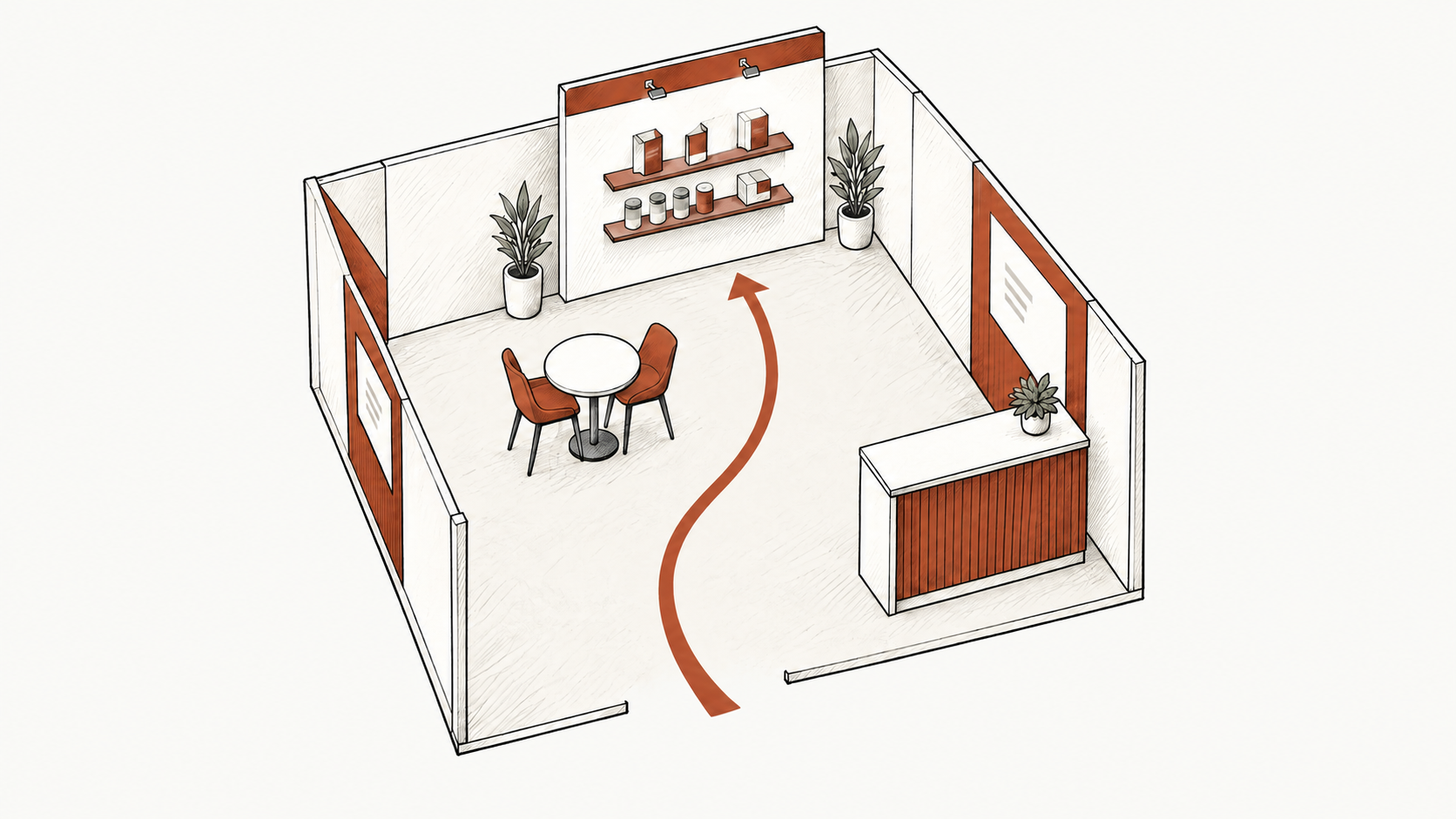
An open layout not only enhances visual appeal but also significantly improves visitor accessibility.
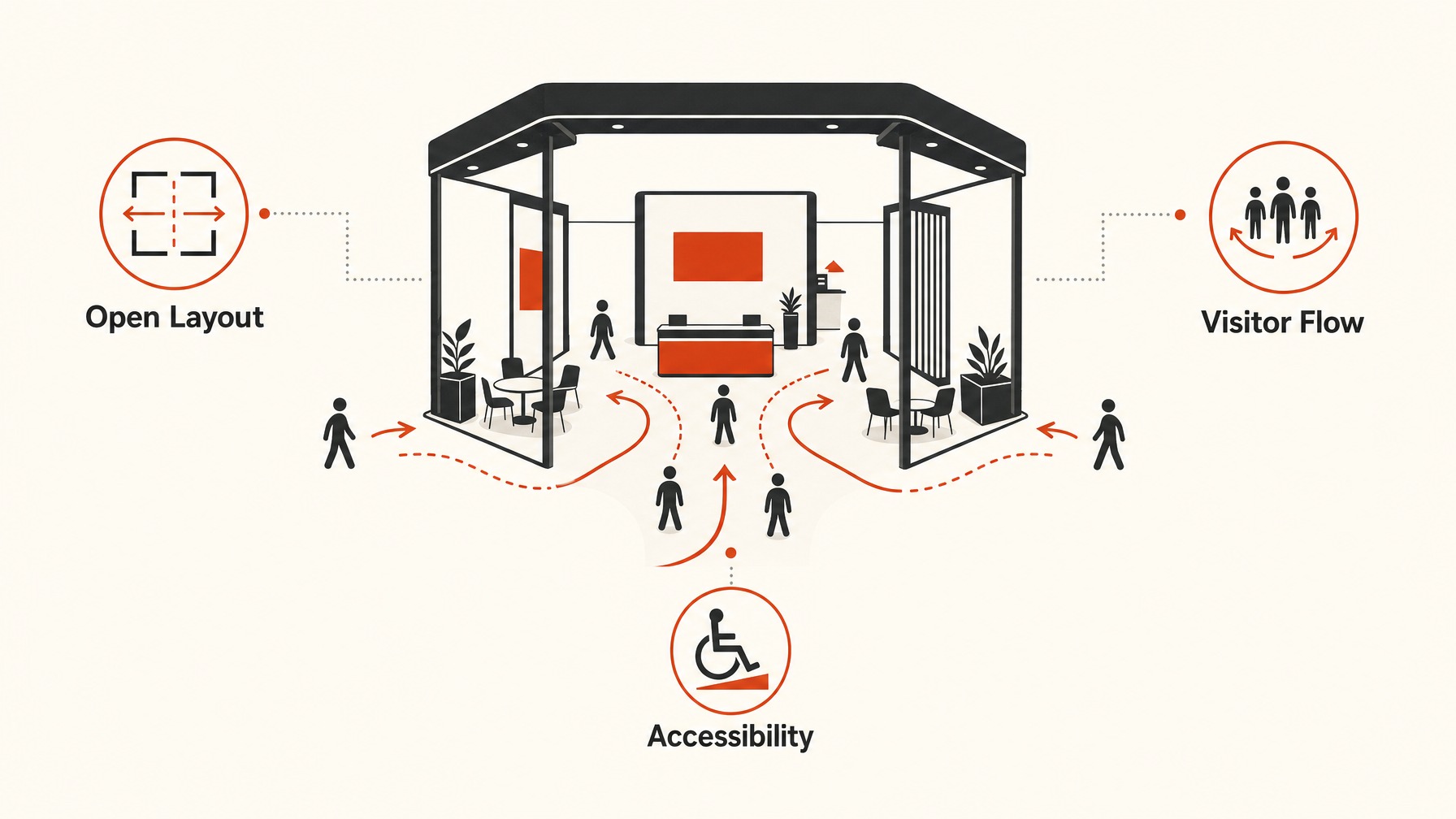
When you create clear pathways, there’s a natural flow that guides the foot traffic smoothly.
I would say the biggest thing here is to avoid cluttering the booth with unnecessary items or display units. Maximizing accessibility can lead to increased engagement as it invites visitors to explore without feeling boxed in.
This layout also facilitates quick movement, ensuring that your team can interact with potential leads seamlessly.
What we have observed is that an open and welcoming space tends to leave a lasting impression on attendees.
A decluttered booth provides freedom, enabling your brand story to unfold organically across the space.
While vibrant visuals draw the eye, a well-organized open space keeps them engaged.
2. use Bold Graphics for Visual Impact
When designing a 10×30 booth, one of the most effective strategies is to integrate bold graphics that capture attention from afar.
From what I have seen, exhibitors who strategically use graphics often find that it helps draw in foot traffic effectively.
Rather than cluttering your space with too many elements, focus on a few high-impact images that convey your message clearly and quickly. Coupling this with a strong brand identity ensures that your booth is recognizable and memorable among the sea of other exhibitors.
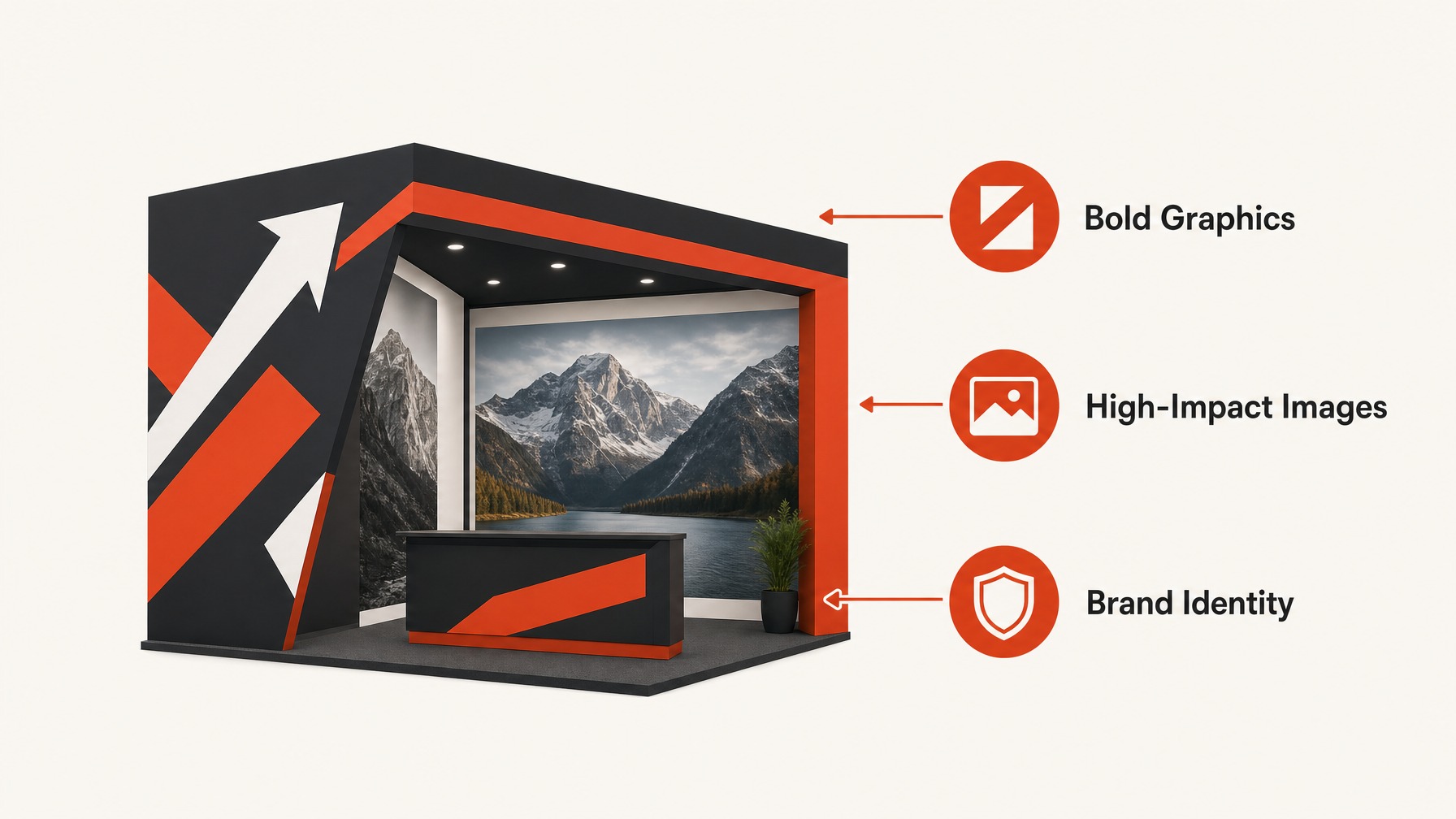
It often helps to keep your graphics versatile so they adapt well to different types of lighting and display mediums.
One thing many exhibitors succeed with is using high-resolution photos and digital prints, which maintain clarity even when scaled up.
Another tactic that can be quite beneficial is employing digital displays or backlit banners as part of your booth’s design. From what I have seen, these elements not only enhance visual appeal but also convey a sense of modernity and professionalism, making your booth stand out.
The positioning of your graphics is another critical aspect that many exhibitors overlook.
Placing them at optimal eye level ensures maximum visibility and impact, so visitors can immediately focus on the messages you wish to convey. Utilizing a mix of large banners and smaller, detailed visuals can cater to both distant viewers and those who come up close.
Those who pull this off well use graphics to guide attendees through the space, turning casual viewers into engaged participants.
What we have found is that careful alignment of your graphics with your brand’s core messaging can significantly enhance your booth’s overall effectiveness.
By doing so, your space won’t just be visually striking, but it’ll also effectively communicate your brand ethos to potential clients.
From high-impact graphics to strategic placement, these design choices contribute substantially to your booth’s success. The key takeaway here is to be intentional with your visual elements, ensuring they reinforce your brand while making a compelling case to visit your booth.
3. Incorporate Interactive Elements
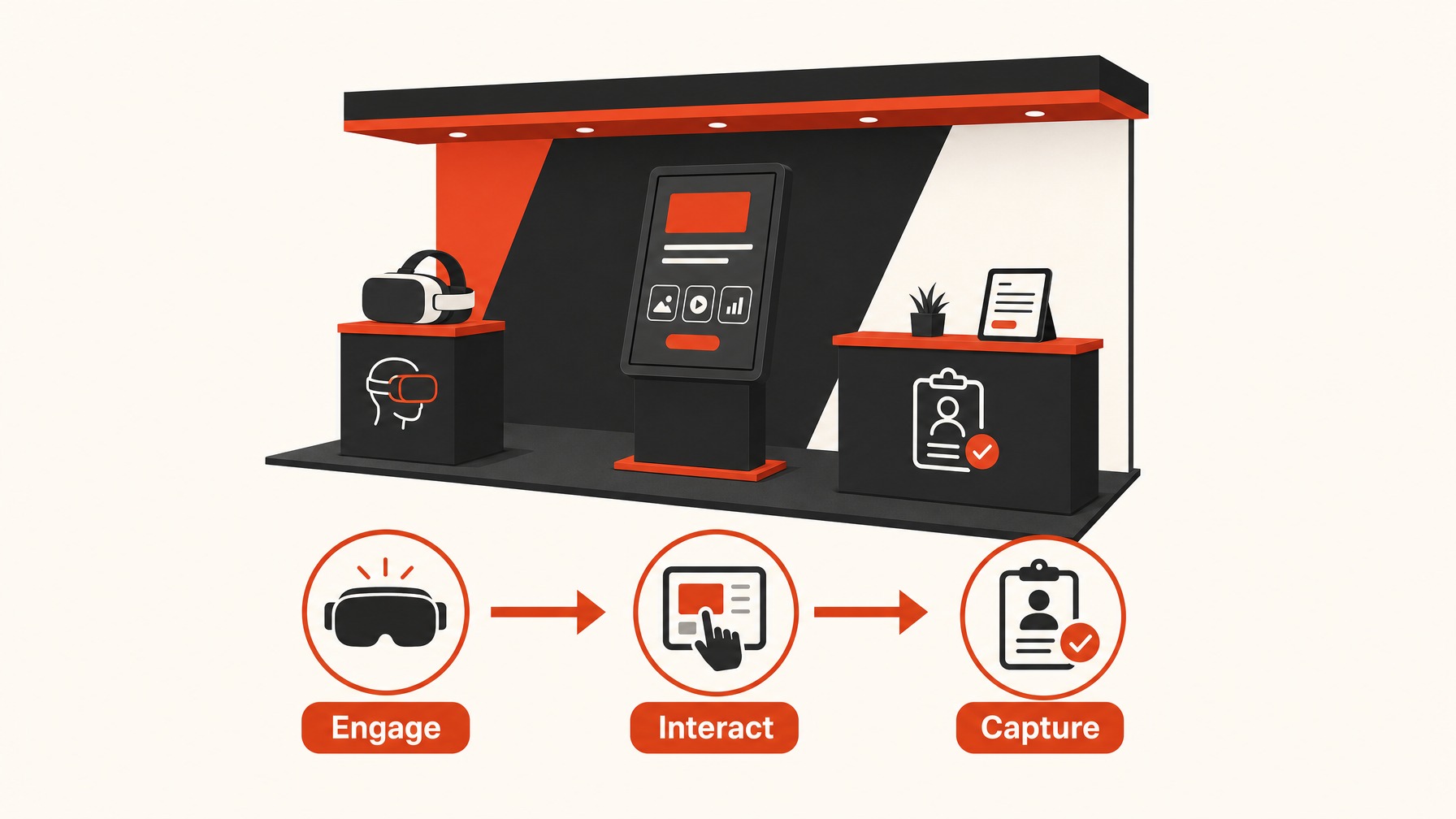
From what I have seen, incorporating interactive elements into your booth is a fantastic way to engage attendees on a deeper level. What works really well is using technology to create an immersive experience that captivates and holds the visitor’s attention.
Attendees often appreciate the opportunity to interact with a product or service firsthand, which helps them better understand its value.
Rather than just taking a passive role, visitors become more involved, thus enhancing their connection to your brand.
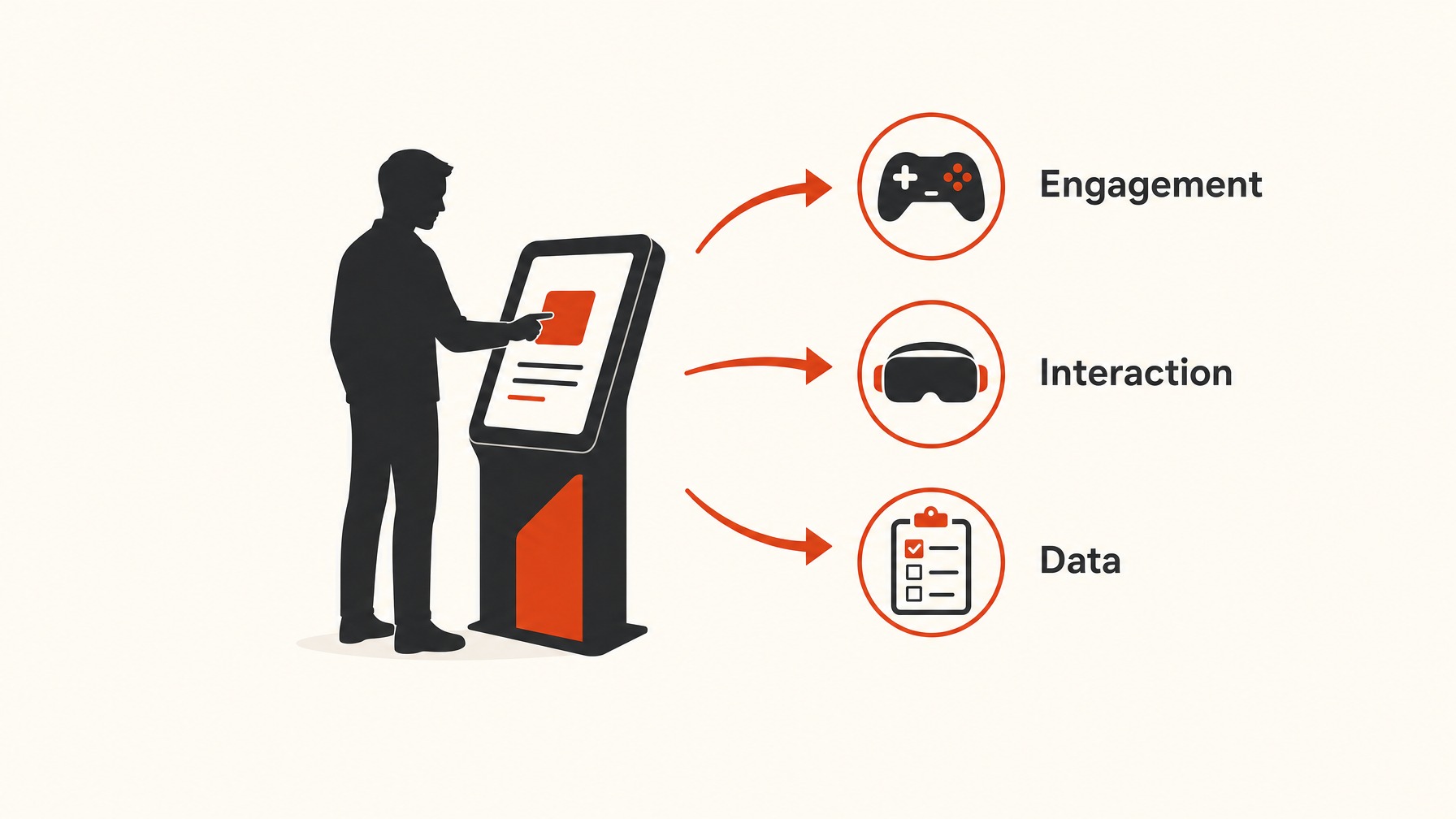
One thing most exhibitors end up doing is providing touchscreens or tablets with games, quizzes, or virtual reality experiences.
These can relay product information in an engaging manner while tracking data on visitor interactions.
Another interactive idea is hosting live demonstrations or workshops, which allow attendees to gain insight and perhaps even test products themselves. This personalizes the experience and often leaves a lasting impression long after they leave the trade show floor.
Something that comes up a lot is the inclusion of social media integration, where attendees can share their experiences on their networks. Integrating photo booths with social sharing capabilities can generate immediate buzz and make your booth a segment of a broader digital conversation.
From what I’ve observed, those who get this right usually see a noticeable increase in foot traffic and lead generation.
The key takeaway is the importance of making your exhibit a destination worth engaging with, not just passing by.
4. use Strategic Lighting
From what I have seen, the difference between a good trade show booth and a great one often comes down to strategic lighting choices. Lighting isn’t just about visibility; it’s about creating an ambiance that highlights your key areas and products.
One thing most exhibitors end up doing is using a combination of different lighting types, such as spotlights, backlights, and colored LED lights, to draw attention right where it’s needed.
Spotlights can be used to highlight specific products or a central piece of your booth that you really want to feature.
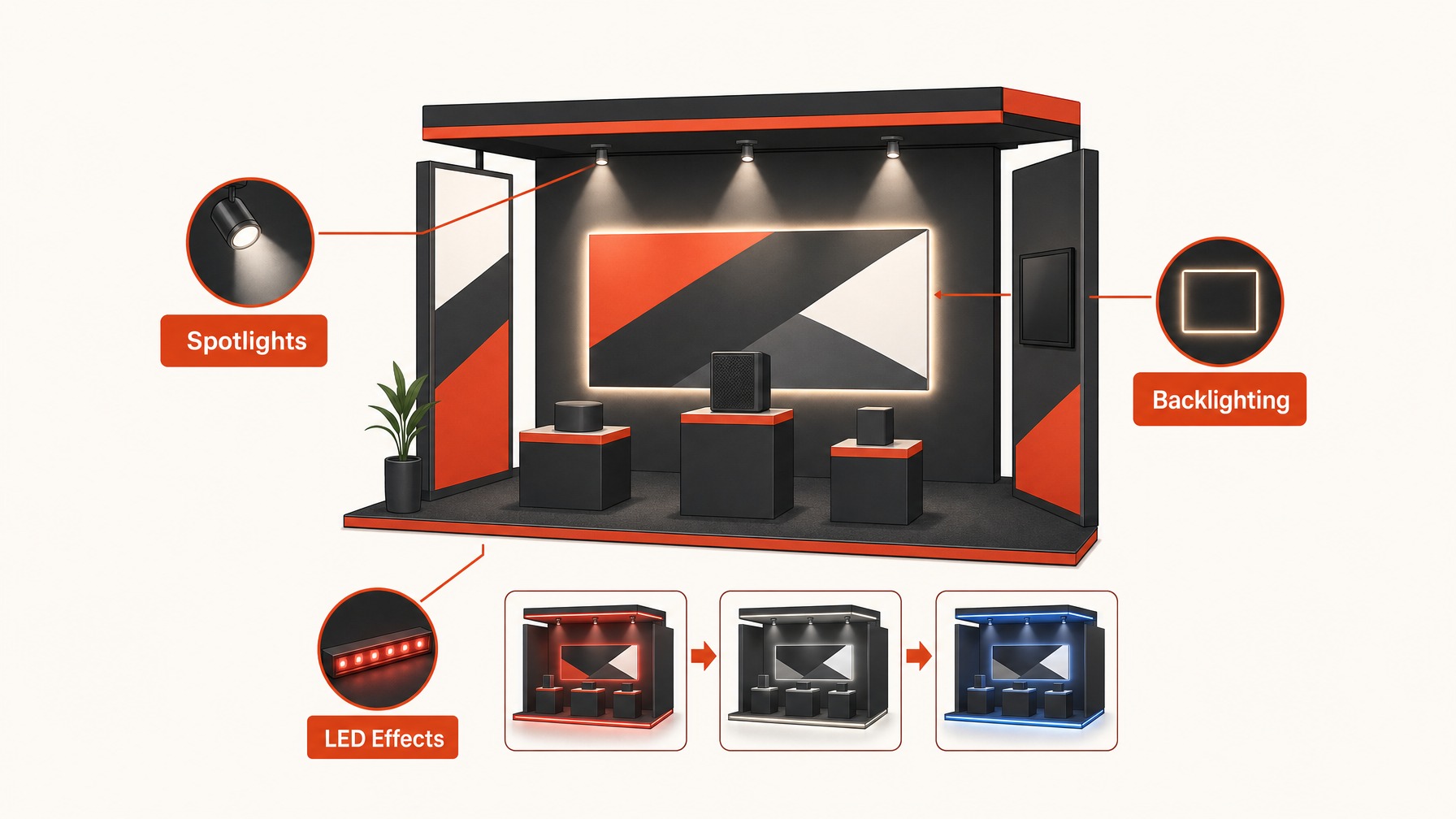
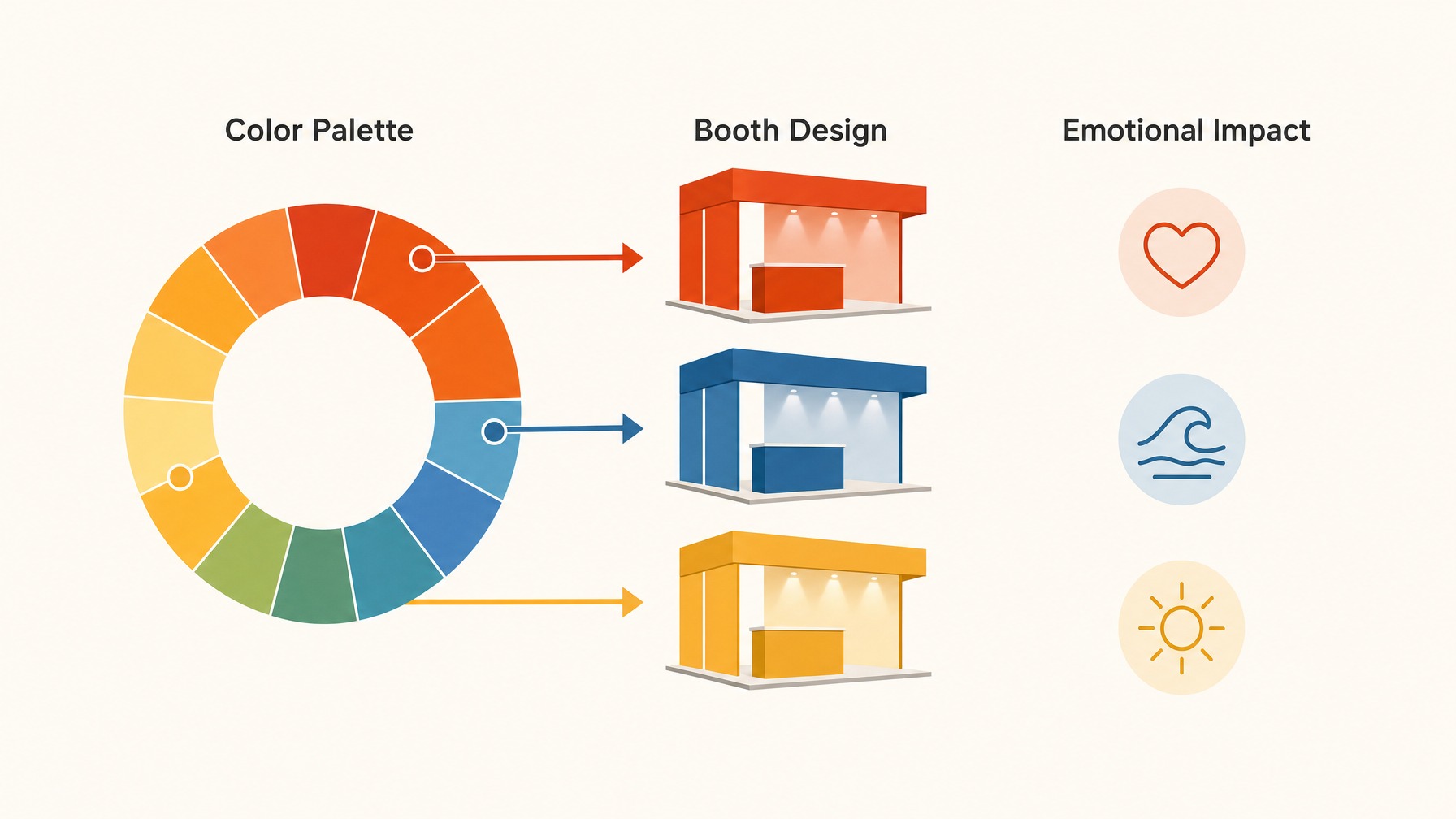
Meanwhile, backlighting can create a sophisticated look and make sure graphics are vibrant, enhancing your visual display. Additionally, incorporating colored LED lights allows you to transition and change the mood depending on the pace of the exhibit, which can help engage visitors more dynamically.
What we have seen work really well is when exhibitors incorporate dimmable lights. This gives you the flexibility to adapt the lighting as the day transitions or as a response to the changing ambient lighting conditions within the venue.
Another innovative approach I’ve noticed is using motion sensor lights to surprise and capture the attention of passing attendees, turning a simple walk-by into a memorable interaction.
At Exhibitant, our team has seen firsthand how uplighting can create a dramatic effect.
By placing soft lights at the base of your booth structure, you can paint the surfaces in a way that accentuates your brand’s theme and visuals, enhancing the overall impact.
Combining this with warm lighting on human interaction points like counters ensures a welcoming atmosphere, inviting attendees to explore further.
 Louie J.