When it comes to preparing for a trade show, nailing down a comprehensive budget is one of the most crucial steps of the planning process.
From what I’ve seen, a well-thought-out financial roadmap can make all the difference between a successful event and one plagued with stress and surprises.
Crafting an effective trade show budget is about more than just crunching numbers; it’s about aligning your financial plan with your strategic objectives.
This means taking a deep try every aspect of your expenses, from logistics and booth design to marketing and on-site experiences.
It’s a chance to make sure each dollar is used wisely and contributes to your overall goals.
Another essential aspect to budgeting is understanding which areas are need-to-haves versus nice-to-haves. In my experience, knowing where to direct your funds when resources are tight can be a big improvement.
This often means prioritizing elements that directly impact your brand’s visibility and customer engagement, while also setting aside a bit for those unforeseen twists and turns that inevitably arise.
Today, I want to cover eight strategic steps I’ve found invaluable for crafting a trade show budget that not only meets immediate needs but also sets you up for a strong ROI in the long run.
Key Takeaways:
Prioritize expenses that directly impact your trade show success.
Research and compare costs to avoid last-minute surprises.
Allocate funds for unexpected expenses to maintain flexibility.
Track every expense meticulously to stay within budget.
Evaluate budget performance post-event for future improvements.
Knowing how to budget can make or break your trade show success.
You’ll find concrete steps to manage and plan your expenses efficiently.
See how you can stay flexible and tackle those unexpected costs.
Get ready to dive deeper into practical tips for making your next trade show a win.
1. Define Your Trade Show Objectives
What we have seen work really well is starting with clear and specific objectives for your trade show participation.
Defining trade show objectives is essential for crafting a strategic budget that aligns with broader company goals.
Exhibitors often aim to increase brand awareness, generate a specific number of leads, or introduce new products to the market, and having these targets outlined from the beginning sets the stage for success.
One thing most exhibitors end up realizing is the impact clear objectives have on guiding their spending decisions throughout the planning process. Your objectives should be measurable, allowing the team to effectively evaluate the success of your trade show efforts afterwards.
From what I have seen, the ones that get it right usually involve key team members in defining objectives to make sure alignment across departments.
Articulating these goals at the outset helps you decide which events to attend and what level of investment each requires.
Important: You must define clear, measurable trade show objectives from the outset, as they guide your planning, spending, and make sure alignment with broader business goals.
I would say the biggest thing here is to avoid vague objectives like “grow our business” and opt for more detailed and quantifiable goals.
Something that comes up a lot is the importance of linking trade show objectives to larger marketing and sales strategies, ensuring they supplement overall business goals.
This can mean synchronizing with upcoming product launches or aligning with seasonal sales campaigns.
It’s also critical to periodically revisit and update objectives to reflect any shifts in business direction or market conditions.
2. Research and List All Possible Expenses
One thing most exhibitors end up doing is discovering that a comprehensive list of potential expenses is essential for a successful trade show budget.
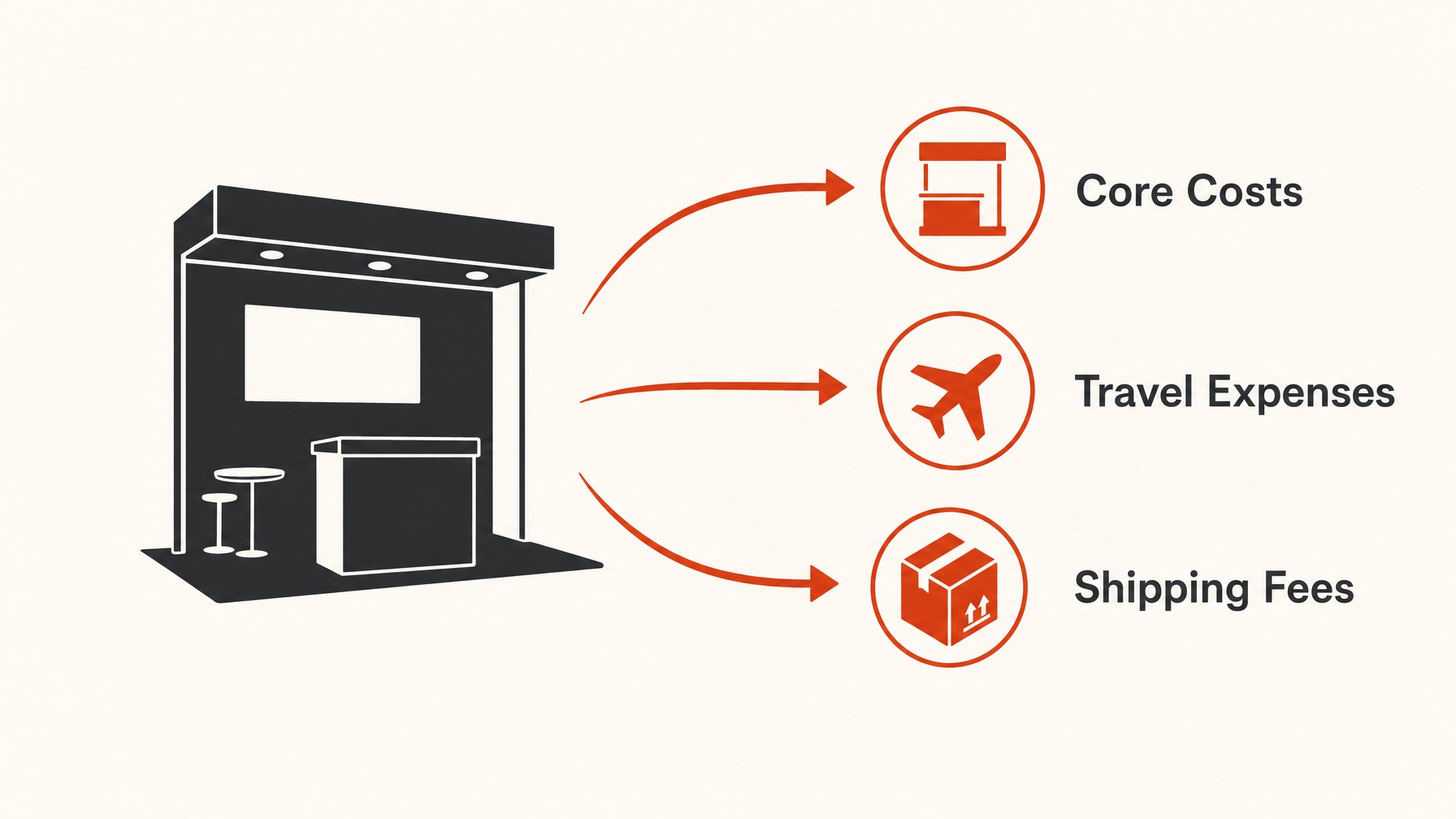
To begin with, start by identifying core costs such as booth space rental, which can vary significantly based on location and event prestige.
You’ll also need to factor in booth design costs, which may include custom-builds, graphics, and logistics for setup and dismantling.
Another area that often gets overlooked is staff travel and lodging expenses, which can quickly add up, especially if you’re attending out-of-town events.
From what I have seen, the ones that get it right usually also include costs for shipping materials and equipment to and from the venue.
These costs can catch you off guard if not diligently researched in advance. Additionally, consider the expenses for giveaways and promotional materials, as these items can have a big impact on audience engagement.
Pro Tip: You should create a detailed spreadsheet listing every conceivable trade show expense, from booth rental to tech services, to avoid budget surprises.
Something that comes up a lot is budgeting for internet and technology services, a necessity to make sure your booth is fully operational.
The Exhibitant team has seen firsthand how important it is to include insurance coverage in your budget, as it can protect against unforeseen events.
Here at Exhibitant, we tend to break it down further into categories like:
With a detailed and exhaustive list, you’ll be able to prioritize and allocate resources more effectively, minimizing oversights and unexpected financial stress.
3. Prioritize Key Budget Areas
One thing most exhibitors end up doing is spreading their budget too thin by not prioritizing the most impactful areas.
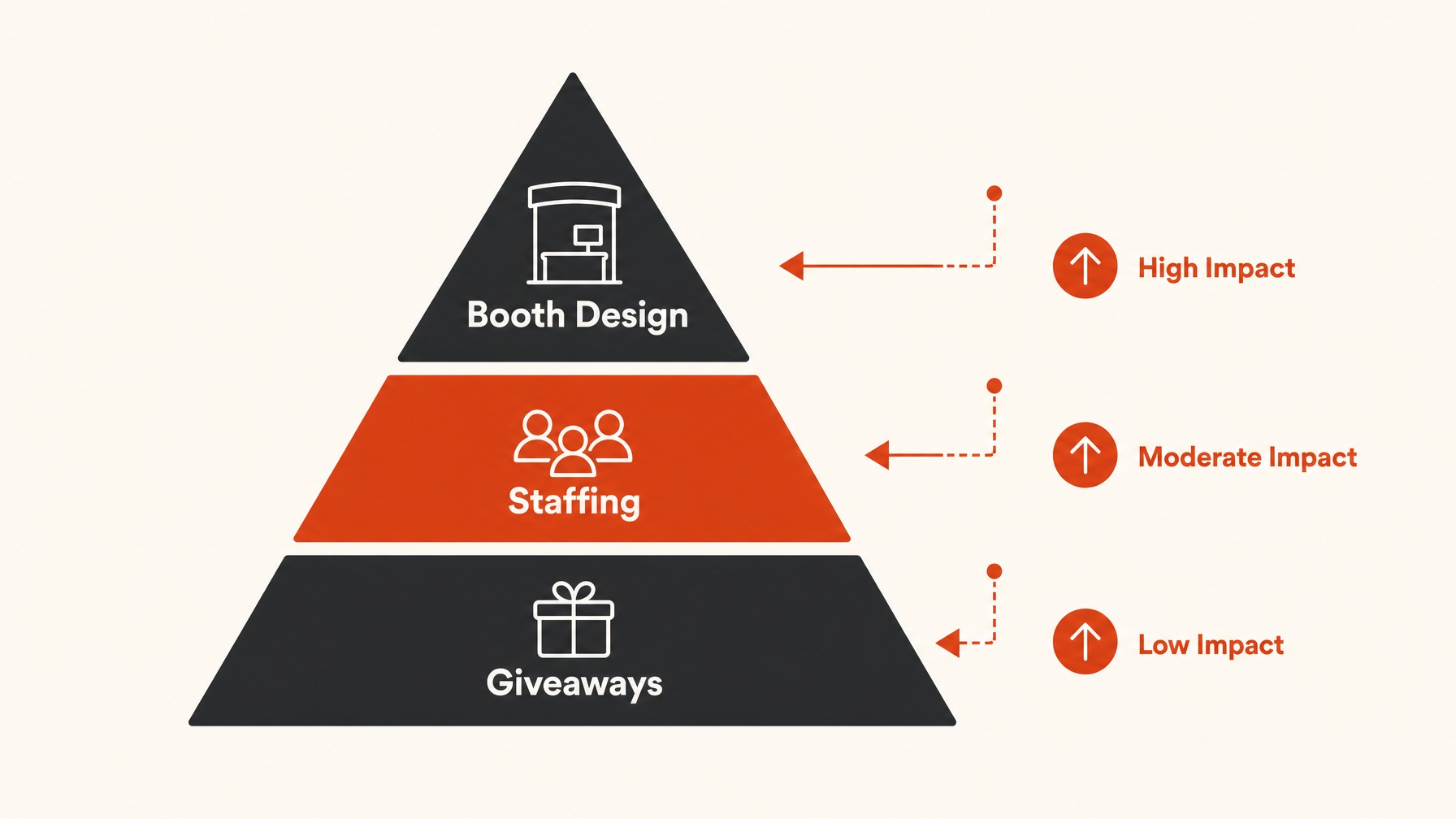
What we have seen work really well is focusing on the aspects that directly contribute to your trade show’s success. Allocate more resources to high-impact items like booth design and technology to create a compelling experience.
From what I have observed, companies that channel resources to good booth design often attract more foot traffic and generate quality leads.
When prioritizing, something that comes up a lot is the choice between staffing vs. giveaways.
From my experience, investing in well-trained staff often pays higher dividends than numerous promotional items.
A well-prepared team can engage with visitors more effectively, demonstrate products, and ultimately capture more valuable leads. Properly prioritize training programs and competitive salaries to retain experienced exhibit staff rather than simply swelling numbers with casual hires.
Avoid neglecting post-show activities, as they can be just as critical as pre-show efforts. Budget adequately for follow-up efforts like personalized outreach and lead nurturing campaigns.
The ROI is often higher when post-show activities are solid, setting you up for long-term relationships.
Skewing budget toward pre-show shiny objects while skimping on follow-ups is a common trap.
Firms well-versed in trade shows know that you need a well-rounded budget plan to truly get the most out of your efforts.
Remember, the goal is not just to have a flashy presence on the floor, but to create meaningful interactions and foster long-term relationships.
4. Allocate Funds for Marketing and Promotion
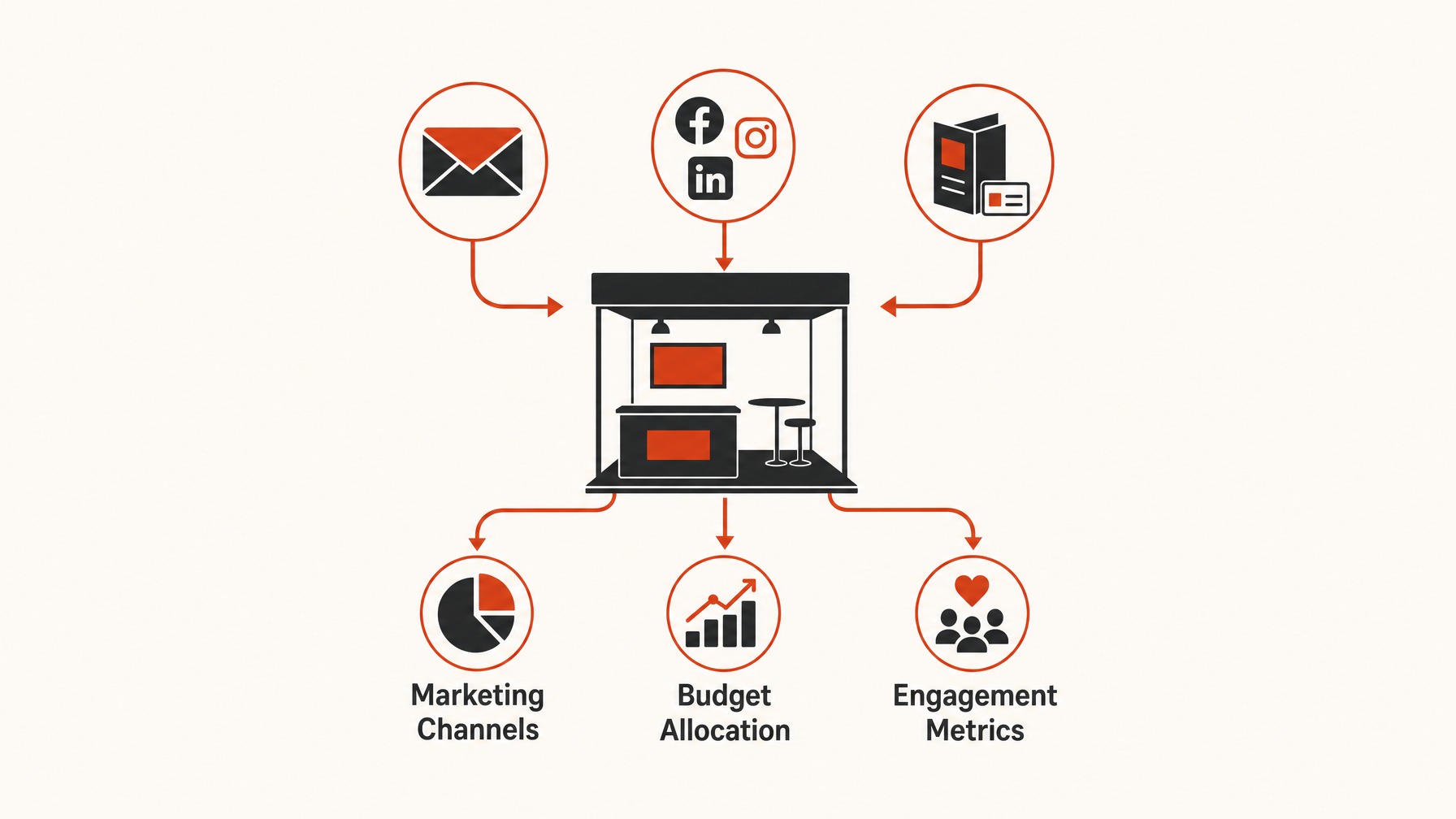
Allocating funds for marketing and promotion is a crucial step in your trade show budget planning, as it directly influences your event visibility and engagement outcomes. From what I have seen, the ones that get it right usually allocate a significant portion of their budget to targeted pre-show marketing activities, such as email campaigns and social media promotions, ensuring maximum reach and impact.
It’s important to earmark funds not only for the actual creation of promotional materials but also for tools and technologies that help you track and analyze marketing efforts.
What we have seen work really well is integrating a mix of digital and traditional marketing tactics, as this strategy helps you cover all bases and reach a wider audience. One thing most exhibitors end up doing is underestimating the power of on-site promotions, which can include interactive booth activities or special giveaways designed to draw in the crowd.
When you put together a balanced strategy that covers both pre-show and on-site promotions, you’re more likely to see a boost in booth traffic and engagement.
This is where Exhibitant comes in, offering comprehensive exhibit strategy, booth systems, and show support, acting as an exhibit partner rather than just a display vendor.
One effective approach is to create a framework where funds are allocated flexibly, adapting to real-time results and feedback, thereby optimizing your promotional spend for the greatest ROI.
From what I have observed, setting aside a contingency fund for spontaneous marketing opportunities that arise is worth considering, as this can provide a competitive edge over those with less adaptable strategies.
Developing a clear promotion plan and aligning it with your overall trade show objectives ensures that the allocated funds are used effectively, allowing for both strategic planning and creativity to shine.
5. Plan for Unexpected Costs
From my perspective, one of the smartest things exhibitors can do is set aside a portion of their budget for unforeseen expenses.
What we have observed is that unpredictability tends to creep in when you least expect it, whether it’s last-minute repairs, shipping mishaps, or emergency accommodations for staff. Being prepared for these unexpected costs can really make a difference between a stressful situation and a smoothly managed one.
One thing most trade show veterans will tell you is that having a contingency plan is absolutely essential. A common rule of thumb is to allocate around 10% of your overall budget specifically for unanticipated expenses.
This figure isn’t set in stone, but from what we’ve seen, it provides a good cushion for handling surprise financial demands without derailing your entire budget strategy. The ones who plan effectively often have flexibility built into their budget, making it easier to adjust to unforeseen circumstances.
Something that comes up a lot is the inevitability of these situations in any large-scale event. Even the most meticulously crafted plans can face unexpected challenges, such as additional equipment rental or overtime pay for booth staff.
It’s not just about having funds set aside but also about having a clear procedure for reallocating these resources quickly and efficiently when the need arises.
For instance, if your booth experiences an unexpected surge in foot traffic, you might need extra promotional materials or additional staffing support.
Knowing in advance how to redistribute your resources under pressure is key to maintaining both peace of mind and operational efficiency.
This foresight ensures you’re not scrambling at the last minute, potentially making rash decisions that could impact your bottom line negatively.
6. Monitor Expenses in Real-Time
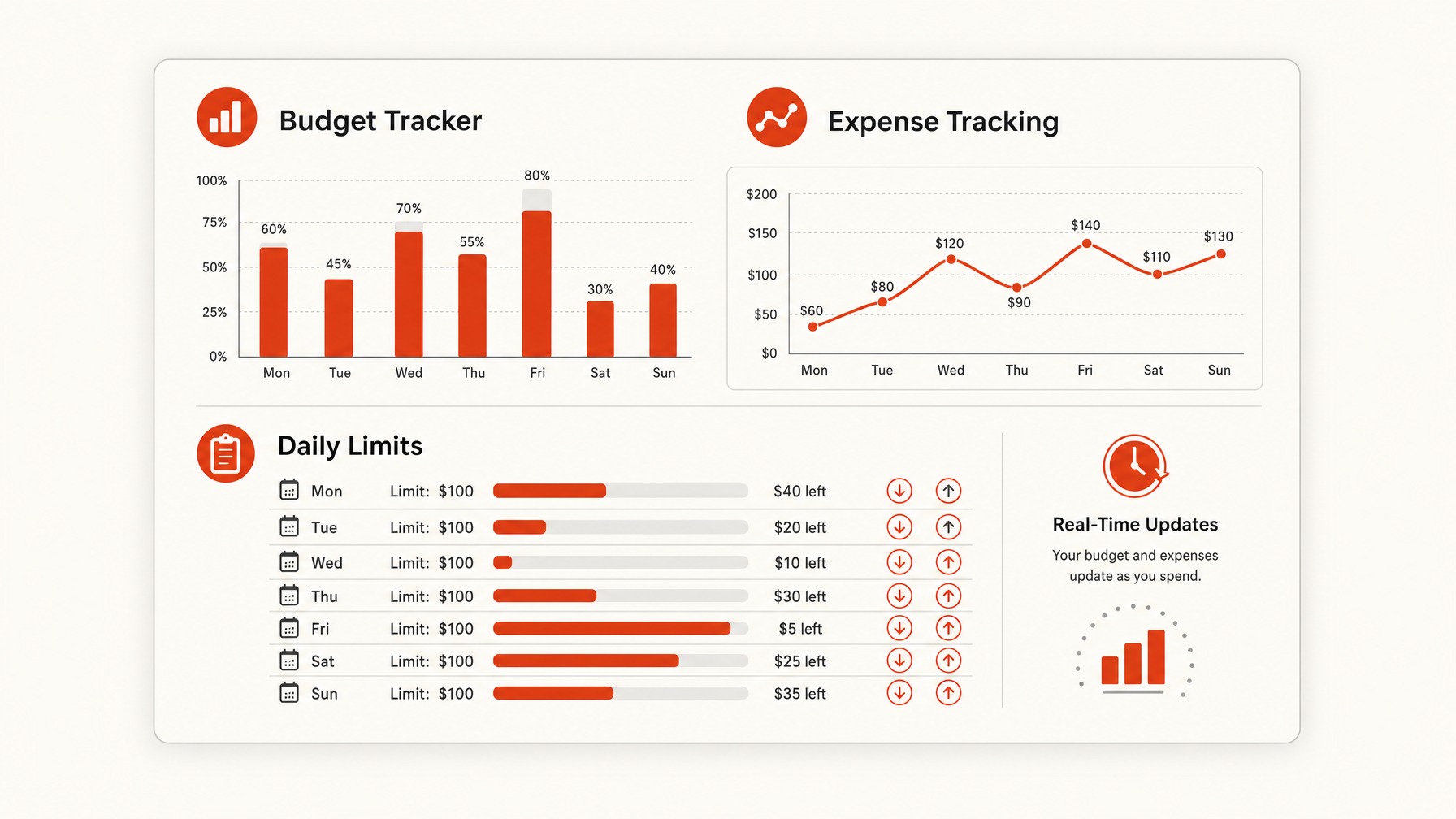
I would say the biggest thing here is maintaining a steady grip on your trade show expenses as they occur in real-time. By using modern budgeting software or dedicated apps, you can track every expense while it’s happening, which is crucial for avoiding any unpleasant surprises down the line.
What we have seen work really well is establishing a system that allows for immediate updates whenever a transaction occurs. This level of diligence gives you the flexibility to make informed decisions if reallocations or cutbacks are necessary on-site.
One thing most exhibitors end up doing is defining daily spending limits and closely monitoring those against the actual costs incurred. Real-time tracking can alert you when you’re nearing budgetary thresholds, which is particularly important if you’re running multiple activities simultaneously.
From what I have seen, those who embrace this type of proactive approach are often able to keep costs aligned with their initial projections more effectively.
Additionally, having a clear understanding of where your funding is going can also fuel more accurate budget assessments post-show, making future planning easier.
Something that comes up a lot is the need for a designated team member to consistently update the expense records.
By having an accountable individual responsible for financial oversight, you’re more likely to maintain clarity over your budget.
Important: You must monitor your trade show expenses in real-time to swiftly address unexpected costs and maintain budget alignment, ensuring event success.
It’s not just about tracking, though; it’s about being ready to respond to any unexpected financial demands promptly. With an effective real-time monitoring system in place, any deviations from the planned budget can be addressed immediately, avoiding potential disruption to your strategy.
Ultimately, the key focus should be on maintaining a dynamic approach to budgeting that can adapt to the ever-changing landscape of a trade show.
The ability to promptly pivot your financial strategy can be a big improvement in optimizing your presence and performance, turning potential crises into opportunities. By keeping a close eye on your expenses as they happen, you set the stage for a successful event and more importantly, you create a pathway for sustainable event success.
In the world of trade shows, real-time expense management is less a luxury and more a necessity for anyone serious about achieving their objectives.
7. Assess Budget Performance Post-Show
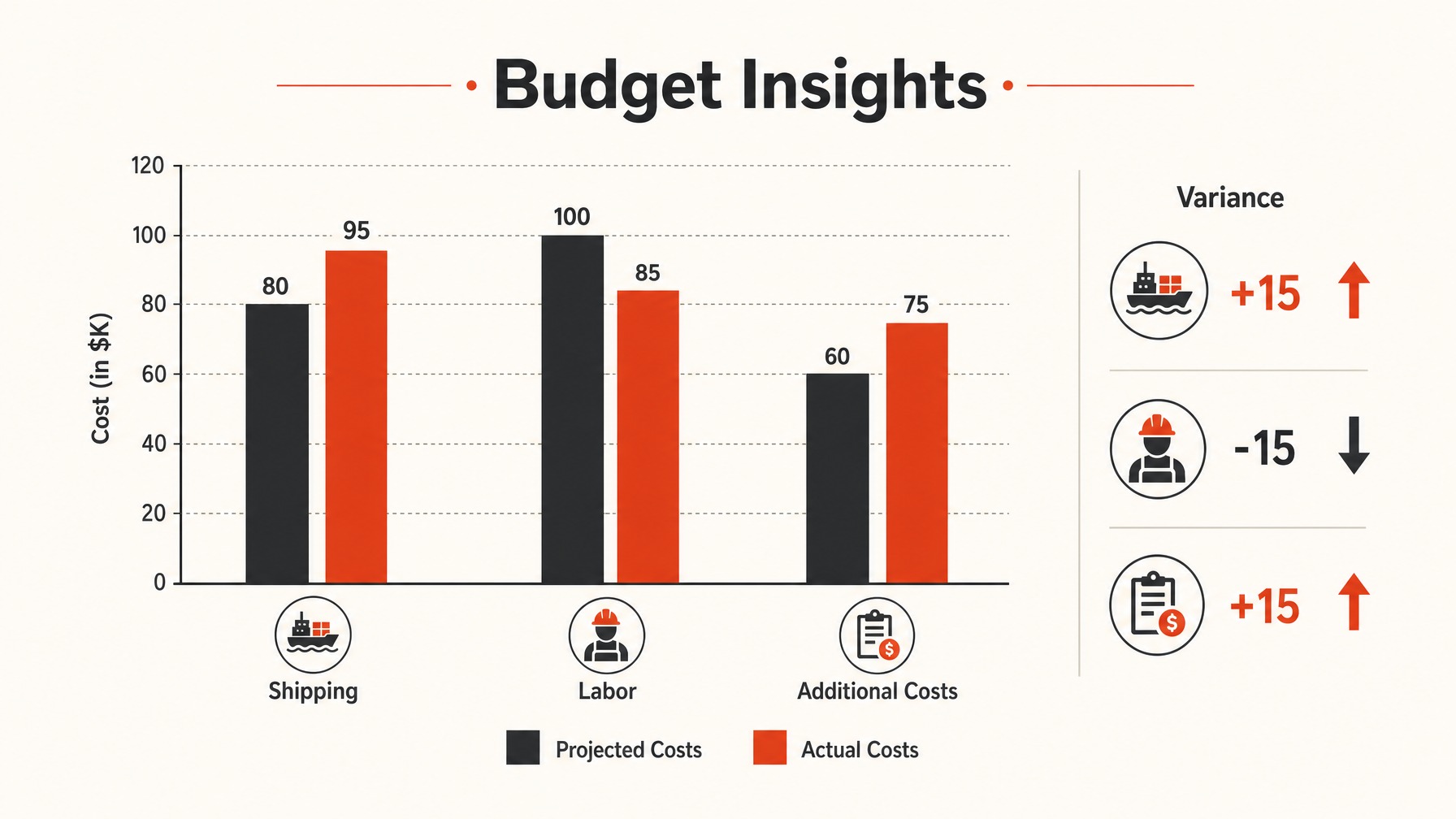
Now that the trade show is behind you, it’s important to conduct a thorough assessment of your budget performance. What we have seen work really well is breaking down each budget category and comparing actual spending against projected numbers.
This practice gives you a clear understanding of where you stayed on track and where variances occurred.
By closely analyzing these details, you can pinpoint which areas of the budget were most accurately forecasted and which need adjusting for future events.
One thing most exhibitors end up doing is overlooking certain costs that can creep up post-show, such as additional shipping fees or overtime labor charges.
By capturing these late-arriving costs, you obtain a more complete picture of your financial outlay.
It would help to discuss any unexpected expenses with your team to make sure you understand why they occurred.
This dialogue often reveals process improvements or supplier changes that could enhance future budget planning.
From what I have seen, the ones that get it right usually track budget performance in a centralized system.
Such systems enable you to generate comprehensive reports that highlight discrepancies and allow for detailed analysis.
Having this data at your fingertips is invaluable for making informed decisions in your next post-show analysis.
It’s also essential to share these findings with your stakeholders, as their insights can shed light on different aspects of budget deviations that you might have missed.
Finally, measuring the expenditure alongside the objectives allows you to determine the ROI efficiently.
If certain areas of the budget contributed significantly to reaching or exceeding your objectives, it’s worth investing more in those areas next time.
Conversely, areas that did not yield expected results should be carefully reevaluated.
This strategic reflection makes your budget an even more powerful tool for the success of upcoming trade shows. Remember, accurate budgeting is only part of the equation; thoughtful analysis post-show truly amplifies your trade show strategy.
8. Adjust Based on ROI Analysis
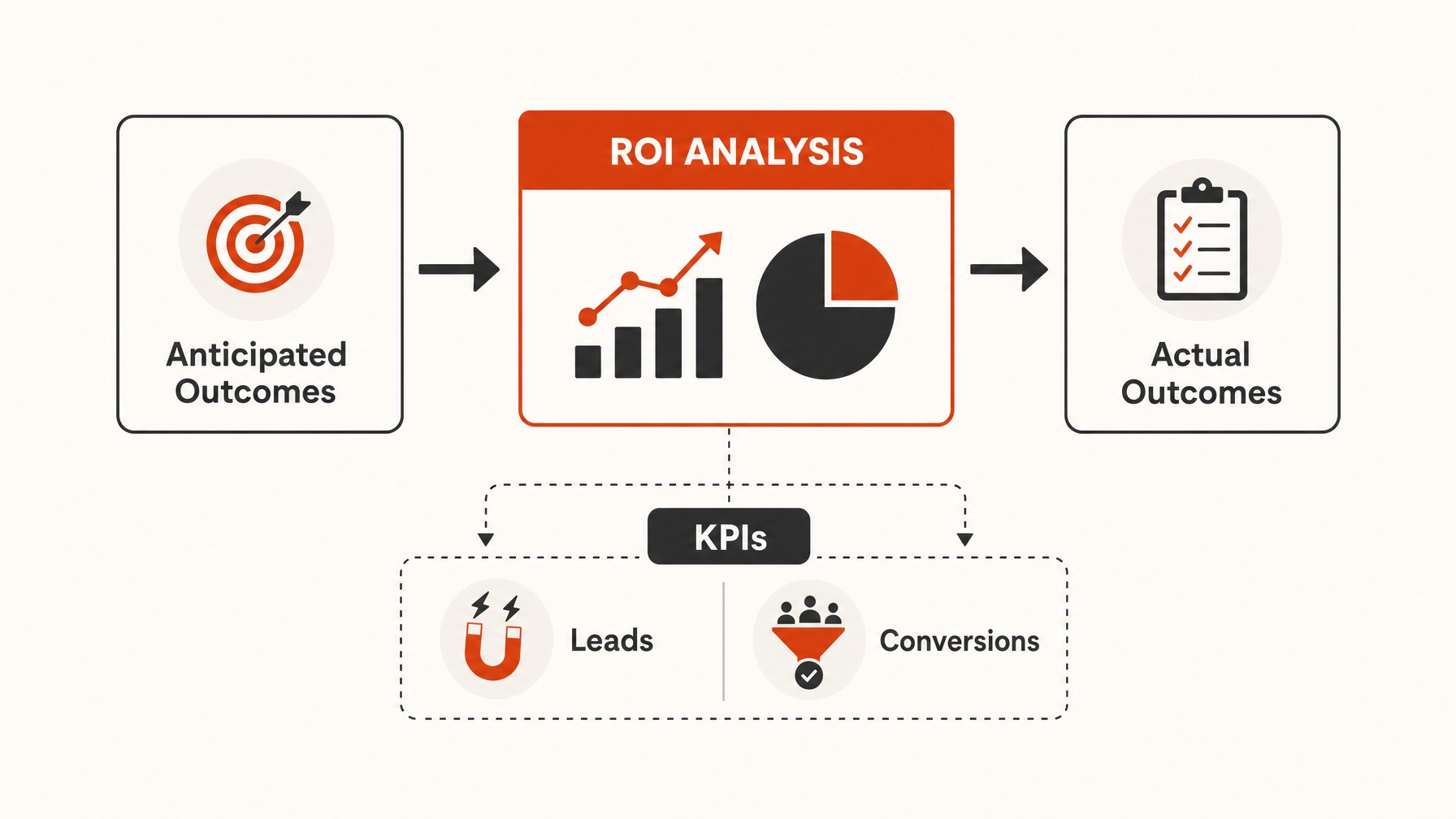
Once the trade show has concluded, the critical phase involves a comprehensive review of your return on investment (ROI).
Analyzing the ROI allows you to understand whether the financial returns justified the expenses incurred.
What we have seen work really well is a detailed comparison between the anticipated and actual outcomes. This comparison sheds light on which strategic decisions paid off and highlights areas needing more attention.
Most exhibitors find that the first step is to identify the key performance indicators (KPIs) most relevant to their objectives.
From what I have seen, those getting it right tend to scrutinize metrics like lead volume, conversion rates, and post-show engagement levels.
One thing most exhibitors end up doing is having a detailed evaluation of budget distribution versus performance against these KPIs.
By delving into these aspects, you’ll uncover patterns and insights that are crucial for refining future budgeting efforts.
After analyzing the data, it’s essential to reconfigure your budget allocations to suit those insights.
Aligning your budget closer to areas with the highest ROI can help improve future expenditures.
Something that comes up a lot is recognizing that your budget might need a shift to enhance underperforming segments.
Channels that performed exceptionally well might benefit from increased investment, while those that didn’t meet expectations could see a reduced financial focus. The key is to remain flexible with your strategy, continuously adapting your budget to drive higher returns in future trade shows.
What It All Comes Down To
After exploring the various aspects of crafting an effective trade show budget, it’s clear that strategic planning serves as the backbone of your overall success.
From defining clear objectives to tracking expenses and analyzing returns, each step plays an indispensable role in preventing financial mishaps and ensuring a successful event.
What we have seen work really well is when companies approach budgeting as a dynamic process, allowing for adjustments as new insights and challenges emerge.
Exhibitors who take the time to thoroughly research and prioritize their spending tend to see better results.
These practices allow them to allocate resources more efficiently, maximizing each dollar spent for a higher return on investment. Another crucial takeaway here is the importance of being prepared for unexpected costs, which can often derail even the most carefully planned budgets.
Incorporating a buffer into your budget can be your safety net, providing room to maneuver when surprises arise.
In the end, consistent monitoring and evaluation of your budget allows for smarter decisions and optimizations for future shows.
As you wrap up your trade show endeavors, an analysis phase is important to apply learnings from each event, refining your strategy for the next event cycle. By maintaining a watchful eye on outcomes and making necessary adjustments based on ROI insights, you create a sustainable budget practice that serves both immediate needs and long-term goals.
Need a booth plan?
Turn show goals into a practical exhibit path
Share your footprint, timeline, and priorities. Our team can help shape the booth direction, graphics, and project support.
Keep planning
More exhibit guidance
Keep exploring practical advice on booth planning, marketing, and getting more from your next show.
Tell us about your business, the buyers you want to reach, and what you want to achieve. Whether you need more sales conversations, stronger marketing, or a trade show presence, we’ll help you identify where to focus and what support makes sense. Together, we can shape a practical plan around your priorities, budget, and timeline.
 Louie J.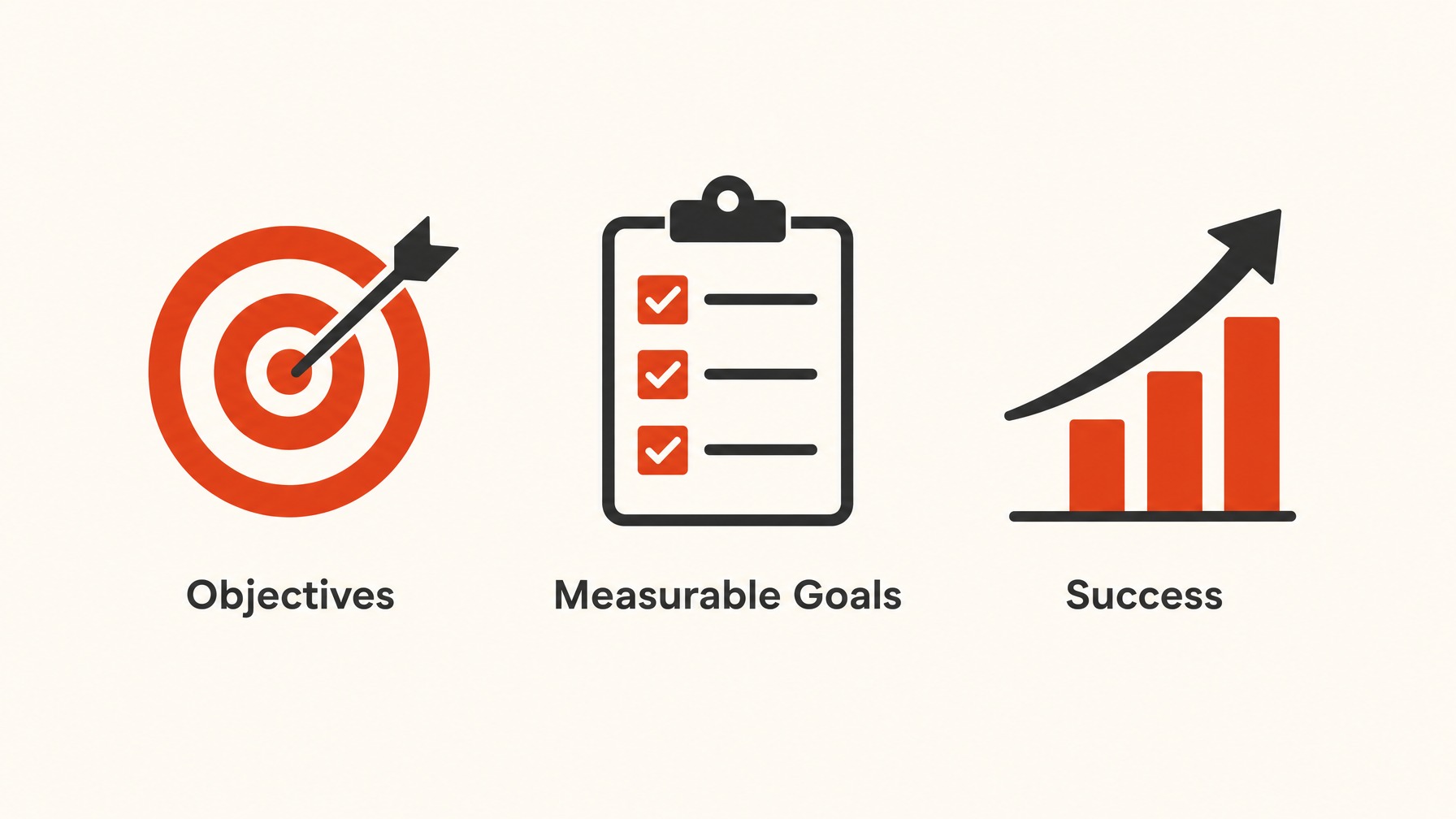

 Lorena G.