When you’re working with a 10×20 exhibition space, every square foot counts, and finding ways to stand out becomes crucial. From what I have seen, exhibitors often face the challenge of making a smaller booth feel inviting and functional without sacrificing style.
A common theme is the importance of creativity when it comes to booth layouts.
You have to think vertically, horizontally, and even diagonally to capture attention and guide visitors through your space.
It’s about orchestrating an experience that speaks to your audience.
You’ll find that the layout of these spaces isn’t just about organizing your equipment but creating an environment where people are drawn in and engaged.
With limited dimensions, integrating interactive elements and thoughtful design becomes key to achieving effective visitor interaction.
One aspect that tends to be overlooked is the impact of a well-defined pathway, which significantly enhances the visitor flow around your booth.
Traditional layouts often miss this crucial point, leading to a cramped or disorganized space that can deter potential leads.
Today, I want to cover some essential layout tips to help you make the most of your 10×20 exhibition space.
These strategies will address everything from vertical displays to branding visibility. Let’s break it down.
Key Takeaways:
Utilize vertical space for impactful visual displays.
Create clear pathways to guide attendee traffic.
Incorporate interactive elements to engage visitors.
Design modular layouts for versatile setups.
Prioritize branding visibility for instant recognition.
Get ready to dive deeper into ways you can truly transform your limited exhibition space.
You’ll find even more practical details on how to set up engaging and efficient layouts.
By implementing these tips, you’ll be able to make your booth a destination visitors won’t want to miss.
Let’s get how to use these strategies to create a space that stands out and draws people in.
1. get the most out of Vertical Space with Dynamic Displays
What we have seen work really well is the strategic use of vertical space, especially when you’re dealing with a limited footprint such as a 10×20 exhibition space. Exhibitors who use the vertical dimension effectively can keep their booth from feeling cramped and allow their messaging to be visible from a distance.
From what I have seen, incorporating elements like hanging banners or vertical standees can dramatically boost the booth’s visibility while maintaining an open floor area for visitors.
Tall display shelves can serve as an excellent way to show products without crowding the primary space where interactions happen.
One thing most exhibitors end up doing is underutilizing the vertical plane, but this is prime real estate for capturing attention.
Utilizing vertical space allows you to add a stunning layer of depth to your display design.
I would say the biggest thing here is balancing aesthetics with functionality so that your booth is still navigable and inviting.
Another idea is to use vertical elements to create distinct areas within your booth, such as meeting spaces or product zones, which can subtly guide visitor experiences without constructing barriers on the ground.
We often see that some of the most effective booths integrate dynamic displays, such as moving visuals or lighting, to further enhance the impact of vertical elements.
The use of technology in vertical displays not only draws eyes upwards but also enhances engagement through movement. Having interactive digital screens affixed vertically can be a powerful addition that invites attendees to explore further.
Something that comes up a lot is that the more sensory experiences created vertically, the more likely attendees are to remember their visit.
The final takeaway is to approach vertical space as an opportunity rather than an afterthought, and make sure the dynamic displays fit harmoniously within the overall design theme of your booth.
Successful vertical utilization not only elevates the look and feel but also supports your overall engagement strategy.
By optimizing this dimension, you are essentially maximizing your footprint beyond the constraints of your 10×20 space. This tactic is particularly vital in crowded show floors where standing out is crucial for attracting potential leads and making a lasting impression.
2. Design Clear Pathways to Enhance Visitor Flow
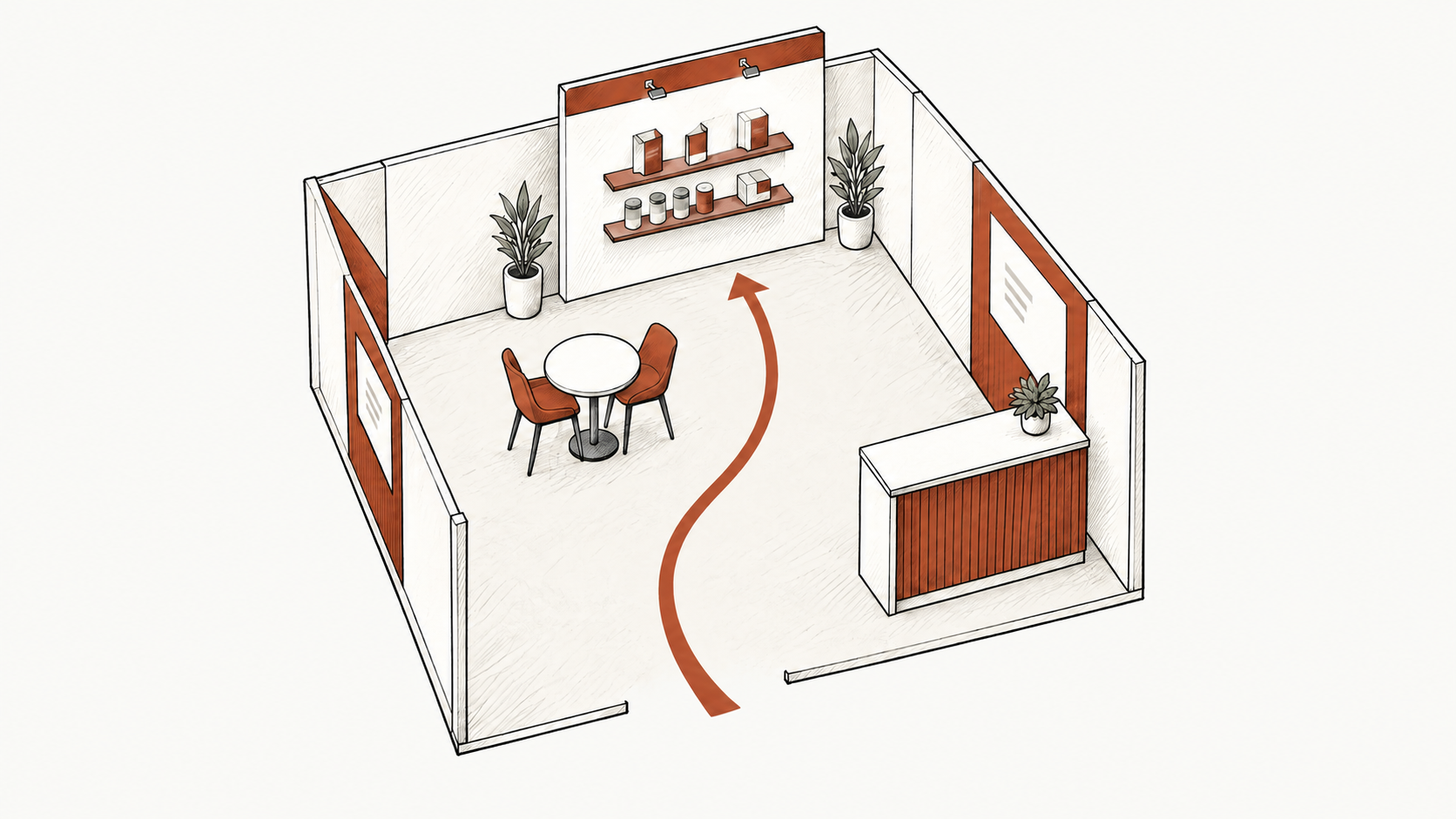
When working with a 10×20 exhibition space, one of the biggest considerations is creating clear pathways that guide visitors through your booth. What we have observed is that a well-designed layout can significantly enhance visitor engagement by directing their movement naturally from entry to exit.
It’s important to think about the visitor flow from the moment they step into your booth.
Consider how the positioning of displays and seating areas can affect the traffic, ensuring no dead ends or bottlenecks occur that might disrupt the visitor journey.
From what I have seen, the booths that stand out often create distinct zones within their layout.
These zones can serve different purposes, such as product demonstrations, customer conversations, or rest areas. By effectively using these zones, you can manage the crowd better and provide clear visual cues to attendees.
One thing most exhibitors end up doing is using rugs or flooring patterns to subtly guide the flow of traffic. This approach creates a pathway that is not only functional but also aesthetically pleasing, which can enhance the overall experience for visitors.
Here at Exhibitant, we recognize the importance of signage and wayfinding within a booth space. Proper signage helps navigate visitors through your space, ensuring they don’t miss any key areas.
It’s valuable to place signs at strategic points, such as at intersections of pathways or at entrance points to different zones.
Pro Tip: Use distinct flooring patterns and strategic lighting to create intuitive pathways that lead visitors seamlessly through your booth’s key zones, minimizing congestion.
Make sure these elements align with your branding and are easy to read, creating a smooth journey for the visitor.
What often makes a difference is the incorporation of visual elements like lighting to highlight specific pathways or zones.
Creative lighting can draw attention to important areas, subtly influencing how visitors move through the space.
Keep in mind, the goal is to create an intuitive flow that allows visitors to explore without feeling confined or overwhelmed.
Creating such a dynamic flow not only enhances visitor experience but also maximizes the potential for meaningful interactions and conversions.
3. Incorporate Interactive Elements for Engagement
One thing most exhibitors strive for in their booths is creating an engaging atmosphere that captivates attendees’ attention.
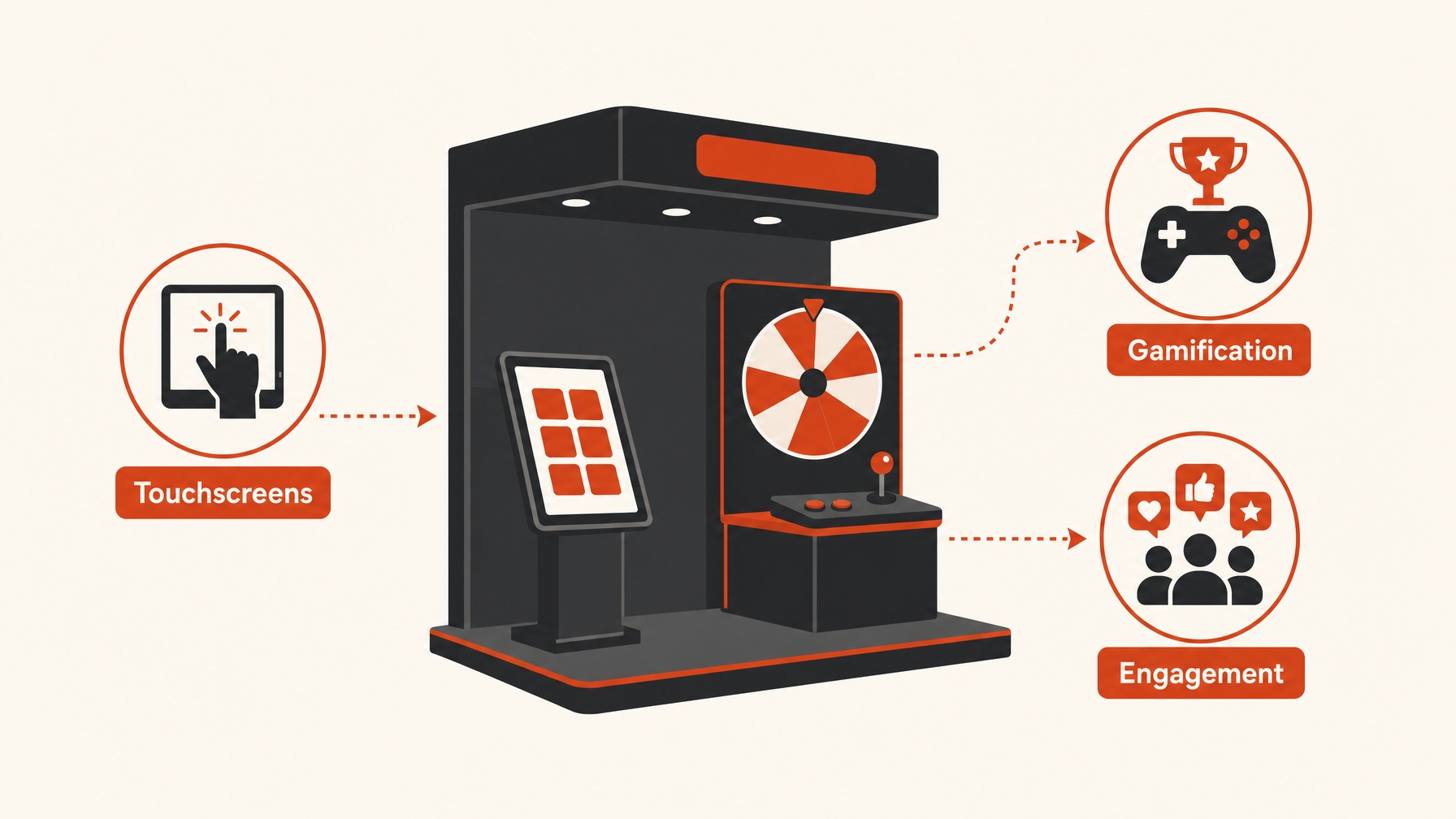
From what I have seen, the ones that get it right usually incorporate a mix of interactive elements to keep visitors interested and immersed. Consider using touchscreens or tablets for product demonstrations, allowing attendees to explore your offerings hands-on and at their own pace.
This approach not only provides a deeper understanding of your products but also invites attendees to be part of the experience.
Another strategy involves gamification, which can turn a simple visit into an enjoyable and memorable experience.
By setting up interactive games or competitive challenges related to your brand, you engage attendees in a fun way that stays with them long after the event.
Prize incentives or leaderboards can encourage participation and even generate some buzz on the trade show floor.
From what we have seen, incorporating virtual reality or augmented reality can elevate engagement to a whole new level. These technologies offer immersive experiences, giving potential clients a firsthand look at how your solutions work in real-world scenarios.
This can be particularly beneficial for complex products, where visual and experiential understanding far surpass a static explanation.
An often overlooked but effective method is integrating interactive workshops or live demonstrations into your booth schedule. These sessions allow visitors to dive deeper into specific topics, fostering a sense of community and learning, which can strengthen brand loyalty.
Additionally, this approach promotes active participation and gives your audience a reason to linger longer at your booth.
One thing to keep in mind is that interactive elements should align with your overall booth strategy and branding.
It’s essential that each interactive experience reinforces your brand’s message and values while providing meaningful engagement.
This alignment helps create a cohesive experience that resonates with your visitors and mirrors your business objectives.
4. Opt for Modular and Versatile Layouts
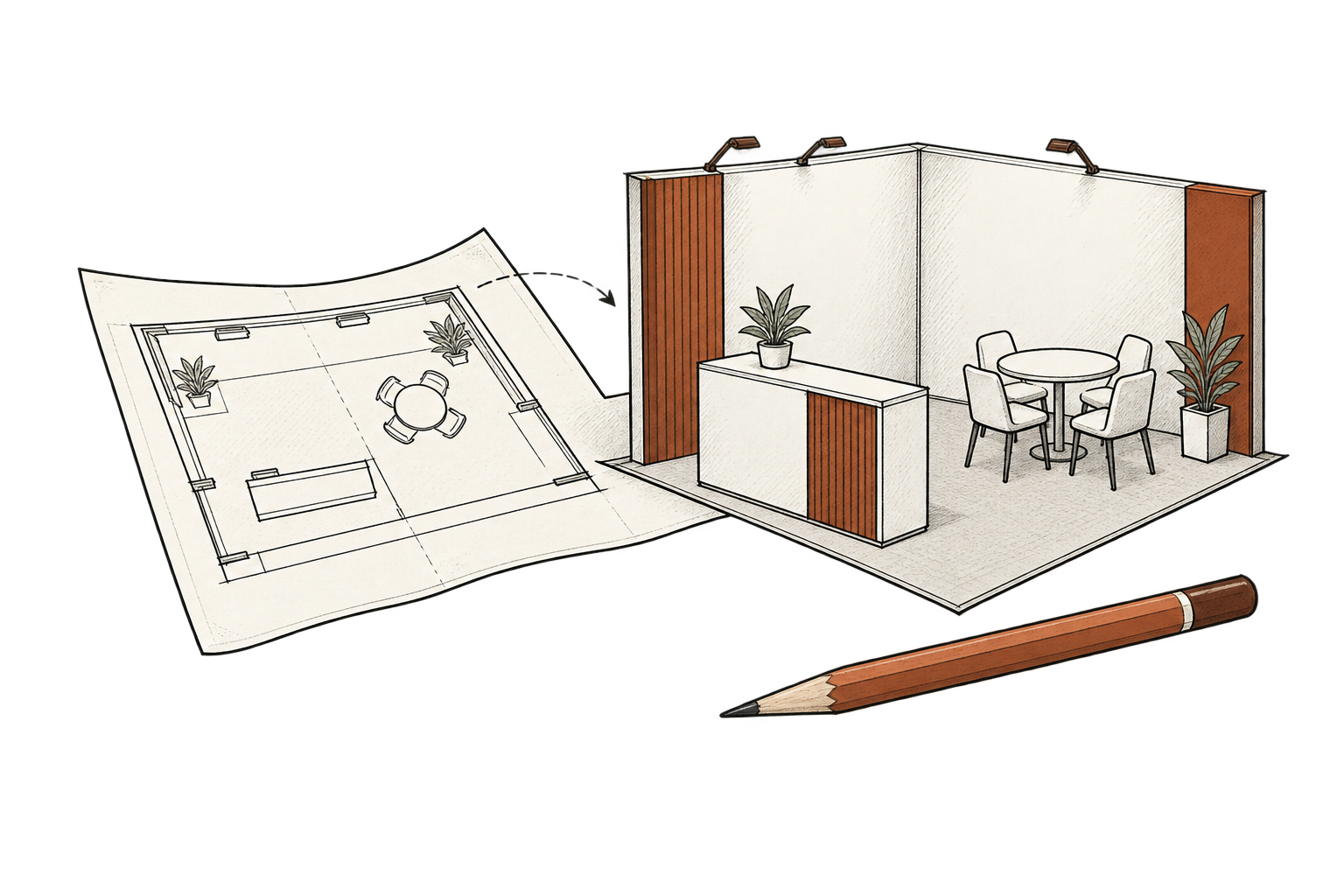
When you’re working with a 10×20 exhibition space, having a modular and versatile layout can be a big improvement.
Flexibility in booth design allows you to adjust to different event needs or unexpected space constraints without losing the core elements of your presentation. Modular components can be rearranged, expanded, or reduced, which means you can tailor your exhibit for various types of venues or audience engagements.
A well-designed modular system provides the ability to highlight specific products or services more prominently during one show, then shift focus for another.
Versatility in layout design also gives exhibitors the chance to experiment with different configurations, which can lead to discovering the most effective setup for visitor engagement.
This kind of adaptability is especially beneficial when attending multiple shows with varying themes and expectations over the year.
From what I have seen, the most successful exhibitors often use their versatile layouts to mix brand consistency with tailored experiences.
The benefits of these flexible systems go beyond the physical space; they allow for agile planning and a proactive approach to evolving marketing strategies.
Important: You gain a competitive edge by using modular layouts that adapt to different venues and themes, ensuring your booth consistently engages and meets evolving audience preferences.
With Exhibitant as your exhibit partner, you’ll gain access to expert exhibit strategies, adaptable booth systems, and show support designed to enhance your event presence.
One thing that comes up a lot is how modular designs can integrate seamlessly with technological elements, offering an interactive experience that can be easily updated for each event.
These setups not only provide operational efficiency but also maintain the visual coherence of your brand.
By opting for modular elements, you can stay ahead of trends and better meet the changing preferences of your audience, ensuring that your booth remains relevant and engaging at every show.
5. make sure Branding is Prominent and Visible
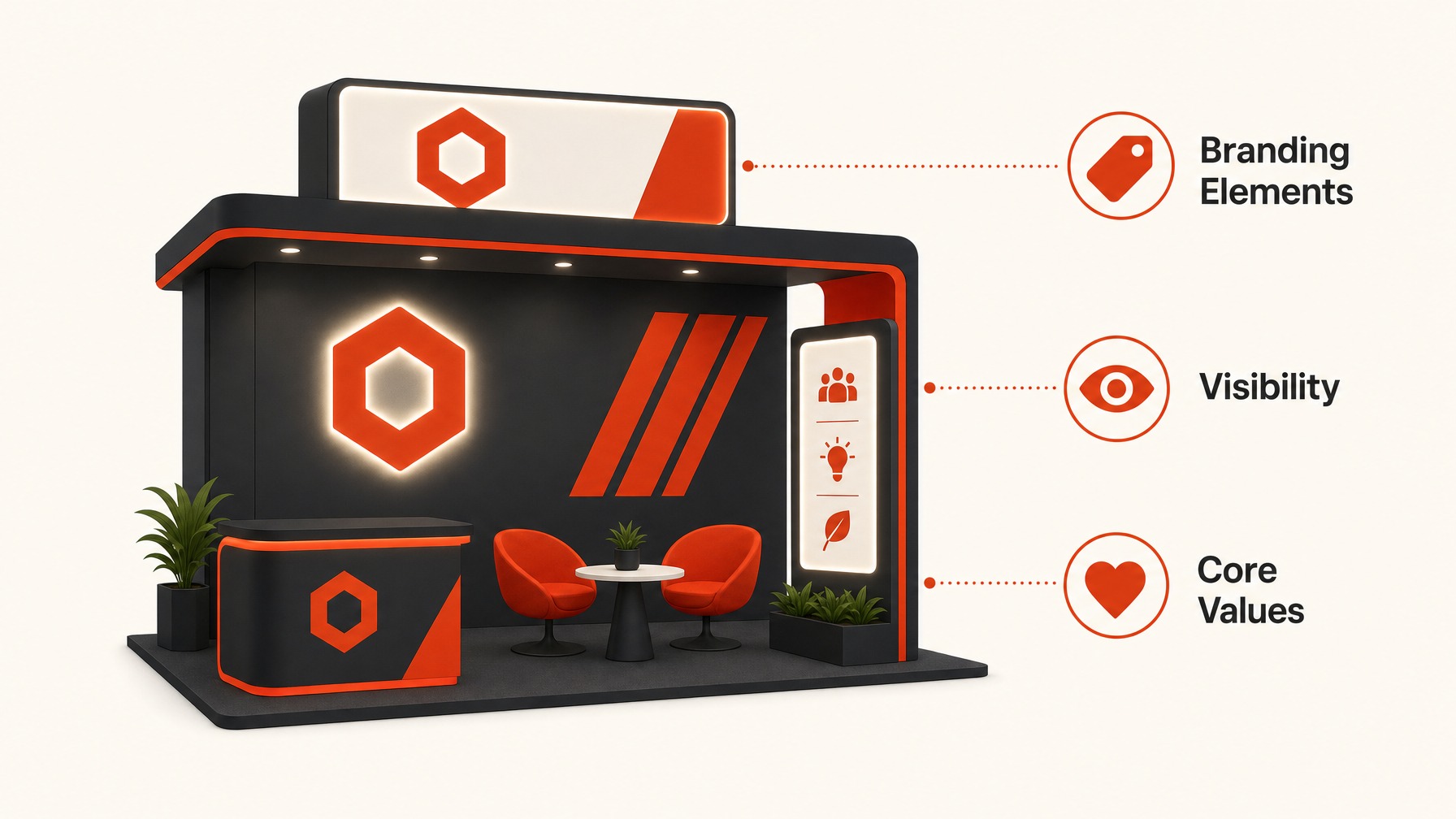
In the hustle and bustle of a busy trade show floor, branding can often become an afterthought; however, it’s truly the cornerstone of making a lasting impression. One thing seasoned exhibitors consistently do well is craft eye-catching visuals that instantly communicate brand identity and core values, even from a distance.
It’s not just about having a logo displayed prominently; it’s about weaving brand elements into every part of the exhibit space, from floor to ceiling.
Think of your brand colors and how they can be integrated into the booth design, right down to smaller details like furniture and display stands.
From what I’ve observed, the most effective booths use backlit signage or LED walls to make their brand pop against the sea of similarly-sized exhibits. Consistency in fonts, imagery, and color schemes across all graphics and materials further enhances brand recognition.
What we’ve seen work really well is ensuring that visitors can quickly grasp your company’s story without having to search for information or ask too many questions. When exhibitors display concise, bold messaging and visuals, they’re more likely to captivate walk-by traffic and keep potential leads naturally flowing into the booth.
Another smart tactic is aligning the booth design with ongoing marketing campaigns, ensuring consistency in messaging and brand perception.
Some brands elevate their visibility by integrating visual storytelling techniques that share their narrative visually, walking visitors through their history or highlighting flagship products in an engaging manner.
From what I have seen, the ones that nail this aspect are the ones who consider lighting as a key player, using it strategically to highlight specific brand elements and guide visitor attention exactly where it needs to be.
Ultimately, don’t underestimate the power of strategic placement of graphics; placing them at eye-level for approaching attendees can significantly enhance engagement.
Branding isn’t just what people see; it’s how they experience your space and the lasting impression it leaves, leading them to associate your brand with quality and professionalism.
One Last Thing
Having discussed these essential layout tips for a 10×20 exhibition booth, I would say the biggest thing here is to approach your space planning thoughtfully and strategically.
From what I have seen, successful exhibitors are often those who take the time to align their booth design with their overall event objectives.
One thing most exhibitors end up doing is overlooking the importance of a well-considered booth layout, which can severely impact visitor engagement and lead generation opportunities.
What we have seen work really well is maintaining a balance between aesthetics and functionality.
This ensures that while your booth is eye-catching, it also allows for smooth flow and interaction.
Something that comes up a lot is the tendency to clutter the booth with too many elements, which can be overwhelming to attendees and diminish the effectiveness of your presentation.
A concise yet impactful design that integrates verticality, clear pathways, interactive elements, versatility, and strong branding will make sure that your 10×20 space becomes a powerhouse of engagement and attraction.
It’s not just about filling the space, but about creating an experience that resonates with your audience and delivers on your business goals. Taking these layout guidelines into account, you’re in a solid position to execute a memorable and effective exhibition presence.
Need a booth plan?
Turn show goals into a practical exhibit path
Share your footprint, timeline, and priorities. Our team can help shape the booth direction, graphics, and project support.
Keep planning
More exhibit guidance
Keep exploring practical advice on booth planning, marketing, and getting more from your next show.
Tell us about your business, the buyers you want to reach, and what you want to achieve. Whether you need more sales conversations, stronger marketing, or a trade show presence, we’ll help you identify where to focus and what support makes sense. Together, we can shape a practical plan around your priorities, budget, and timeline.
 Lorena G.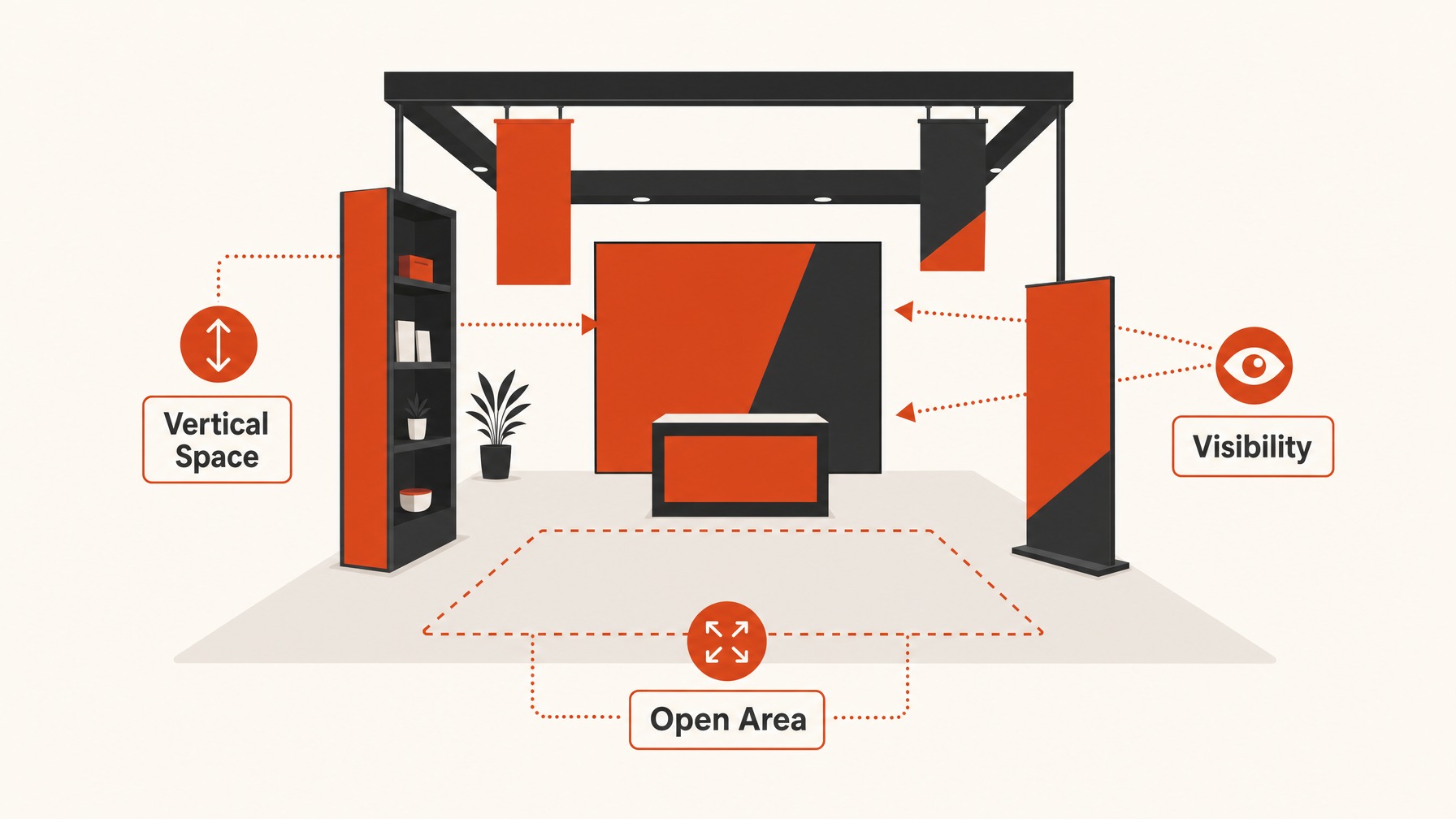
 Louie J.