 Louie J.
When it comes to trade shows, creating a remarkable experience for visitors at your booth is crucial.
I’ve noticed that companies often focus on attracting traffic, but it’s equally important to captivate and engage those who stop by.
Setting up an enticing environment can make all the difference.
From what I’ve observed, you must think beyond traditional setups.
Harnessing interactive technology and making effective use of your space can lead to a dynamic booth experience.
This approach not only draws interest but also keeps visitors entertained and informed.
It’s also vital to have a well-prepared team managing your booth.
Engaging staff members who can communicate your brand vision clearly can turn casual inquiries into lasting connections.
Their ability to personalize interactions can make a profound impact.
Today, I want to discuss strategies to craft a visitor experience that stands out.
These strategies encompass everything from design and technology to human interaction and social media presence.
- Design an inviting booth layout for seamless visitor flow.
- Incorporate interactive technology for engaging experiences.
- Train staff for proactive and friendly visitor interactions.
- Create memorable giveaways that reinforce your brand message.
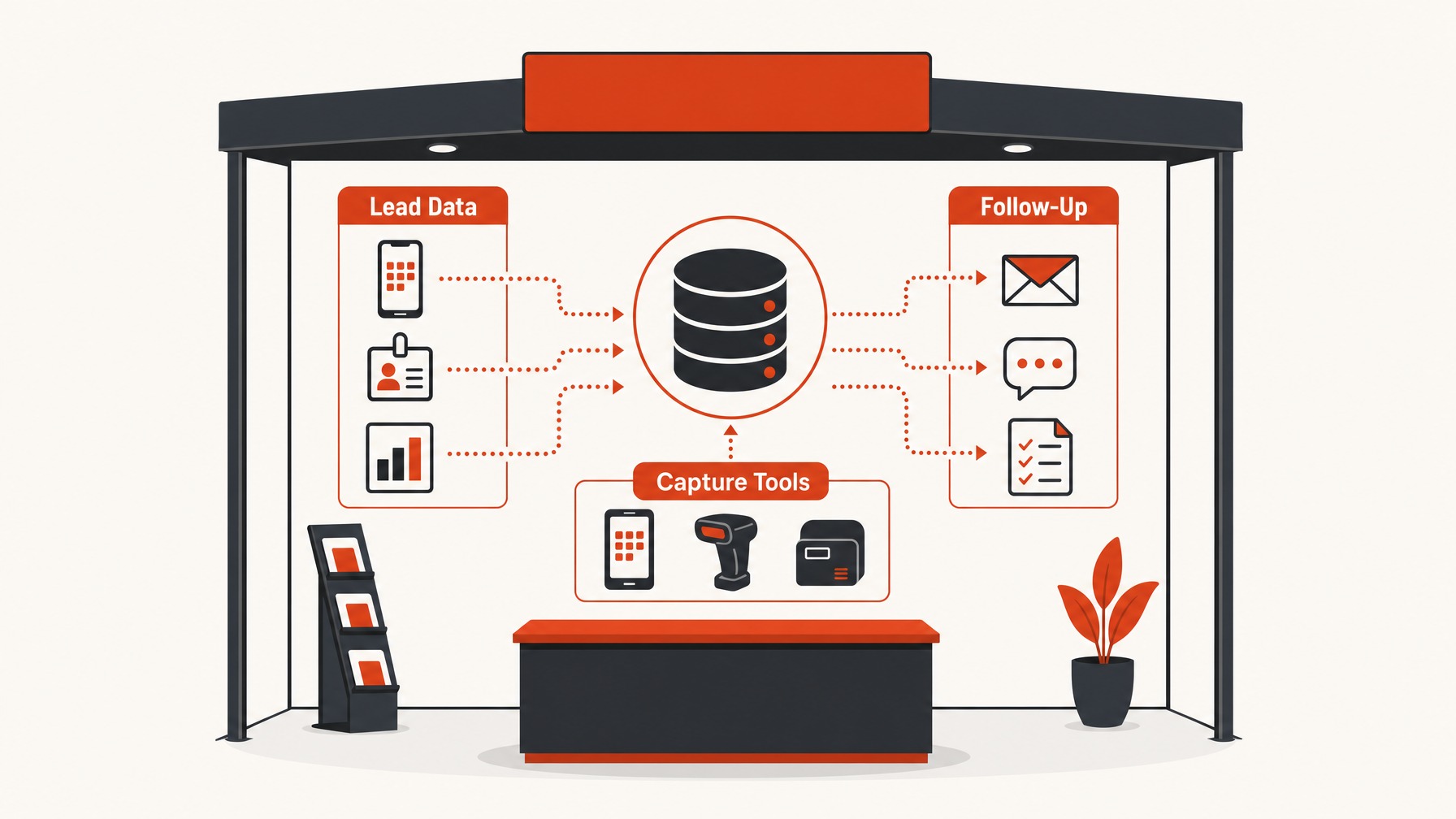
- Implement efficient lead capture systems for future engagement.
Your trade show booth is more than just a place to show your product it’s an experience.
With a bit of planning, you can create a booth that pulls people in and keeps them intrigued.
Get ready to look at strategies that go beyond the basics, with clear guidance on how to make everything from booth design to staff training shine.
You’re about to find out how to turn every visitor into a lasting connection.
1. Crafting an Inviting Booth Layout
What we have seen work really well is when exhibitors focus on the fundamentals of an inviting booth layout.
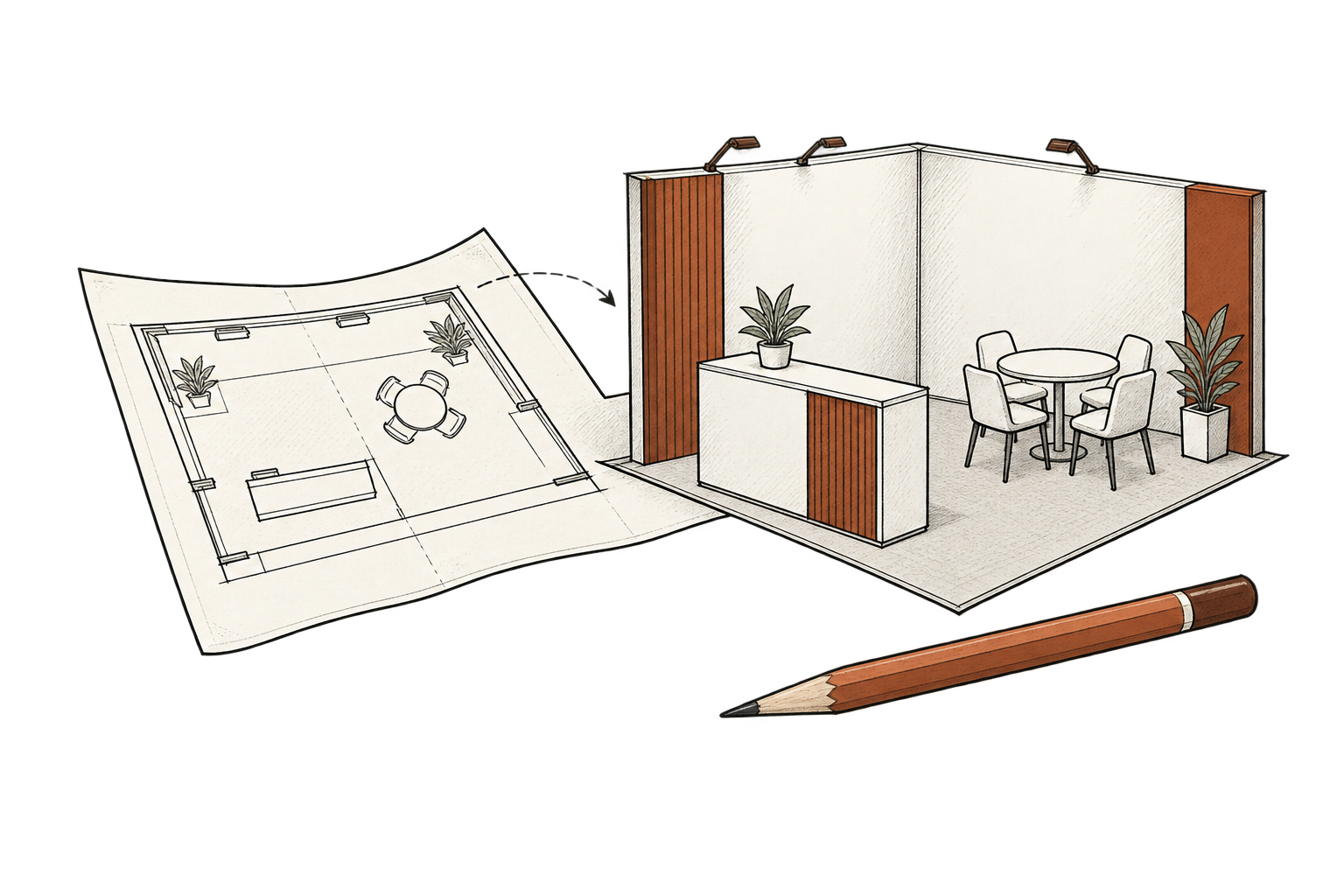
The foundation of this approach lies in creating a space that naturally draws in attendees and keeps them engaged. First impressions matter, so an open and welcoming design can be a real big improvement.
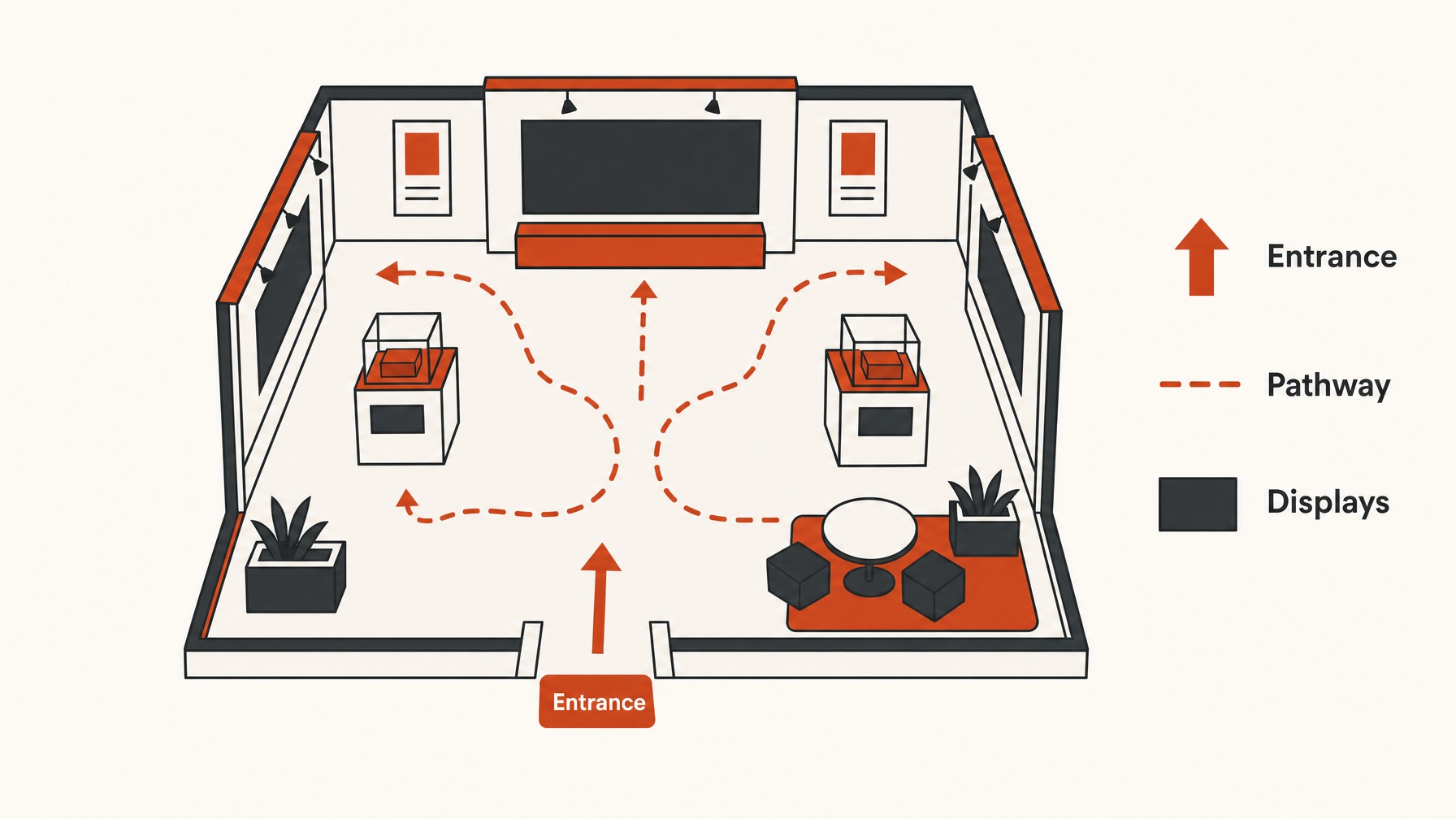
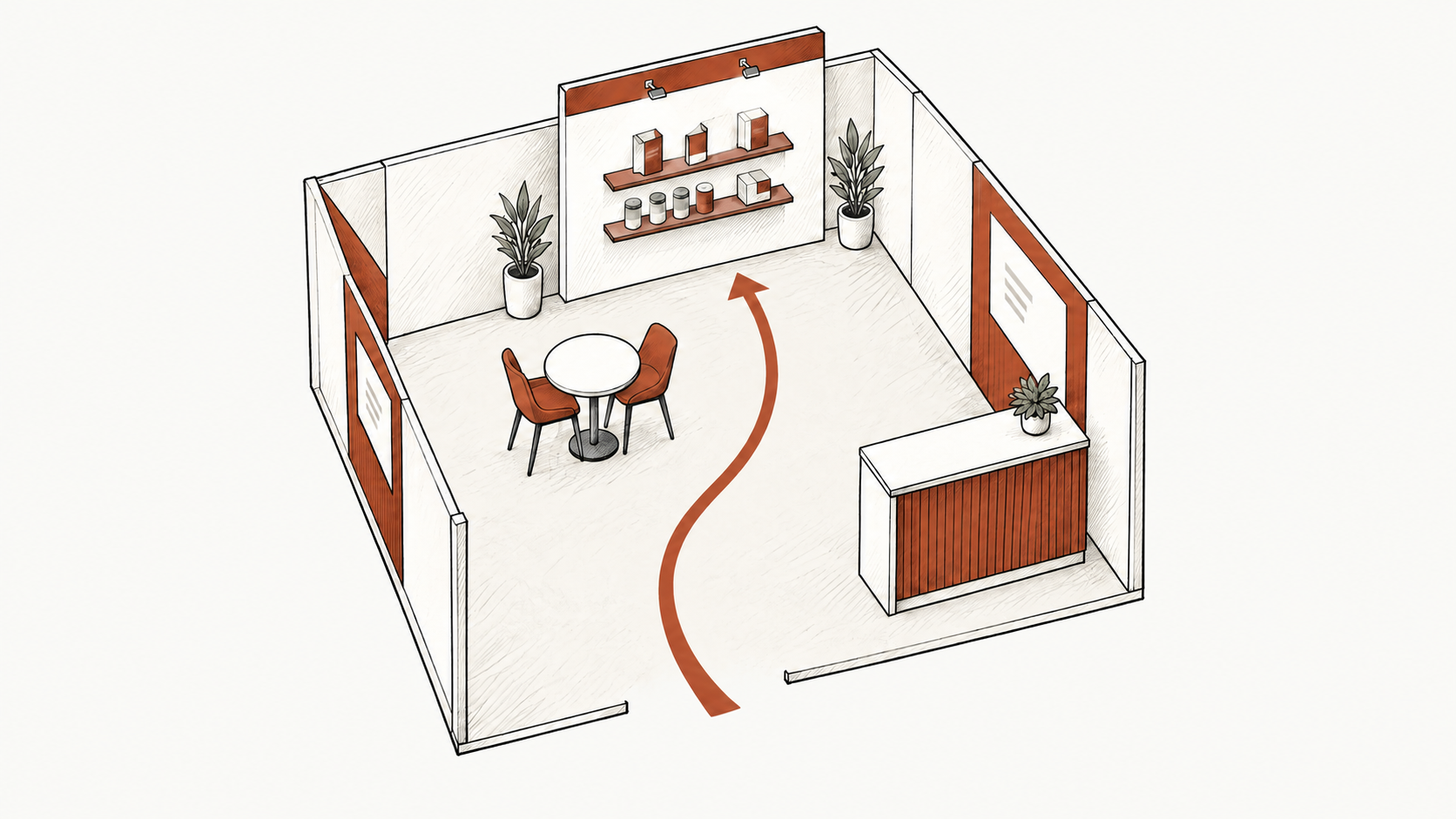
One key element in your strategy should be clearly defining the flow of the booth. From what I have seen, the ones that get it right usually think strategically about entry and exit points that allow for smooth visitor movement.
Carefully placed pathways that guide visitors through different areas of the booth can significantly enhance their experience.
We often notice that areas with visual balance where displays and walking spaces are evenly distributed tend to attract more foot traffic.
Something that comes up a lot is the importance of having visually appealing and cohesive brand elements throughout your space. Incorporating consistent branding, such as using similar colors and motifs, can reinforce brand identity and make your booth memorable.
Using vertical elements effectively, like hanging banners or towers, can also capture attention from a distance in a crowded exhibition hall.
Another aspect to ponder is having designated zones for various activities, such as product demos and consultations.
Clearly delineating these zones not only organizes space but also informs visitors of different opportunities for engagement within your booth. I would say the biggest thing here is ensuring all areas are accessible and that nothing feels overly cluttered.
In addition, don’t overlook the importance of comfortable and strategically placed seating.
Offering well-located seating areas can provide attendees with a needed break, encouraging longer stays.
Keep in mind, incorporating elements like lighting and interactive screens can further enhance the ambiance and engagement within your booth.
Ultimately, the objective is to create a politically balanced space that invites participation and encourages meaningful connections.
By attending to these details, you can design a booth that captivates attention and supports your goals.
2. Harnessing Interactive Technology for Engagement
When exhibitors want to create a buzz at the booth, interactive technology often leads the charge in keeping visitors engaged.
From my experience, it’s not just about having flashy gadgets; it’s about using technology to facilitate meaningful interactions. Touchscreens and augmented reality (AR) can transform the static display into an interactive experience, allowing visitors to explore your products or services thoroughly.
What we have seen work really well is incorporating elements like virtual reality (VR) or hands-on demos that resonate with your target audience.
One trend that’s picking up pace, especially in high-traffic booths, is the use of smart kiosks that engage attendees in personalized ways.
These information-rich kiosks can offer customized product suggestions or answer visitor queries without them having to wait for a staff member.
When visitors feel that they can control their own journey, their engagement level tends to soar.
I would say the biggest thing here is to select technologies that align with your brand and product offering, keeping the visitor experience at the heart of your strategy.
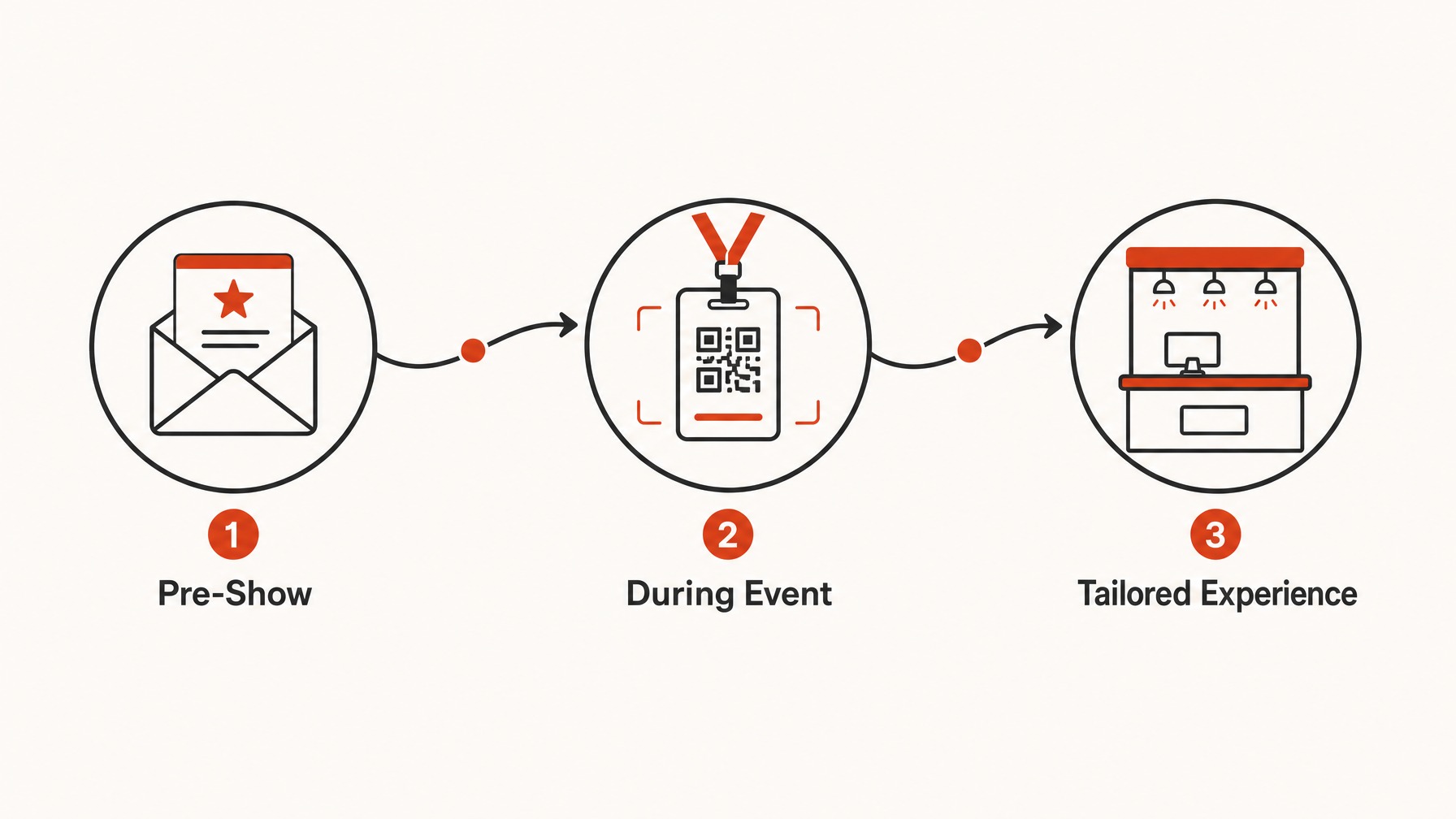
The Exhibitant team has seen companies achieve remarkable success when they integrate QR codes and NFC tags into their booth setups. Such small additions enable visitors to effortlessly capture digital content, like brochures or product videos, onto their mobile devices.
Pro Tip: make sure smooth connectivity and on-site tech support at your booth, so your interactive technology effectively enhances visitor engagement without technical hitches.
Not only does this reduce the need for printed materials, but it also creates a tech-savvy environment that resonates with modern attendees. Incorporating gamification elements, like leaderboards or competitive challenges, adds another layer of engagement that fuels booth traffic.
Keep in mind, the technology itself shouldn’t be the focal point; rather, it should act as a channel that enhances the overall visitor experience.
What some exhibitors overlook is the need for reliable connectivity and on-site tech support to make sure everything runs smoothly.
At the end of the day, technology is a tool, and its main role should be to facilitate connections and conversations.
From what I’ve seen, those who succeed in this area use tech to tell their story, rather than letting the technology distract from their core message.
When integrated seamlessly, interactive technology can set your booth apart and elevate the visitor experience significantly.
3. Training Your Booth Staff for Success
One thing most exhibitors end up doing is training their booth staff to be not just knowledgeable, but incredibly engaging.
It’s this engaging nature that turns brief encounters into meaningful interactions, which are key to generating quality leads.
What we have seen work really well is preparing staff with a clear understanding of your objectives and a concise summary of your product’s unique selling points.
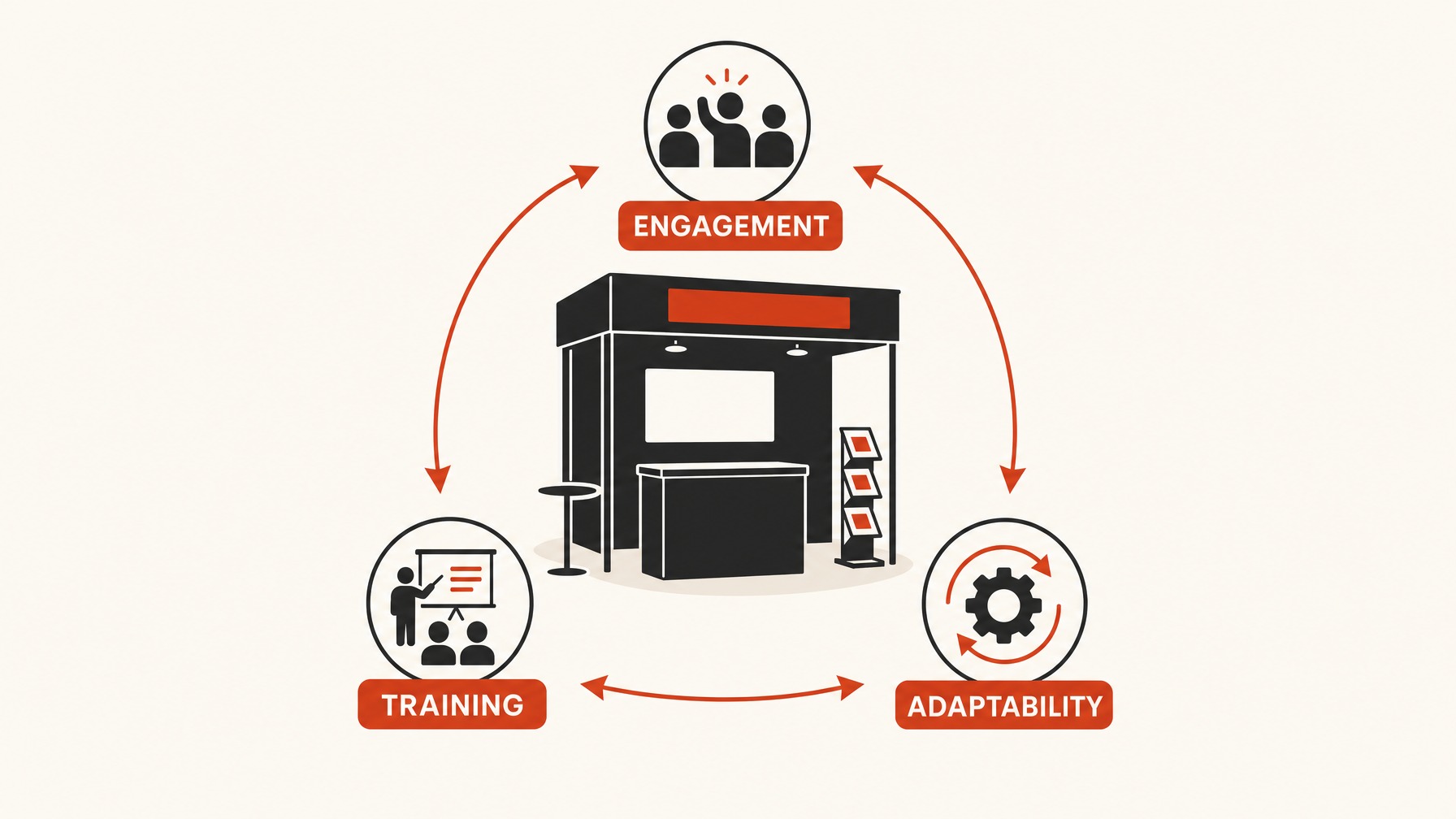
Moreover, from what I have seen, the ones that get it right usually conduct role-playing sessions that simulate real-life trade show scenarios.
Having well-prepared staff ensures they can adapt on the fly, whether they’re dealing with a veteran conference-goer or a first-time attendee.
I would say the biggest thing here is encouraging your team to ask open-ended questions that promote a two-way conversation.
The ability to listen will foster a more personalized experience for visitors, making them more likely to remember your booth.
A lot of successful teams focus on training staff to effectively manage body language, using positive posture and gestures to enhance communication and increase engagement.
Something that comes up a lot is booth staff multitasking between welcoming visitors and managing potential distractions. To mitigate this, assign specific roles to each team member, such as lead capturing, product demonstrations, and general visitor engagement.
This ensures that every aspect of the booth’s operation runs smoothly and keeps the team united towards common goals. Ultimately, well-trained booth staff are instrumental in transforming a basic visit into a valuable relationship.
4. Designing Memorable and On-Brand Giveaways
One thing that consistently draws visitors to a booth is having memorable giveaways that align with your brand.
From what I’ve observed, investing in well-designed merchandise that’s both useful and resonates with your brand identity can leave a lasting impression. Most exhibitors miss the mark by opting for generic items, but what truly stands out are giveaways tailored specifically to the target audience’s interests and needs.
By understanding what appeals to your audience, you can create something that not only captures attention but also sparks conversations.
Customizing your giveaways to reflect your company’s values and branding is equally crucial.
Say, if sustainability is a significant part of your brand, providing eco-friendly products like reusable water bottles or bamboo utensils can reinforce that message.
The effectiveness of branded giveaways really shines when they become not just promotional items but also extensions of your brand that attendees use long after the event.
High-quality materials and thoughtful design also elevate the perceived value of the giveaways, which in turn reflects positively on your brand.
A popular tactic that’s emerged is creating tiered giveaway strategies. This involves offering more exclusive items for attendees who engage more deeply or meet certain criteria.
For instance, while every visitor may receive a branded pen or sticker, those who participate in a demo or provide their contact information could receive something of higher value.
It’s a clever way to encourage interaction while managing budget constraints.
Important: You must design giveaways that resonate with your brand and audience’s interests to create lasting impressions and meaningful interactions beyond the trade show.
From what I have seen, the key to a successful giveaway strategy is not just the item itself but how it integrates into your overall booth experience.
The most effective giveaways tie into the theme of your booth and the story you’re telling. For example, a tech company with a futuristic theme might give away innovative gadgets that mirror the company’s modern image.
This coherence between your booth presentation and your giveaways helps to reinforce your message in the minds of attendees.
In many cases, digital giveaways are increasing in popularity.
This could be downloadable content or access to exclusive online resources.
These not only save on shipping and production costs but also allow for immediate tracking of engagement metrics. Digital giveaways can also capture interest from visitors who may prefer receiving information electronically rather than carrying additional items.
They keep your brand in the spotlight long after the event while serving as an ongoing resource.
 Lorena G.