When planning for a trade show, one of the first things you’ll notice is how booth costs can vary widely. As I’ve seen at countless events, these expenses can often be puzzling and unexpectedly high, leaving many exhibitors scratching their heads.
Understanding the factors that influence your booth costs can save you a lot of headaches and money.
One major factor that consistently influences pricing, in my experience, is the booth size and configuration.
Another crucial piece of the puzzle is the location and accessibility of your booth within the trade show floor.
Some locations naturally attract more foot traffic, which tends to come with a higher price tag.
Today, I’ll explore into these factors and others, such as design choices and logistical considerations, to give you a clearer picture of what’s driving your booth costs.
Key Takeaways:
Understand booth size’s impact on overall costs.
Consider location for added visibility and expense.
Evaluate design complexity versus budget constraints.
Factor in installation and dismantle service costs.
Account for shipping and logistics expenses.
You probably know that trade show booth costs can quickly add up, but there’s more to it than the obvious.
To really get a handle on this, it’s worth diving into specific factors that can catch you off guard.
We’ll share insights that help you find that perfect balance between what you want and what you need to fit your budget.
Stick around to get those details that could change how you plan for your next event.
1. Booth Size and Configuration
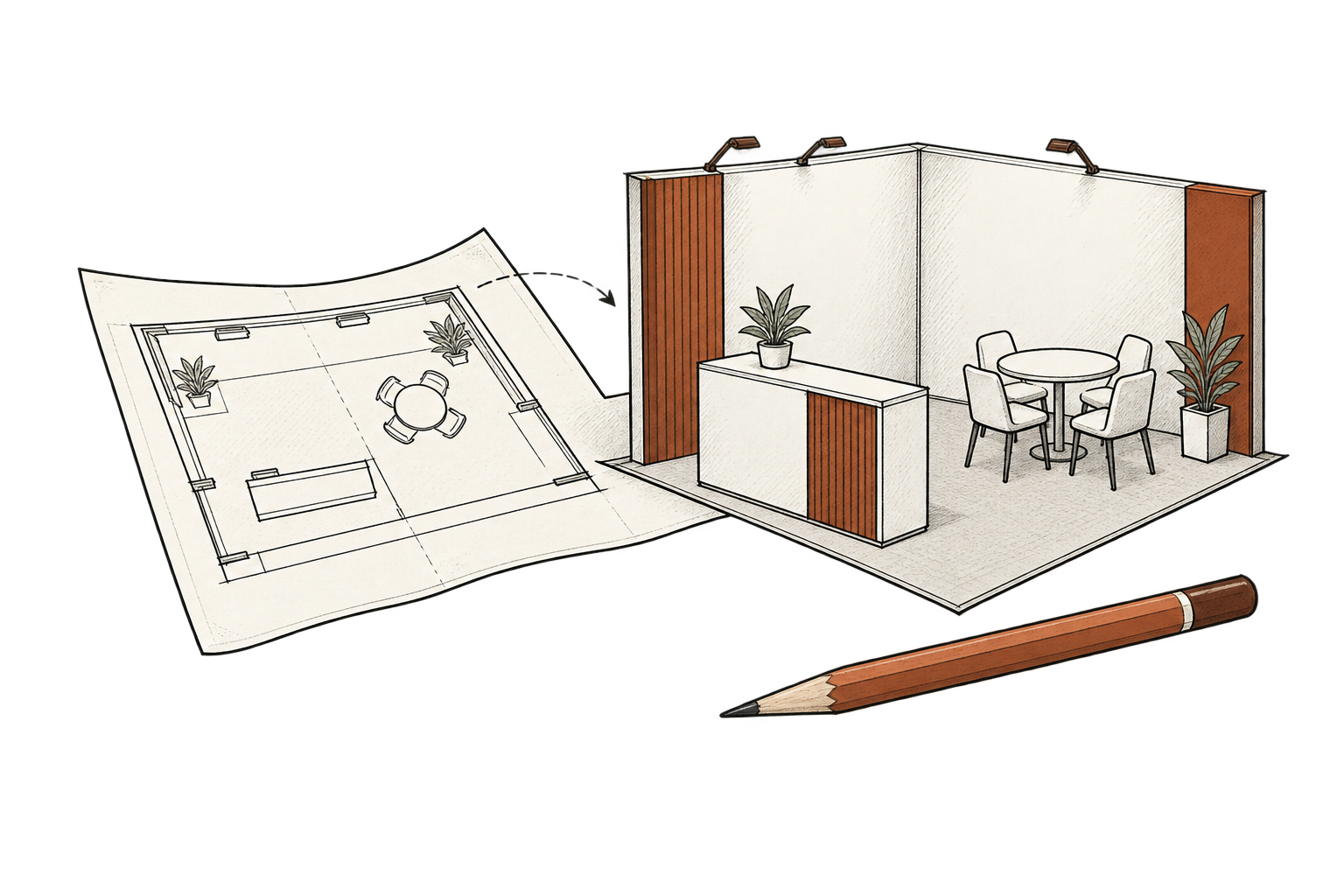
From what I have seen, the size of your trade show booth is one of the most significant drivers of overall costs.
Larger booths not only increase the floor space expense but also demand more in terms of materials and design elements to fill the area effectively.
One thing most exhibitors end up realizing is that their needs can vary greatly depending on the type of event and target audience.
While a small, strategically designed booth can sometimes do the trick, a larger booth provides opportunities for more elaborate displays and engagement zones.
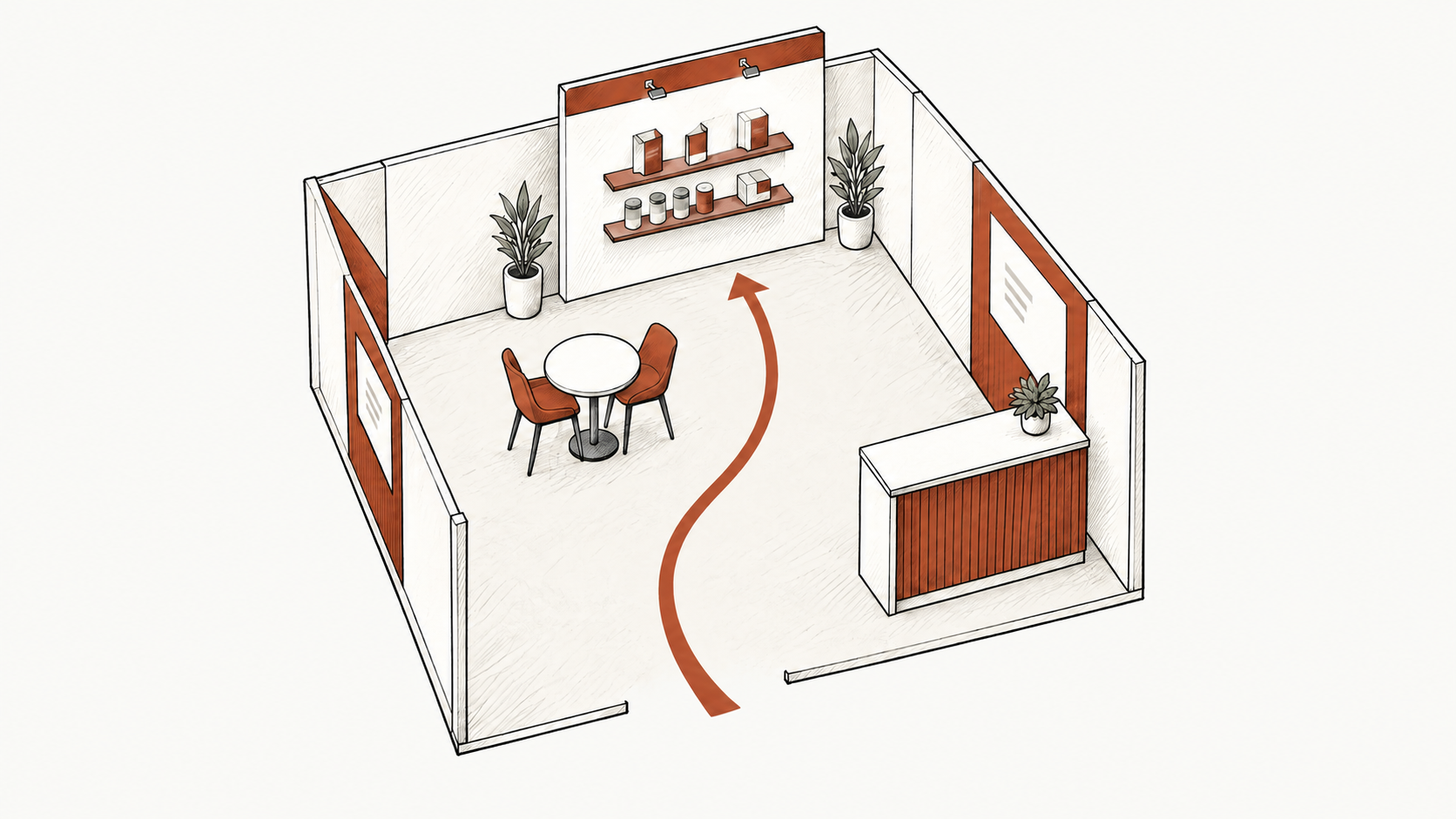
That said, you also need to think about the configuration and layout, which impacts not just cost but visitor flow and interaction.
Something that comes up a lot is the need for flexibility in booth design, allowing for different configurations depending on the venue’s shape and size.
A modular setup tends to be more economical and versatile compared to a fully custom-made design.
It’s also essential to understand that certain booth configurations require additional expenses, such as permits or special equipment, like hanging rigs or suspensions.
I would say the biggest thing here is to balance your desire for space against the reality of your budgetary constraints; features like private meeting areas can be fantastic, but they do come with added costs. Ultimately, selecting a well-thought-out size and configuration enhances your visibility and effectiveness without unnecessarily inflating your expenses.
2. Location and Accessibility
The biggest thing when considering location at a trade show is how much foot traffic your booth will receive.
From what I’ve seen, prime locations near entrances or high-traffic areas often command higher costs but deliver substantial visibility benefits. However, there’s more to consider than just prime locations; assessing the overall layout and proximity to complementary exhibitors can influence visitor flow.
A nearby anchor exhibitor can significantly enhance visibility, but sometimes being next to the right type of smaller booths can work wonders too.
Another key consideration is accessibility for setup and tear down, a factor often overlooked in the initial planning stages.
Depending on the venue, some spots are much easier to get into and out of, which can impact both your time and labor costs during the event. One thing many exhibitors end up realizing is the logistical advantages that come with choosing a booth with accessible loading areas.
Moreover, booths situated near restrooms or food courts might draw casual traffic but it’s crucial they also engage those passersby effectively.
Something that comes up a lot is the visibility from various angles offered by corner booths; they can attract attention from multiple directions but often come with a premium price tag.
Pro Tip: To gain a competitive edge, request prior foot traffic reports from venue organizers and strategically select a booth location that maximizes attendee engagement.
It’s crucial to understand your audience’s movement patterns to select a location that encourages natural engagement.
We have seen exhibitors who strategically select their booths based on prior foot traffic reports gain a significant edge. These reports, often provided by venue organizers, can offer insights into attendee behavior and help make informed decisions.
Lastly, colleagues in the industry have shared insights into managing venue restrictions that might affect booth accessibility, which can sometimes require additional investment for compliance or adjustments.
Being aware of these elements allows for smoother operations without unexpected costs, something seasoned exhibitors value highly.
Ultimately, the combination of location and accessibility doesn’t just impact upfront booth costs; it influences overall event success through better engagement and easier logistics management.
3. Design and Customization
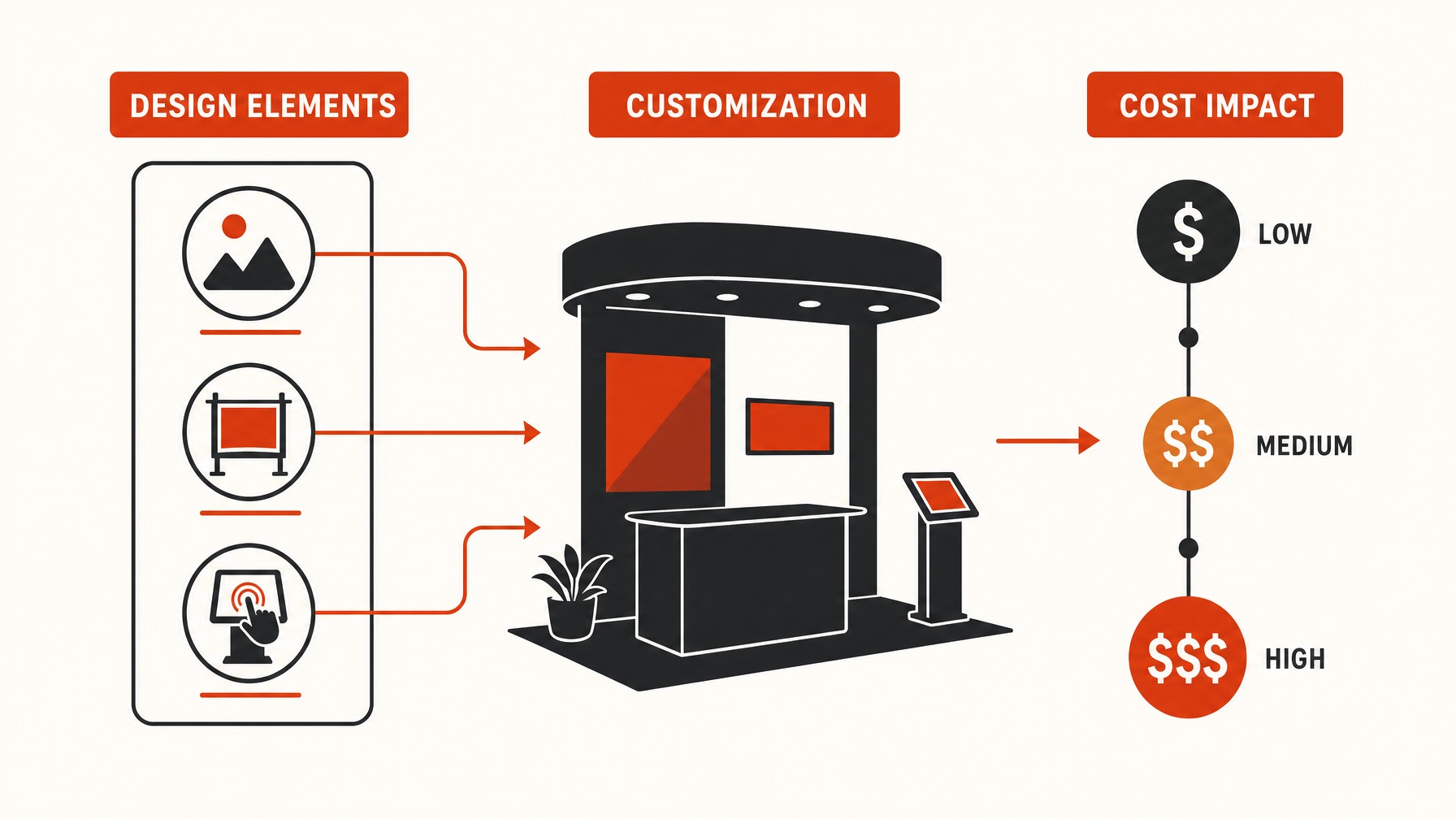
When it comes to trade show booth costs, design and customization often play a crucial role in determining the final budget.
What I’ve noticed is that exhibitors looking to stand out frequently invest significantly in their booth’s aesthetic appeal.
These investments can range from high-quality graphics and signage to unique interactive elements intended to captivate the audience’s attention.
Custom designs are particularly appealing because they allow brands to show their personality, but they come with higher costs than standard options.
One thing most exhibitors end up doing is weighing the cost-benefit relationship of custom designs against using more economical, modular solutions.
While bespoke designs can foster a memorable visitor experience, modular booths offer flexibility and can be reused at multiple events.
From what I have seen, the ones that get it right usually balance their need for custom elements with budget-friendly modular components, maintaining a unique presence without drastically overspending. Often, custom branding within modular frameworks can still deliver an impactful experience without incurring prohibitive costs.
Here at Exhibitant, we have found that the selection of materials is another area where exhibitors often explore cost variation.
High-end materials such as aluminum and fabric prints can enhance a brand’s perceived value; however, they tend to increase expenses.
Conversely, utilizing lightweight and recyclable materials can offer appealing alternatives that lower both production and shipping costs. This choice of materials not only impacts booth aesthetics but also has logistical and budgetary implications, influencing overall success.
Moreover, integrating technology like VR or AR applications can transform a booth into an immersive experience, boosting engagement but hiking costs.
It’s crucial to carefully assess whether these enhancements align with your strategic goals and audience expectations. Ultimately, finding the right combination of design elements and technological tools requires deliberate planning to get the most out of the return on investment without undermining financial constraints.
4. Installation and Dismantle Services
From what I have seen, investing in professional installation and dismantle services can fundamentally impact your overall booth costs. These services make sure that your exhibits are set up quickly and efficiently, minimizing potential damage to the booth components.
One thing most exhibitors end up doing is relying on in-house teams to save money, but this can lead to unanticipated costs in terms of time and repairs.
Professional teams possess the expertise to handle complex setups and make sure everything is executed safely and according to plan.
I would say the biggest thing here is timing, as tradeshow schedules are usually tight, and delays in setting up or dismantling your booth can incur additional expenses.
Some organizers impose penalties for overtime usage of exhibit halls, which can be avoided by employing experienced services that are familiar with the venue’s regulations.
What we have seen work really well is coordinating with service providers to align schedules precisely with venue access times, minimizing unnecessary waiting periods.
Important: Investing in professional installation and dismantle services can prevent unexpected costs and delays that in-house efforts might incur, streamlining your trade show experience.
Additionally, there is often the hidden cost of securing temporary union labor, depending on the venue and the region, which professional services often cover as part of their offering.
Something that comes up a lot is the availability of storage solutions provided by the installation service, safeguarding your booth materials and components between shows or during extended events. This not only protects the physical assets but also reduces risk related to misplacement or damage, potentially saving a significant amount of money in the long term.
Budgeting for these services might seem like a secondary consideration, but they are integral to an efficient and successful trade show experience.
From my perspective, understanding and planning for these logistics contributes to a smooth and more cost-effective showing, allowing your team to focus on engagement rather than the mechanics of booth setup.
5. Shipping and Logistics
From what I have seen, the logistics of shipping your booth materials can be a surprisingly substantial portion of the overall trade show budget.
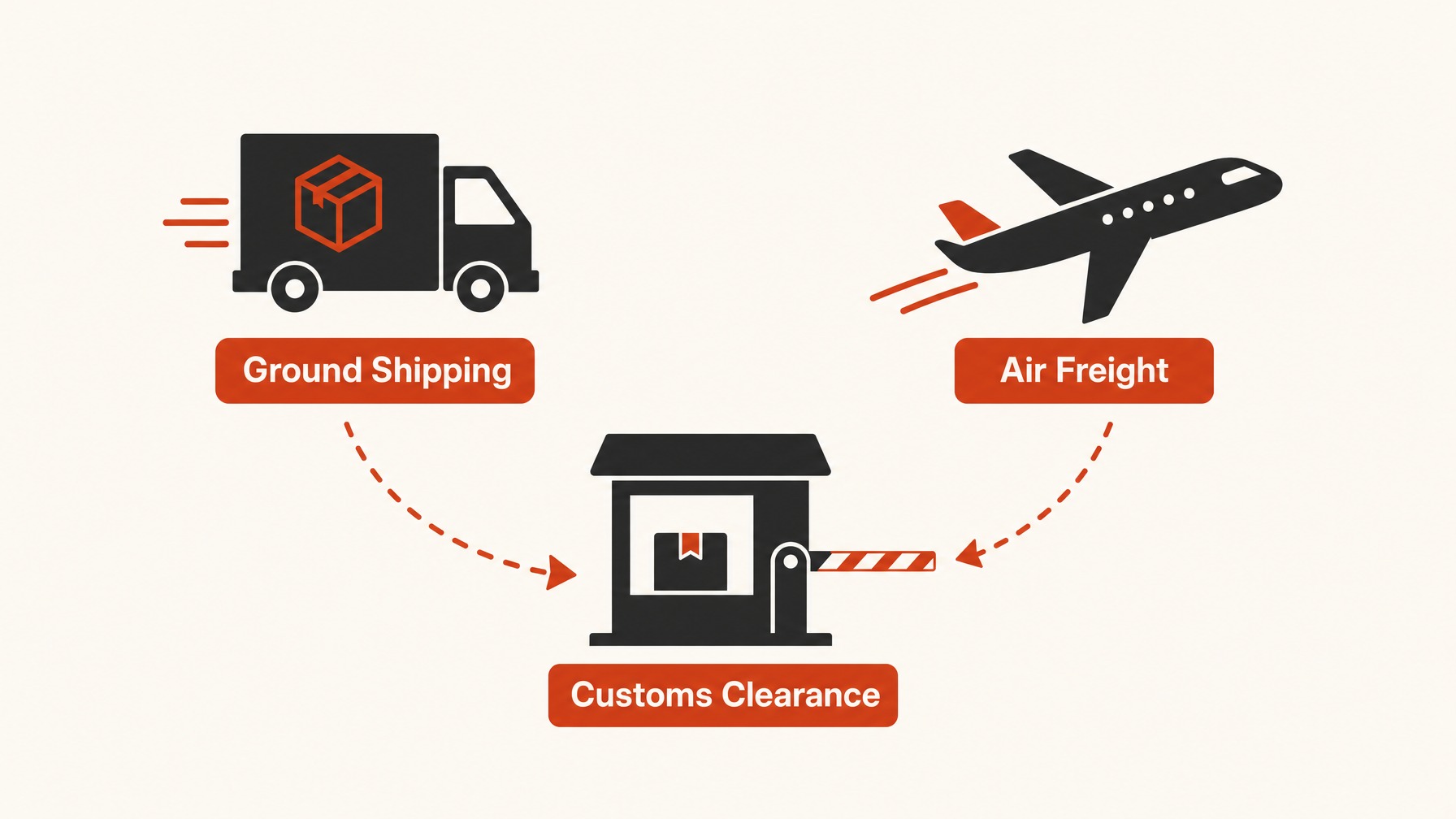
The cost isn’t just about getting your goods to the venue, but also includes the timeline, mode of transport, and any potential customs clearance, especially for international shows. As a result, carefully managing these aspects can effectively influence exhibit costs.
Something that comes up a lot is the choice between ground and air shipping, which often boils down to a trade-off between cost and speed.
Ground shipping tends to be less expensive but slower, while air freight, though quicker, can significantly increase your logistics expenses. Additionally, the timing and coordination of shipments to the event site matter, as last-minute changes or delays can incur premium charges.
Another factor that impacts shipping costs is the size and weight of your booth components.
You’d be amazed how seemingly small differences in booth design can result in substantial variances in weight, which affects transportation costs.
From what I have seen, modular booth designs, which pack down more efficiently, can provide significant savings in shipping and storage.
Proper documentation is also vital, as incorrect paperwork can lead to time-consuming delays or additional fees, especially for international shipments.
Having a thorough understanding of import duties, tariffs, and necessary documents can save you both time and money.
This is where having a seasoned partner, like Exhibitant, becomes crucial, as it goes beyond just providing booth systems and extends into offering exhibit strategy and show support.
Aligning with an experienced exhibit partner means having access to strategic advice that can help sidestep common logistical pitfalls.
This strategic approach not only smooths the shipping process but also reinforces cost savings and better overall budget management. By handling the complexities of shipping, Exhibitant ensures you focus more on engaging attendees than on resolving logistical issues on-site.
6. Marketing and Promotional Materials
What we often see is that the investment in marketing and promotional materials can significantly influence your overall trade show booth costs.
From the printed brochures that detail product features concisely to the vibrant banners hanging from the rafters, every piece demands both creative input and financial outlay.
The quality and quantity of these materials will vary based on your brand’s positioning and the event’s audience, often accounting for a substantial part of your budget.
Another area to think about is the mix of digital and print promotional materials, as striking the right balance can impact efficiency and expenses. While digital assets like e-brochures and interactive screens might initially seem cost-effective, the design, development, and technology involve monetary considerations.
From what I have seen, the companies that work closely with their creative teams to produce compelling, informative content typically see a better return on these expenses.
Something that comes up a lot is how effectively branded giveaways and promotional items can enhance your presence at a tradeshow. The cost-effectiveness of these items hinges on how well they align with your brand’s message and their perceived value by attendees.
Select items that resonate with your audience’s interests and professional needs, ensuring that they leave a lasting impression and remind them of your business even after the event has ended.
Pro Tip: Before you finalize your marketing materials, research the venue and attendee demographics to tailor your content and giveaways for maximum impact and engagement.
If you’re considering substantial promotional investments, it might be wise to conduct prior research on the venue and attendee demographics to tailor your approach for maximum engagement.
By understanding the characteristics and preferences of the potential customers you’ll encounter, you can better allocate resources to the most impactful promotional strategies. From I have observed, those who strategically craft their materials tend to capture more meaningful leads, justifying the cost incurred.
In essence, marketing and promotional materials not only aid in conveying your brand message but also in establishing your company’s presence at the trade show. A carefully curated array of marketing assets can dramatically enhance visitor engagement and, subsequently, your booth’s success.
Thus, while evaluating your trade show budget, allocate a thoughtful sum to these essential elements, as they are intrinsic to achieving your event goals.
The Bottom Line
When considering trade show booth costs, it’s essential to weigh each factor we’ve explored to understand their combined impact on your budget. Many exhibitors find that while some elements like booth size might seem straightforward, the nuances of location, design, and logistics can introduce unforeseen expenses that require a strategic approach.
From what I have seen, the most effective exhibitors are those who take a full view, aligning each aspect with their broader marketing objectives and financial resources.
It’s about making informed choices, understanding that sometimes a smaller, well-located booth can outperform larger, less strategically placed setups.
Something that comes up frequently is the delicate balance between quality and cost; investing wisely in design and services can enhance your presence and boost overall effectiveness.
Don’t overlook the importance of proper planning and coordination, as this often separates successful shows from those that fall short of expectations.
I would say the biggest takeaway here is how crucial meticulous budgeting is ensuring you allocate funds appropriately across configuration, accessibility, and promotional efforts.
When coordinated well, these elements come together to create a compelling and cost-effective booth presence.
Ultimately, each exhibitor’s budget and priorities will shape their decisions, but approaching these factors with foresight and precision is key. In this industry, the ones that get it right are typically those who continually review and adapt their strategies based on past experiences and emerging trends.
It’s this adaptability and thorough understanding of the detailed costs associated with exhibiting that will drive a positive return on investment. Knowing how to strategically allocate resources in these areas will allow you to craft an impactful show presence that resonates meaningfully with your audience.
Need a booth plan?
Turn show goals into a practical exhibit path
Share your footprint, timeline, and priorities. Our team can help shape the booth direction, graphics, and project support.
Keep planning
More exhibit guidance
Keep exploring practical advice on booth planning, marketing, and getting more from your next show.
Tell us about your business, the buyers you want to reach, and what you want to achieve. Whether you need more sales conversations, stronger marketing, or a trade show presence, we’ll help you identify where to focus and what support makes sense. Together, we can shape a practical plan around your priorities, budget, and timeline.
 Louie J.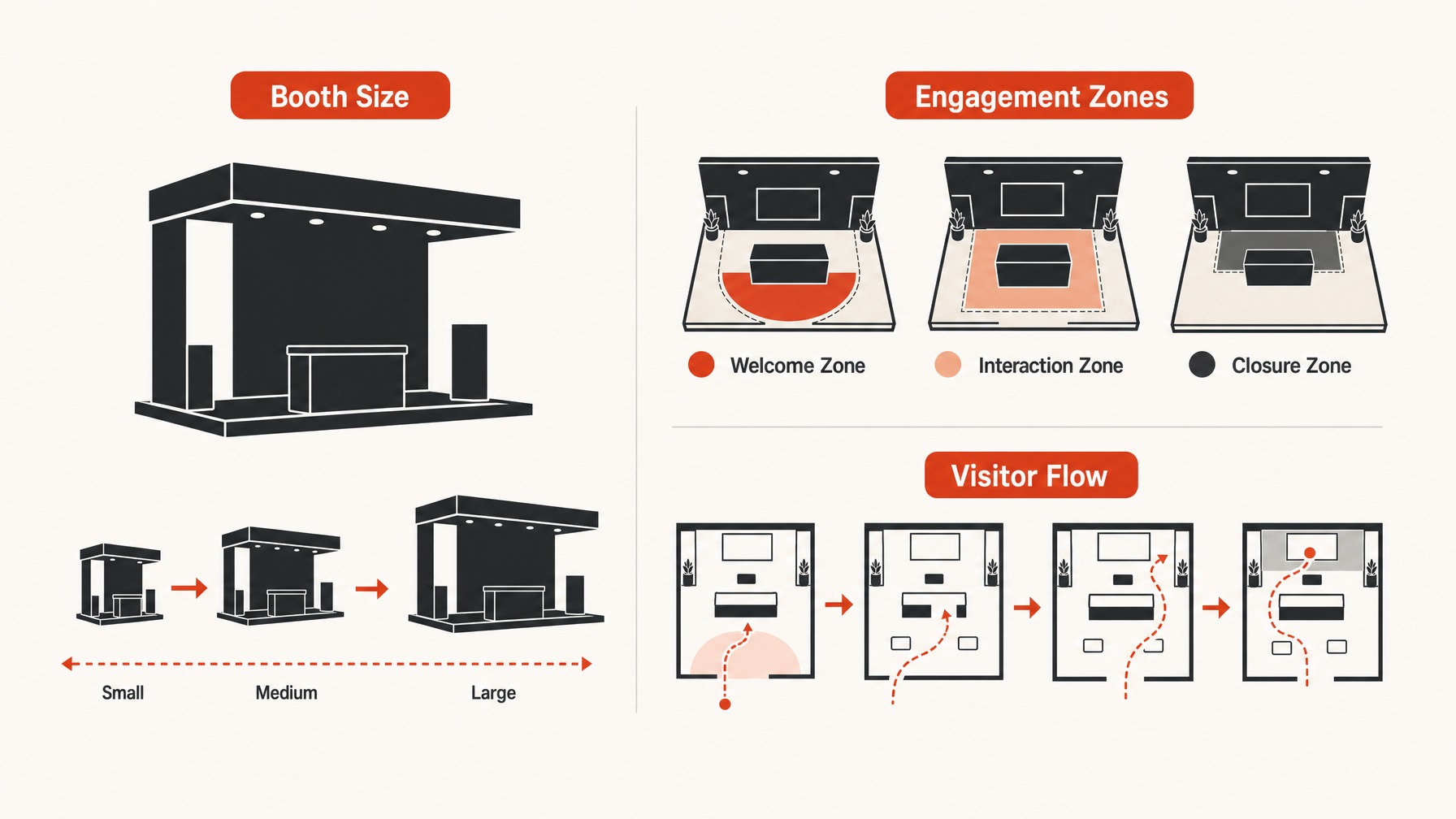
 Lorena G.