In the world of trade shows, creating a booth layout that captures attention can make or break your event experience. From what I have seen, exhibitors are continuously pushing the boundaries to craft spaces that not only attract visitors but also keep them engaged.
Whether you’re a seasoned exhibitor or new to the scene, understanding innovative booth layouts can really enhance your strategy.
An effectively designed booth is more than just a space it’s an immersive experience that invites attendees to explore your brand’s story.
The importance of a well-thought-out booth design cannot be overstated, as it can significantly influence the traffic and interaction your booth receives.
This is something that comes up a lot when I chat with fellow trade show veterans about their success stories.
Booth layouts that prioritize engagement are not just about aesthetics; they are about crafting an environment that encourages interaction. From open concepts to tech-integrated spaces, the possibilities are nearly endless when it comes to designing a booth that fosters meaningful connections.
I would say these layouts often reflect the changing dynamics of visitor expectations and industry trends.
Today, I want to cover seven innovative booth layouts that drive visitor engagement and can elevate your next trade show.
Key Takeaways:
Utilize open spaces for better visitor flow and interaction.
Incorporate interactive elements to captivate and engage attendees.
Use lighting strategically to highlight products and features.
Design with modularity for easy customization and setup.
Integrate technology to enhance visitor experience and data capture.
You’ll find practical tips on how to make the most of your booth space.
Try the nuts and bolts of creating a booth that keeps visitors engaged and curious.
With detailed examples, you’ll learn how to use technology and design to make your booth a must-visit spot.
Get ready to see your show booth through a new lens with these expert insights.
1. The Open Concept: Inviting and Accessible
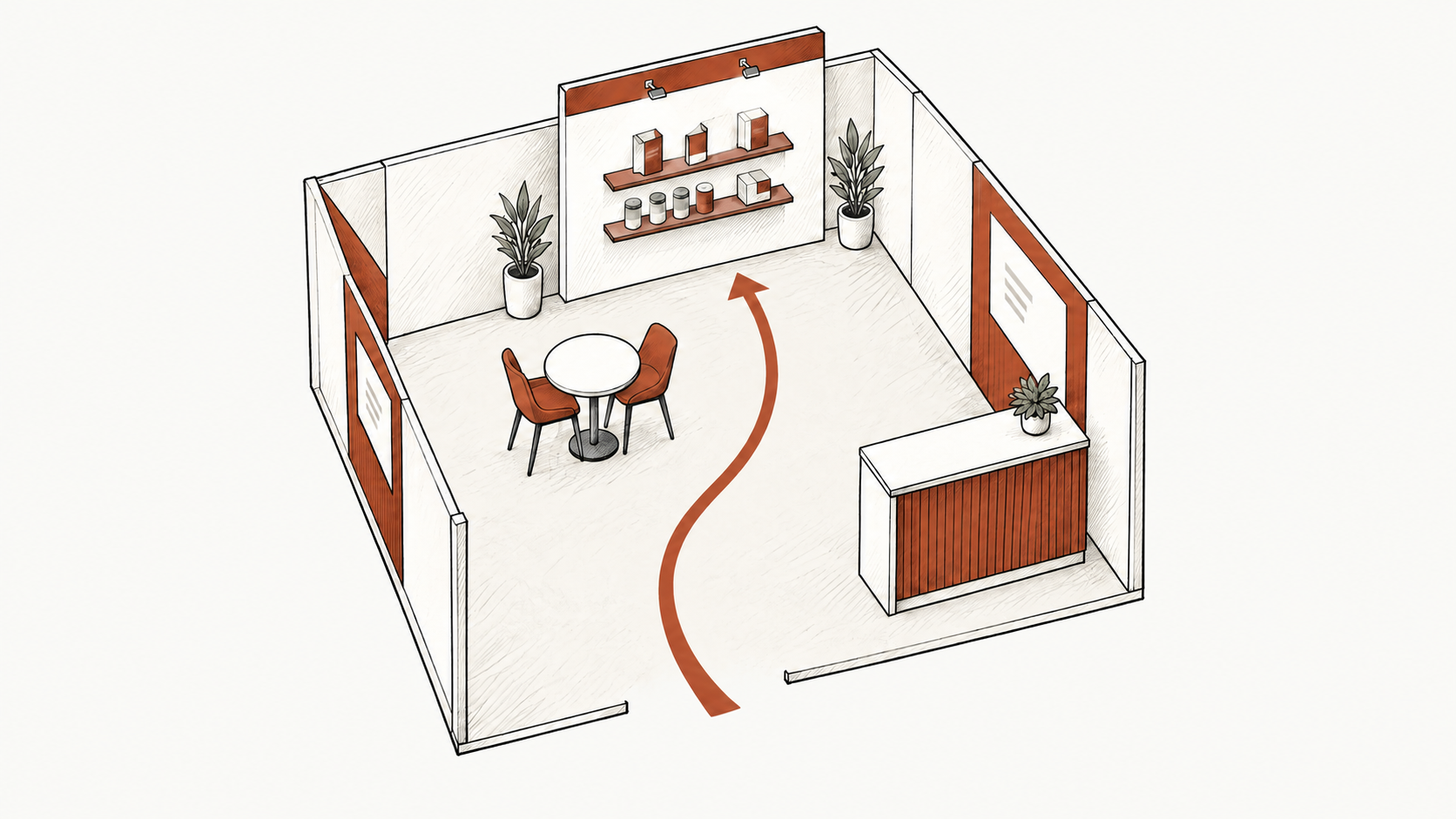
What we’ve observed in recent trade shows is a significant shift towards open concept booth designs.
These layouts truly emphasize accessibility, making it effortless for visitors to flow in and out of the space.
In busy environments, minimizing barriers is crucial, as something as simple as an overcrowded entrance can deter potential leads from stepping inside.
Open designs generally allow for more organic interactions, which, as I’ve seen, often lead to stronger connections with the audience.
One thing most exhibitors find beneficial is using cues like visible product displays and strategically placed signage to draw in foot traffic.
This approach helps not only in making a good first impression but also in keeping the booth environment welcoming and non-intimidating.
The ones who nail it often incorporate comfortable seating areas, inviting visitors to linger longer, chat, and truly engage with your offerings.
From what I’ve noticed, exhibitors who succeed with open layouts often get the most out of the available floor space with creative configurations. Engaging visuals and eye-catching presentations are positioned in ways that encourage visitors to explore without feeling overwhelmed.
Something that comes up a lot is ensuring the staff is openly visible and approachable, ready to engage but without creating pressure.
Creating an inviting atmosphere hinges on understanding the attendee’s experience and fostering an environment that feels both compelling and approachable.
The openness not only eases navigability but also boosts the booth’s overall accessibility which is critical in converting casual interest into meaningful dialogue.
2. Interactive Zones: Hands-On Experience
One thing most exhibitors end up doing is underestimating the power of creating interactive zones within their booth space.
These areas are not just for showcasing products but crucial in drawing attendees into a deeper engagement with your brand.
From what I have seen, the ones that get it right usually focus on providing visitors hands-on experiences that they will talk about long after the event concludes.
Incorporating technology-driven elements like touchscreens, virtual reality, or augmented reality can significantly enhance the visitor’s experience and retention. We’ve observed at Exhibitant that exhibitors using these interactive zones effectively captivate attendees, bridging the gap between curiosity and genuine interest.
This approach allows visitors to explore your products or services at their own pace, which can reduce the pressure to immediately commit to a purchase or decision.
One benefit of interactive zones is that they encourage dialogue between your booth staff and visitors.
This establishes a rapport that might otherwise be difficult in a more traditional booth setup.
You can use simple yet effective methods such as live demonstrations or user-guided product trials.
Important: You can significantly enhance attendee engagement and brand retention by creating interactive zones that offer technology-driven, hands-on experiences, encouraging deeper connections and memorable interactions.
The key is to set clearly defined objectives for these interactive zones that align with your overall trade show goals.
Here at Exhibitant, we tend to favor interactive zones that deliver not only an educational purpose but also an element of fun or surprise.
This dual approach can make your booth memorable, increasing the likelihood that your guests will share their experiences with colleagues or on social media, serving as indirect promotion for your brand. Establish zones that invite exploration without feeling overly scripted, ensuring that your staff is well-prepared to facilitate engaging conversations.
In summary, interactive zones are a dynamic way to breathe life into your exhibit, offering experiences that are both informative and memorable. This creates a more relaxed environment where attendees feel encouraged to interact with not just products, but also with your brand representatives.
By thoughtfully integrating technology and prioritizing visitor engagement, you set the stage for meaningful connections that translate into valuable leads and long-term partnerships.
In the context of competitive trade shows, interactive zones present a strategy that clearly distinguishes your brand from the rest, emphasizing innovation and visitor-centric design.
3. Multi-Level Designs: Maximizing Space
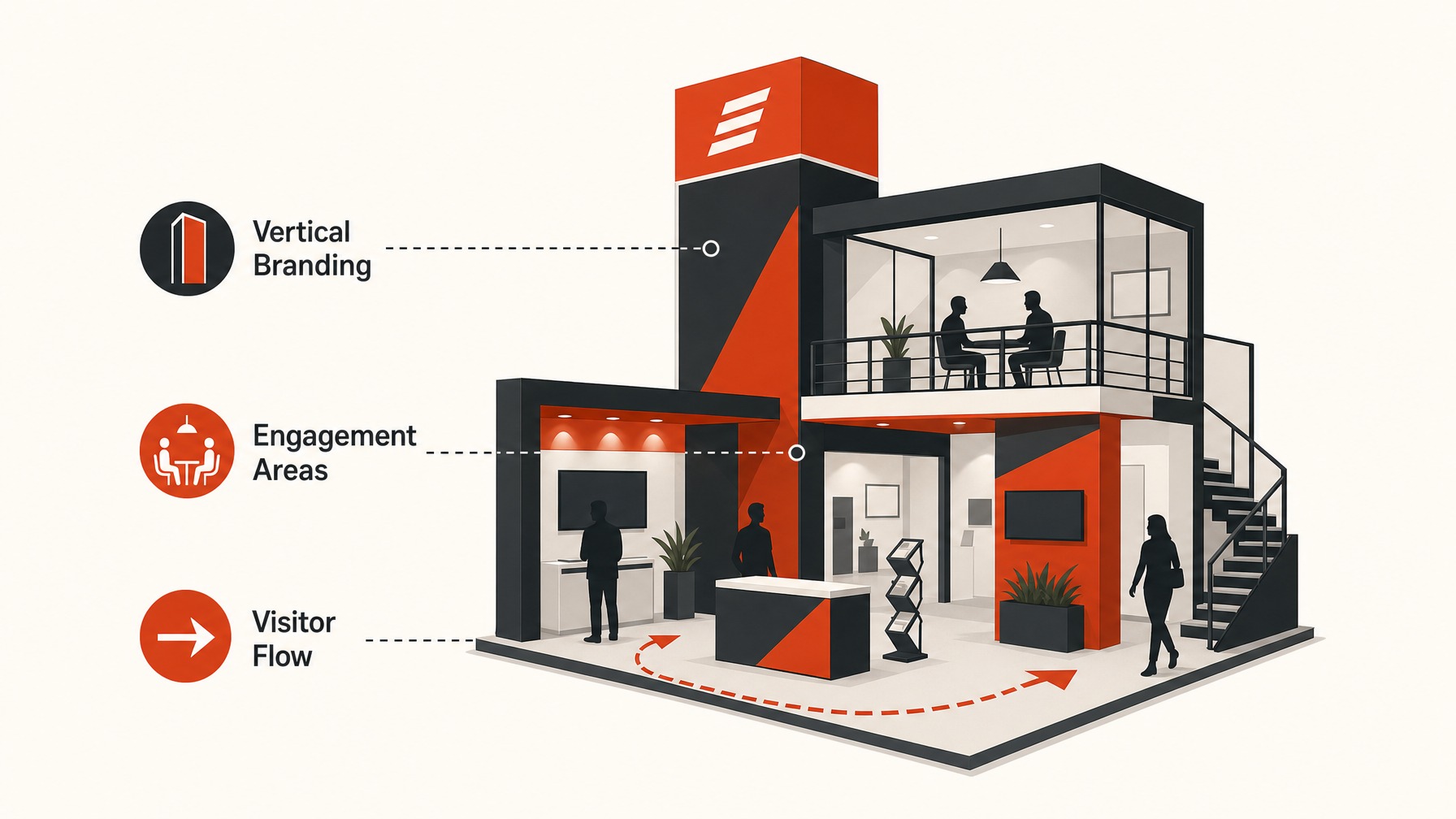
One of the industry’s more innovative approaches is using multi-level booth designs, which effectively transforms vertical space into valuable real estate for trade show events.
What we have seen work really well is integrating upper levels that allow private meeting spaces while keeping the main floor open for visitor interactions.
This design not only adds a touch of sophistication to your booth but also maximizes engagement opportunities by providing distinct areas for different activities.
From what I have seen, the booths that really nail this concept often incorporate additional branding elements on the higher levels, making use of vertical sightlines to catch attention across the exhibition floor.
Incorporating multi-level designs can be a smart choice for exhibitors dealing with limited floor space but still wanting to create impressive presentations. One thing most exhibitors end up doing is using the lower level primarily for interactive elements and product showcases, ensuring potent visual and experiential draws for visitors.
Meanwhile, the upper levels often serve as serene settings for promising discussions and closing potential deals away from the bustling activities below. This layered approach to booth design not only attracts interest but also addresses logistical challenges by offering semi-private meeting areas, which can be critical for sensitive conversations at bustling events.
A critical consideration in adopting a multi-level layout is ensuring safety and accessibility while maintaining an appealing aesthetic. You might find it beneficial to employ transparent or unique railings that keep the upper levels visually connected to the main floor.
I would say the biggest thing here is strategically designing the staircases or accesses so they naturally guide visitors through the booth, creating an effortless flow. Remember, the more intuitive the design, the more comfortable and engaged a visitor will feel in your booth space.
Ultimately, multi-level designs create dynamic and memorable experiences, maximizing both space and interactions, which can significantly impact your trade show ROI.
4. Modular Booths: Adaptable and Efficient
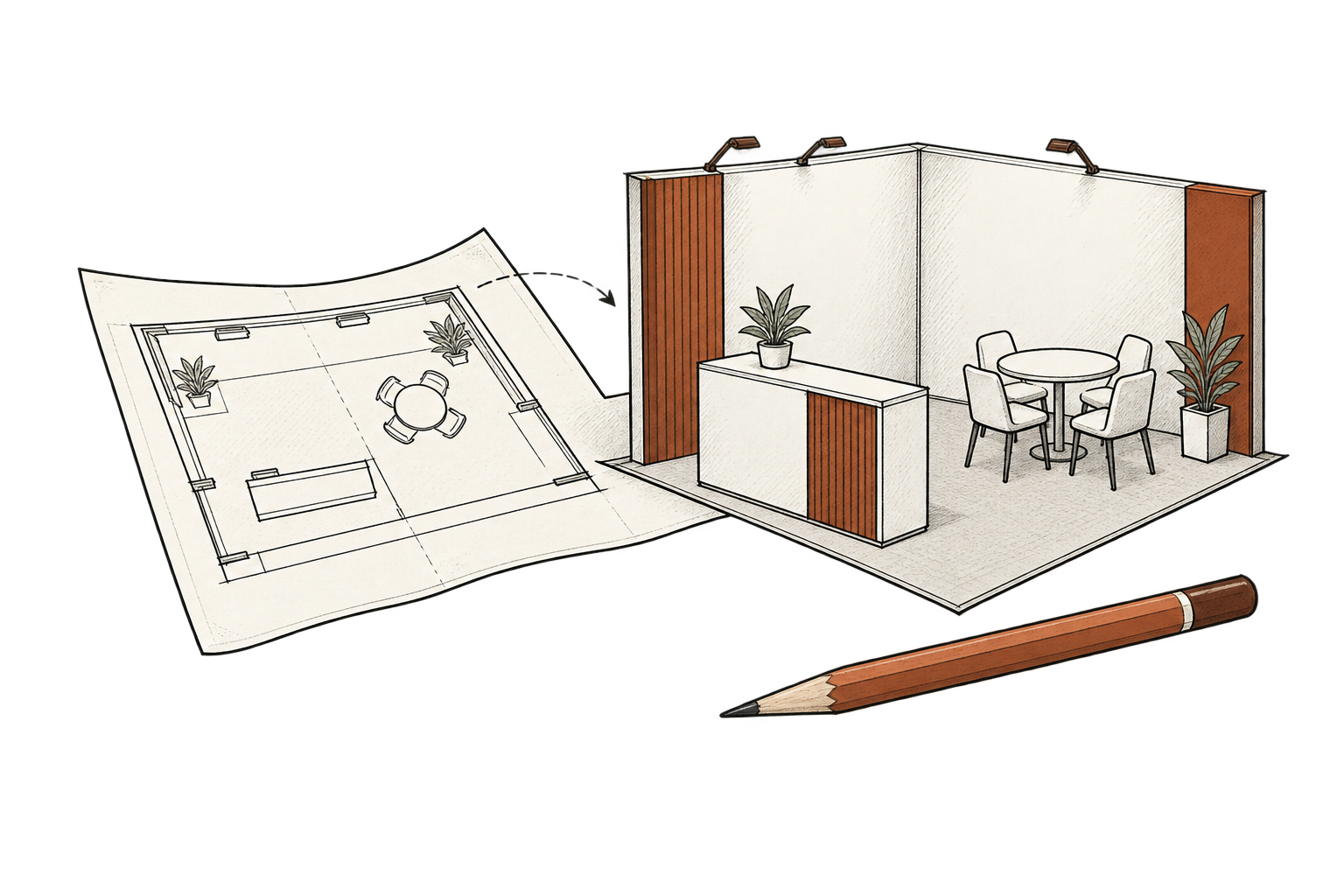
From what I have seen, modular booths are a big improvement for exhibitors who need flexibility without sacrificing design quality. The beauty of a modular setup is in its ability to adapt to different floor spaces and configurations with ease.
Whether you’re dealing with a compact area or sprawling space, modular displays allow for smooth adjustments, which is particularly beneficial if you’re participating in multiple shows with varying booth sizes.
Something that comes up a lot is how these booths can rapidly shift between setups, making them incredibly time-saving. The efficiency is not just in the physical setup but also in the ease of transport and storage.
What we have seen work really well is when companies treat modular structures as investments that offer long-term cost savings.
I would say the biggest thing here is the balance between adaptability and the visual impact you can achieve.
Modular booths aren’t just a box to stand in but a well-thought-out piece of your overarching exhibit strategy. This is where Exhibitant comes in, offering proven exhibit strategies, sophisticated booth systems, and comprehensive show support, acting as a true exhibit partner rather than just a display vendor.
Pro Tip: Invest in a modular booth system to easily adapt to varying floor spaces while maintaining a striking visual impact for each unique event.
Clients who opt for modular solutions often find that the exhibition design possibilities expand without additional expenses.
The customization options available ranging from graphic panels to tech integrations allow for each show to feel like a fresh experience for visitors. This adaptability ensures that your brand remains consistent yet flexible, appealing to the specific audience of each event.
From what I have seen, the ones that get it right usually find themselves with a booth that truly captures attention.
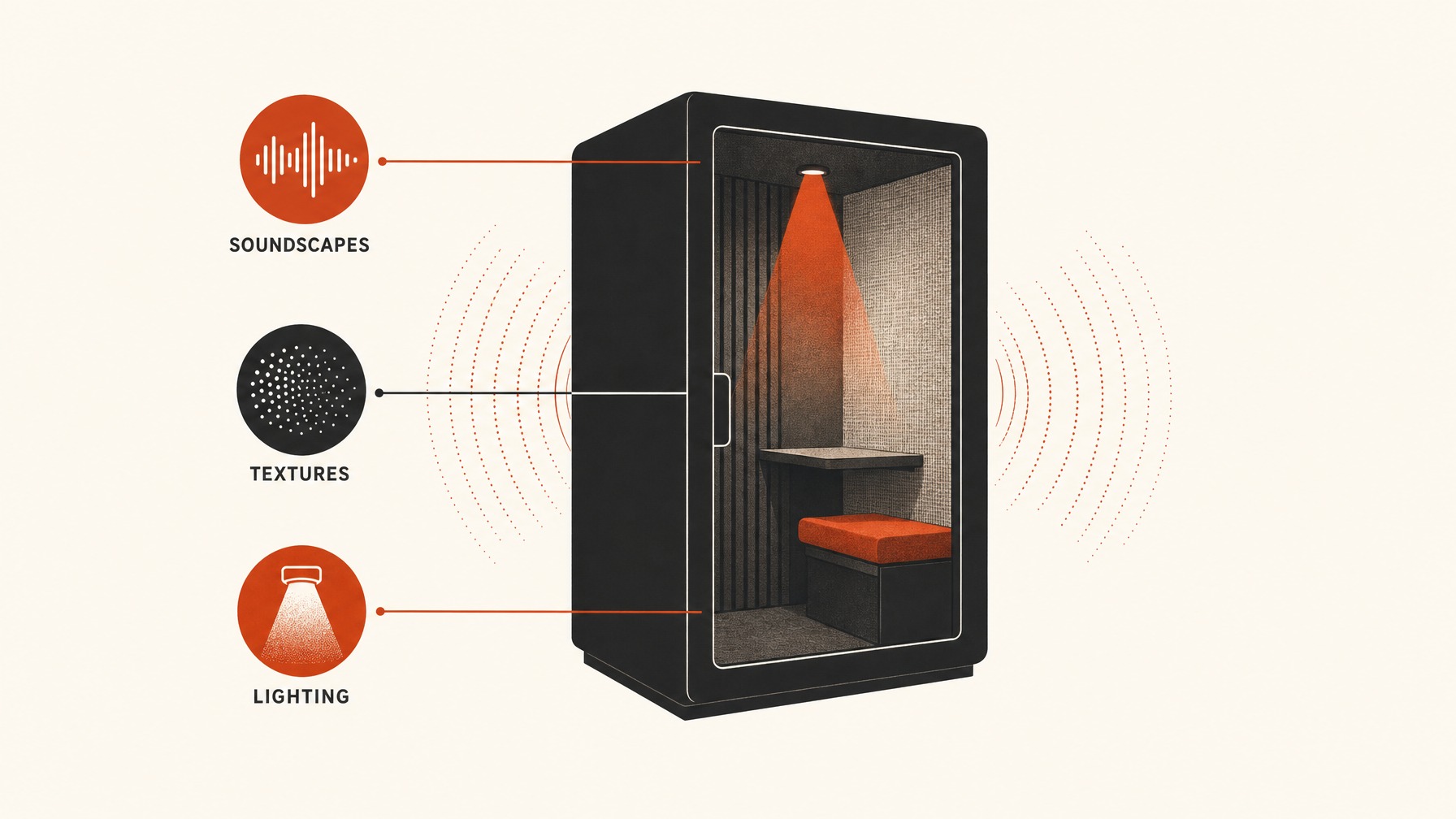
One of the most powerful ways to captivate attendees at a trade show is through the creation of immersive environments that engage all their senses.
It’s incredible how a thoughtfully designed space can transport visitors into a different world, aligning them closely with your brand’s narrative. This isn’t just about eye-catching visuals; it involves designing a multisensory journey that leaves a lasting impression.
From what I’ve seen, the best immersive booths integrate a combination of soundscapes, textured materials, and dynamic lighting to engage visitors deeply.
What often works well is designing environments where attendees feel part of a story. Many exhibitors have found success by using thematic elements to construct scenes that are rich in detail.
For example, embedding digital displays that react to movement can enhance the storytelling aspect of the booth and keep visitors intrigued.
Remember, the goal is more than just displaying products; it’s about crafting experiences that provoke emotions and spark conversations, resulting in stronger lead conversions.
Another key factor in an immersive environment is interactivity, which can significantly elevate visitor engagement levels.
What this means is incorporating elements like touchscreens or VR stations that allow attendees to experience your solutions firsthand. One approach is to simulate real-world applications of your products or services, making your booth a memorable part of their trade show experience.
Incorporating these elements can deepen potential customer engagement and enhance your booth’s overall effectiveness.
In tight spaces, creative exhibitors have shown ingenuity by using mirror installations or projection mapping to create the illusion of larger environments. This can be an effective strategy when you’re working with limited square footage but still want to create a grand sense of space.
Don’t forget, the atmosphere also plays a crucial role consider incorporating scent or ambient sounds to reinforce the immersive experience and create a unique identity for your brand.
6. Strategic Lighting: Highlighting Key Features
One thing most successful exhibitors understand is that strategic lighting goes beyond mere illumination; it is a powerful tool for highlighting key features within your booth.
By effectively combining various types of lighting such as ambient, accent, and task lighting you can guide visitors’ attention to different focal points. From what I have seen, the ones that get lighting right usually start by determining the features they want to accentuate, whether it’s a new product launch, a demo station, or signage.
Once those decisions are made, they craft a lighting plan that ensures each important element receives appropriate emphasis.
The choice of light color, intensity, and positioning can all contribute to a well-lit and engaging space, making the booth feel thoughtfully curated and inviting.
What we’ve seen work really well is the use of accent lighting to create drama or highlight a specific product or area.
LED spotlights, for instance, can be strategically placed to draw eyes exactly where you want them, enhancing the visual hierarchy within your booth. Remember, though, it is not just about making something bright but making it stand out artistically.
Color can also play a significant role, with warm tones emphasizing hospitality and cool tones suggesting innovation. Moreover, integrating dynamic lighting elements like programmable LEDs can add another layer of attraction, offering a sense of energy and movement that naturally draws in foot traffic.
Available space and booth design should also guide your lighting choices.
Important: You must strategically use lighting to guide visitor attention and engagement, enhancing your booth’s features, atmosphere, and overall impact at trade shows.
Smaller, enclosed spaces might benefit from diffuse lighting to create an illusion of roominess and warmth, while larger setups can handle more focused lighting challenges, driving attention to specific stations or displays.
Something that comes up a lot is the importance of flexibility; your lighting plan should allow for adjustments to accommodate different event environments or visitor interactions.
Some exhibitors even opt for a layered lighting strategy that can be altered throughout the day to reflect the changing atmosphere of the trade show floor.
As those time-sensitive zones shift, whether during product demos or peak visitor hours, so can your lighting layers to keep engagement levels high.
The ultimate goal is to make visitors feel naturally drawn to explore what’s on offer, and lighting, when used strategically, can be a significant driver of that engagement.
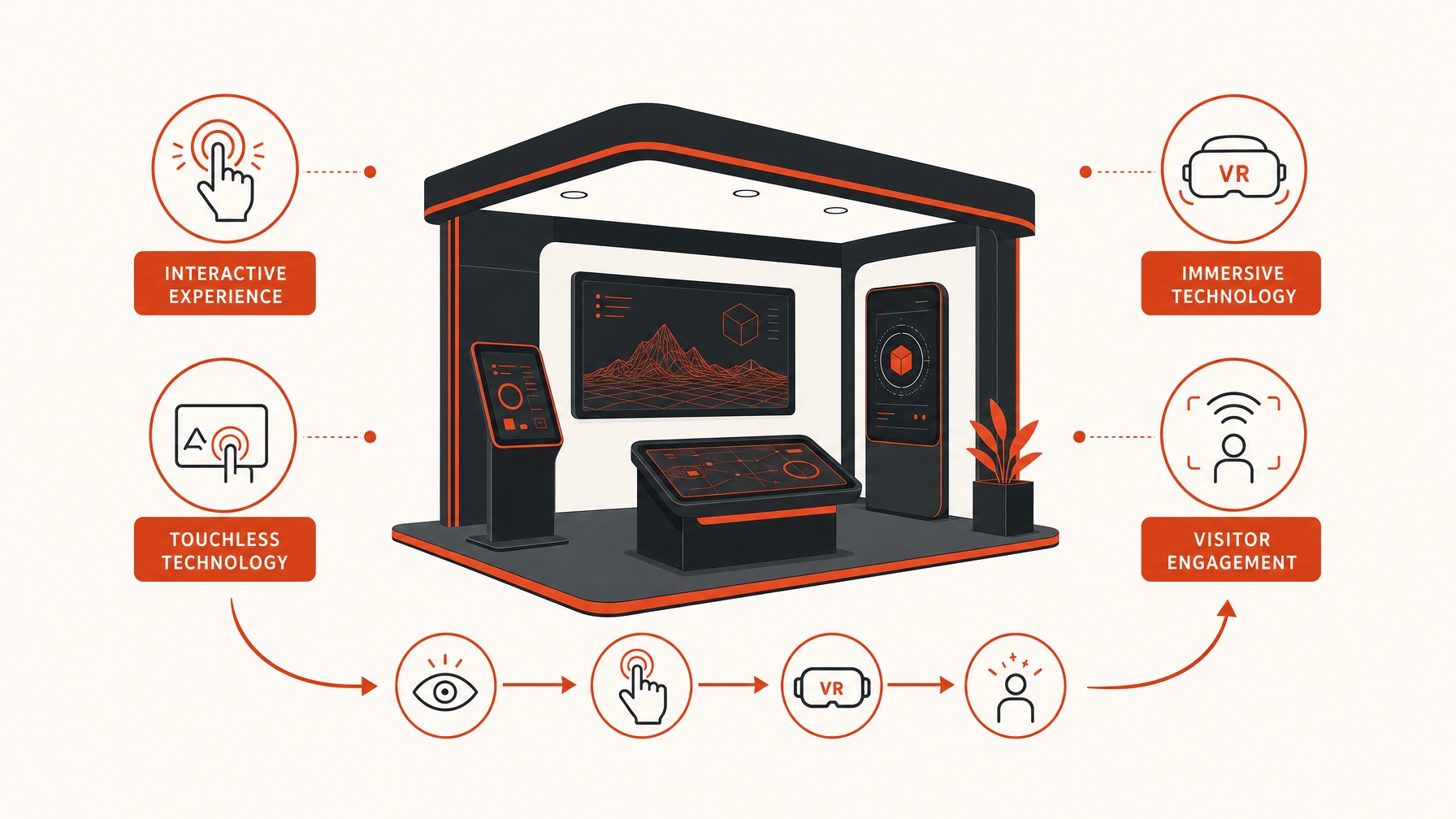
Integrating technology into booth design is something we’ve seen transform visitor experiences at trade shows. One effective method is incorporating interactive screens that display dynamic content, as this not only captures attention but also provides an interactive way for attendees to explore your brand’s offerings.
Tech-integrated booths offer a modern approach by using technologies like augmented reality (AR) and virtual reality (VR), which can immerse visitors into an engaging, memorable experience.
From what I’ve seen, exhibitors who use AR to let visitors visualize products in their own environment really set themselves apart.
A popular strategy involves installing touchless technology, which allows attendees to engage without physical contact.
Given the ongoing concerns about hygiene at events, touchless interactions through voice commands or gestures are not just a bonus but a necessity. Exhibitors also effectively use live data dashboards to update visitors on real-time metrics, keeping them informed and engaged.
This type of digital display can act as a central hub of knowledge, drawing interested prospects to your booth.
Integrating smart technology to collect and manage leads can simplify the follow-up process and enhance efficiency.
Automated systems at booths can gather visitor data seamlessly, allowing for quicker response times after the event. Another effective use of technology is offering personalized experiences through AI-powered recommendation systems, which suggests products or services based on visitor behavior.
What we have seen is that when technology is used to tailor the visitor journey, engagement levels significantly increase.
Moreover, including charging stations or tech-lounges within the booth can increase dwell time, providing visitors with a place to recharge both their devices and themselves. Tech-integrated spaces should focus on seamlessly blending technology with physical elements to avoid overwhelming visitors.
The biggest thing here is finding that balance between high-tech features and a welcoming atmosphere, which from my perspective, can really enhance overall engagement at your booth.
The Bottom Line
From what we have seen, incorporating these innovative booth layouts can truly set your brand apart at trade shows and conferences.
Each design strategy has its unique strengths, but the real power lies in tailoring them to fit your specific brand identity and objectives.
When executed thoughtfully, these layouts not only attract attendees but engage them on a meaningful level.
This engagement is crucial to converting foot traffic into valuable leads and potential customers.
I would say the biggest thing here is to focus on what resonates with your target audience.
While open concepts offer accessibility, interactive zones provide visitors with a tactile experience, driving deeper connection. Multi-level designs can use space efficiently, allowing your brand story to unfold across various dimensions.
Strategic inclusion of technology and lighting can further enhance the visitor experience, creating an environment that captures attention effectively.
Ultimately, aligning your booth design with your overall marketing strategy is key to achieving your event goals.
These innovative layouts are tools, and how you use them can significantly impact your results.
As we move forward into an era where visitor engagement is more important than ever, being deliberate in your booth design choices can yield substantial ROI and brand awareness.
Successful exhibitors are those who integrate these strategies with creativity and purpose, leading to memorable interactions that extend beyond the show floor.
Need a booth plan?
Turn show goals into a practical exhibit path
Share your footprint, timeline, and priorities. Our team can help shape the booth direction, graphics, and project support.
Keep planning
More exhibit guidance
Keep exploring practical advice on booth planning, marketing, and getting more from your next show.
Tell us about your business, the buyers you want to reach, and what you want to achieve. Whether you need more sales conversations, stronger marketing, or a trade show presence, we’ll help you identify where to focus and what support makes sense. Together, we can shape a practical plan around your priorities, budget, and timeline.
 Lorena G.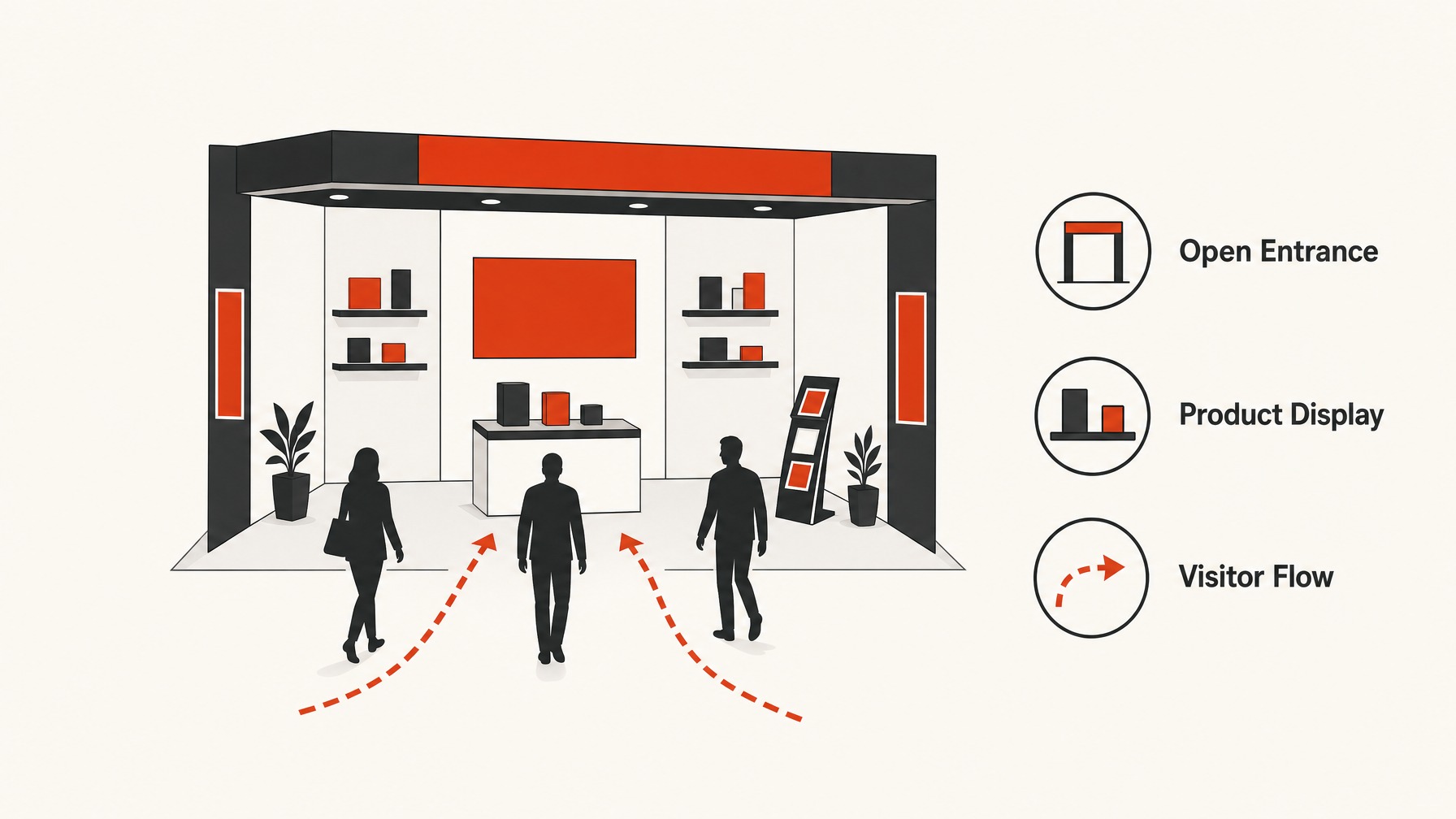
 Louie J.