
Exhibitant insights

Get practical ideas for your next campaign or show

Join our newsletter for advice on reaching B2B buyers, planning outreach, and getting more from trade shows.

B2B lead generation

Ideas for prospect research, outreach, and follow-up.

Trade show exhibits

Tips for booth design, graphics, and show preparation.

Show Guides

6 Critical Considerations for Custom Trade Show Booth Design

Discover key factors for creating a standout custom trade show booth that captivates and engages attendees.

When designing a custom trade show booth, the choices your team makes can significantly affect your event outcome.

Understanding the key elements of booth design helps you create a space that attracts visitors and effectively communicates your brand’s message. This focused approach ensures a coherent design strategy rather than a disjointed team effort.

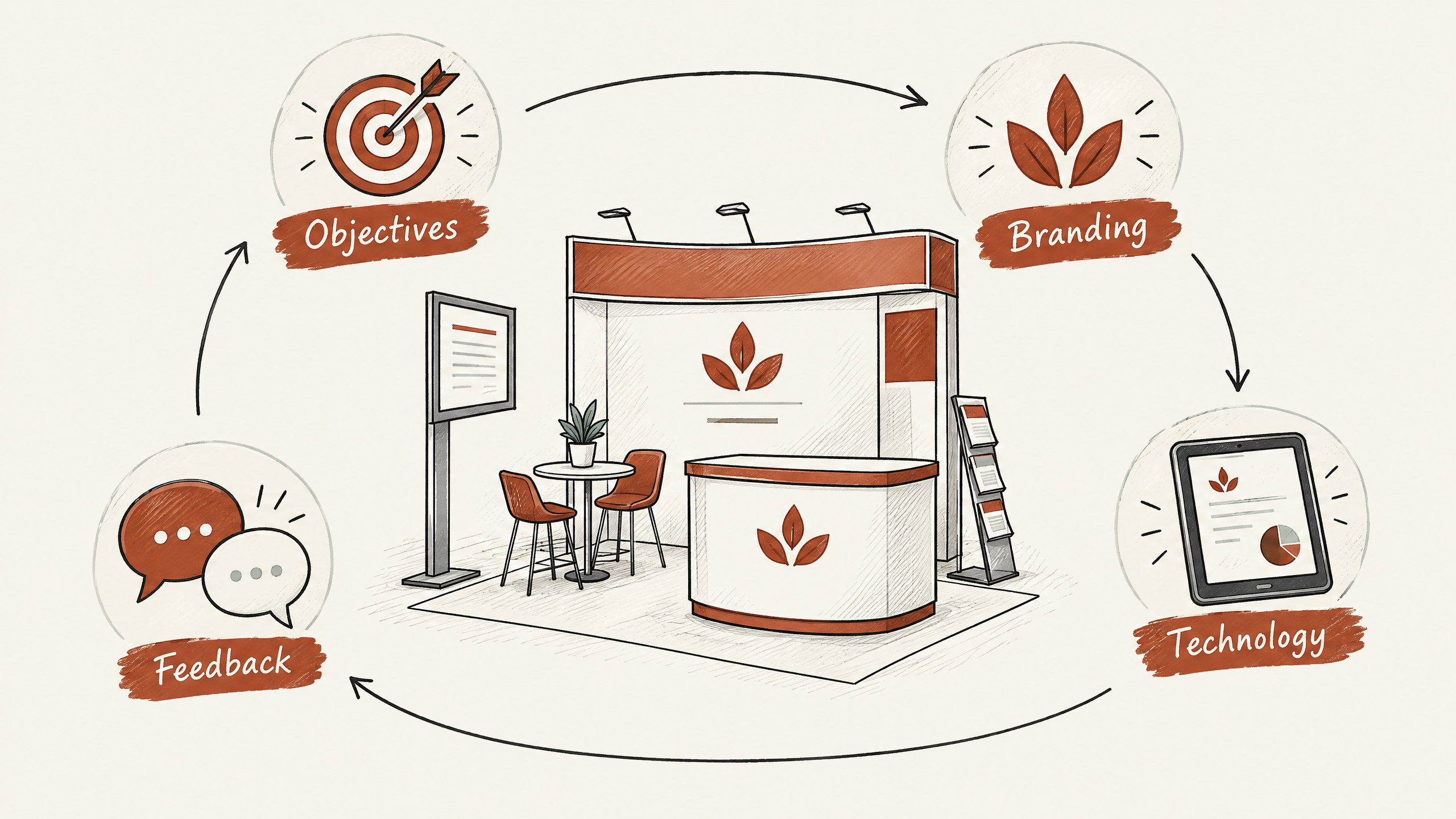
In my experience, clarifying objectives for your booth is the first step.

Without a clear purpose, you risk wasting resources on design features that don’t serve your goals.

Whether you aim to increase brand awareness, launch a product, or capture leads, clear objectives guide your choices.

A booth that prioritizes consistent branding reinforces your identity and makes it memorable for visitors.

Your booth’s design should visually align with your marketing materials, both attracting and reassuring potential clients of your brand’s reliability.

It’s a practical strategy to create lasting impressions at a glance.

After exploring this guide, you’ll be able to thoughtfully plan your custom trade show booth design.

I will explain six critical considerations you should include in your approach, allowing you to efficiently deliver a booth that’s both functional and engaging for your audience.

Key Takeaways:
  • Define clear objectives before designing your booth.
  • Incorporate branding consistently across your booth materials.
  • Ensure booth accessibility for all attendees.
  • Leverage technology to enhance visitor interactions.
  • Plan for efficient setup and teardown processes.

Clearly define your objectives to guide your trade show planning efforts.

Consistent branding, attendee accessibility, and effective setup processes are key for a successful booth.

The right technology can enhance your visitor’s interaction and engagement significantly.

1. Define Your Booth Objectives

Before any creative work begins, it’s imperative to define the objectives of your trade show booth.

Knowing the purpose guides every decision, from messaging to layout.

Objectives such as increasing brand awareness, generating leads, or launching a product will shape your booth design and activities.
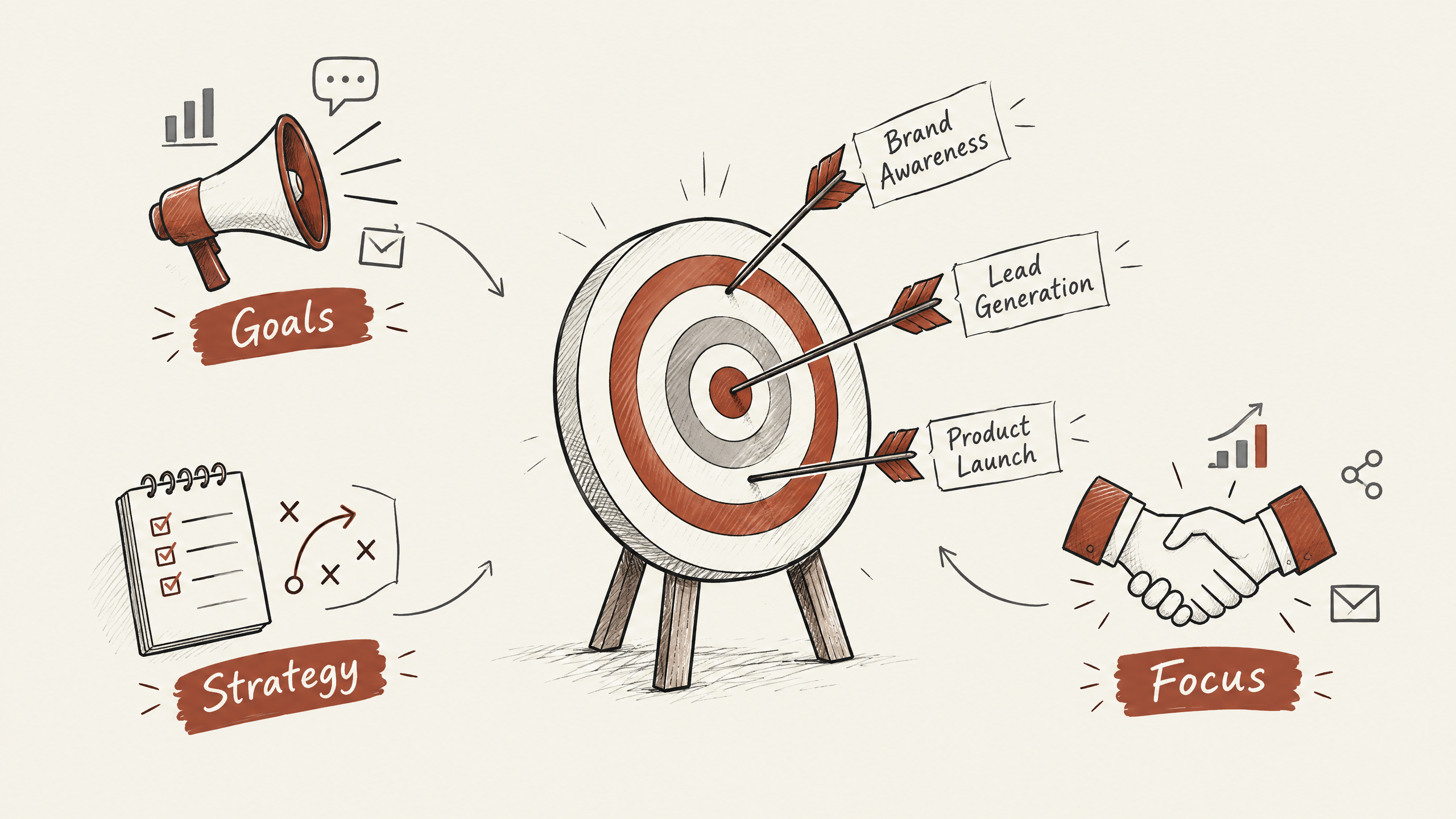
1. Define Your Booth Objectives — 6 Critical Considerations for Custom Trade Show Booth Design

Begin by aligning your booth objectives with your broader marketing strategy. Consult with both marketing and sales teams to make sure these goals suit your company’s current priorities.

Clear objectives give your team a reason to engage attendees and measure success after the event.

For example, if your primary goal is lead generation, your booth should have areas dedicated to one-on-one interactions and data collection points.

On the other hand, if you’re focused on brand visibility, a visually striking design that draws attention from across the trade show floor might be more important.

Decide on no more than 2-3 main objectives to maintain focus and not dilute your efforts. Common mistakes include attempting to serve too many goals or not involving all relevant departments during planning.

Make sure the relevant teams understand how each objective affects the booth’s final design.

Hypothetical Scenario: Imagine a tech company launching a new software suite.

Their primary objectives might be to capture attendee contact information and provide live product demonstrations.

The booth should feature demo stations and a welcoming space for gathering attendee data in alignment with these objectives.

Exhibitant can support companies by providing targeted outreach and aligning your booth design with your defined goals.

2. Prioritize Consistent Branding

In the realm of trade shows, maintaining brand consistency across your booth design is crucial. It helps make sure that your visual identity is memorable and clearly communicates what your company stands for.

By aligning your booth’s appearance with your overall brand image, you enhance recognition and convey professionalism to potential clients.

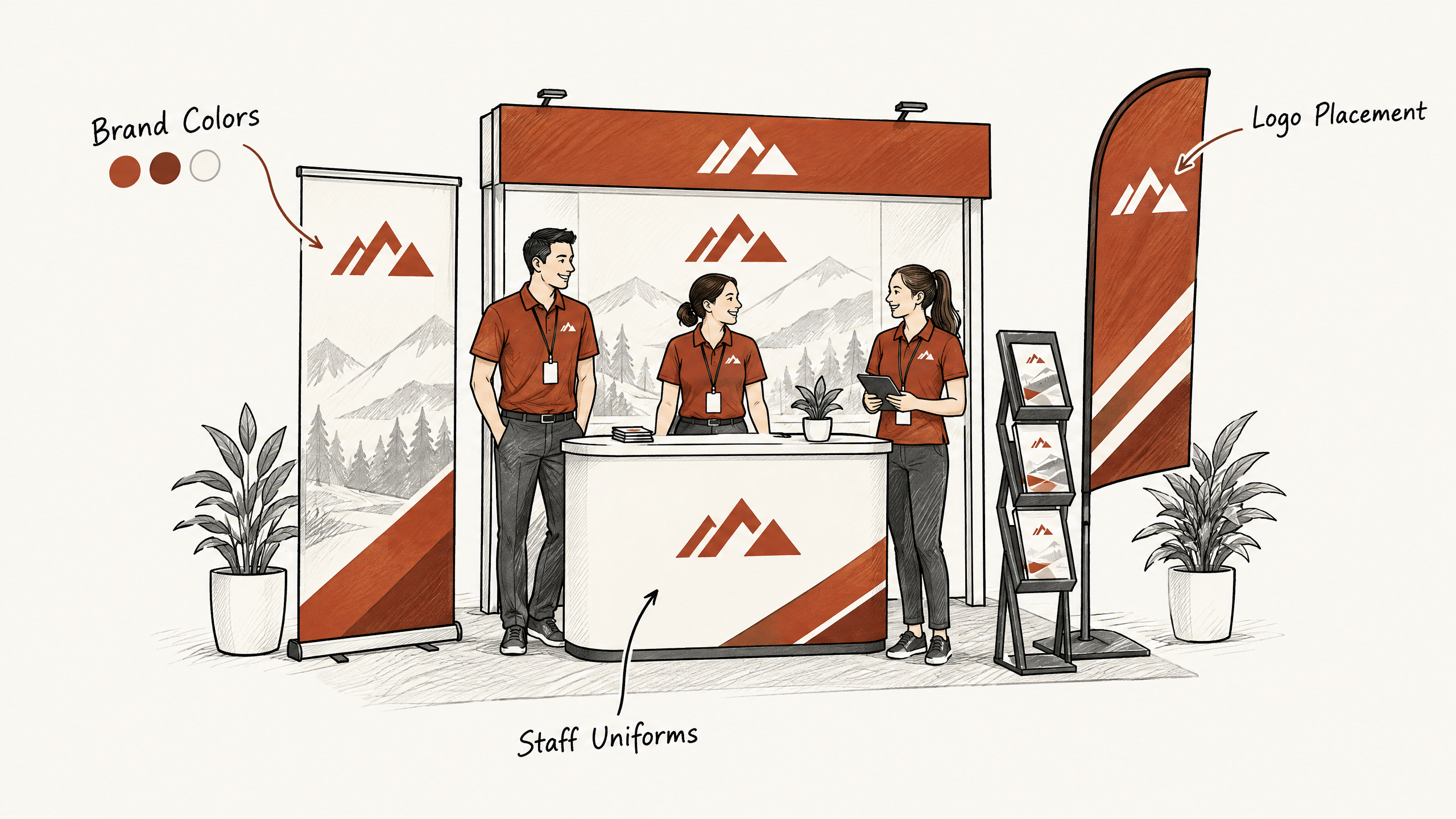
Start by incorporating your brand’s color palette and logo prominently within the design.
2. Prioritize Consistent Branding — 6 Critical Considerations for Custom Trade Show Booth Design

This should include matching banners, backdrops, and even staff uniforms to the color scheme customers already associate with your business.

Consistent use of these elements helps distinguish your presence amidst a sea of exhibitors.

Branded messaging is another key aspect.

Use wording and slogans that resonate with your audience and align with the messaging used in other marketing channels.

By reinforcing the same messages, you build trust and familiarity.

Additionally, make sure that your booth has high-quality graphics and well-presented information. Mistakes or low-resolution images can detract from perceived professionalism.

Consider how physical elements like furniture, lighting, and even digital displays contribute to brand perception.

Whether your brand is modern or traditional, these elements should echo your brand personality.

For example, sleek furniture may suit a tech company, while wooden accents might fit a more vintage or craft-focused brand.

Be cautious of rushing the branding process. Hastily prepared elements often lead to inconsistency.

Take the time to review materials for alignment with your brand standards, possibly engaging a professional designer to avoid common pitfalls. This attention to detail can significantly influence how your brand is remembered long after the show ends.

3. Make Sure Accessibility and Inclusivity

Designing a trade show booth with accessibility and inclusivity in mind is essential for reaching a wider audience.

By accommodating all visitors, including those with disabilities, you not only uphold your company’s commitment to diversity, but also make sure a positive experience for everyone.

These considerations can enhance your reputation and open your brand to potential customers who prioritize inclusive practices.
3. Make Sure Accessibility and Inclusivity — 6 Critical Considerations for Custom Trade Show Booth Design

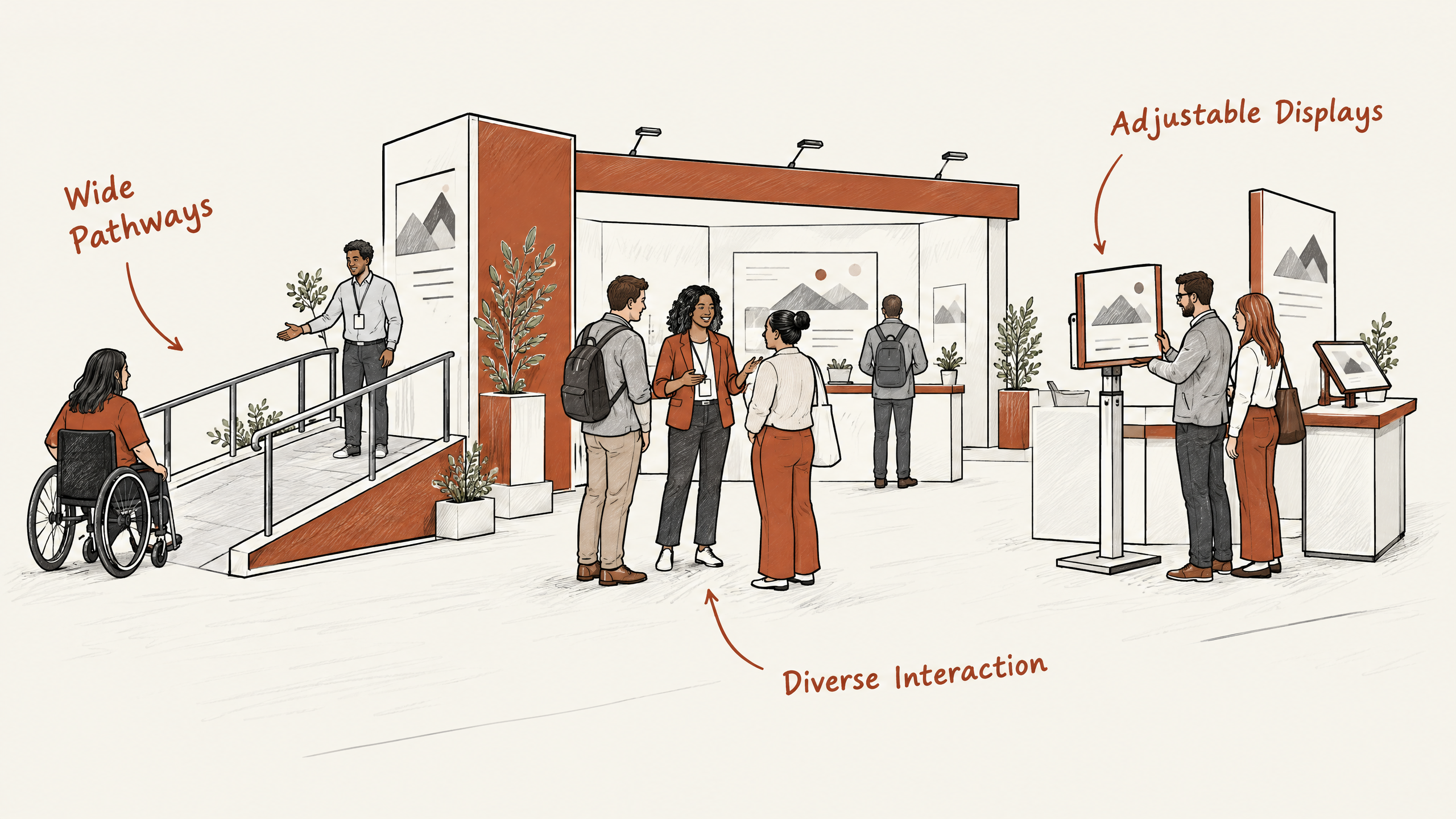
Start by considering the layout of your booth.

It should have wide pathways to allow for easy navigation by wheelchairs or individuals with other mobility aids. Avoid clutter, and make sure that key features or products are easily reachable at varying heights.

This thoughtful design approach makes all attendees feel welcome and engaged.

Another important aspect is ensuring that any audio or visual content is accessible to all attendees. Provide closed captioning or subtitles for videos, and consider sign language interpreters for live presentations.

These measures help bridge communication barriers and show your inclusivity efforts.

Exhibitant offers exhibit support services to help design booths that cater to these specific requirements.

Be mindful of sensory accessibility. Loud noises or bright flashing lights can overwhelm certain individuals, such as those with autism.

Aim for a soothing atmosphere by using ambient noise and ensuring lighting is adjustable. This creates a more welcoming space for everyone, especially individuals with sensory sensitivities.

Failing to address these inclusivity aspects could alienate potential leads.

Trade shows present an opportunity to show your commitment to inclusivity and equality. Therefore, prioritize these design considerations, not only to comply with regulations, but to foster an environment of open engagement for all.

Engage with your team early in the planning process to discuss these important factors and use practical solutions in your booth design.
4. Integrate Technology for Engagement

Incorporating technology into your trade show booth can significantly enhance visitor engagement and leave a lasting impression.

The right tech solutions can attract more attendees, hold their attention longer, and provide memorable experiences that stand out.

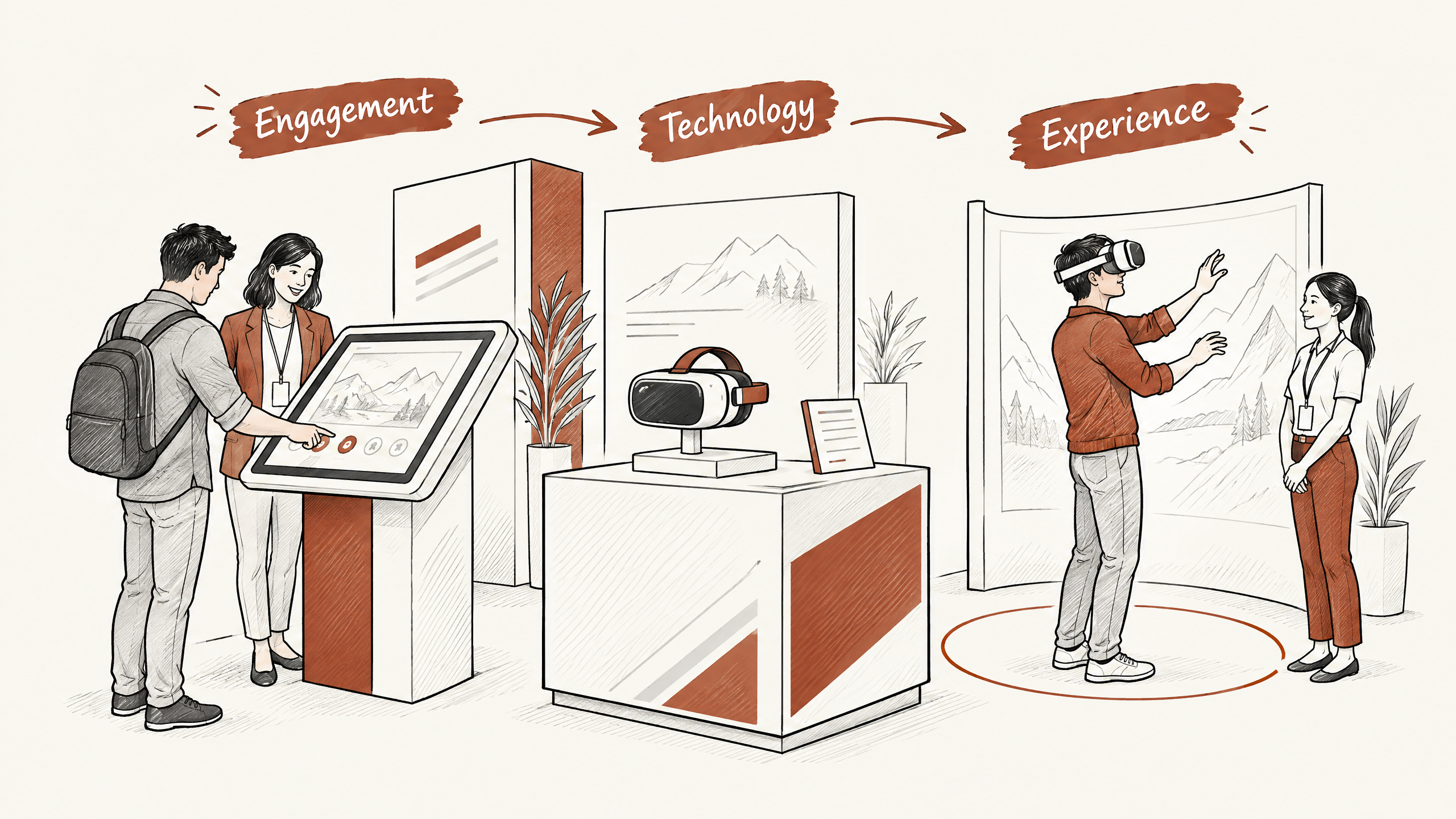
To achieve this, begin by assessing which technologies align with your booth objectives and audience expectations. For instance, if you’re launching a new product, interactive demos or virtual reality (VR) experiences might be effective.

4. Integrate Technology for Engagement — 6 Critical Considerations for Custom Trade Show Booth Design

Interactive screens and touch panels offer opportunities for personalized and informative interactions.

Use them to show product details, videos, or client testimonials. make sure the content is succinct and visually appealing to maintain interest.

Augmented reality (AR) can transform mundane product displays into immersive experiences, allowing prospects to visualize your products in their own environment.

A concrete example of using tech effectively is a live product demo using a VR headset. If you’re demonstrating a complex piece of equipment, a VR experience can transport visitors into a virtual environment where they can interact safely and comprehensively with the product.

This not only educates them but also creates an engaging and memorable interaction.

However, be mindful of potential tradeoffs.

Overloading your booth with numerous tech gadgets can be overwhelming and expensive. It’s crucial to strike a balance, ensuring technology complements the overall booth strategy without overshadowing the primary message.

Keep a focus on delivering a coherent brand story rather than creating a tech amusement park.

make sure your team is well-trained on any technology used for troubleshooting and guiding attendees. Smooth technology integration boosts engagement and positions your brand as forward-thinking and innovative.

5. Improve Layout for Traffic Flow

When designing your booth, one of the most critical aspects to consider is how to improve the layout for efficient traffic flow. A well-planned layout ensures that visitors can navigate the booth easily, allowing them to engage with your displays and staff without feeling crowded or confused.

This enhances their overall experience and increases their time spent within your booth.

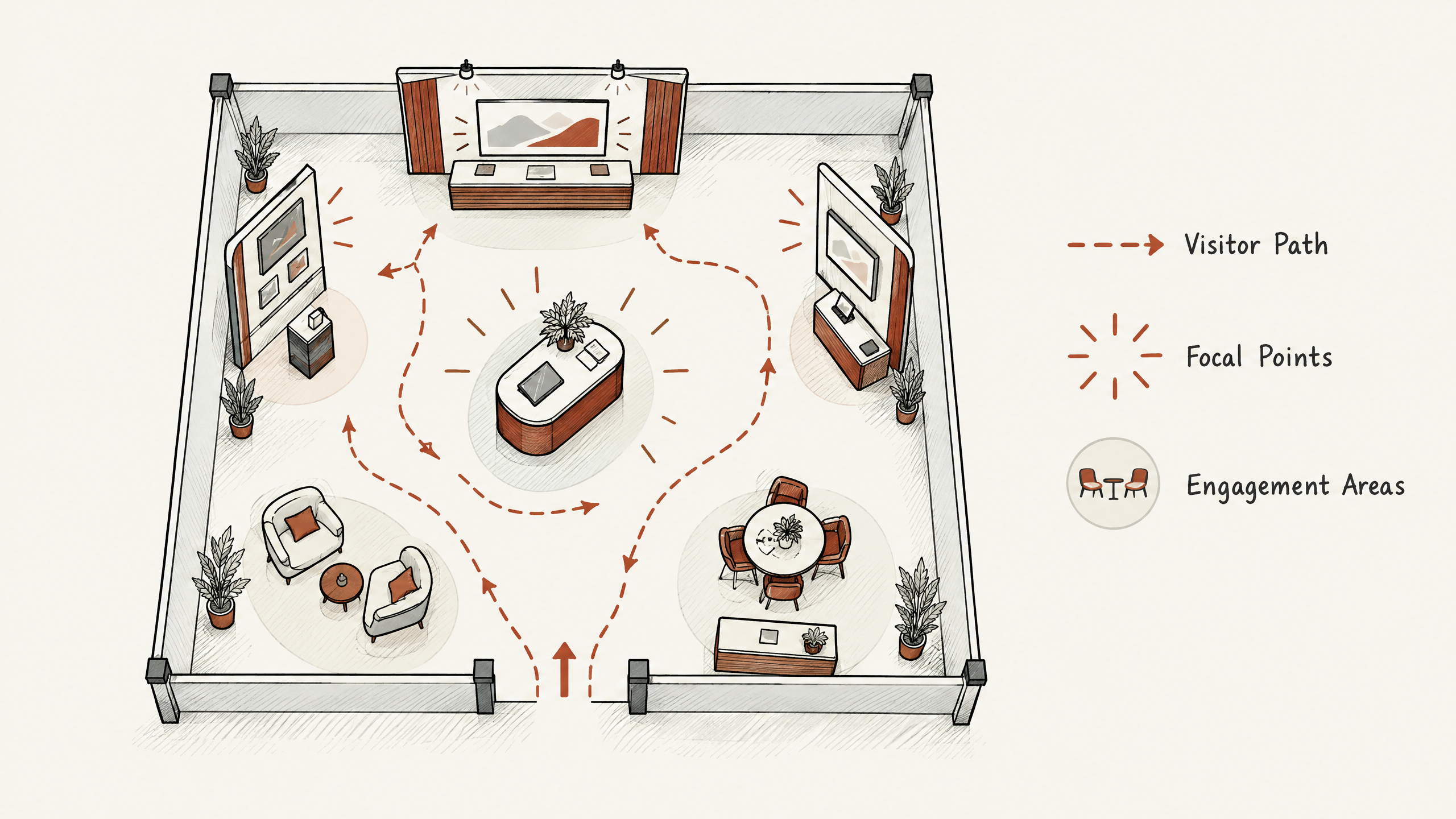
Start by evaluating your booth’s focal points.

5. Improve Layout for Traffic Flow — 6 Critical Considerations for Custom Trade Show Booth Design

Identify key areas where you want to draw attention, such as product demonstrations, interactive displays, or seating for consultations.

Arrange these elements strategically to guide visitors along a path that flows naturally.

This could mean placing eye-catching displays at the entrance to invite people in, with more detailed information deeper in the space.

One practical approach is to create a visitor pathway.

This can be done using signage, floor markings, or arranging furniture in a way that gently directs guests from one section to another.

Avoid creating bottlenecks by keeping pathways wide enough for a steady flow of traffic.

A good rule of thumb is maintaining a minimum width of three feet in walkways.

Also, account for different types of visitors. Some may want to browse quickly, while others prefer deeper engagement with your team.

Consider building your layout with both types of visitors in mind. Quick information panels at the front, complemented by more detailed stations towards the back, can satisfy a range of interests.

Remember to include a central gathering area if your space allows.

This should be strategically positioned to facilitate discussions with multiple attendees at once, providing them with a comfortable space to learn about your offerings or meet with sales staff.

But recognize the constraint of available space.

If your booth is smaller, prioritize the movement and flow of people over additional seating or extra elements that could clutter the area.

A typical mistake is focusing solely on aesthetics, leading to overcrowded layouts that hinder effective engagement. Instead, make functionality a priority alongside style.

By doing so, your booth can become a welcoming space that maximizes visitor interactions and leaves a positive impression.

6. Plan for Setup and Teardown Efficiency

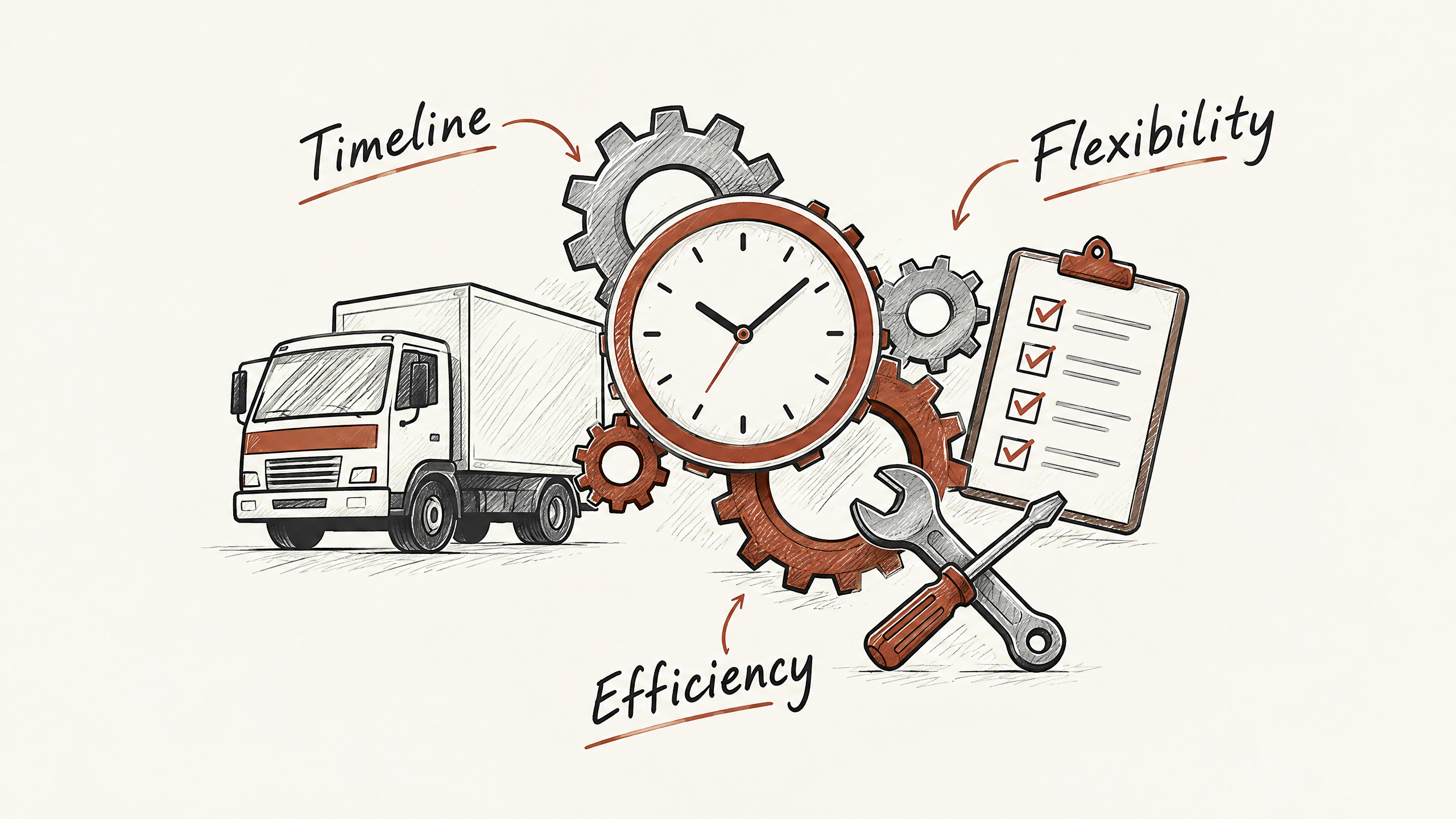
When orchestrating a custom trade show booth, efficient setup and teardown are critical to make sure the process runs smoothly.

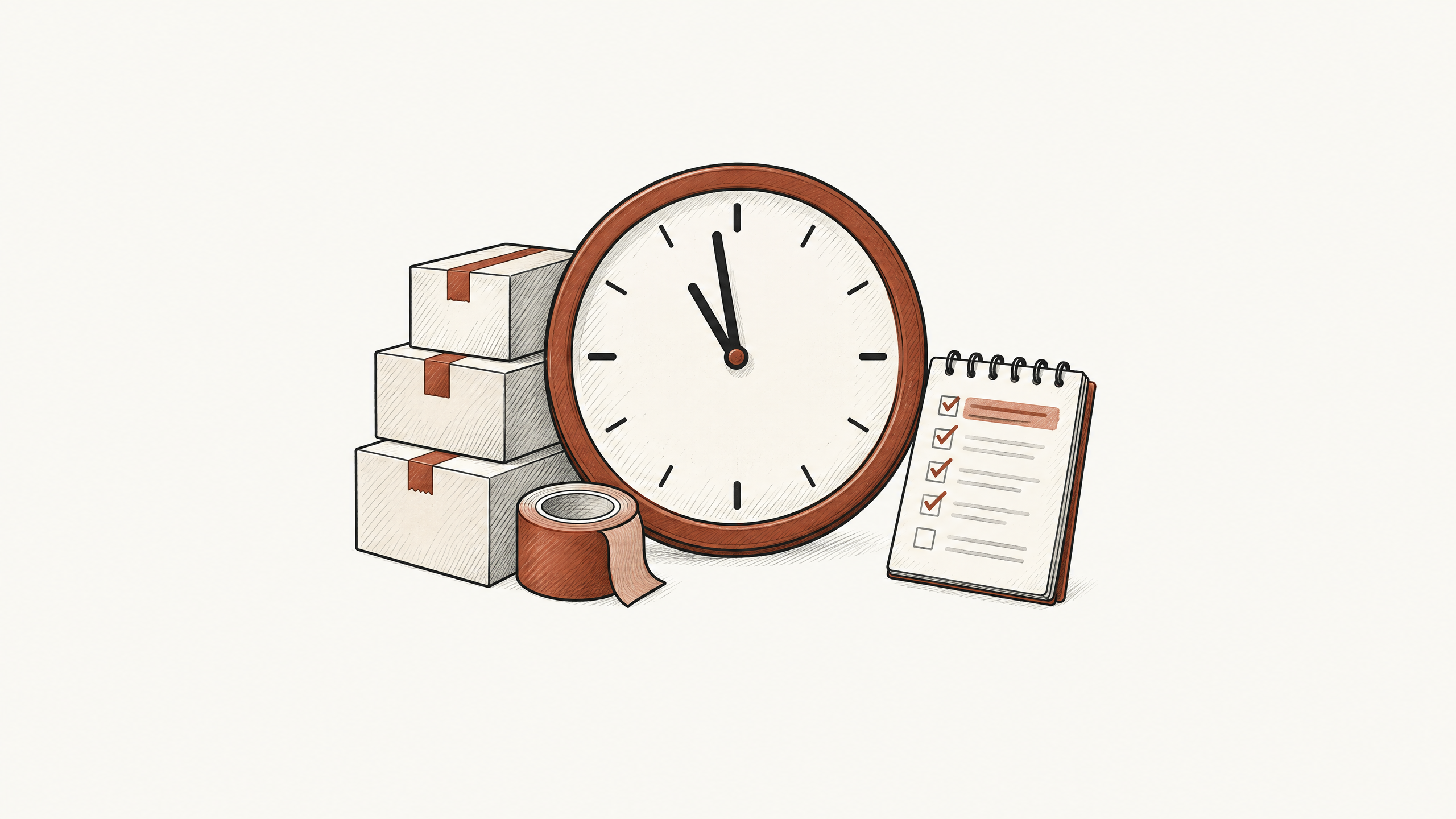
Start by developing a detailed timeline that accounts for each aspect of booth assembly and dismantling.

This timeline should outline who is responsible for each task, and how long each will typically take, from unloading materials to arranging final touches.

6. Plan for Setup and Teardown Efficiency — 6 Critical Considerations for Custom Trade Show Booth Design

One common mistake teams make is not allowing for enough buffer time for unforeseen delays.

Traffic, equipment malfunctions, or labor issues can eat into your planned timeline.

To mitigate these risks, add flexible time buffers between major milestones in the process.

This will make sure your team remains agile if unexpected issues arise, keeping stress levels at bay.

Assigning clear roles to each team member can significantly enhance efficiency.

Whether it’s handling logistics or managing technical setup, each team member should have a well-defined responsibility.

This eliminates confusion and helps keep the team aligned toward a shared goal.

Consider labeling all components and tools, making them easy to identify and access during setup and teardown.

Prepare a checklist that incorporates every task needed for both setup and takedown.

Here’s an example checklist to get started:

  • Confirm booth space and location
  • Inventory check of all materials and tools
  • Assign responsibilities to team members
  • Check equipment functionality before the event starts
  • Plan for waste disposal post-teardown

Using this checklist as a guide will help your team know exactly what is needed at each stage.

This will simplify operations and prevent missing vital tasks.

Lastly, communicating with trade show organizers about any specific requirements or restrictions related to setup and teardown is crucial.

These rules might affect how you approach the timeline or the methods used.

Understanding these constraints in advance allows you to adjust your plans accordingly, avoiding unnecessary complications.

Wrapping Up

Designing a custom trade show booth requires thoughtful planning across multiple dimensions.

From setting clear objectives to ensuring accessibility, every decision should align with your ultimate business goals. By focusing on consistent branding, you establish a strong presence that resonates with your audience.

Incorporating technology and optimizing your booth’s layout can significantly enhance engagement and improve traffic flow.

Wrapping Up — 6 Critical Considerations for Custom Trade Show Booth Design

Streamlining setup and teardown processes saves time and resources, allowing your team to concentrate on what truly matters: connecting with potential customers.

Each element we’ve discussed contributes to a cohesive and effective presence on the trade show floor.

As you move forward, gather feedback from your team and attendees to refine your strategies.

This ongoing process will help you make informed choices for future events, strengthening your impact in the competitive trade show arena.

Need a booth plan?

Turn show goals into a practical exhibit path

Share your footprint, timeline, and priorities. Our team can help shape the booth direction, graphics, and project support.

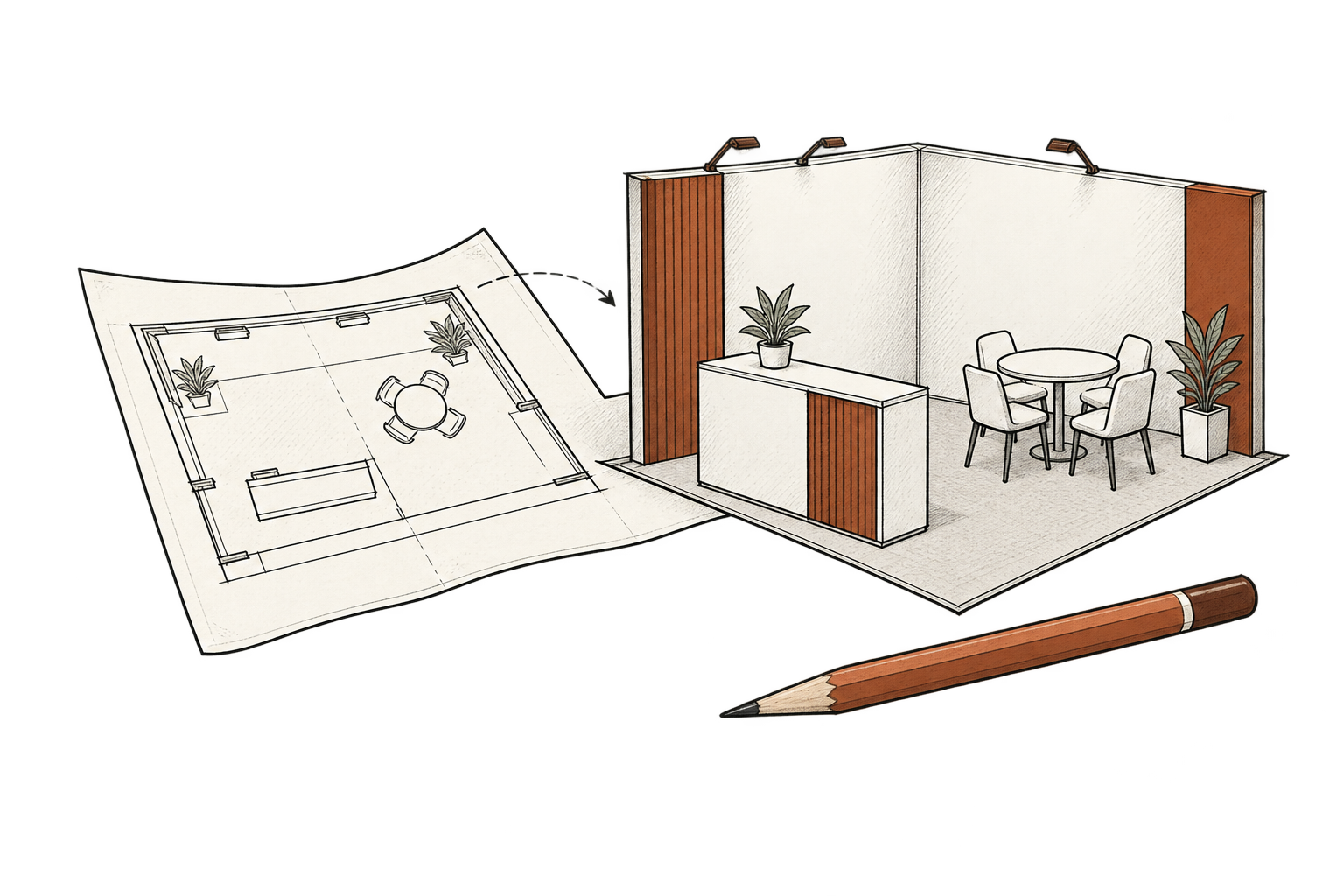
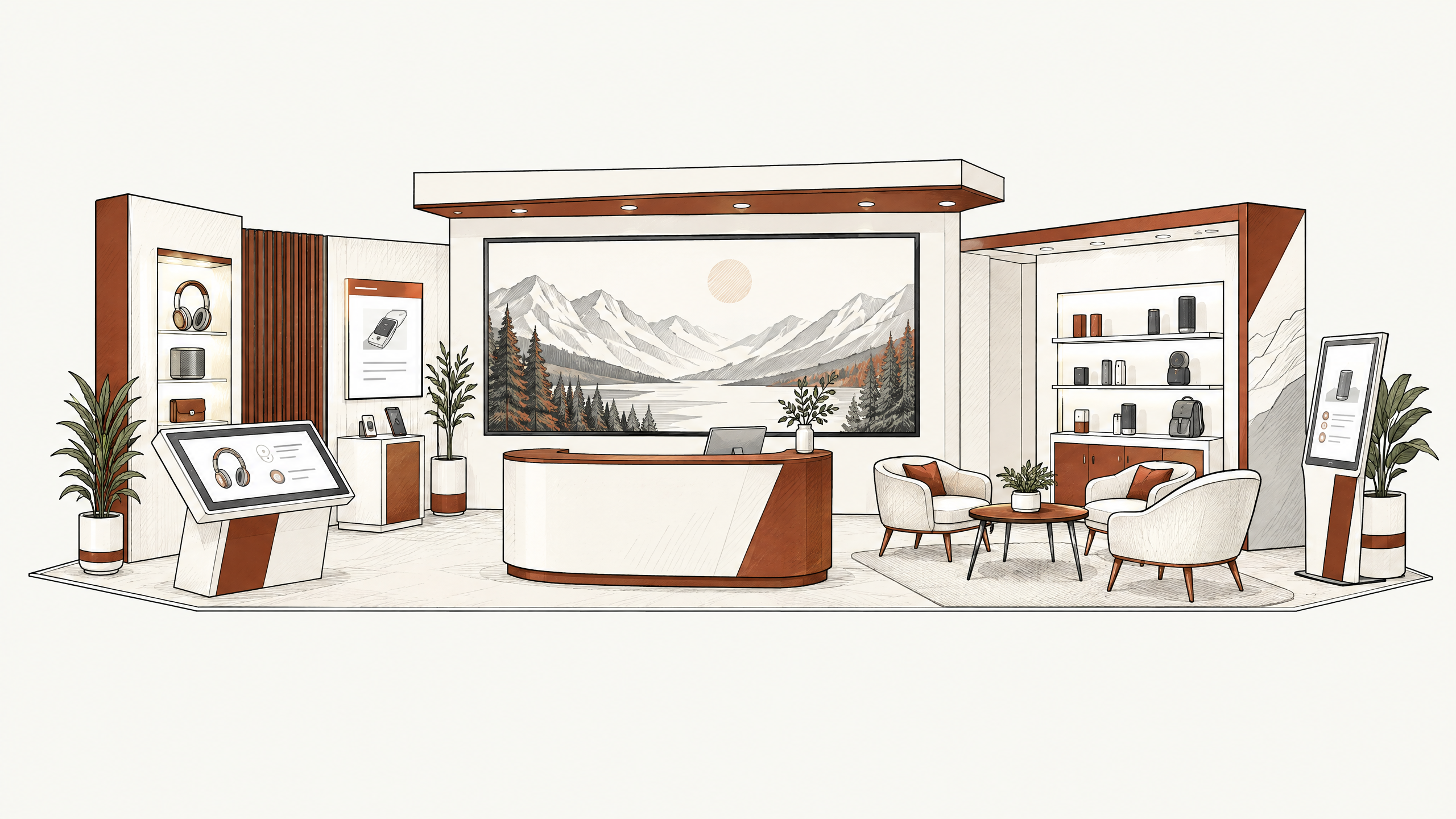
Hand-drawn booth floor plan and exhibit with cedar accents

Contact our team

Tell us who you want to reach

Tell us about your business, the buyers you want to reach, and what you want to achieve. Whether you need more sales conversations, stronger marketing, or a trade show presence, we’ll help you identify where to focus and what support makes sense. Together, we can shape a practical plan around your priorities, budget, and timeline.

info@exhibitant.com

Tell us what you need

A few details will help us make the most of our conversation.