 Lorena G.
Engaging effectively at a trade show can be a critical component of your company’s marketing strategy. The real challenge lies in steering your trade show presence towards industry-specific goals.
Every industry has its own unique dynamics, and understanding these can make all the difference in achieving those goals.
Your team’s messaging must resonate with your industry peers and prospects to create meaningful connections.
The visual and interactive experience you provide should reflect current industry trends. Each decision, from your booth design to your follow-up strategy, influences the impact you make.
Incorporating technology into your booth is no longer an added bonus but a staple in creating interactive elements that attract and engage attendees.
Doing so helps convert casual interest into genuine business opportunities. Once people leave your booth, having a solid follow-up strategy ensures that your connections develop into valuable relationships.
Throughout this guide, I’ll walk you through crafting a trade show presence tailored to your industry.
With these six actionable tips, you’ll be well-equipped to refine your strategy and get the most out of every trade show opportunity.
- Identify industry-specific audience needs and tailor your messaging.
- Leverage interactive elements unique to your sector.
- Design booth layouts that reflect industry trends.
- Utilize technology for real-time engagement insights.
- Prepare industry-specific follow-up strategies post-event.
Identifying your audience’s needs and tailoring your messaging will make your trade show efforts more effective.
Engaging with interactive elements and technology can deepen connections at your trade show booth.
1. Define Your Industry-Specific Goals
Before diving into trade show preparations, it’s crucial to pinpoint the industry-specific goals your team intends to achieve.
Different industries have unique opportunities and challenges, and aligning your objectives with the nuances of your field will set a solid foundation for success.
When you clearly define these goals, every subsequent decision will be more aligned with your overarching strategy.
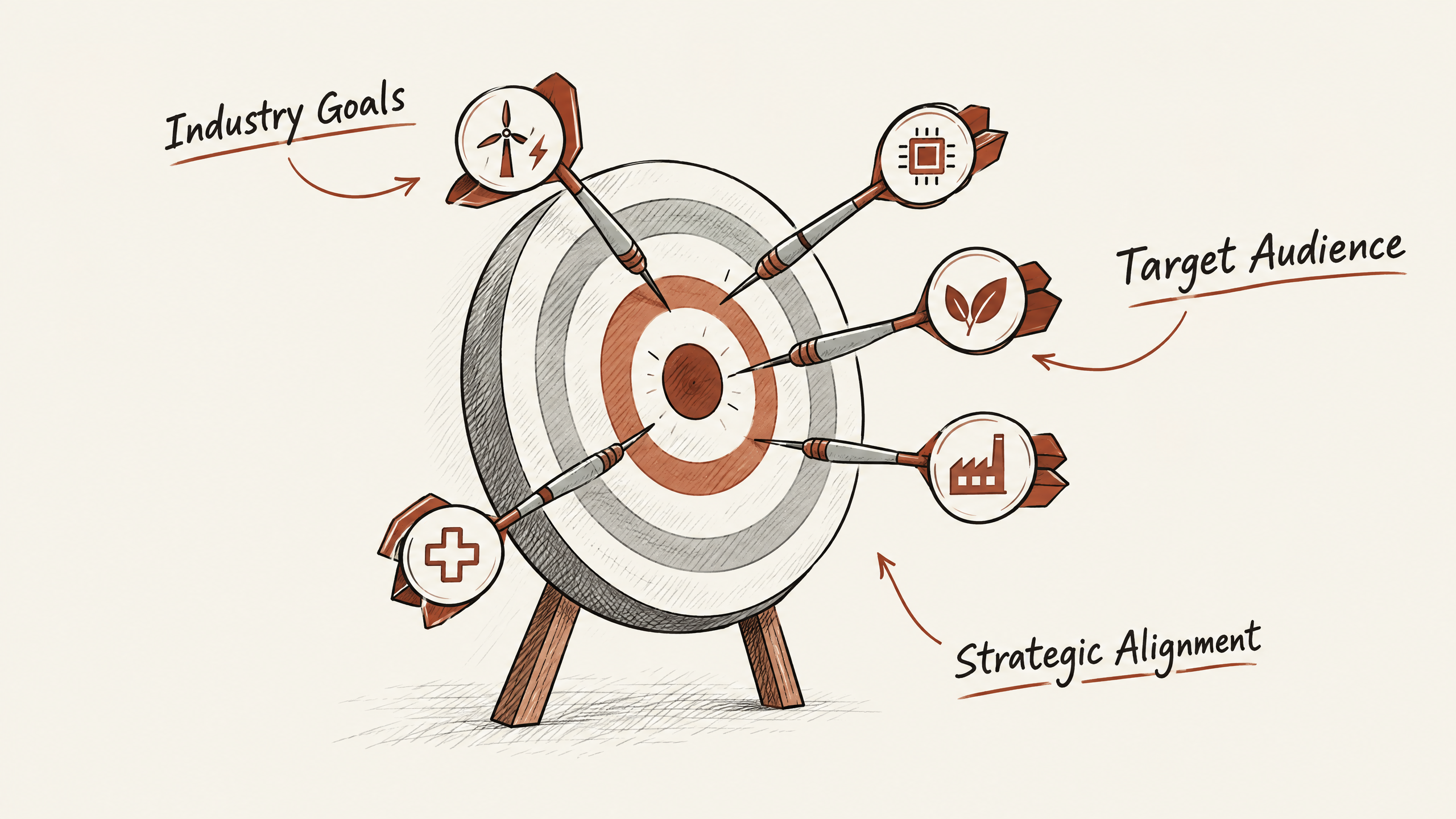
Start by identifying who your target audience is within your industry.
This could mean focusing on specific verticals or buyer personas.
For instance, an exhibitor in the renewable energy sector might aim to connect with policy influencers and large scale energy buyers. Contrast this with a tech company targeting developers and startups.
Each goal requires a different approach and metrics to measure success.
Clearly defining these target personas facilitates personalized engagement throughout the event.
Pro Tip: Before your trade show, precisely define industry-specific goals to guide targeted planning and make sure your efforts resonate with your intended audience.
A common mistake teams make is setting overly broad goals, such as “raising awareness” or “meeting potential clients.” While these are valid goals, you should ground them in specific outcomes.
Aim for objectives like “securing five qualified leads from enterprise clients” or “joining an industry panel to increase brand credibility.” Aligning such tangible goals with industry priorities ensures your approach resonates with your audience.
Even though these goals are industry-specific, collaborating with a partner like Exhibitant can simplify the organization process.
Our expertise in targeted outreach and strategic planning allows your team to focus on nurturing relationships and maximizing event efforts.
Once goals are set, your team can draft a plan detailing who will oversee each aspect, from pre-show logistics to post-show evaluation.
The sooner you understand what needs to be achieved, the sooner your team can get everyone rowing in the same direction.
2. Tailor Messaging to Your Audience
To create a lasting impact at trade shows, it’s crucial to craft messaging that resonates with your specific audience.
Different industries come with distinct expectations, jargon, and focus areas. Your first step is to understand the unique pain points and interests of the attendees you aim to attract.
Conducting pre-show research helps identify what your audience values most, allowing you to refine your messaging accordingly.
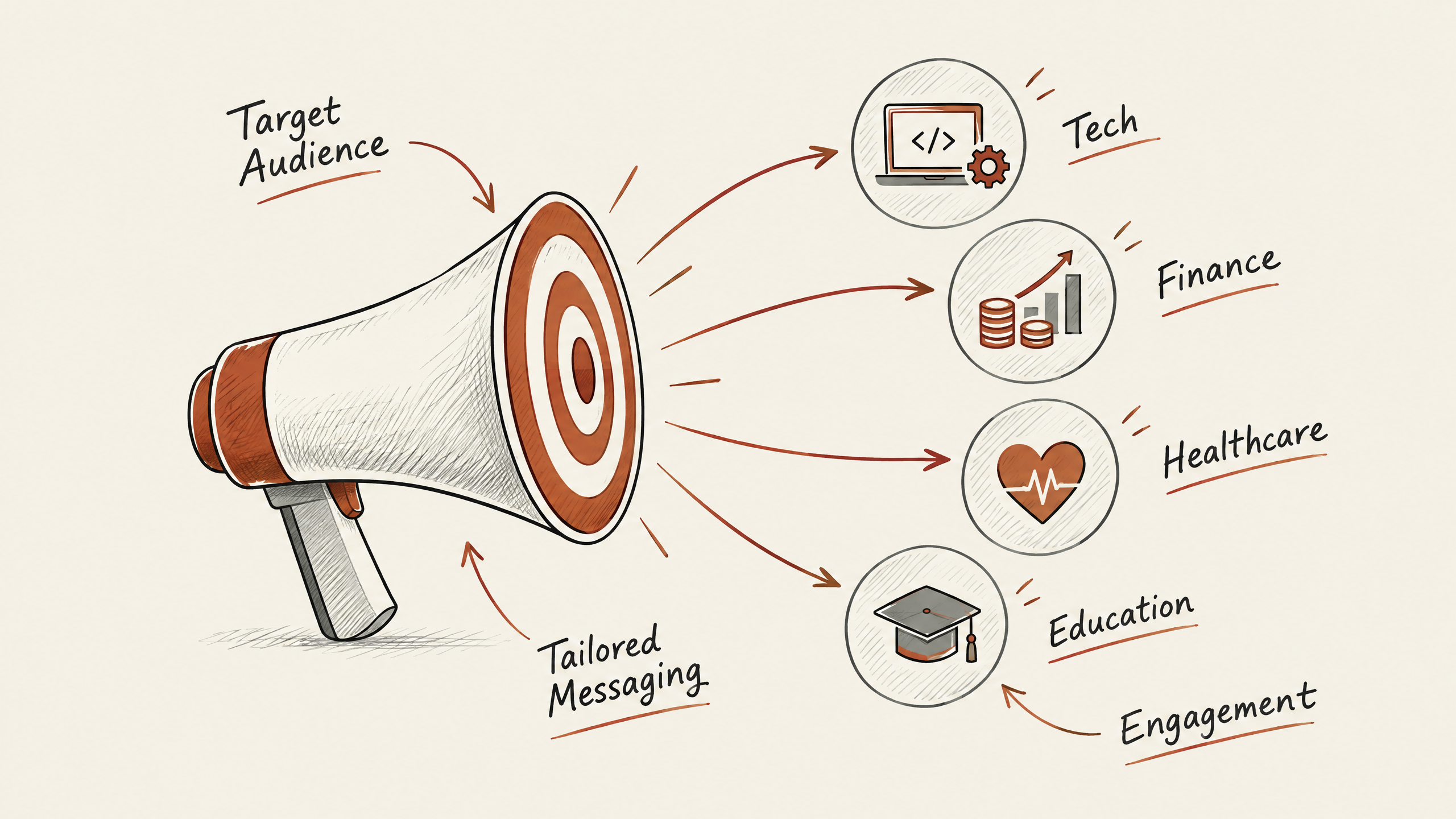
Consider creating personalized brochures or flyers that speak directly to the concerns and characteristics of your target demographic.
For instance, if you’re addressing a technology-savvy audience, emphasize the innovative features of your product or service in your materials.
Alternatively, if your audience is more financially driven, outline the cost benefits and savings potential instead.
Your booth staff should be well-versed in your industry-relevant messaging.
Equip them with talking points that align with the sector’s specific goals, whether that’s improving efficiency, cutting costs, or driving innovation. A common mistake is using generic sales pitches that fail to connect due to an absence of industry-specific detail.
Important: Tailoring your messaging to resonate with your specific audience is crucial: it boosts engagement and makes interactions more meaningful by aligning with industry expectations and values.
By tailoring your messaging, you not only enhance engagement but also improve your prospects for meaningful interactions.
Here’s a hypothetical example: Assume you’re in the renewable energy sector and attending a show focused on sustainability.
Your messaging should highlight your commitment to eco-friendly solutions and their impact on environmental goals rather than just product specs. This approach ensures your audience sees your offerings as aligned with industry values.
A practical approach involves creating a checklist to make sure each piece of your messaging strategy has been tailored appropriately.
This checklist might include action items like reviewing industry-specific language, highlighting benefits that address known challenges, and observing trends that resonate with the audience.
Tailoring your messaging is not just about altering words; it’s about aligning your entire communication strategy to meet the expectations and needs of those you aim to attract.
3. Design a Booth Reflecting Industry Trends
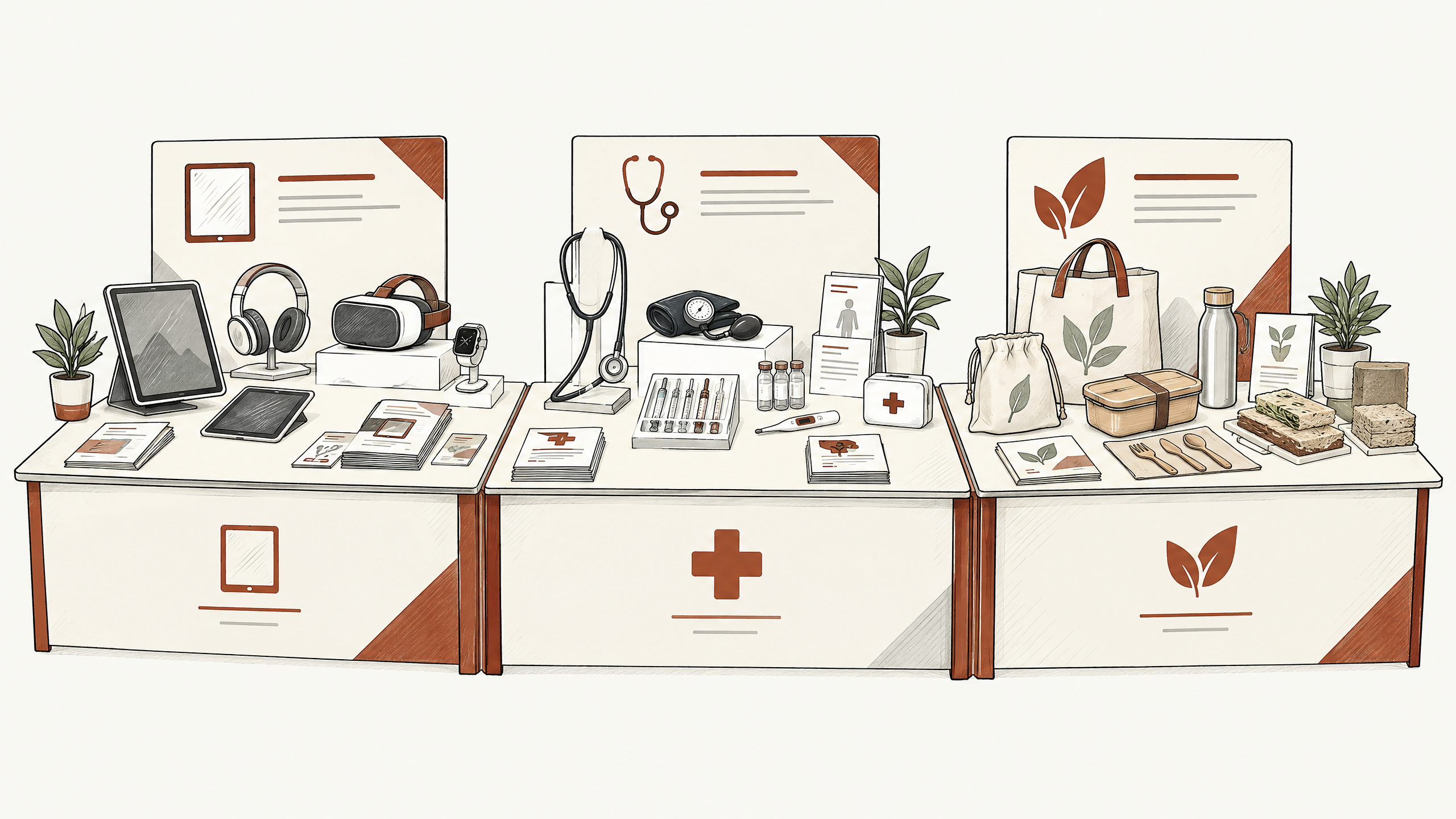
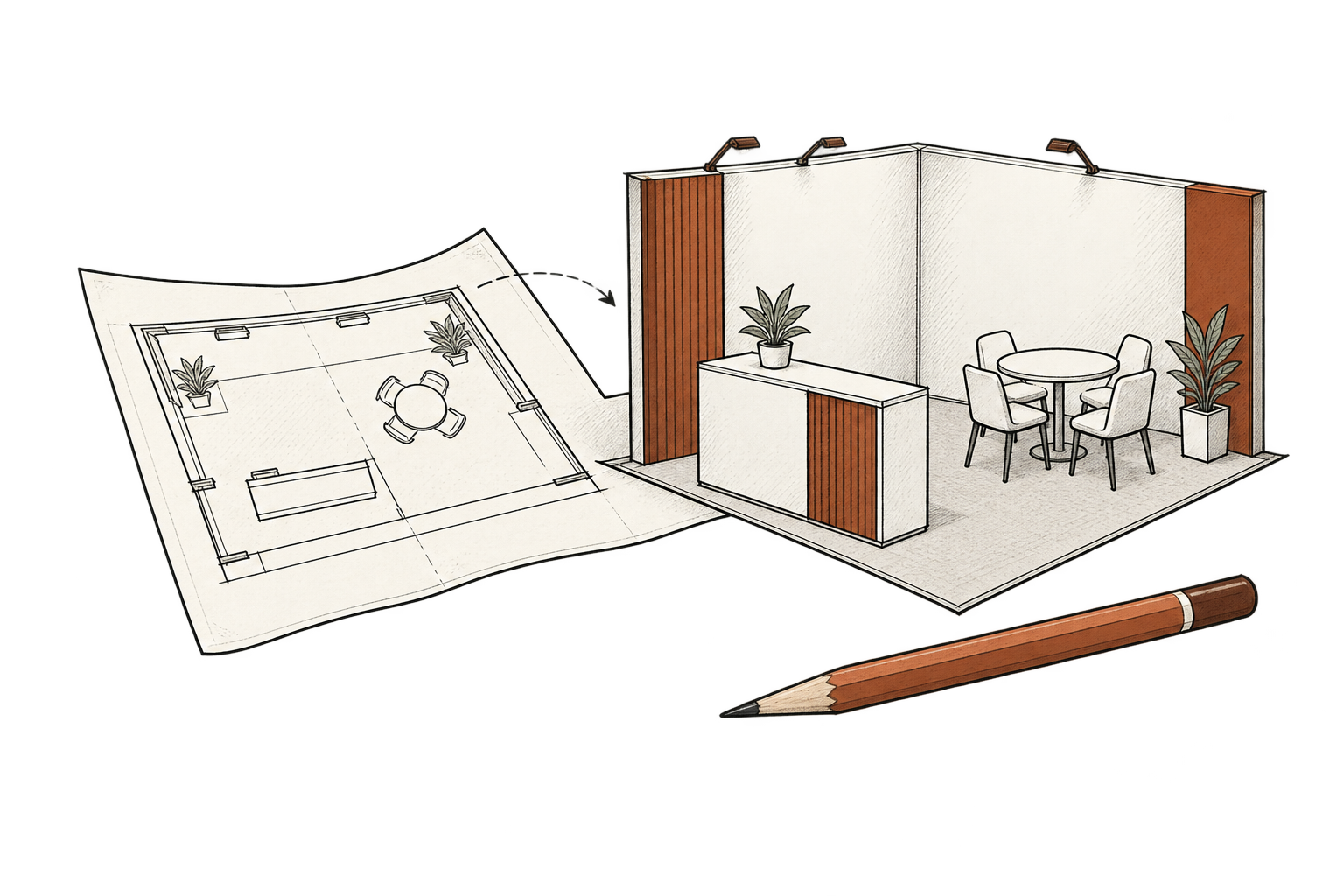
When designing a trade show booth, it’s crucial to align with current industry trends.
This ensures that your exhibit resonates with potential buyers. Keeping up with these trends not only attracts attendees but demonstrates your commitment to staying current in your field.
An outdated booth can quickly signal a disconnect, while a modern, trend-aligned design enhances credibility.
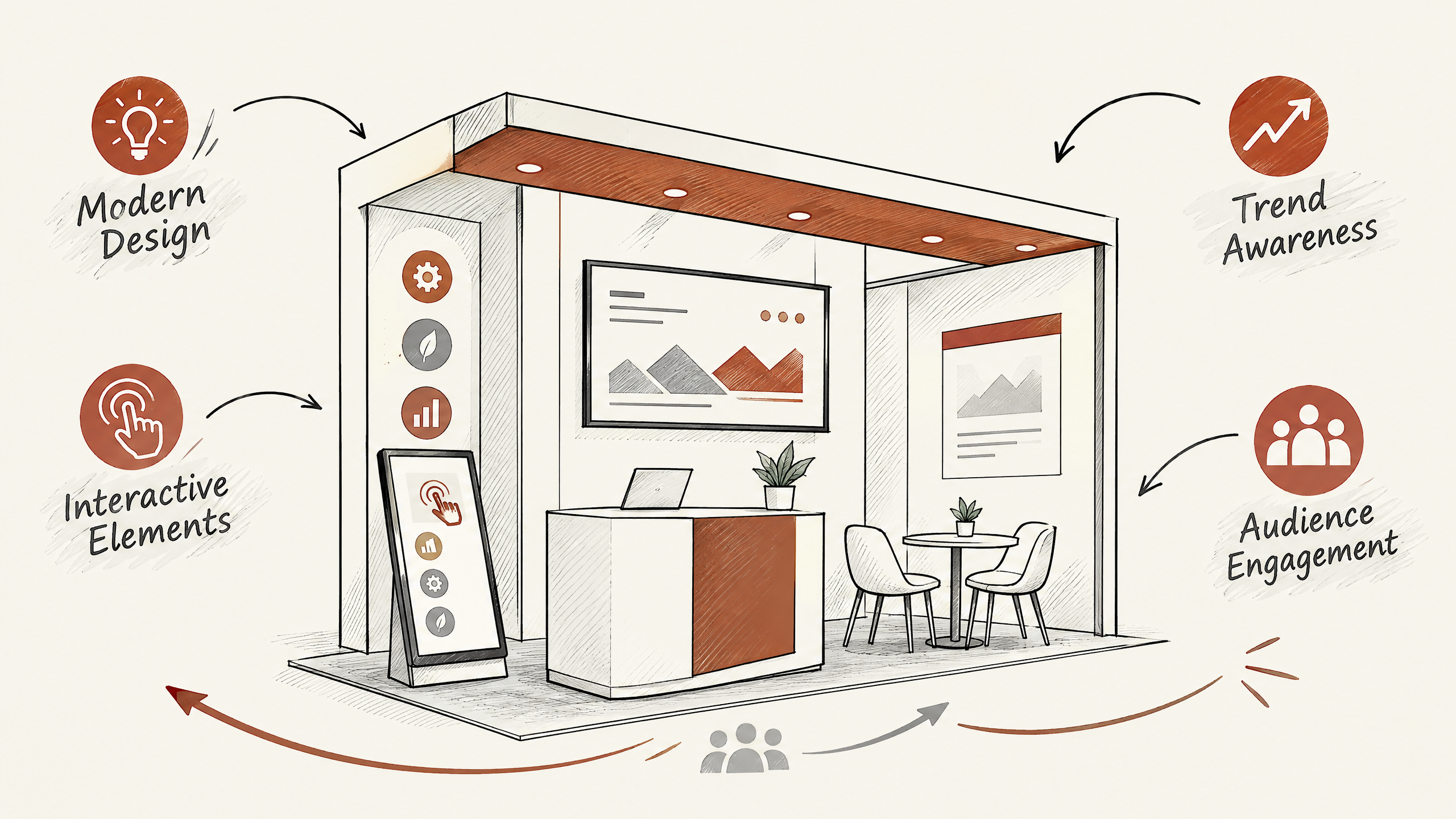
Work closely with a design team that understands your industry’s aesthetic and technological advancements to make sure your booth reflects what’s current.
To achieve this, start by researching the latest visual and technological trends within your industry.
Are companies moving towards minimalist designs, or is there a push for more interactive displays? Once you’ve identified these trends, consider how they can be incorporated into your booth design.
For example, if eco-friendly materials are gaining traction, using sustainable resources can show your company’s dedication to environmental responsibility. Prioritizing relevant trends will make your booth more inviting and relatable to attendees familiar with your industry.
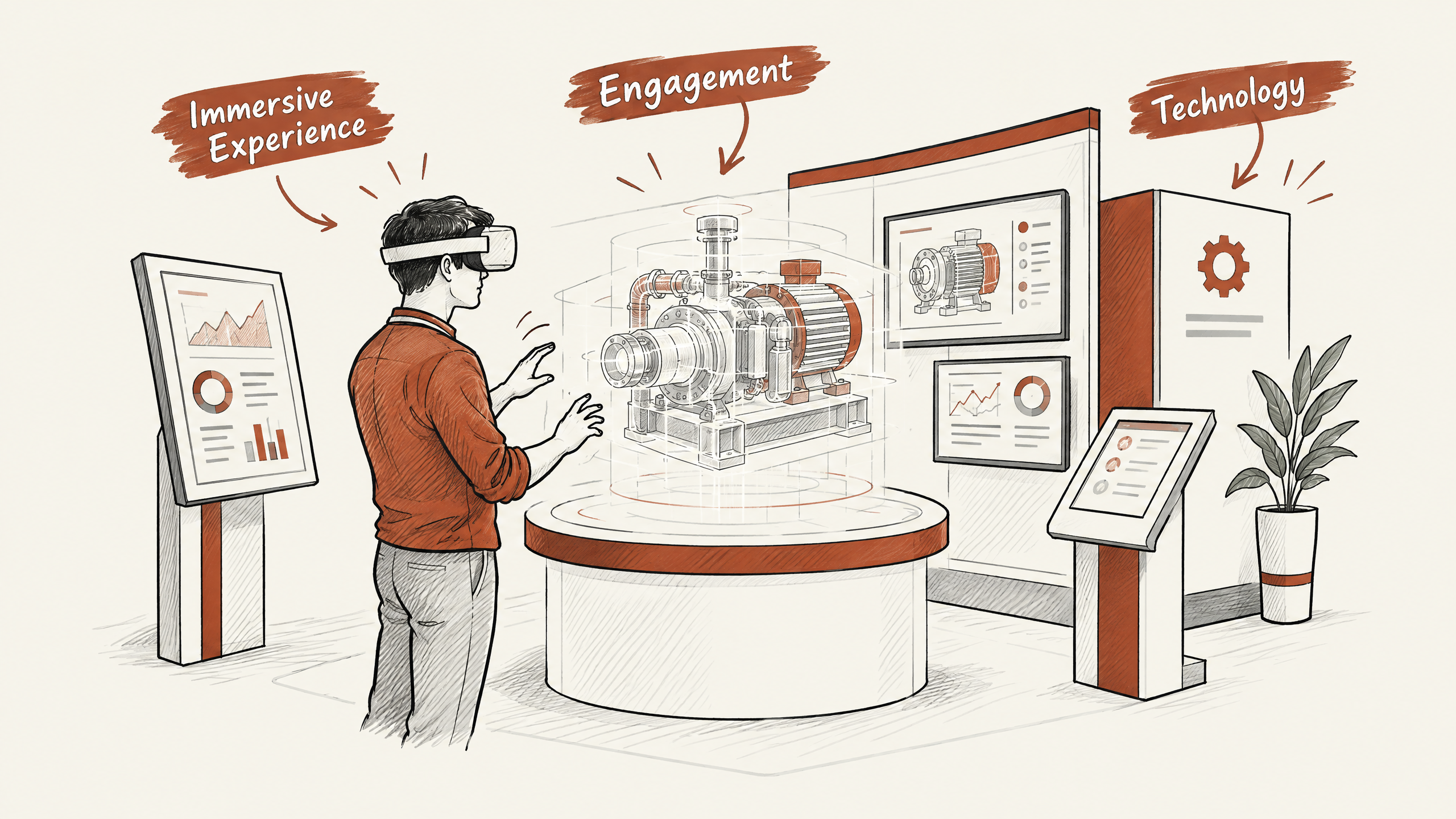
For certain industries, incorporating digital technology like augmented reality could provide an engaging element that stands out against the competition.
Ensuring your booth reflects industry trends may involve balancing aesthetics with practical considerations.
While a high-tech, modern booth may impress, it’s important to manage the budget and feasibility.
A common mistake is to overextend financially, prioritizing style over function.
To avoid this, set a clear budget and negotiate with suppliers to get the most trend-conscious design without breaking the bank.
Make strategic choices that reinforce your brand’s value proposition without overwhelming attendees with unnecessary features.
As you plan, remember the goal is to create a booth that not only embodies industry trends but also serves as a lead-generating tool.
As part of Exhibitant‘s B2B marketing support, we help translate the latest trends into effective booth designs that drive engagement and interest.
Collaborating with a knowledgeable partner can make sure your exhibit harnesses industry insights effectively.
Combining trend knowledge with smart design not only attracts attention but also maximizes your presence on the trade show floor.
 Louie J.