 Louie J.
Let’s talk about how crucial having the right visuals is when creating a trade show booth that truly stands out. From what I’ve seen, the visual elements you choose can make a big difference in attracting attendees and communicating your brand message effectively.
With so many businesses vying for attention, you really need to think about how each piece of your booth tells a story.
One thing that comes up a lot is the impact of eye-catching color schemes.
Colors can evoke emotions and set the tone for your entire display.
Choosing a compelling color palette helps draw attendees to your booth, making them more likely to engage with your team.
It’s an artistic expression that speaks volumes without uttering a single word.
Another powerful tool, from what I’ve observed, is using dynamic digital displays to capture the interest of passersby.
These displays provide a modern, engaging platform to show your products or services. Whether it’s a video loop or an interactive touch screen, the movement and adaptability of digital screens can transform your booth’s visual appeal.
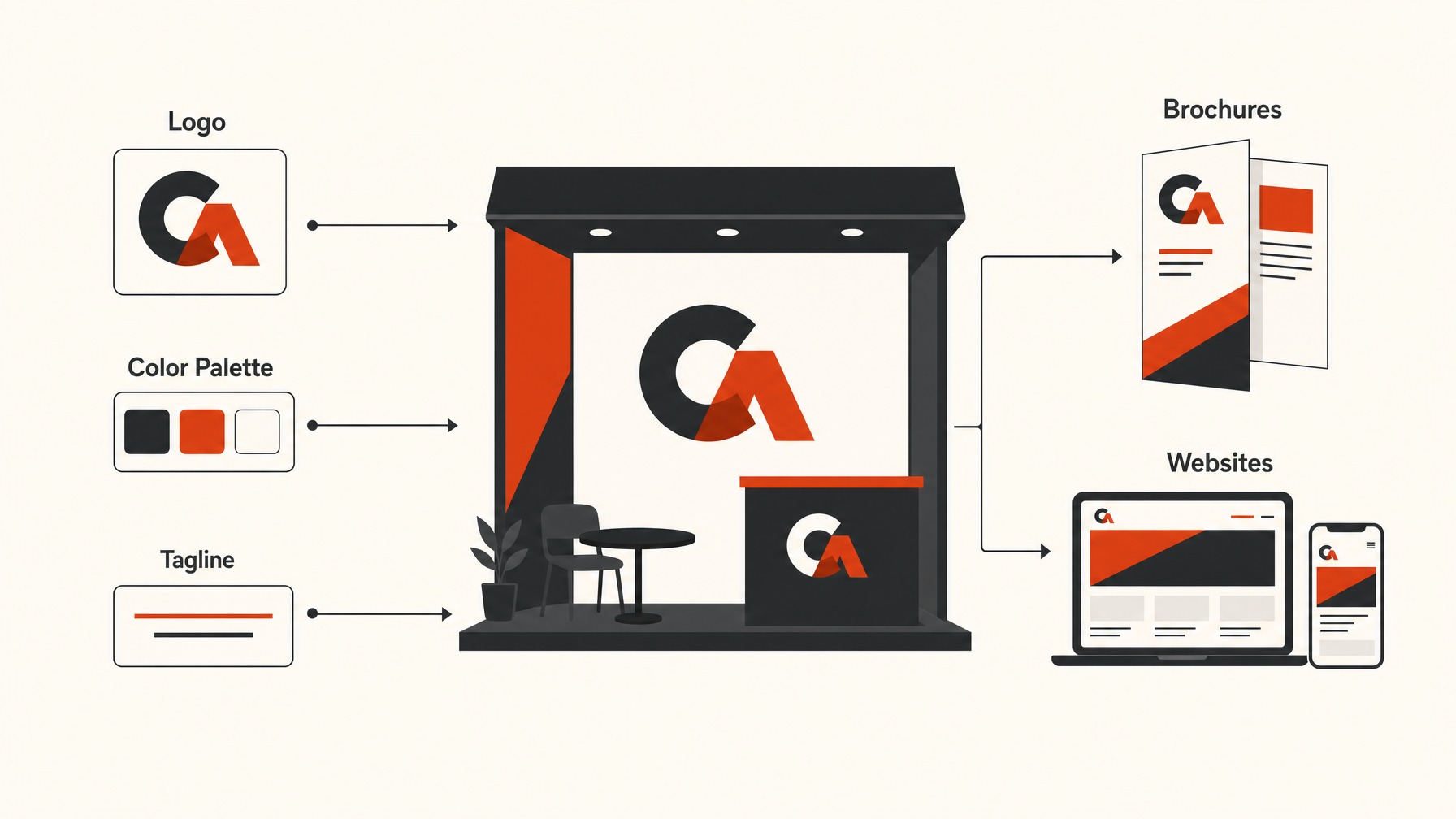
One thing I always highlight is that consistent branding elements tie everything together in your booth presentation. Consistent use of logos, fonts, and design elements fosters a cohesive brand image that attendees will remember.
Today I want to cover six must-have visuals that can enhance your trade show booth and draw people in.
- Use bold colors to draw immediate attention.
- Incorporate movement like digital screens for dynamism.
- Highlight product benefits through clear visuals.
- Ensure consistency in branding across all visuals.
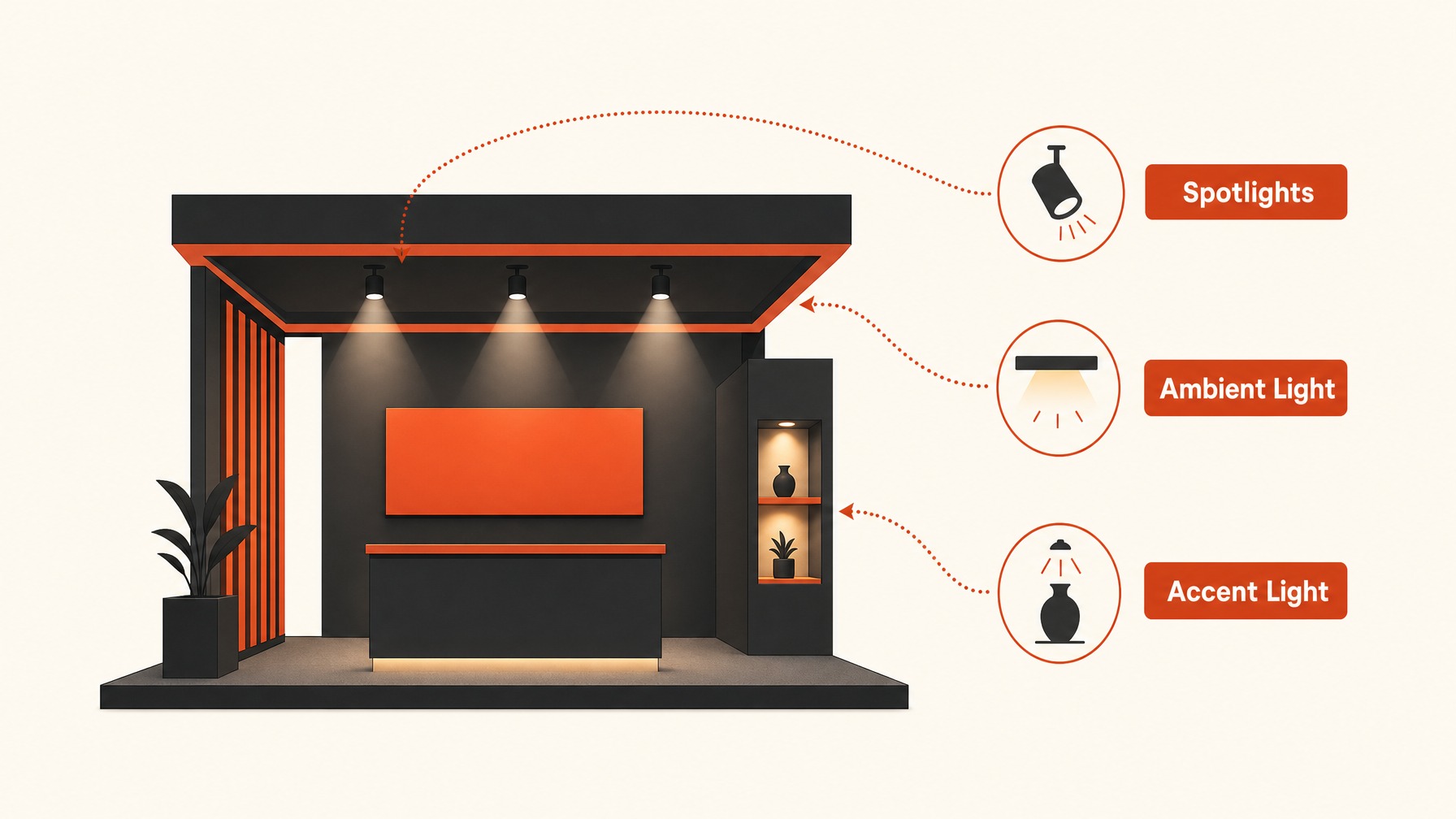
- Utilize lighting to emphasize key areas or messages.
Get ready to dive deeper into how these elements can truly make your booth stand out.
You’ll see how integrated lighting can make your display pop and your products shine.
Discover practical tips on making sure your brand stays consistent even amidst the hustle of a busy trade show.
Plus, learn how dynamic movement and colors can turn casual passersby into interested visitors.
1. Eye-Catching Color Schemes
In the realm of trade show booth design, nothing quite grabs attention like a well-thought-out, eye-catching color scheme.
The strategic use of bold and complementary colors can create an inviting atmosphere that stops foot traffic in its tracks. We often notice that exhibitors who achieve standout results often incorporate high-contrast colors that reflect their brand’s identity.
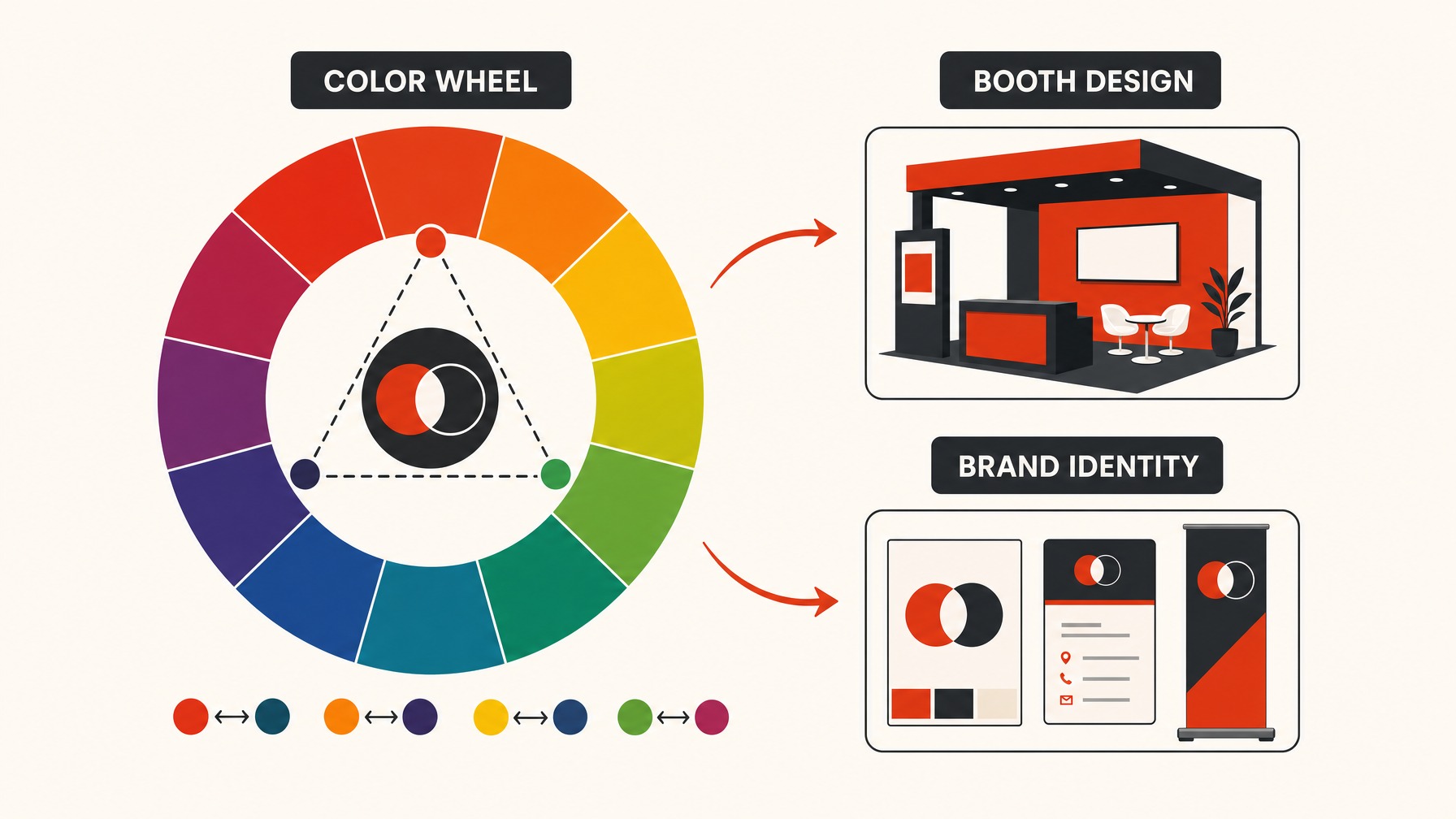
A crucial aspect is balancing colors to avoid overwhelming visitors while still maintaining a visually stimulating environment.
Selecting colors that resonate with your brand essence can foster emotional connections with attendees, enhancing brand recall long after the event.
Here at Exhibitant, we have noticed that integrating a set color palette across all booth elements, from signage to furniture, creates a cohesive look. A unified color theme not only ties everything together visually but also aids in reinforcing the brand message.
One of the common pitfalls is selecting colors that don’t align well with your product offerings, leading to a disconnect with attendees.
Choosing colors that align with emotions you want to evoke is another smart move we’ve seen work effectively. For instance, warm colors like red and orange often invoke a sense of urgency and excitement, which can be particularly effective in drawing in a curious crowd.
From what I’ve seen, the ones that excel not only consider their primary booth colors but also complement them with subtle accents.
Accents, properly utilized, can guide a visitor’s eye to key information or focal points within the booth.
A polished and consistent color strategy can ultimately enhance your brand’s visibility, making your trade show presence much more memorable.
Keep your audience in mind, and select colors that speak to them, ensuring they leave a lasting impression.
2. Dynamic Digital Displays
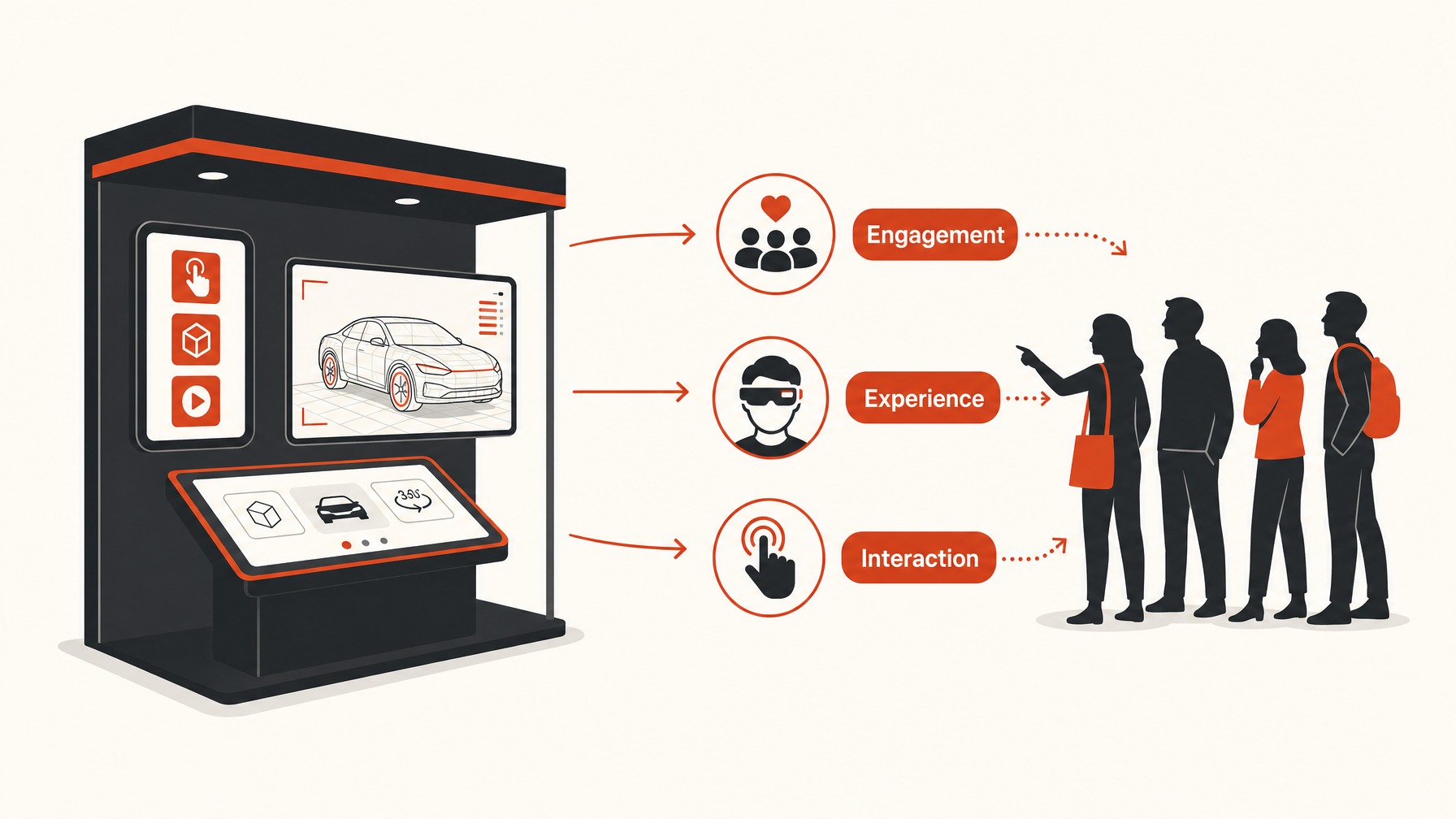
I’ve noticed that digital displays can truly transform the atmosphere of a trade show booth. They not only attract attention but also provide a versatile platform for demonstrating products, services, or any interactive content.
One thing I’ve seen that works really well is when exhibitors use video walls.
These walls offer a dynamic canvas and capture visitors’ attention from across the room.
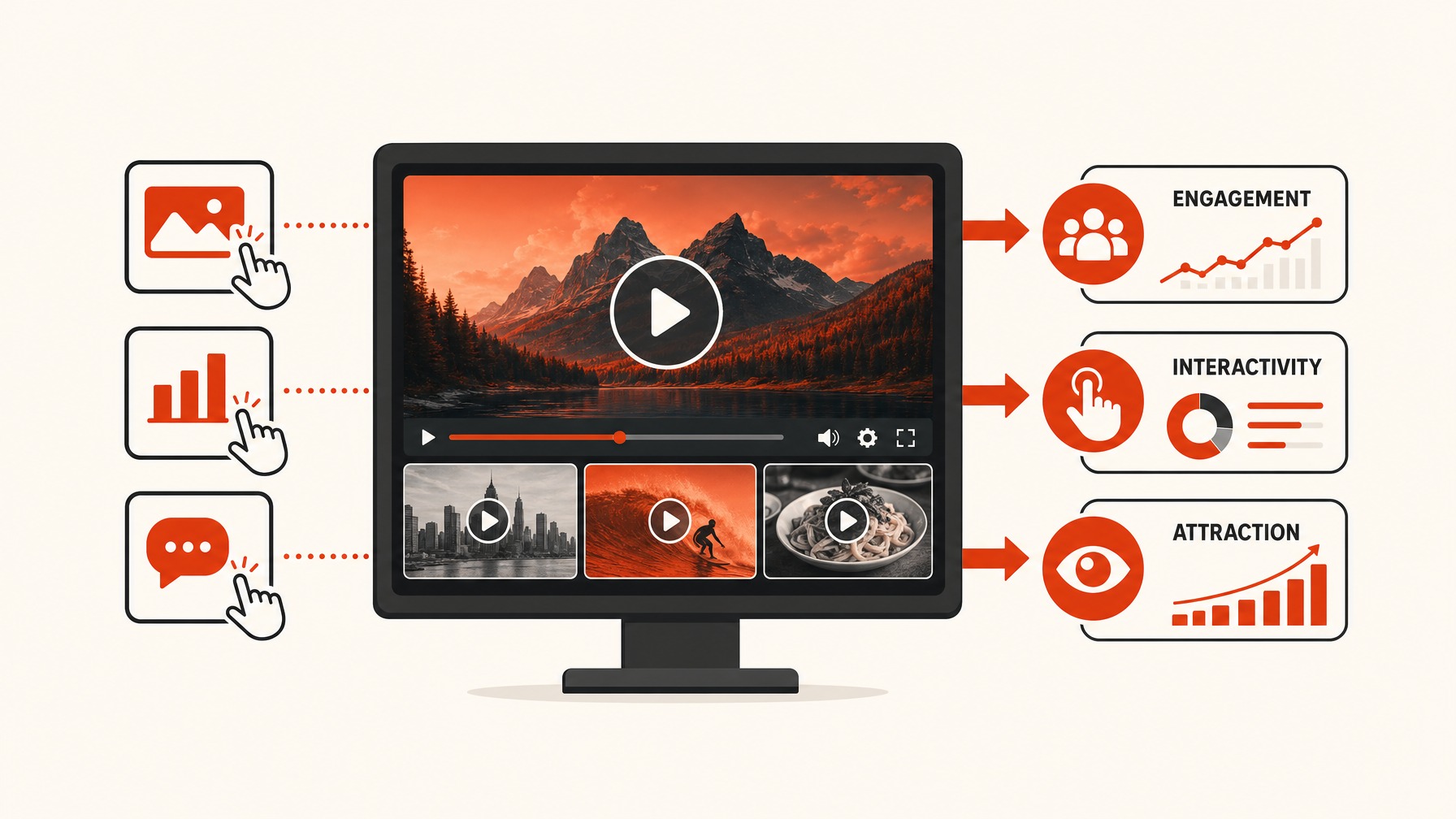
A major trend is incorporating touchscreen displays, which allow potential customers to engage directly with your brand. This interaction can be incredibly powerful in creating a memorable experience.
From what I have seen, the ones that get it right usually tailor the content specifically to their audience. Tailored content ensures that the message not only attracts but also resonates with the target audience.
Dynamic displays can be synchronized with audio for a more immersive experience, drawing in even more participants.
The integration of audio-visuals can turn a standard booth into a must-visit location, enhancing user engagement.
Keep in mind the importance of well-designed software interfaces, which should be intuitive and visually appealing.
LED screens are also a popular choice because of their brilliant color output and flexibility in shape and size.
These screens can show everything from product demos to customer testimonials, thus offering multiple storytelling opportunities.
Large-format displays are excellent for high-impact presentations, drawing attention from every angle of the show floor.
Remember, the content you display matters as much as the hardware itself.
Regularly updated content keeps your booth fresh and ensures repeat visits during multi-day events. From the experiences shared within the industry, a keen focus on dynamic content can significantly boost booth traffic and engagement levels.
3. Product-Focused Imagery
Something that comes up a lot is the importance of showcasing your products through compelling imagery.
From what I have seen, the booths that really stand out use high-quality images that emphasize the features and benefits of their products.
It’s not just about filling space; it’s about creating a visually cohesive story that speaks to potential customers.
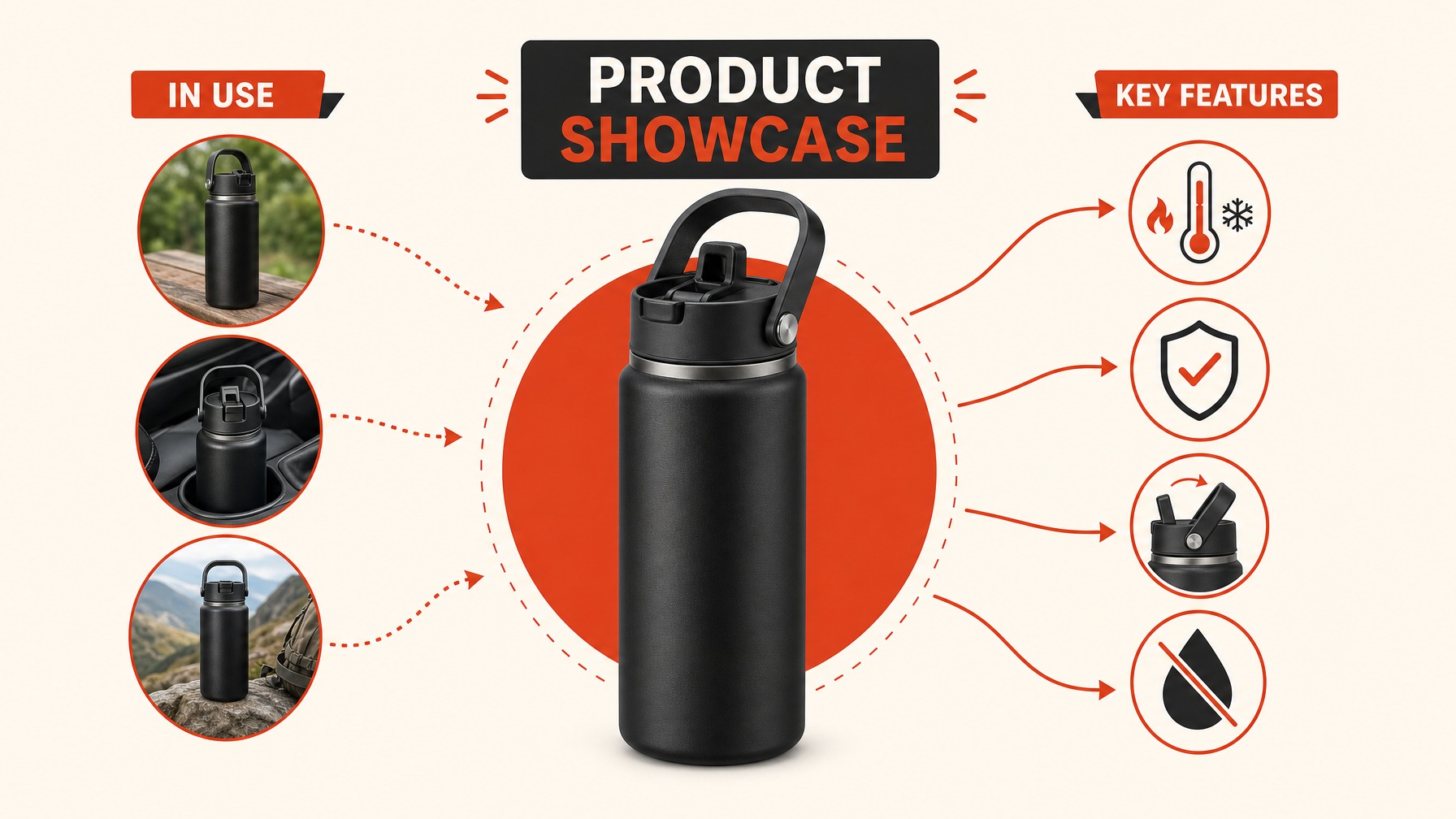
Your images should be large, clear, and professionally shot to highlight the details your audience needs to see.
One thing most exhibitors end up doing wrong is underestimating the power of contextual imagery images that not only show the product but also depict it in use. This is where you really have a chance to demonstrate how your offerings fit into the lives of your target audience.
What we have seen work really well is integrating lifestyle images into your display, helping attendees imagine themselves using your products.
This kind of imagery encourages emotional connections, making your products more relatable and desirable.
Pair these visuals with concise, punchy text that reinforces the benefits, showcasing why your products are the best choice in a competitive market.
I would say the biggest thing here is ensuring your imagery is not only visually striking but strategically placed.
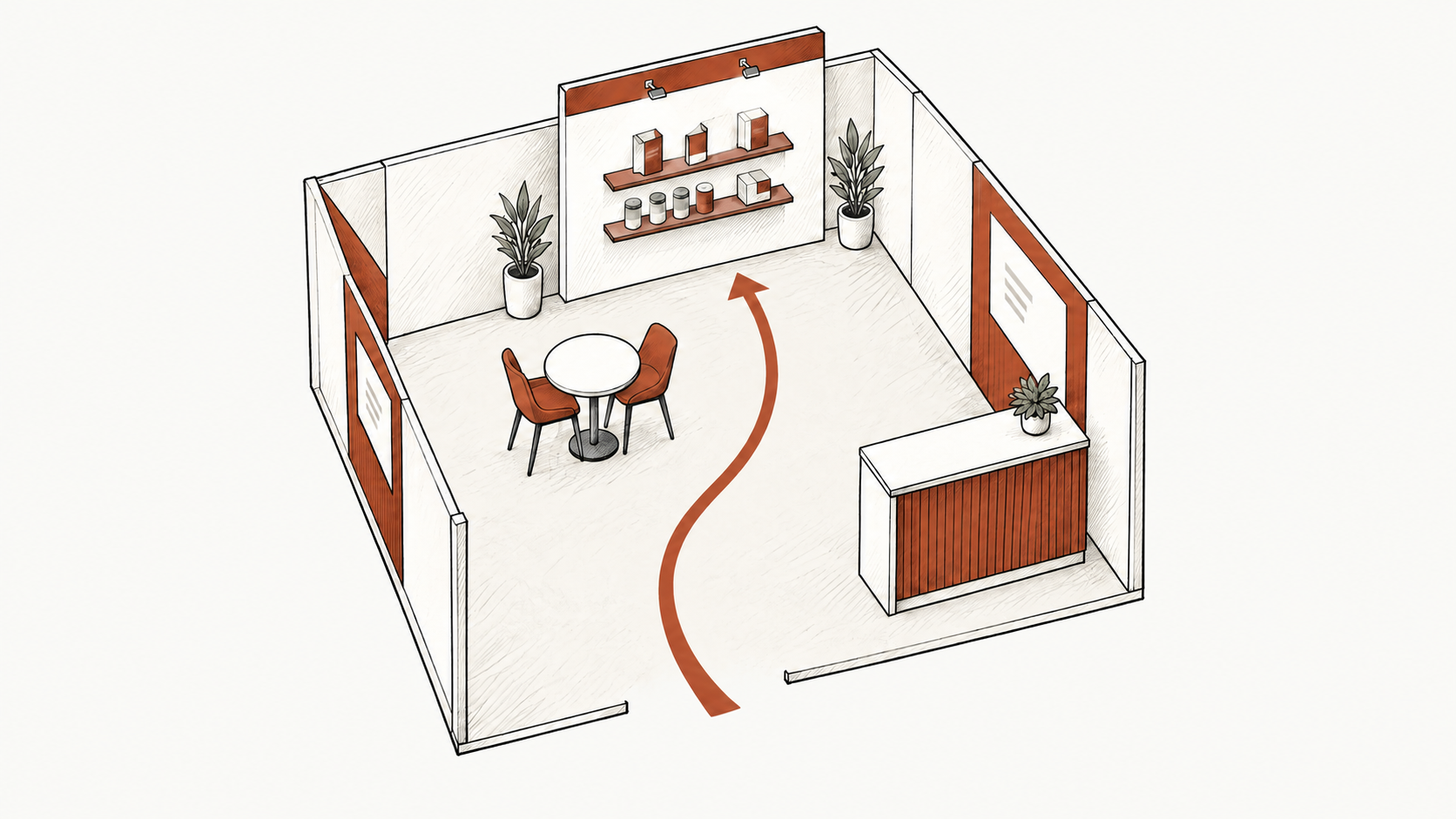
Use these images to lead visitors’ eyes across the booth, guiding them naturally to key areas or products you want to highlight.
Additionally, rotating product images can create a sense of movement and dynamism, which keeps your booth fresh and engaging.
To achieve the optimal result, collaborate closely with your design team to align product imagery with your overall branding strategy and booth design.
From what I have seen, the ones that get it right usually have a unified theme throughout their display.
Consider printing images on materials that reduce glare and enhance colors, ensuring they stand out under various lighting conditions in the exhibition hall.
 Lorena G.