
Exhibitant insights

Get practical ideas for your next campaign or show

Join our newsletter for advice on reaching B2B buyers, planning outreach, and getting more from trade shows.

B2B lead generation

Ideas for prospect research, outreach, and follow-up.

Trade show exhibits

Tips for booth design, graphics, and show preparation.

Trade Show Planning

6 Critical Steps for Evaluating Trade Show Location Selection

Discover essential strategies for choosing the perfect trade show location to maximize your business impact.

Selecting the ideal location for your trade show is a crucial decision that can make or break the success of your event. With so many factors to weigh, it might feel overwhelming at first.

Yet, a well-thought-out choice can boost attendee satisfaction and enhance your brand’s visibility.

In my experience, one of the most significant steps is to understand the demographics of your attendees. Knowing who your audience is and what they value will guide you to choose a spot where they’ll feel at home.

It’s also about identifying where your potential leads are concentrated.

Logistics play a vital role in this decision as well. It’s important to pinpoint venues that offer easy accessibility for everyone involved, from attendees to suppliers.

When it comes to trade shows, the smoother the execution, the better the experience for everyone.

By the end of this article, you’ll be well-equipped to assess critical elements that inform your trade show location choice.

I’ll walk you through each step, so your team can confidently select a location that aligns with your goals and enhances the event’s overall impact.

Key Takeaways:
  • Choose locations with high foot traffic and relevant industry presence.
  • Evaluate accessibility for both local and international attendees.
  • Consider venue amenities to enhance visitor experience.
  • Assess nearby accommodations for convenience and cost.
  • Analyze past event performance in potential locations.

Make sure your trade show location offers high foot traffic and a strong industry presence.

Pay close attention to accessibility for both local and international attendees.

Evaluate venue amenities for a better visitor experience.

Nearby accommodations should be assessed for cost and convenience.

Review past performances in potential locations to make an informed decision.

1. Analyze Attendee Demographics

Choosing the right trade show location starts with understanding your attendee demographics.

This insight helps make sure you’re positioning your company where your audience is most likely to be present.

You’ll need to consider factors such as the age, profession, and purchasing power of potential attendees. These factors will guide which venues are most appealing to your target market.

1. Analyze Attendee Demographics — 6 Critical Steps for Evaluating Trade Show Location Selection

To begin, gather data from past trade shows and any available market research. Look for patterns in attendance, such as industries that typically participate or regions that yield higher interest levels.

This data will help you identify which locations have been historically successful in attracting attendees similar to your target audience.

For practical analysis, segment your audience into key categories.

You might organize by industry focus, geographical location, or buying cycle stage.

With these segments in mind, prioritize trade show locations that will provide access to decision-makers.

This could mean focusing on locations near industry hubs or where key clients reside.

One common mistake is overlooking the importance of cultural relevance.

Important: Choosing a city known for green initiatives can enhance your brand image if your target market values sustainability, ensuring cultural relevance in your trade show location.

Make sure the location aligns with the tastes and preferences of your audience.

For instance, if your target market values sustainability, choosing a city known for green initiatives can enhance your brand image.

Here’s a concrete example: Suppose your company sells software solutions for the healthcare industry.

After segmenting your audience and analyzing demographics, you find that many decision-makers are concentrated in urban centers with major hospitals.

This insight would suggest prioritizing venues in such cities to get the most out of engagement and potential leads.

When you’ve gathered demographic data and assessed locations, compile a short list of venues that align with your audience and strategic business interests.

This data-driven approach will set a firm foundation for the rest of your trade show planning.

2. Assess Venue Accessibility

When selecting a trade show location, venue accessibility is a key factor.

An accessible venue ensures that all attendees, including those with disabilities, can reach and navigate the event space easily. Convenient access can boost attendance numbers and enhance the overall attendee experience.

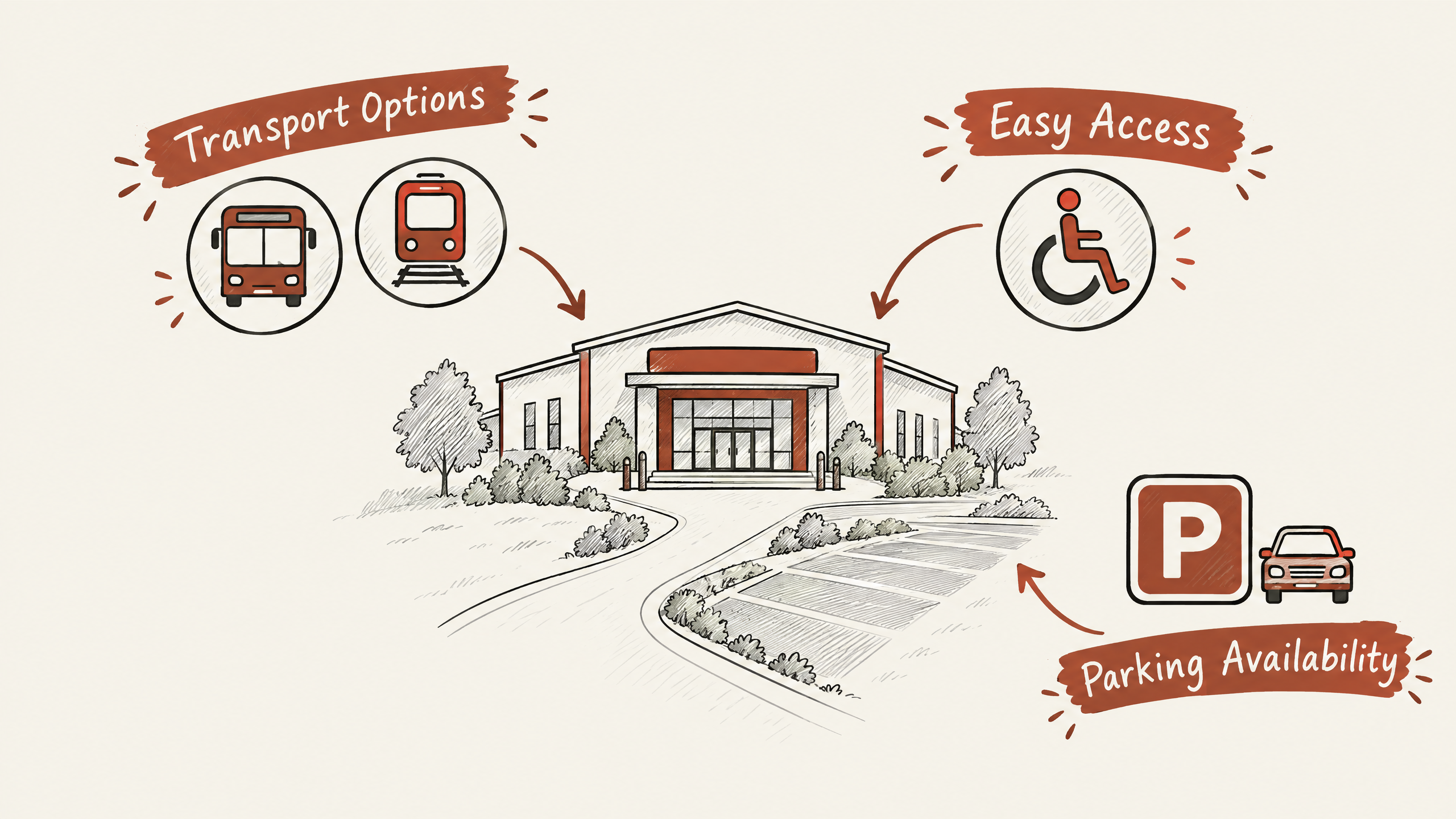
Start by evaluating the transport options available to reach the venue.
2. Assess Venue Accessibility — 6 Critical Steps for Evaluating Trade Show Location Selection

Consider the proximity to major highways, airports, and public transportation hubs.

A venue near a well-connected transit station, for example, can encourage more participants to attend. Parking availability is also significant; a location with ample parking will be more attractive to those driving.

Another factor is the physical layout of the venue.

Check for features that support accessibility, like ramps, elevators, and door widths suitable for wheelchairs.

Pro Tip: make sure the venue you choose offers accessible features like ramps, elevators, and ample parking to cater to all attendees, enhancing overall event participation and satisfaction.

Signage is also crucial clear, visible directions can prevent confusion and ease movement within the space.

Here is a practical checklist to evaluate venue accessibility:

  • Proximity to public transport and major roads
  • Sufficient and convenient parking facilities
  • Wheelchair accessibility throughout the venue
  • Clear and visible signage for easy navigation
  • Nearby accommodations with accessible rooms

Bear in mind that cultural differences may influence accessibility norms.

If hosting an international event, research local laws and standards to make sure compliance.

Focusing on venue accessibility not only fulfills a legal obligation but also demonstrates your commitment to inclusive practices.

3. Evaluate Local Amenities

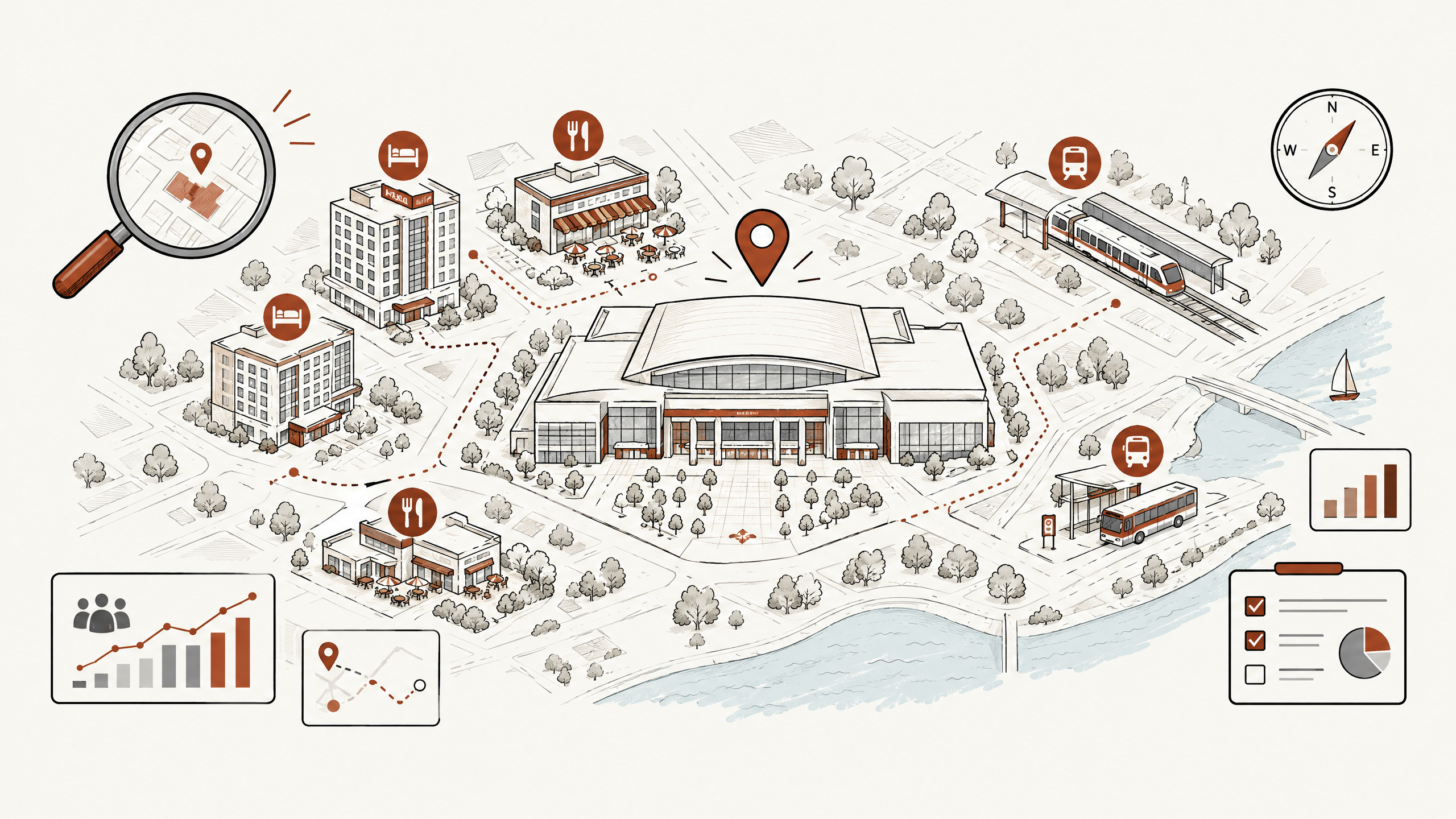
When choosing a trade show location, the local amenities available can significantly impact your event’s success.

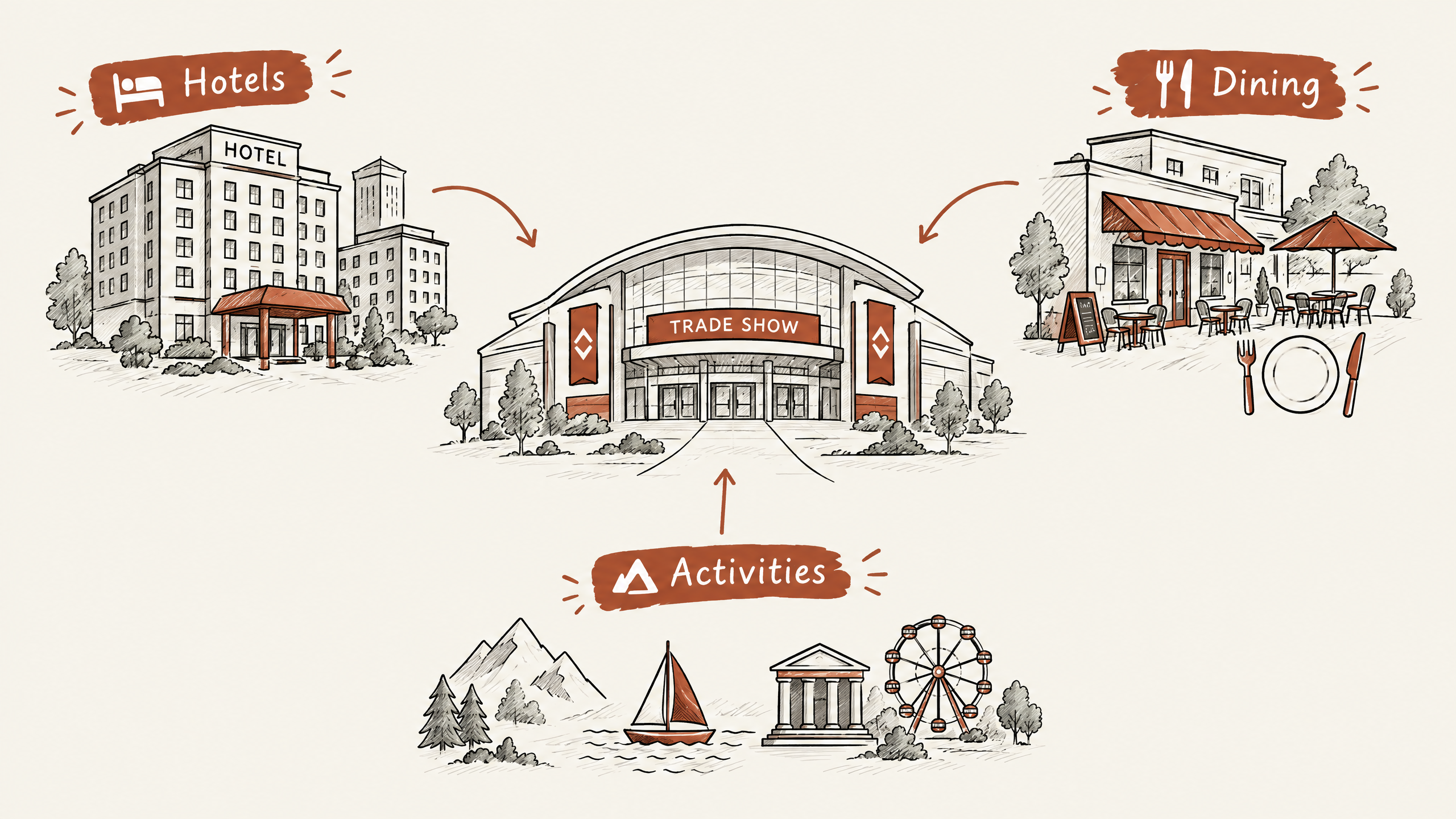
From accommodation to dining options and leisure activities, these amenities influence attendees’ overall experience and satisfaction.

By taking a closer look at these offerings, you’ll make sure that the trade show becomes an memorable experience for both your team and attendees.
3. Evaluate Local Amenities — 6 Critical Steps for Evaluating Trade Show Location Selection

Start by researching hotels, as participants will need convenient accommodations.

Identify several options ranging from economical to luxury to suit diverse preferences and budgets.

Proximity to the venue should be a priority, reducing the commute time and enhancing logistical ease.

Additionally, check meeting facilities within these hotels, as some might offer spaces for informal networking gatherings.

Dining options near the trade show venue are equally important.

Attendees will appreciate a range of dining experiences, from quick lunches to formal dinners. Identify all nearby options and even check on vendors within the venue for convenience.

Important: Choosing a location with a variety of nearby dining options and local attractions enhances attendees’ experience and boosts event participation.

Highlight those which also offer unique local cuisines, as these can add a cultural flavor to the trade show experience.

Leisure and entertainment choices can also be an attractive selling point for attendees.

Consider what nearby attractions might appeal to your trade show’s demographic.

Whether it’s museums, parks, or nightlife, offering options for post-show relaxation can enhance the event’s appeal and participation.

While evaluating local amenities, balance is key. Avoid locations with limited or excessively expensive amenities, as these can discourage participation.

Exhibitant can assist in gathering detailed analyses of locations to identify those that align with your event goals and attendee expectations.

4. Consider Historical Event Data

When selecting a trade show location, examining historical event data can offer invaluable insights.

Start by looking at past attendance figures for similar events in the cities you are considering.

A city that has consistently attracted a significant number of attendees may be more favorable for your event.

4. Consider Historical Event Data — 6 Critical Steps for Evaluating Trade Show Location Selection

This data not only helps in estimating potential attendee interest but also provides a reliable indicator of engagement from your target market.

Review the feedback from attendees and exhibitors from previous events held at the locations you are considering. Were participants satisfied with the venue and the amenities offered?

Complaints about a specific facility or location can be a red flag, potentially saving you from logistical headaches.

By assessing these details, you can pinpoint venues that consistently deliver a positive experience.

Another aspect to consider is the time of year the event was held and weather conditions that might have affected attendance.

Pro Tip: Before selecting a trade show location, review historical attendance figures and participant feedback for similar events in those cities to make sure a successful choice.

Some locations are prone to unfavorable weather during certain seasons, which could disrupt travel plans and logistics. To illustrate, if you’re planning an event in a region known for winter snowstorms, historical weather data can help you choose a time less likely to experience such disruptions.

A common mistake is ignoring trends in historical data that may signal changes in attendee preferences. For instance, a drop in attendance over the years could indicate a shift in interest or increased competition from other events.

Always interpret historical trends within the broader industry context to make informed decisions.

By thoroughly analyzing historical event data, you can make a more strategic decision about your trade show location.

This approach minimizes risk and positions your event for success, aligning both with your objectives and attendee expectations.

5. Review Budgetary Constraints

When evaluating a trade show location, it’s vital to review your budgetary constraints.

This ensures you get the best possible venue without overextending financially.

Start by identifying the total budget allocated for your event. Include all potential expenses, such as venue rental, technology infrastructure, staffing, and marketing materials.

5. Review Budgetary Constraints — 6 Critical Steps for Evaluating Trade Show Location Selection

Break down these costs to understand how much you can realistically spend on the venue itself.

Establishing a detailed budget lets you compare venues effectively.

Consider whether more expensive locations offer justifiable value that aligns with your event’s goals.

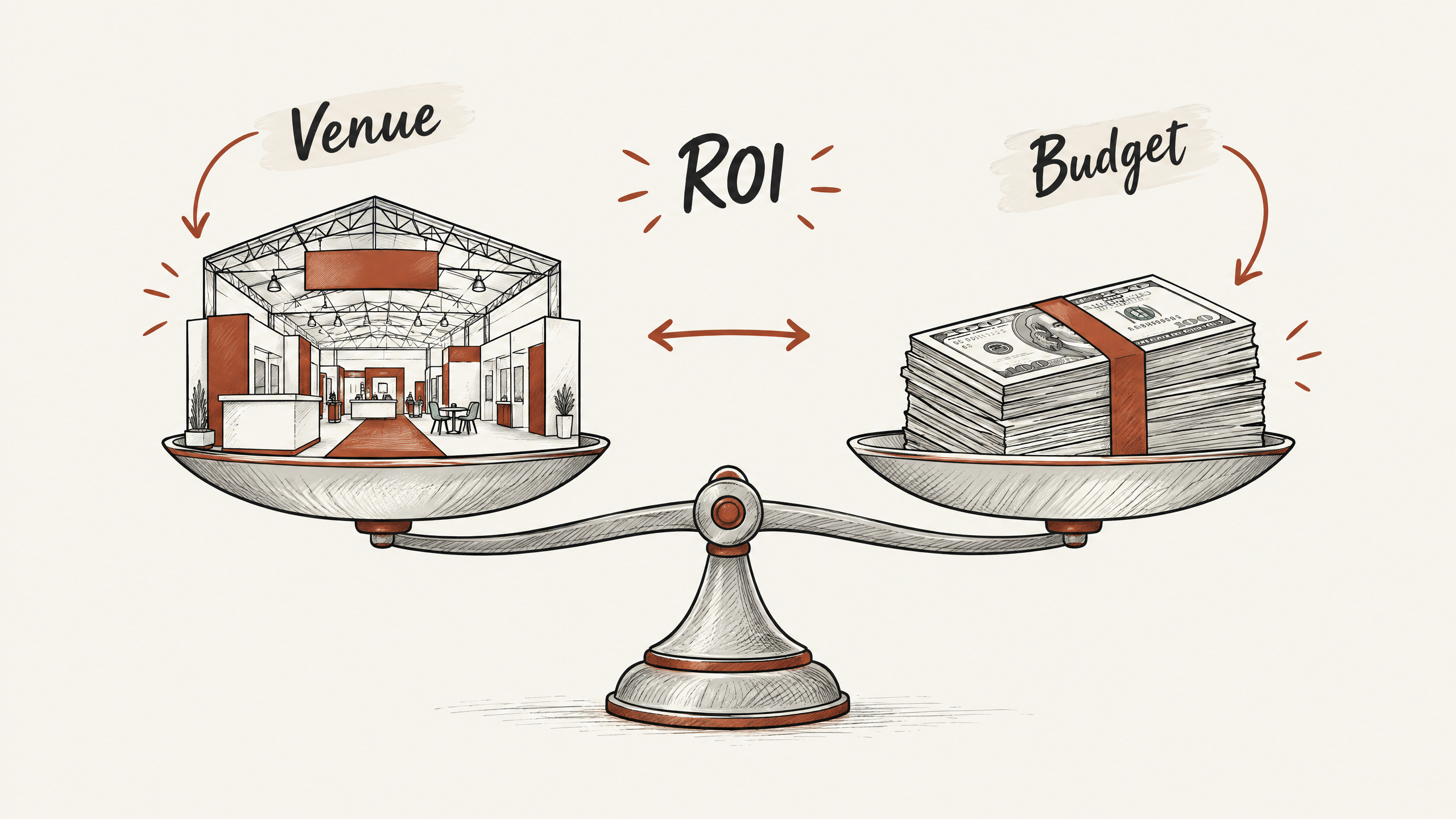
It’s crucial to compare the costs with the potential ROI from the attendee demographic at each location.

A key tradeoff is balancing cost against potential reach: a pricier venue in a key market can lead to higher returns than a cheaper, less optimal location.

Important: When choosing a trade show venue, always account for hidden costs like setup fees or cancellation policies that might push you over budget.

Create a shortlist of potential venues based on your budget analysis. For each location, gather quotes and double-check for hidden charges that could tip you over budget: setup fees, overtime charges, or cancellation policies are common pitfalls.

By thoroughly examining these factors, your team will have a sharper understanding of venue pricing and comparative value.

Once you’ve narrowed down the options, seek input from stakeholders to confirm budget alignment. This collaboration can highlight unseen costs or savings opportunities.

As you weigh venue costs against other marketing expenditures, consider outsourcing exhibit management to a service like Exhibitant‘s trade show planning.

Our expertise can simplify logistical costs, offering a financial cushion for a higher-quality venue.

6. Plan for Logistics and Transport

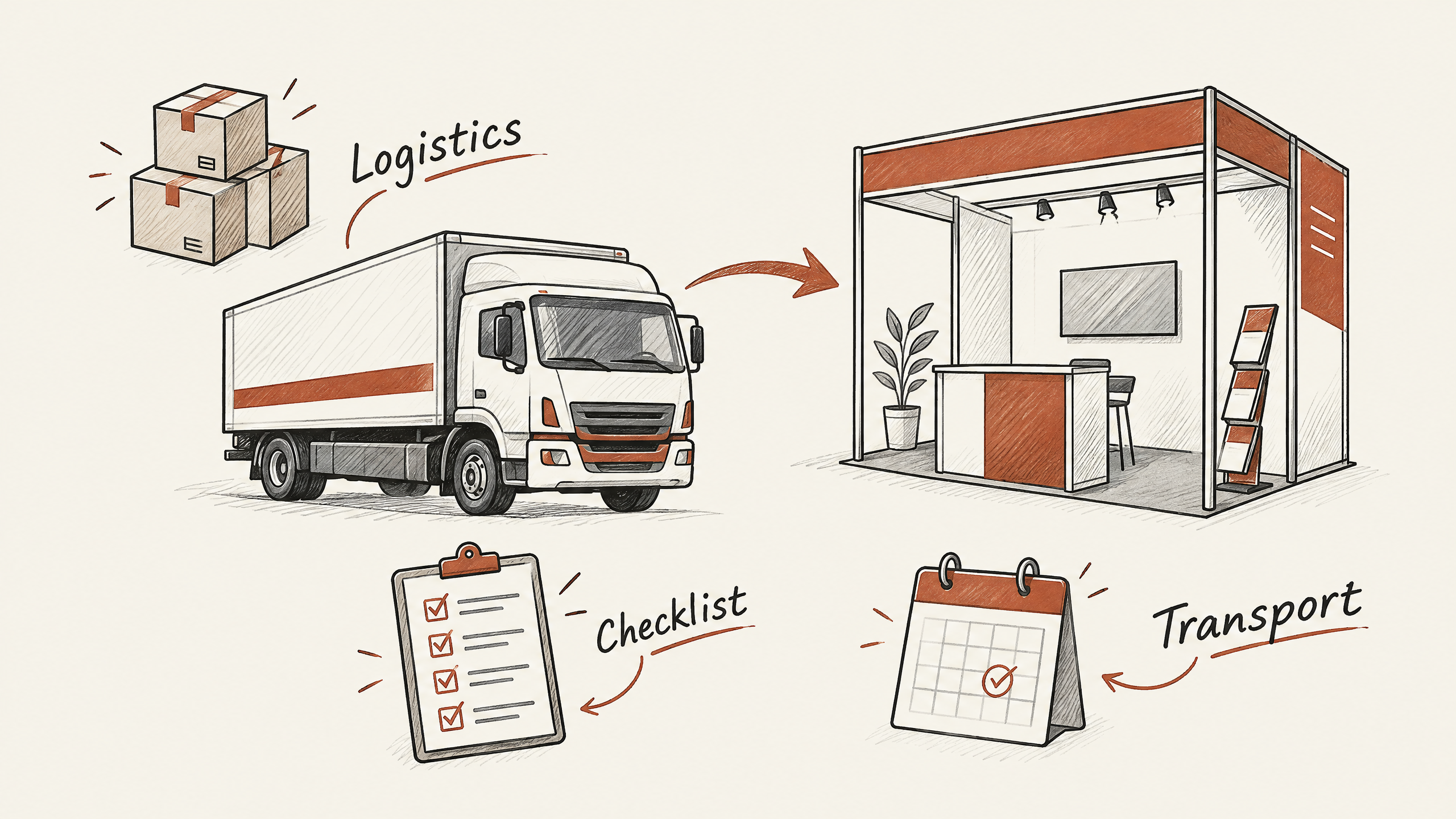
When preparing for a trade show, one of the key tasks is to carefully plan logistics and transport to make sure everything runs smoothly.

This means figuring out how to easily move displays, products, and marketing materials to and from the event venue.

Starting with a detailed checklist can help your team manage these moving parts more effectively.

6. Plan for Logistics and Transport — 6 Critical Steps for Evaluating Trade Show Location Selection

First, work with a reliable shipping provider who can handle the specific requirements of trade shows, such as tight deadlines and special handling of materials.

Ask your provider about their experience in transporting for trade events and confirm they can deliver directly to the event venue. Coordinating with the venue’s own logistics team is crucial.

They often have certain rules and guidance regarding delivery timelines and loading dock access.

Next, consider the transportation options available for your team.

If you’re hosting the show far from your company’s location, valuable time can be lost in transit.

Look at nearby airports and train stations to find the most efficient ways to transport the team. Evaluate costs and time requirements to minimize disruptions to your trade show schedule.

If you’re bringing in products or display items that might be sensitive, think about renting a dedicated vehicle to make sure their safe arrival.

Pro Tip: To make sure a smooth setup, coordinate closely with your shipping provider and the venue’s logistics team to accommodate deadlines and special handling requirements.

A practical example would be shipping digitized booth components ahead of time to avoid delays, while the team travels separately with materials necessary for set-up, like promotional materials.

This approach helps reduce the risk of items missing on the day of setup due to transportation issues or logistics errors.

A common mistake is not accounting for unexpected delays.

Always have a contingency plan with buffer time in case of transportation hiccups.

Allocate extra time for potential traffic on transit routes or any customs clearance if crossing borders is involved.

Having backup options can save you from last-minute stress and make sure all your resources arrive as planned.

By handling logistics and transport with precision, your trade show team can focus more on engaging with attendees and achieving your event goals without unnecessary worries.

This proactive approach allows for a smoother execution of your trade show strategy and can significantly benefit your business objectives.

Before You Go

You’ve worked through the critical steps of evaluating a trade show location. With your trade show team on board, it’s essential to have a final checklist.

This ensures no detail slips through the cracks.

Begin by confirming all decision points you’ve made align with your broader business strategies.

Before You Go — 6 Critical Steps for Evaluating Trade Show Location Selection

Each choice from attendee demographics to transport logistics should contribute to a cohesive approach.

Next, revisit your timeline and set up a clear approval process for any outstanding decisions.

This minimizes last-minute hurdles and maintains a steady workflow as the event date approaches.

Document all agreements and arrangements with clear ownership and roles.

Knowing who is responsible for what will prevent confusion and gaps in execution.

Finally, touch base with your team to discuss any potential issues that can be addressed proactively.

Keep communication open and recurrent, as this will help in navigating unexpected challenges.

With these steps, you have a structured path forward.

Solid planning today sets the stage for a successful and impactful trade show experience.

Need a booth plan?

Turn show goals into a practical exhibit path

Share your footprint, timeline, and priorities. Our team can help shape the booth direction, graphics, and project support.

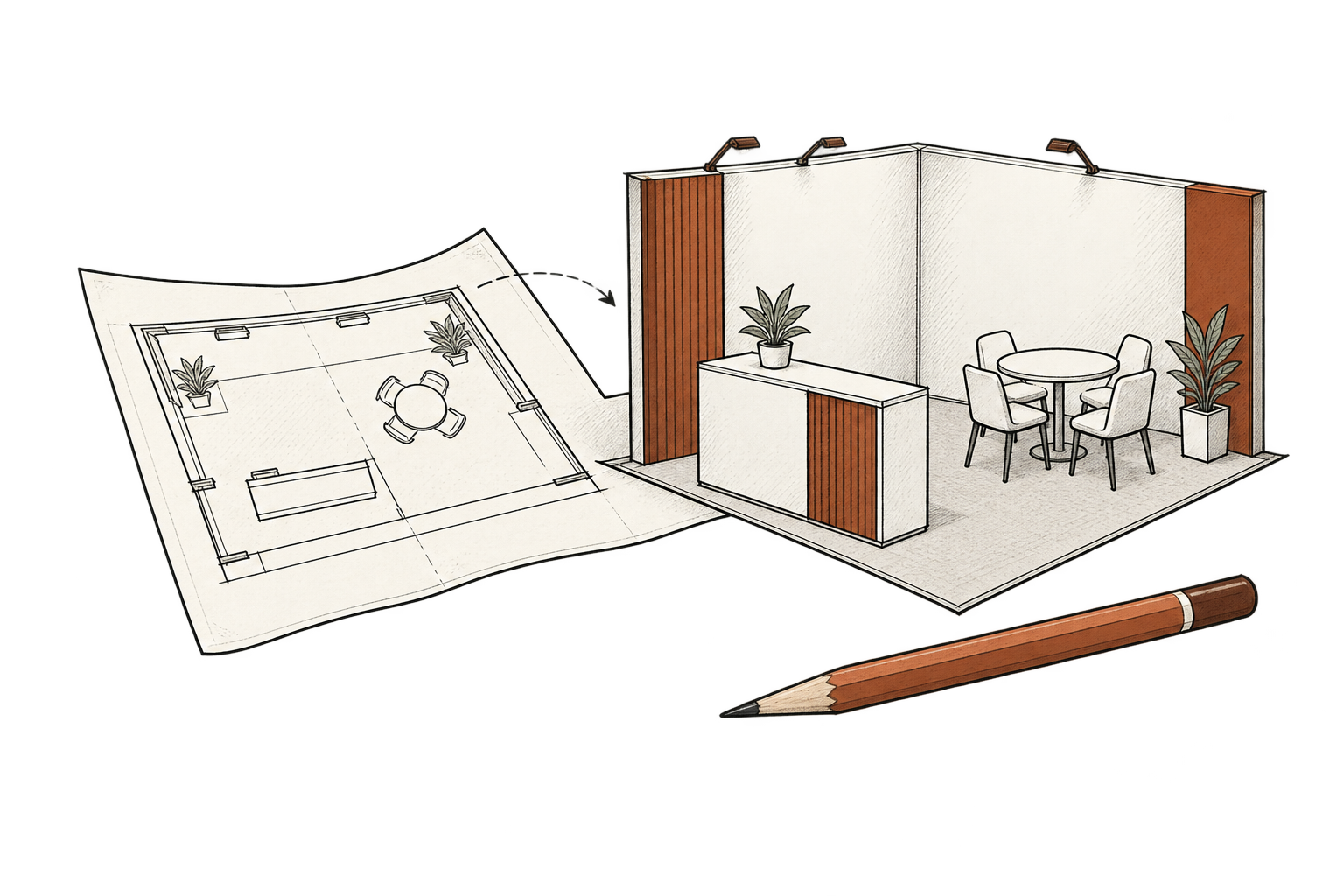
Hand-drawn booth floor plan and exhibit with cedar accents

Contact our team

Tell us who you want to reach

Tell us about your business, the buyers you want to reach, and what you want to achieve. Whether you need more sales conversations, stronger marketing, or a trade show presence, we’ll help you identify where to focus and what support makes sense. Together, we can shape a practical plan around your priorities, budget, and timeline.

info@exhibitant.com

Tell us what you need

A few details will help us make the most of our conversation.