 Louie J.
As someone who’s been around the block with trade shows, one thing I often notice is how underestimated the exhibitor manual can be. These documents might seem like just another item on your checklist, but getting them right can make all the difference between a smooth setup and a chaotic experience.
Exhibitor manuals are not just about regulations they’re your roadmap to a successful exhibit.
One of the common problems that comes up is how easy it is to get bogged down in the details and lose sight of important deadlines.
I’ve seen countless exhibitors rush at the last minute because they missed a critical deadline in their exhibitor manual.
Understanding the timelines and key submission dates can greatly alleviate unnecessary stress, allowing you to focus more energy on connecting with your audience once on-site.
From unexpected technical hiccups to flat-out miscommunications, there are many moving parts in the trade show world. A lot of times, poor communication between team members can result in missing forms or incorrect information, which can lead to additional fees or exhibit issues.
It’s vital to establish clear and precise communication not only within your team but also with the trade show organizers.
Today, I want to go over six common mistakes exhibitors often make when completing their exhibitor manual.
- Review deadlines to ensure timely submissions and avoid late penalties.
- Avoid incomplete forms by double-checking all sections are filled accurately.
- Communicate with your team to distribute tasks efficiently and avoid overlap.
- Verify technical requirements to prevent last-minute logistical issues.
- Keep updated copies of all documents for easy reference during the event.
You’re about to try more detailed explanations to make sure you avoid these common pitfalls.
You’ll find practical tips on how to stick to key deadlines and why it’s important to double-check every little detail.
Your team will benefit from learning how to communicate better and cut out any overlap in tasks.
Make sure your tech needs are covered well ahead of time to dodge any last-minute issues.
1. Missing Submission Deadlines
Meeting all submission deadlines is crucial for a smooth exhibitor experience.
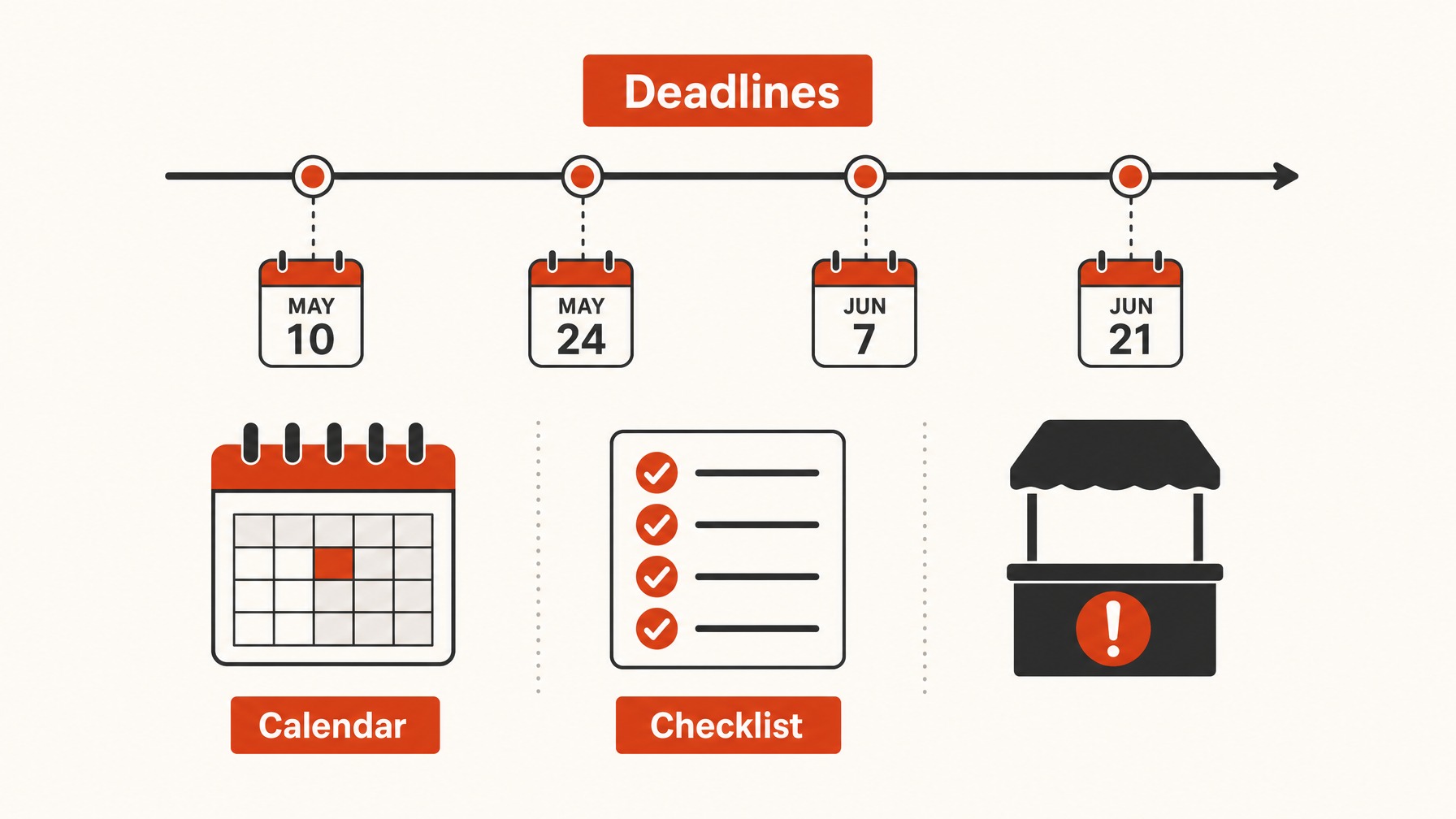
What we have seen work really well is creating a timeline that outlines all key dates right from the start. This ensures your team is aware of what needs to be ready and when.
One thing most exhibitors end up doing is underestimating the lead time required for approvals and production.
This can be a costly error, resulting in rushed work or even missed opportunities at the event.
From what I have observed, those who excel are proactive and highly detail-oriented about their schedules. Missing a deadline might mean additional fees, or worse, having certain services denied altogether.
Something that comes up a lot is that companies fail to designate a team member responsible for tracking these critical dates. I would say the biggest thing here is to appoint someone whose main focus is timeline management.
Exhibitors need to be particularly vigilant about submission timelines for technical services, logistics, and booth design approvals.
An organized calendar or planner shared with the entire team can be instrumental in avoiding missed deadlines.
It’s helpful to set reminders for 1-2 weeks before each due date, allowing a buffer for unforeseen issues.
Keeping everyone in the loop avoids misunderstandings and ensures every team member is accountable.
By meticulously managing deadlines, you create a foundation for a more successful exhibiting process.
2. Incomplete or Incorrect Forms
One thing that exhibitors frequently run into is submitting incomplete or incorrect forms, which can really throw a wrench into your trade show plans. Preparing the exhibitor manual is critical, and missing information can lead to significant disruptions.
From what I’ve seen, the forms are incredibly detailed because they need to cover every aspect of your exhibit.
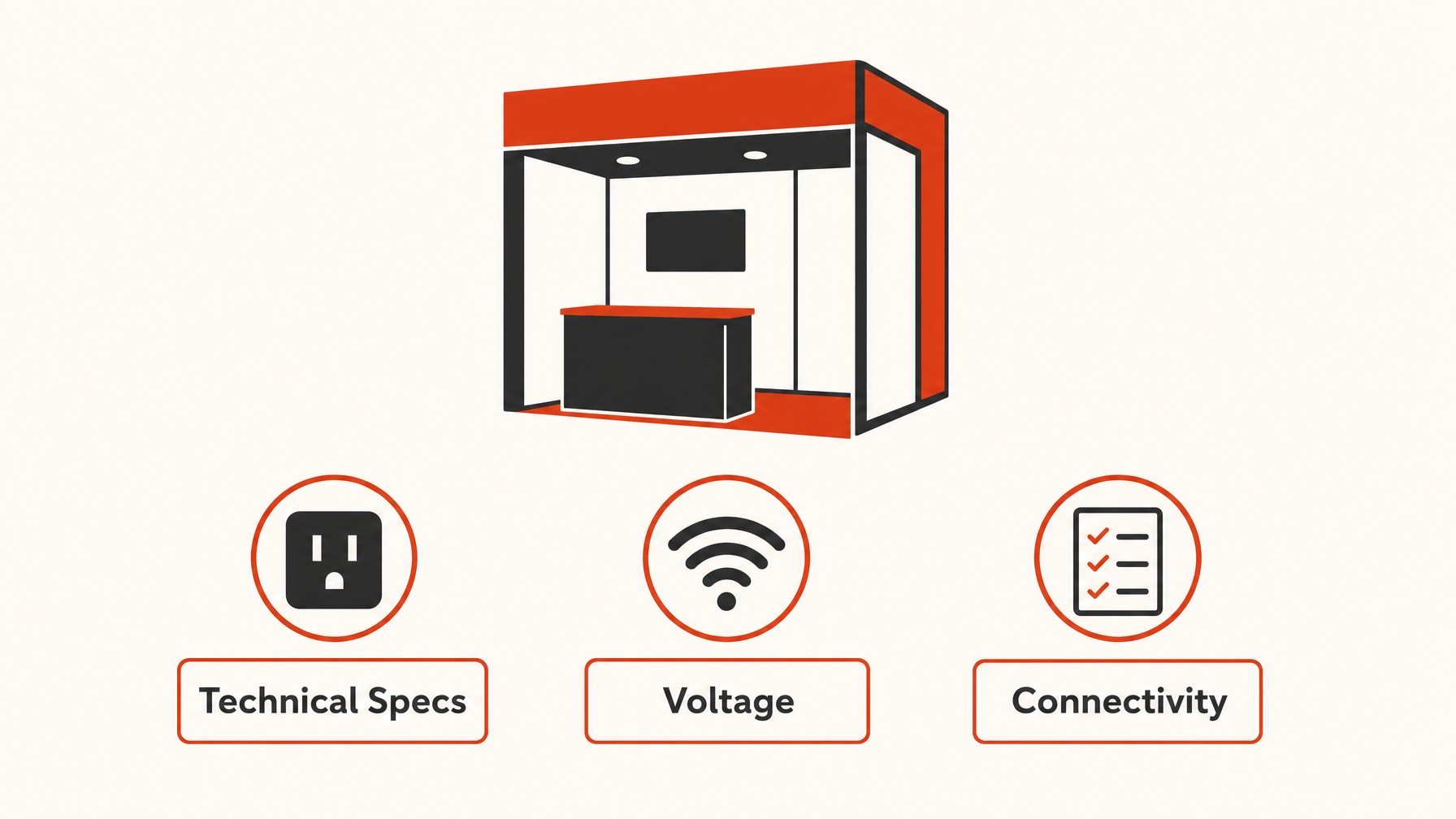
This might mean that you have to fill out sections related to electrical needs, booth design specifics, Internet connections, or even meal options for your staff.
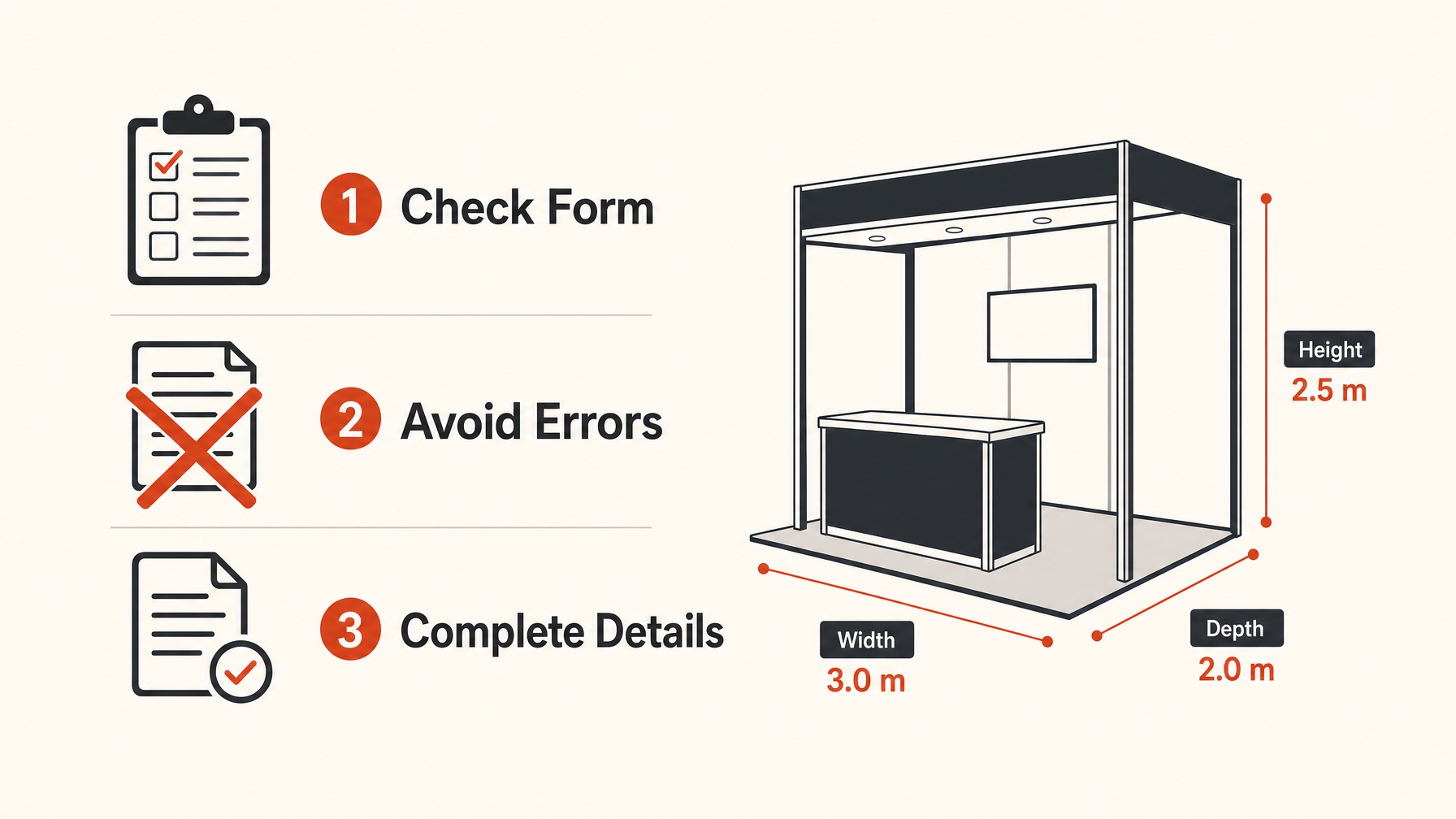
Avoid rushing through these forms just to get them done, as it creates opportunities for mistakes.
Beyond that, one of the most frequent issues is incorrect form completion, especially when it comes to technical specifications.
Booths come with their own set of requirements, and overlooking a single field can lead to inadequate preparations on show day.
Here at Exhibitant, we’ve seen quite a few companies miss out on key benefits simply because the forms weren’t verified properly before submission. This not only results in delays but can also incur additional fees if the show organizer has to make last-minute changes.
Always double-check for errors, especially with things like company names, booth numbers, and services ordered.
When you complete forms correctly the first time, you’re not just saving time and resources; you’re also ensuring that everything flows smoothly on the day of the event.
Double-checking details with the show organizers can catch small issues before they balloon into larger problems.
The best practice we’ve observed is to have each form cross-validated by more than one person, which helps to catch any inconsistencies or omissions.
With spot-on forms, you’re one step closer to a successful trade show that accurately represents your brand and meets all logistical needs.
This step, though seemingly minor, can significantly mitigate risks associated with event participation.
3. Poor Team Communication
One thing most exhibitors end up doing is underestimating the importance of effective communication within their team when completing their exhibitor manual.
I’ve seen time and again where a small miscommunication leads to much bigger issues, like ordering the wrong equipment or allocating the wrong amount of space for materials.
It’s critical that every team member understands the timeline and their respective tasks.
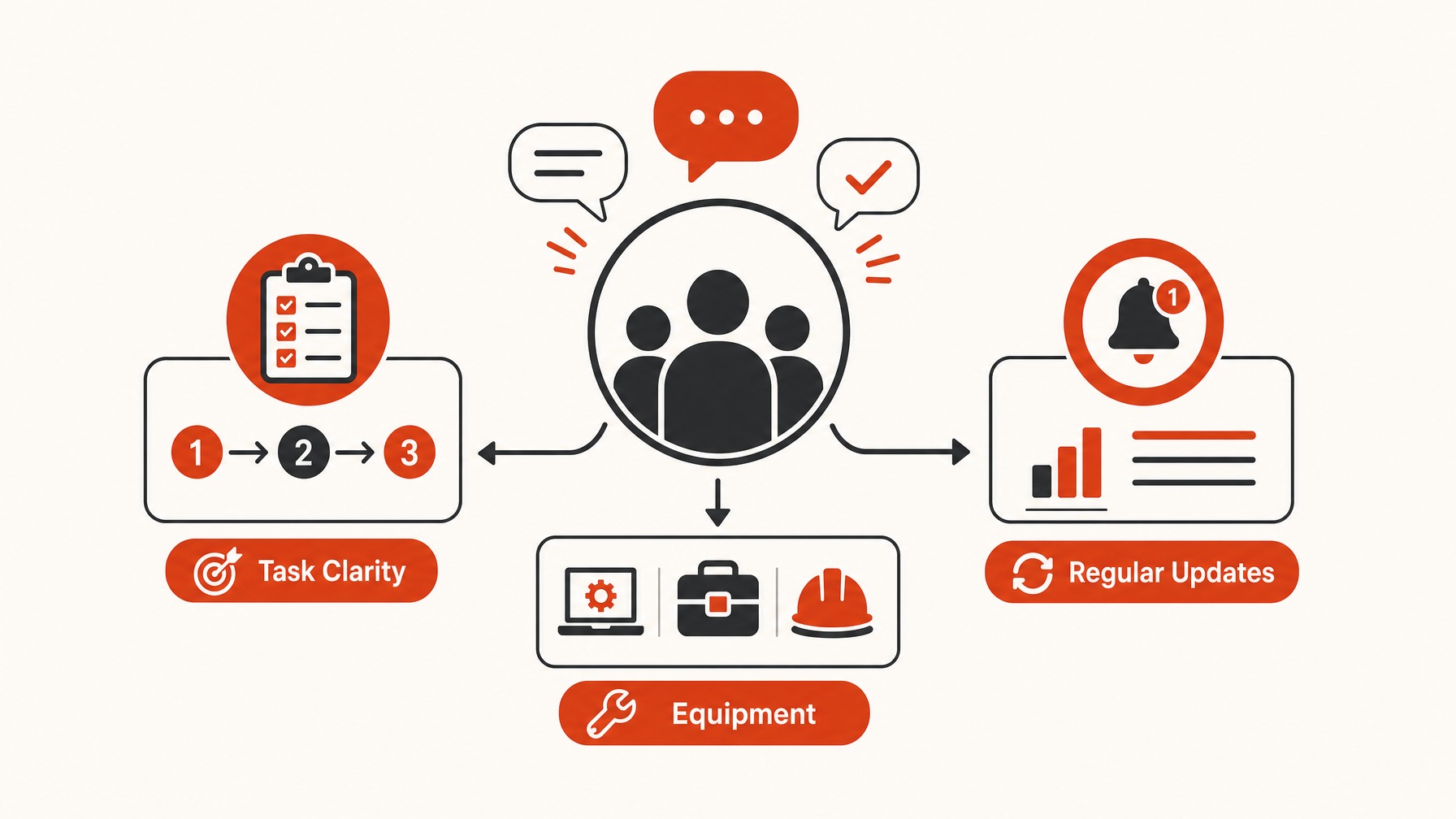
I would say the biggest thing here is having regular, structured update meetings where team members can voice any concerns or questions they might have.
This fosters an environment where misunderstandings are minimized.
What we have seen work really well is the use of centralized communication tools that let everyone track updates and modifications in real-time.
This avoids the common pitfall where someone misses an important email or message.
Another potential barrier is assuming everyone has read all the necessary materials.
It’s crucial to make sure all staff members not only have access to but also have actually read through the exhibitor manual details that apply to them.
What’s more, clear guidelines can help team members quickly find the information they need without getting bogged down by unnecessary details.
From what I have seen, the ones that get it right usually have a single point of contact responsible for coordinating communications across the team.
Finally, encourage an open-door policy for questions and feedback during the process.
Teams that prioritize open communication often adjust more quickly to unexpected changes.
Proper coordination helps avoid last-minute scrambles and keeps everyone on the same page, ensuring a smoother set-up and execution on show day.
 Lorena G.