 Lorena G.
When it comes to organizing a trade show booth, understanding the metrics that indicate success can be a challenging task. This is something that comes up a lot in discussions with fellow exhibitors, as they often seek actionable insights to boost their results.
Each event is unique, so knowing which numbers to track can greatly influence your overall strategy. From what I have seen, having these metrics at your fingertips can be a big improvement in evaluating performance.
One of the most critical aspects of any trade show is understanding how to measure foot traffic.
Visitor count sets the stage for analyzing other key performance indicators, offering a foundational glimpse into your booth’s effectiveness.
I would say knowing how many people stop by is the first step in gauging general interest and potential business growth.
Another key metric that’s often overlooked is engagement time, which offers insights into how well your booth captivates attendees.
If attendees linger, it could indicate strong interest, suggesting that your booth is leaving a lasting impression.
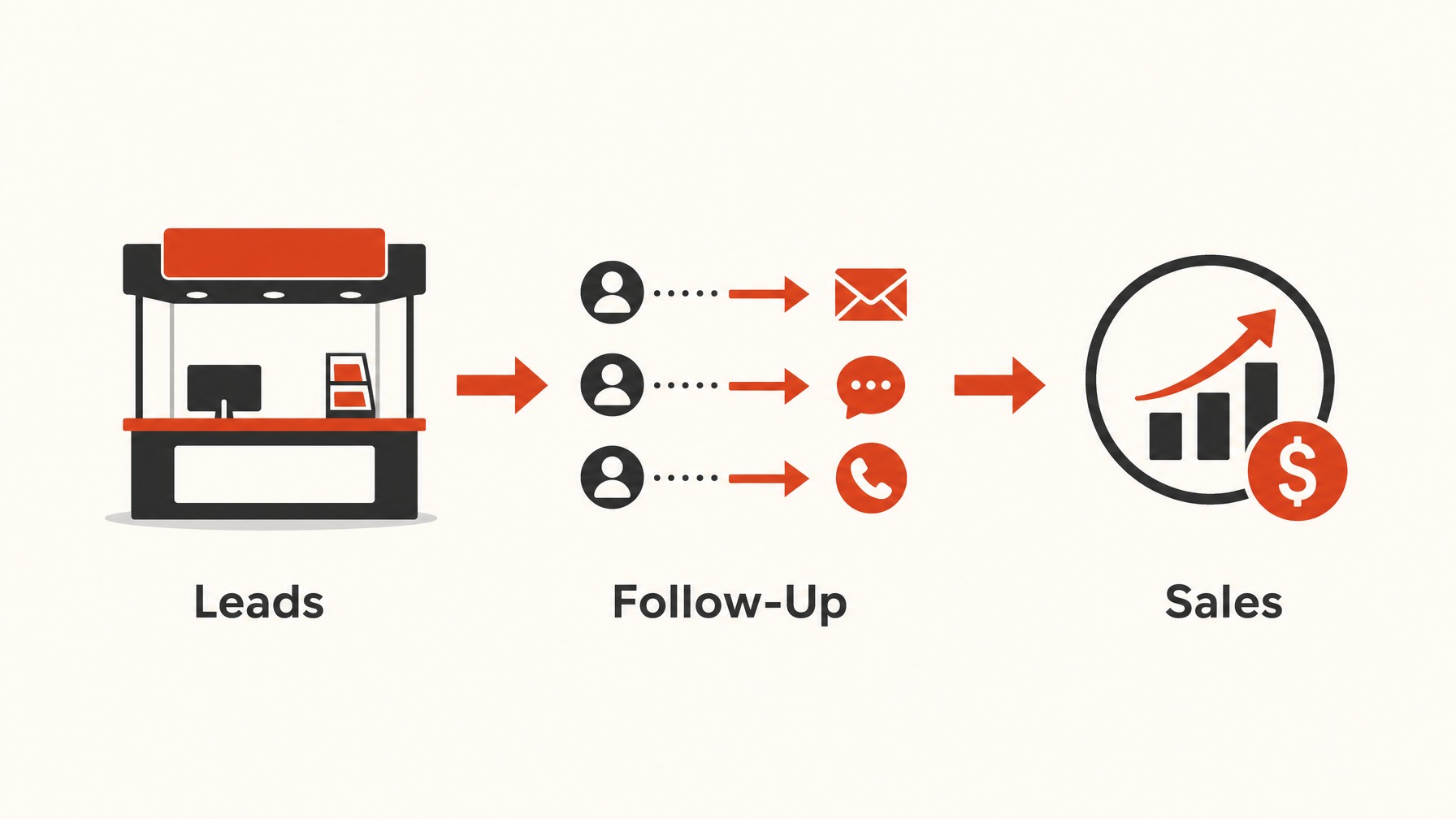
This, combined with lead quality and on-site sales, tells you if follow-up actions are likely to convert into sales or other tangible results.
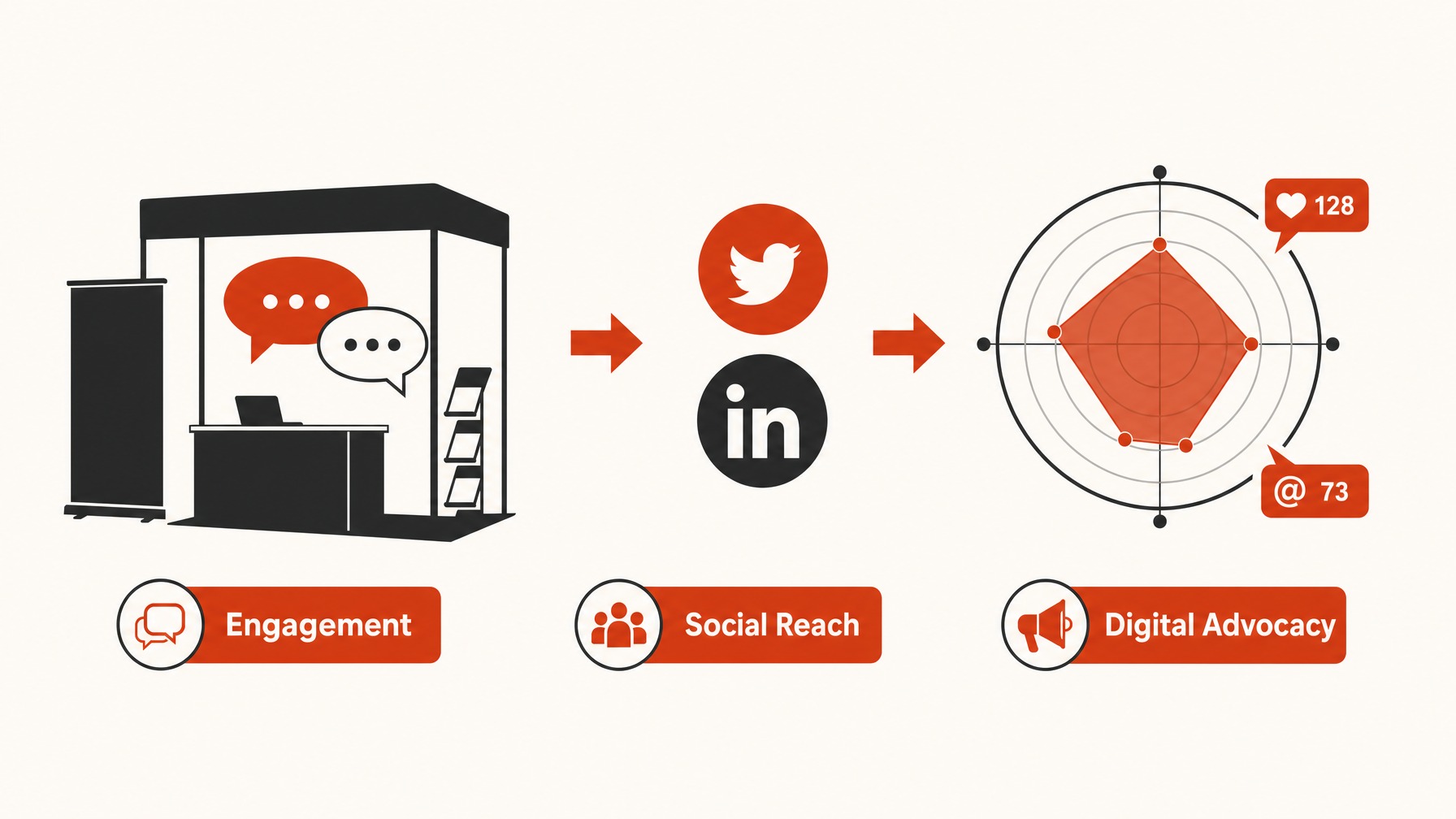
Effective trade show participation extends far beyond the confines of the event floor, with social media mentions and post-show follow-up playing crucial roles. These elements form a broader strategy to extend your reach and keep the conversation going long after the event concludes.
Ultimately, measuring these aspects can help turn a single successful event into ongoing business opportunities.
In this post, I’ll guide you through seven essential booth metrics essential for gauging trade show success.
Let’s explore into each one and see how they can inform your next steps.
- Track visitor count to evaluate booth traffic.
- Measure engagement time to assess attendee interest.
- Monitor lead quality for potential ROI.
- Evaluate brand impressions to gauge visibility.
- Analyze post-show follow-up for sales conversions.
Understanding these takeaways is just the beginning.
Take a closer look to uncover how you can turn these metrics into actionable insights for your booth.
You’ll find detailed strategies that show how well your booth is really doing.
By reading further, you can gain ideas to improve your future events.
1. Visitor Count: The Foot Traffic Indicator
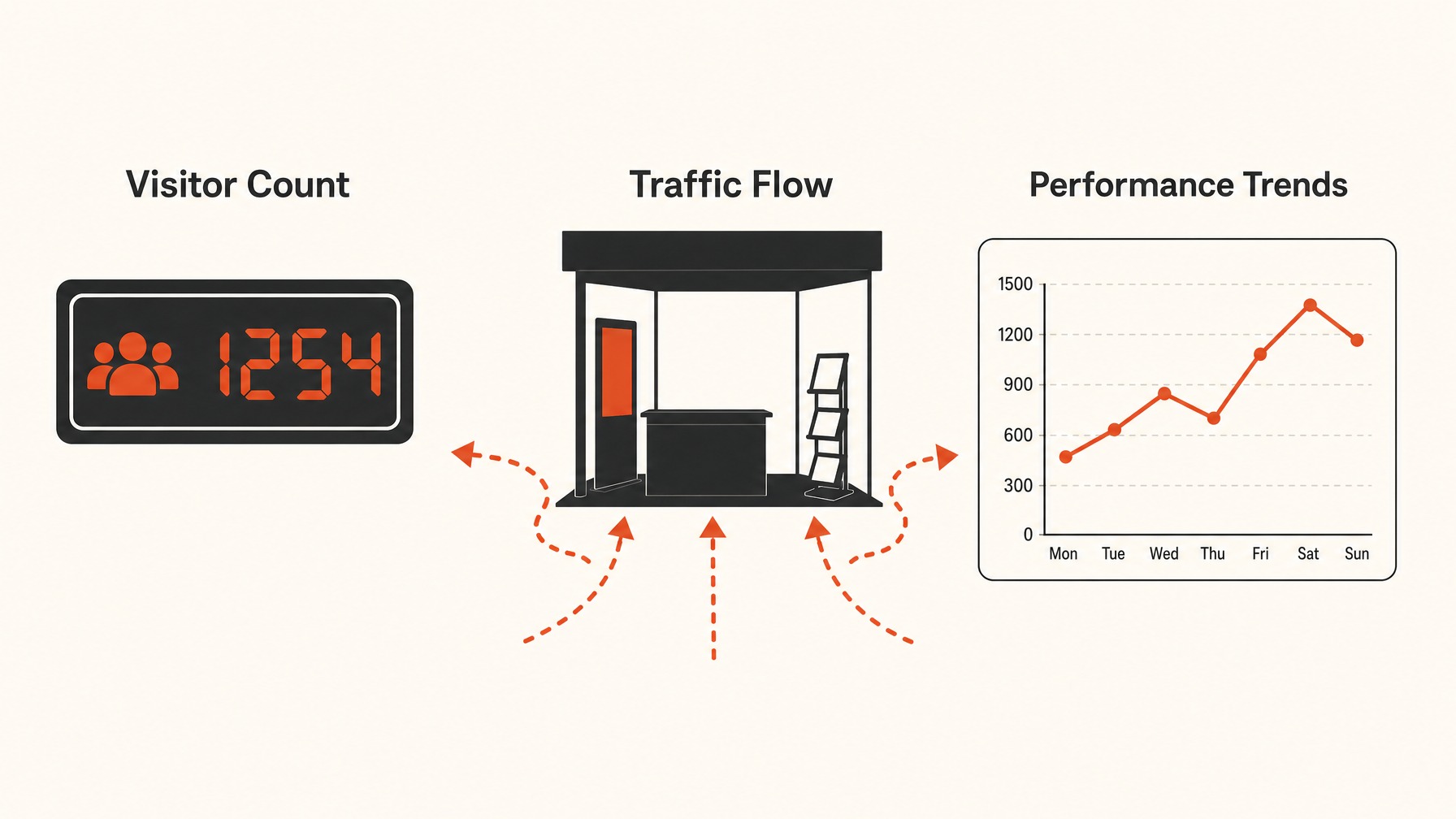
One of the most straightforward metrics to track at a trade show is the visitor count. What we have seen work really well is positioning someone at the entrance or using digital counters to capture this data effectively.
Having a clear understanding of how many people visited gives you a baseline for assessing overall booth performance in comparison to previous shows.
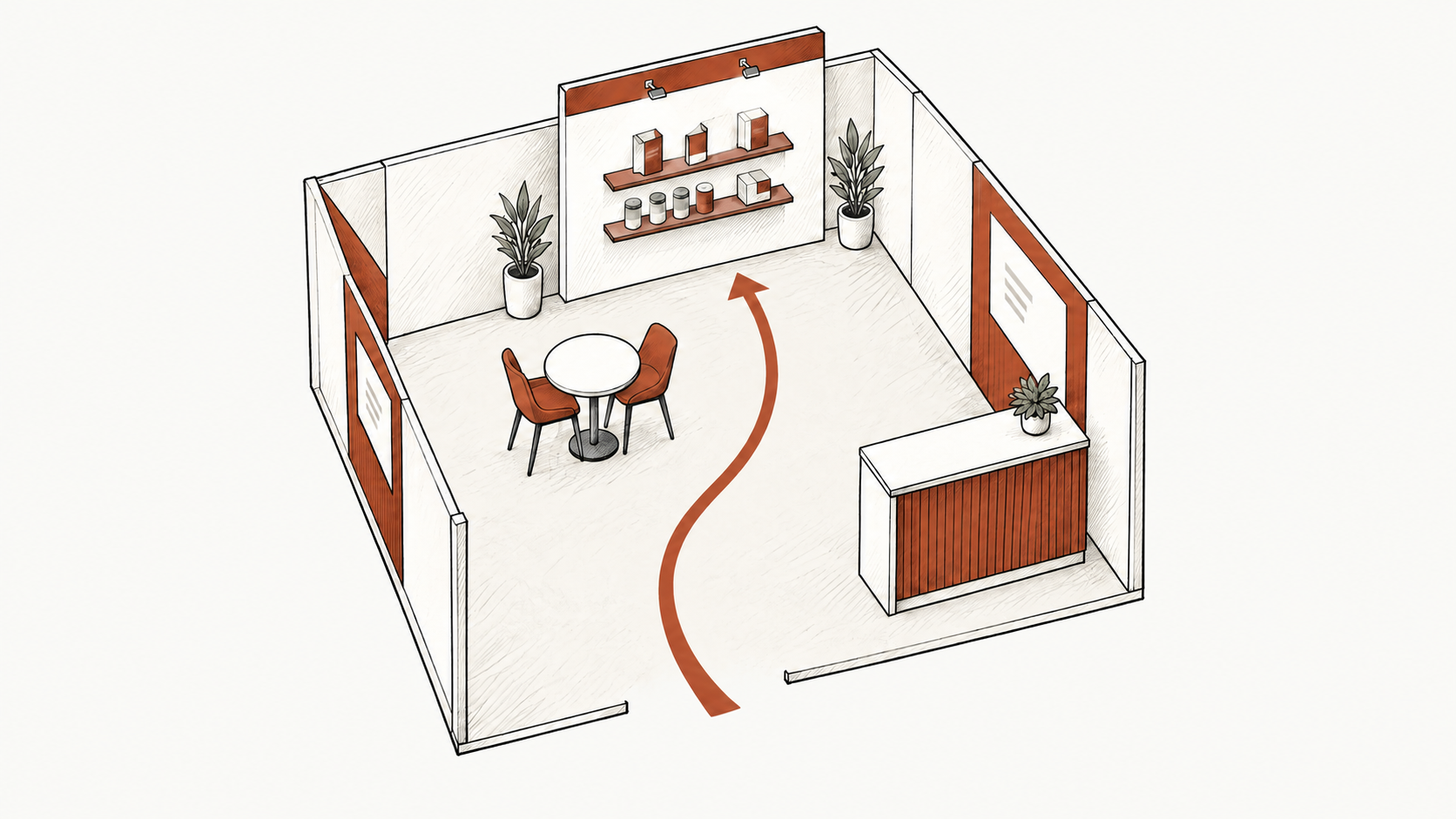
From what I have seen, the ones that get it right usually incorporate visitor count into their space design strategy.
Knowing the peaks and lulls in foot traffic can definitely inform better staffing decisions and help with effective crowd management. A trend that comes up a lot is using these numbers to determine the success of pre-show marketing efforts.
If your visitor count aligns with upticks in promotional activities, you know you’re onto something with those campaigns.
The Exhibitant team has seen a number of exhibitors employing technologies like RFID tags and mobile apps tailored towards count accuracy.
Something that many exhibitors end up doing is analyzing visitor count against engagement time to understand how many meaningful interactions were generated.
This approach provides a more nuanced look beyond just the raw numbers.
Ultimately, the visitor count serves as a key performance indicator that can be tied directly to strategic objectives such as increasing brand awareness and gathering quality leads.
In my experience, tracking this metric over a series of events can reveal long-term trends in audience behavior and market reach. Using visitor count effectively means treating it as a fundamental component of your ongoing assessment process.
2. Engagement Time: Measuring Attendee Interest
When it comes to evaluating how well your booth performs, the time people spend engaging with your booth is a key metric.
Longer engagement times typically suggest that attendees are drawn to what you offer. From what I have observed, exhibitors who succeed here often provide engaging activities or engaging presentations that hold visitors’ interest.
Attendees spending more time at your booth indicates that they find your offerings both relevant and compelling.
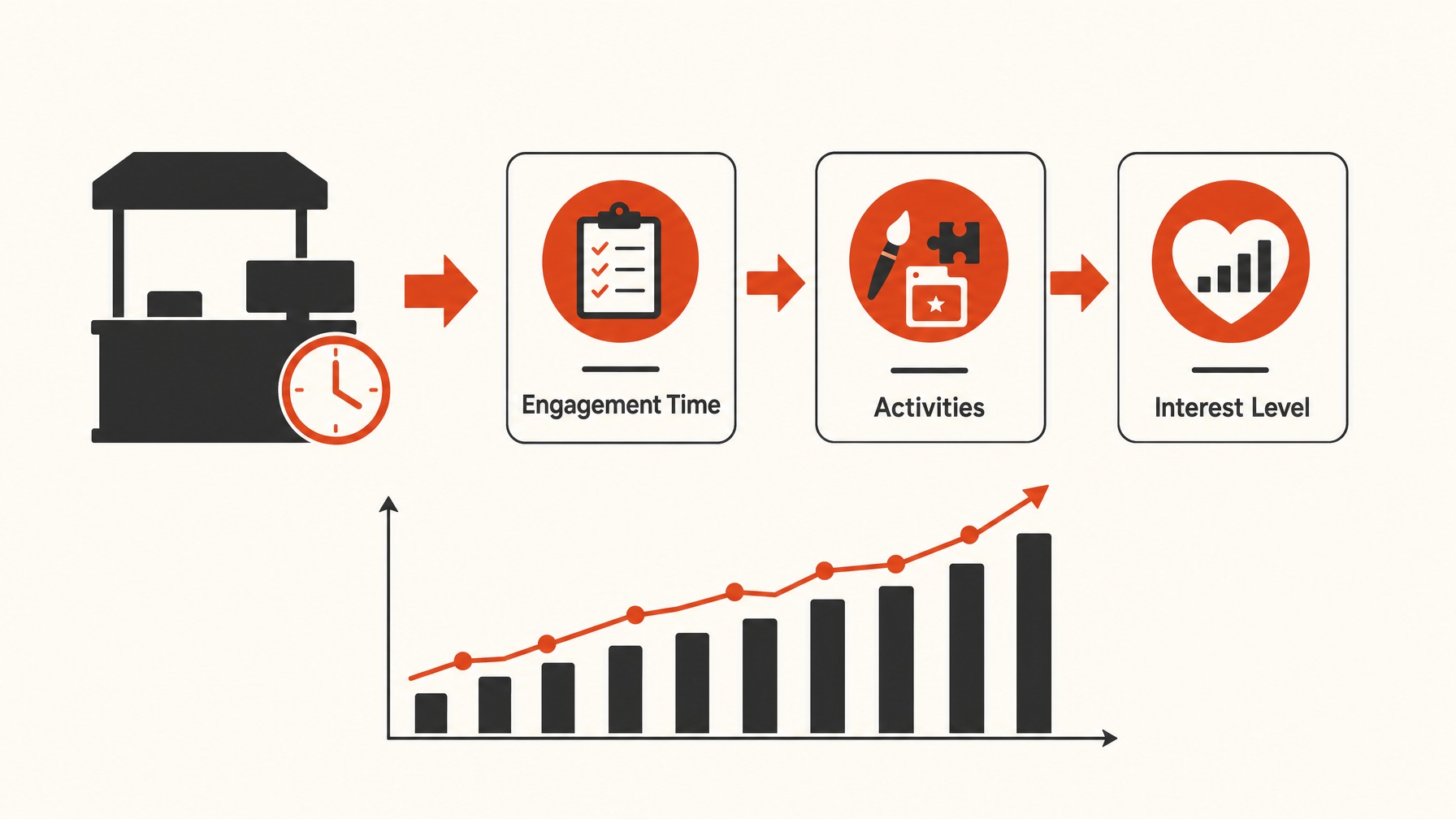
Effective strategies often include interactive elements or demonstration areas that encourage people to linger longer. The key is to design your booth in a way that naturally fosters longer interactions.
One thing most exhibitors end up doing is monitoring the average time spent by each visitor. This helps gauge the level of interest generated by your booth’s features and staff interactions.
Tracking these durations can allow you to identify which aspects of your booth are most appealing and fine-tune them for future events. I’ve seen the booths that do this well usually incorporate some form of technology, such as QR codes or interactive screens, to capture precise engagement details.
Ultimately, understanding these nuances can offer invaluable insights into your booth’s ability to attract and maintain visitor interest.
As you compare engagement times across different shows, patterns often emerge that can inform your future strategy and exhibit design.
This approach transforms engagement time into a meaningful metric for improving overall trade show performance.
3. Lead Quality: Assessing Potential ROI
When it comes to evaluating the success of your trade show booth, one metric that should be front and center is the quality of the leads you capture.
What we have seen work really well is framing your lead capture strategy around quality, not just volume.
You’re not just counting how many visitors stop by; you’re assessing whether you’re connecting with decision-makers and those truly interested in your products or services. This requires a concerted effort to qualify leads effectively as they interact with your booth.
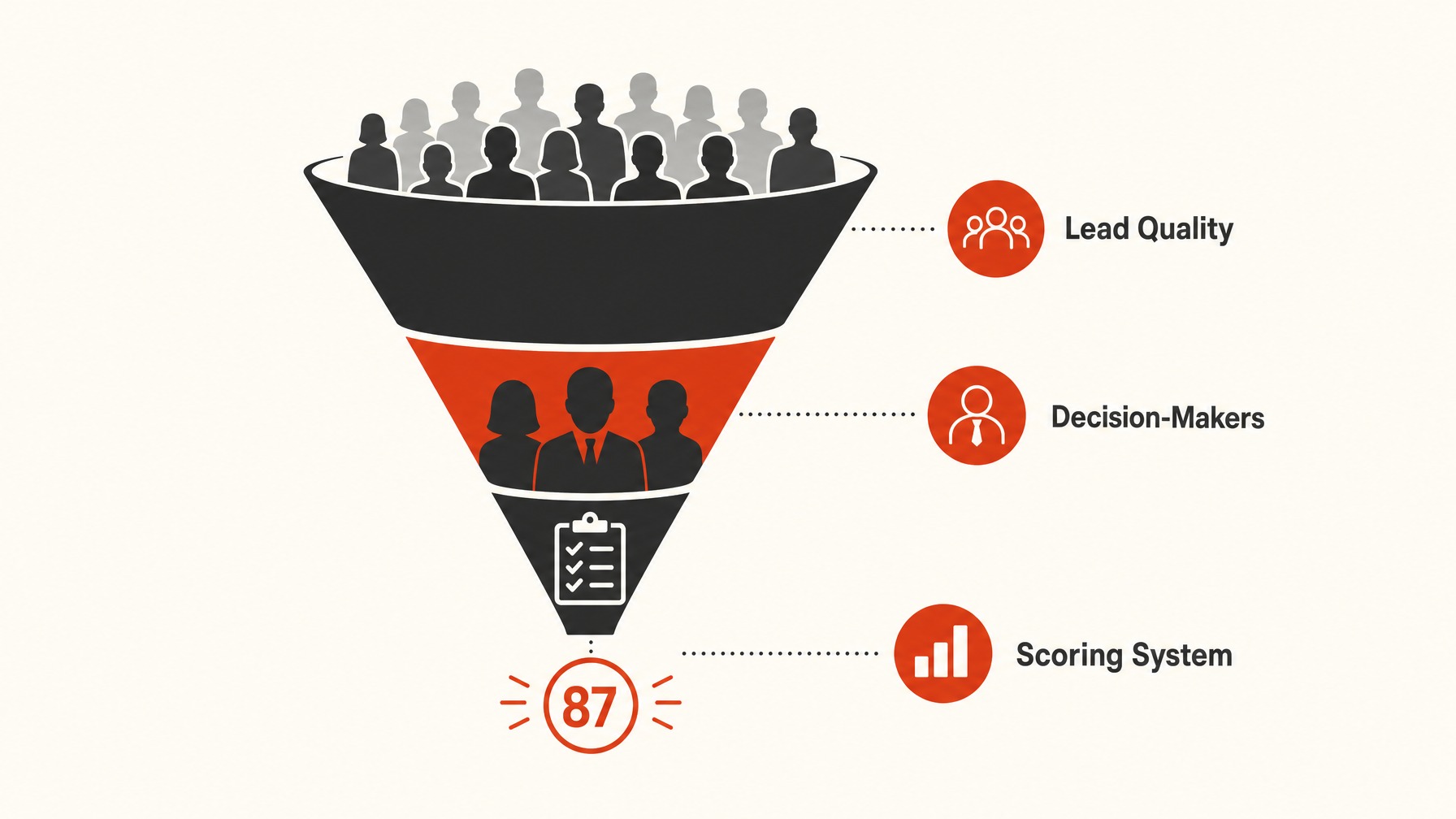
By using qualifying questions and perhaps a scoring system, you can better understand each lead’s potential.
I would say the biggest thing here is to have your booth staff trained to recognize buying signals and to document interactions thoroughly.
This lets them capture key information that helps in evaluating the lead’s interest level and budget.
Something that comes up a lot is how important it is to have a good CRM system in place for recording these interactions.
A solid CRM not only helps in tracking lead quality but also aids in prioritizing follow-up efforts post-show.
You can then segment leads by their likelihood to convert, ensuring that your time and resources are allocated efficiently.
From what I have seen, the exhibitors that excel at lead quality assessments often have a well-defined process in place before they even arrive at the event. This includes training their staff to listen actively and to ask the right questions that dig deeper into a visitor’s business needs and timelines.
They also tend to perform regular reviews of past events to refine their approach and identify which types of leads resulted in the highest ROI.
By focusing on higher-quality leads, you can ultimately drive a more substantial return from your trade show investments. Allocating energy toward such strategic initiatives ensures that your efforts translate into tangible business outcomes.
4. Brand Impressions: Gauging Your Booth’s Visibility
When it comes to trade show success, brand impressions serve as a crucial metric in evaluating how much exposure your booth is actually achieving during the event.
You might have an incredible product or service, but if no one knows you’re there, you’ll miss out on substantial attendance benefits. What we have seen work really well is attention-grabbing booth designs that can influence brand recognition, as they stick in people’s minds long after they leave the exhibit hall.
Successful booths often boast striking visual elements such as bold colors or interactive displays, which naturally attract wandering attendees.
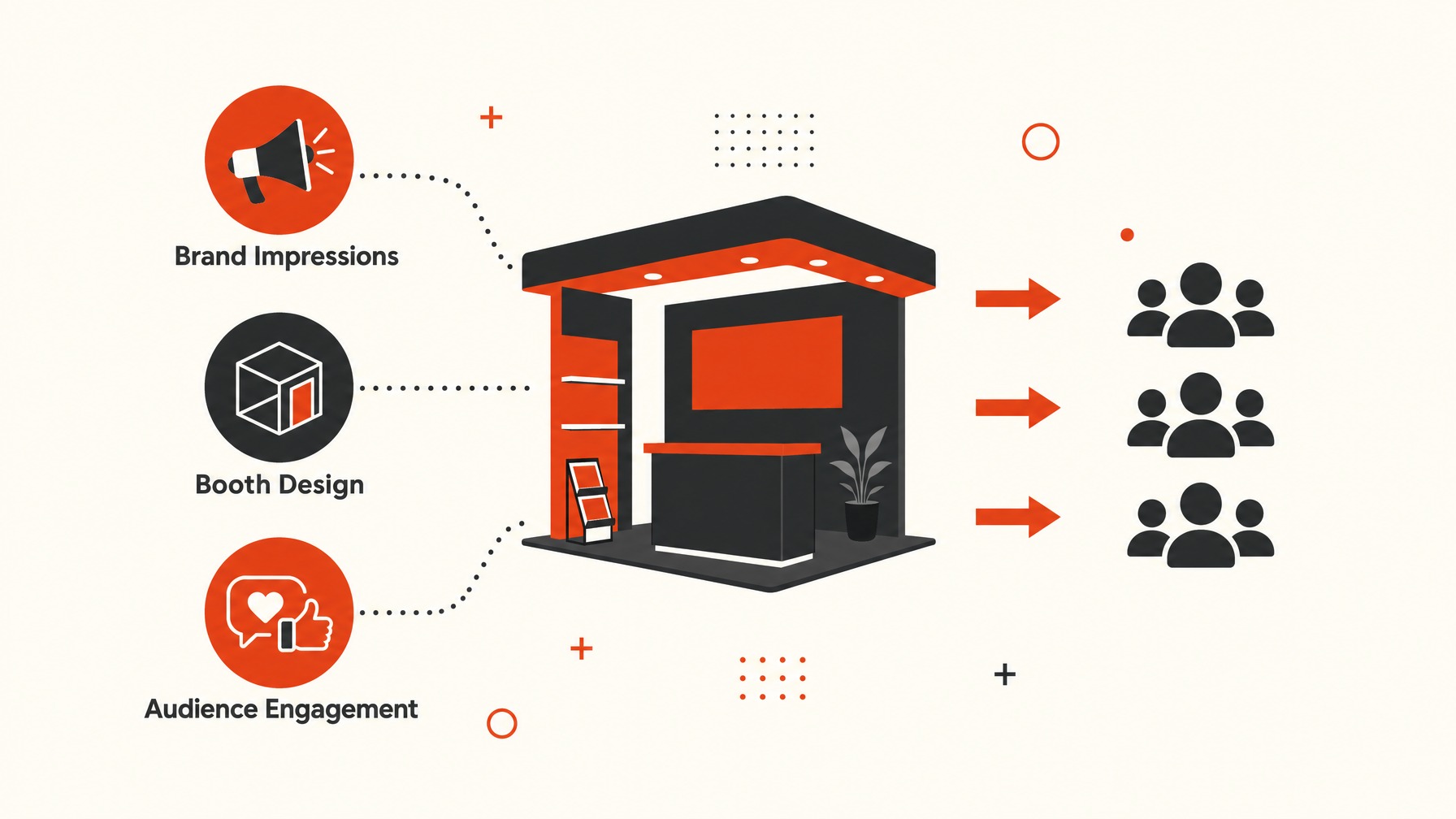
From what I have seen, the booths with highly visible placements often register more impressions simply due to their strategic location near entrance areas or popular session venues.
Large branded banners or eye-catching multimedia setups can help reinforce your message.
A critical factor is making sure that the branding on giveaways and promotional items is distinctive enough to impact attendee memory.
Quantifying brand impressions can also be achieved by counting the number of business cards you give out, which can indicate interest and visibility.
Another effective way of gauging visibility is through tools like QR code trackers embedded in booth displays or printed materials. One thing most exhibitors end up doing is combining traditional brand counting methods with digital platforms to gather more comprehensive data.
I would say the biggest thing here is not just to track raw numbers but also focus on the overall quality of the impression you’re making.
It’s important to adapt based on the feedback and data gathered from staff observing attendee behavior. Tracking how attendees interact with your displays can offer valuable insights into how to enhance brand impressions.
In conclusion, developing an understanding of your booth’s visibility is essential to refining strategies for future trade shows.
Metrics involving brand visibility and impressions guide you in crafting displays that get the most out of exposure, thereby increasing your event’s overall success.
 Louie J.