Trade shows are an incredible opportunity to show your brand, but they often come with hefty expenses that can quickly add up. It’s common to feel like you are stuck between cutting costs or sacrificing the quality of your booth.
However, there are ways to maintain an impressive presence without breaking the bank.
I’ve seen many exhibitors successfully reduce their trade show expenses by focusing on what truly matters.
It’s all about making strategic decisions that can enhance your booth’s impact on a budget.
Sometimes, we get caught up in the flashy extras and forget that simplicity can be just as effective.
One crucial aspect is to evaluate what’s truly essential for your booth.
Going for a minimalistic design doesn’t mean you have to compromise on delivering an engaging experience.
It’s about creating a space that resonates with your brand and attracts the right kind of attention.
Today, I want to cover six practical strategies to help cut your booth costs while ensuring quality remains top-notch. I believe these tips will provide fresh insights and actionable steps for your next trade show.
Key Takeaways:
Prioritize essentials and cut unnecessary features for cost savings.
Opt for modular designs to reuse booth elements in various setups.
Negotiate with vendors for discounts and better deals.
Leverage digital tools for efficient planning and logistics.
Train staff to maximize efficiency and minimize resource wastage.
You’ve gotten the highlights, but there’s so much more to uncover in the details.
Dive deeper into how each approach can be tailored to your specific needs and help you save without skimping on what matters.
Imagine understanding precisely how to use these strategies with real-world examples.
You’ll find your next trade show experience not only cost-efficient but also brilliantly effective.
1. Prioritize Booth Essentials Over Extras
From what I have seen, the most effective cost-saving strategy is focusing on booth essentials without getting lost in the many of possible extras.
Too many exhibitors fill their spaces with elements that don’t significantly enhance their trade show presence.
I would say the biggest thing here is distinguishing between must-haves and nice-to-haves. By concentrating resources on core components, such as high-impact visuals and clear messaging, you make sure the booth delivers a strong brand impression.
One thing most exhibitors end up doing is overloading their booths with unnecessary features in an attempt to stand out.
What we have seen work really well is creating a checklist of essentials, such as functional displays and adequate signage, and prioritizing these over any extras.
Cutting down on any non-essential furnishings not only reduces costs but also keeps the booth from feeling cluttered.
Something that comes up a lot is the impact of identifying elements that truly resonate with the target audience rather than what simply looks impressive.
Your budget should largely focus on materials and designs that effectively communicate your brand, rather than peripheral add-ons.
From what I have observed, simplicity can be surprisingly effective in capturing attendee attention when done correctly.
Streamlining the booth elements can actually enhance focus, accentuating the core message you want to deliver. Always remember that a strategic allocation of resources and focusing on essentials increases potential return on investment by making an impactful, memorable impression without the extra cost.
2. Embrace Modular Booth Designs
What I have seen work effectively for many exhibitors is the integration of modular booth designs into their event strategy. These designs not only offer adaptability but also present a cost-efficient alternative to traditional setups.
By choosing modular formats, exhibitors can tailor their booths to various spaces and configurations without the need for a bespoke design at every event. This flexibility allows customization that maintains a professional appearance while keeping costs in check.
One thing most exhibitors discover is the advantage of reusability that modular designs provide.
These booths are designed to be reconfigured and reused across multiple events, which reduces long-term expenses significantly.
Additionally, modular components are often lighter and easier to transport, cutting down on shipping and labor costs.
Over time, the savings from less frequent redesigns and reduced logistical expenses can be substantial.
From what I have seen, those who make use of modular designs can also benefit from faster setup and teardown times. This efficiency means less labor is needed, which further reduces costs.
Exhibitors can allocate these savings towards enhancing other aspects of their presence, such as more impactful marketing materials or interactive technology.
Pro Tip: Consider investing in modular booth designs, allowing you to easily adapt layouts and save significantly on long-term setup and transportation costs.
I would say the biggest benefit is being able to focus on strategic investments that truly enhance attendee interactions.
Something that comes up a lot is the ability to adapt as priorities shift or new products are introduced.
Modular booth designs allow for components to be swapped or adjusted easily, keeping the exhibit fresh and relevant without massive overhauls.
Exhibitors have the added benefit of experimenting with various layouts and elements, finding the perfect fit for each specific show.
Ultimately, embracing modular booth designs is highly practical for exhibitors looking to cut unnecessary costs while maintaining a high-quality presentation. The adaptation and reusable elements offer significant long-term cost savings and flexibility essential for staying competitive in a busy trade show calendar.
3. Negotiate Vendor Agreements
In the realm of trade show logistics, vendor agreements often present a significant opportunity for savings.
What we have seen work really well is digging into those agreements to identify areas where costs can be trimmed.
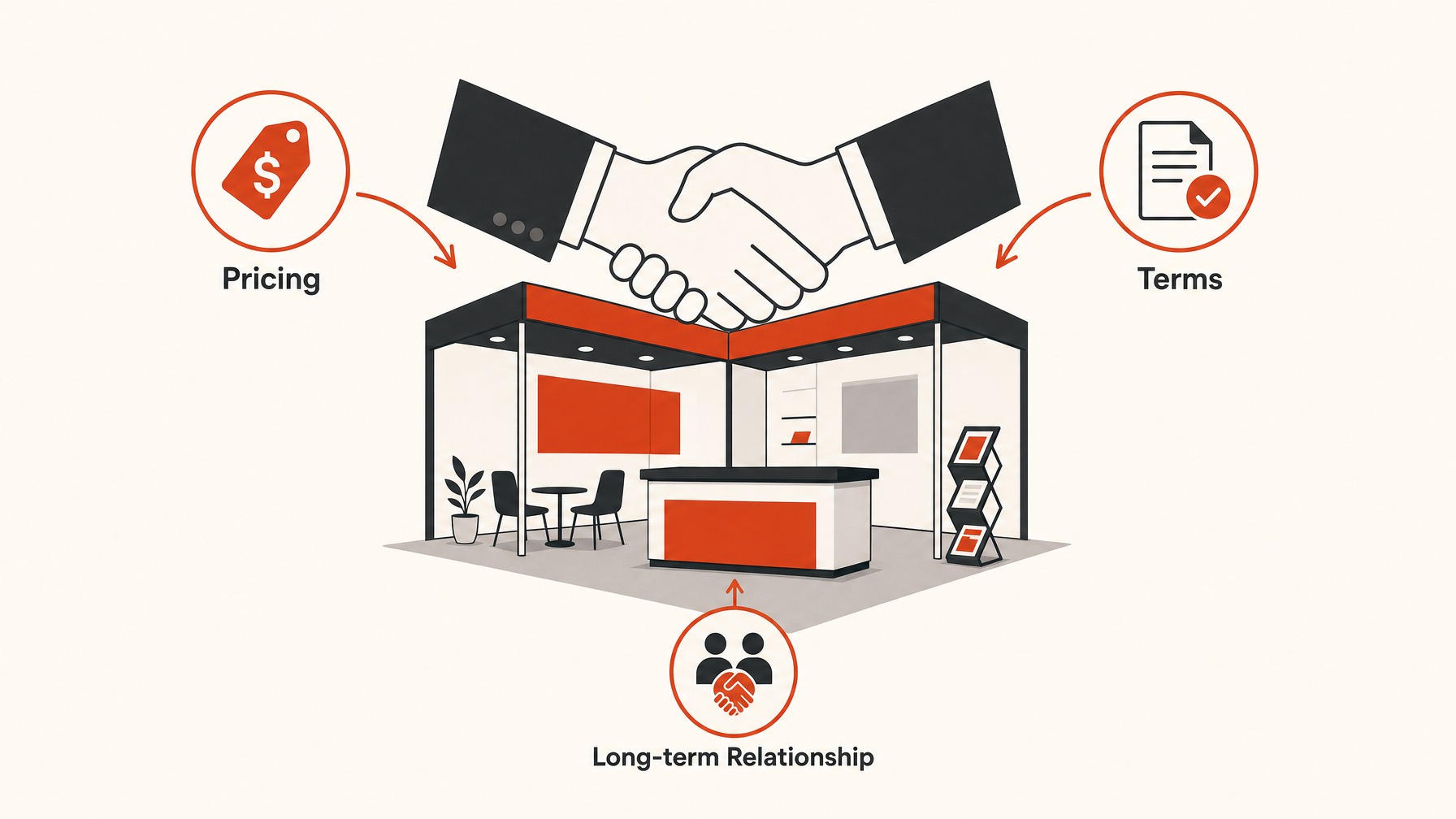
Typically, you might assume that the quoted price is set in stone, but in reality, many vendors are open to discussions, especially when they see the potential for a long-term relationship. Establishing a strong rapport with suppliers can give you use when it comes time to revisit pricing or terms.
The Exhibitant team has seen that successful negotiations often start with a willingness to understand each other’s needs and constraints.
Approach these conversations with an open mind, willing to find common ground that benefits both parties.
Consider bundling services or proposing multi-event contracts for deeper discounts.
Vendors might be more likely to offer better rates or added perks, knowing they are securing your repeat business.
One thing most exhibitors end up doing is reviewing the agreement details meticulously. Look for any opportunities to reduce costs by opting out of unnecessary services, or perhaps offer to handle some responsibilities in-house.
It’s also beneficial to have a clear understanding of industry benchmarks, so any pricing negotiations are grounded in what’s typical for your sector.
Negotiation doesn’t just stop at initial discussions; it continues throughout your relationship with the vendor.
Regularly revisiting terms can open new avenues for adjustments or improvements based on ongoing feedback or results.
From what we have seen, the ones that get it right usually approach vendor negotiations as a partnership rather than a transaction, leading to both cost savings and a genuinely collaborative working relationship.
4. use Digital Planning Tools
Harnessing digital planning tools is what many savvy exhibitors are doing to simplify their trade show strategy while simultaneously cutting costs.
What we have seen work really well is the use of platforms that integrate exhibit design, scheduling, budget management, and logistics all in one place.
When you’re able to coordinate these facets digitally, the margin for error is significantly reduced, and that can save a substantial amount of money.
These tools offer the kind of real-time collaboration that can really enhance the planning process, especially when working with off-site team members.
From budgeting to layout schematics, having everything digitally accessible means you can easily adjust plans as new information comes in without incurring additional costs.
This adaptability often translates into time and financial savings, which is something exhibitors are always keen on finding.
Another thing that digital tools help with is automating some of the more repetitive and time-consuming tasks involved in event planning. With automated reminders and task management features, teams can focus on more strategic elements, reducing the likelihood of oversights or last-minute changes that can drive up expenses.
For those focused on maximizing ROI, this approach is incredibly valuable.
Important: You can significantly cut costs and simplify your strategy by using digital planning tools that integrate design, scheduling, budget management, and logistics.
Many exhibitors find that using digital platforms also provides insightful data analytics, offering the ability to dissect past performance to understand what’s not just working, but doing so efficiently.
By analyzing patterns, you can make informed decisions for future events, potentially saving thousands on ineffective or redundant strategies. This data-driven approach to planning can help justify every dime in your exhibition budget.
From what I have seen, the ones that get it right usually end up using these tools to plan everything from design choices to booth staffing, ensuring that every resource is used to its fullest potential.
The key here is not just using a tool but choosing one that best fits the specific needs of your event.
When used effectively, these tools not only reduce booth costs but also make sure that you maintain the quality and impact that your brand demands.
5. improve Staff Training for Efficiency
One thing that can significantly impact your booth costs without compromising quality is optimizing your staff training for efficiency.
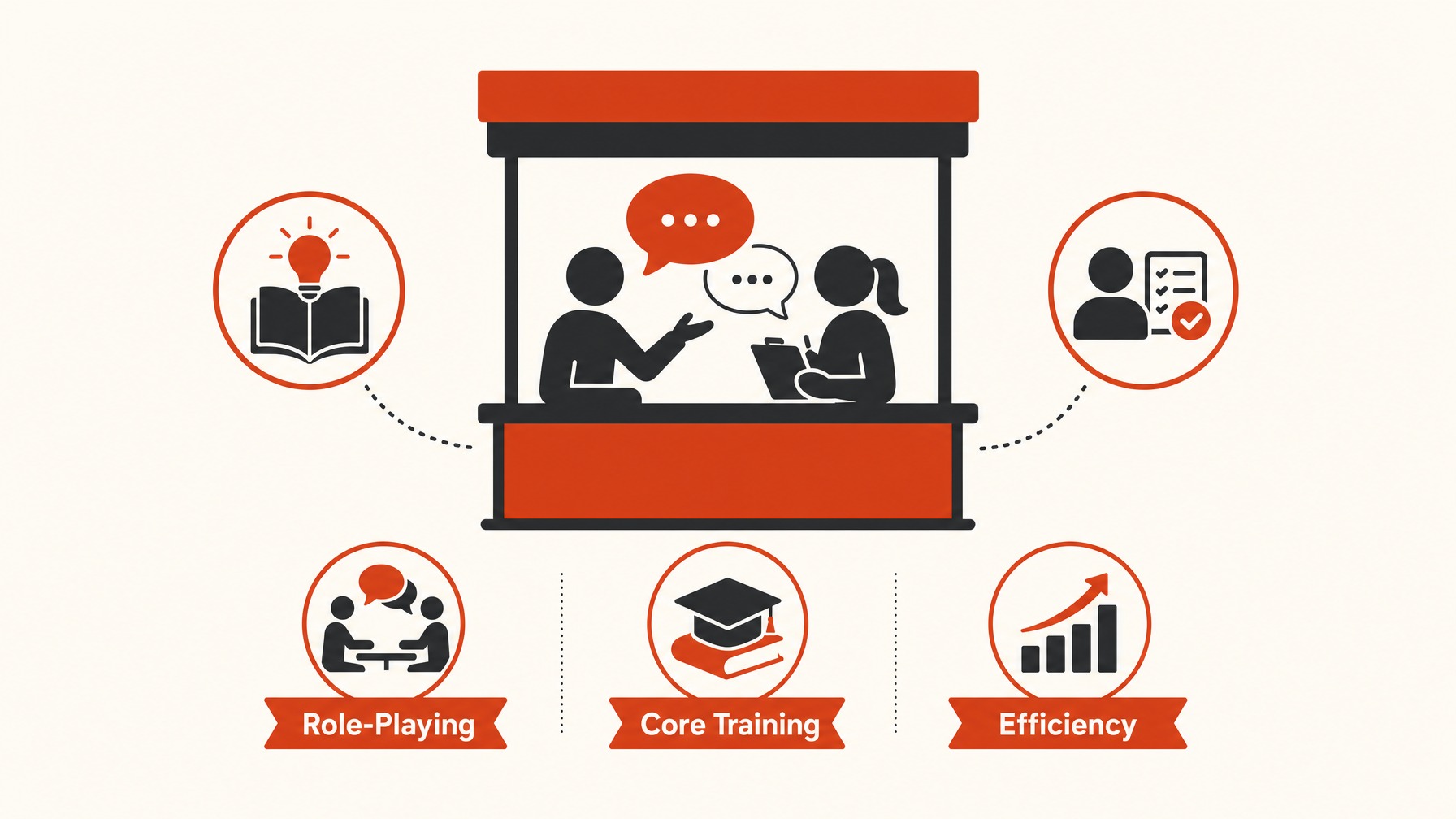
What we have seen work really well is focusing on the core elements of a meaningful interaction with attendees, such as product knowledge, lead qualification, and creating engaging conversations.
Rather than overloading your staff with irrelevant information or presentations, simplify the training to cover only the necessary points that elevate performance.
When your team knows exactly what to do and how to do it efficiently, you reduce wasted time and effort, which, in turn, can cut down on unnecessary expenses.
From what I have seen, companies that really excel in this area often use role-playing or mock scenarios during training sessions to simulate real-world conditions.
Not only does this build confidence, but it also helps staff anticipate and manage common challenges at the booth.
Furthermore, focusing on cross-training your team can make your entire staff more adaptable, allowing them to handle multiple roles if someone is unavailable at the last minute. It’s all about being flexible and prepared, helping you avoid costly last-minute decisions or hiring.
Exhibitant thrives as an exhibit partner by promoting such strategic solutions that go beyond simple display setup.
With our expertise in exhibit strategy, booth systems, and show support, we enrich your staff’s training with insights that bring about effective performance.
This approach ensures that you’re not just sending employees to an event, but you’re equipping them to get the most out of your trade show investment.
By optimizing staff training, you accomplish more with less, effectively streamlining your entire trade show experience and dramatically reducing costs without cutting corners on quality.
6. Explore Cost-Effective Materials
When looking at booth expenses, exploring cost-effective materials can lead to substantial savings without sacrificing quality.
Many exhibitors have found promising results by opting for lighter materials, which reduce shipping and handling costs.
For instance, utilizing tension fabric as opposed to traditional hard panel walls not only lightens the load but also delivers a sleek, contemporary look. Another material worth considering is eco-friendly or recycled materials, which often come at a lower cost and offer the added benefit of showcasing your company’s commitment to sustainability.
What we have seen work really well is when materials can be reused across multiple trade shows, maintaining a consistent brand look over time.
Another powerful approach is integrating graphics directly onto booths using high-resolution printing technologies that are both durable and economical.
From what I have observed, the use of digital printing on lightweight materials can significantly cut down the cost while offering flexibility in design. Additionally, renting materials can be a big improvement if you attend shows sporadically or have varying booth sizes, thus eliminating storage and maintenance expenses.
Pro Tip: Consider renting lightweight tension fabric displays and interlocking tile flooring to cut costs and boost sustainability while maintaining a strong, cohesive brand image.
For commonly visible accents like flooring, exhibitors often choose interlocking tiles that mimic more expensive options like wood or tile but retain a fraction of the cost. These strategic choices not only maintain the aesthetic appeal of your booth but also leave more room in your budget for other critical expenses.
I would say the biggest thing here is actively evaluating the trade-off between material costs and their perceived value with attendees. By continually assessing which materials make the strongest visual and cost impact, you can make sure that your exhibit remains engaging and effective without overspending.
Something that comes up a lot is reaching out to booth builders who specialize in sustainable practices, as they typically offer innovative solutions that reduce costs and environmental impact. Remember, opting for cost-efficient materials doesn’t mean compromising your brand’s presence; it means making smart decisions that align with both your budget and branding strategy.
One Last Thing
As you plan your next trade show, focus on integrating the strategies discussed to manage costs effectively without sacrificing the quality of your booth presentation. What many seasoned exhibitors understand is that achieving the delicate balance between spending smartly and presenting a memorable exhibit often involves a combination of thoughtful design, strategic partnerships, and resourceful planning.
After all, maintaining quality while reducing expenses is not just about cutting corners but finding innovative ways to deliver a high-impact experience at a sensible cost. What we have seen work really well is approaching trade shows as a full project, where every decision is an opportunity for either savings or a boost in impact.
One approach that often yields great results is to continually reassess your trade show strategy to help identify emerging trends and new cost-saving technologies.
Also, think of attending industry workshops or collaborating with other exhibitors to gain fresh insights into effectively showcasing your brand on a tighter budget.
Ultimately, your efforts in refining your trade show approach could lead to more meaningful connections and a better return on investment over time.
With these refined strategies in your toolkit, you are well-prepared to manage your booth expenses wisely while still delivering a compelling visitor experience.
Your commitment to excellence and effective strategy will not go unnoticed by attendees and industry peers alike.
Need a booth plan?
Turn show goals into a practical exhibit path
Share your footprint, timeline, and priorities. Our team can help shape the booth direction, graphics, and project support.
Keep planning
More exhibit guidance
Keep exploring practical advice on booth planning, marketing, and getting more from your next show.
Tell us about your business, the buyers you want to reach, and what you want to achieve. Whether you need more sales conversations, stronger marketing, or a trade show presence, we’ll help you identify where to focus and what support makes sense. Together, we can shape a practical plan around your priorities, budget, and timeline.
 Lorena G.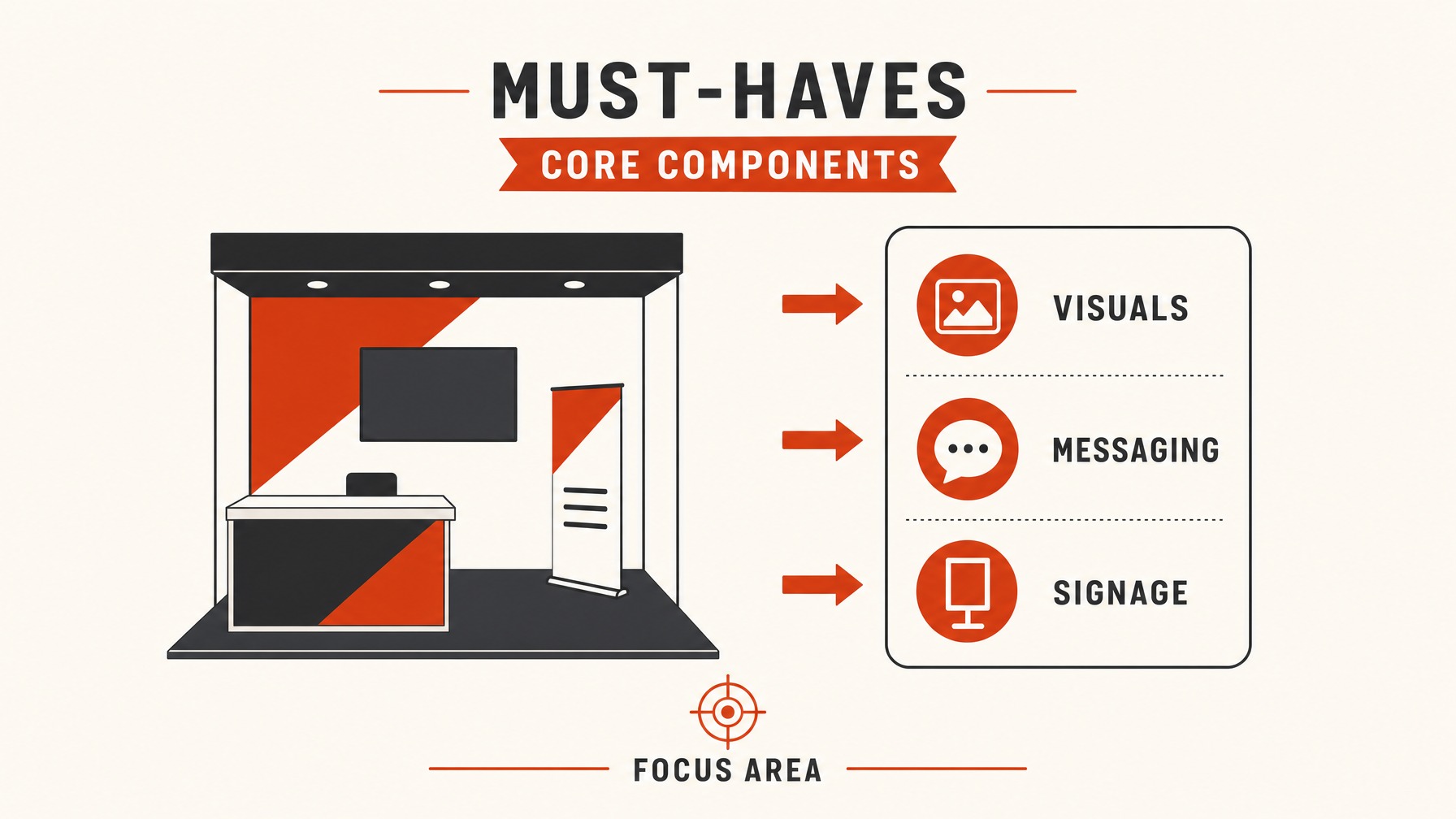
 Louie J.