When preparing for a trade show, a well-executed logistics plan is crucial to your event’s success. From what I have seen, meticulous planning can transform potential headaches into smooth operations.
Proper logistics are as essential as your exhibit’s design in ensuring everything runs seamlessly.
One thing that is often overlooked is timing.
I can’t stress enough how creating a comprehensive timeline helps you manage aspects from shipping to booth setup. This proactive approach allows you to anticipate challenges instead of reacting to them on the fly.
Another vital area is partnering with reliable shipping providers.
Choosing the right partners can help you avoid delays that might compromise your setup or impact your budget. Additionally, being aware of venue-specific guidelines should never be underestimated, as ignorance of such can lead to costly mistakes.
Something that comes up a lot is the importance of communication within your team.
A well-informed team ensures that everyone knows who is responsible for what, creating a synchronized effort across all logistical fronts. Today, I want to cover six best practices to help you prepare your trade show logistics with confidence.
Key Takeaways:
Create a detailed logistics timeline for the entire event.
Coordinate with shipping partners early to avoid delays.
Ensure all booth materials meet venue specifications.
Develop a contingency plan for unexpected issues.
Communicate logistics plans clearly with your entire team.
The right strategy can mean the difference between smooth success and a stressful experience.
Try actionable steps that will help you create a super organized plan for your show.
Learn about unexpected challenges and how to handle them without a hitch.
Grab some practical insights to boost your team’s efficiency and leave a lasting impression.
1. Create a Comprehensive Logistics Timeline
One thing most exhibitors end up doing is crafting a detailed and organized logistics timeline that will act as a roadmap throughout the entire exhibition process.
What we have seen work really well is developing a timeline that spans from initial pre-show preparation all the way through to post-show follow-up.
This ensures that no crucial step is missed and that the team can track their progress effectively.
The key here is to incorporate all major milestones, like booth design finalization, shipping deadlines, and staff training sessions, along with minor yet important details, such as equipment rentals.
From what I have seen, the ones that get it right usually involve multiple team members in the timeline creation process, allowing for input from various departments, which leads to a more comprehensive plan.
A particularly useful strategy is breaking down the timeline into weekly or even daily tasks as the event approaches, which helps keep everyone on track and reduces the likelihood of surprises. One thing that comes up a lot is the importance of flexibility, as adjustments might be necessary once timelines are in place due to unforeseen events or changes in vendor availability.
Something that seasoned exhibitors swear by is the integration of digital tools and apps to track deadlines and progress, as this keeps the logistics timeline dynamic and easily accessible to all stakeholders.
Setting clear responsibilities along with these timelines helps in reducing any last-minute confusion, ensuring that each team member knows their role in the overall success of the event.
As a final tip, always leave room for unexpected contingencies, as having this buffer built into your logistics timeline can save your team a lot of stress and last-minute scrambling.
2. Coordinate with Reliable Shipping Partners
One thing most exhibitors end up doing is working with a trusted shipping partner to guarantee the safe and timely arrival of their booth materials and products.
What we have seen work really well is when companies develop a close relationship with logistics providers that understand the intricacies of trade show events.
It’s important to work with partners who have experience with trade show logistics because they can navigate specific challenges you might face, like tight delivery windows and documentation requirements.
From what I have seen, the ones that get it right usually start establishing those partnerships well in advance of the show’s scheduled kick-off date.
This allows for several rounds of communication to clarify timelines, route planning, and any special handling needs that might be involved with your booth’s materials.
What you don’t want is last-minute confusion about where your shipment is or if it will arrive on time.
Something that comes up a lot is how unpredicted weather or other delays can impact your shipping schedule, which makes selecting a proactive partner even more vital. Your shipping partner should provide tracking capabilities and immediate updates to ease any worries about your goods.
Pro Tip: Establish a relationship with a reliable logistics provider who understands trade show intricacies, offering you dedicated support to make sure timely booth deliveries.
What the Exhibitant team has seen work best is when logistics providers offer dedicated account representatives who can be your single point of contact.
This way, you can quickly resolve any issues without having to repeat details to multiple people.
Always confirm that your partner can accommodate both outbound and inbound shipments, especially for shows where products might be sold.
To sum up, working with experienced shipping partners can alleviate the many of headaches that accompany trade show logistics and help make sure your booth is ready on time.
3. Understand Venue Specifications and Restrictions
One thing most exhibitors end up doing inevitably is glossing over the specific requirements and constraints each venue imposes. From what I have seen, the ones that get it right usually start by thoroughly reviewing the venue’s detailed specifications and restrictions.
Each venue comes with its own set of rules and understanding these can greatly impact your logistics planning process.
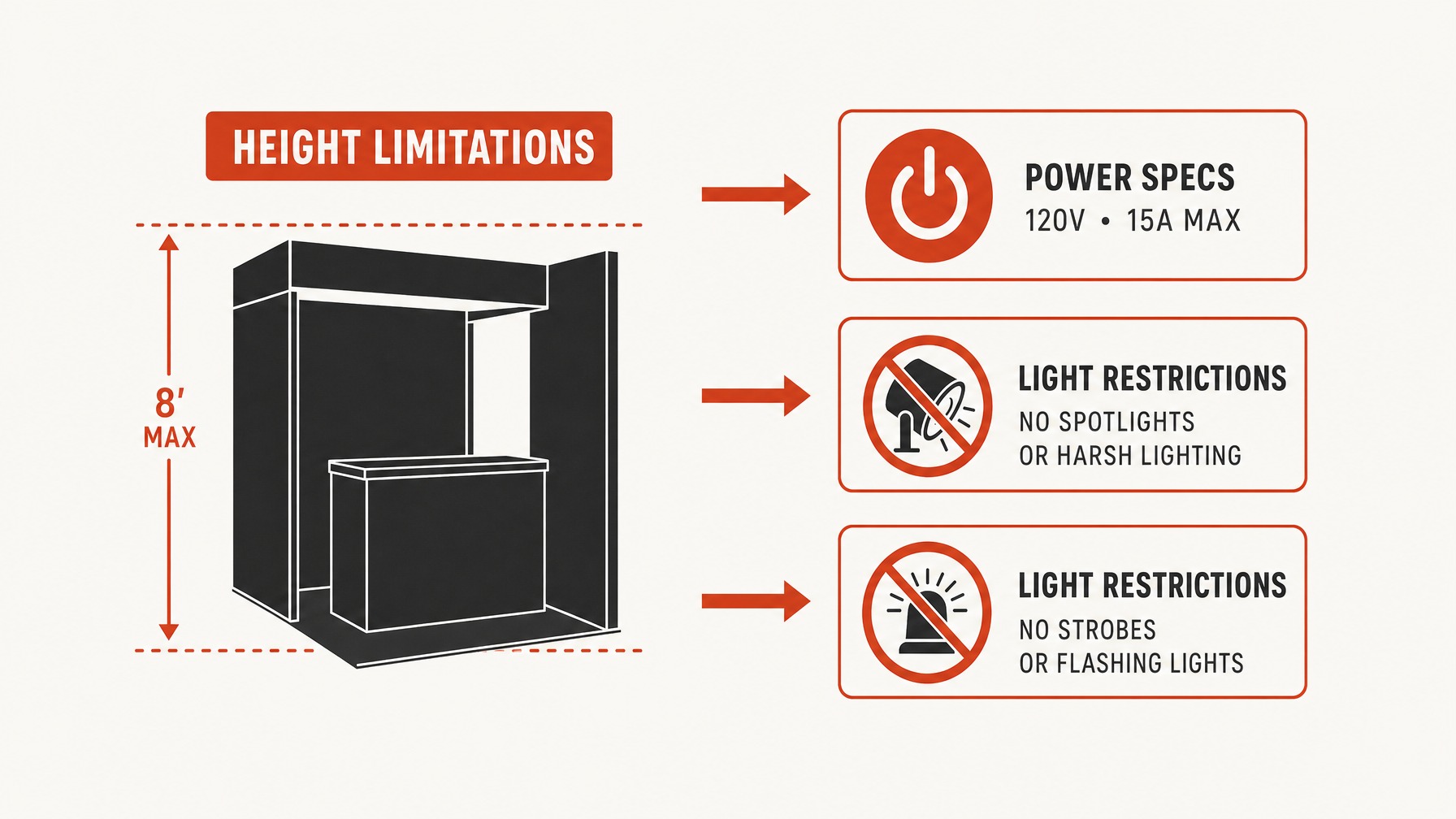
What we have seen work really well is taking the time to identify any height limitations for your booth setup, power supply specifications that could influence equipment choices, and even restrictions on certain types of display lights or equipment.
Knowing these details ahead of time can save a lot of hassle and delays during the event setup. One aspect that often surprises exhibitors is the loading dock access, which can sometimes have constraints on the hours available for use or strict schedules that require coordination with the venue management.
Another factor to pay close attention to is the material handling capabilities of the venue, as different locations may have varying requirements for freight delivery and even unloading zones.
Some venues might also have limitations on the types of materials you can use in your exhibit, which can affect everything from décor to promotional materials.
Understanding these specifics in advance allows you to plan more effectively and avoid last-minute surprises.
From what I have seen, the real key to navigating these specifications and restrictions effectively is maintaining a close dialogue with the venue managers.
This ensures you’re made aware of any last-minute changes or updates but also provides you insight into best practices specific to that location, enhancing your exhibit’s overall efficiency. I would say the biggest thing here is taking the venue guidelines as a critical part of your logistics plan, rather than an afterthought, which can significantly simplify the preparation process.
4. Develop a solid Contingency Plan
The reality of trade shows is that unexpected situations can and often do arise, and the most successful exhibitors are those who have a structured contingency plan in place. What we have seen work really well is anticipating various scenarios that could disrupt your logistics, such as delayed shipments, last-minute staffing changes, or unexpected technical issues with your booth setup.
When creating your plan, identify these potential risks and assign them a level of priority which helps in determining what to address first if multiple issues occur simultaneously.
One thing most exhibitors end up doing is having a backup in mind for their core elements, such as having an extra set of booth materials on hand. This applies to staffing as well; having a list of standby team members or third-party contractors can salvage what could otherwise be a lost day if a team member is absent.
From what I have seen, those who make sure they have alternative shipping solutions are able to pivot quickly if their primary option fails.
Working closely with a logistics company that understands your needs can greatly assist in developing these backup plans.
Another part of contingency planning that is often overlooked involves establishing clear communication pathways so that everyone on the team knows their role when a situation arises.
The ones that get it right usually conduct a pre-event meeting where they walk through the contingency steps with the entire team.
Important: You need a solid contingency plan with backup solutions for logistics, staffing, and communication, ensuring quick pivots during unforeseen trade show disruptions.
Something that comes up a lot is the use of technology to enhance coordination; real-time communication tools can play a significant role in managing disruptions efficiently.
This not only keeps everyone informed but also boosts morale, as the team feels prepared rather than frazzled.
I would say the biggest thing here is balancing preparation and flexibility having the conversations and documents in place, but remaining adaptable. A thorough, yet adaptable, contingency planning process allows for quicker decision-making and a more resilient approach to trade show challenges.
The goal isn’t to prevent every potential issue, which is impossible, but to know exactly how to react without losing stride.
Lastly, revisit and update your contingency plans after each show to incorporate learnings from real scenarios, improving your future approach and resilience.
5. Efficiently Communicate Logistics with Your Team
What I’ve observed is that effectively managing trade show logistics requires smooth and clear communication between all team members.
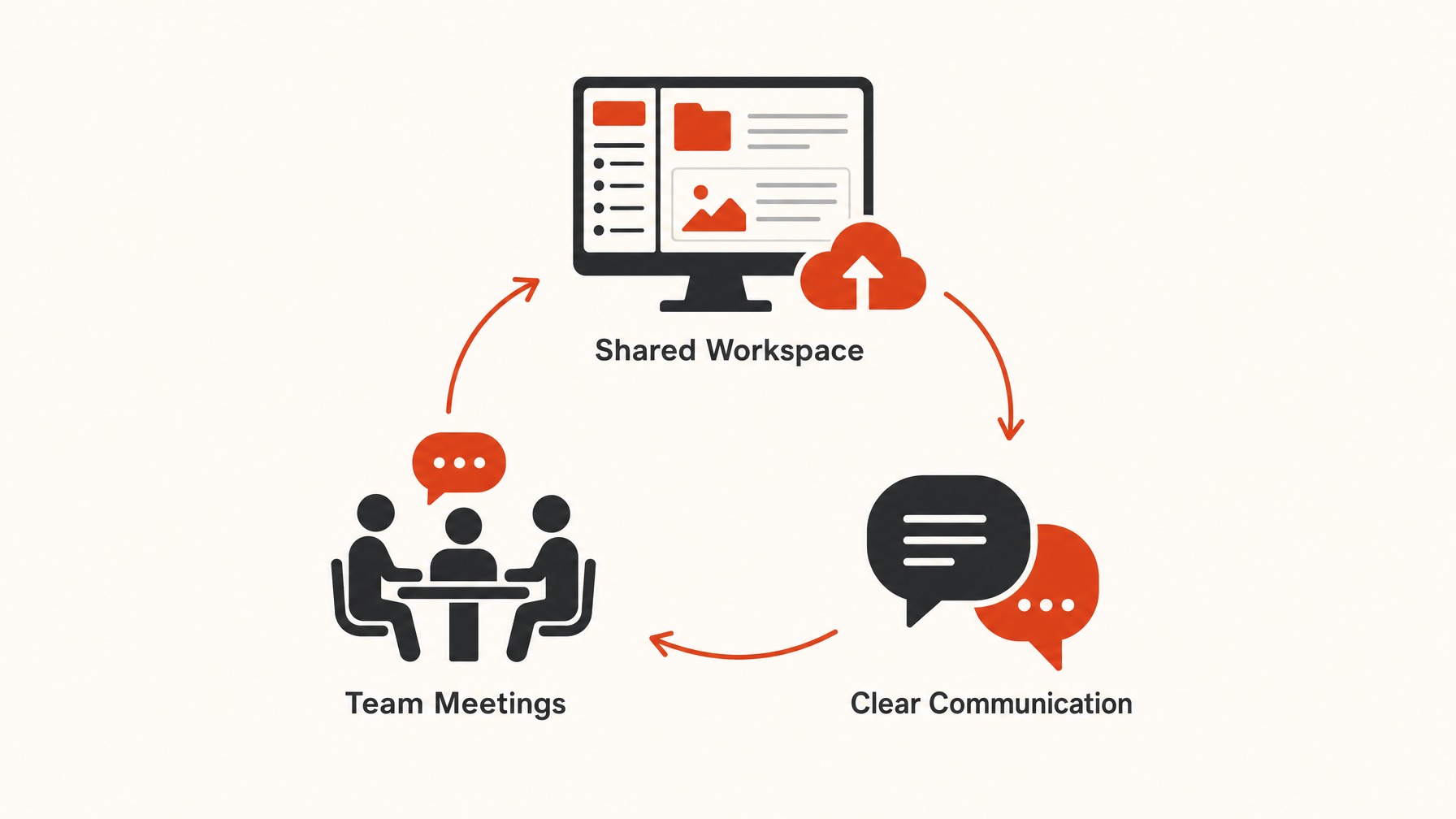
One way to achieve this is by establishing a centralized platform, such as a shared digital workspace, where every participant can access schedules, transportation details, and booth responsibilities.
This ensures everyone is on the same page and reduces the likelihood of last-minute confusion or missed tasks.
Another strategy that many find effective is organizing regular pre-show meetings to go over every logistics detail and address any potential issues.
Having these meetings means everyone is prepared and focuses on the common goal, leading to a more smooth on-site execution.
This approach strengthens team cohesion and ensures that each member understands their specific role and responsibilities during the event.
In addition to initial meetings, having an open line of communication during the event is vital.
Designating a point person responsible for handling logistics queries can simplify problem-solving and allow team members to focus on their immediate tasks.
This coordination is crucial for tackling unexpected scenarios quickly and efficiently.
From what we’ve seen, equipping your team with the right tools for real-time communication, like group messaging apps, significantly enhances logistics efficiency.
Utilizing such tools can help quickly relay changes and unforeseen delays, ensuring that everyone can adapt promptly. At Exhibitant, we deeply understand the importance of logistics and see ourselves as an exhibit partner focused on supporting efficient booth systems and strategy, rather than just a display vendor.
Encouraging regular feedback sessions post-event can shine a spotlight on areas for improvement and foster growth for future shows. Listening to team members’ insights helps refine the logistics process and creates a culture of continuous improvement.
Attentive, inclusive communication leads to a team that’s well-prepared and adaptive, ultimately contributing to the overall success of your trade show endeavors.
6. make sure Compliance with Event Regulations
What we have seen work really well is establishing a clear understanding of the event regulations right from the start.
These rules are often detailed and can vary significantly from one venue to another, affecting everything from booth design to setup procedures.
As tedious as it may seem, reviewing these guidelines thoroughly can save you from potential disruptions or fines later.
From what I have observed, the ones who successfully navigate these regulations usually assign a dedicated team member to be the regulation expert. This person should keep track of any updates or changes and make sure all aspects of your booth adhere to the requirements outlined by the event organizers.
One thing most exhibitors end up doing is coordinating closely with the event’s compliance officer or liaison.
By maintaining an open line of communication, you can quickly resolve any misunderstandings and get approval for any special requests you may have regarding your exhibit setup or activities planned on site.
I would say the biggest thing here is to view compliance not as a checklist but as a strategic component of your trade show success. It’s important to integrate compliance checks into your pre-show planning meetings, ensuring that everyone on your team understands their responsibilities.
Pro Tip: Assign a dedicated team member as your ‘regulation expert’ to track updates and make sure compliance, integrating these checks into your pre-show planning.
Something that comes up a lot is the importance of documentation keeping records of all communications and approvals can be crucial if discrepancies arise.
Additionally, having copies of all essential permits and licenses at the ready helps demonstrate your commitment to following event rules.
Lastly, educating your booth staff about key regulations, such as equipment restrictions or behavior guidelines, ensures that everyone contributes to maintaining a compliant, professional presence.
After all, it’s not just about staying out of trouble; adhering to the rules will also enhance the experience for your visitors and strengthen your relationship with the event organizers.
Before You Go
As you prepare for the upcoming trade show, keeping all these logistical recommendations front of mind can greatly reduce stress and potential hiccups along the way. From mapping out a comprehensive timeline to ensuring compliance with event regulations, every step plays a crucial role in your success.
Reflecting on these elements collectively is what transforms a chaotic endeavor into a smoothly executed plan. Successfully adopting a proactive mindset and detailed preparation ensures you’ll be ready for any challenges the event throws your way.
Having a solid logistics plan not only saves you from last-minute scrambles but also enhances your overall trade show performance. Strong coordination with shipping partners and understanding venue restrictions will maintain the integrity of your exhibit setup.
Remember, a well-briefed team is essential for smooth execution, so make sure they are fully informed and ready for their roles.
By paying close attention to these logistics, you’ll enhance your ability to engage effectively with attendees and capture valuable leads.
Leveraging these best practices ultimately contributes to a significant return on investment from your trade show participation.
Need a booth plan?
Turn show goals into a practical exhibit path
Share your footprint, timeline, and priorities. Our team can help shape the booth direction, graphics, and project support.
Keep planning
More exhibit guidance
Keep exploring practical advice on booth planning, marketing, and getting more from your next show.
Tell us about your business, the buyers you want to reach, and what you want to achieve. Whether you need more sales conversations, stronger marketing, or a trade show presence, we’ll help you identify where to focus and what support makes sense. Together, we can shape a practical plan around your priorities, budget, and timeline.
 Louie J.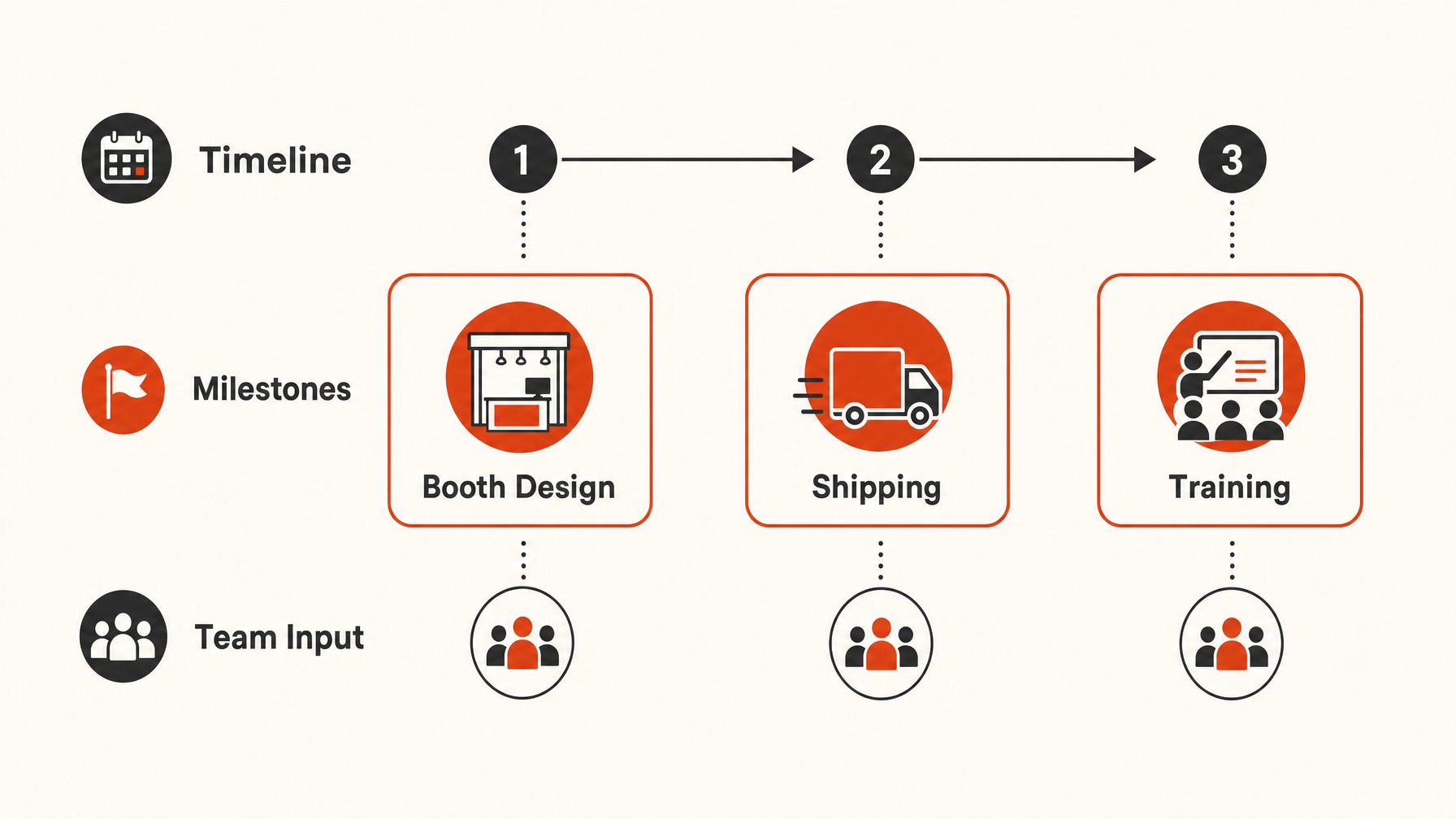

 Lorena G.