 Louie J.
Trade shows can be a big improvement for your business, yet from what I have seen, turning your investment into solid, measurable returns can be a bit of a puzzle.
The secret sauce lies in figuring out how to make your booth stand out in a crowd and actually engage with the audience who stroll by.
I would say one of the key aspects is understanding your industry’s unique audience. Every industry has its quirks and its customers have their own specific needs, so it’s crucial to get a handle on who you’re talking to before the event even kicks off.
Building relationships at these events is about crafting a tailored engagement strategy that zeroes in on your target audience’s wants and needs.
It’s not just about shaking hands; it’s about what happens before and after the introduction that really solidifies the connection.
Real success hinges on backing up those face-to-face interactions with some solid analytics.
That’s where technology comes in handy, allowing you to gain real-time insights and adapt your approaches on the fly, which can significantly enhance your ROI.
I see a lot of businesses missing out on post-show opportunities because they lack a proper follow-up plan. Today I want to cover six strategies that can help boost your trade show ROI; from engaging your audience to measuring success effectively.
- Identify target audience for tailored engagement strategies.
- Utilize data analytics to track ROI effectively.
- Leverage digital tools for real-time lead capture.
- Design booths with interactive elements for engagement.
- Implement a follow-up plan to nurture leads.
To truly enhance your trade show results, it’s crucial to dive deeper into these strategies.
You’ll find practical advice and specific tools that can make a real difference.
Each section offers insights on when and how to apply these steps for maximum impact.
By integrating these techniques, you can see increased success and a much better return on your investment.
1. Understanding Your Industry’s Unique Audience
Something that comes up a lot is knowing your audience’s specific needs and preferences, which can significantly impact your trade show strategy.
From what I have seen, exhibiting is not a one-size-fits-all scenario; each industry has its own unique dynamics that demand tailored approaches. Start by deeply researching your industry’s specific market trends and understanding who the key players and decision-makers are.
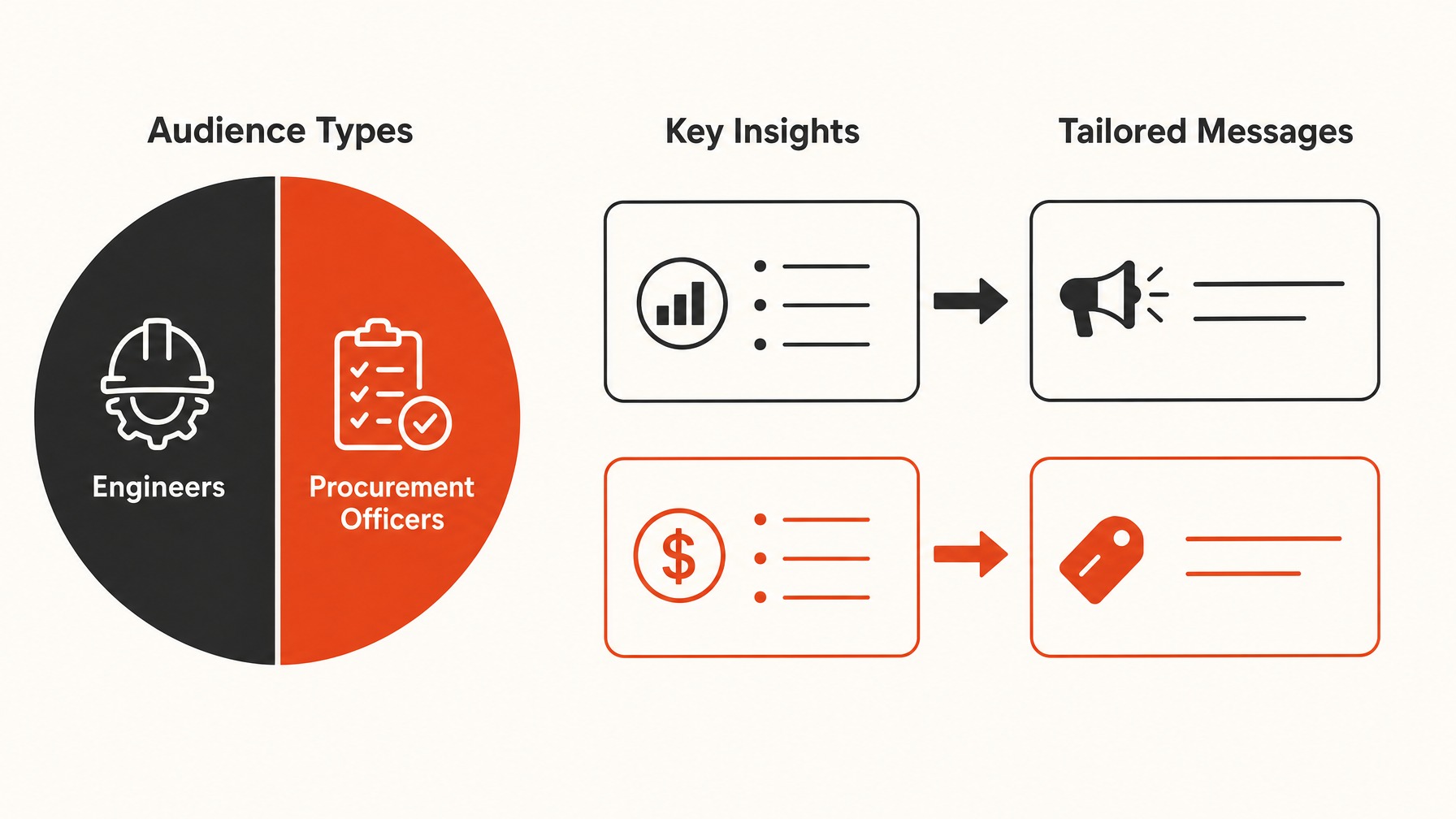
Knowing whether your target is a savvy engineer looking for modern technology or a procurement officer seeking efficient solutions can help shape a more effective message. Spend time analyzing previous events where similar audiences gathered to identify what resonated well with them and what fell flat.
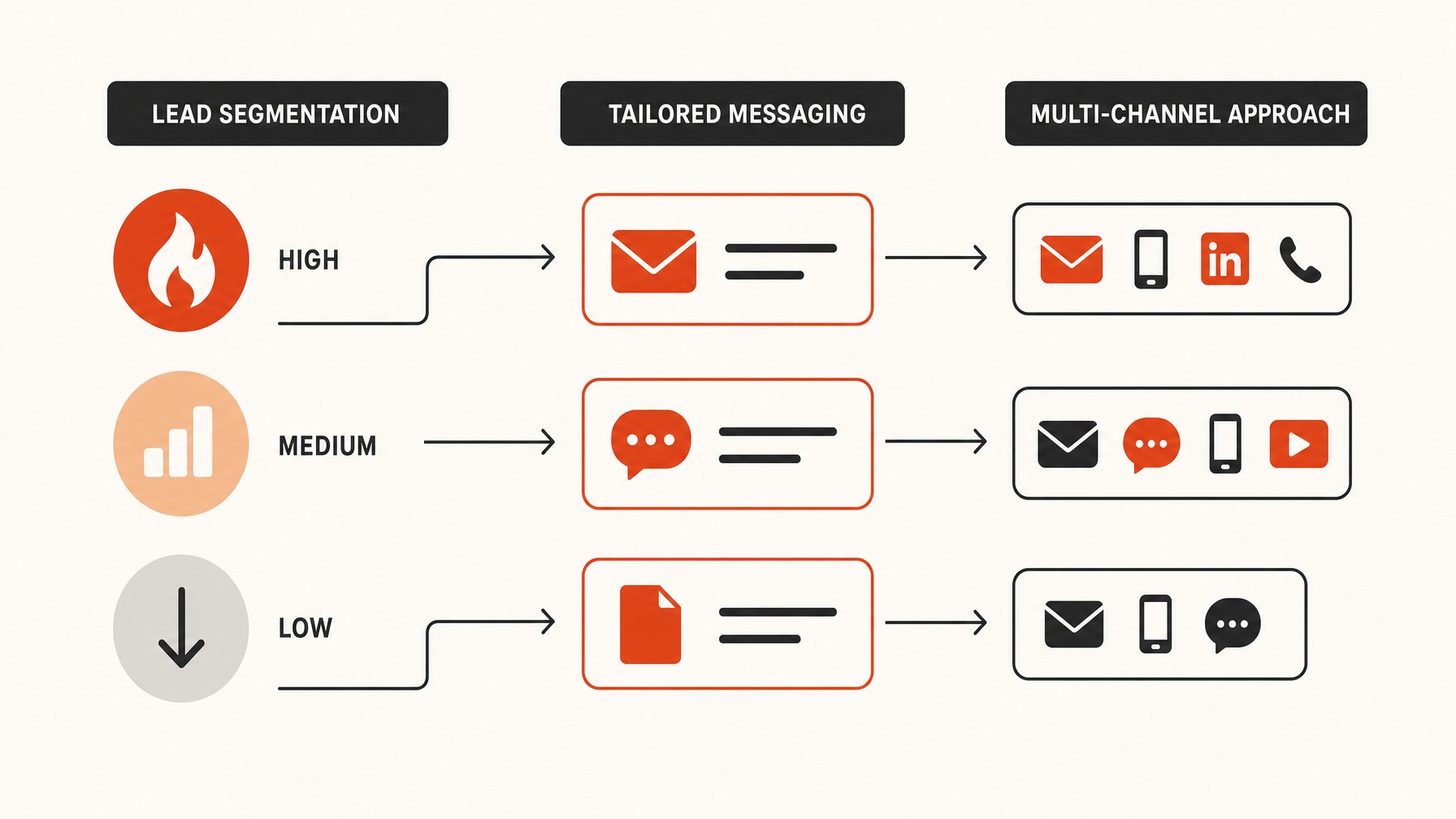
What we have seen work really well is segmenting your target audience even further to tailor your pitch.
One thing most exhibitors end up doing is crafting generic messages that miss the mark, simply because the audience at B2B tech conferences differs significantly from those at consumer-focused expos.
It’s crucial to adapt your visuals, messaging, and interaction style to suit these distinct tastes.
It’s not just about attracting attention; it’s about communicating value in a way that speaks directly to the audience’s everyday challenges and goals.
From what I have seen, those exhibitors who rely solely on flashy displays without substance tend to miss out on qualified leads.
Exhibitors that really grasp who their audience is usually invest in vertical-specific knowledge, allowing them to speak confidently about how their product addresses industry pain points. Right from the start, use customer personas and industry insights to guide the strategic design of your booth and marketing materials.
Be mindful that these personas are not static; industries evolve, and so should your approach.
I would say the biggest thing here is maintaining a solid feedback loop with your sales and marketing teams to continually refine and enhance this understanding.
By staying attuned to the shifts within your industry, you’ll find that your audience feels genuinely understood and valued.
2. Crafting a Tailored Engagement Strategy
What we have seen work really well is when exhibitors develop a tailored engagement strategy dedicated to their unique audience needs.
Tailoring the interaction at your booth involves carefully considering who your attendees are and what drives their interest. From what I have seen, this effort pays dividends, as attendees are more likely to engage with content that resonates directly with them.
One thing most exhibitors end up doing is using differentiated messaging and unique offerings for different audience segments.
You might have a standard pitch or demo, but layering in variants that speak to sector-specific pain points can make all the difference.
The Exhibitant team has seen that integrating personalized elements consistently widens your audience reach, creating opportunities for deeper connections.
Developing a well-rounded engagement strategy also means diversifying your interactive touchpoints.
This could include workshops, hands-on demos, and interviews all centered on enriching the attendee experience while serving your brand message.
I would say the biggest thing here is leveraging these elements within a coherent, strategy-driven framework.
Important: You must tailor your engagement strategy to meet the unique needs of each audience segment to meaningfully connect and extend your booth’s impact.
Given the digital age we operate in, interactive elements that can be shared on social platforms enhance your booth’s reach even after the event.
Consider short videos or photo spots, encouraging attendees to share their experiences and build your brand’s digital profile.
However, something that comes up a lot is the necessity for staff training to fluently convey the value of these engagement features.
Finally, a solid strategy evaluates the feedback from varied engagements during and after the trade show. Precise feedback loops enable exhibitors to adapt dynamically to what works best for their audience in real time.
By refining tactics based on immediate responses, you can achieve a more profound connection that extends well beyond the event.
3. Leveraging Technology for Real-time Analytics
When it comes to trade shows, having access to real-time analytics can genuinely transform your team’s ability to capitalize on opportunities as they arise. One thing most exhibitors end up doing is relying on traditional post-show reports, but what we have seen work really well is integrating technology that offers immediate insights.
This means utilizing apps or software that track visitor engagement straight from the floor.
The biggest thing here is to use these insights to adapt your on-site strategies, instead of waiting until the event’s over.
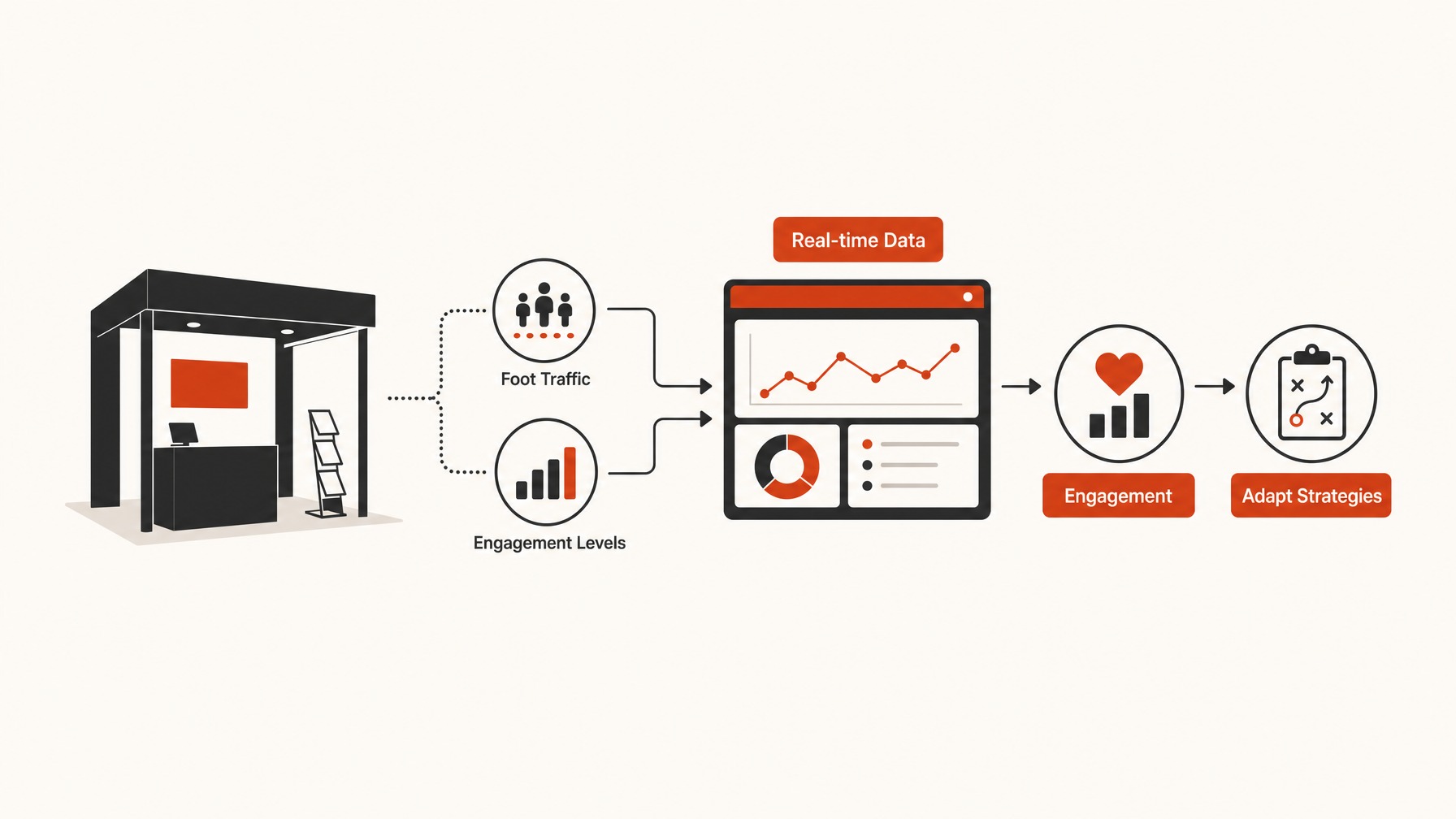
From what I have observed, exhibitors who can swiftly interpret data, such as foot traffic or engagement levels, and make real-time adjustments to their booth activities tend to enjoy a higher return on investment. What really sets successful exhibitors apart is their proactive approach to understanding which elements are drawing in potential leads and which aren’t working as well.
One practical way to use these analytics is by setting up tablets at strategic points to gather direct visitor feedback. For instance, you can gift a small token or an entry to a raffle in exchange for short surveys; thus, not only enhancing engagement but also collecting crucial data.
Exhibitors who do this generally gain a faster understanding of attendee preferences, allowing them to tailor their interaction strategies accordingly while still on the show floor.
Another thing that has proven beneficial is using technology to track which products or services attract the most attention. By utilizing heatmaps or RFID technology, it’s possible to customize offerings in real-time, driving higher interest and potential conversions.
The right technology isn’t just about making flashy presentations it’s about obtaining actionable data that informs immediate decision-making.
It’s this ability to combine technology with strategic insight that leads to superior outcomes and a more effective exhibit.
Instead of playing catch-up post-event, harnessing real-time analytics offers exhibitors the chance to respond dynamically to the ever-evolving landscape of a trade show. In the end, having this immediate feedback loop is not about collecting data for data’s sake, but about driving more meaningful and productive interactions.
Let’s be honest, successfully adapting in real time can be what makes the difference between a mediocre event and a truly successful one.



 Lorena G.