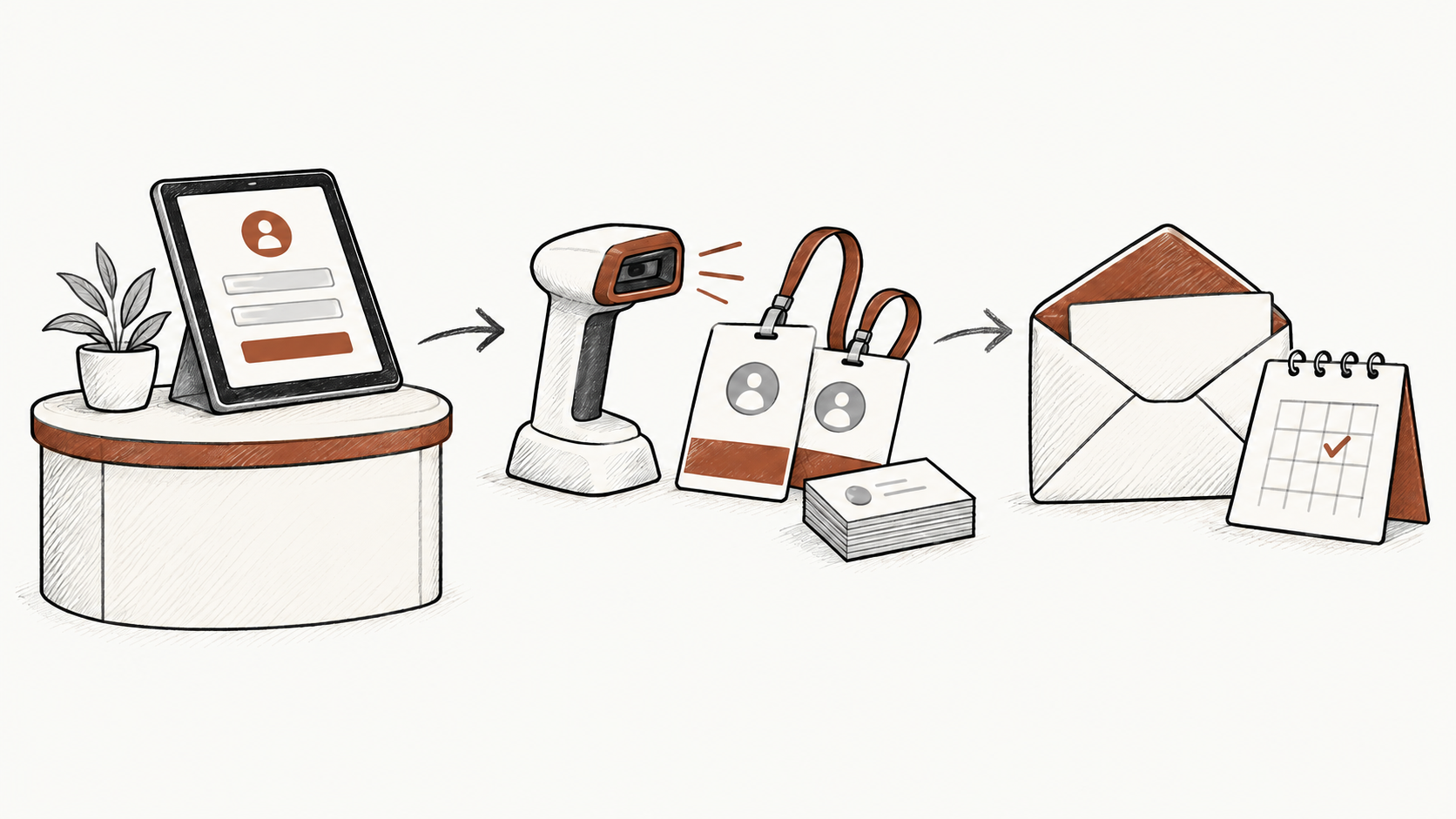
Managing trade show freight can often feel like a giant puzzle, with countless pieces that need to come together seamlessly.
Whether you’re overseeing a small booth or orchestrating a major exhibit, effective freight management is key to success.
From what I have seen, getting your freight to its destination on time is just half the battle.
The real challenge lies in streamlining the complex logistics involved, which can be overwhelming without a clear plan of action.
Trade shows are bustling environments where countless shipments converge, and from my experience, avoiding confusion requires careful preparation and dedication.
It’s all about reducing stress and ensuring everything arrives at the right moment.
Something that comes up a lot is the need for a reliable freight partner who you can trust to handle your precious cargo with care.
But choosing the right one is just one piece of the puzzle. You also need to focus on factors like shipment consolidation and precise labeling to keep things running smoothly and avoid unexpected costs.
I would say that communicating effectively with your team and being ready for on-site challenges can make or break your trade show experience.
With the proper strategies in place, you can handle even the most complicated logistics like a pro.
In this post, I’ll walk you through the critical steps to simplify your trade show freight management, from planning early to preparing for on-site challenges and everything in between.
Key Takeaways:
Plan shipments early to avoid last-minute rush and errors.
Choose a reliable freight partner with trade show experience.
Label shipments clearly with booth number and contact details.
Utilize tracking tools to monitor shipment progress in real-time.
Communicate regularly with your logistics team for seamless coordination.
So, you’ve got the key steps down, but there’s so much more to learn.
You’re going to find detailed tips that can save you time and cut stress on the big day.
Think about how smooth things could go if your logistics were truly efficient and reliable.
Let’s try practical details that can make your freight management a complete success.
1. Start Planning Your Shipments Early
From what I’ve observed, one of the most important factors contributing to a successful trade show freight strategy is starting the planning process well in advance.
Timing your shipment just right can be the difference between smooth sailing and facing a logistical nightmare.
Begin identifying key dates such as shipping deadlines, convention center docking schedules, and any national holidays that might affect your timelines.
These elements play a significant role in determining how early you should start planning for your shipment.
What we have seen work really well is involving your freight partner in these early stages.
Often, experts in this field can provide insights based on their own past experiences, suggesting the best logistical routes or potential mishaps that could arise.
It is helpful to establish a detailed timeline for every step of the shipping process, taking into account any special handling instructions that might be necessary for your materials. This forward-thinking approach allows you to create a buffer for unexpected issues, which are practically inevitable in trade show logistics.
One thing most exhibitors end up doing is coordinating with their internal team to identify what shipments are classified as high priority.
Knowing your priorities helps simplify the initial stages of shipment planning and ensures that essential items reach the venue without delay. If multiple departments are involved, synchronizing their timelines can prevent any bottlenecks during the packing or loading stages.
From what I have seen, diligent early planning often leads to lower costs, fewer rushed decisions, and a much more efficient exhibition setup.
2. Choose the Right Freight Partner
From what I have seen, the ones that get it right usually take the time to select the right freight partner who understands the specific demands of trade show logistics. The best freight partners aren’t just about moving goods from point A to point B; they inherently understand the critical nuances of timing, handling, and communication that are essential in the exhibition world.
One thing most exhibitors end up doing is relying on partners that offer specialized trade show expertise, ensuring they are not just another logistical task but a core component of the overall strategy.
Something that comes up a lot is the importance of vetting freight partner credentials and checking references from other trade show exhibitors.
I would say the biggest thing here is finding a partner that not only has a proven track record for timely delivery but also excels in handling issues that may arise, such as unexpected delays or customs bottlenecks. Many decisions hinge on cost, but cost should not trump reliability; a cheaper service isn’t a benefit if it compromises shipment safety or punctuality.
What we have seen work really well is when exhibitors assess not just the pricing models, but the comprehensive customer service offerings of a freight partner.
Important: Choose a freight partner who understands trade show logistics, prioritizes reliability over cost, offers real-time updates, and excels in proactive communication to make sure smooth operations.
Additionally, it’s wise to seek out partners that offer innovative technology solutions like tracking and real-time updates, which can be immensely useful for managing concerns as they arise.
Strong communication is a key attribute; always confirm that your freight partner is proactive in providing updates and supports a reliable point of contact.
Ultimately, selecting a partner is as much about shared values and understanding of the trade show environment as it is about pricing and logistical capabilities.
3. Consolidate Shipments to Save Costs
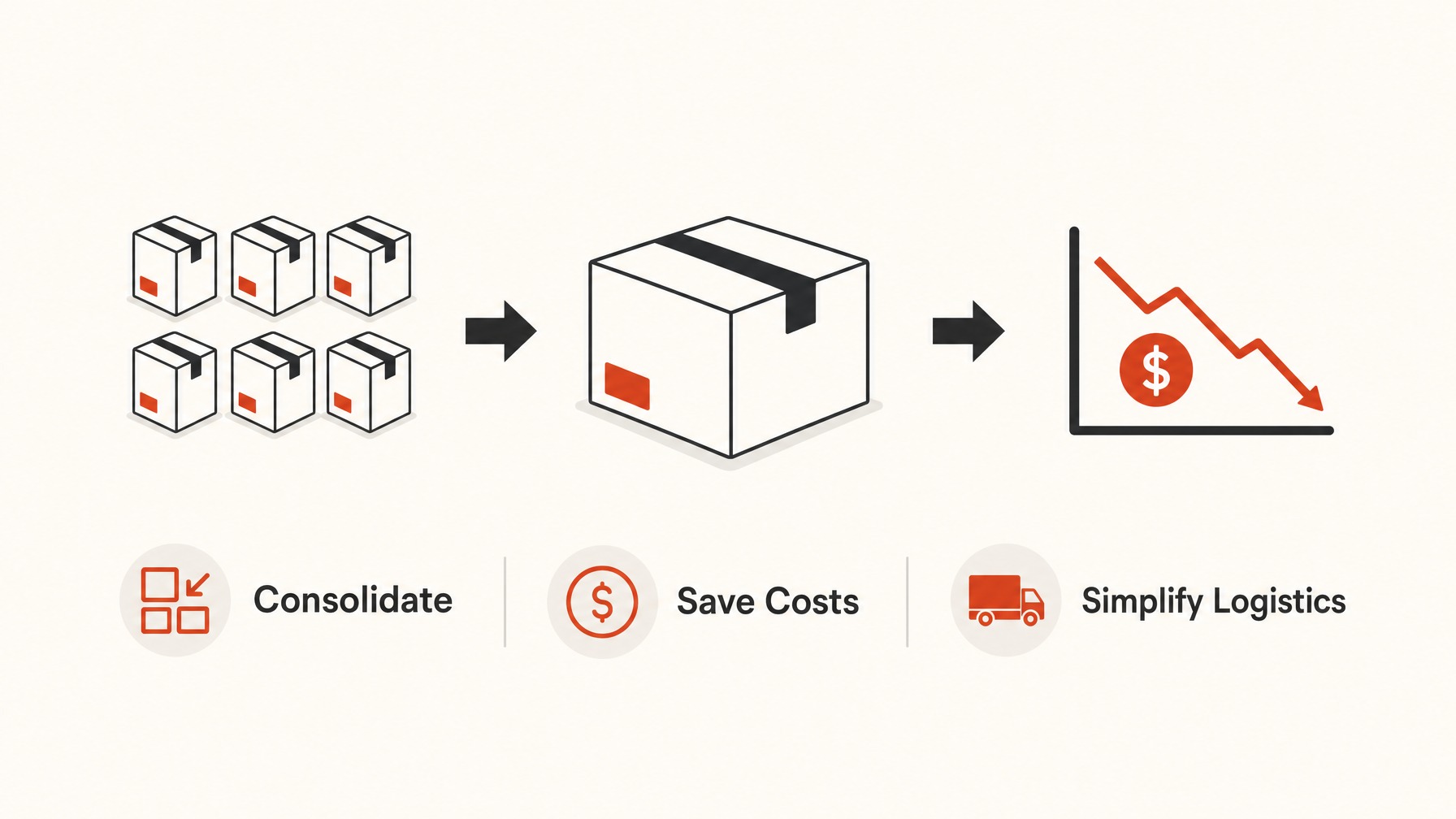
From what I have seen, one of the smartest strategies for reducing expenses in trade show logistics is to consolidate shipments.
By combining multiple shipments into a single one, companies can often receive significant discounts, as freight charges are typically calculated based on the overall weight and number of packages.
This can also simplify logistics, as fewer shipments mean less complexity in scheduling and coordination, which is especially beneficial when dealing with tight timelines.
Something that comes up a lot is how freight carriers offer scaled pricing for larger shipments; fewer shipments can result in lower rates per unit shipped.
Additionally, a single consolidated shipment can mitigate the risk of lost or delayed items a common issue when coordinating multiple deliveries to a singular event location. From my experience, exhibitors who consolidate frequently see not only financial benefits but also improved logistical efficiency, as fewer shipments mean fewer tracking numbers and less administrative oversight required.
Of course, to truly get it right, coordination is key when it comes to timing and carrier selection, as not all freight partners offer the same benefits for consolidated shipments.
Moreover, consolidating early allows for more strategic planning in the lead-up to the show, as opposed to last-minute scrambling, which can incur expedited shipping costs.
Many exhibitors find that teaming up with other companies they regularly exhibit alongside can be another avenue for consolidation, further extending the cost-saving potential through shared resources.
What we have seen work really well is incorporating advanced logistics software that can help manage and improve these consolidated shipments for the best cost-to-efficiency ratio.
By planning the shipment consolidation at least several months in advance of the show date, exhibitors can make sure they’re getting the most value for their investment while also reducing the risk of unforeseen shipping issues.
In short, consolidation is not just about squeezing into a single shipment; it’s about creatively managing your time, resources, and logistics for a much more effective trade show presence.
4. make sure Accurate and Clear Labeling
Something that comes up a lot in trade show logistics is the risk of misplaced freight due to inadequate labeling.
From what I have seen, the ones that get it right usually focus on making sure every label is both accurate and clear.
This involves including essential details such as the destination, contents, dimensions, and weight of each package directly on the label.
It’s also crucial to highlight if any of the shipments contain fragile or sensitive items to prevent mishandling during transit.
One thing most exhibitors end up doing is revising their labeling guidelines to incorporate barcodes or QR codes, adding an extra layer of tracking and verification to the process.
Here at Exhibitant, we recommend considering customizable labels that can adapt to various shipment needs.
Pro Tip: make sure you create brightly colored, customizable labels with accurate details and QR codes to simplify logistics and prevent misplaced freight at your next trade show.
This flexibility enhances the ease with which logistics teams can quickly identify and rectify any discrepancies that arise. Brightly colored labels with large, bold print can also be a big improvement for making quick identifications possible at crowded venues.
A simple yet effective strategy we’ve seen work really well is having a detailed checklist for each event to make sure consistency across all shipments.
This checklist often includes things like verifying that each label accurately represents its contents and matches any accompanying documentation. By implementing these straightforward practices, your team can significantly lower the chances of logistical hiccups, ensuring a smooth and successful trade show experience.
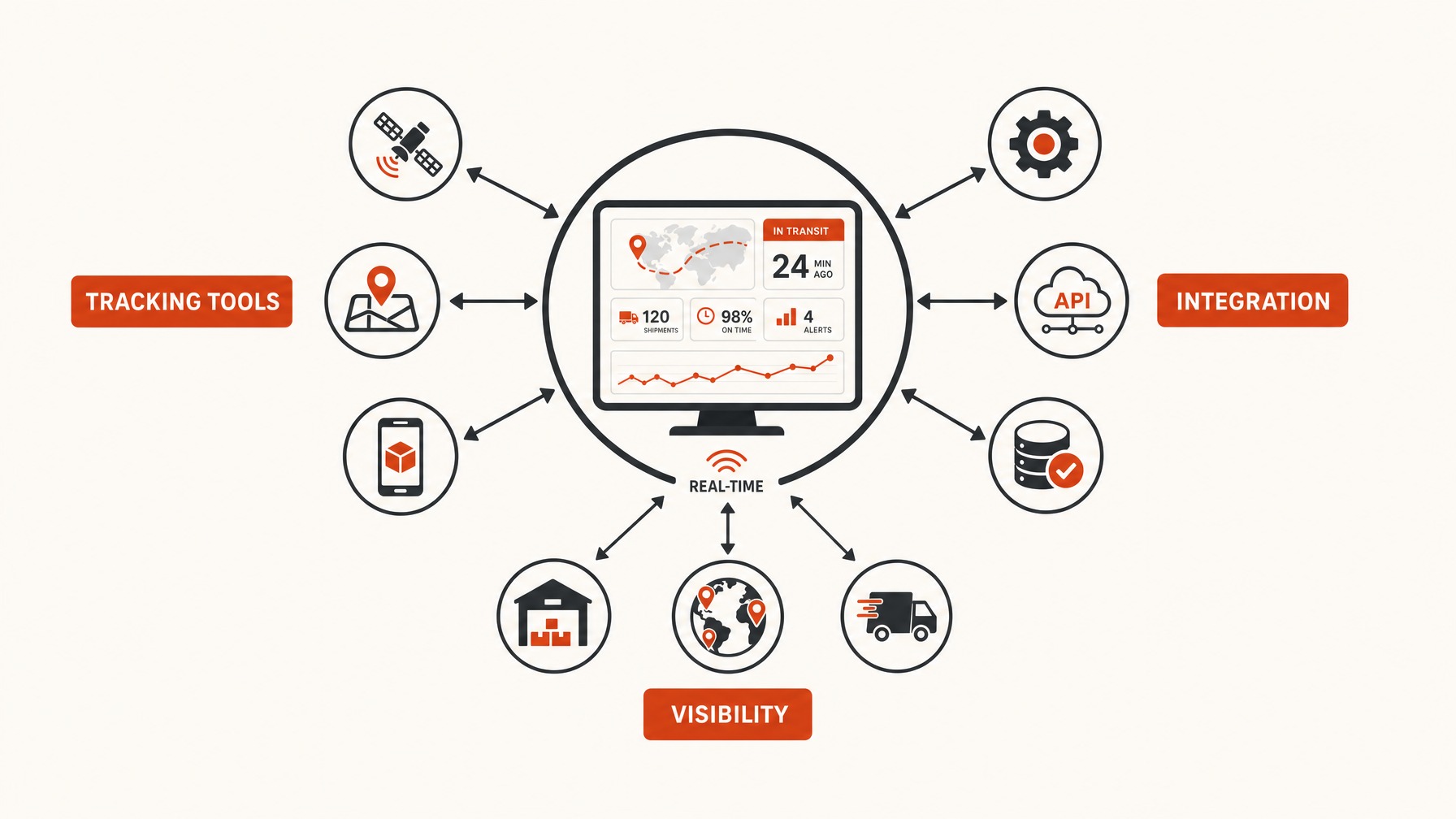
5. Use Advanced Tracking Tools
From what I have seen, the most successful exhibitors at trade shows often invest in advanced tracking tools to manage their freight effectively.
These tools not only give you real-time visibility over your shipments but also allow you to troubleshoot issues before they become problems.
The benefit here is significant as you can monitor your shipments at every step, ensuring that no unexpected delays disrupt your tightly planned schedule.
One thing most exhibitors end up doing is integrating these tracking systems with their own enterprise software.
By synchronizing multiple systems, you can create a centralized platform that offers smooth oversight and control. This integration makes it easier to generate reports, manage logistics partners, and adjust plans instantaneously.
The key here is selecting a system that allows easy customization and scalability to fit your specific needs.
Many advanced tracking tools now come equipped with predictive analytics.
Features like these can forecast potential delays based on past data and current conditions, allowing for proactive planning. What we have seen work really well is combining tracking data with historical performance metrics, which arms you with insights to plan for future shows more strategically.
Adding to that, these tools often offer mobile applications, enhancing communication and accessibility for on-the-go updates.
Something that comes up a lot is the issue of security.
Advanced tools provide encryption and secure channels to protect sensitive business data during transit.
Furthermore, alerts can be configured to notify your team of any unauthorized access attempts, ensuring your assets remain secure.
By utilizing these advanced tools, you elevate your freight management strategy, which can make a profound difference in your overall trade show success.
6. Communicate Effectively With Your Team
Effective communication with your trade show team is not just about being clear but also about being concise and timely. What we have seen work really well is setting up a structured communication plan that outlines responsibilities, timelines, and contingencies.
Team members should know exactly who to contact for specific issues and updates, minimizing potential disruptions.
Having regular pre-show briefings can make sure everyone is aligned on objectives and logistics, including any last-minute changes.
From what I have seen, the ones that get it right usually incorporate multiple communication channels such as email, text, and even project management platforms.
These tools can be invaluable for managing expectations and keeping everyone informed.
Important: You must establish a clear, concise communication plan that outlines responsibilities, timelines, and utilizes multiple channels to make sure smooth coordination with your trade show team.
Communicating effectively with your team also involves getting feedback and suggestions for improvement after each show. One thing most exhibitors end up doing is conducting a thorough debriefing session where challenges and successes are openly discussed.
This isn’t just about reflecting on what happened but about harnessing insights for future improvements. As you integrate these practices, consider Exhibitant‘s role as your strategic partner in exhibit strategy and booth systems.
Exhibitant focuses on collaborative solutions that provide show support, aligning seamlessly with your team’s efforts and goals. Engaging with a partner that prioritizes effective communication can make the process smoother, ensuring every aspect of your trade show is executed flawlessly.
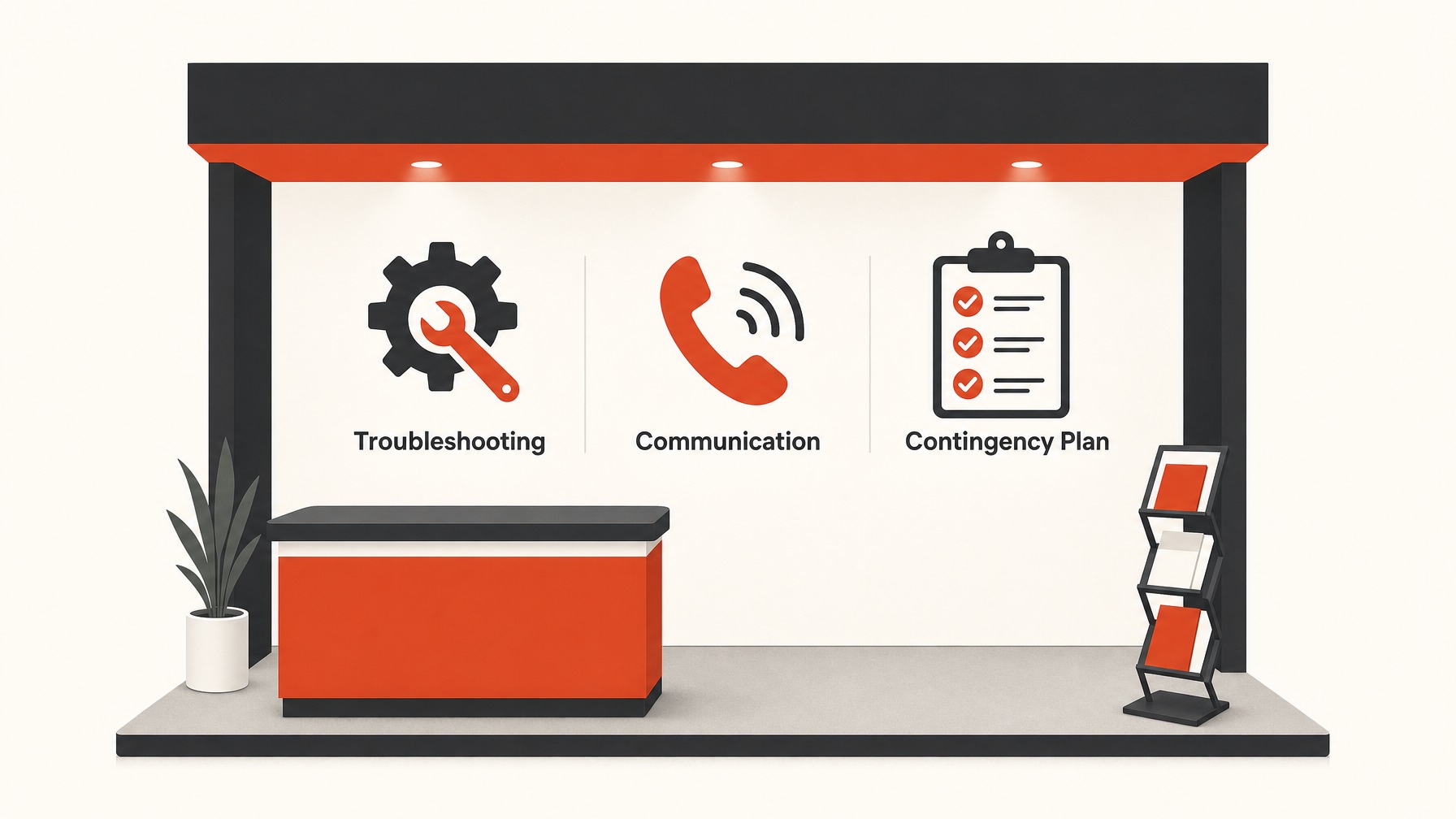
7. Prepare for On-site Challenges
One thing savvy exhibitors always do is anticipate the potential on-site challenges that could arise once freight arrives at the venue.
It’s not uncommon to encounter unexpected delays or issues with scheduling due to the sheer number of exhibitors and logistics involved.
What we have seen work really well is having a dedicated team member or two ready to troubleshoot and manage these situations swiftly and efficiently.
Having direct lines of communication open with your freight partner and event coordinators allows for quick resolutions if any problems arise with your shipments.
From what I have seen, a well-prepared exhibitor will always have a contingency plan in place just in case things don’t go as planned.
This might include having spare equipment or parts available on-site to avoid any last-minute panics.
Something that comes up a lot is the necessity of being familiar with the venue layout and understanding where freight will arrive and how it will move through the space to your booth.
Awareness of this flow can really help you manage time efficiently while setting up.
Another aspect to consider is the scheduling of deliveries to make sure they do not clash with the major influx times of other exhibitors’ freight.
When deliveries occur during peak times, you risk delays that could affect your overall setup schedule. We find that getting a few key staff members trained on the essentials of freight management can be invaluable.
This is especially effective if this isn’t your first show at the venue, allowing them to use past experiences and insights.
Finally, have a toolkit on hand with essential items like tape, scissors, and repair kits, as these can quickly resolve minor issues that can otherwise become major headaches.
When freight arrives, a clean, efficient process for checking and sorting items can make all the difference in how smoothly everything fits into the larger setup plan. I would say the biggest thing here is to stay calm and adaptable as venue-specific or last-minute challenges arise, enabling you to keep focused on delivering a great exhibit.
These proactive measures will help not only with freight management but also in maximizing your exhibition impact.
Before You Go
You’ve gone through the key steps to refine your trade show freight management experience. It’s crucial to remember that a well-thought-out logistics plan can significantly impact your event’s overall success.
By integrating these strategies, you not only safeguard against potential delays but also improve resource allocation, allowing your team to focus on engagement and relationship-building during the event.
Whether it’s starting early in your planning or leveraging tracking tools, each strategy plays an integral role in enhancing efficiency. The right freight management approach helps simplify operations and can prevent unforeseen headaches during the trade show.
What we’ve seen work well is consistent evaluation and adaptation based on past experiences. Being proactive in addressing any logistical challenges ensures that your exhibit goes smoothly.
Reflect on the needs specific to your company’s trade show goals.
Tailor the strategies to best align with those objectives, knowing that meticulous management can lead to a smooth and successful exhibition.
Keep these steps top of mind as you prepare for your next show and you’ll navigate the complexities of freight management with confidence.
From what I have witnessed, seasoned exhibitors recognize the advantages of thoughtful logistics management as a key differentiator in their event execution strategy.
Need a booth plan?
Turn show goals into a practical exhibit path
Share your footprint, timeline, and priorities. Our team can help shape the booth direction, graphics, and project support.
Keep planning
More exhibit guidance
Keep exploring practical advice on booth planning, marketing, and getting more from your next show.
Tell us about your business, the buyers you want to reach, and what you want to achieve. Whether you need more sales conversations, stronger marketing, or a trade show presence, we’ll help you identify where to focus and what support makes sense. Together, we can shape a practical plan around your priorities, budget, and timeline.
 Lorena G.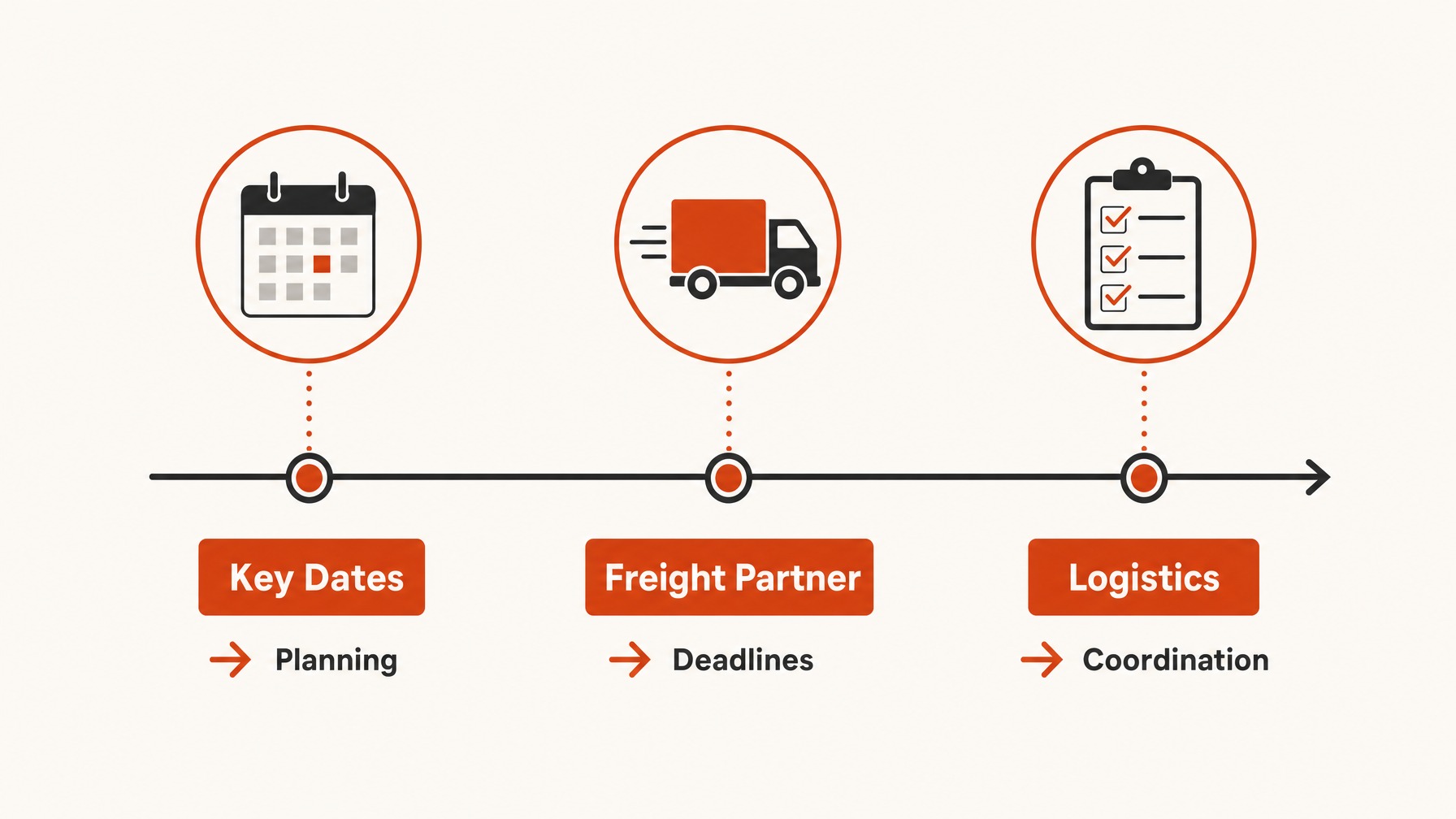


 Louie J.