From what I’ve seen, preparing for a trade show can be an intricate process that requires careful planning and a well-thought-out approach.
Trade shows offer an incredible opportunity to show your brand and connect with potential clients, but they also pose unique challenges.
Navigating this environment requires a keen understanding of various elements that can significantly impact your success.
A common theme among successful exhibitors is their ability to set and adhere to clear objectives. Knowing what you hope to achieve be it lead generation, brand exposure, or product launch provides a solid foundation for all your planning activities.
Without clearly defined goals, it’s incredibly easy to get sidetracked and miss out on the full potential that these events have to offer.
Budget is another element that frequently comes up in discussions around trade show preparations.
Allocating resources smartly can be the difference between a successful outing and an overspend. It’s not just about spreading around cash; it’s about investing it wisely in key areas such as booth design and staffing.
From what I can gather, a detailed budget acts as a blueprint that can guide you through the process without breaking the bank.
Today, I want to cover the six key elements for creating a trade show checklist that will guide you from planning to post-show follow-ups.
By the end, you’ll have a solid strategy for making your next trade show appearance truly effective.
Key Takeaways:
Define clear trade show goals to guide your checklist.
Allocate budget for booth design and marketing materials.
Plan pre-show promotions to attract potential leads.
Coordinate with staff for seamless on-site execution.
Schedule post-show follow-up to nurture generated leads.
With these key points in mind, you’re ready to dive deeper.
In the sections ahead, you’ll find actionable tips to handle each part of the checklist effectively.
You’ll gain insights into budget planning and staff coordination for a smooth experience.
Get ready to turn the basics into real success.
1. Setting Clear Objectives
One thing most exhibitors end up doing is jumping into trade show planning without first establishing clear objectives.
Understanding precisely what you want to achieve is crucial, whether it’s generating leads, raising brand awareness, or launching a product. Having concrete goals helps in measuring success post-show and ensures that time, effort, and resources are not scattered.
At Exhibitant, we emphasize that getting this step right can simplify your entire preparation process and drive more intentional results.
From what I have seen, the ones that get it right usually start by engaging their team in a focused brainstorming session.
This helps in aligning different perspectives on key priorities and what defines success for the company.
Make these goals specific, measurable, achievable, relevant, and time-bound (SMART), giving your team a clear vision.
This approach not only focuses your efforts but also aids in enhancing team motivation and participation.
Moreover, it’s vital that these objectives are clearly communicated across all departments involved, including sales, marketing, and booth staff. Nothing derails a promising trade show presence like a lack of internal coherence.
What we have seen work really well is revisiting objectives throughout the planning process, allowing room for adjustments when necessary. Developing a checklist that translates these objectives into actionable tasks can serve as a guiding compass towards achieving them efficiently.
Ultimately, these objectives act as the backbone for all other elements of your trade show strategy, influencing your booth design, staffing, and even budgeting decisions. Here at Exhibitant, our advice is to constantly reflect on whether your planned activities align with your objectives.
This ensures that your approach remains cohesive and influences long-term gains.
A structured plan not only leads to effective execution but also enables objective assessment of outcomes, helping fine-tune future trade show endeavors.
2. Budgeting for Success
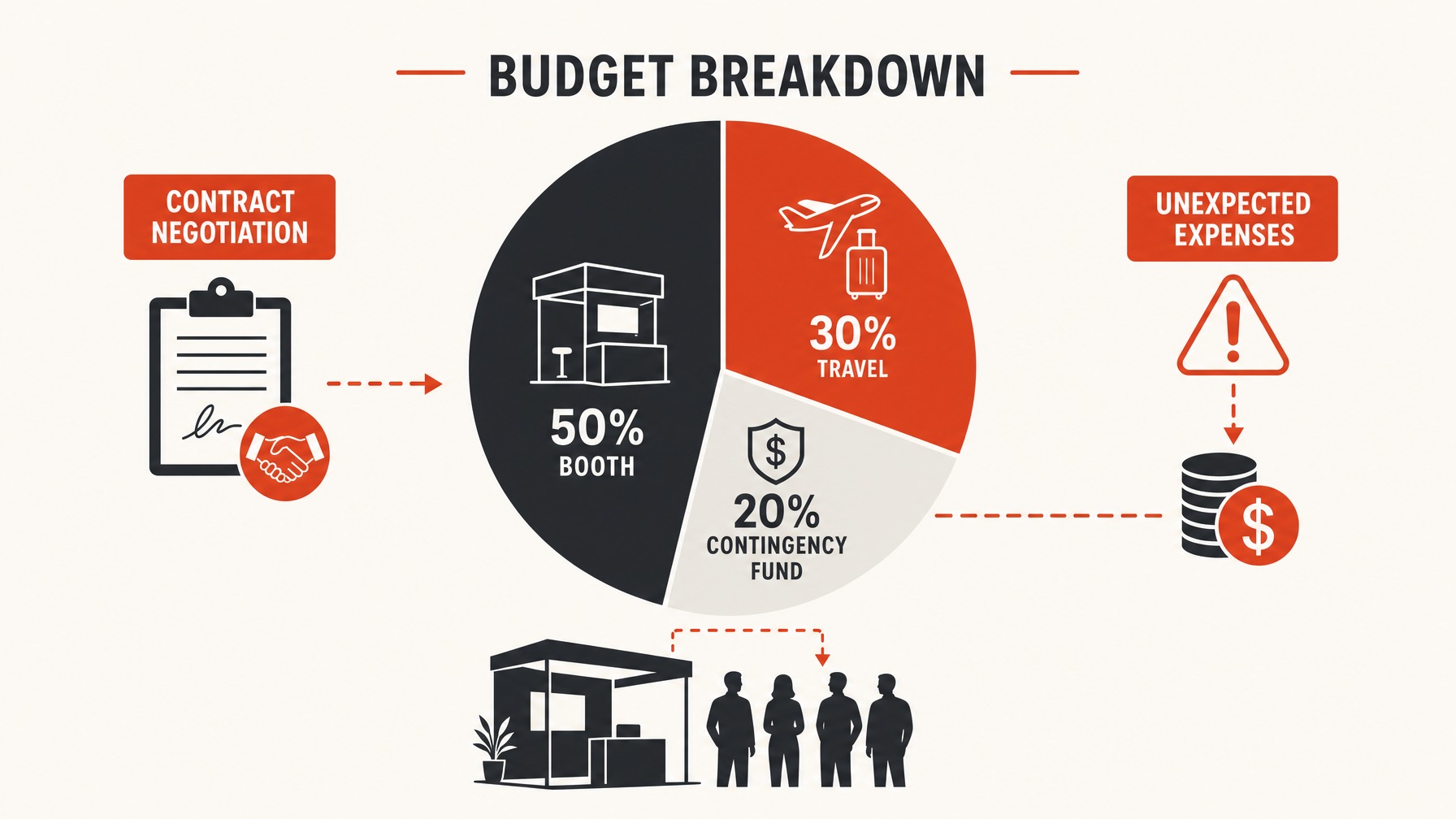
When it comes to laying out your trade show budget, what we have seen work really well is a comprehensive approach that considers every possible expense.
Your budget should anticipate costs ranging from booth space and design to travel and accommodations for your team.
Most exhibitors end up forgetting smaller expenses, but those really add up, impacting your bottom line. From what I have seen, the ones that get it right usually have a contingency budget as well.
It’s essential to allocate extra funds specifically for unexpected expenses that might crop up.
One thing that industry veterans talk about is the importance of negotiating your contracts to balance cost and value.
For example, when dealing with vendors, securing early bird rates can provide more flexibility within your financial plan.
The savings you generate from negotiating booth and material costs can give you breathing room to enhance other sections of your budget.
Allocating funds for specific areas allows you to monitor your spending and make adjustments as needed.
Important: To achieve budget success at trade shows, you must allocate extra funds for unexpected expenses, negotiate for better rates, and consistently track spending.
It’s also wise to earmark a portion of your budget for marketing and promotional activities that might amplify your presence and yield higher returns.
Ultimately, achieving budget success requires careful tracking and analysis throughout everything. Use tools or software to stay on top of spending and eliminate unnecessary costs in real time.
Budget tracking methods will allow you to measure each area and adjust as necessary.
Finally, I would say one of the best practices is a post-show budget review.
This can highlight overspending areas or surfaces opportunities for cost savings at future events.
A thorough evaluation can strengthen your strategy and lead to more effective budget management in future trade shows.
3. Pre-Show Promotion Strategies
One thing most exhibitors end up doing is putting together a solid pre-show promotion plan to drive traffic and generate excitement before the event begins.
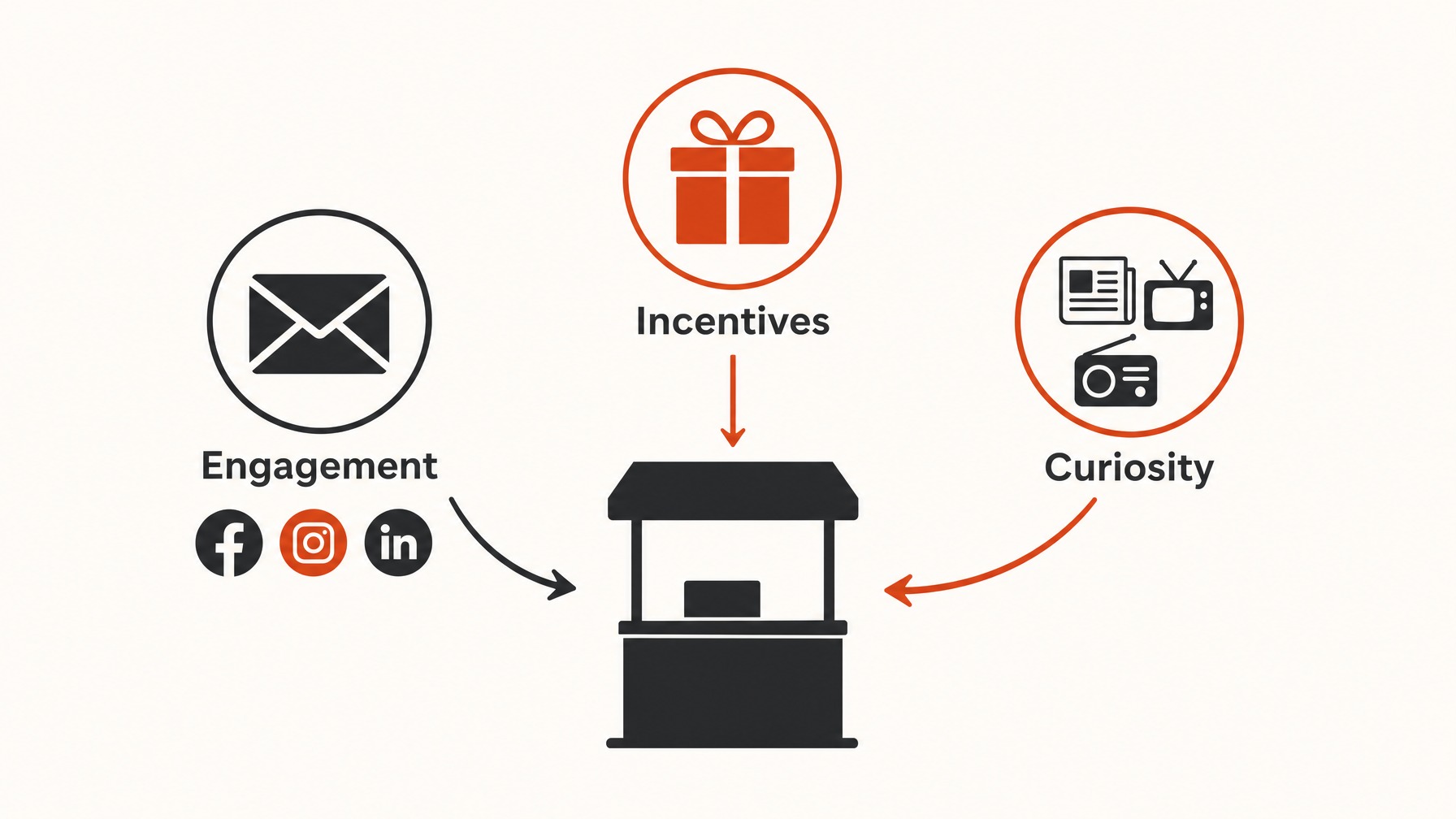
What we have seen work really well is integrating a range of marketing tactics like email campaigns, social media announcements, and personalized invites. Sophisticated exhibitors also frequently use a mix of traditional media and digital channels to effectively target their audience.
I would say the biggest thing here is not to underestimate the power of exclusive content or sneak peeks.
From what I have seen, the ones that get it right usually offer incentives or teasers, sparking curiosity about what will be at their booths.
Exhibitors can also benefit significantly by developing strategic partnerships with media outlets and key influencers to amplify their reach.
It’s crucial to tailor content to resonate with the potential visitor’s specific needs and pain points, making your exhibit a must-see destination.
Timing is everything; releasing content too early or too late can diminish impact, and you want to hit just at the right time.
Something that comes up a lot is the debate over the balance between quantity and quality of promotional efforts.
While broader reach can seem appealing, focusing on well-targeted, meaningful engagements often leads to a higher impact.
That’s where Exhibitant acts not just as a display vendor but as a strategic partner, helping exhibitors refine their exhibit strategy and integrate comprehensive show support systems. With these insights, you can feel confident in the effectiveness of your pre-show activities, setting the stage for a successful event.
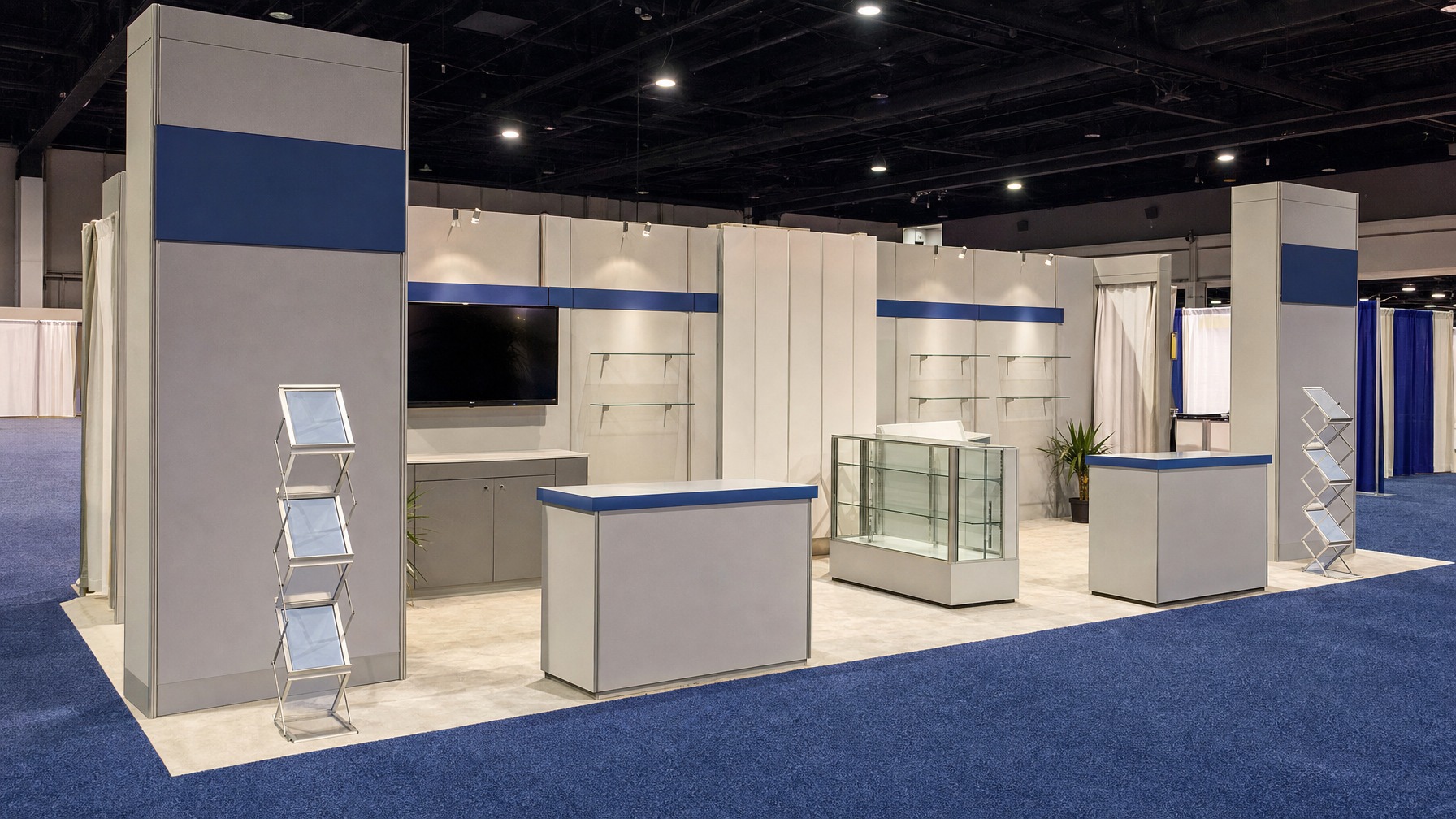
4. Designing an Impactful Booth
When it comes to trade shows, a well-designed booth plays a crucial role in catching the attention of attendees and making a strong first impression.
From what I have seen, the booths that often succeed are those that blend aesthetic appeal with functional design.
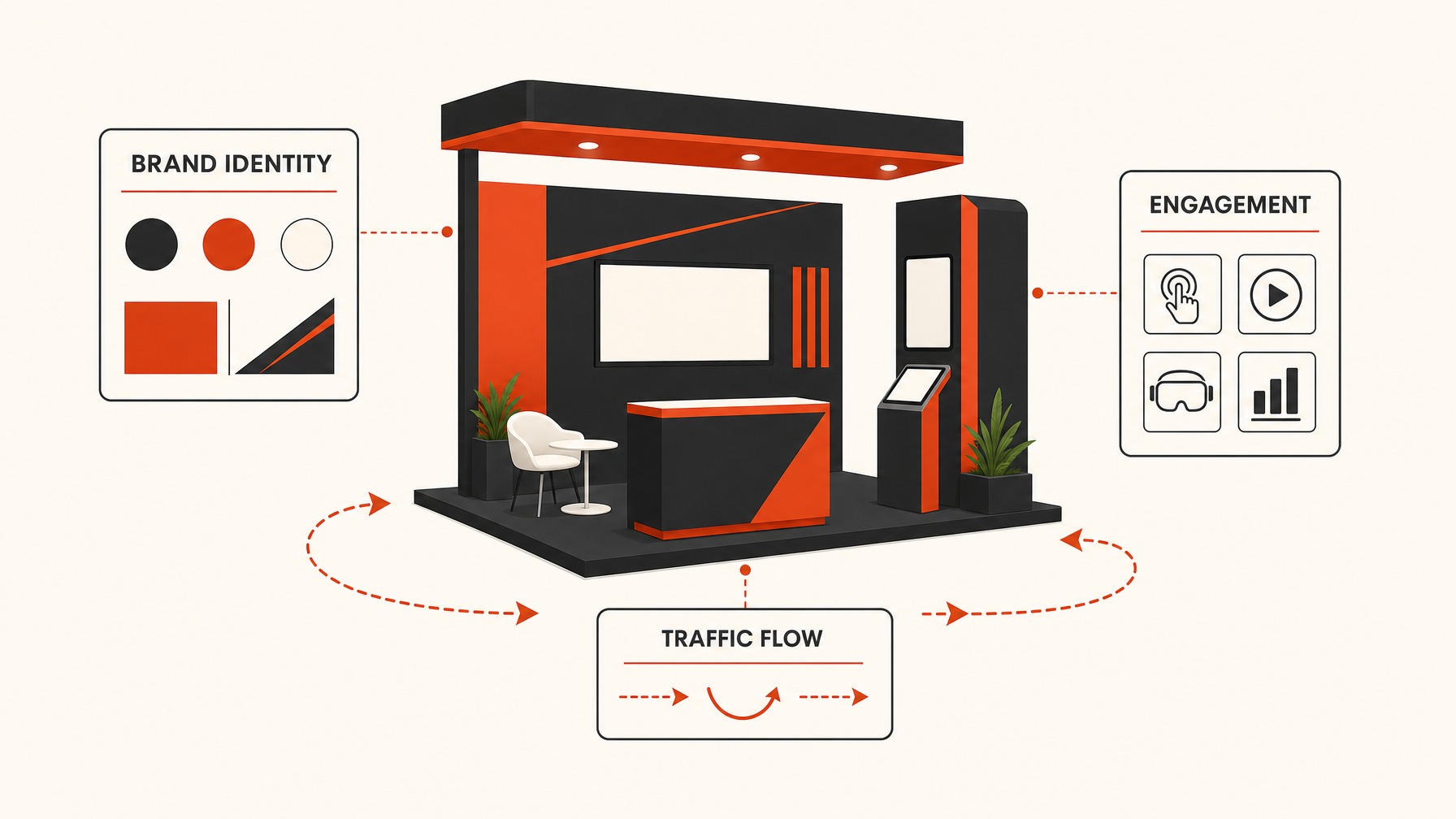
One thing most exhibitors end up doing is integrating their brand colors and logo prominently, which helps to reinforce brand identity and memorability among the bustling crowd. Good lighting is also key; it can transform an ordinary setup into a visually striking exhibit that draws visitors in.
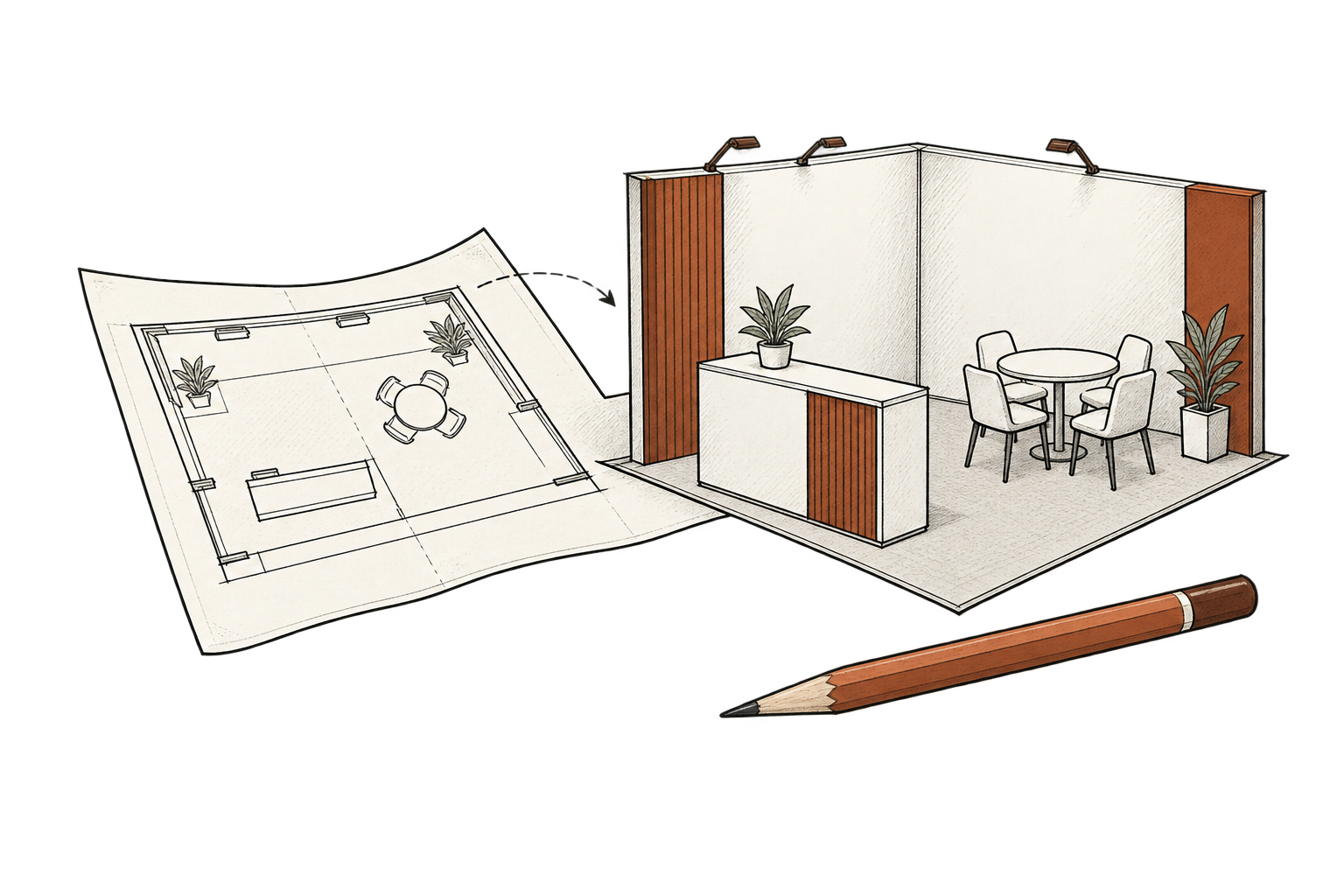
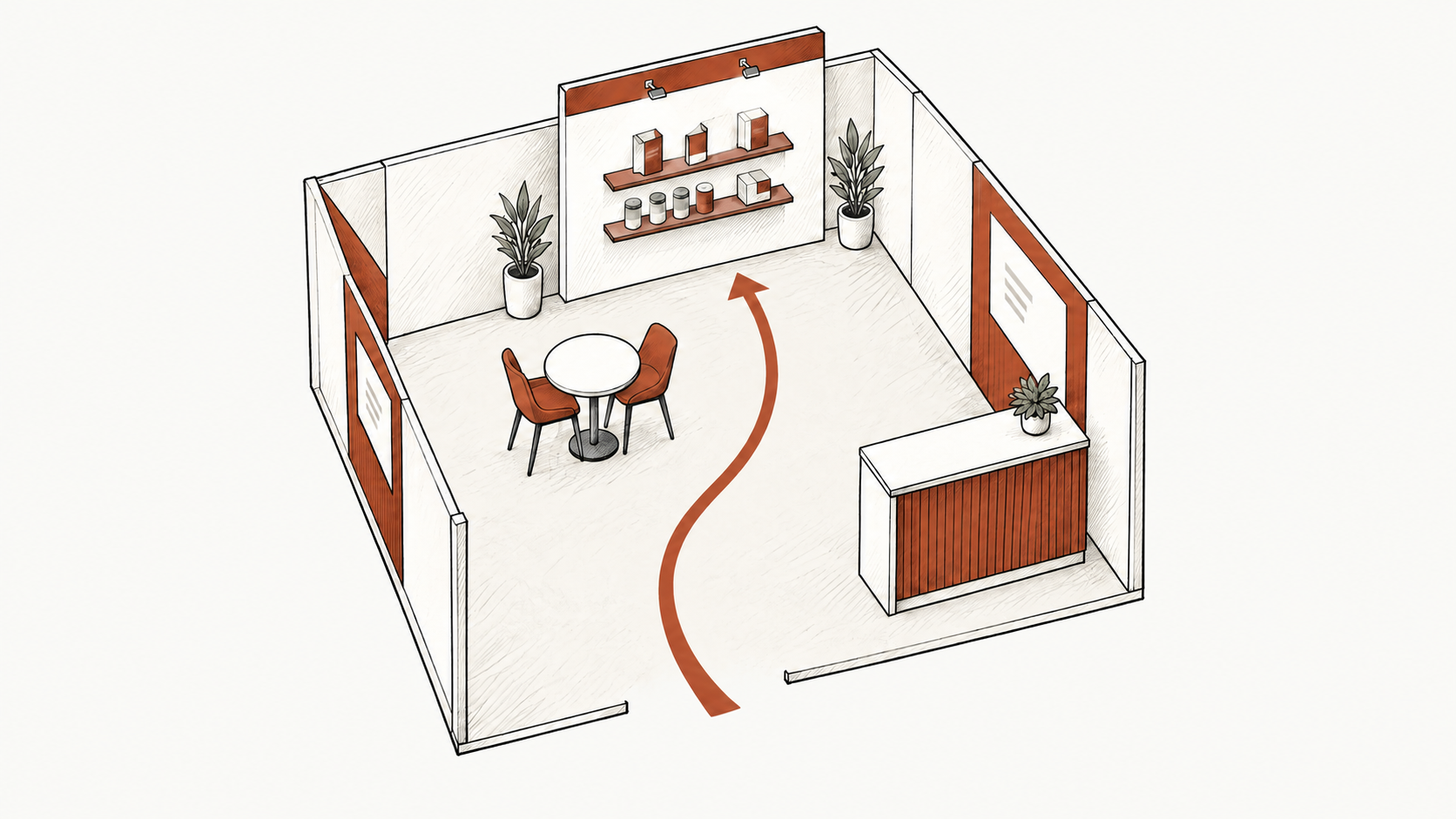
I would say the biggest thing here is the use of space. improve your booth layout to allow for easy traffic flow and interaction without feeling cramped. Use engaging elements such as interactive displays or digital screens that can captivate visitor interest and convey your message effectively.
Don’t underestimate the impact of comfortable seating areas if space allows, as it encourages longer conversations with potential clients. From what we have seen work really well is positioning product demos or VR experiences in a way that showcases your offerings without obstructing walkways.
Incorporating strategic signage is essential for communicating key messages quickly.
Use clear, bold text and graphics that can be easily viewed from a distance.
Pro Tip: Integrate interactive displays or digital screens in your booth to captivate visitors and convey your message effectively without obstructing walkways.
The right strategic positioning of screens or banners can guide visitors naturally and highlight standout products or services. Something that comes up a lot is underestimating sound; ambient noise levels can hinder communication, so consider using sound barriers or private meeting areas if you need quieter settings.
Ultimately, keep flexibility in mind, allowing your booth to adapt to different audience needs throughout the show.
Your booth design is not just about aesthetics; it’s about crafting an experience that resonates with attendees long after they exit your space. Smart exhibitors weave storytelling into their booth elements, creating a narrative that visitors can connect with.
Think of your booth as a stage where each element plays a part in conveying your brand’s message and values.
Make sure that your team members are familiar with the booth layout for efficient movement and interaction.
This not only streamlines your operation but also projects a polished, professional image to potential clients and partners.
5. Staffing for Optimal Engagement
What we have seen work really well is assembling a team that not only knows your product inside and out but also truly understands how to engage with potential leads effectively.
Staffing your booth is more than just presence; it’s about fostering meaningful connections that convert inquiries into prospective clients.
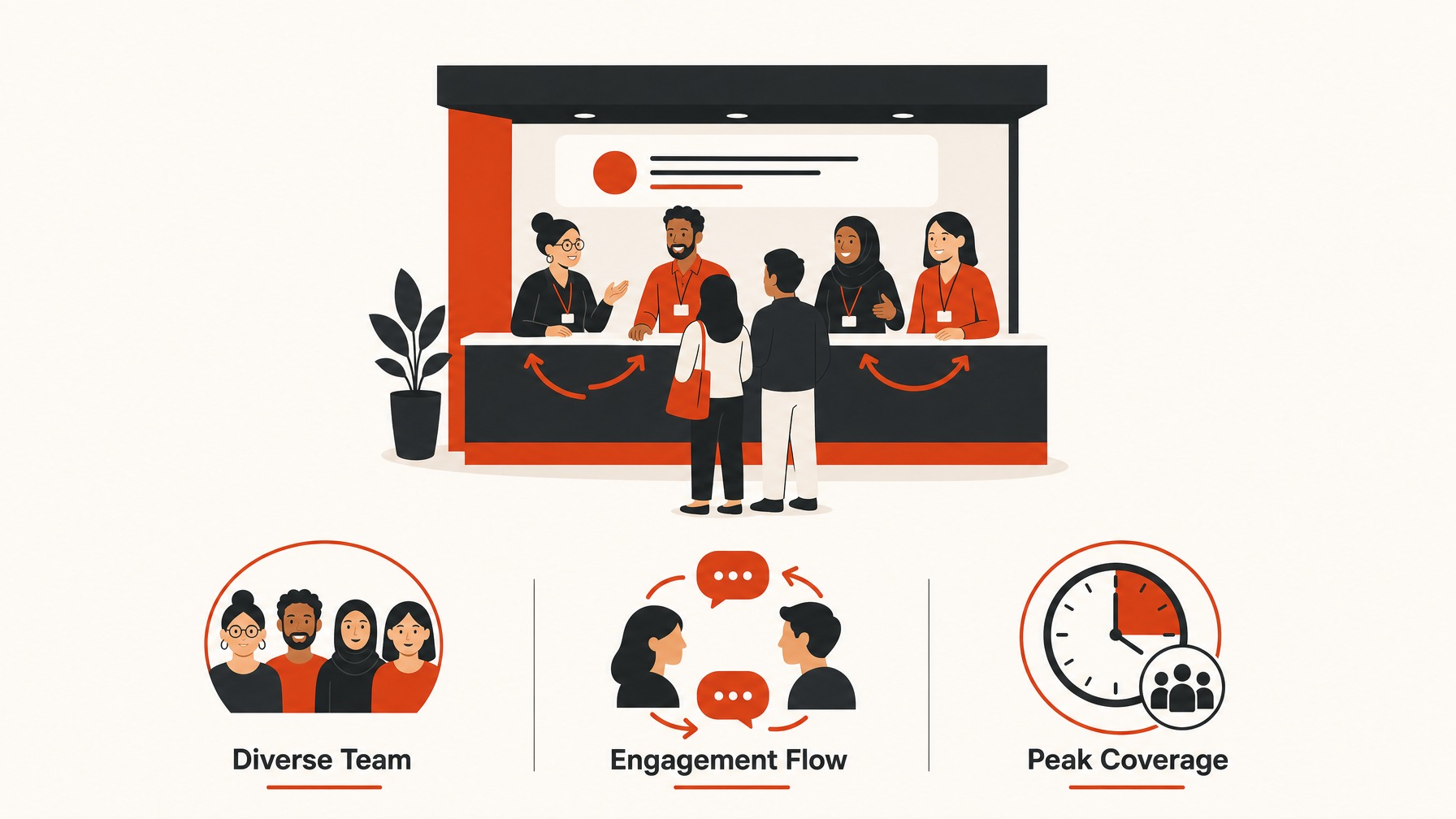
It’s crucial to have a mix of talents in your team, from experts capable of deep product discussions to those who can kick off casual conversations and gradually lead into more formal talks about your offerings.
One thing most exhibitors end up doing is staffing inadequately for peak hours, so identifying these busy periods and ensuring you have enough coverage is absolutely vital. Spreading your team too thin can lead to missed opportunities, as staff members may not be available or too occupied to interact with all interested attendees.
From what I have seen, the ones that get it right usually have a staffing rotation schedule that not only allows for breaks but also keeps their team fresh and attentive throughout the event.
From practical experience, the importance of pre-show training cannot be overstated.
This might involve running through mock interactions or providing detailed rundowns of new products or services.
Staff need to be comfortable and confident in answering the most challenging questions that may arise.
Another crucial element is to instill a strong understanding of your lead capture process, so no valuable information slips through the cracks.
Some companies elect to have a booth captain, a role designed to coordinate staff and make sure interactions flow smoothly.
A designated point person can further support optimal engagement by helping manage the booth schedule, marketing collateral, or shifting staff to busier zones when necessary.
6. Post-Show Follow-Up Plans
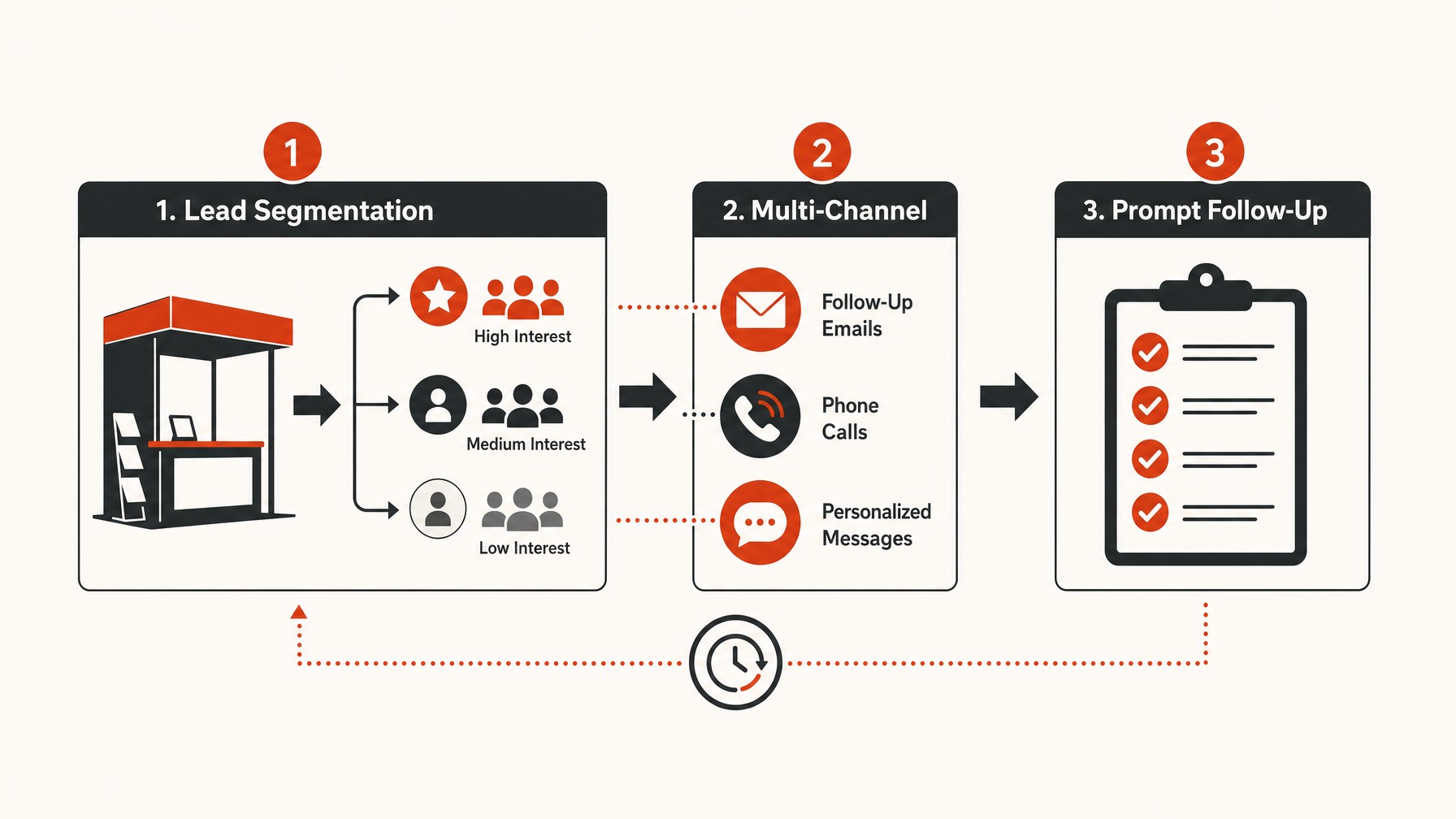
After the trade show ends, the real work begins, because what we have seen work really well is when companies have a structured follow-up process in place.
You can’t rely solely on the connections made at the event to drive results; you need a comprehensive plan to nurture those leads.
The most successful exhibitors usually prioritize promptness, as reaching out while the interaction is still fresh can significantly enhance engagement.
When crafting your follow-up strategy, consider segmenting your leads based on their interests and behaviors observed during the event.
Many exhibitors end up utilizing a mix of communication channels, including personalized emails and scheduled phone calls, to reach prospects effectively.
I would say the biggest thing here is to create follow-ups that are not generic but rather tailored to the specific conversation you had. It’s essential to follow up within a week while the impact of your booth experience is still top of mind.
From what I have seen, including a summary of the meeting or conversation highlights reminds the lead of their specific connection with you.
Another effective tactic involves extending the trade show experience by sending valuable insights, such as a white paper or a special report, which ties back to your booth themes.
This not only keeps your brand in front of the lead but also positions you as a valuable resource in their decision-making process.
Don’t overlook scheduling a follow-up meeting or demo during these interactions, as this signals your commitment to building a meaningful relationship.
Establishing a timeline for each stage of your follow-up ensures that nothing falls through the cracks.
By continually assessing and refining your approach, you can enhance the effectiveness of your post-show efforts and ultimately drive healthier sales pipelines.
The Bottom Line
Bringing together the key elements of your trade show checklist means aligning each aspect to your overarching goals.
What we have seen work really well is a balanced approach that pays attention to both logistical details and strategic components like pre-show promotion and post-show follow-up.
Each step, from setting objectives to monitoring return on investment, should reflect your brand’s vision and mission.
Trade shows present a unique opportunity for building relationships, branding, and tangible business growth.
From what I have seen, the ones that get it right usually focus on a cohesive strategy, where each component feeds into the next.
The effort doesn’t stop at booth design or budgeting alone; it’s about creating a smooth flow that enhances your presence and maximizes your impact.
One thing most exhibitors end up doing is viewing trade shows as a singular event, but the reality involves a continuous cycle of preparation, execution, and reflection.
This complete approach helps fine-tune future strategies and drives sustainable improvements over time.
By planning effectively and executing diligently, your participation not only enhances business relationships but also contributes robustly to your brand’s long-term success.
I would say the biggest thing here is to integrate your trade show activities into your broader marketing and sales efforts.
It’s essential to reflect on your performance and apply key learnings to future events.
The investment in time, resources, and creativity pays off when implemented in the context of an ongoing strategy.
Keep refining your approach, and you will find that each show becomes more successful than the last.
Need a booth plan?
Turn show goals into a practical exhibit path
Share your footprint, timeline, and priorities. Our team can help shape the booth direction, graphics, and project support.
Keep planning
More exhibit guidance
Keep exploring practical advice on booth planning, marketing, and getting more from your next show.
Tell us about your business, the buyers you want to reach, and what you want to achieve. Whether you need more sales conversations, stronger marketing, or a trade show presence, we’ll help you identify where to focus and what support makes sense. Together, we can shape a practical plan around your priorities, budget, and timeline.
 Lorena G.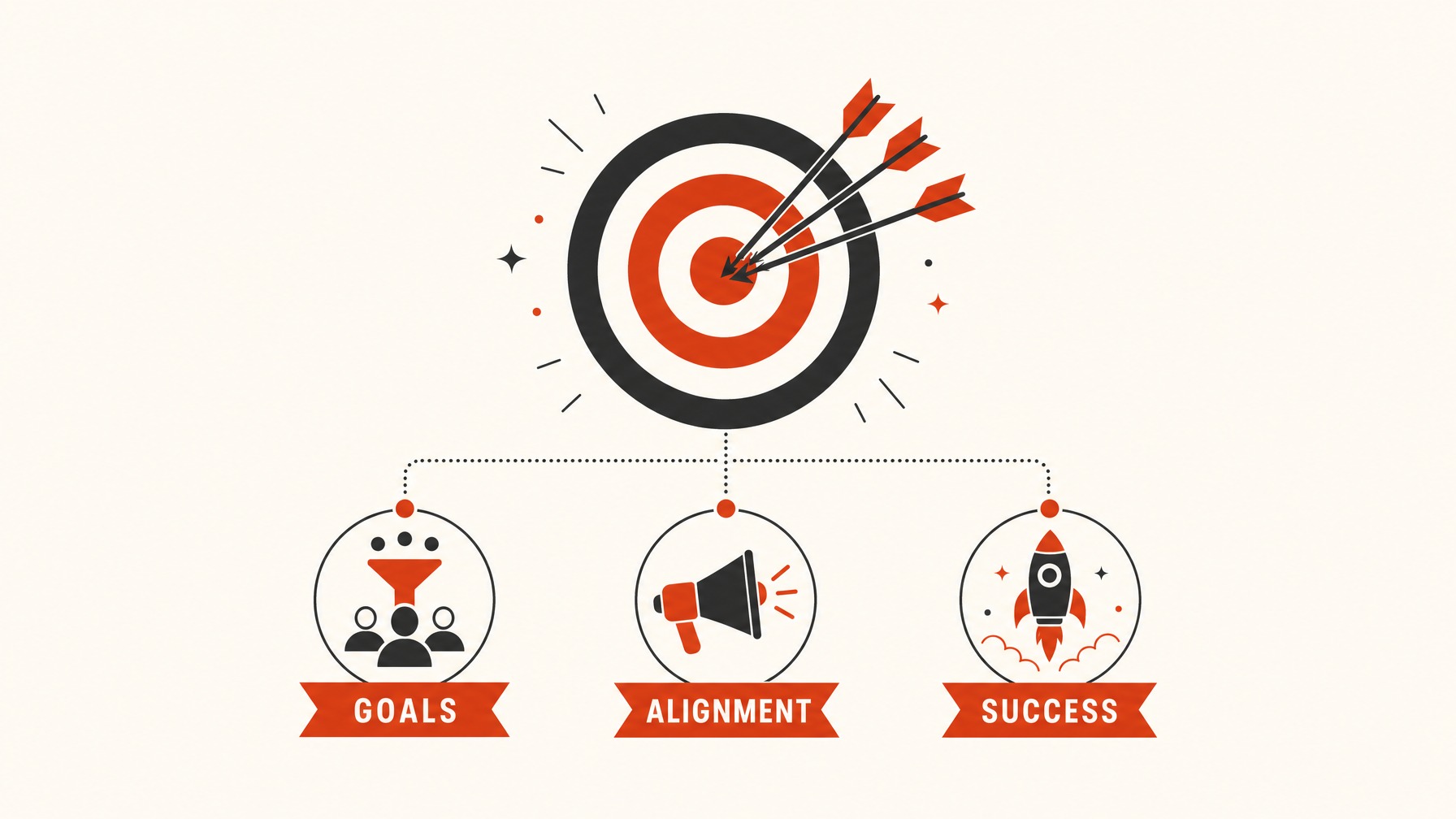
 Louie J.