 Louie J.
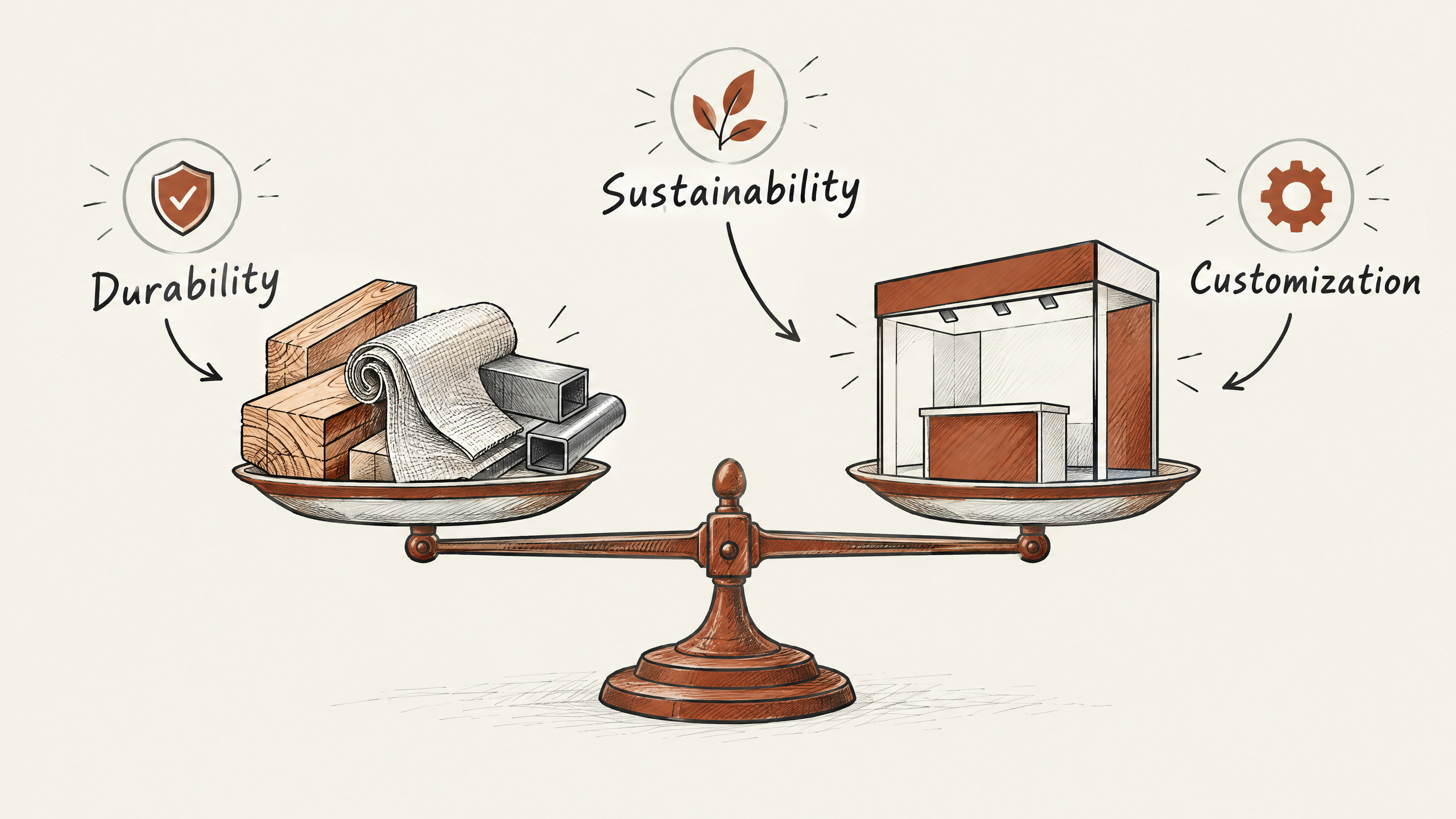
Choosing the right materials for your booth fabrication is a critical decision. The materials you select can impact not just the durability and appearance of your booth, but also its ease of assembly and overall cost.
Here’s how I would approach this key decision.
Your booth’s materials need to align with your brand’s aesthetics and messaging.
A cohesive look can emphasize your brand’s identity and attract more visitors.
A mismatch could undermine your efforts.
You also need to factor in environmental impact.
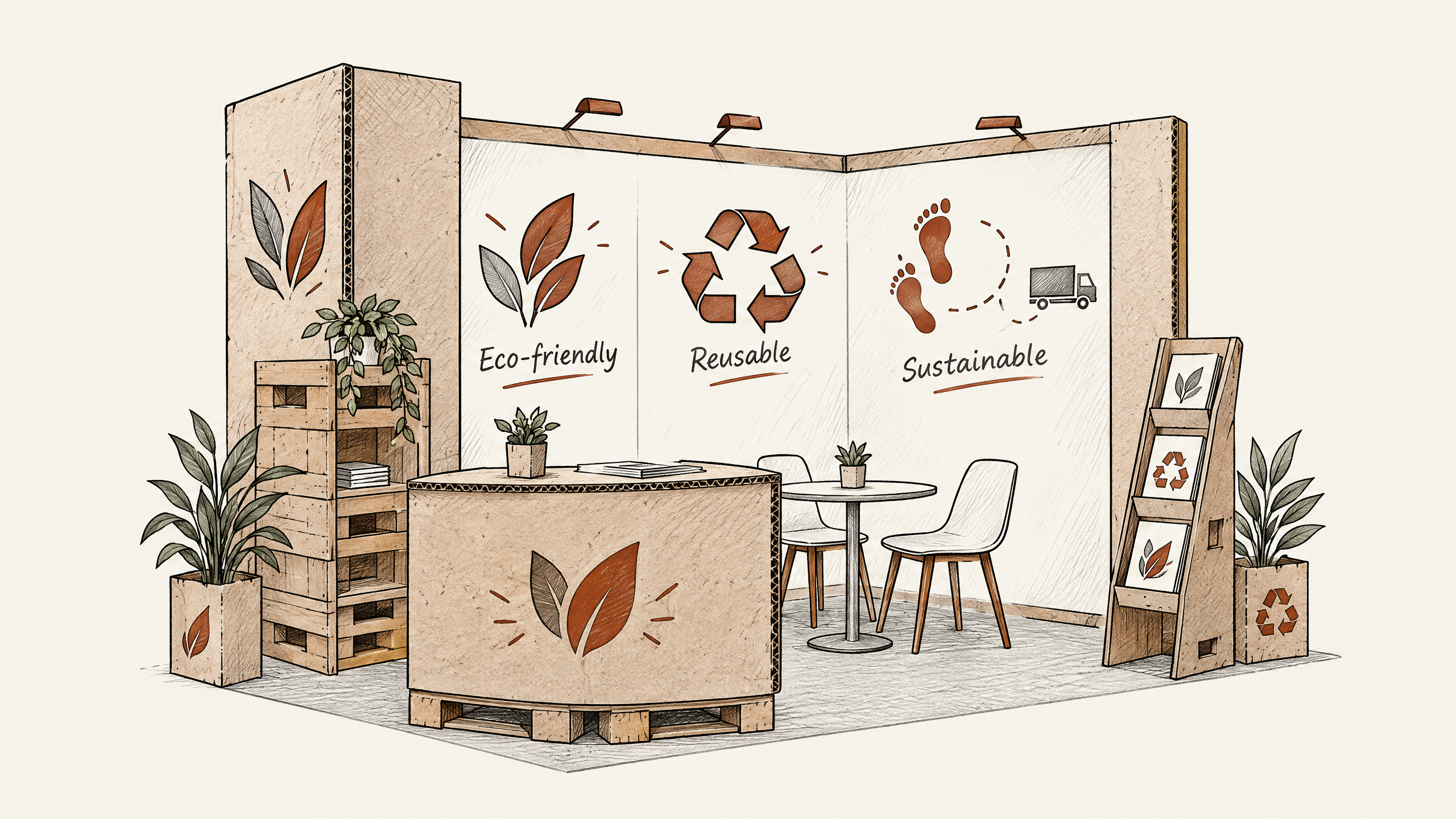
Opting for sustainable materials not only helps our planet, it can also enhance your brand reputation. Sustainability doesn’t mean sacrificing style or quality.
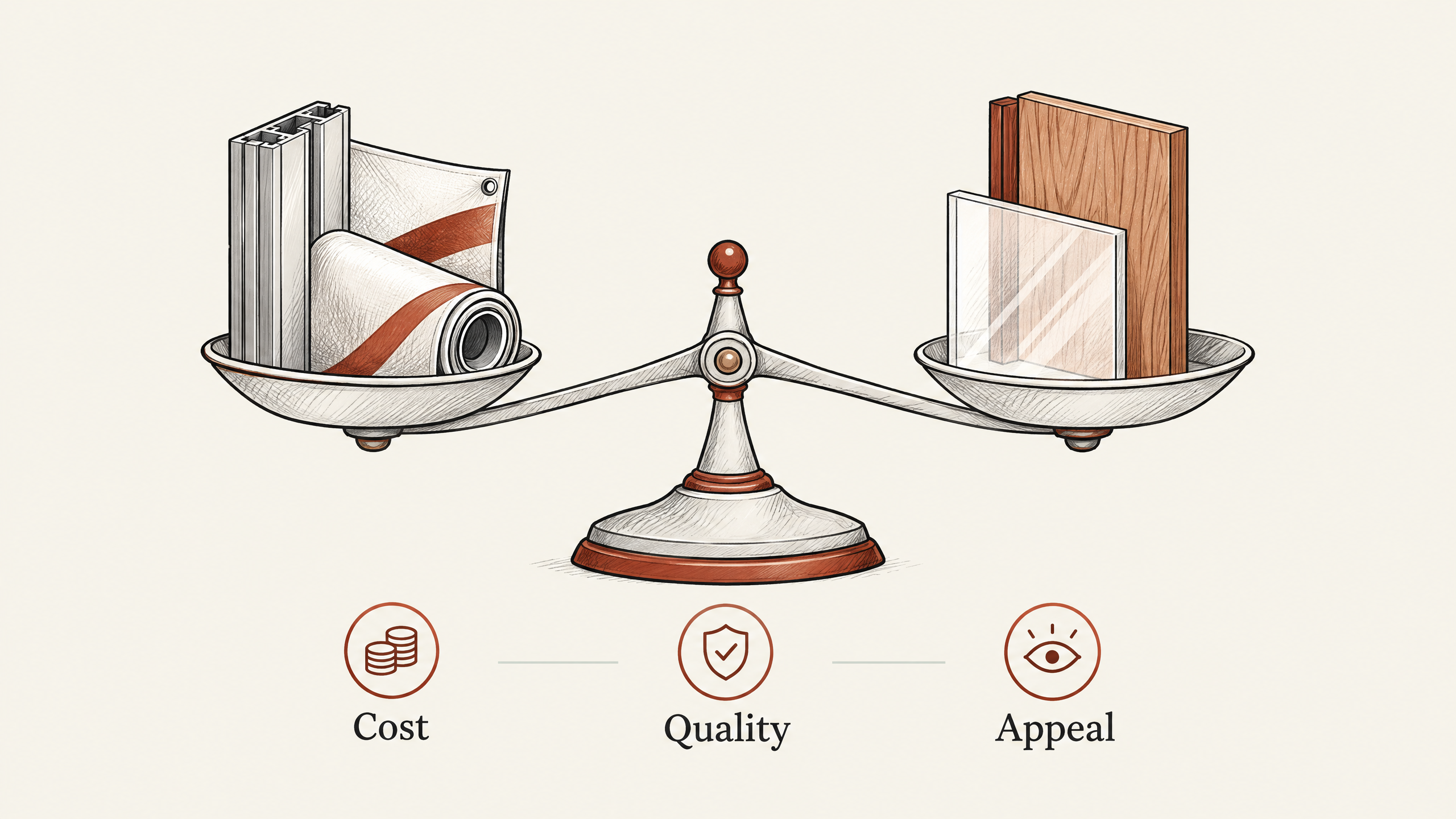
Balancing budget with quality requires careful consideration of options available. You want high-quality materials that fit your financial constraints while still appealing to your audience.
This involves weighing customization options and cost effectively.
By the end of this article, you’ll have a clear understanding of how to select the right materials.
You’ll be ready to create a booth that’s durable, cost-effective, and environmentally friendly, while also reflecting your brand’s unique style.
- Consider booth durability for long-term use and return on investment.
- Choose materials that align with your brand aesthetics and messaging.
- Evaluate the ease of assembly and disassembly for efficient setup.
- Assess environmental impact and sustainability of material choices.
- Account for budget constraints while maintaining quality and appeal.
Choosing the right materials can affect both your booth’s durability and its visual appeal.
By carefully evaluating your budget and sustainability goals, you’ll make the best choice for your team.
1. Assessing Durability in Booth Materials
Choosing the right materials for your booth requires a thorough assessment of durability.
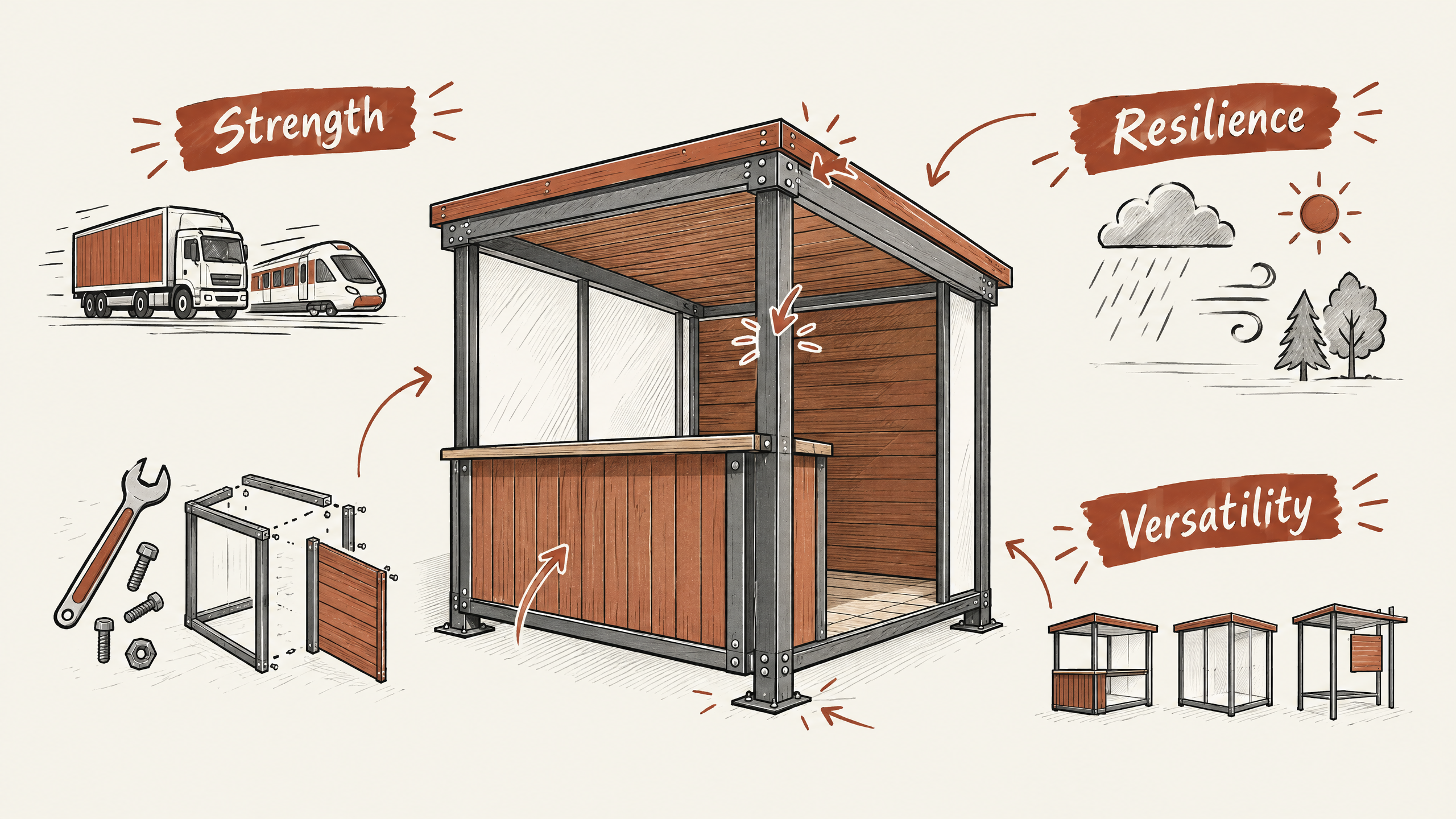
Durability ensures that your investment lasts over multiple trade shows, saving on future repairs or replacements. A vital first step is to identify the typical conditions your booths will face, such as transportation, assembly, and environmental factors at venues.
High-traffic events demand more resilient materials, while indoor, low-key gatherings might allow for lighter options.
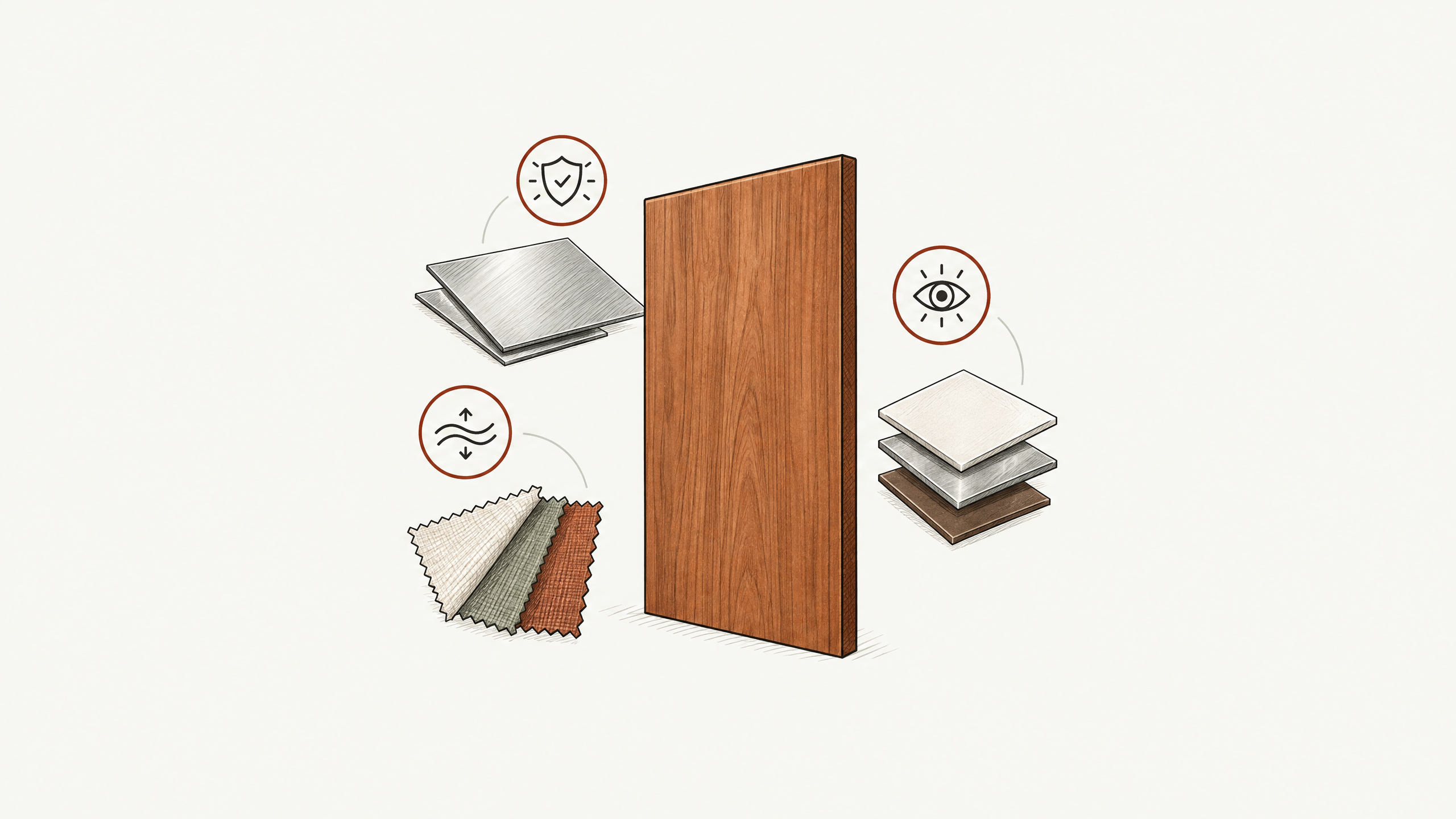
Metal, wood, and durable plastics are popular options due to their ability to withstand wear and tear. Metal, such as aluminum, offers an excellent balance of strength and weight, making it a go-to for many.
Choosing wood may bring a classic touch, but it’s crucial to opt for treatments that prevent warping or damage.
Durable plastics are often lighter but well-suited for intricate designs and varied conditions.
Imagine a scenario where your team routinely sets up at outdoor events: here, opting for UV-resistant and weatherproof materials becomes critical.
These materials prevent fading and structural damage, ensuring the booth maintains its appearance and functionality through sun and rain.
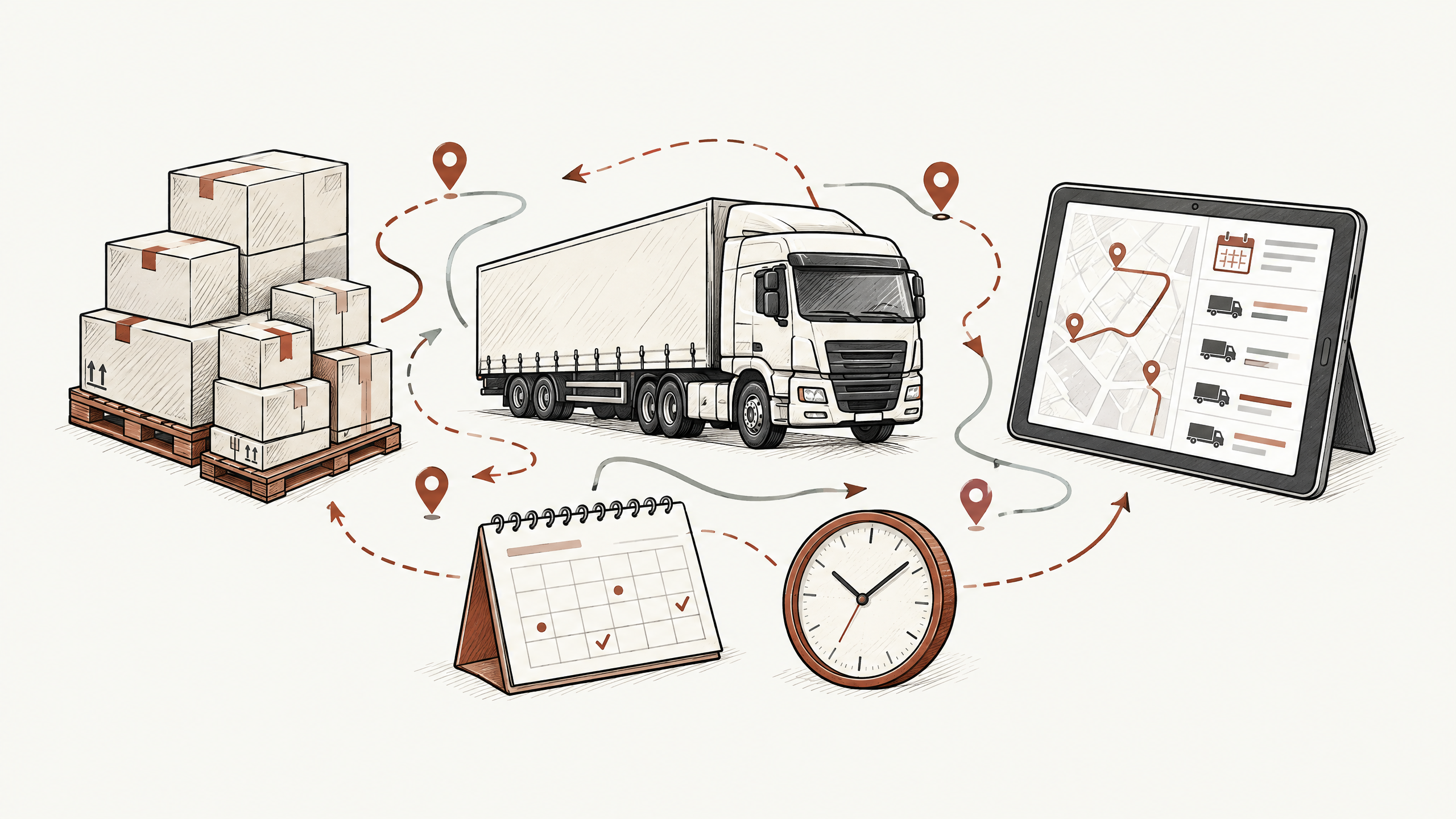
Creating a checklist of your booth’s requirements can simplify material selection. Consider factors like loading/unloading frequency, travel distances, and setup complexity.
This method helps balance the initial cost with long-term savings on repairs and maintenance.
Keep in mind that not every material requires similar care; some are more demanding than others.
Recognize how your logistics and budget shape your decisions, and prioritize materials that make sure your booth stands the test of time.
2. Aligning Material Choice with Brand Aesthetics
When selecting materials for booth fabrication, matching your brand’s aesthetics is a crucial step.
Every material, from the texture to the finish, should speak to who you are as a company.
Your booth is an extension of your brand, and the materials should highlight this connection.
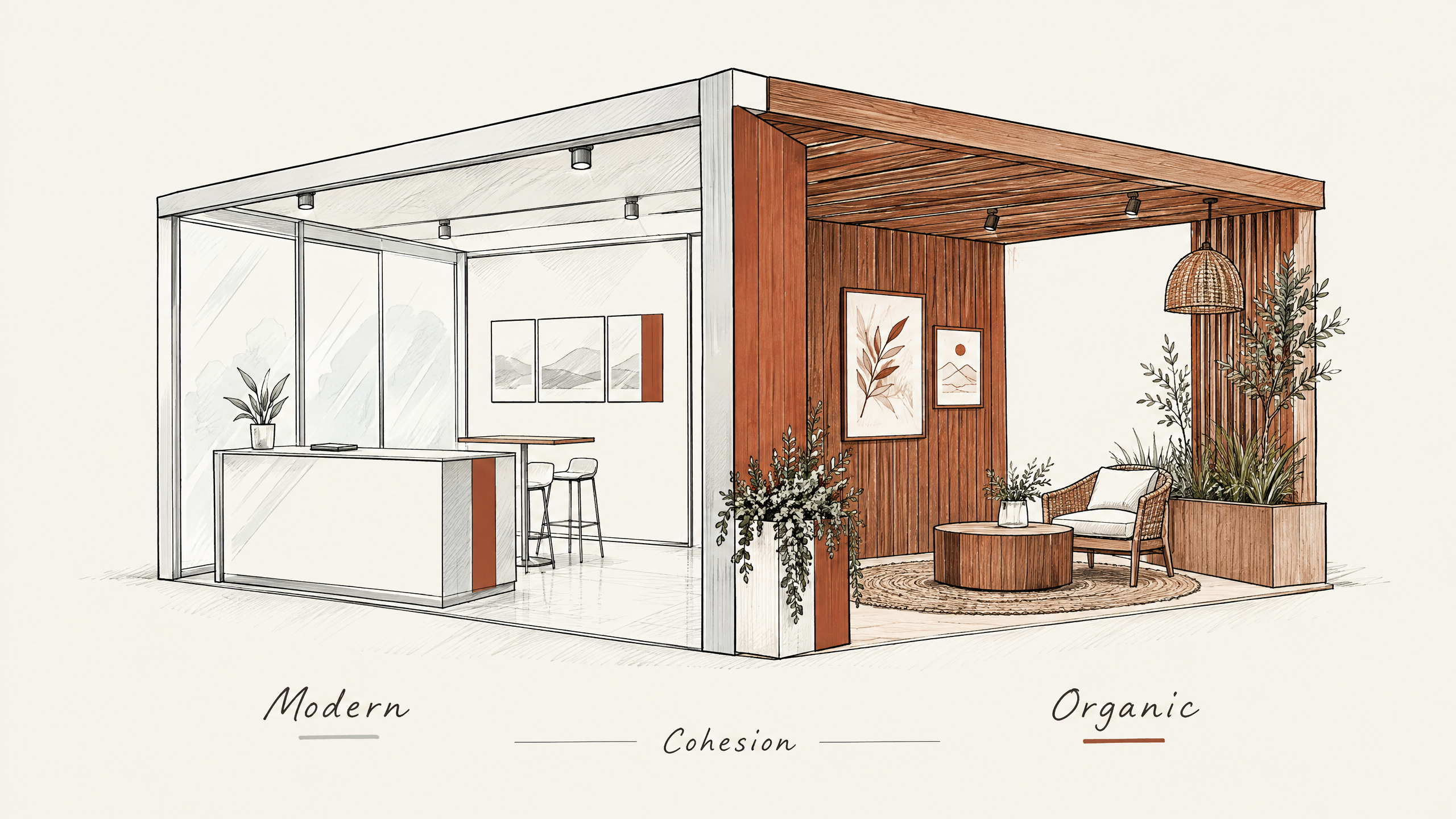
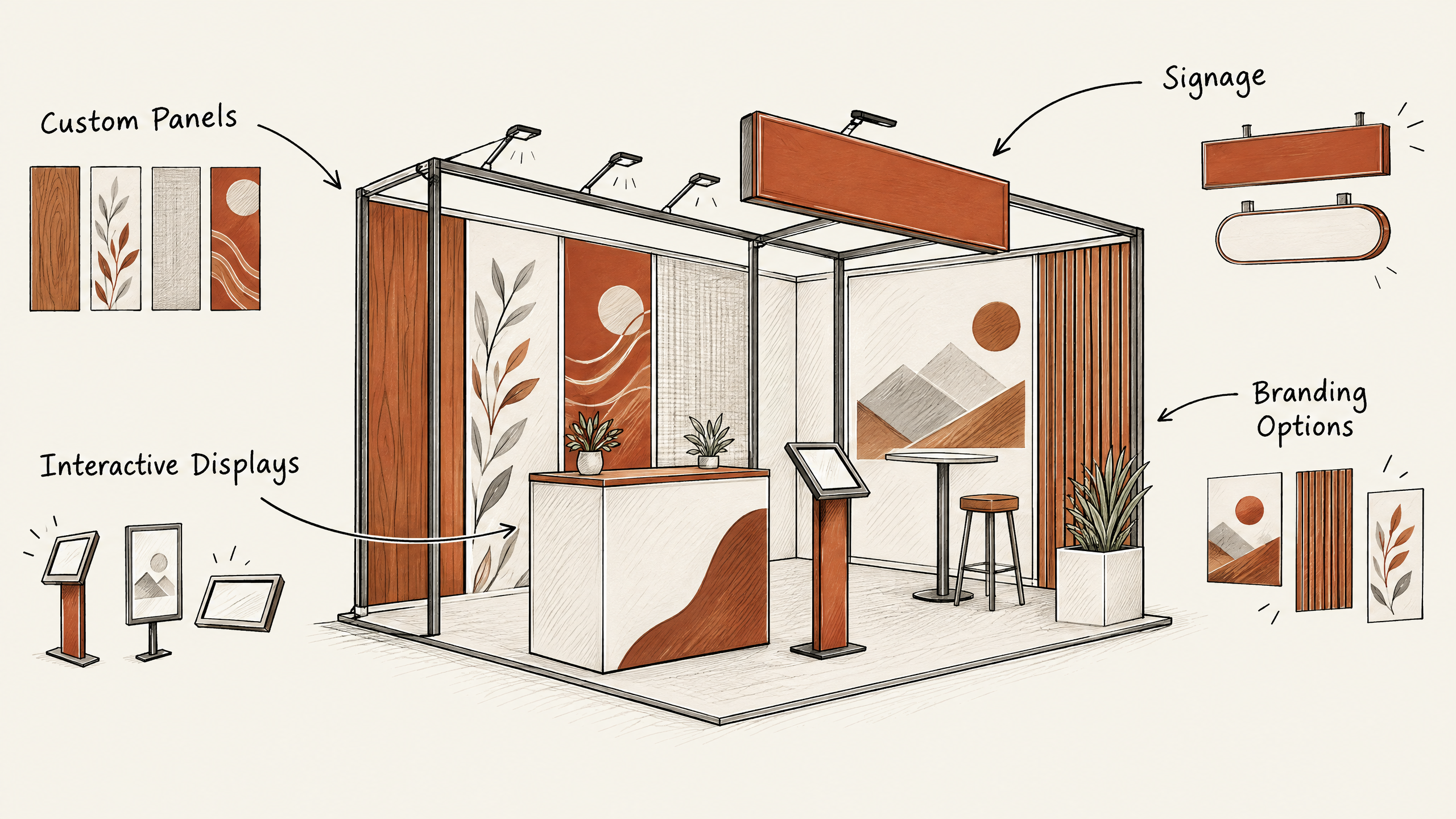
For example, if your brand persona is modern and innovative, consider materials like aluminum or sleek glass panels to convey that message.
Your color scheme and design elements should guide the material choice.
A brand with earthy, natural tones might opt for wood or other organic materials.
Conversely, a tech-focused company might use materials with a futuristic feel, such as metallics. The goal is to create a visually cohesive experience that reinforces your messaging and makes a lasting impact on attendees.
Creating a hypothetical scenario will help illustrate this approach.
Assume you are a company in the sustainability sector.
You would likely opt for reclaimed wood and recycled fabrics, which not only align with the earthy, eco-friendly aesthetic but also reinforce your commitment to the environment.
Pro Tip: To align materials with your brand’s aesthetic, make sure each element from color to texture reinforces your brand’s identity and narrative.
This choice offers a tangible demonstration of your company values.
One common mistake is selecting materials solely based on cost or availability without considering the branding impact. This can lead to a booth that feels disjointed from your overall marketing efforts.
Instead, prioritize materials that serve both your aesthetic and practical needs.
By doing so, you’ll make sure your booth doesn’t just attract attention but tells your story effectively.
Balancing the visual elements with functional requirements will also help you make an informed decision. Consider a checklist: Does the material color match your palette?
Does the texture convey your brand’s tone?
Is the finish in line with your company’s image?
By asking these questions, you’ll align every aspect of your exhibit with your brand’s aesthetic goals.
3. The Importance of Ease of Assembly
When selecting booth fabrication materials, the ease of assembly should be a top consideration.
A booth that’s quick and straightforward to assemble can significantly reduce your team’s on-site time.
This allows more focus on refining your marketing strategy and engaging with potential clients. With a variety of materials available, it’s important to understand the assembly process for each option and how it aligns with your team’s skills and resources.
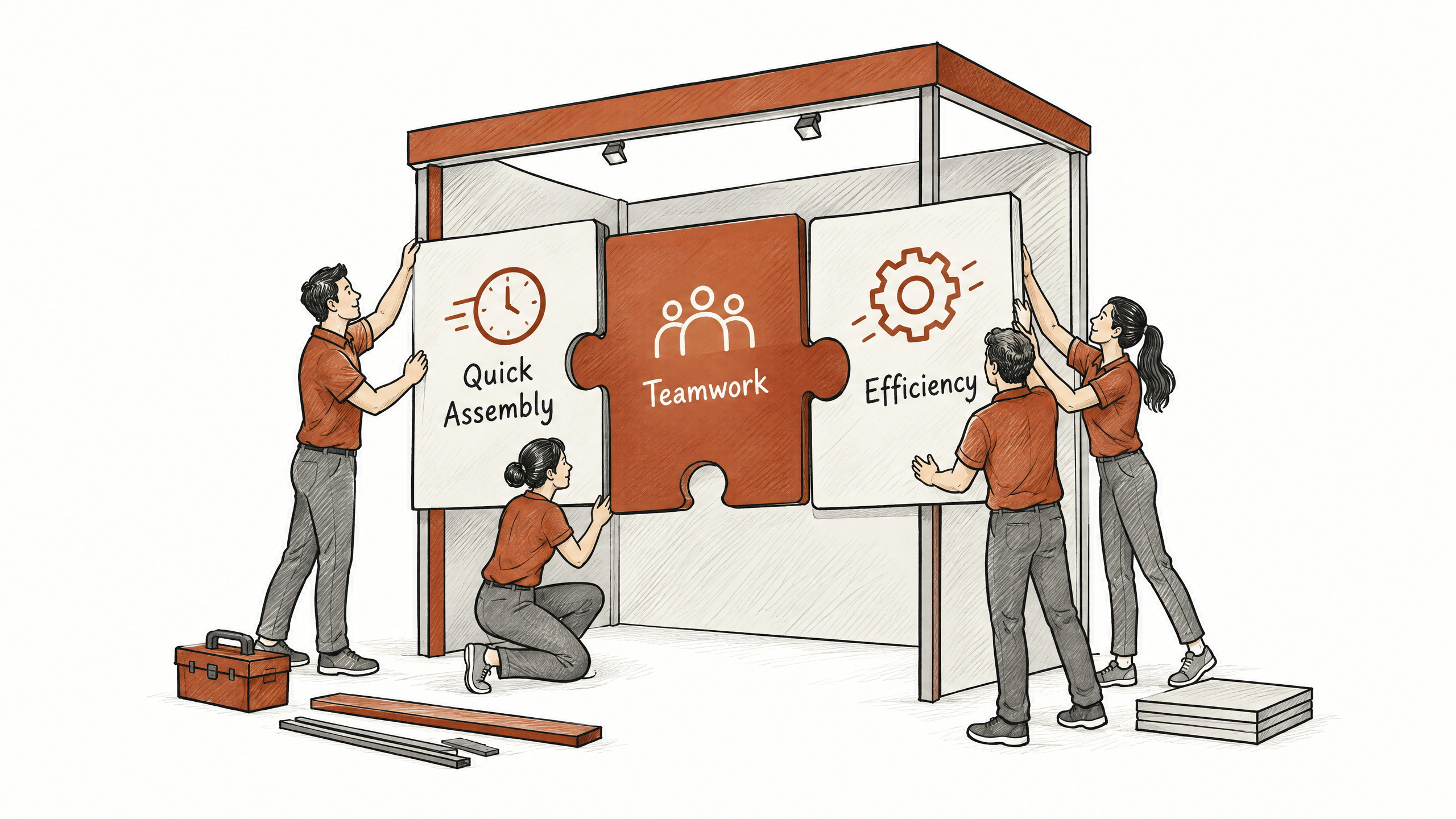
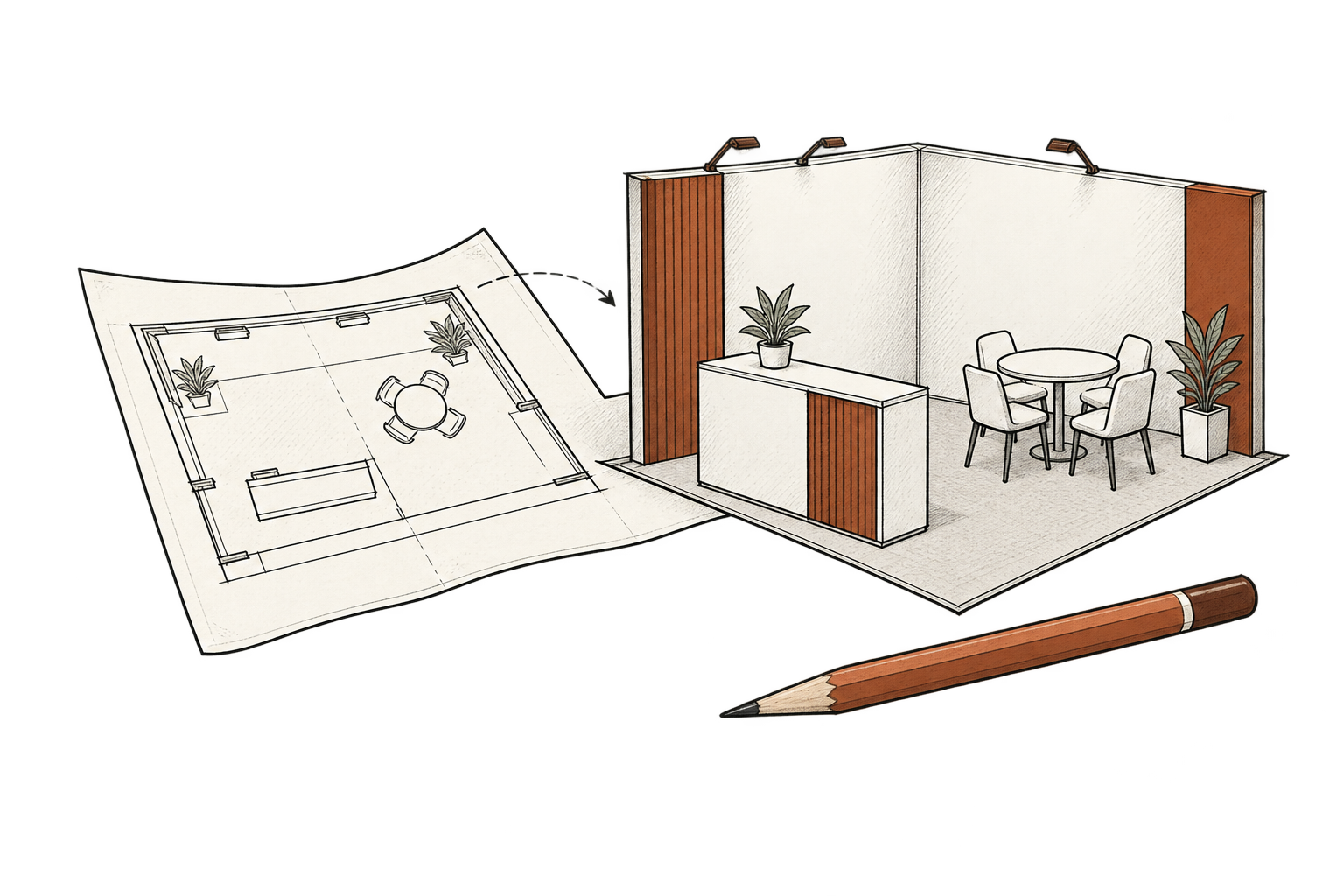
Modular booth systems, like those we recommend at Exhibitant, typically offer the easiest assembly due to their lightweight design and standardized components.
These systems often require fewer tools and technical expertise, making them a favorite among teams looking for efficiency.
However, this ease of use must be measured against specific event requirements and the overall complexity of the booth design.
A common pitfall is underestimating the complexity of custom materials.
While custom components can offer unique design elements, they may also complicate the assembly process. Before committing, request detailed assembly instructions from the manufacturer and identify any specialized tools or skills necessary.
Also, consider performing a trial run with your team to pinpoint unforeseen challenges.
The decision criteria for easy assembly could include:
- The number of components and required tools
- Availability and quality of assembly instructions
- The skill level needed among your team
- The time required to assemble and disassemble
By choosing materials with a straightforward assembly process, you make sure a smoother setup and takedown, freeing up valuable time for strategic activities.
This decision not only enhances team efficiency but can also positively impact your overall event success.
 Lorena G.