As someone who’s been on both sides of the trade show aisle, I know that creating an effective trade show timeline is a crucial part of achieving success. From what I’ve seen, having a well-structured plan can often mean the difference between a smooth event experience and a chaotic scramble.
This timeline acts as your guiding light, helping you navigate the many tasks and deadlines that any trade show demands.
One thing that comes up a lot is the importance of setting realistic and clear goals from the outset. Without knowing what you’re aiming to achieve, a timeline can easily lose its meaning.
Having defined objectives allows you to create a practical plan that aligns with your ultimate vision for the show.
Another critical point is the creation of a comprehensive checklist that includes all tasks, big or small.
I’ve found that such a checklist serves as a valuable tool to help keep your team on track and focused on priorities.
It’s especially handy when you’re managing multiple tasks and dealing with different moving parts.
In this post, I’ll walk you through the six essential steps for crafting an effective trade show timeline that helps you stay organized and meet your goals efficiently.
Key Takeaways:
Prioritize tasks by deadlines for efficient planning.
Allocate resources based on task complexity and urgency.
Incorporate team feedback for realistic timelines.
Schedule regular check-ins to monitor progress.
Adjust timelines flexibly to adapt to changes.
You’ll find this guide has even more in-depth help on creating a smooth timeline for your trade show.
You’re about to get some tips that will make your planning process feel much less like a headache.
With each section, you’ll see practical details to help you tackle each step.
Keep reading to make sure your event runs like clockwork.
1. Define Your Goals and Objectives
From what I have seen, the most successful exhibitors are those who clearly define their goals and objectives well before they even think about booth design or logistics.
Having a strong, well-articulated purpose helps to keep every decision aligned, whether it’s about the messaging on your banners or the types of people you hope to connect with.
One thing most exhibitors end up doing is targeting too broadly, hoping to capture a wide array of leads, which often dilutes their impact and messaging.
I would say the biggest thing here is to focus on the quality of leads rather than the quantity.
Something that comes up a lot is the necessity of setting objectives that also allow for easy measurement of success.
Whether it’s generating a certain number of qualified leads, scheduling meetings with key clients, or increasing brand awareness, these types need to be clear and measurable. Focusing on clear metrics helps your team understand what success will look like on the other side of the trade show.
You might find it helpful to create a tiered set of goals, where you have must-achieve objectives and then some more aspirational targets as well.
What we have seen work really well is involving your team early in this goal-setting process. Everyone can bring insights from their area of expertise for a well-rounded set of objectives.
By ensuring everyone understands and buys into these goals, you not only improve team morale but also align each department’s efforts, from marketing to sales and logistics. The ultimate aim is to make it crystal clear what each person is working towards, ensuring maximum return on investment from your trade show participation.
2. Create a Comprehensive Checklist
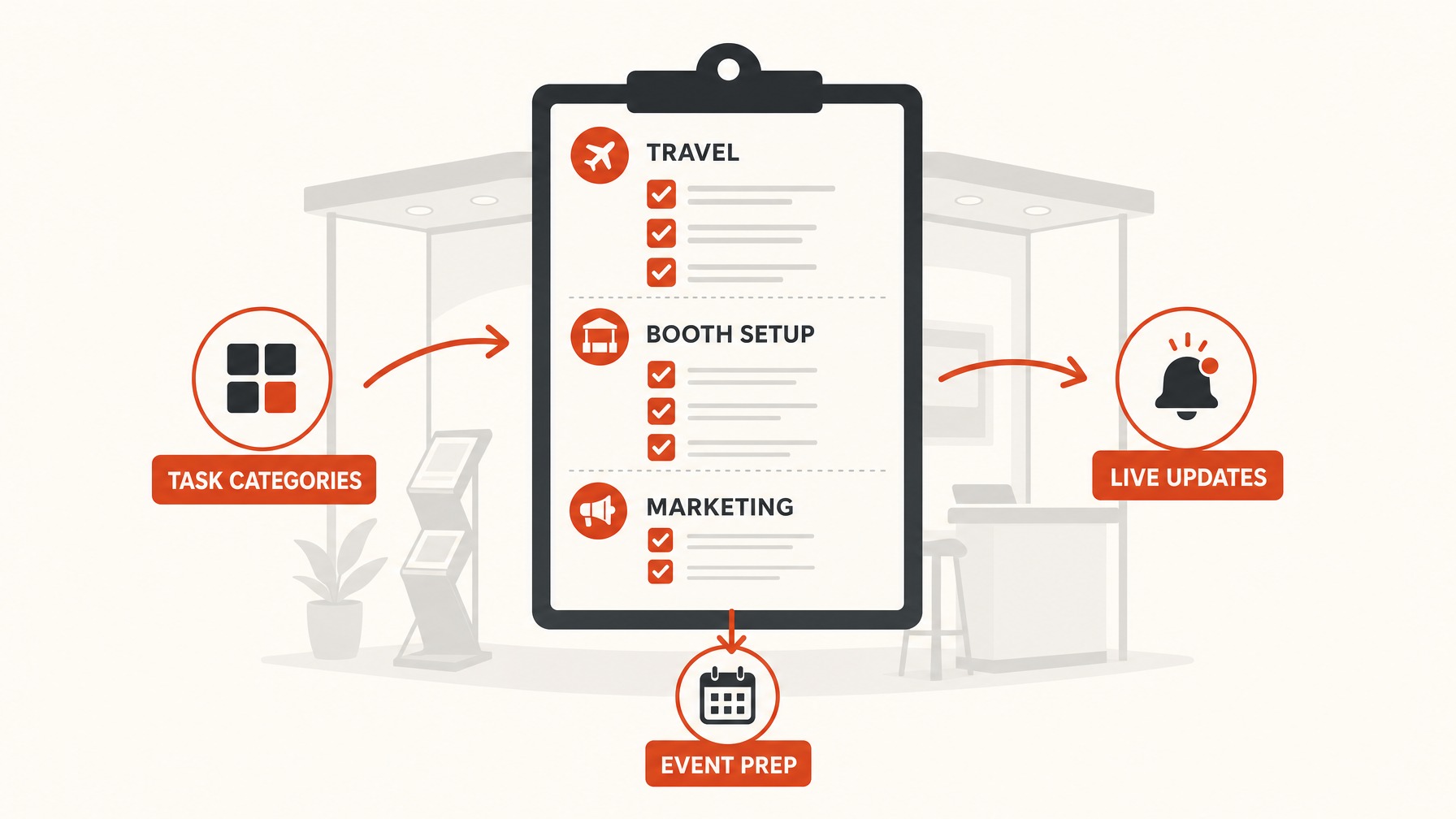
From what I have seen, the ones that get it right usually start with a comprehensive checklist. This checklist should include every detail, from booking travel and lodging to ordering booth furniture and finalizing marketing materials.
What we have seen work really well is breaking these tasks down into manageable categories, making it easier to keep track of each component.
A comprehensive checklist can serve as your roadmap, helping to make sure nothing critical falls through the cracks.
One thing most exhibitors end up doing is using their checklist as a living document, continuously updating it as new tasks emerge or deadlines shift.
Such a fluid approach provides adaptability, which is crucial when preparing for an event with many moving parts.
In creating your checklist, it might be helpful to draft it chronologically, starting with the earliest deadlines. From there, segment it further by priority levels, which helps to distinguish what requires immediate attention.
Common categories that appear on effective checklists include:
The key to a successful checklist isn’t just its creation but its consistent use throughout your trade show planning.
I would say the biggest thing here is keeping communication clear by sharing this checklist with your team, aligning everyone on priorities and responsibilities. Ultimately, a comprehensive checklist becomes the backbone of an effective trade show timeline, acting as both a guide and a security blanket.
3. Establish Clear Deadlines
One thing most exhibitors end up doing is underestimating the importance of setting clear deadlines for their trade show preparations.
These deadlines need to be specific and aligned with your overall timeline to avoid last-minute chaos.
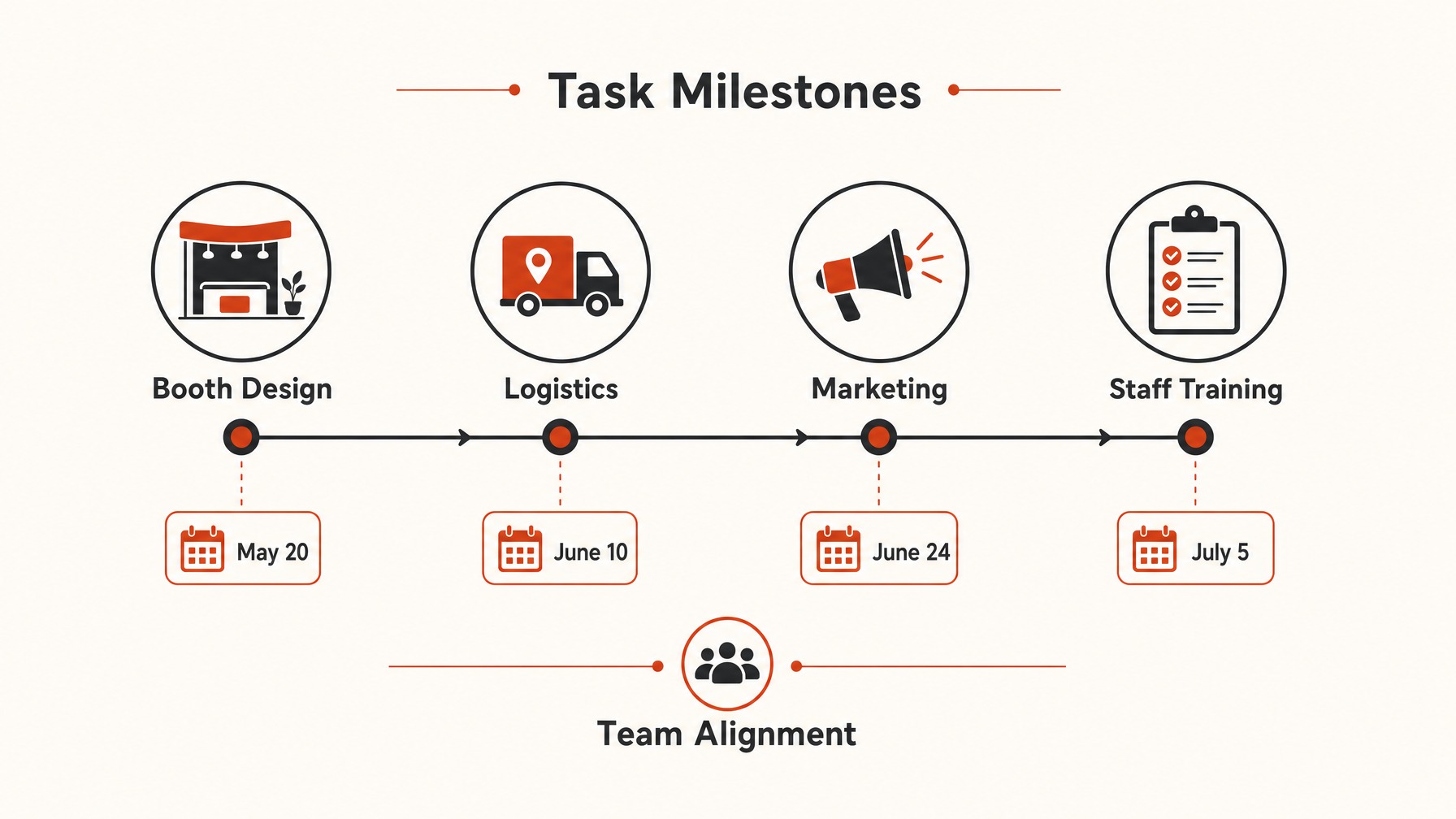
From booth design and logistics planning to marketing collateral creation and staff training, each task should have a well-defined completion date.
This structured approach helps to prioritize activities, allocate resources efficiently, and ultimately enhance your overall trade show execution.
Many successful exhibitors create a visual timeline that displays these deadlines, ensuring that everyone involved is on the same page.
Tools like Gantt charts or project management software can be particularly useful for keeping your team accountable and your progress visible.
This way, you can keep track of upcoming tasks and alter timelines if unexpected changes occur.
Here at Exhibitant, we have seen that those who incorporate technology for timeline management tend to minimize errors and improve their operational efficiency.
Moreover, sticking to deadlines enables your team to deal with any unforeseen issues more effectively by allowing buffer time for corrections.
Avoid the trap of overly optimistic scheduling, which often leads to stress and reduced quality output. Instead, account for potential delays by adding a few extra days to each deadline.
Remember, team morale can be greatly affected if deadlines are consistently missed, so it’s crucial to maintain them with reasonable expectations.
I would say the biggest thing here is ensuring that your entire team is fully aware of their responsibilities and deadlines.
Regular status meetings should be held to review which tasks have been completed and identify any potential roadblocks. Something that comes up a lot is the need for flexibility; while clear deadlines are necessary, being adaptable when things don’t go as planned is equally important.
By establishing clear deadlines from the outset, you create a roadmap that guides your team towards a successful trade show experience.
4. Allocate Resources Effectively
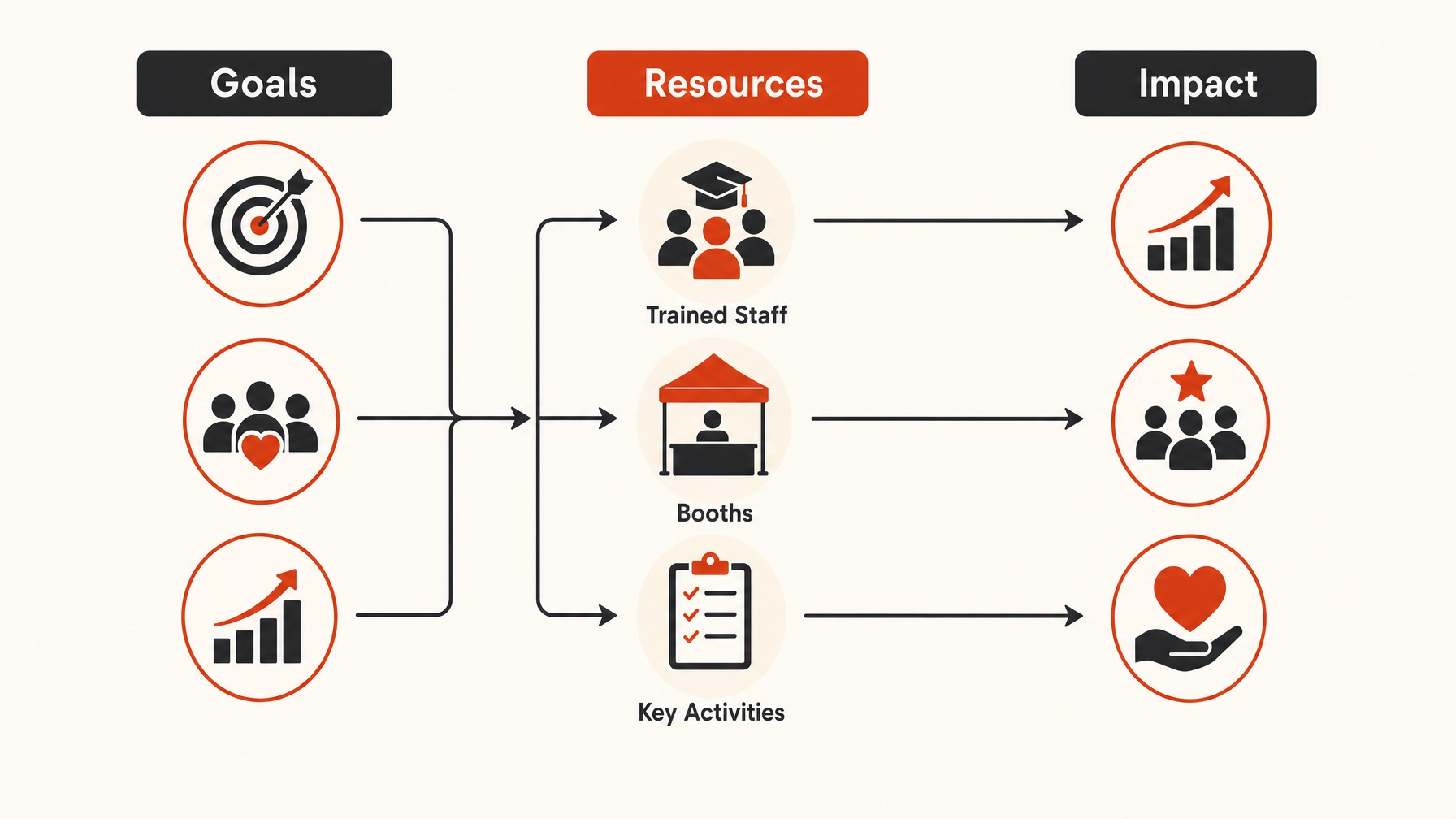
What we have seen work really well is when companies strategically allocate their resources to align with the trade show’s specific goals.
It’s crucial to identify which areas will directly impact your objectives and focus your resources there. For example, if your main goal is lead generation, then substantial investment should go into training your booth staff to engage visitors effectively.
One thing most exhibitors end up doing is assigning their best team members to pivotal roles that will influence success, like key sales interactions or technical demonstrations.
I would say the biggest thing here is understanding who in your team can contribute the most value during the event.
From what I have seen, dedicating resources judiciously can significantly enhance your overall trade show results.
Something that comes up a lot is the need for establishing a budget that balances various show elements like booth design, promotional materials, and travel expenses.
It’s often helpful to delineate clear spending limits for each component to prevent overspending while still achieving the desired impact.
Another issue is time, which is a crucial resource often underestimated.
Allocating sufficient time in the planning phase is essential to prepare your team and materials without last-minute rushing.
To efficiently manage your resources, consider breaking down your requirements into distinct categories:
Effective resource allocation calls for detailed planning, but the payoff can be substantial in terms of achieving your trade show goals.
Remember, the goal isn’t just to spend resources; it’s to spend them wisely to generate the best possible return. Properly allocating resources isn’t just about money; it’s also about utilizing every asset available, from people to time, to achieve the best outcomes.
Getting this right lays a solid foundation for a successful trade show experience.
5. Communicate Regularly with Your Team
One thing we have noticed is that regular communication with your team is absolutely crucial for a successful trade show timeline.
From what I see, the most efficient exhibiting teams prioritize strong communication channels to keep everyone aligned.
It’s not just about talking more; it’s about ensuring that all team members are on the same page with their tasks, deadlines, and goals.
This becomes particularly important as the show date approaches and the pressure starts to build.
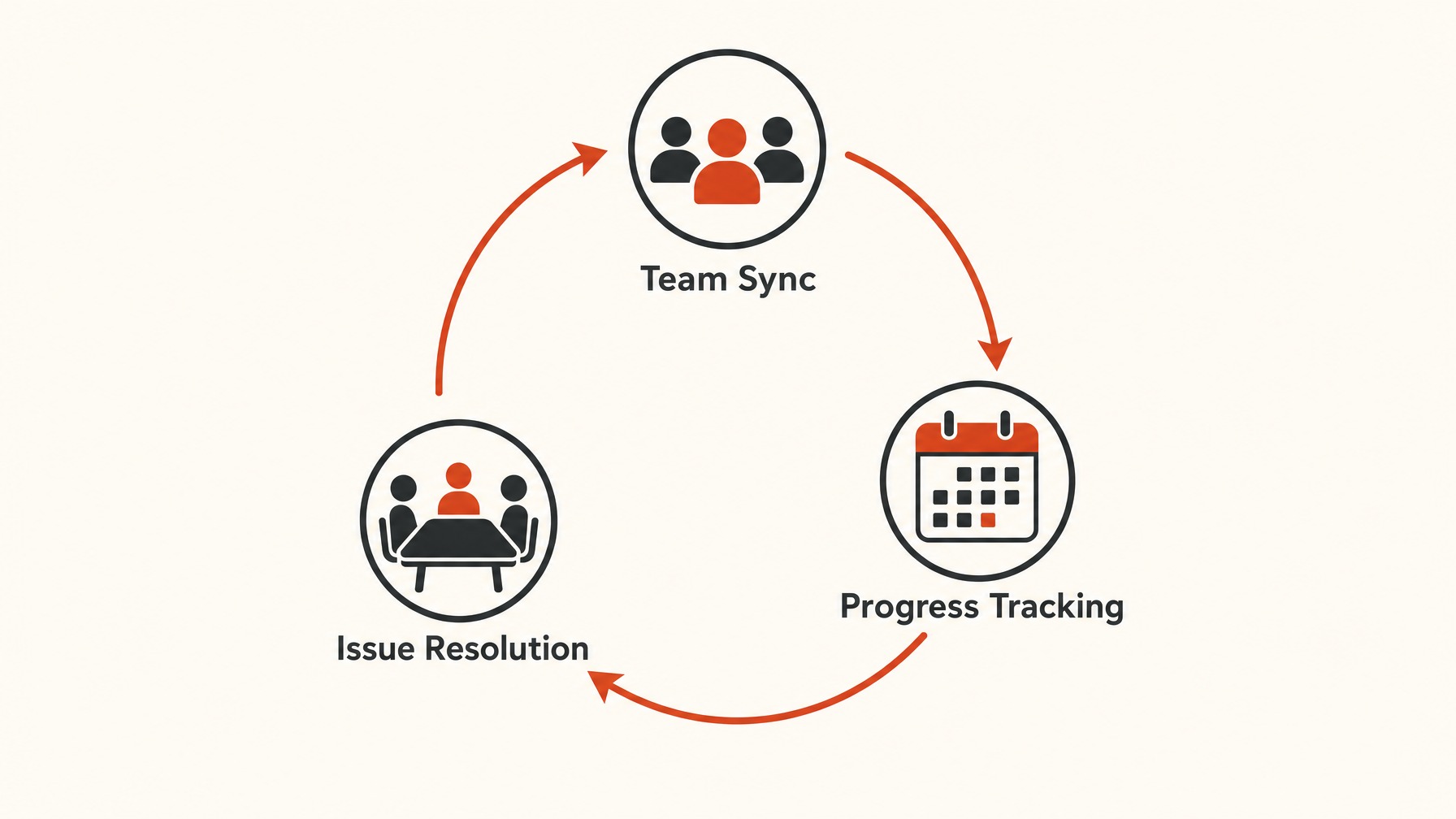
What we have seen work really well is establishing a regular cadence of meetings or updates to track progress and address any arising issues. Whether it’s a weekly meeting or a daily stand-up, having a scheduled time allows for effective problem-solving and adjustments.
I would say the biggest thing here is creating an environment where team members feel comfortable sharing both challenges and successes. You want a culture where each person knows their input is valued and that their voice can drive improvements.
A practical way to facilitate this is through collaborative platforms or tools that provide real-time updates and feedback. These tools keep the conversation fluid and centralized, allowing team members to look at the project from every angle and communicate their thoughts.
Another thing to consider is diversifying your communication methods to include phone calls, video conferences, and instant messages, which can be essential for remote teams.
These varied methods make sure that no one is out of the loop, regardless of their preferred communication style.
Something that comes up a lot is the need for a centralized communication hub where all key information, documents, and schedules are easily accessible.
This eliminates the need for scattered emails or messages and streamlines communication.
From what I have seen, teams that use these strategies often find themselves better positioned to meet or exceed their trade show goals. Communicating regularly also helps in preventing last-minute surprises and ensuring that the timeline remains on track.
A team that communicates effectively is one that moves confidently towards success.
6. Monitor and Adjust Your Timeline
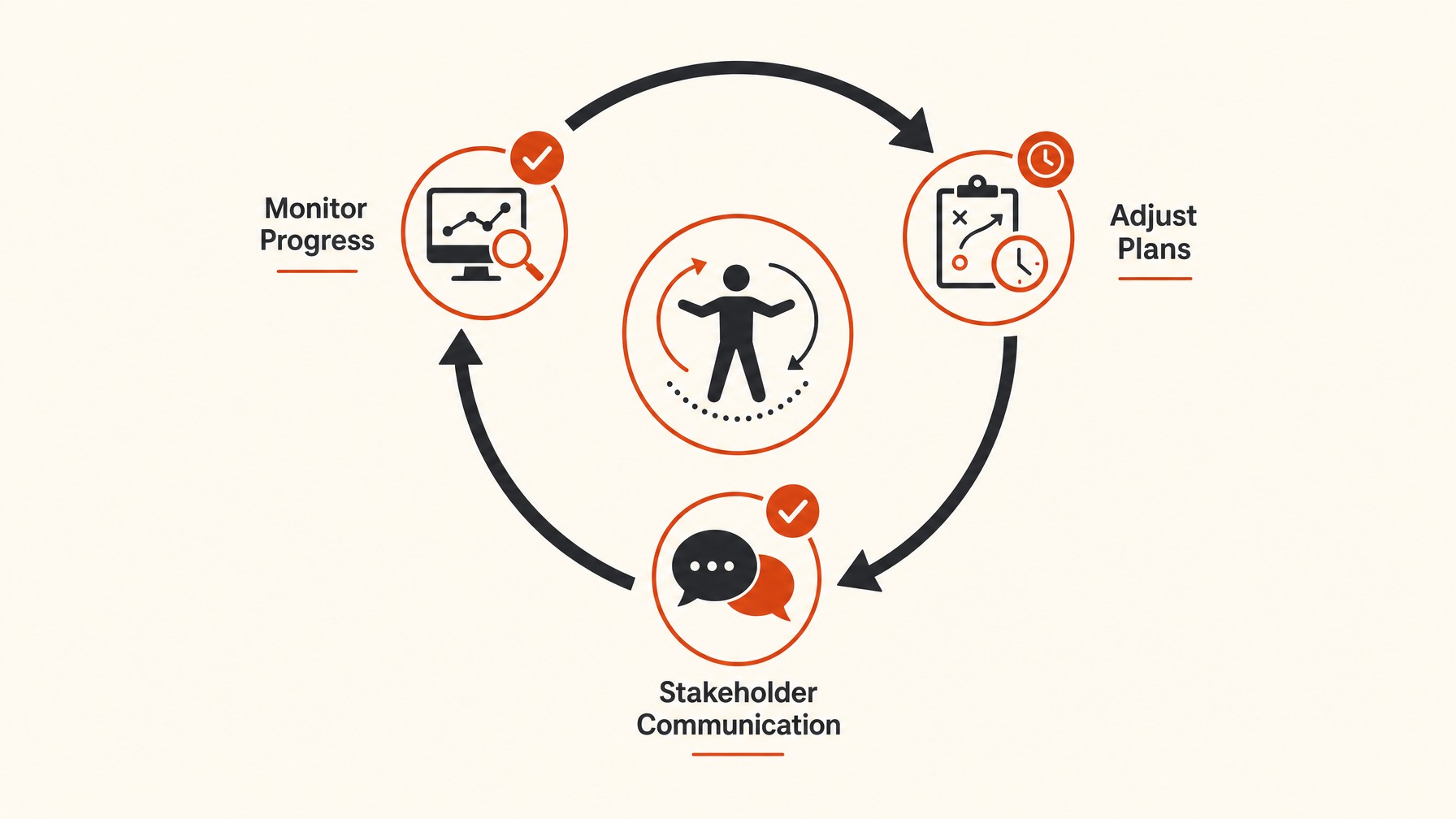
One of the most crucial aspects of successful trade show planning is the ability to continuously monitor and adapt your timeline as needed. What we have seen work really well is establishing a system for regularly checking in on your progress.
By planning periodic reviews of both major and minor milestones, you make sure that nothing falls through the cracks as the event approaches.
Something that comes up a lot is the need to remain flexible in response to unforeseen challenges or opportunities. The best laid plans may require tweaking to accommodate changes in budget, team availability, or unexpected vendor delays.
From what I have seen, the ones that get it right usually maintain open lines of communication with all stakeholders involved in the trade show execution.
This practice helps to quickly identify potential issues and immediately decide on a corrective course of action.
Establishing a feedback loop allows your team to communicate effectively and keeps everyone aligned on priorities.
One thing most exhibitors end up doing is involving diverse perspectives, which can offer fresh insights into problem-solving and enhance adaptability. Exhibitant helps companies develop not only an exhibit strategy but also provides sophisticated booth systems and ongoing show support.
This way, you have a partner in navigating complexities and unexpected developments, not just a display vendor.
If you’re actively engaging in monitoring, it becomes easier to adjust your timeline proactively, rather than reactively.
By doing so, you’re better positioned to meet your event goals and achieve tangible ROI.
While establishing the timeline is essential, the ability to adapt and reset ensures the best possible outcomes.
Remember, the timeline should be a guiding light, not a rigid framework.
Flexibility can often mean the difference between merely getting through a show and truly shining.
What It All Comes Down To
When we pull everything together, the true essence of creating an effective trade show timeline boils down to maintaining a proactive and structured approach. It’s clear that a well-defined set of goals lays the foundation for everything that follows.
The trade show journey you embark on greatly depends on how meticulously you map the path ahead, from detailed checklists to setting practical deadlines.
Consistently assessing and reallocating resources ensures that your team isn’t stretched too thin at critical moments. Collaboration is key, as regular communication within your team avoids misunderstandings and keeps everyone aligned with your objectives.
From what I have seen, continuous monitoring and adjustment of your timeline often make a world of difference.
Trade show environments are dynamic, and being adaptable can really enhance your overall experience, ensuring you’re not thrown off course by unexpected developments.
Ultimately, by connecting these concepts, you’re not just crafting a timeline; you’re setting up a structured framework that tempers chaos with clarity.
This framework not only elevates the predictability of the event but also enhances your team’s confidence and resilience. As you integrate these steps into your planning process, you build a timeline that’s as adaptive as it is actionable, supporting you in meeting your strategic goals efficiently.
Need a booth plan?
Turn show goals into a practical exhibit path
Share your footprint, timeline, and priorities. Our team can help shape the booth direction, graphics, and project support.
Keep planning
More exhibit guidance
Keep exploring practical advice on booth planning, marketing, and getting more from your next show.
Tell us about your business, the buyers you want to reach, and what you want to achieve. Whether you need more sales conversations, stronger marketing, or a trade show presence, we’ll help you identify where to focus and what support makes sense. Together, we can shape a practical plan around your priorities, budget, and timeline.
 Louie J.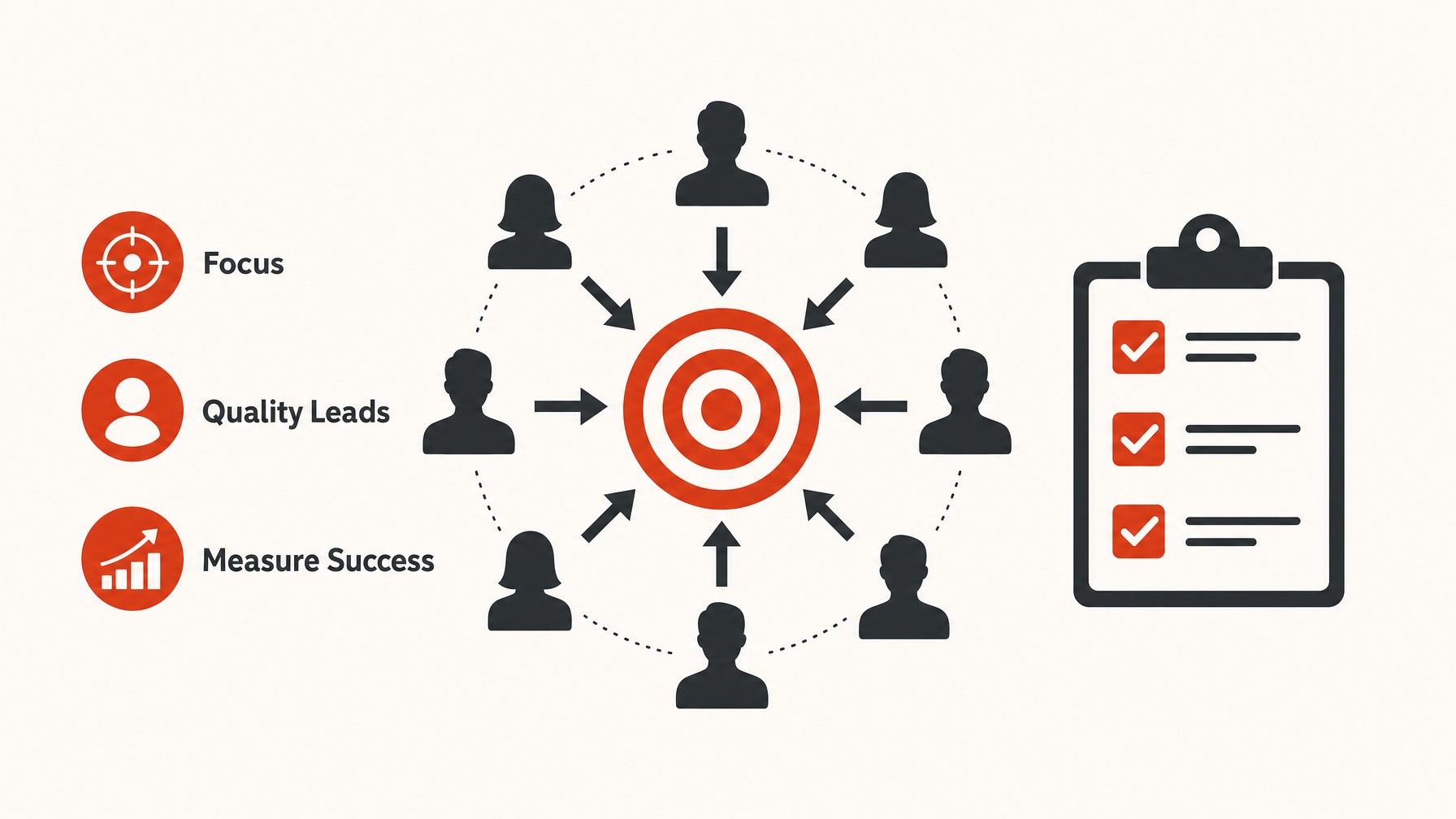

 Lorena G.