 Lorena G.
Trade shows are a powerful platform to showcase your brand, connect with potential clients, and generate valuable leads.
However, the impact of your presence hinges significantly on the design of your booth.
A well-designed booth not only attracts attention but also effectively communicates your brand message and encourages interaction.
Creating an engaging booth involves more than just eye-catching visuals.
It requires strategic planning and implementation of elements that facilitate meaningful conversations and lasting impressions.
The design should reflect your brand’s identity while offering an inviting space for attendees to explore.
In this article, we’ll explore seven essential elements that can transform your trade show booth into a dynamic and engaging environment.
From layout considerations to interactive features, these elements will help you maximize your booth’s potential and ensure a successful exhibition.
1. Strategic Booth Layout
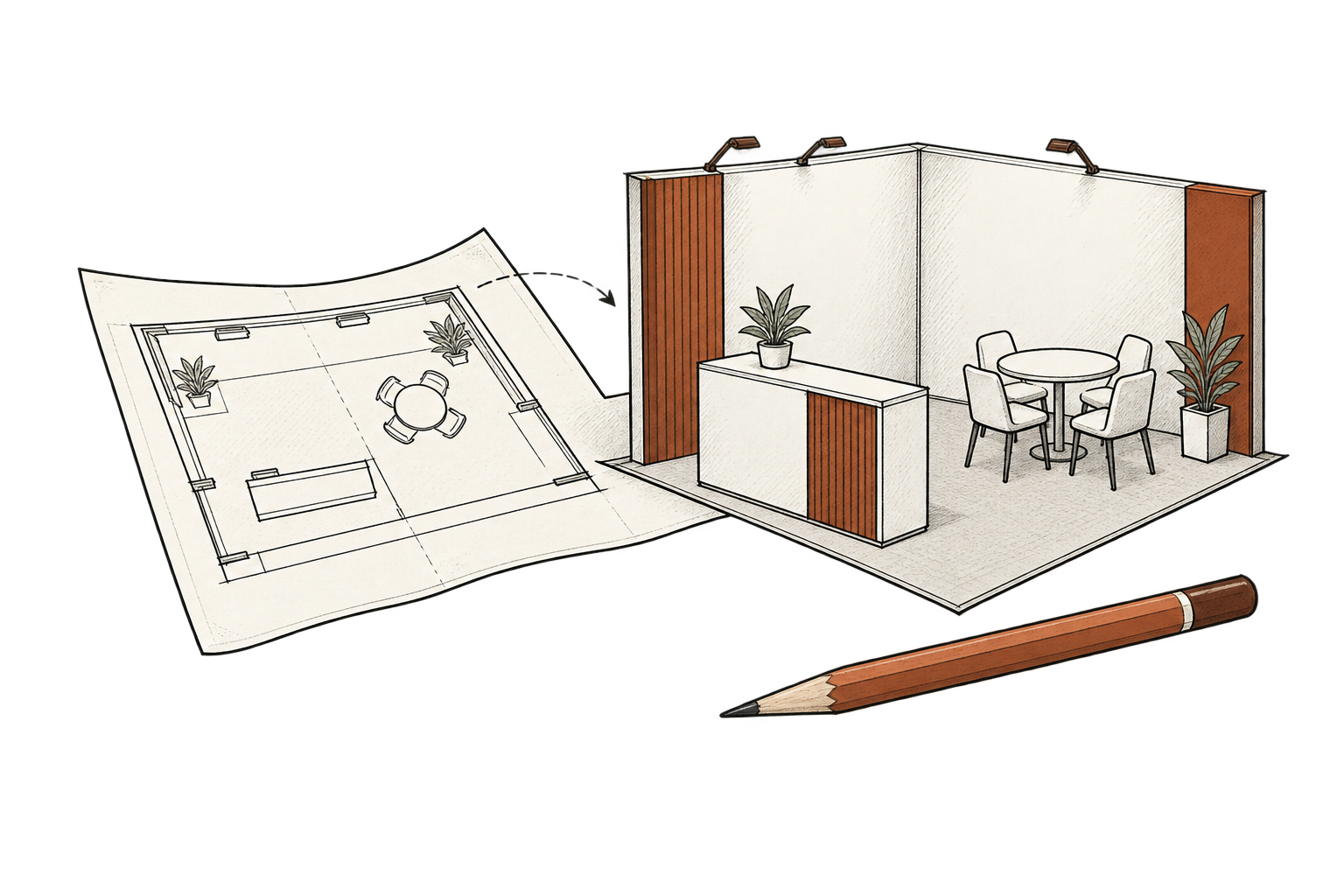
The layout of your booth is the foundation upon which all other elements are built.
Designing a strategic layout ensures smooth traffic flow and maximizes the use of space.
Consider both form and function when arranging your booth components.
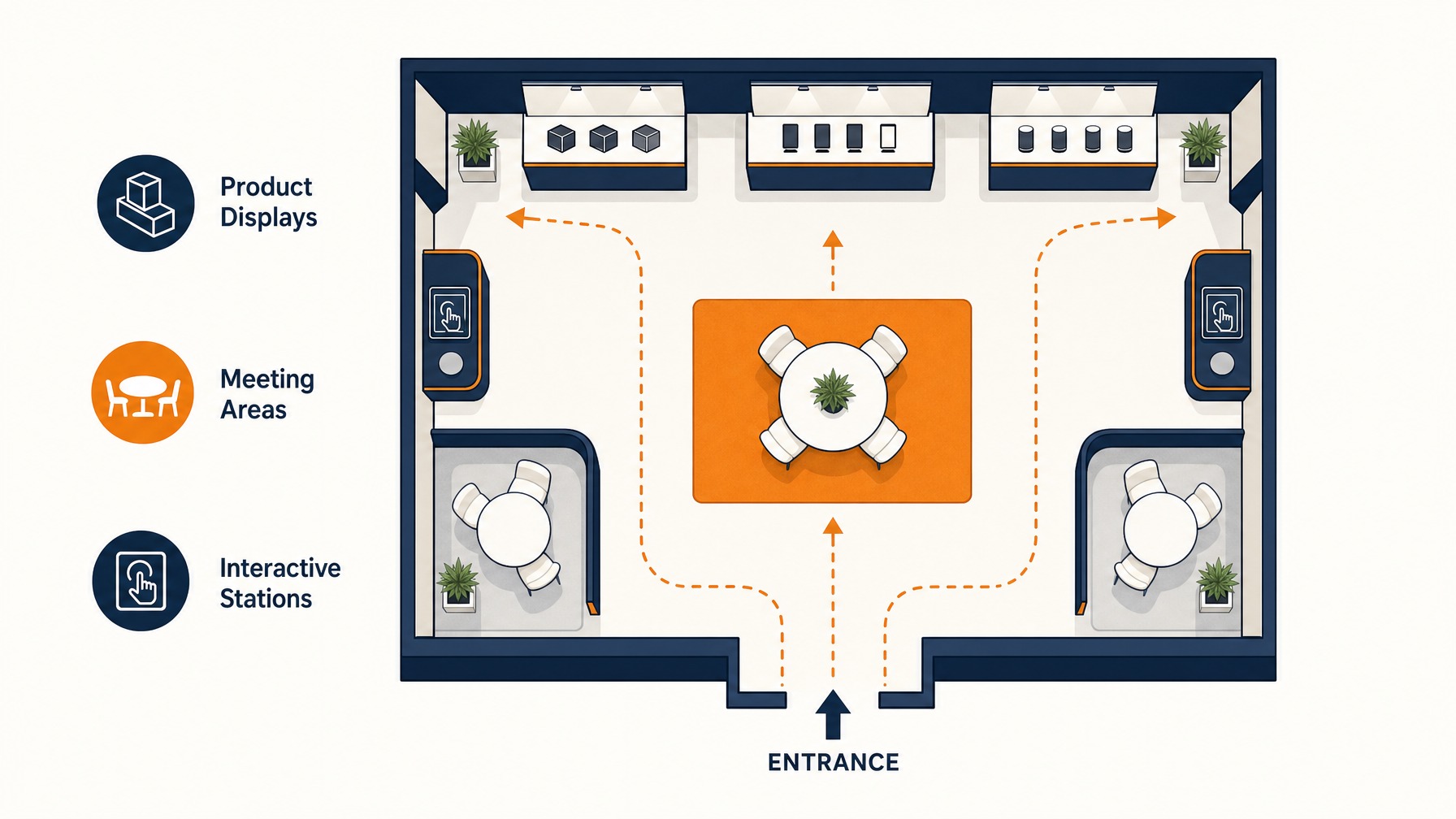
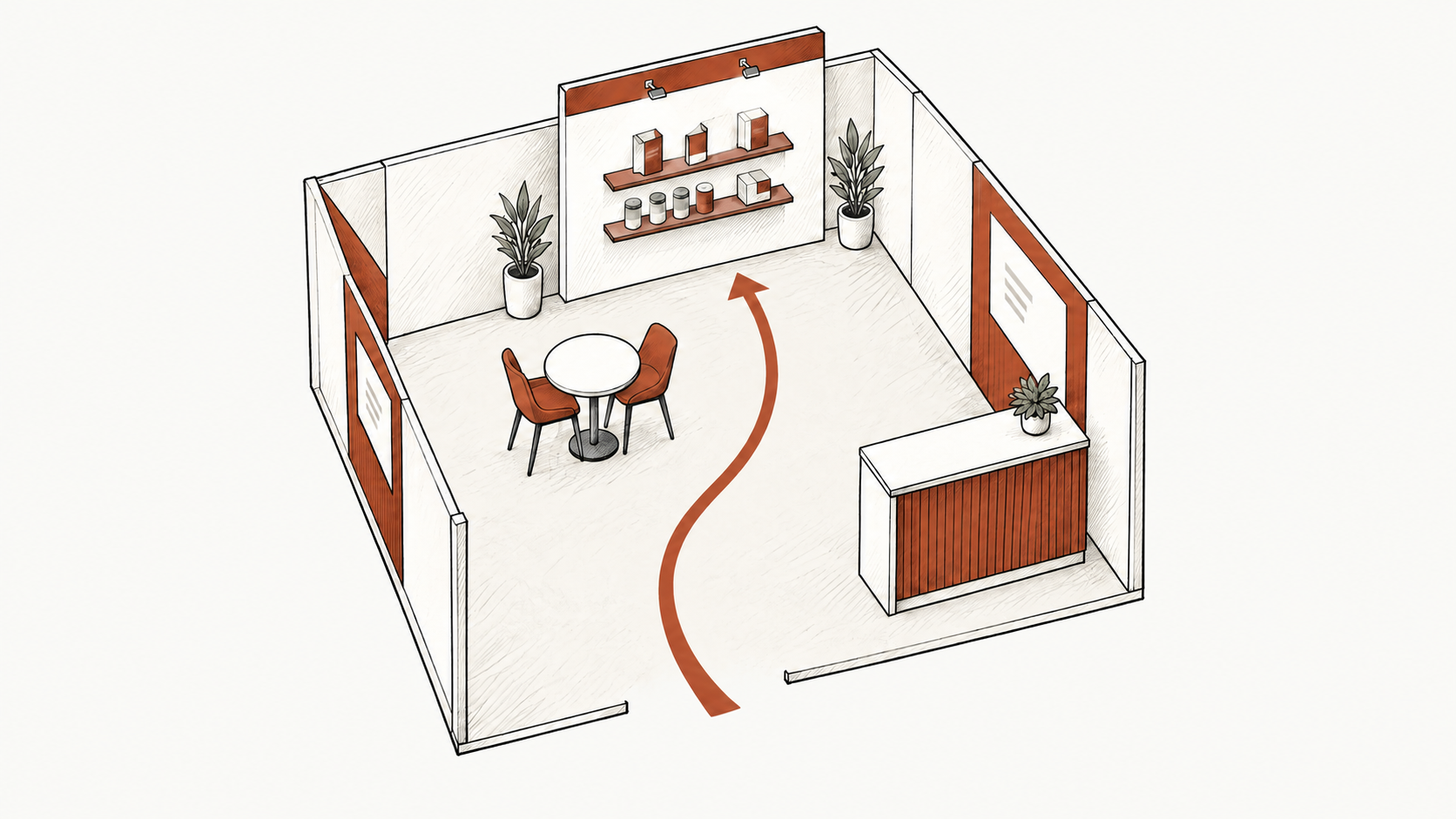
Think about how attendees will move through your booth.
An open and inviting entrance encourages foot traffic, while clearly defined pathways guide visitors to key areas.
Balance open spaces with defined zones for product displays, meeting spaces, and interactive areas.
- Create a welcoming entrance to draw in attendees.
- Define clear pathways for optimal traffic flow.
- Designate areas for displays, interactions, and meetings.
Incorporate multi-level displays to make use of vertical space.
This not only adds visual interest but also allows for more content without overcrowding the booth.
Ensure that all areas are easily accessible and that there is ample room for attendees to move comfortably.
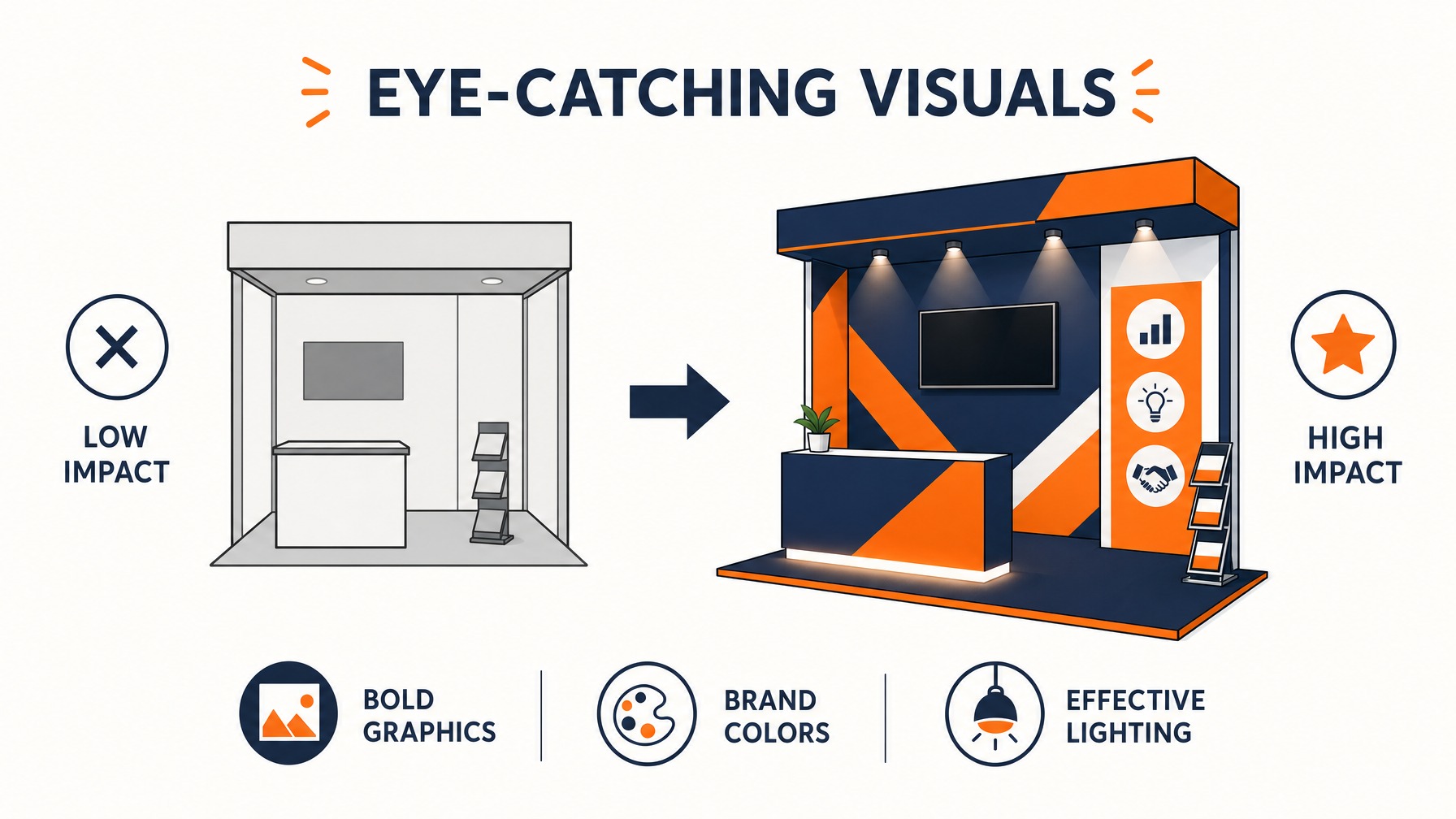
2. Eye-Catching Visuals
Visual appeal is crucial in capturing the interest of passersby.
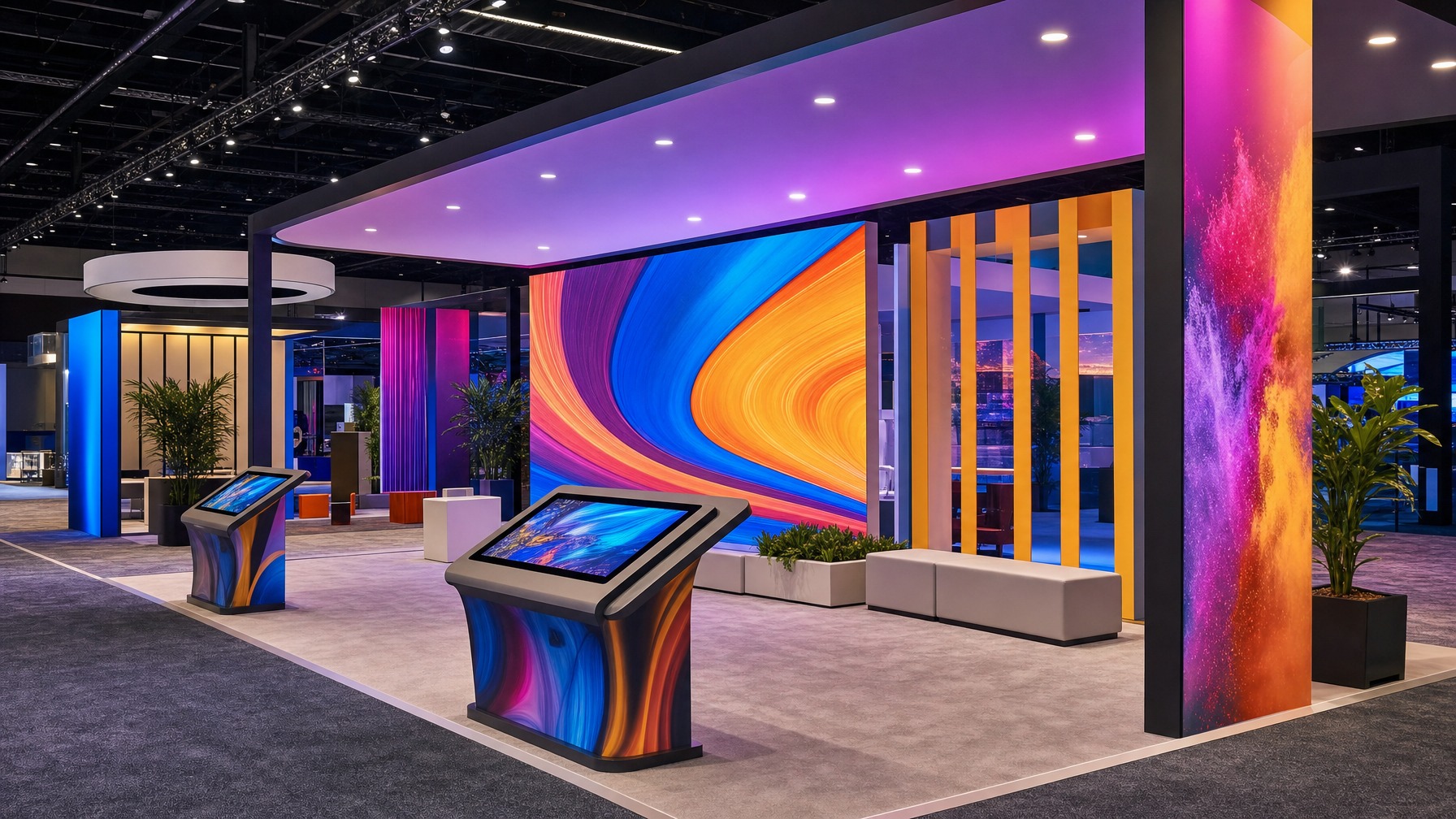
Bold and eye-catching visuals can make your booth stand out in a crowded exhibition hall.
Utilize graphics, colors, and lighting strategically to create an attractive display.
Your booth’s visuals should align with your brand’s identity and messaging.
Consistent use of brand colors and imagery helps reinforce brand recognition.
High-quality graphics and well-designed banners can effectively communicate your brand’s story.
- Use bold graphics to draw attention.
- Incorporate brand colors for consistency.
- Utilize lighting to highlight key areas.
Consider using digital displays or video walls to showcase dynamic content.
These elements can provide engaging experiences and convey complex messages more effectively than static visuals.
Ensure that all visuals are high-resolution and professional.
3. Interactive Experiences
Interactive experiences are a powerful way to engage attendees and create memorable interactions.
These experiences can range from hands-on product demonstrations to digital touchpoints and gamification.
Integrating technology can enhance engagement and provide valuable insights.
Consider using tablets or kiosks for interactive product catalogs or virtual reality experiences.
These tools can offer personalized experiences and gather data on attendee preferences.
- Offer hands-on product demos.
- Utilize digital touchpoints for engagement.
- Incorporate gamification elements to attract attention.
Gamification elements, such as contests or challenges, can encourage participation and foster a sense of excitement.
Ensure that interactive experiences are intuitive and align with your brand message.
 Louie J.