
6 Ways Booth Size Impacts Your Trade Show Marketing Strategy

Booth size directly influences traffic, engagement, budget, branding, design, and logistics at trade shows.

Trade shows present a prime opportunity to show your brand and engage with potential customers.

The size of your booth plays a critical role in shaping your exhibit’s impact and effectiveness. Many exhibitors grapple with deciding the proper booth size for their marketing strategy.

A legal pad might not help here, as the decision is part science, part art.

I’ve seen companies face challenges because they underestimated the importance of this factor.

Convincing your team of the right choice often boils down to understanding how size affects all aspects of your showing. But how exactly does booth size shape your marketing success?

Today, I want to walk you through six ways your booth size can impact your trade show marketing strategy.

Key Takeaways:
  • Larger booths often grab more attention and allow for dynamic demonstrations.
  • Small booths can feel intimate and foster personal connections with visitors.
  • Consider booth size in relation to expected visitor traffic, not just your budget.
  • Strategic booth placement enhances visibility and maximizes visitor engagement.
  • Flexible booth designs allow adaptability to different exhibition space constraints.

You’ll find there’s more to a booth than just size.

There’s a lot you can do to make your booth work better for you.

Get ready to pick up tips on how to fit your booth to your goals.

You won’t want to miss the practical advice waiting for you.

1. Traffic Attraction

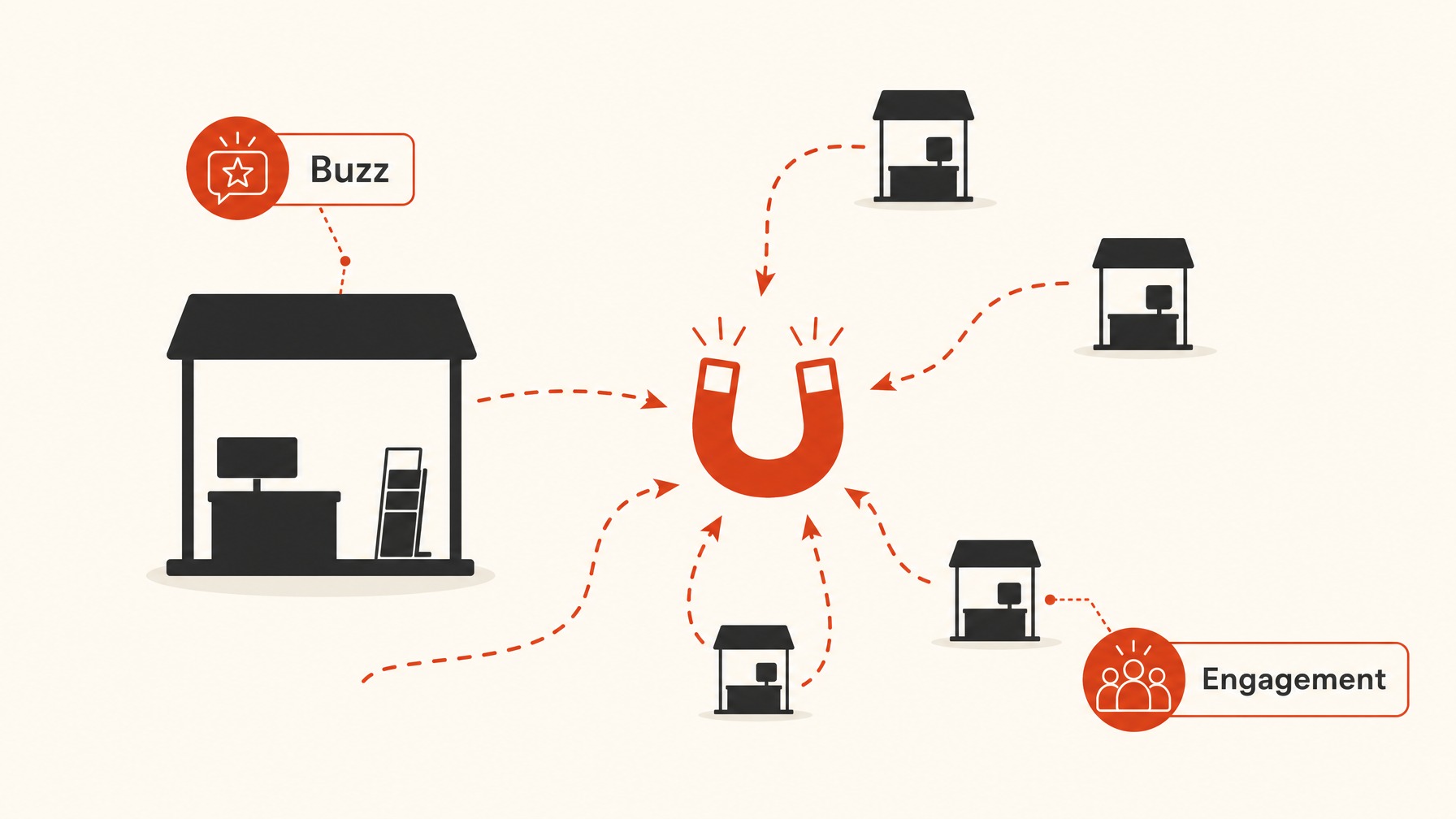
Larger booths often act like magnets, drawing attendees from across the show floor.

They’re like lighthouses, visible from afar, guiding people towards them with promises of interesting displays or presentations.

I’ve seen firsthand how bigger booths create an undeniable buzz.
1. Traffic Attraction — 6 Ways Booth Size Impacts Your Trade Show Marketing Strategy

However, this doesn’t mean only grand booths steal the show smaller setups can still captivate when strategically designed.

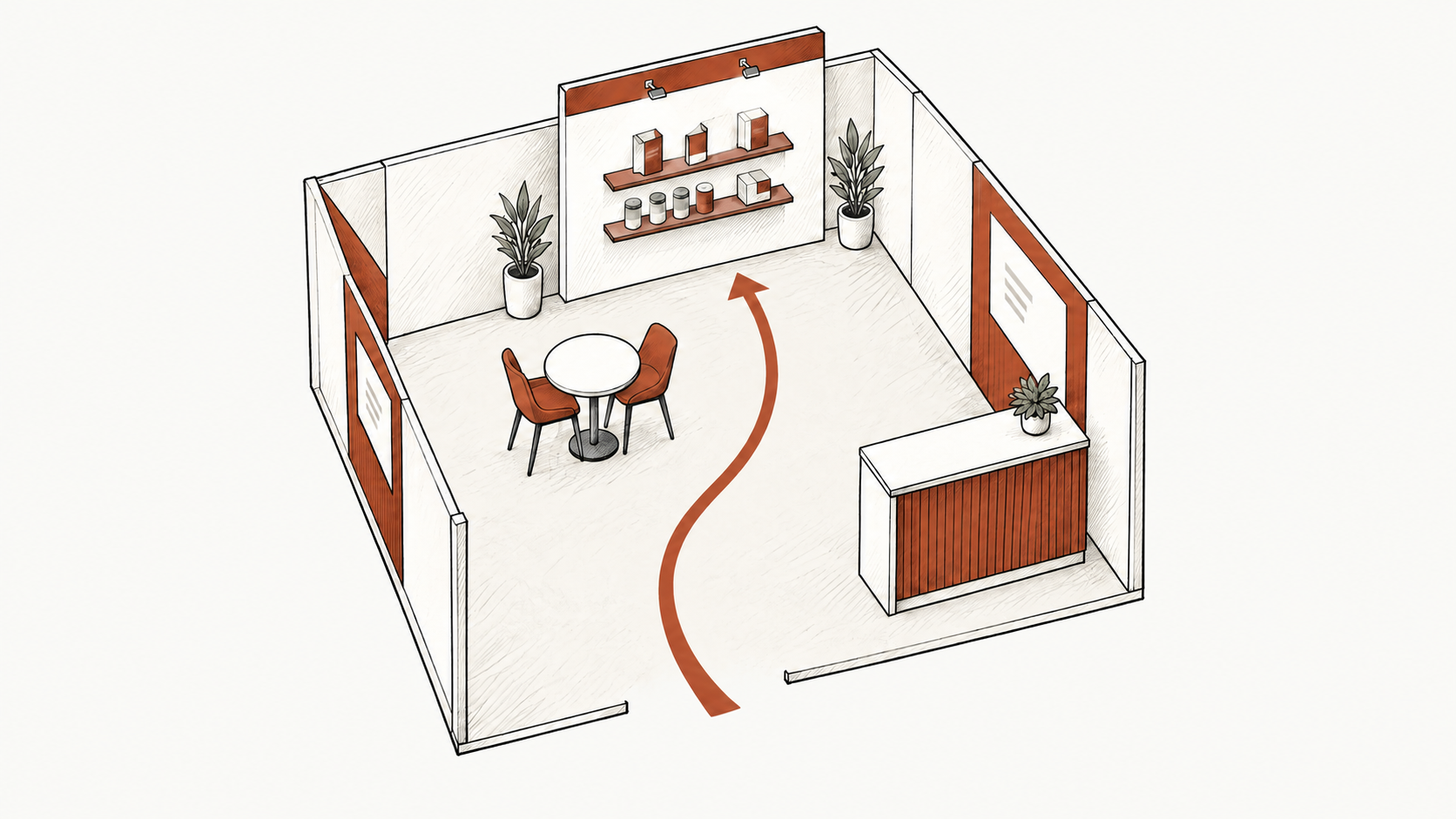
The layout plays a crucial role here.

A thoughtful design maximizes visibility and flow, ensuring visitors have ample space to explore.

Pro Tip: To draw more attendees, creatively use booth space and strategic positioning to enhance visibility and make sure a welcoming, engaging atmosphere.

Positioning is just as vital; if tucked away in a corner, even the most expansive booth might go unnoticed.

Exhibitors who succeed in creating excitement usually consider the show flow meticulously.

Finding that sweet spot between size, location, and layout can significantly boost your chances of attracting crowds.

At Exhibitant, we tend to notice that the best booths use size creatively, even turning limitations into unique selling points. Pulling in foot traffic is just the beginning of crafting an engaging experience that keeps visitors hooked once inside.

2. Engagement Opportunities

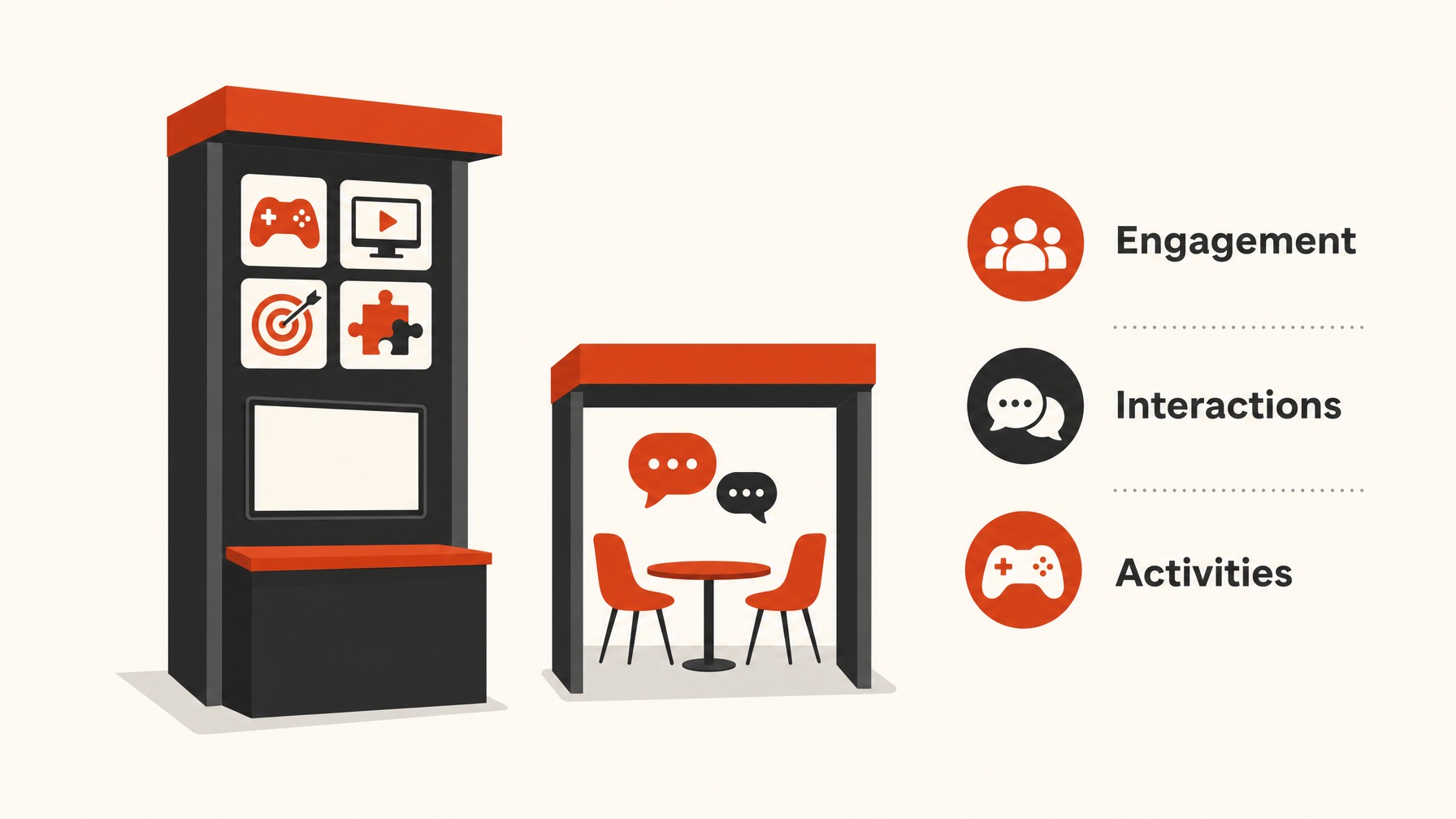
With a larger booth, companies can host interactive activities or demonstrations, which increases visitor engagement.

These opportunities allow attendees to connect with the brand more deeply and personally.

But even with a smaller space, effective engagement is possible with strategic planning.
2. Engagement Opportunities — 6 Ways Booth Size Impacts Your Trade Show Marketing Strategy

Smaller booths can focus on quality interactions over quantity, setting a comfortable environment for one-on-one talks. The knack for these intimate spaces lies in crafting a narrative that resonates with passersby.

I remember one trade show where a brand used their tiny space so effectively, it felt like stepping into an exclusive club.

By utilizing vertical space, screens, or interactive stations, you can enhance engagement regardless of booth size.

A few smart tactics make a space feel alive and welcoming, even if it’s not grand in scale.

What matters most is how you translate your brand’s essence into a physical experience within your booth.

3. Brand Impact

The size of your booth also heavily influences your brand’s perceived strength and presence at a trade show.

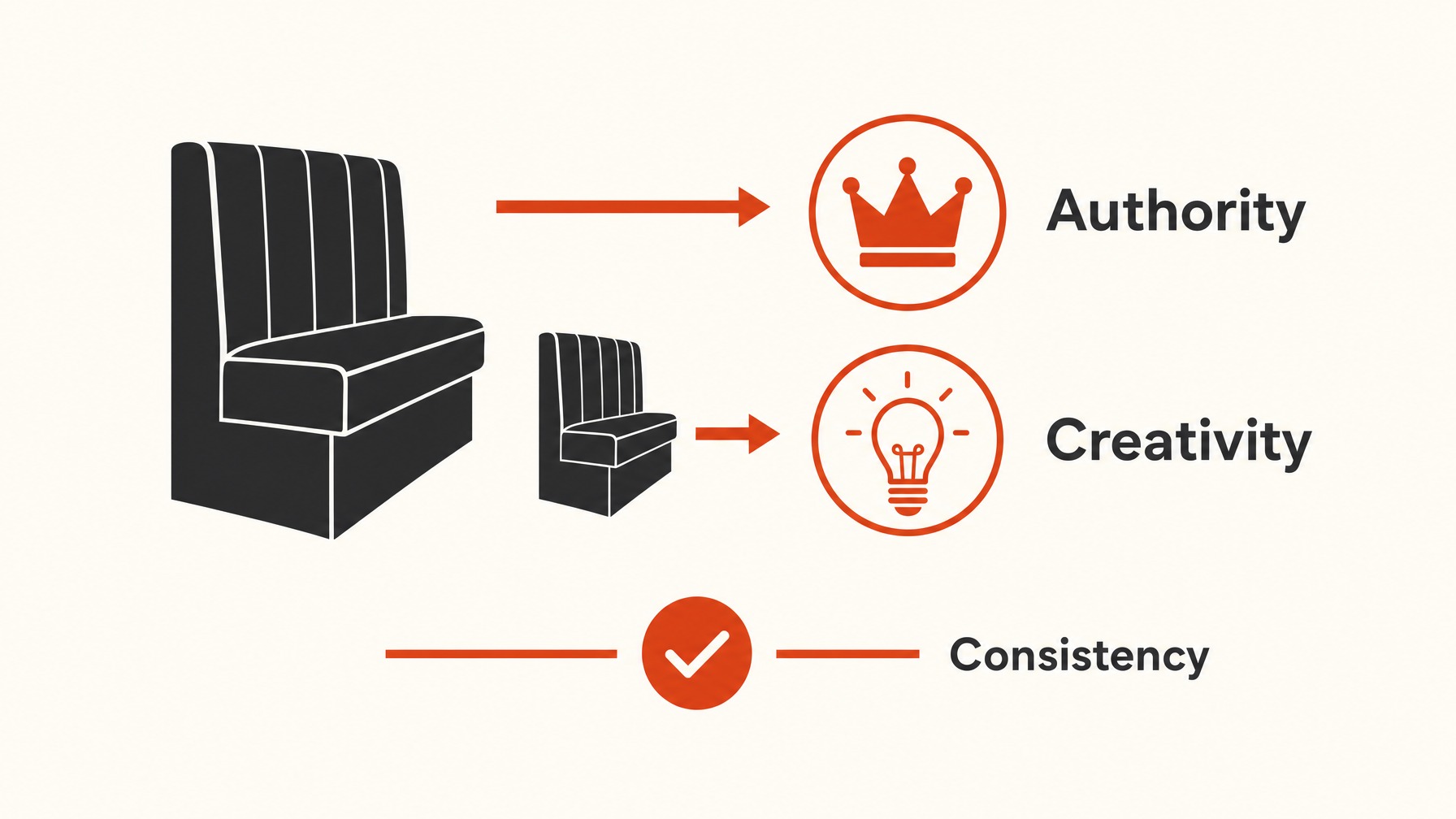
Larger spaces can convey a sense of authority and establish your company as a key player in the industry.

But even then, smaller spaces can make a meaningful impact with creative branding techniques.
3. Brand Impact — 6 Ways Booth Size Impacts Your Trade Show Marketing Strategy

Think of it as choosing between a billboard and a striking art piece.

A carefully curated small booth can engage attention just as effectively, if not more so.

It’s all about how you maintain branding consistency across different sizes.

Important: You can make a strong impact in a small booth by using creative branding techniques and maintaining consistency in colors, logos, and messages.

Colors, logos, and messages must be integrated seamlessly whether you’re working with a sprawling setup or a compact corner.

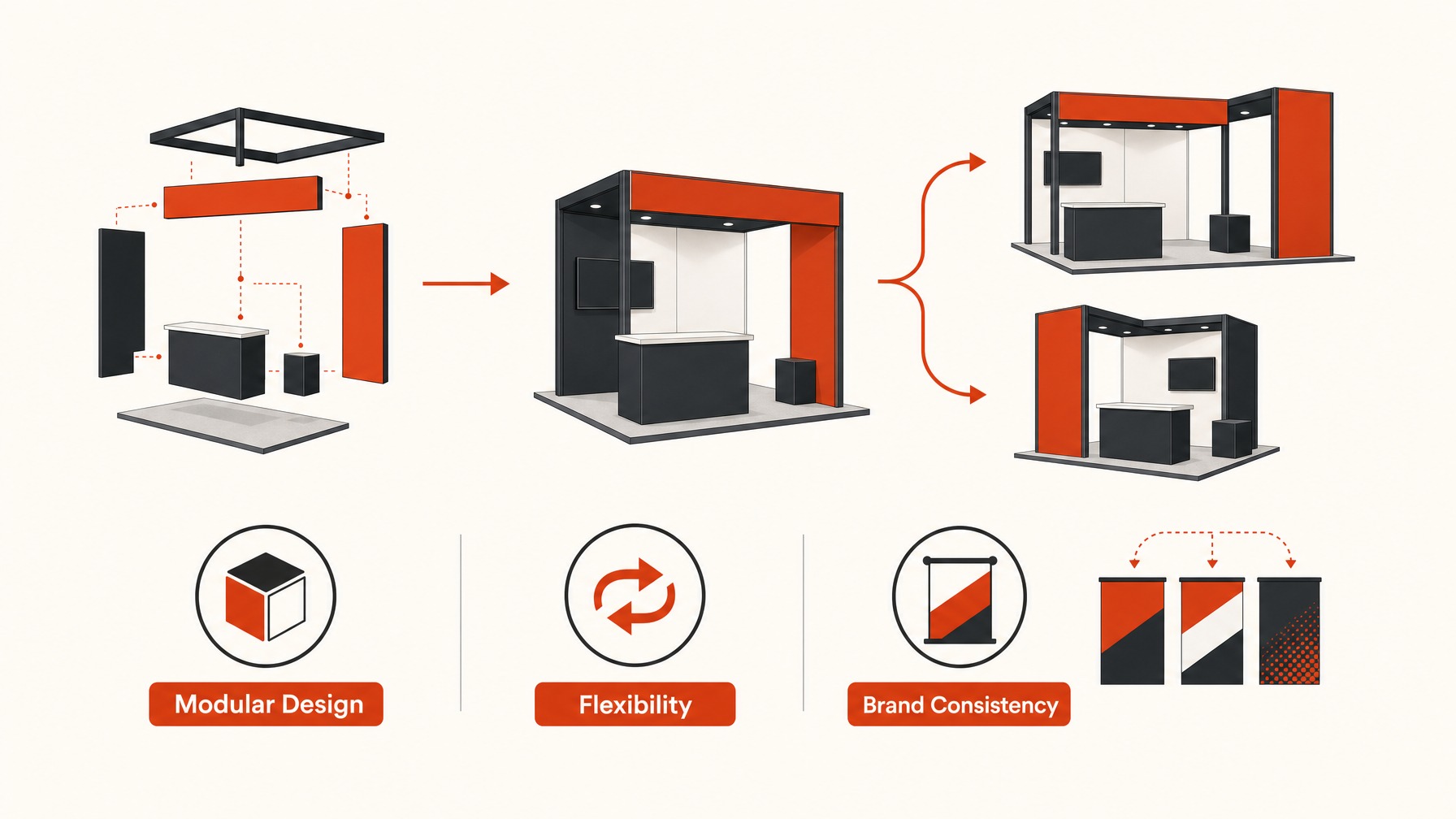
One resourceful strategy is utilizing modular designs, allowing flexibility across various booth sizes. You’ll want visitors to remember your brand, not just the spectacle.

Here at Exhibitant, this blending of strategic branding and modularity is something we frequently discuss. Exhibitors who focus on strong, consistent branding tend to leave a lasting impression.
4. Budget Considerations

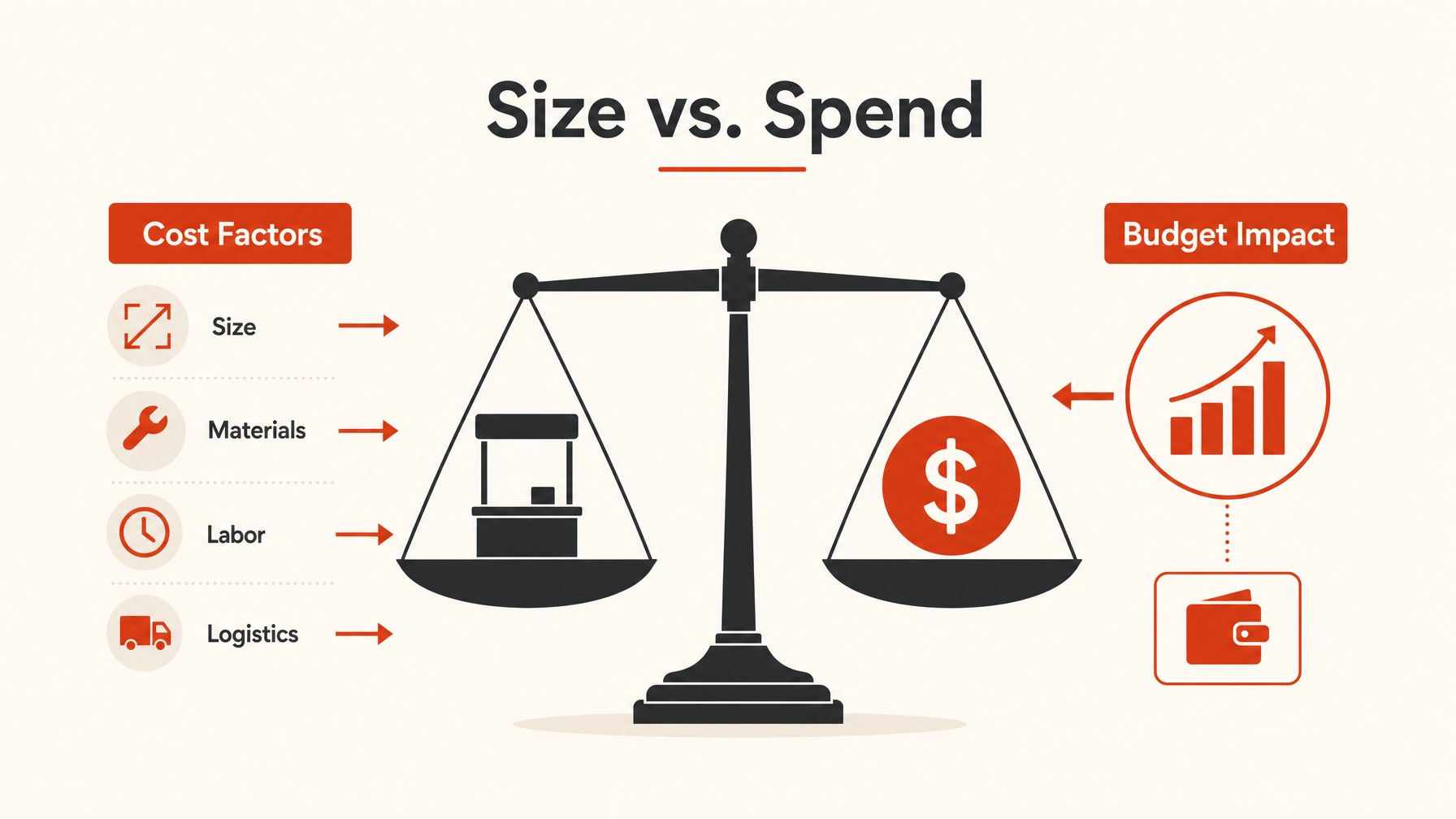
Booth size will directly affect your budget, influencing costs ranging from design and build to staffing and logistics. The challenge is balancing impact with expenditure it’s like walking a tightrope, ensuring you don’t overspend but still make a strong impression.

Larger booths naturally come with higher costs, including transportation and assembly.

One thing I’ve noticed is that savvy exhibitors find creative ways to save costs while maximizing booth impact.

4. Budget Considerations — 6 Ways Booth Size Impacts Your Trade Show Marketing Strategy

Some opt for reusable elements or digital displays to cut down on recurring expenses.

Smaller booths, on the other hand, might allow for more precise budgeting, focusing funds on key message delivery.

The key is understanding your goals and aligning them with a realistic budget.

In the context of your overall trade show strategy, whether a large or small booth, remember to keep the focus on ROI.

Exhibitant, as an exhibit partner, supports companies in marrying booth design with budget priorities, ensuring both financial and marketing success.

5. Design and Flexibility

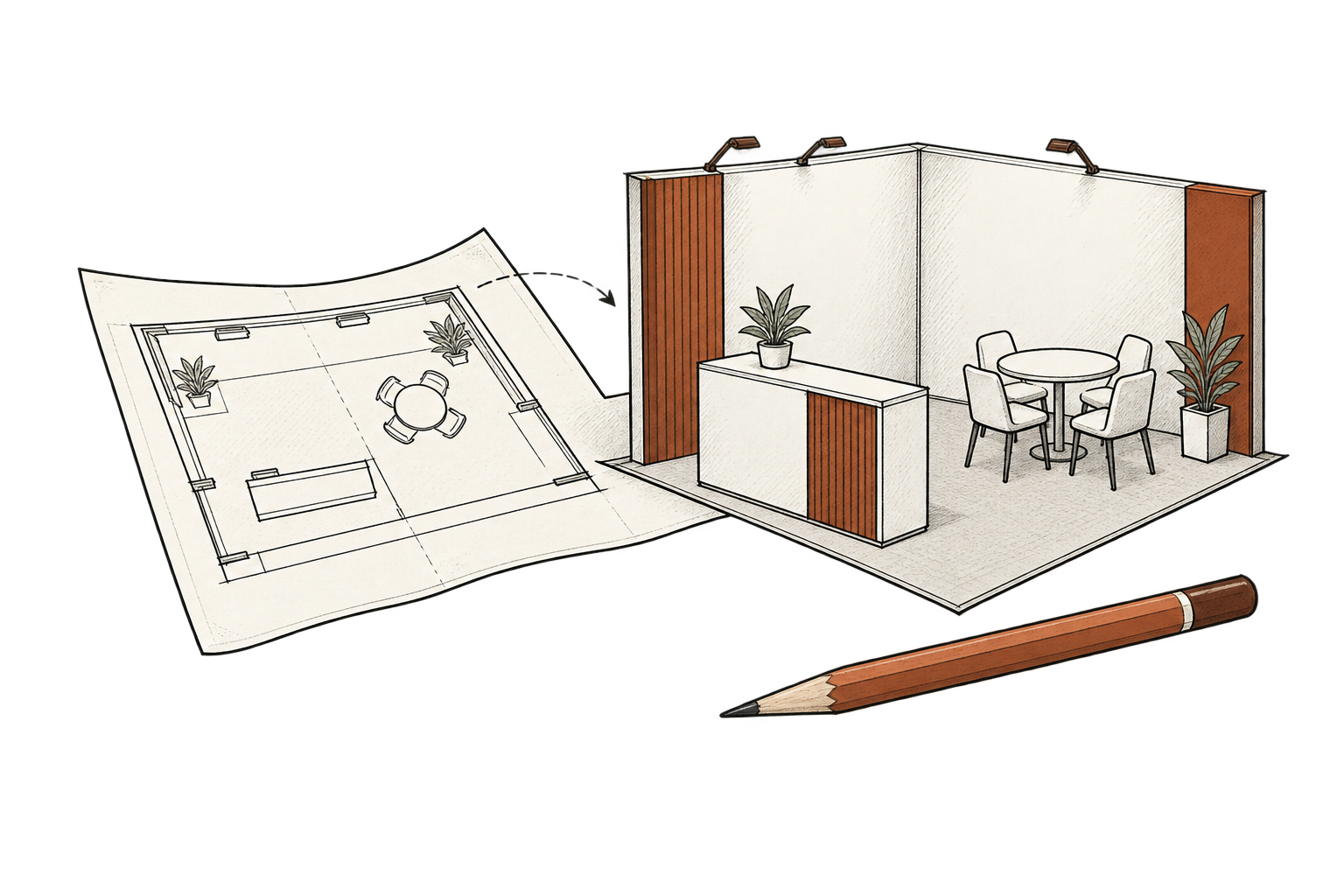
Your booth’s size shouldn’t constrain design but instead should encourage creative solutions to fit that footprint.

Flexible design approaches can make any booth feel dynamic and engaging. Think of your booth as a puzzle that can be reconfigured to fit the allotted space.

You can incorporate modular fixtures or adaptable graphics that adjust easily between different shows.

5. Design and Flexibility — 6 Ways Booth Size Impacts Your Trade Show Marketing Strategy

The trick is finding ways to maintain brand consistency despite changing spatial constraints.

I’ve seen exhibitors use sliding displays or scalable murals that look equally impressive whether spread wide or compacted. This not only saves on redesign costs but also keeps the brand experience uniform.

Rich textures and thoughtful layouts can elevate the space, making a small booth feel immersive or a large one feel intimate. Ultimately, flexibility is a crucial asset, especially when navigating different trade show environments.

Beyond just displays, having a flexible strategy in place helps you adapt and excel no matter the circumstances.

6. Logistics and Setup

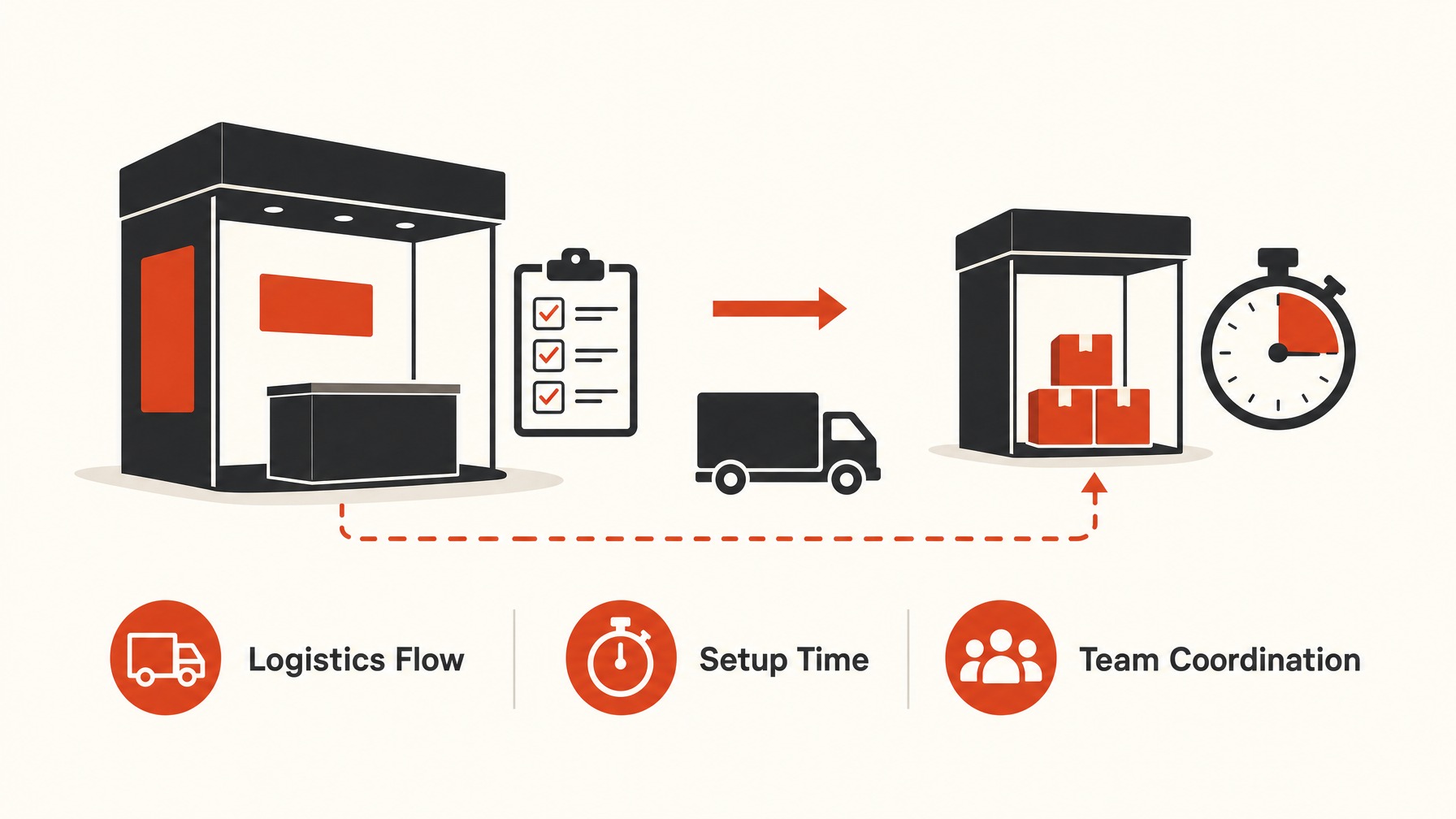
The logistics of setting up booths vary widely based on size and can significantly impact both cost and execution time.

Larger booths often require more extensive planning for transportation, labor, and setup.

It’s like coordinating a small team rather than a solo project, requiring timely execution and teamwork.

6. Logistics and Setup — 6 Ways Booth Size Impacts Your Trade Show Marketing Strategy

Smaller booths, however, might be quicker to set up but demand precise planning for compact efficiency.

I’d say an organized approach lays the foundation for an effective exhibit, whether planning for a large or small space. Ensuring all elements arrive on time and fit as intended is crucial to maintaining your schedule.

Weathering logistical hiccups is part of the process, and experience often teaches the best lessons. When planning logistics, consider every minute detail from freight schedules to setup blueprints.

Having reliable partners can ease the process dramatically, and that’s where Exhibitant can offer unparalleled support.

The Bottom Line

Booth size is a multifaceted consideration that influences the entire trade show experience.

From attracting the right audience to managing intricate logistics, the impact of booth size touches nearly every aspect of exhibiting.

It’s about creating a space that not only represents your brand but also engages your audience effectively.

Whether opting for a spacious floor plan or a cozy nook, the decision should align with strategic marketing goals.

Executing this vision successfully requires a blend of creativity and practicality.

Reflecting on these aspects can steer your choice of booth size towards the needs and aspirations of your company.

Embracing the potential of your available space will help realize your brand’s full potential on the trade show floor.

It’s about bringing together all elements design, budget, logistics into a cohesive strategy. In the end, the most successful exhibitors are those who adapt and innovate, maximizing their impact regardless of booth size.

This way, you can turn every trade show opportunity into a notable success.

Need a booth plan?

Turn show goals into a practical exhibit path

Share your footprint, timeline, and priorities. Our team can help shape the booth direction, graphics, and project support.

Talk to our team

Contact our team

Build the booth around the show goal

Tell us about your show, booth goals, timeline, and where your team needs support. We will help you shape the booth direction, program plan, and next conversation.