 Lorena G.
Creating an eco-friendly booth design is not just a trend, but a necessity in today’s increasingly sustainable-focused world. Exhibitors who prioritize sustainability not only protect the environment but also resonate with an audience that values green practices.
As visitors become more conscious of their carbon footprint, they look for exhibitors who share the same principles.
From what I have seen, the key to an effective sustainable booth is choosing environmentally responsible materials and integrating designs that embody eco-friendly values.
This doesn’t mean sacrificing aesthetics or impact; quite the opposite, in fact. Sustainable design solutions can be as visually striking and engaging as traditional ones.
Something that comes up a lot is the innovative use of materials and technology in booth design. Trade shows are a platform for innovation, so it makes sense that sustainable practices are taking center stage.
By opting for sustainable designs, exhibitors can inspire others and make a powerful statement about their brand’s commitment to the planet.
Today, I want to cover seven practical and impactful ideas for designing an eco-friendly booth that will not only wow your audience but also align with sustainable principles.
- Incorporate recycled materials for eco-friendly booth construction.
- Use energy-efficient lighting to reduce power consumption.
- Opt for digital displays instead of printed materials.
- Choose modular designs for easy reuse and transport.
- Implement a waste reduction plan for booth operations.
You’ll find tips to use recycled materials and ideas on using energy-efficient lighting in your booth.
Learn how digital displays can freshen up your setup and cut down on waste.
Discover the benefits of picking modular designs that you can use again.
There’s also smart advice on reducing waste at your booth.
1. Embrace Recycled Materials
What we have seen work really well is when exhibitors consciously choose to embrace recycled materials in their booth designs. Using eco-friendly materials not only aligns with sustainability goals but also creates an engaging story for attendees.
From what I have seen, exhibitors who use recycled content can actually enhance their brand image, appealing to environmentally conscious audiences.
It’s about more than just appearances; these materials can also be highly durable and cost-effective in the long run.
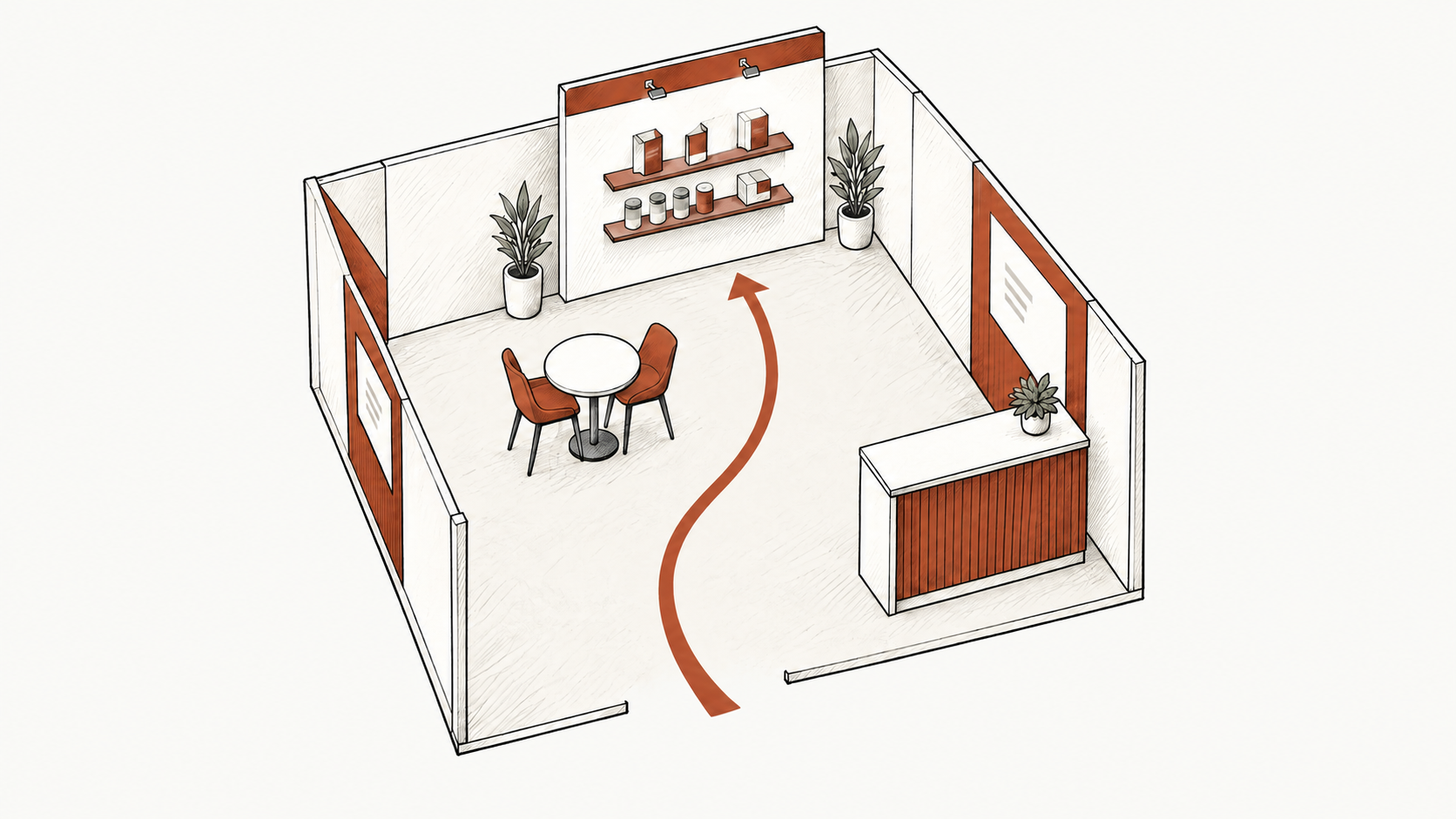
 Booth Design Ideas for Eco-Friendly Exhibitors” />
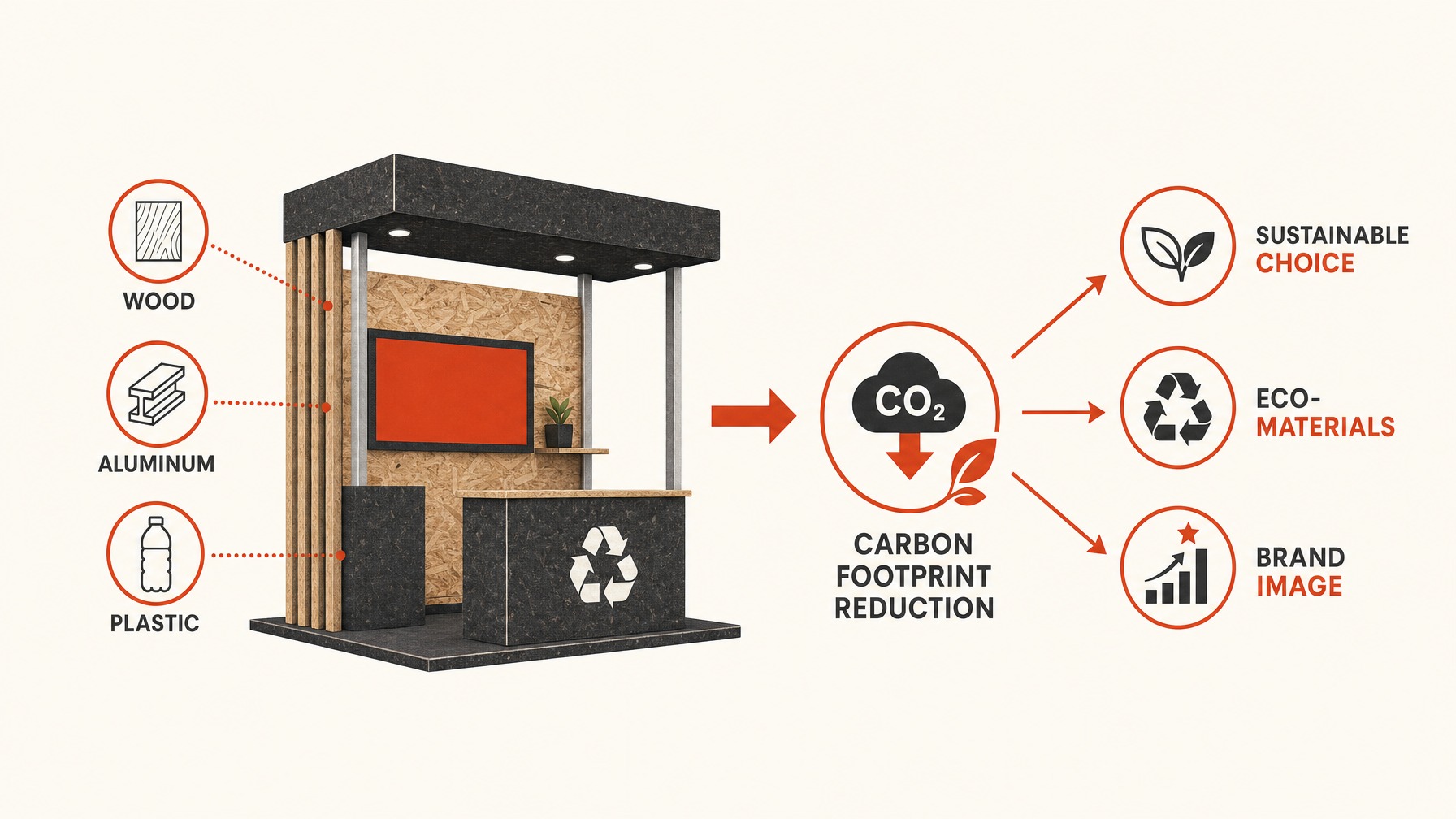
Incorporating elements like recycled wood, aluminum, or even repurposed plastics can significantly reduce the carbon footprint of your exhibition setup.
The key here is to identify which materials will best suit your specific booth design without compromising on aesthetic appeal.
One thing most exhibitors end up doing is researching their options well before committing to a particular material. Here at Exhibitant, we tend to notice that those who take the time to source high-quality, recycled materials often stand out significantly on the trade show floor.
What this does is communicate a commitment to sustainability that resonates deeply with today’s discerning attendees.
A thoughtful approach to material selection can not only enhance the visual impact of your booth but strengthen your brand’s sustainability narrative as well.
Incorporating recycled materials doesn’t mean you have to limit your design choices.
There are many practical and stylish options available that fit any brand’s aesthetic while remaining environmentally friendly.
Whether you’re looking at flooring options, structural elements, or even promotional items, there’s an abundance of ways to integrate recycled materials creatively.
Sustainable design doesn’t constrain creativity; rather, it challenges exhibitors to innovate and find unique solutions.
Bold choices in material selection can truly transform a standard booth into an inspiring, sustainable show.
2. Opt for Energy-Efficient Lighting
Energy-efficient lighting can be a big improvement for exhibitors focused on sustainability.
From what I have seen, those who opt for LED lighting use significantly less energy compared to traditional incandescent bulbs, often reducing their energy consumption by up to 75%.
Not only do LEDs come with a smaller environmental footprint, but they also provide brighter, more vibrant light, making your booth stand out in the exhibition hall.
One thing most exhibitors end up doing is focusing only on the environmental benefits, but it’s important to also weigh the long-term cost savings.
Incorporating solar-powered lighting, where feasible, can further enhance your booth’s sustainability profile. While this option might seem complex, several easy-to-use solutions exist today that efficiently use solar power without complicated setups.
These systems are particularly effective for outdoor events or booths near natural lighting sources.
I’ve noticed that those who successfully integrate these innovations are better positioned to engage visitors concerned about sustainability. Another option to explore is motion-sensor lighting, which ensures your booth is only fully lit when occupied, reducing unnecessary energy usage.
Pro Tip: Consider integrating LED and solar-powered lighting with motion sensors strategically placed to highlight key booth features, maximizing both sustainability and visitor attraction.
One of the larger challenges tends to be ensuring consistent light quality throughout the display, as some exhibitors find it tricky to balance bright displays with an eco-friendly design.
Collaborating closely with a knowledgeable lighting designer can help in achieving the right balance that complements your overall booth strategy.
Also, focusing on lighting placement plays a significant role in achieving an efficient setup.
Look into strategic positioning of lights to highlight key booth features while avoiding over-lighting particular areas.
Opting for energy-efficient lighting not only underscores your commitment to sustainability but also may attract visitors who appreciate environmentally conscious exhibitors.
3. Go Digital with Displays
What we have seen work really well for eco-conscious exhibitors is the transition to digital displays. Replacing traditional printed materials, digital signage and touchscreens present information dynamically while significantly reducing paper waste.
These technologies provide flexibility in content management, allowing you to effortlessly update and tailor messages to engage different audience segments throughout the event. Plus, digital screens tend to use less energy compared to the production and transportation of bulk print materials.
You’ll find that digital displays can be reused and reprogrammed for each trade show, greatly increasing your return on investment.
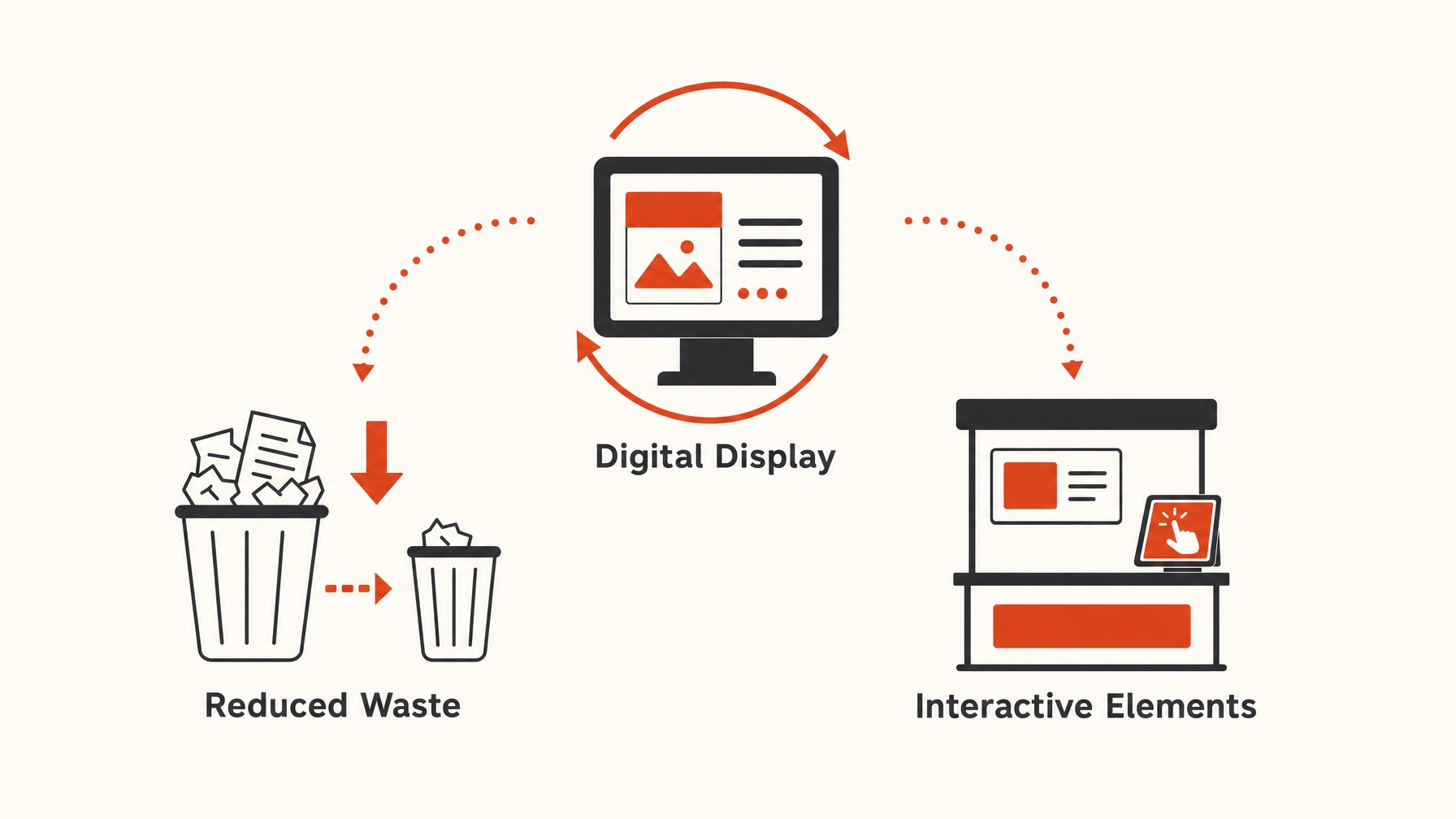
From what I have seen, the ones that get it right usually incorporate interactive elements such as QR codes and augmented reality features to deepen visitor engagement.
By capturing data in real-time, you also open avenues for advanced analytics that provide insights into booth effectiveness and visitor preferences.
Partnering with Exhibitant on exhibit strategy and booth systems ensures that exhibitors benefit from modern digital solutions.
Exhibitant acts as a true exhibit partner, integrating future-ready displays with smooth show support to elevate booth presence.
Bold steps towards digital transformation not only echo your company’s commitment to sustainability but also attract tech-savvy attendees looking for a modernized trade show experience.
4. Choose Modular Designs
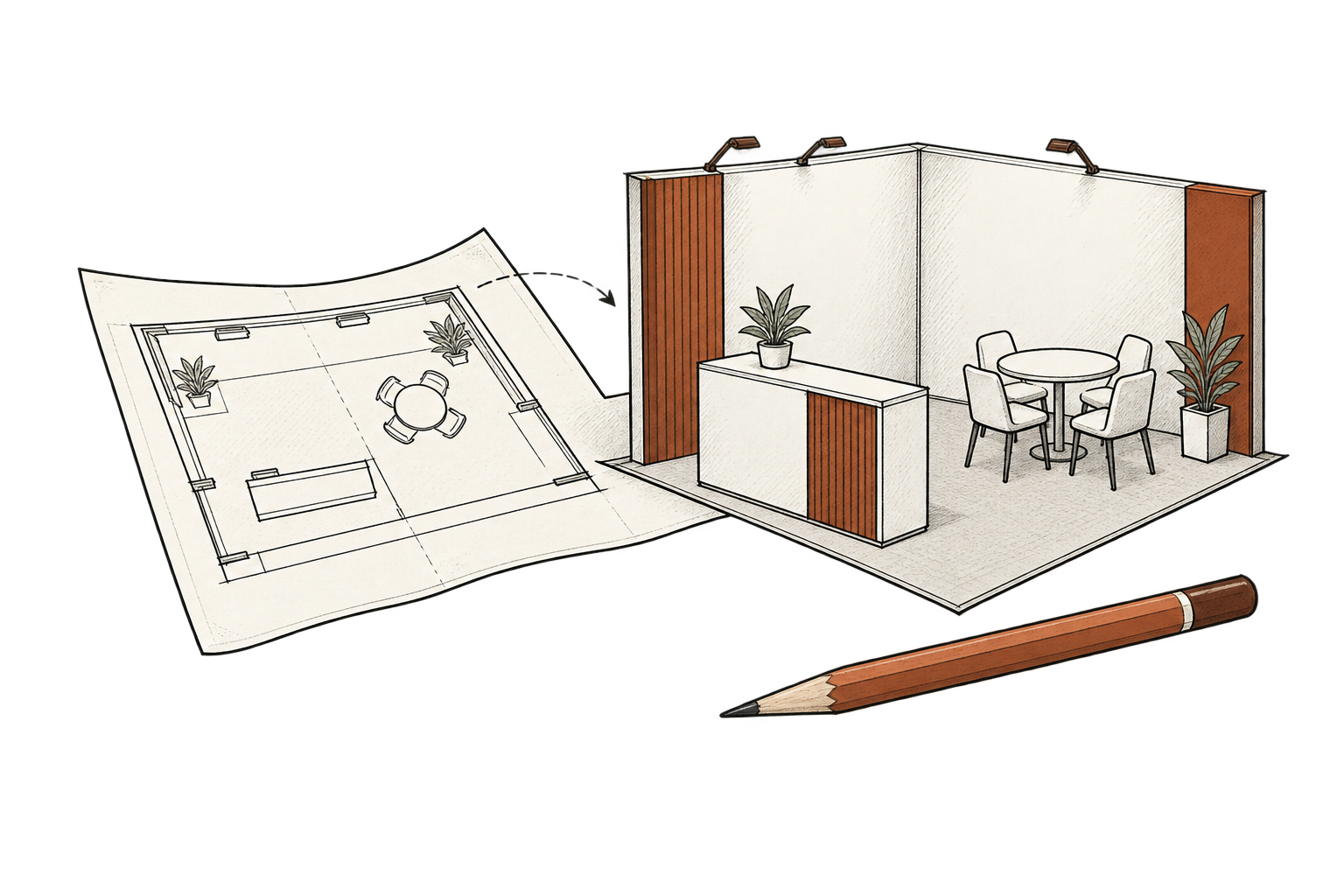
What we have seen work really well in sustainable booth design is the use of modular systems.
These designs not only offer flexibility but also allow exhibitors to easily adjust to different floor spaces at various events.
From what I have seen, these systems can significantly reduce waste, as components can be reused and reconfigured for future shows, aligning perfectly with green practices.
When companies invest in modular elements, they are often making a smart long-term decision that saves both resources and costs over time.
Another advantage of modular setups is that they are typically lightweight and easily transportable, which tends to minimize the carbon footprint associated with shipping and handling. You can imagine the benefits this has in terms of logistics and transportation efficiency.
Something that comes up a lot is how exhibitors appreciate the ease of assembly, which often reduces the need for extensive on-site labor, further cutting down on resources.
Incorporating sustainable materials into modular designs is also a growing trend among environmentally conscious exhibitors.
Important: You should consider modular booth designs because they offer flexibility, reduce waste, and align with sustainability, appealing to eco-conscious clients and consumers.
A favorite approach involves utilizing materials that are both durable and recyclable, thereby enhancing the sustainability factor.
And let’s not forget, this approach not only appeals to eco-friendly values but is also increasingly expected by discerning clients and consumers who prioritize sustainability.
One of the lessons many exhibitors learn is the importance of collaborating with providers who specialize in eco-friendly modular solutions.
By working with experienced partners, companies can innovate within their booth design and often discover clever ways to enhance their eco-friendliness. Such collaborations not only bring expertise to the process but also open up new possibilities for creative design, all while keeping sustainability front and center.
 Louie J.