 Louie J.
Determining the cost of your trade show booth can be a significant challenge.
You want to make a solid impression while staying within your budget. Understanding the different factors that contribute to the overall cost is crucial for any exhibitor.
I’ve noticed that most exhibitors often overlook some critical elements that drive costs.
Identifying these elements upfront can save you unexpected headaches down the road.
It’s all about finding that balance between your objectives and financial constraints.
One effective strategy is to treat the process like a puzzle.
Each piece represents a component, from staffing and logistics to marketing and unexpected expenses. By organizing these pieces, you build a clearer picture of your ideal booth setup and budget.
After reading this article, you’ll be equipped with the insights to make confident trade show budget decisions.
You’ll learn to evaluate key components and prepare for potential surprises.
Let’s try practical steps that can help make your next trade show a smooth and cost-effective experience.
- Identify and list all potential cost factors.
- Evaluate rental vs. purchase for booth materials.
- Consider logistics and transportation expenses.
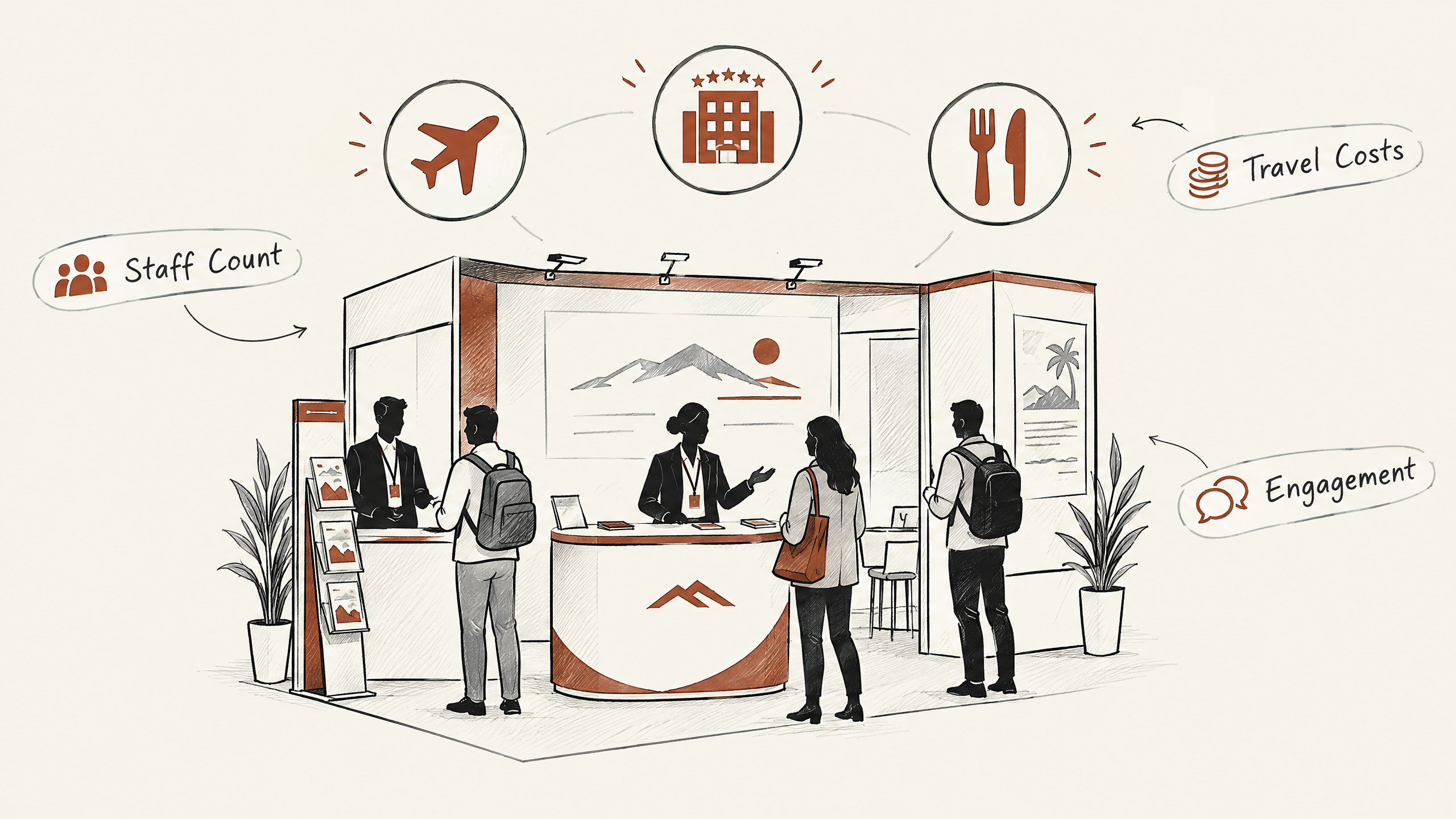
- Account for staff travel and accommodation.
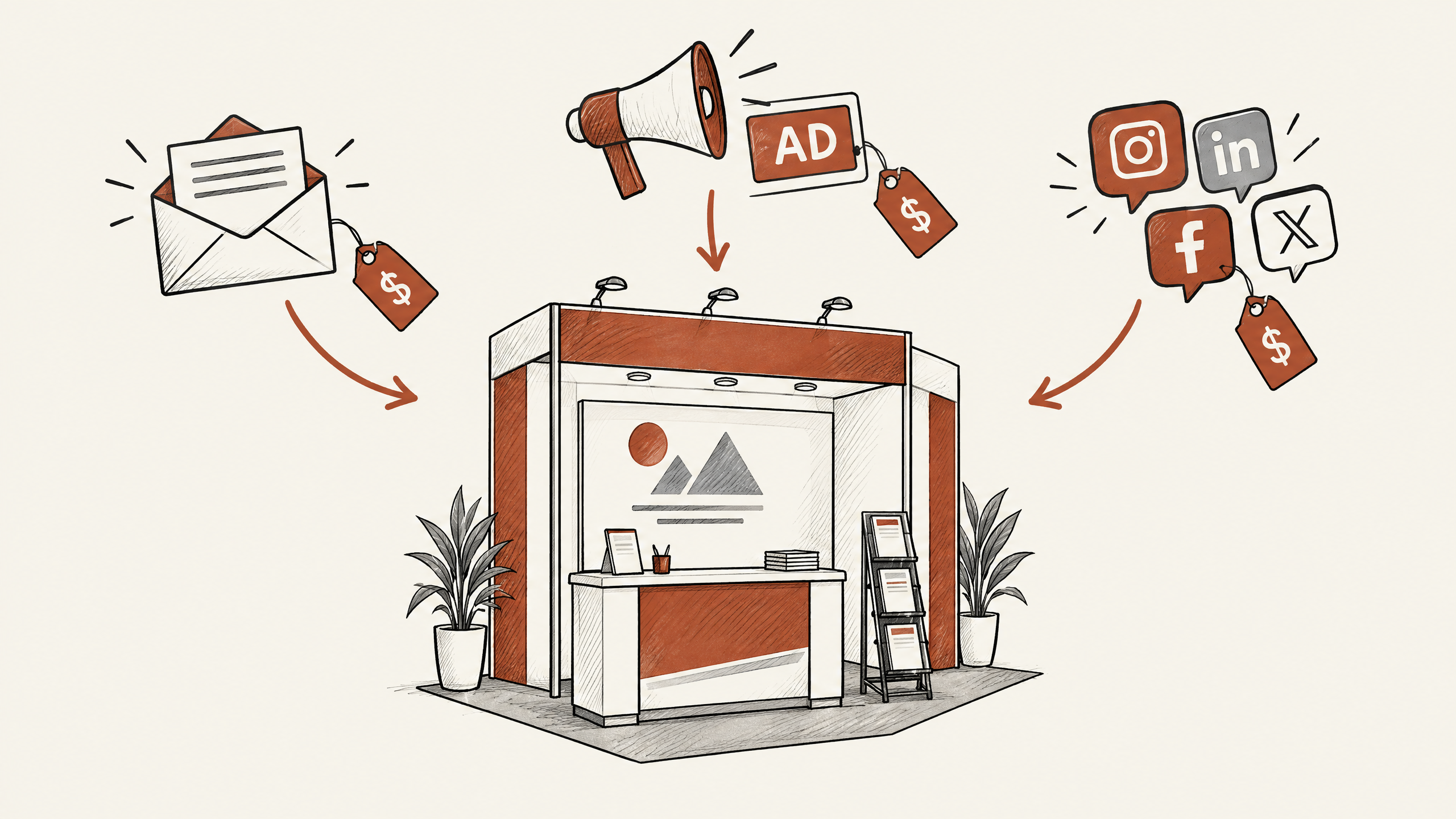
- Estimate marketing and promotional costs.
Start by making a comprehensive list of all the potential costs involved.
Next, weigh the benefits of renting versus purchasing your booth materials for better budget control.
1. Define Your Objectives and Budget
Before diving into the specifics of a trade show booth, it’s vital to define clear objectives.
Ask yourself what you aim to achieve: increasing brand awareness, generating leads, launching a new product, or even penetrating a new market.
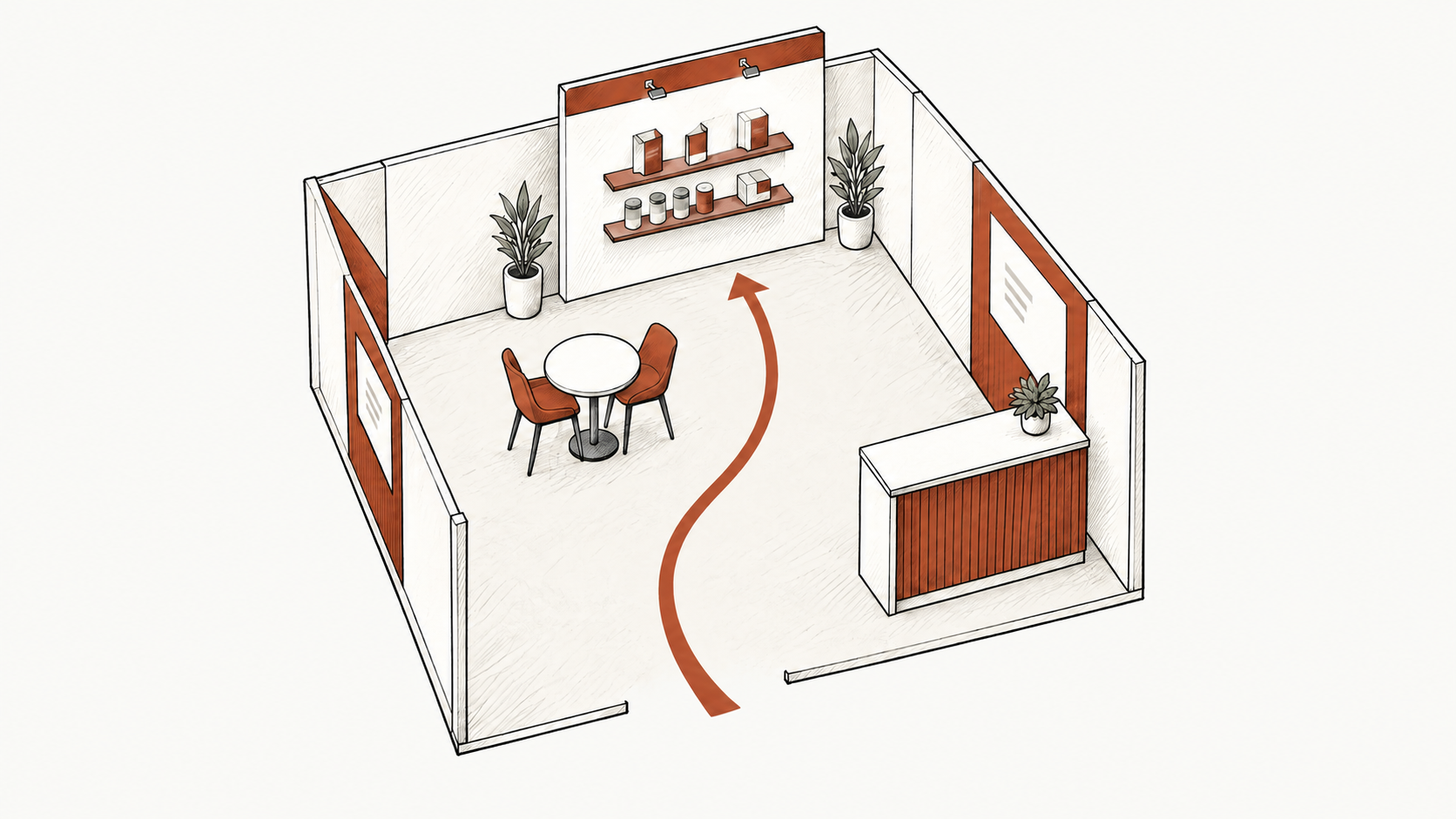
Each goal may demand a different booth setup and presentation style.
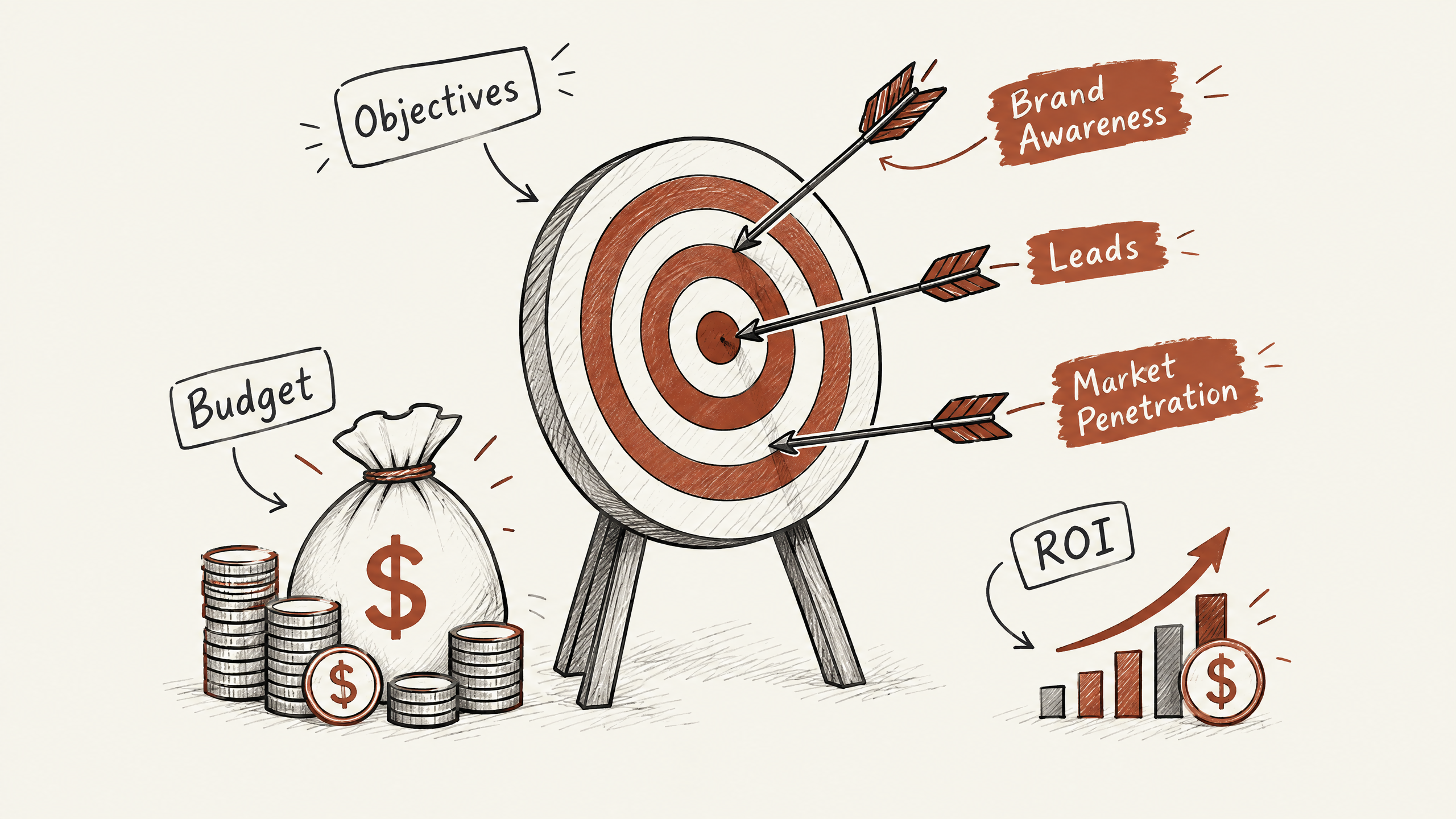
Understanding your objectives helps align budget priorities and ensures you invest in elements that support those goals.
Once objectives are set, the next step is to determine a budget.
This step is crucial because it influences every decision, from booth design to staffing.
Begin by calculating how much your company can realistically allocate. Think about the potential return on investment your trade show presence might generate.
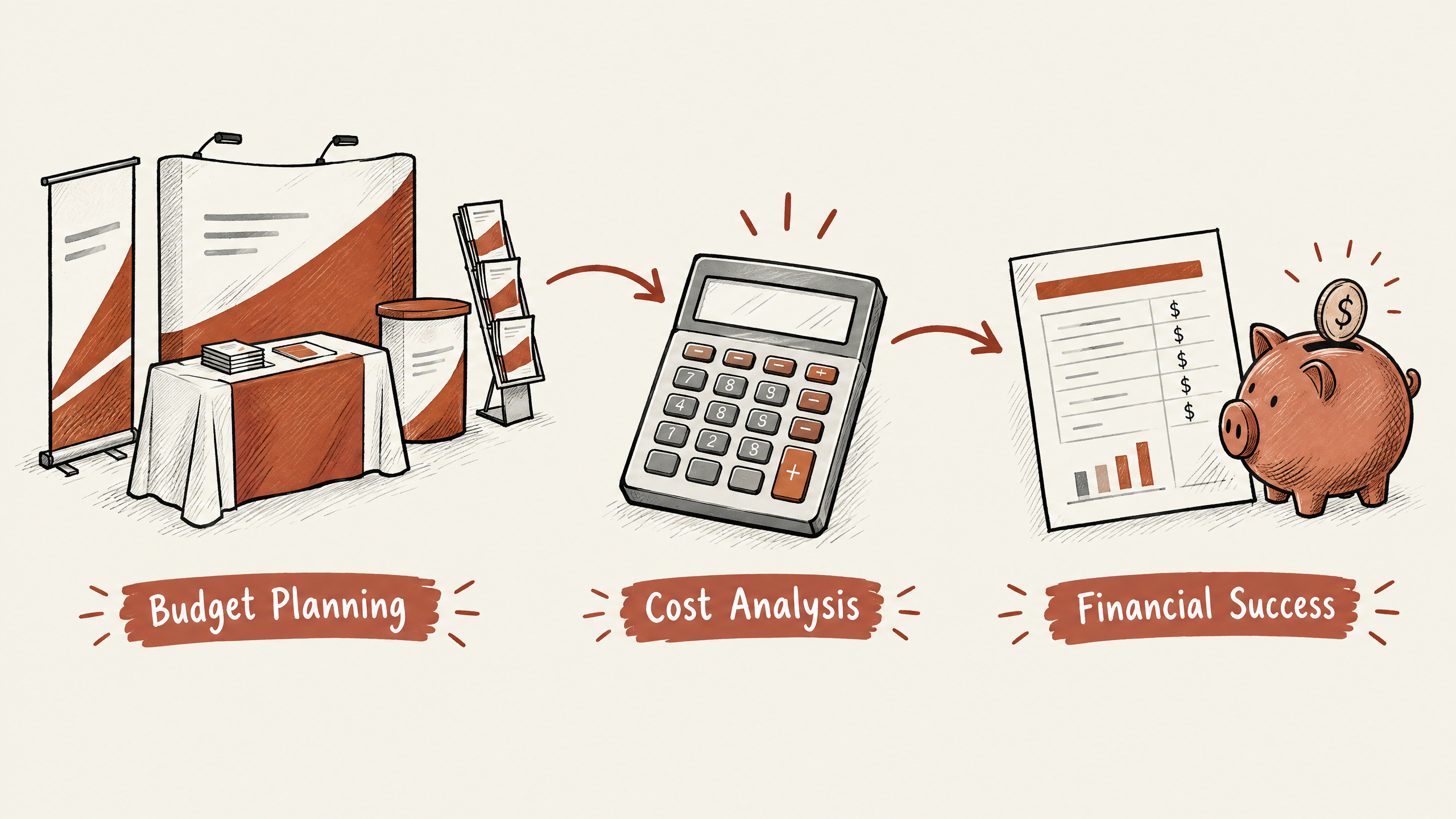
It’s sensible to segment your budget into categories, such as design, logistics, and promotional materials, to track expenses easily and adjust as needed.
A practical example can illustrate why defining your budget early is important.
Suppose your primary goal is to generate leads.
You might allocate more funds to interactive displays and lead-capture technology, rather than lavish furnishings.
On the other hand, if showcasing a new product is the aim, then invest in high-quality visuals and dynamic presentation elements. Misalignment between goals and budget can result in over-spending on less critical areas, which might dilute your overall impact.
To simplify the budgeting process, gather input from your team early.
Include members from marketing, sales, and finance to make sure alignment across departments. This collaboration helps avoid last-minute surprises and secures buy-in from all key stakeholders.
Perform a cost-benefit analysis for each major expenditure, balancing the desire for standout features with fiscal responsibility.
A common mistake is underestimating costs, leading to budget overruns.
Review past trade show expenses if available, or consult industry peers to gauge typical costs.
By defining objectives clearly and setting a well-structured budget, you create a solid foundation for a successful trade show presence where every dollar spent contributes meaningfully to your intended outcomes.
2. Identify Key Cost Components
When planning for trade show booths, understanding the key cost components is essential.
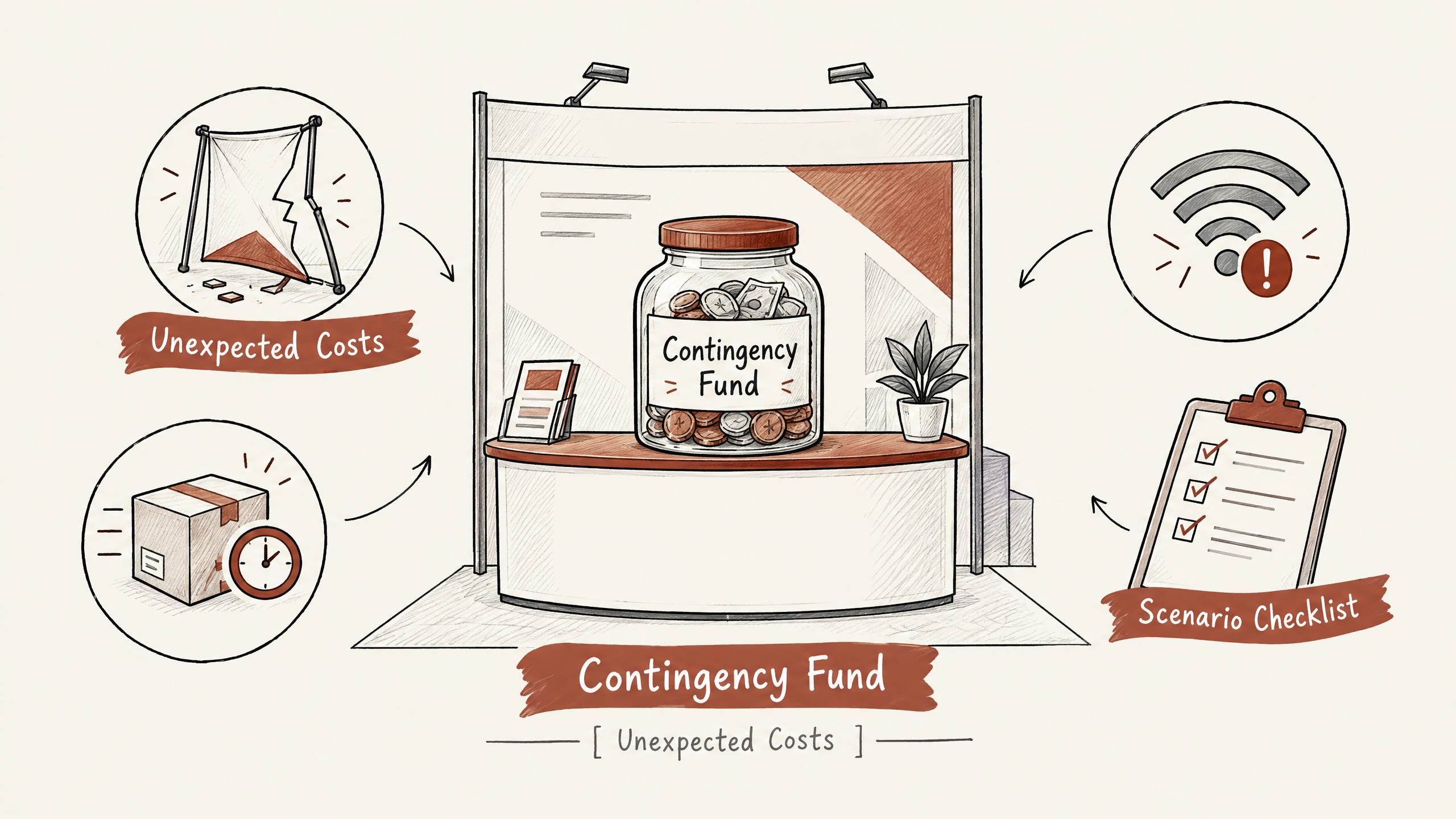
Missing a critical factor can result in unexpected financial burdens.
The main categories include booth design and construction, utilities, and shipping expenses.
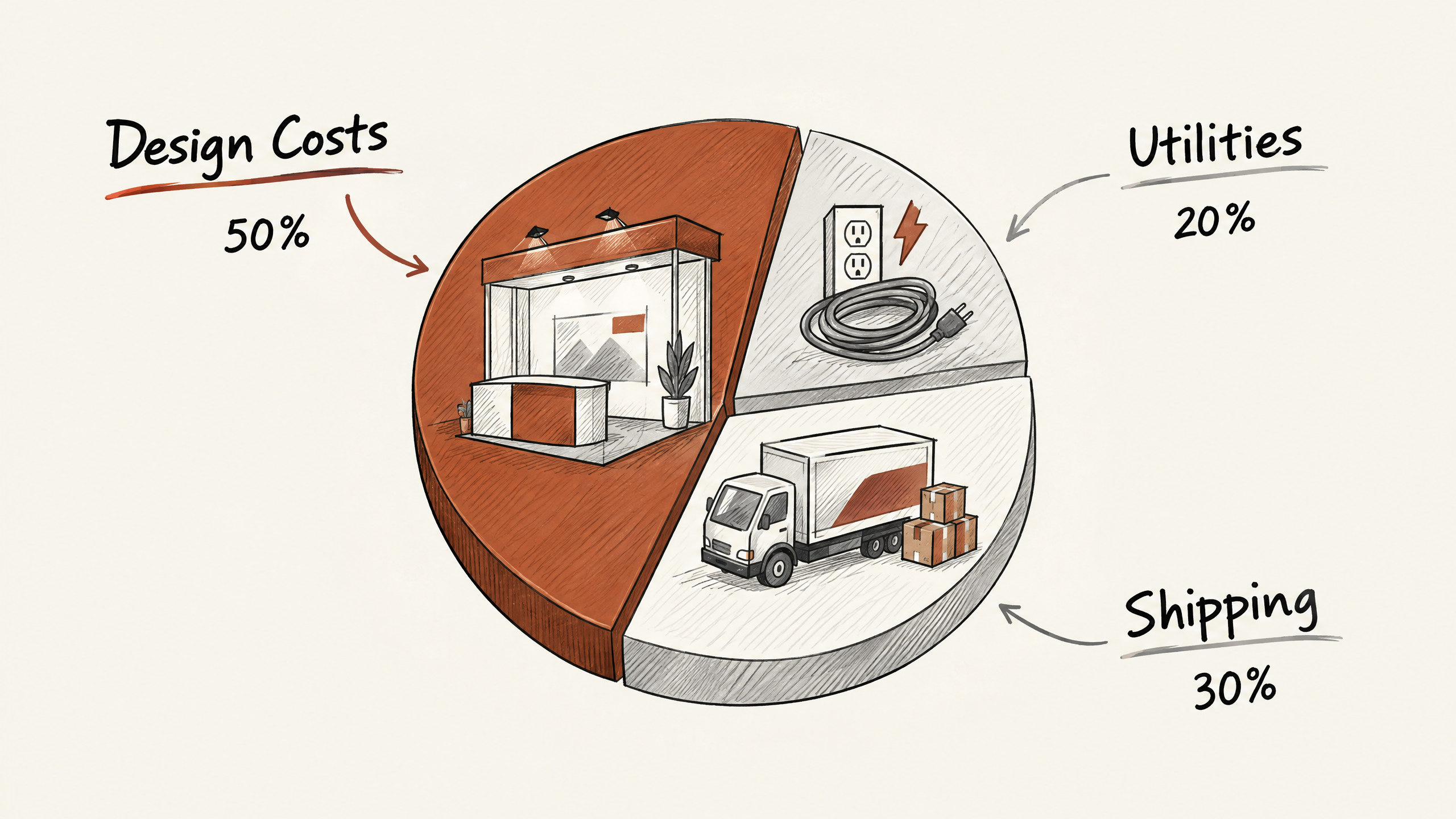
Each plays a significant role in the total cost.
Design and construction costs usually take the lion’s share.
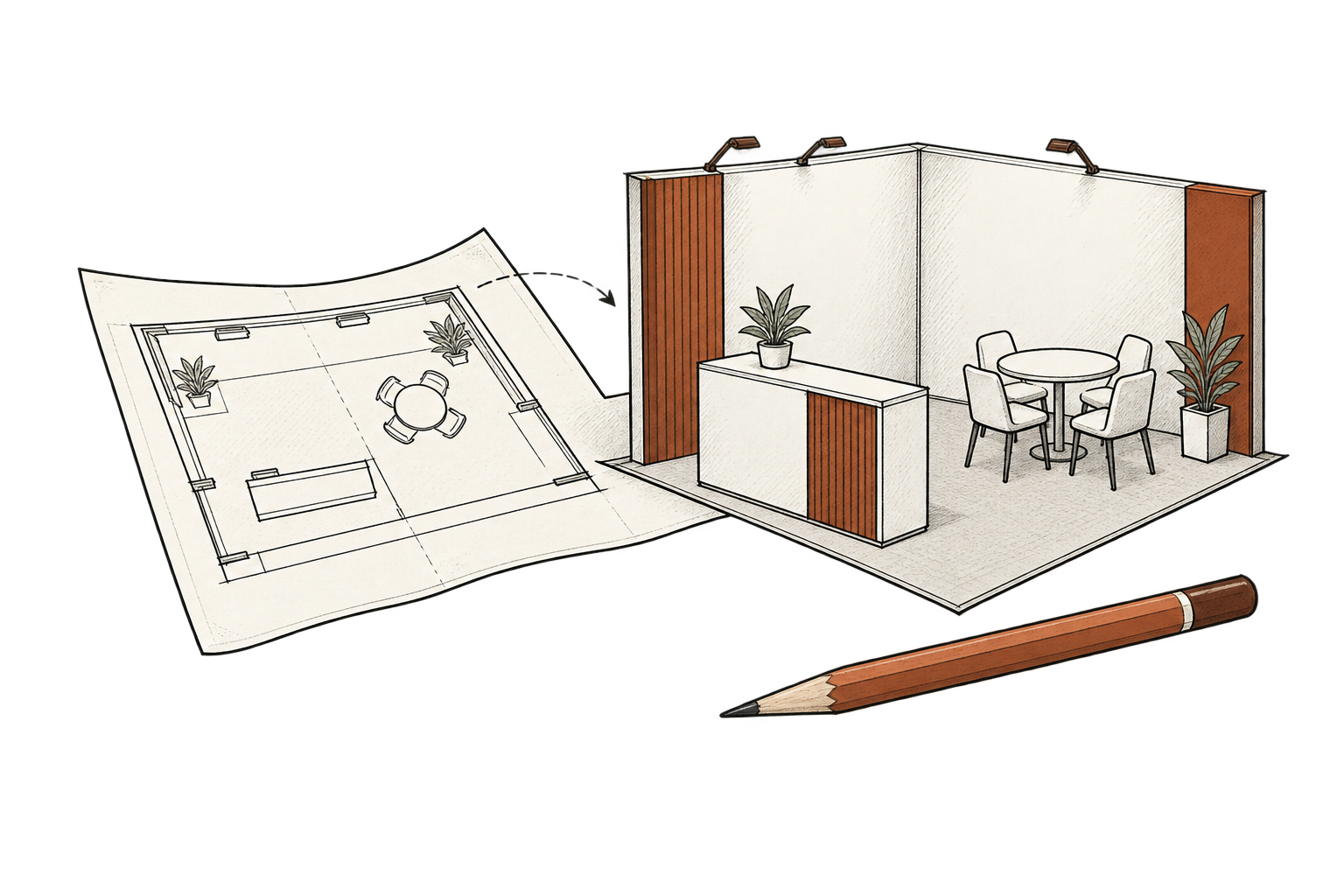
Whether custom or modular, the materials and labor involved can vary greatly. A custom booth typically offers more brand-specific designs but could lead to higher expenses.
It might work well for established brands, while smaller companies might lean toward modular setups for cost efficiency.
Utilities are often overlooked in the budgeting phase. Yet, lighting, electricity, and internet can significantly impact the overall cost.
Pro Tip: When planning for your trade show booth, remember that utilities like lighting and internet can significantly affect costs, so verify what’s included with the venue and budget accordingly.
Check with the venue to understand what’s included and what carries additional fees.
If your booth relies heavily on digital displays, factor this in early to avoid last-minute surprises.
Shipping and drayage are ongoing expenses that you need to track carefully.
Whether you’re transporting booth materials yourself or hiring a logistics firm, these costs fluctuate based on distance and weight. Some firms prefer managing their logistics, aiming for cost savings, but this choice requires careful planning to avoid oversight delays.
By breaking your budget down into these components, you’ll have a clearer picture of where your money goes.
Compare past expenditures if applicable and adjust based on the current market for more accurate budgeting.
3. Evaluate Rental vs. Purchase Options
Deciding between renting or purchasing your trade show booth is a pivotal choice.
Each option presents distinct advantages and cost implications. Your decision should align with your overall event strategy and budgetary constraints.
Renting can offer flexibility for businesses attending only a few shows annually, while purchasing may provide long-term cost savings for frequent exhibitors.
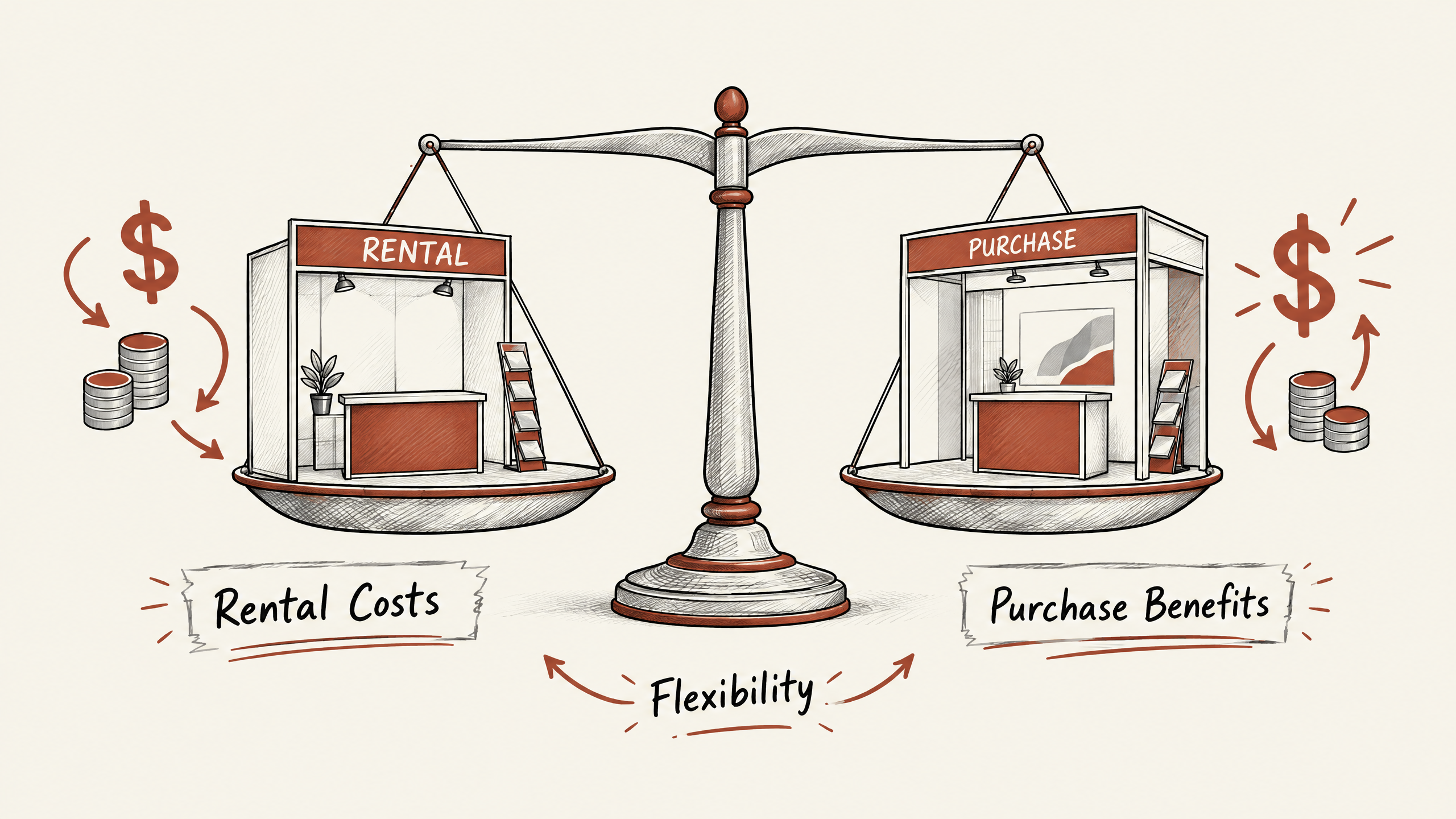
When considering rental costs, factor in added services often bundled with rentals, such as design assistance and setup. Rentals allow you to test different booth layouts without a permanent commitment, which can be valuable for companies still refining their trade show strategies.
However, the costs can accumulate over several events, eventually outpacing those of ownership.
Purchasing a booth provides you with a customized, branded environment that can be reused across multiple events.
This usually pays off for high-frequency attendees who want consistent brand presentation.
Consider storage and maintenance, as owning a booth requires space and upkeep.
Initial costs are higher, but ownership eliminates recurring rental fees, which can be advantageous if you’re committed to a specific design.
A balanced choice depends on your trade shows’ schedule and investment capacity.
For instance, if you plan to attend three major events annually, purchasing may yield savings over time. Conversely, if your event participation fluctuates, renting offers adaptability.
Evaluate your long-term trade show strategy, keeping both flexibility and financials in mind.
In deciding between renting and purchasing, consider Exhibitant‘s expertise in design and logistics. We can guide you through tailored solutions that match your specific needs and budget, helping you make an informed choice that enhances your trade show presence.
4. Plan for Logistics and Transportation
When calculating your trade show booth costs, logistics and transportation play a crucial role. Efficiently moving your booth materials, displays, and products to the venue is essential for a smooth event experience.
Starting early in planning can help you avoid last-minute hurdles and unexpected expenses.
Identify the total volume and weight of the items you need to transport.
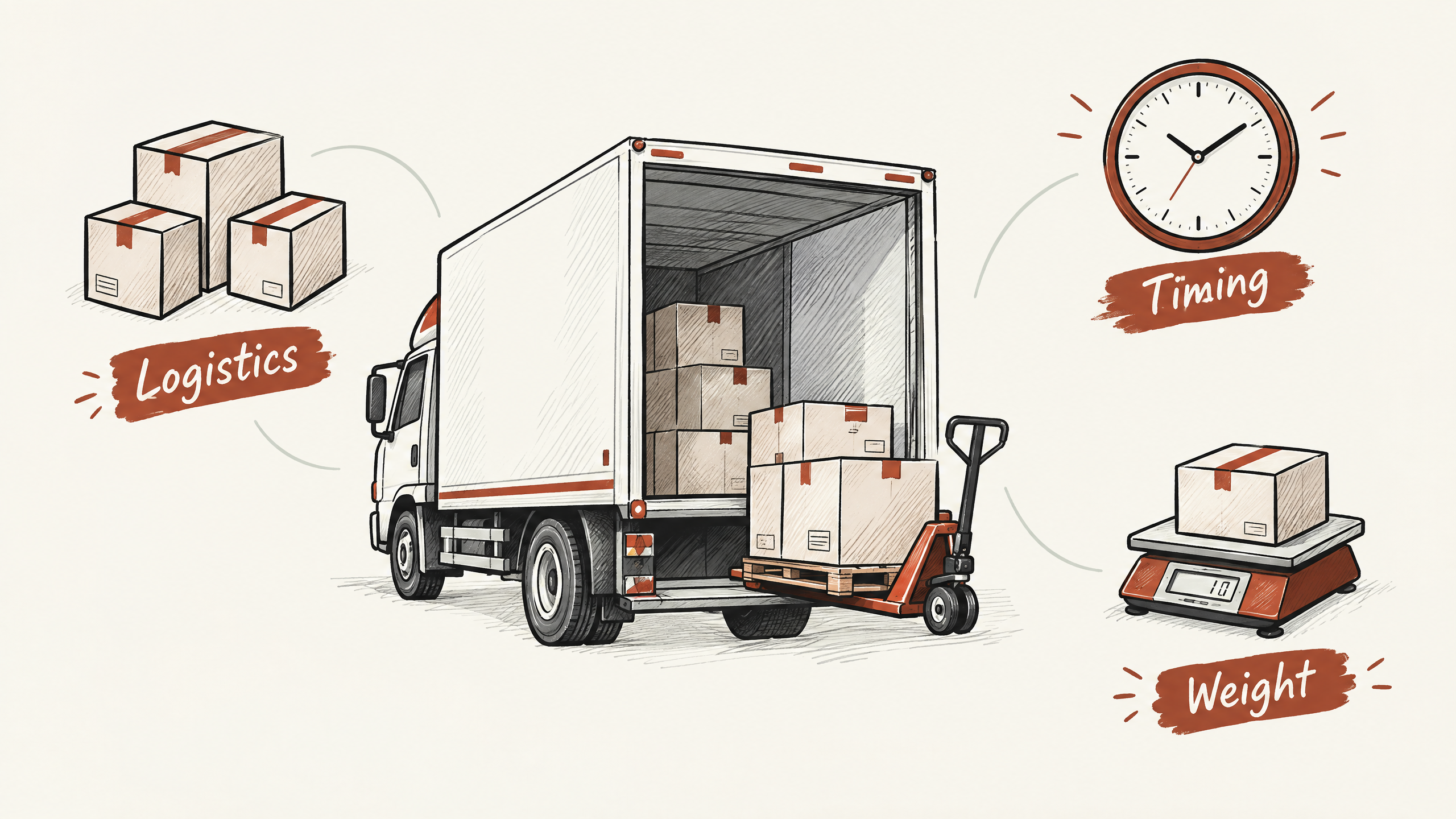
Consider booth structures, promotional materials, products, and any specialized equipment.
This will allow you to choose the most appropriate transportation method. Whether using freight services or a shipping company, having precise weight and dimensions helps in receiving accurate quotes.
Next, consider the timing and scheduling of your shipment. Shipments arriving too early might incur storage fees at the venue, while late arrivals can lead to delays in setting up your booth.
Check the show’s official receiving schedule and work backward to determine the best shipment date and method.
Non-holiday weekdays often offer more cost-effective transport rates.
If you’re considering freight services, factor in potential surcharges such as fuel, handling, and residential pick-up fees.
A cost breakdown from your chosen provider can prevent surprises in your final bill.
Important: make sure your shipment arrives on schedule; unexpected storage fees or setup delays can significantly inflate your trade show costs and stress levels.
Always inquire about insurance coverage for potential damage or loss of shipment to protect your assets.
One common mistake is underestimating the time needed for loading and unloading. Coordinate with the venue or event team to understand their processes and workflows, ensuring a smooth transition as your materials move from the truck to the display floor.
In a hypothetical scenario, let’s assume your company is transporting a modular booth weighing 2,000 pounds.
If the freight service costs $2.50 per mile and the venue is 500 miles away, this adds up to $1,250 one-way.
To improve costs, explore group shipment options with nearby exhibitors to reduce per-mile charges.
Planning your transportation and logistics addresses only part of your trade show strategy.
However, efficient planning and execution here can prevent additional costs and stress during the event.

 Lorena G.