 Lorena G.
Planning a successful trade show involves more than just setting up a booth and crossing your fingers for good turnout.
Part of the magic happens behind the scenes, particularly when it comes to labor considerations. Here is how I would approach it: by addressing these key labor factors early, you’ll save your team time, stress, and money down the line.
First, estimate your labor needs to avoid last-minute scrambles or staffing shortfalls. Understanding the scope of your booth setup and teardown will influence not only labor requirements but also your entire show budget.
It’s crucial to have the right team in place to meet your specific demands.
Scheduling is another critical component. Effective setup and teardown scheduling can make or break your event’s success.
By planning this strategically, you give your team the breathing room they need to do a great job without rushing or overtime costs.
One of the trickiest aspects of trade shows is navigating union regulations.
Certain cities have strict rules, and understanding them ahead of time will prevent any unexpected roadblocks. Familiarizing yourself with these regulations ensures smoother operations and keeps your event running on schedule.
After covering these considerations, you’ll be ready to embark on a comprehensive strategy for your upcoming event. I will walk you through different strategies that will enable your team to make informed choices about labor, utilities, permits, and more.
This knowledge will help you to confidently manage these elements before heading into your next trade show.
- Estimate labor needs based on booth size and complexity.
- Schedule labor to align with setup and teardown timelines.
- Understand union rules and regulations for your venue.
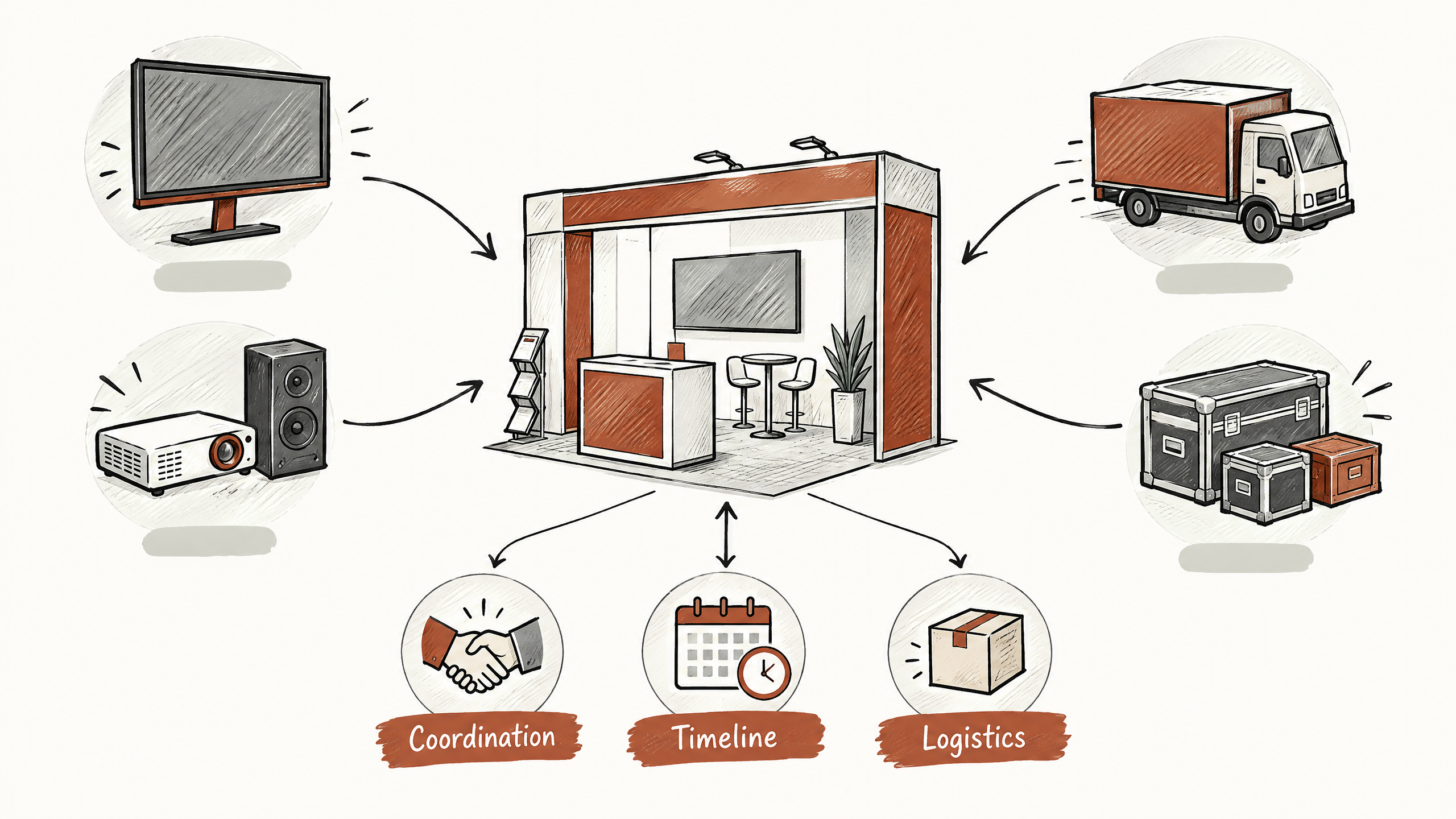
- Coordinate with vendors for efficient labor use.
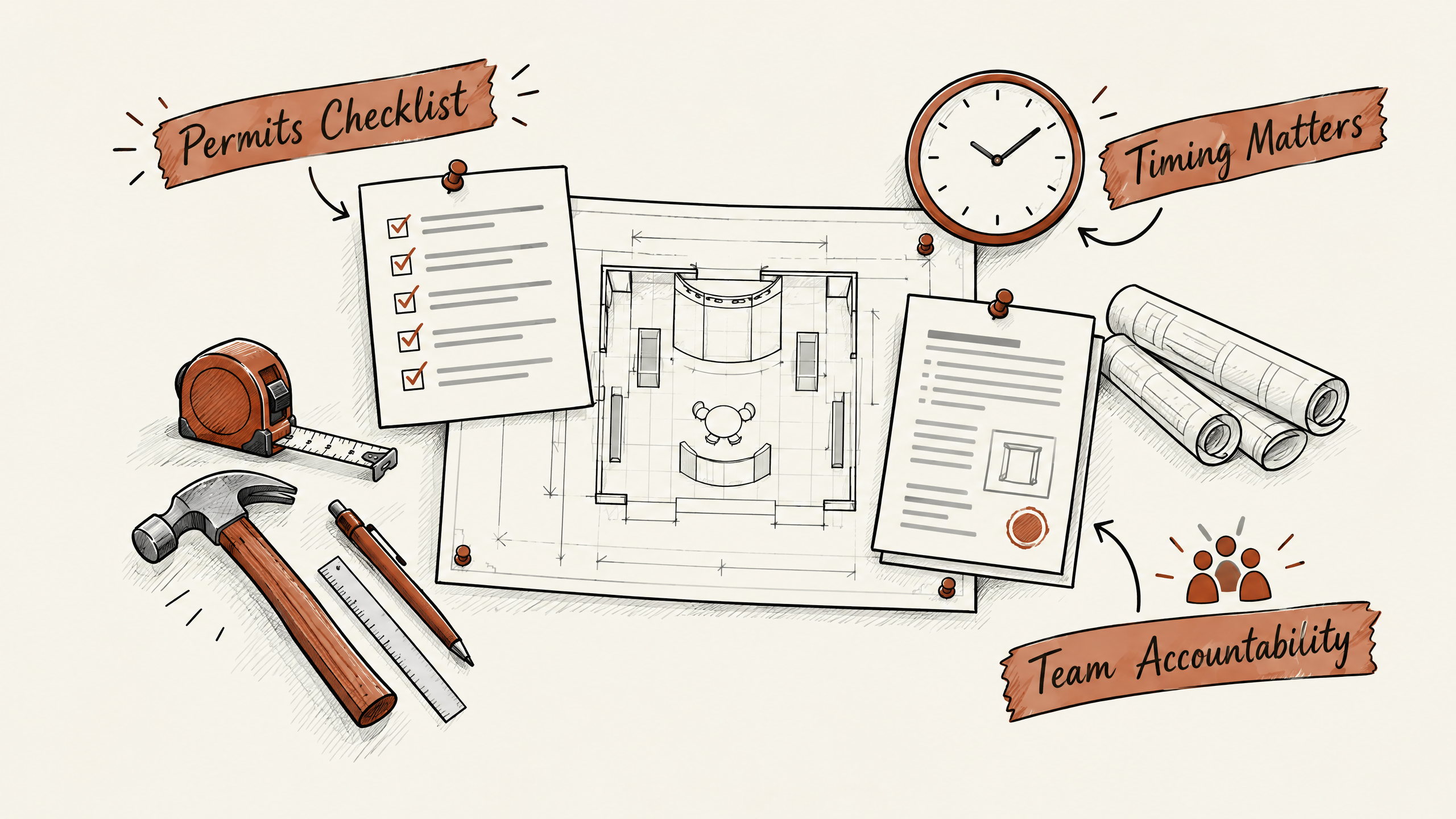
- Ensure all permits and documentation are completed in advance.
Make sure your labor schedule aligns with your setup and teardown timelines for a smooth process.
Complete all permits and documentation well in advance to avoid last-minute issues.
1. Estimate Your Labor Needs
Understanding your labor needs is crucial to a successful trade show. By accurately estimating the number and skill level of laborers required, you’ll avoid under- or over-staffing, which can lead to inefficiencies and cost overruns.
Start by assessing the size and complexity of your exhibit. A larger booth with multiple elements, for instance, will likely require more personnel.
Next, list the specific tasks that need completion, such as booth setup, electrical work, and AV installation.
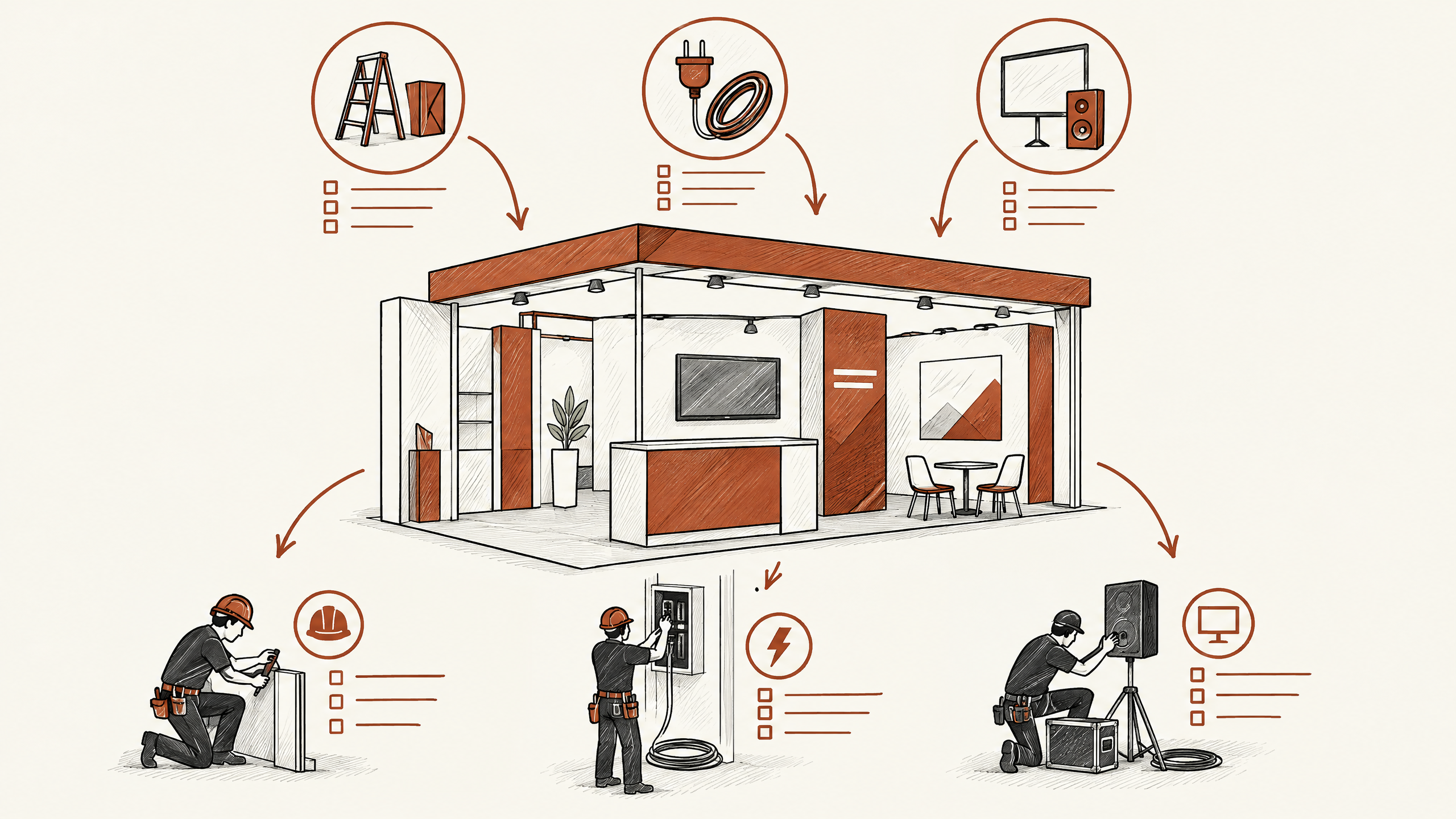
Categorize tasks by expertise required.
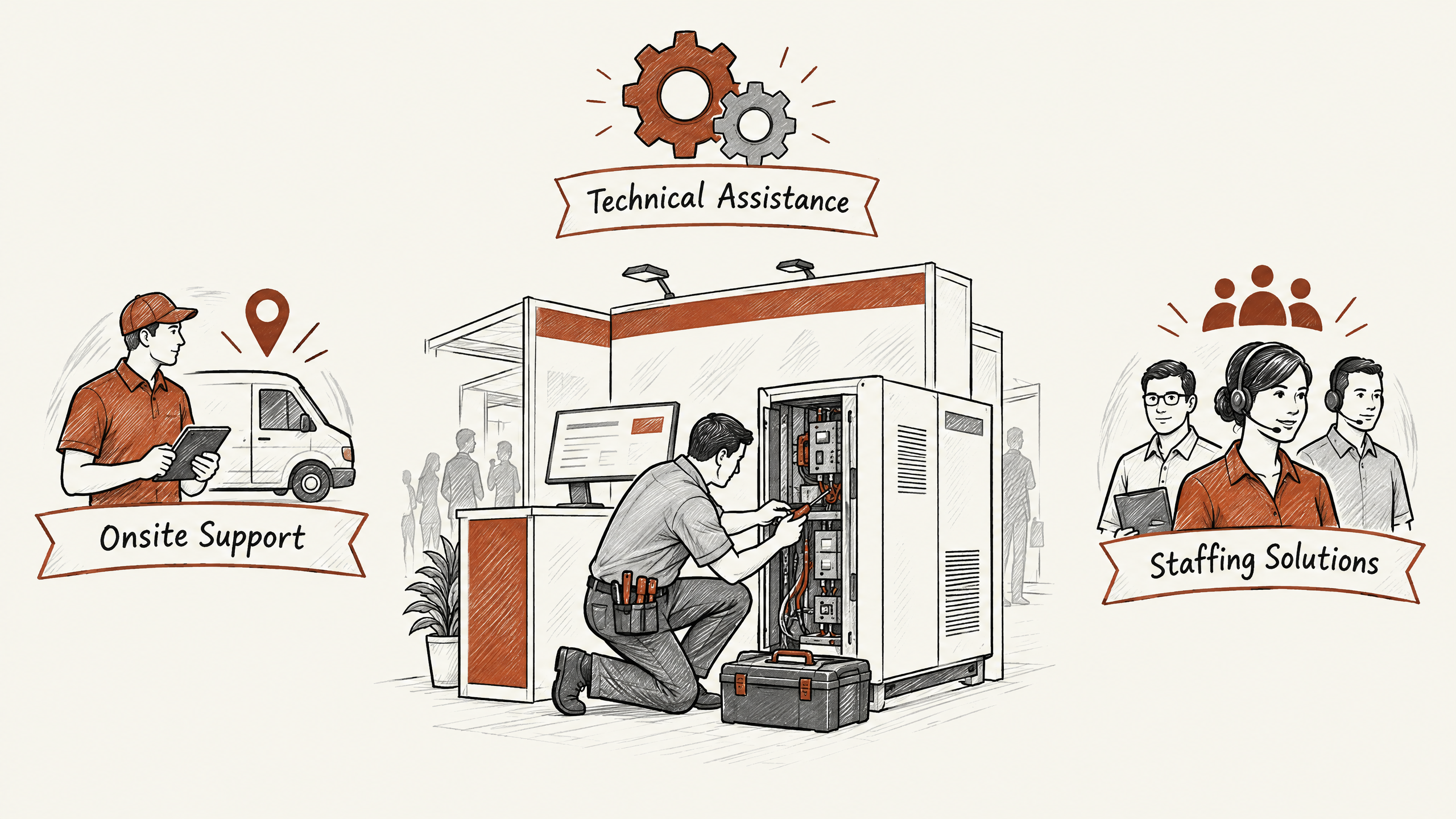
This division helps in determining whether you need specialized staff, such as electricians or carpenters. Consulting with your team to understand the exhibit’s technical demands will also refine your labor estimation.
Suppose your 20×20 booth includes a raised platform, lighting, and a video wall.
You might need two carpenters, two electricians, and an AV specialist for setup.
This mix ensures every component is professionally installed in the allocated time.
One common mistake is underestimating the time needed for complex installations, which can result in rushed work or missed deadlines.
To avoid this, allocate buffer time based on historical data or experience.
For example, if a video wall usually takes 5 hours to configure and test in prior shows, plan for 6 hours to accommodate any unexpected issues.
Finally, remember industry-specific constraints, such as venue rules on labor minimums or mandatory breaks, which can affect both your budget and schedule. Check these details early and adjust your labor plan accordingly.
By taking these steps, you make sure a smoothly executed trade show setup and a successful event.
2. Schedule Setup and Teardown Effectively
Crafting a precise schedule for setup and teardown is crucial for a successful trade show.
Timing dictates everything from costs to compliance with venue regulations.
The first step is to understand the timeline requirements imposed by the show management. Most trade shows provide a designated window for booth setup, often spanning several days before the event opens to attendees.
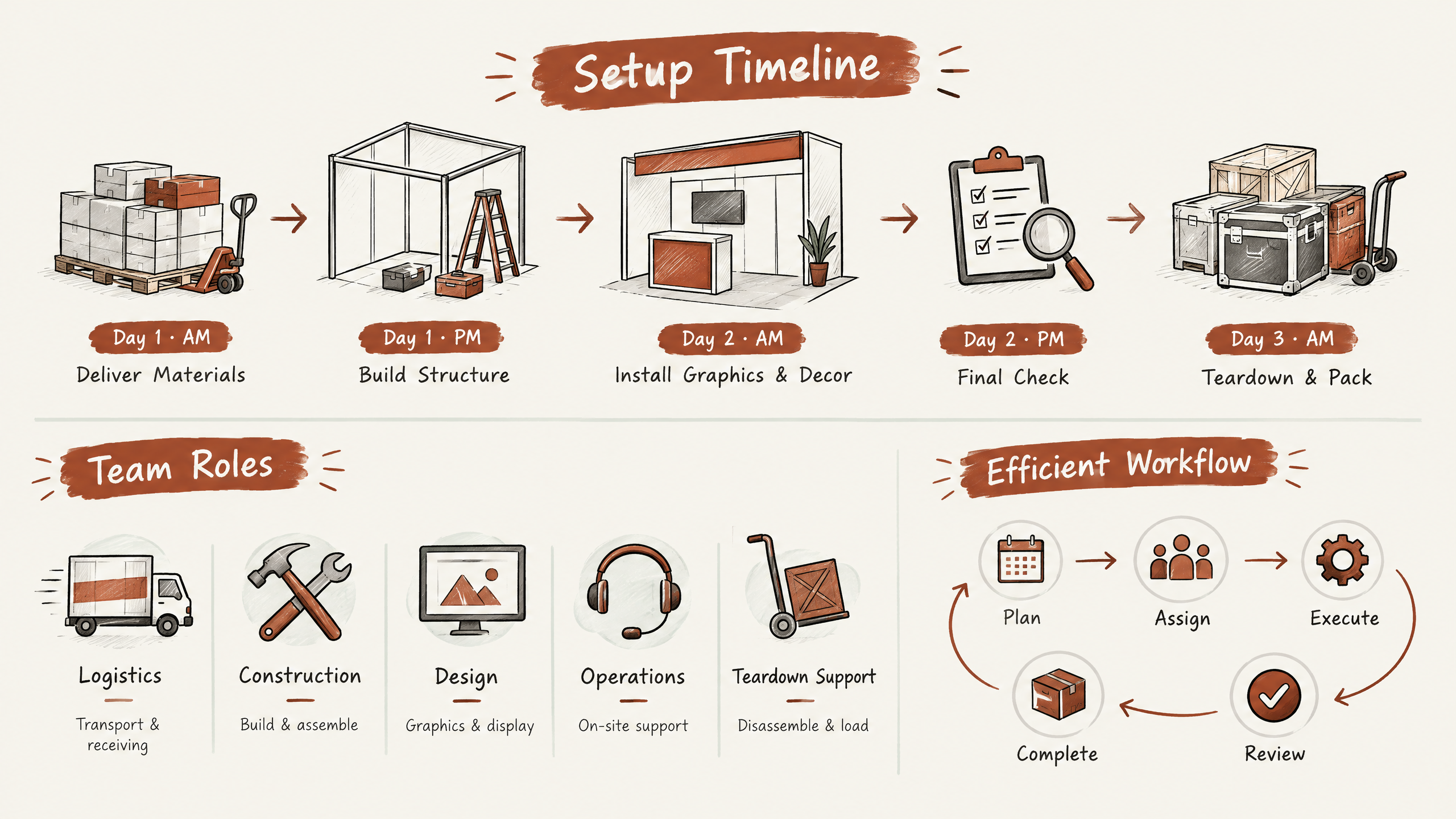
Establishing a detailed plan within this timeframe ensures your team knows when to arrive and begin.
For optimal results, assign clear roles and tasks during both setup and teardown.
Having specific responsibilities reduces confusion and keeps the process efficient. For instance, designate one person to oversee logistics, another for booth construction, and a third for technology installation.
This division of labor helps prevent overlap and ensures all aspects of your exhibit receive attention.
One common mistake is underestimating the time needed for teardown.
Important: Don’t underestimate teardown time; it often starts immediately after the event and has tighter deadlines than setup, risking unexpected overtime costs.
Unlike setup, which can often extend over several days, teardown usually begins immediately after the event concludes, often with tighter deadlines. Allocating ample resources to this phase is essential to avoid incurring unexpected overtime costs.
Factor in any potential problems, such as disassembling complicated structures or managing sensitive tech equipment.
Exhibitant can support in creating a detailed timeline that accounts for all tasks and team coordination.
By synchronizing these activities carefully, you can simplify operations and reduce unnecessary costs.
It’s worthwhile to plan meticulous detail upfront: this investment pays dividends in effective execution and smoother trade show experience.
3. Navigate Union Regulations and Rules
When preparing for a trade show, understanding and adhering to union regulations is crucial. These rules can vary widely by venue and location.
Being well-versed in them prevents unexpected delays or costs. Before your team arrives onsite, take the time to review the specific union rules applicable to the city or venue hosting your trade show.
Many venues have stringent regulations regarding who can perform specific tasks such as material handling, electric work, and booth setup.
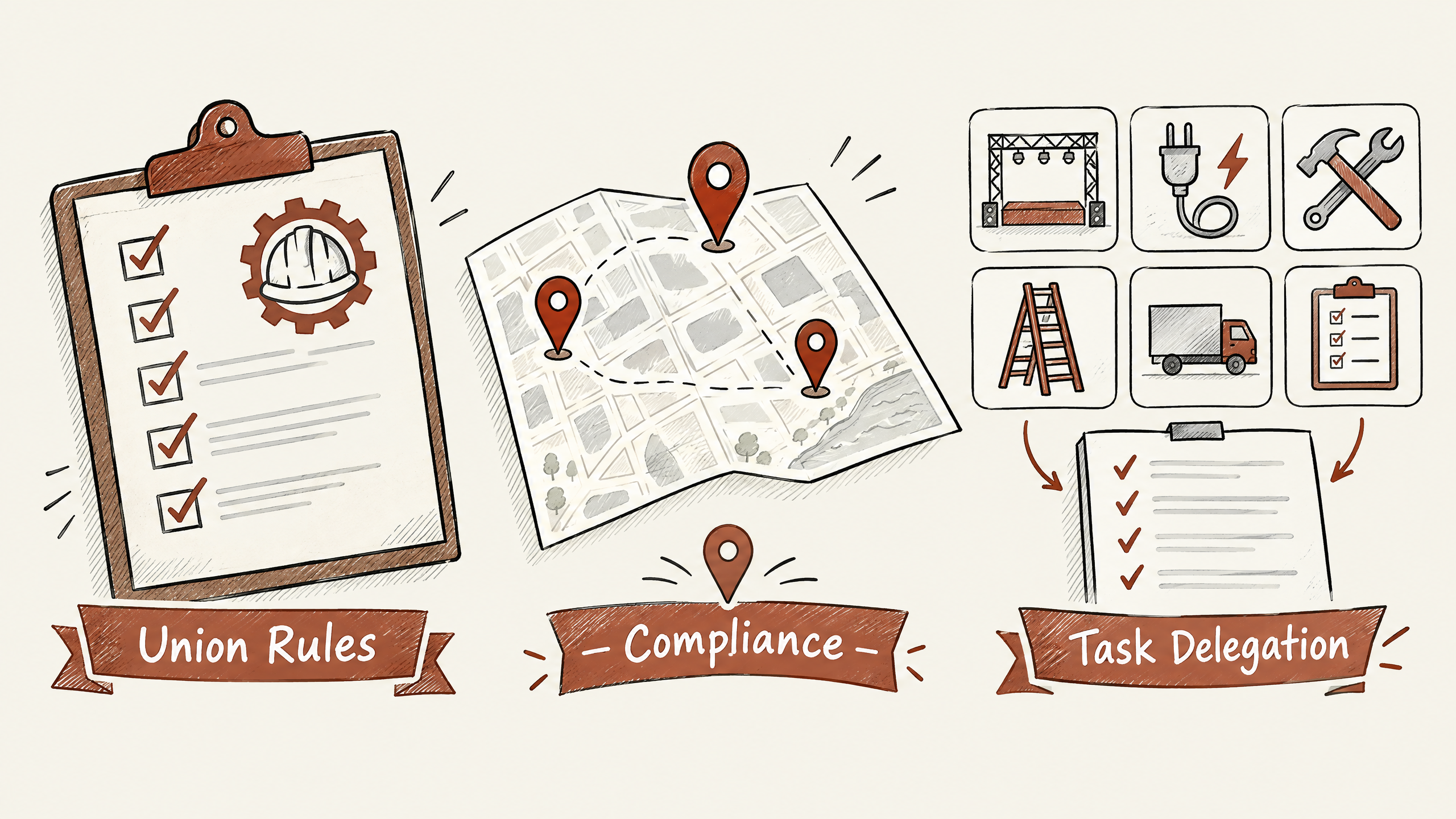
Recognizing these distinctions ensures that your team or chosen contractors can legally and efficiently perform tasks.
Failing to follow these rules can result in fines or penalties. Assign a team member to research the labor regulations in advance to make sure compliance.
In some cities, union members must handle tasks that your team might otherwise perform themselves.
While this can increase costs, it often leads to faster and more efficient setups, as these workers are familiar with the venue and its processes. Evaluate the potential benefits of using union labor against the added expense.
Prepare by including these potential costs in your budget early on.
Finally, make sure your team is prepared for potential adjustments.
Sometimes labor organizations have agreements that can be worked into your setup schedule.
If your trade show strategy allows flexibility, it might benefit from such collaborations. Being adaptable, while still adhering to union rules, can help simplify the overall process and avoid disruptions.
 Louie J.