 Louie J.
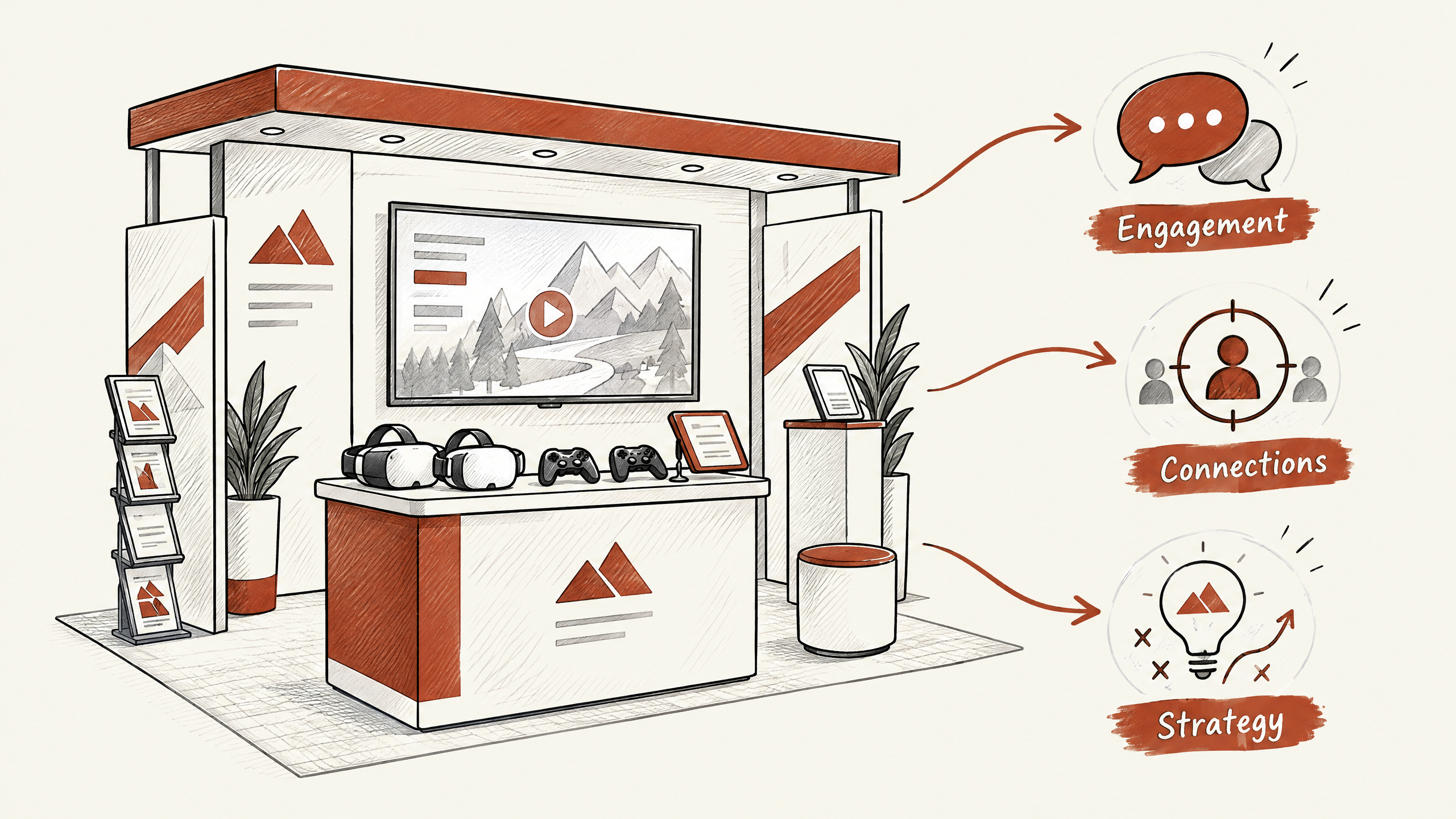
Staying relevant and capturing attention in a bustling exhibition hall can be quite a challenge. With countless booths competing for limited attendee time, it’s important to make every moment count.
Engaging attendees effectively requires a combination of creativity, technology, and personal interaction.
Having worked in the expo industry for years, I’ve seen how interactive techniques can transform booth engagement.
Whether through modern technology or personalized consultations, these methods not only draw visitors but also leave a lasting impression. By focusing on interaction, you can build deeper connections with potential clients and partners.
In this article, I’ll share my go-to strategies for creating a dynamic and engaging booth experience.
It’s not just about attracting attendees it’s about keeping them engaged and making your brand memorable.
Think of these techniques as tools to spark curiosity and build lasting relationships with your audience.
By the end of the article, you’ll have a clear plan to revitalize your booth approach.
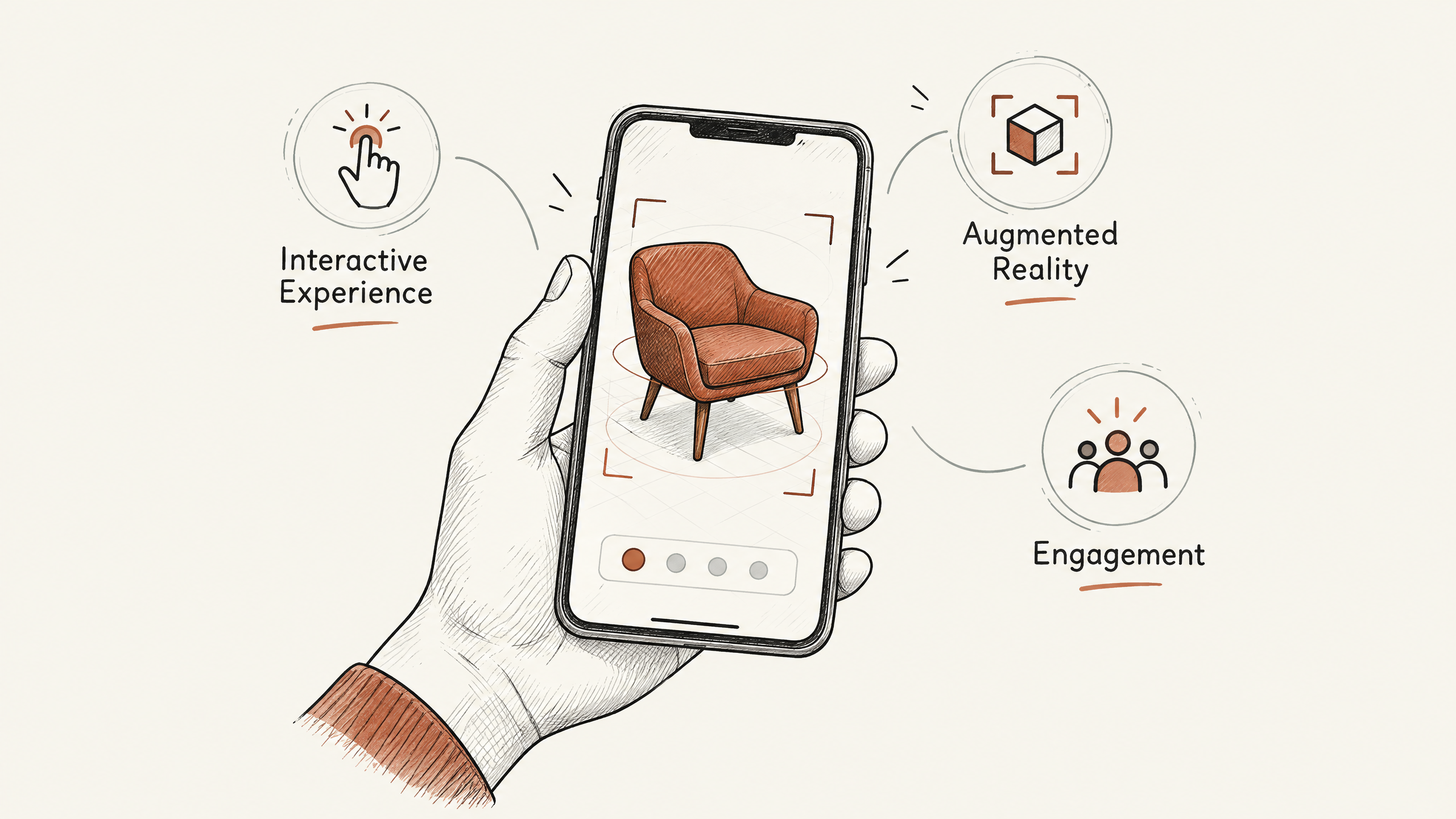
From virtual reality adventures to augmented reality features, these six strategies will equip your team with innovative ways to captivate attendees and foster meaningful interactions.
- Use interactive tech like VR to captivate booth visitors.
- Host live demonstrations to showcase product benefits.
- Create engaging quizzes for real-time attendee interaction.
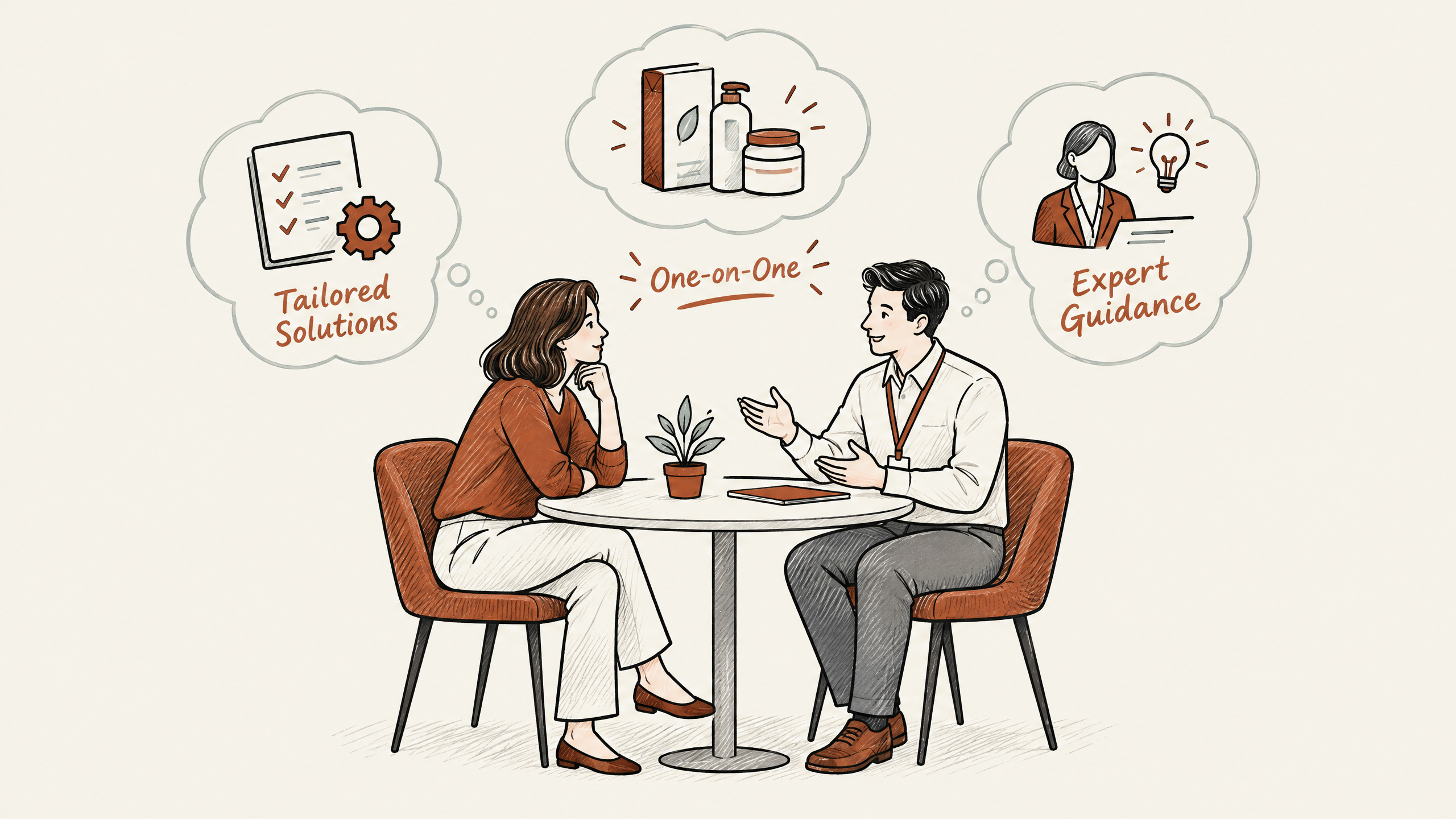
- Offer personalized experiences with one-on-one consultations.
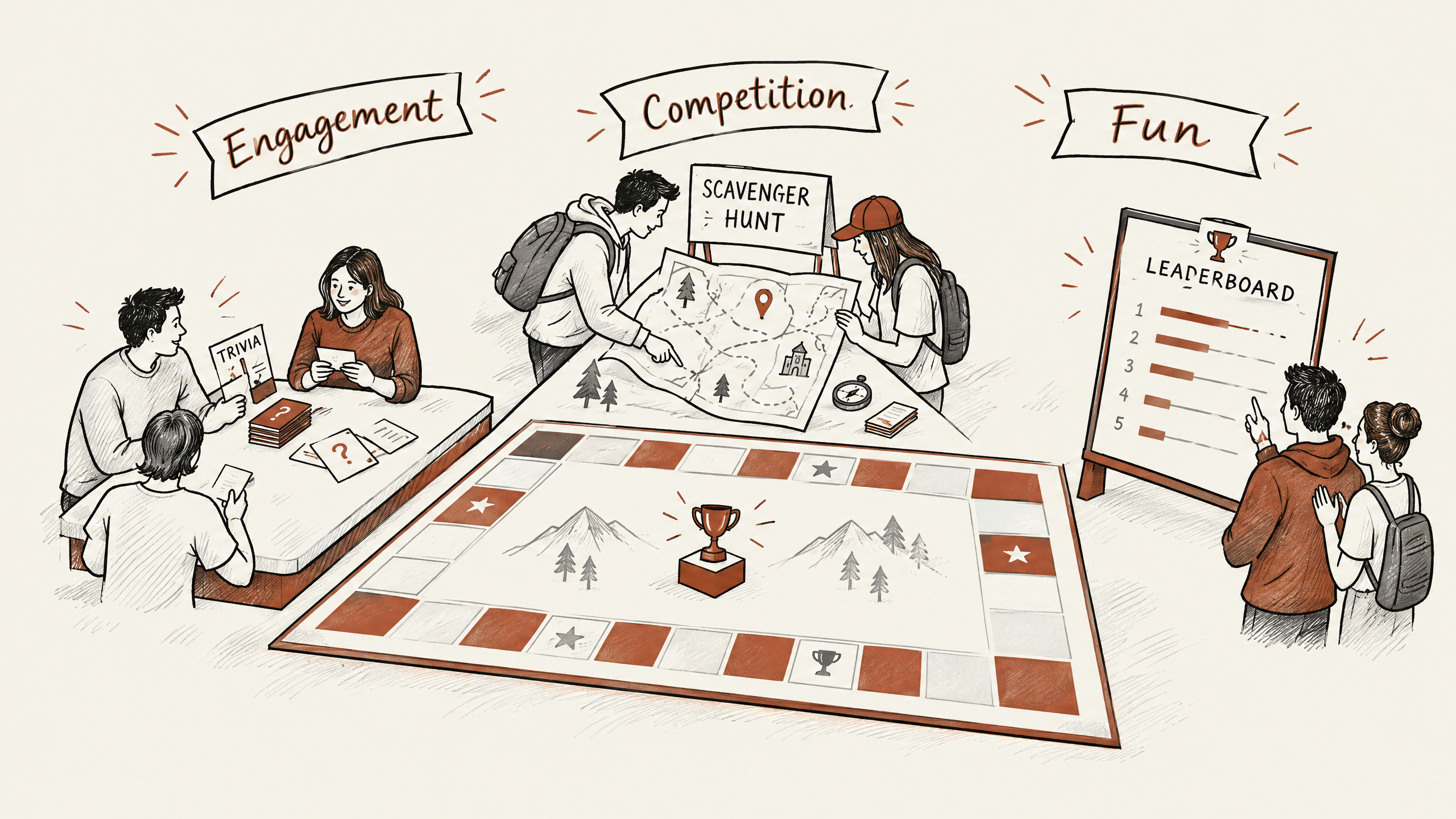
- Incorporate gamification to make booth visits memorable.
With these tips, you can make your booth more engaging and memorable for attendees.
Choose the techniques that best fit your objectives and audience to create a personalized experience.
1. Use Virtual Reality Experiences
Integrating virtual reality (VR) experiences at your booth can captivate and engage attendees, creating an memorable impression. VR allows potential buyers to immerse themselves in your product or service in a way that is both interactive and memorable.
A VR simulation lets visitors interact with complex machinery virtually, providing an in-depth understanding of its functions without needing physical equipment.
To successfully use VR, start by defining the key aspects of your product or service that are best experienced in a virtual environment.
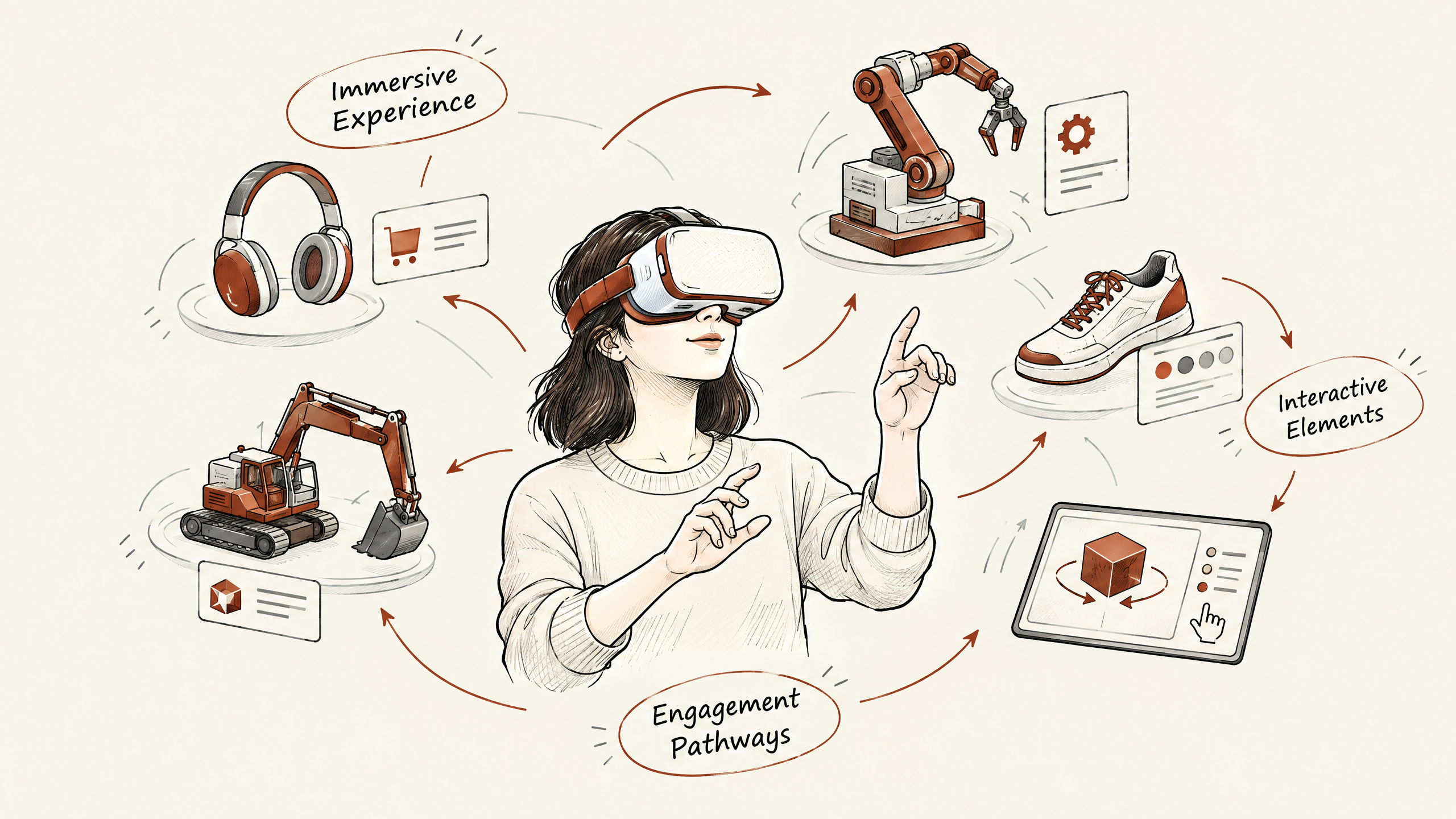
Decide which elements would benefit most from a hands-on demonstration that typical printed materials or videos cannot convey.
Next, collaborate with a skilled VR developer to design a custom experience that aligns with your marketing goals and highlights your offering’s unique value proposition.
When setting up this experience, make sure you have the necessary equipment and technical support on hand.
This could include VR headsets, interactive controllers, and backup hardware in case of technical difficulties. It is also crucial to have a dedicated staff member trained in VR technology available to guide attendees through the experience, answer questions, and troubleshoot any potential issues.
One potential tradeoff when introducing VR is the initial setup cost.
However, the investment can pay off significantly in terms of attendee engagement and lead conversion. Avoid the common mistake of overcomplicating your VR experience.
Keep it intuitive and focused, so attendees can quickly grasp the benefit of your product without feeling overwhelmed by too many virtual features.
2. Host Engaging Live Demonstrations
Live demonstrations offer a unique opportunity to show your product’s value directly to attendees.
An engaging demonstration can captivate potential customers and provide a deeper understanding of what your product or service can do for them. It’s important to go beyond a rehearsed pitch and focus on creating an interactive experience.
Encourage attendees to participate, ask questions, and witness firsthand the features that make your product stand out.
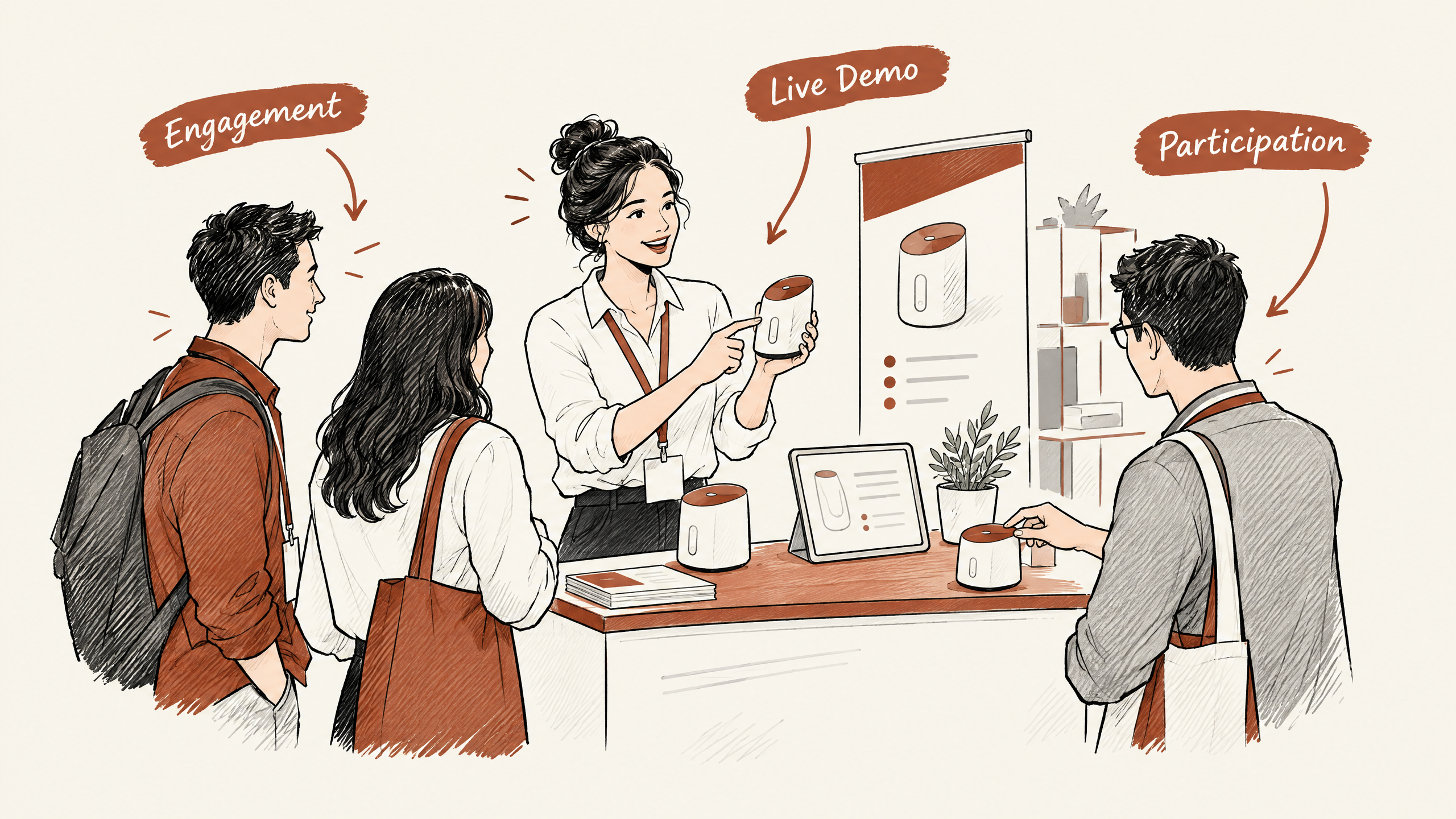
To host a truly engaging demonstration, your team needs to be well-prepared and enthusiastic.
Choose a presenter who is knowledgeable and can convey information in an exciting way.
A live demo should feel dynamic and include real-world scenarios that highlight key advantages of your product.
For instance, if you’re showcasing a new software, simulate a common problem and demonstrate how your software solves it efficiently.
Timing is crucial.
Keep the demonstration concise, ideally between 10 and 15 minutes, to maintain the audience’s attention without overwhelming them. make sure your demo area has necessary tools like microphones, video screens, or tablets to enhance visibility and audibility. This will help avoid potential technical issues and keep your audience focused.
Important: To captivate your audience during live demonstrations, focus on creating interactive, engaging experiences that highlight your product’s benefits and solutions, rather than just technical specifications.
One common mistake is focusing solely on the technical specifications of a product, causing you to lose your audience’s interest.
Instead, emphasize the benefits that attendees will find compelling. Ask yourself: What problem does your product solve?
How does it improve the attendee’s experience?
Address these questions through relatable stories and analogies that connect with your audience’s needs and expectations.
Remember, the goal is not just to inform, but to engage and inspire action.
Encourage post-demo interaction by inviting attendees to try the product themselves or engage in further discussions with your team.
You can measure the success of the demonstration by gathering feedback or observing which aspects generate the most interest and interaction. This insight can help improve future demos and tailor your approach to align better with your audience’s expectations.
3. Create Interactive Quizzes
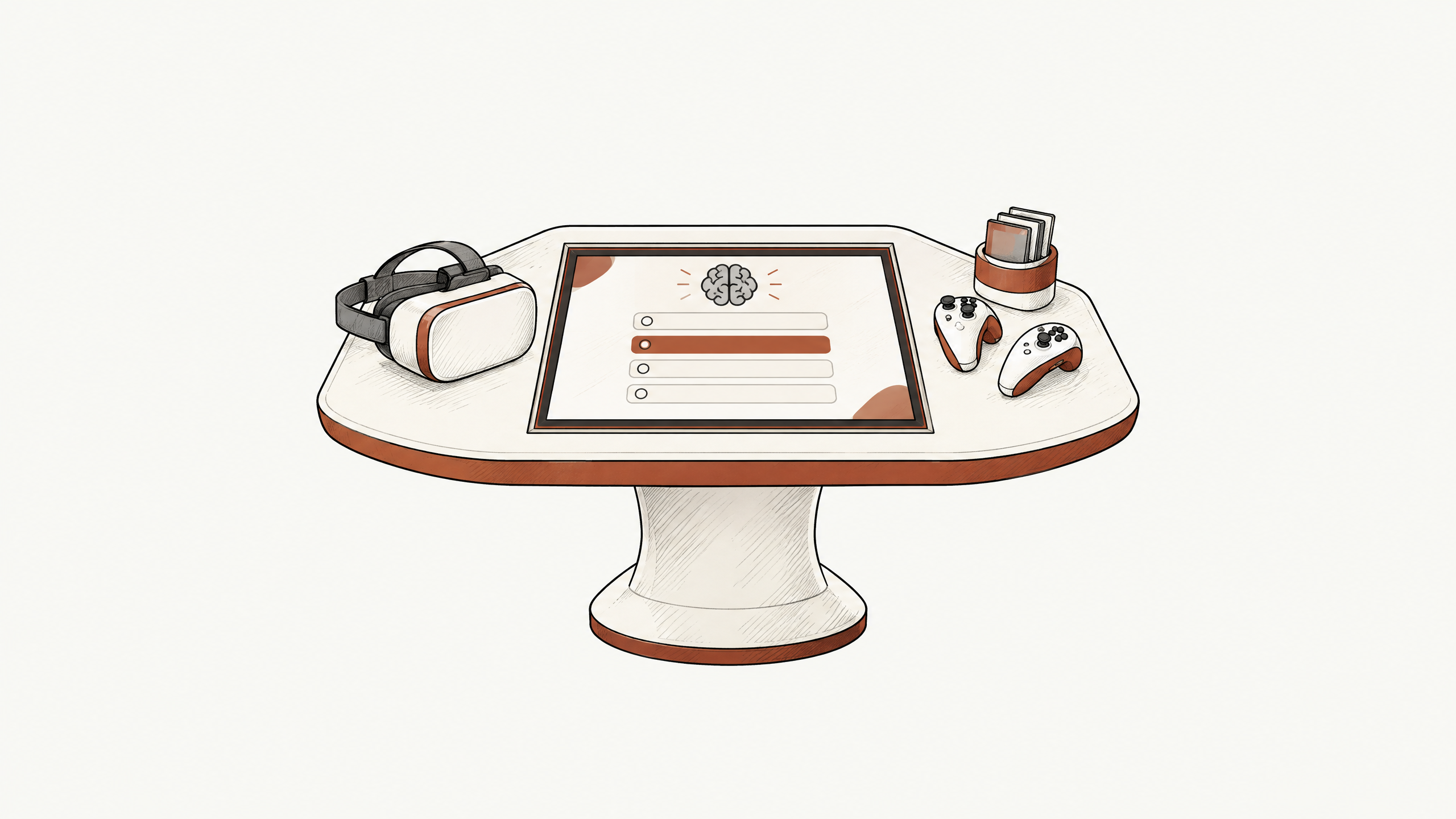
Interactive quizzes are an effective tool to draw attendees into your booth while gathering valuable insights about their interests. By providing engaging questions related to your products or industry, you can capture attention and make the interaction memorable.
Consider quizzes with multiple-choice questions or mini-surveys that highlight the benefits of your offerings.
Not only do these quizzes encourage attendee participation, but they also allow your team to gain real-time data on visitor preferences.
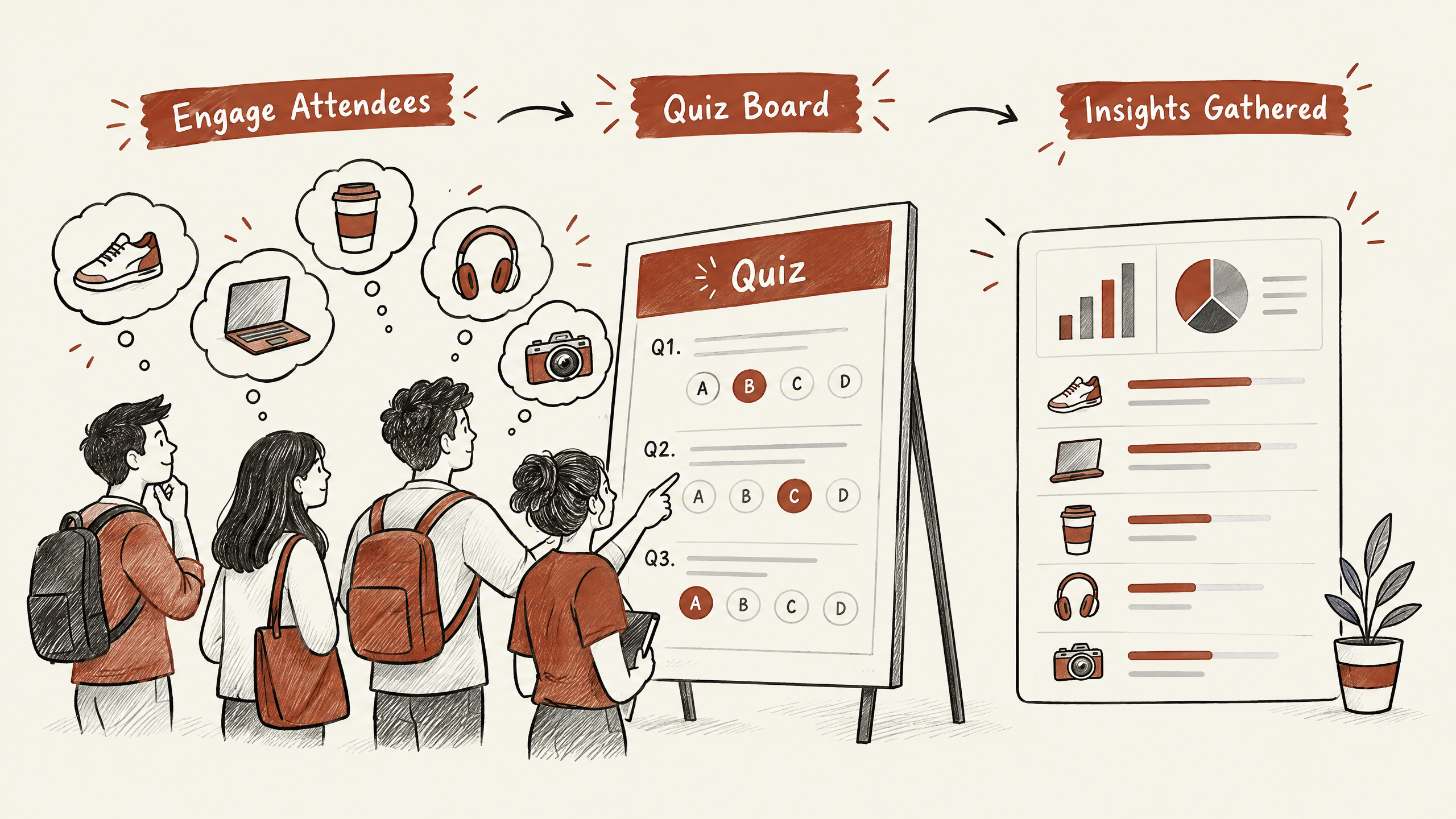
To set up an effective quiz, start by identifying the key topics you want to address. Make sure the questions tie back to your business goals, such as highlighting a new product or service feature.
Keep the quizzes concise to maintain engagement, with five to ten questions being ideal. Use engaging graphics or videos to enhance visual appeal and get the most out of impact.
Platforms like Kahoot! or other quiz software can be used to simplify the process and provide instant results.
One common mistake is making the quiz too lengthy or complex, which can deter participants.
Balance is crucial; the right amount of difficulty keeps it challenging without overwhelming the user.
Pro Tip: To effectively engage attendees at your booth, create concise interactive quizzes tied to your business goals and offer instant rewards for participation.
Once participants complete the quiz, provide instant rewards like branded merchandise or entry into a giveaway.
This not only boosts motivation but also encourages other attendees to join in, creating buzz around your booth.
Incorporating interactive quizzes provides a hands-on experience that breaks the monotony of a trade show visit.
They foster an engaging environment where attendees feel involved and valued.
Need help designing a quiz for your booth?
Exhibitant can supply the creative input you need. Connect with us to create a tailored experience that aligns with your event goals.
 Lorena G.