 Louie J.
Moving into a trade show can be a complex and stressful endeavor. That’s why an efficient move-in process is more crucial than ever.
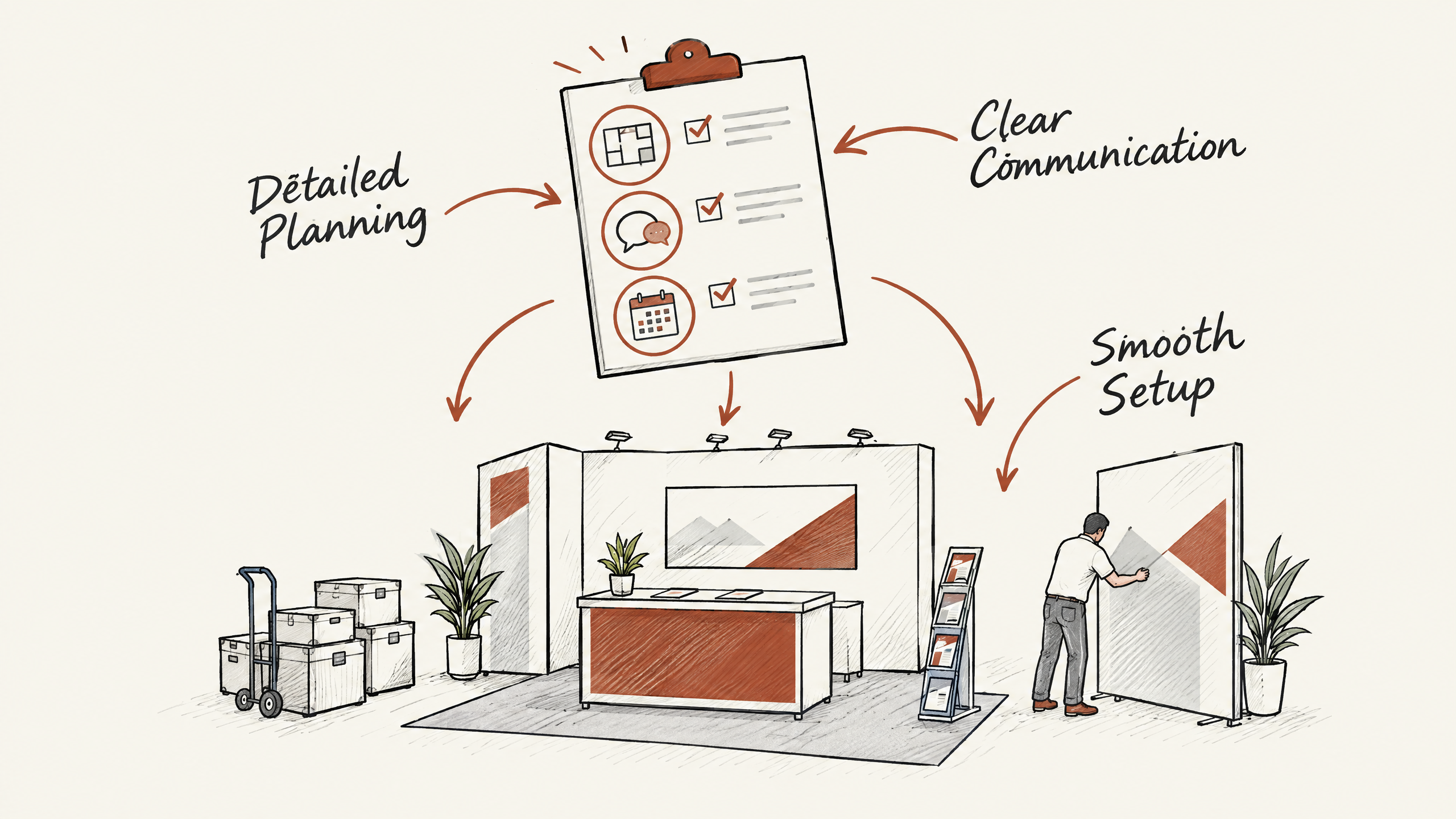
By taking the right steps ahead of time, you can set your team up for a successful and stress-free trade show experience.
One vital aspect is having a well-organized strategy for your setup. Poor planning can lead to unnecessary delays and complications.
If you’re wondering where to begin, start by considering your layout in detail.
Successful exhibitors often plan every aspect of their booth’s setup well in advance.
An often-overlooked detail is coordination with vendors.
Ensuring all parties are synchronized can significantly simplify the move-in process. It’s essential to communicate early with each vendor involved in your setup to avoid last-minute surprises.
By the end of this article, you will have actionable steps to effectively simplify your trade show move-in process. From planning layouts to scheduling move-in times, this guide covers all the bases.
Let’s tackle these challenges head-on for a smooth trade show setup.
- Plan layout in advance for smooth equipment arrangement.
- Coordinate with vendors early to avoid last-minute issues.
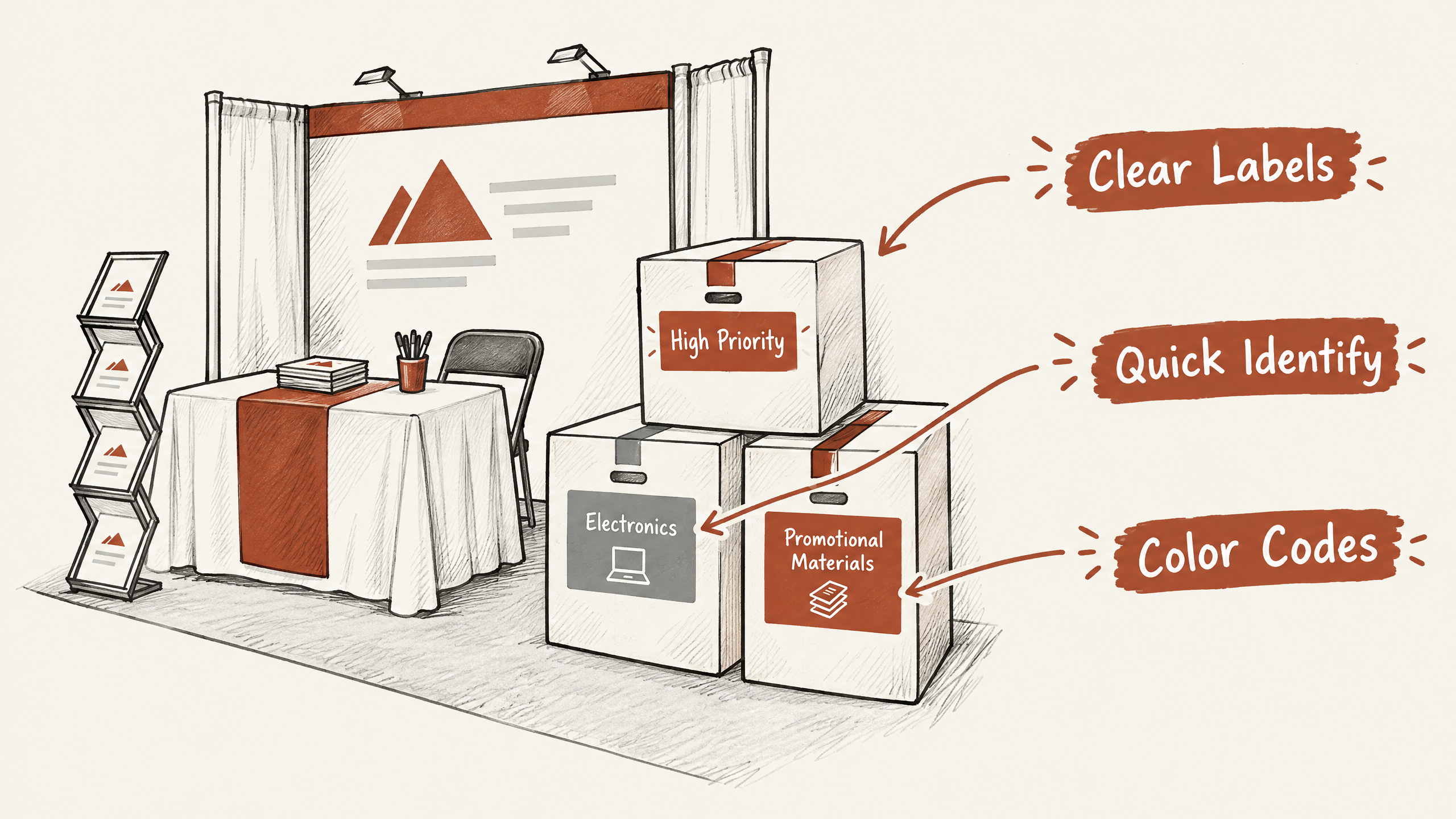
- Implement a clear labeling system for quick access.
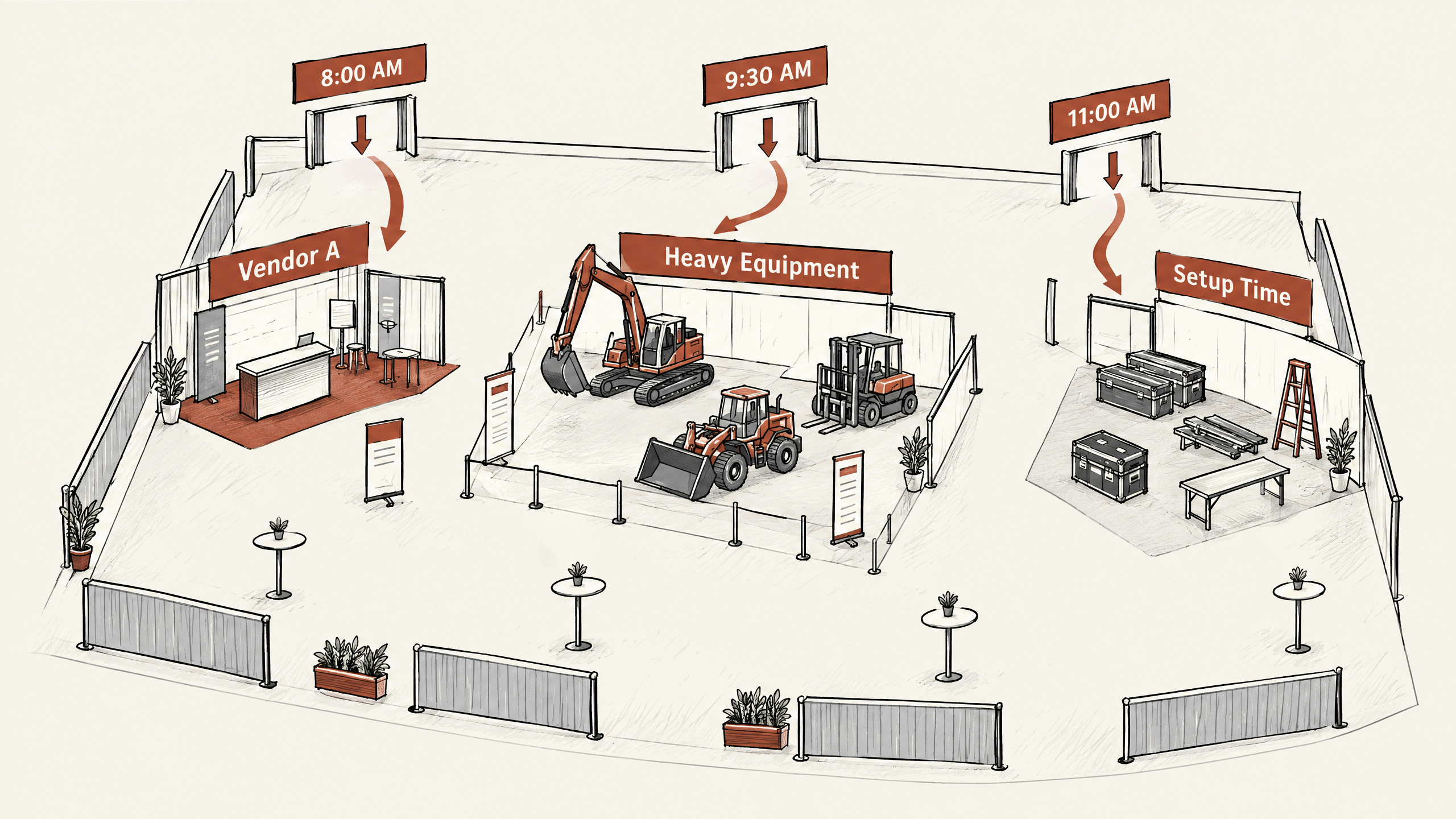
- Schedule staggered move-in times to prevent congestion.
- Assign a point person for immediate problem-solving.
You can improve your show’s success by planning a detailed layout for smooth operations.
Starting vendor coordination early helps prevent last-minute issues and headaches.
Use a clear labeling system to allow your team to locate items quickly.
To avoid congestion, consider scheduling staggered move-in times.
Assign a point person to handle issues right away.
1. Plan Your Layout in Advance
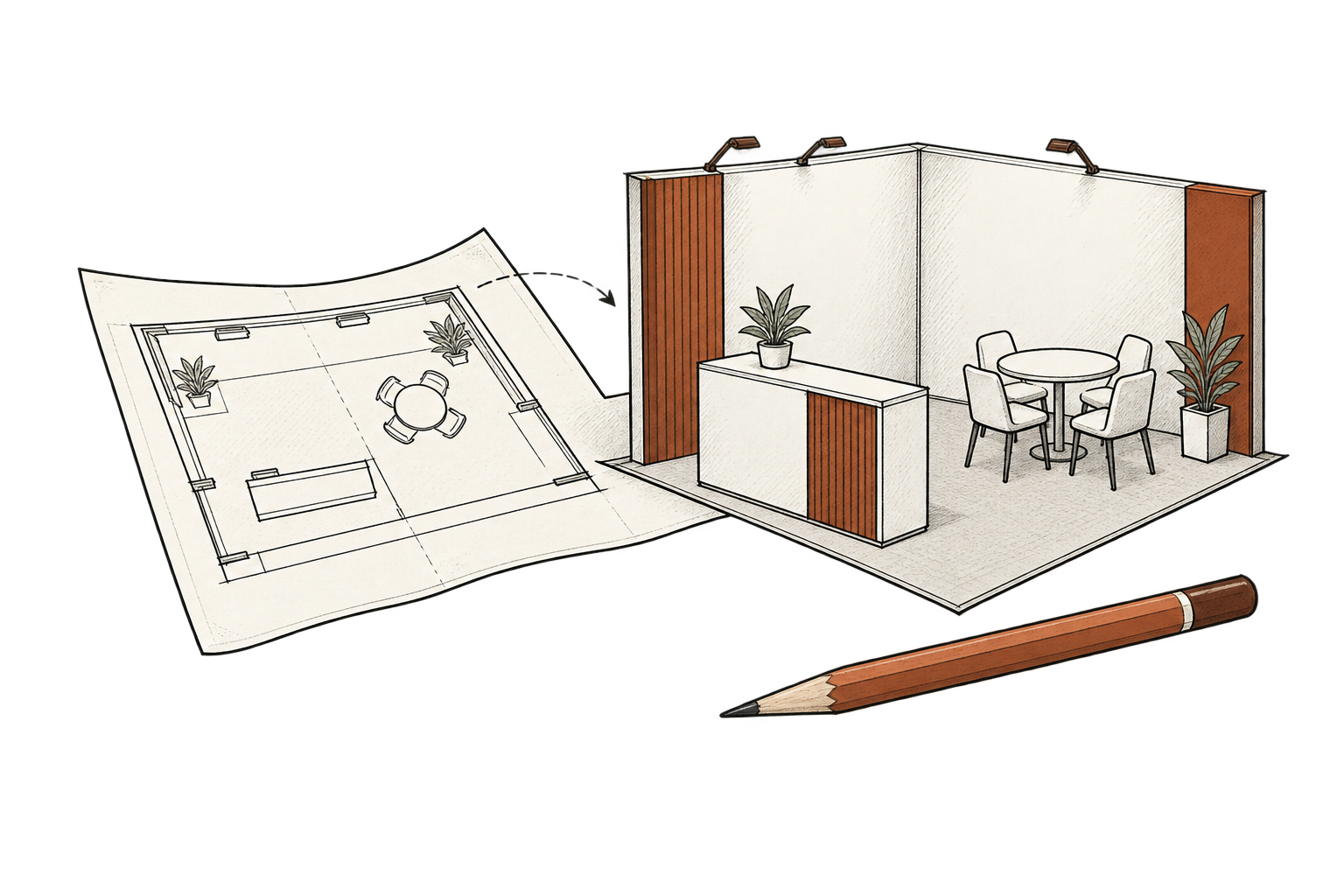
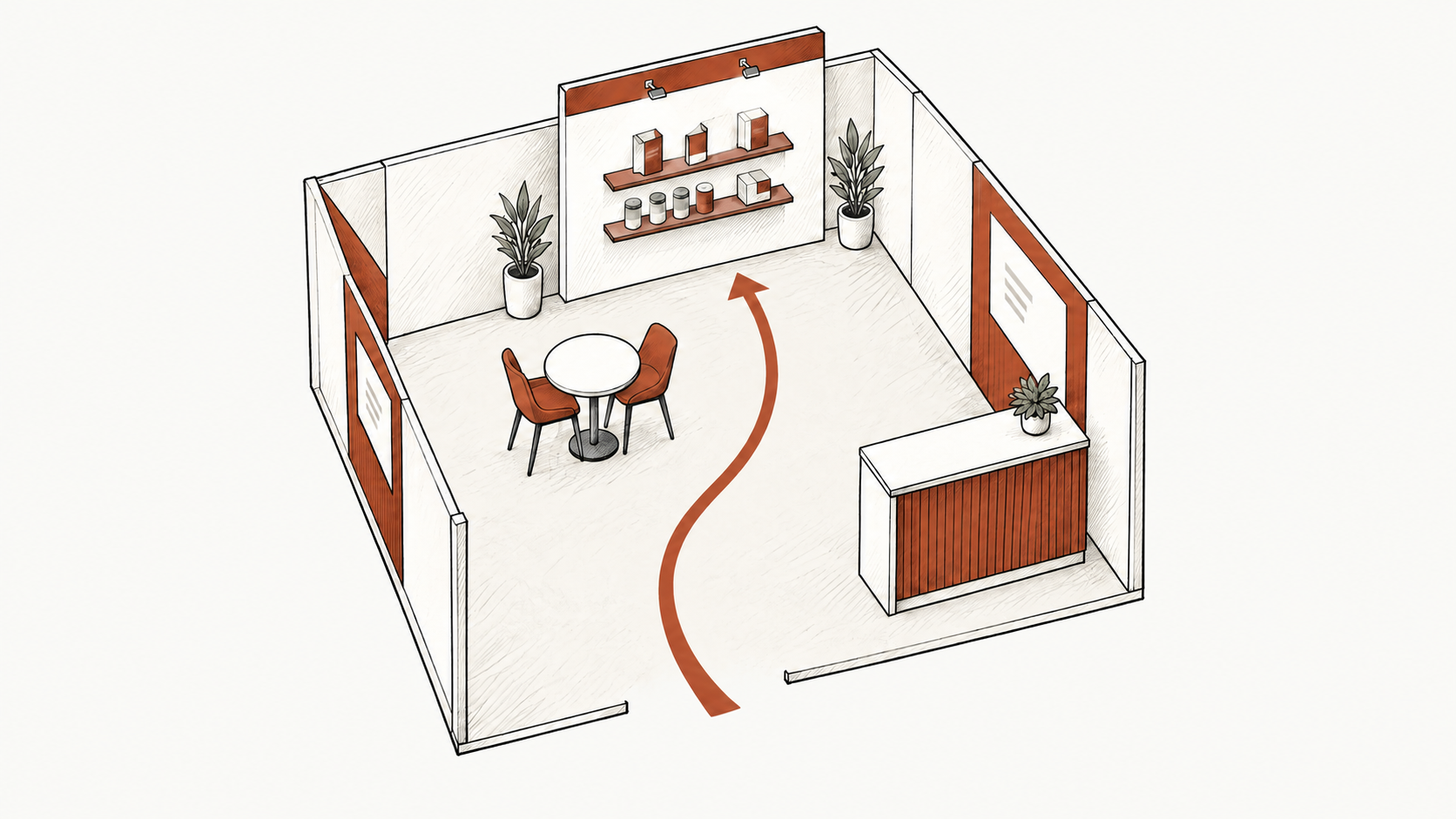
Efficient trade show move-in starts with a well-thought-out layout plan. Having clear, precise plans ready before arrival helps everyone, from your team to vendors, know exactly where to place items.
A detailed floor plan with specific measurements and designations will prevent unnecessary delays.
It’s crucial to account for the dimensions of your booth space, as well as any large items or displays.
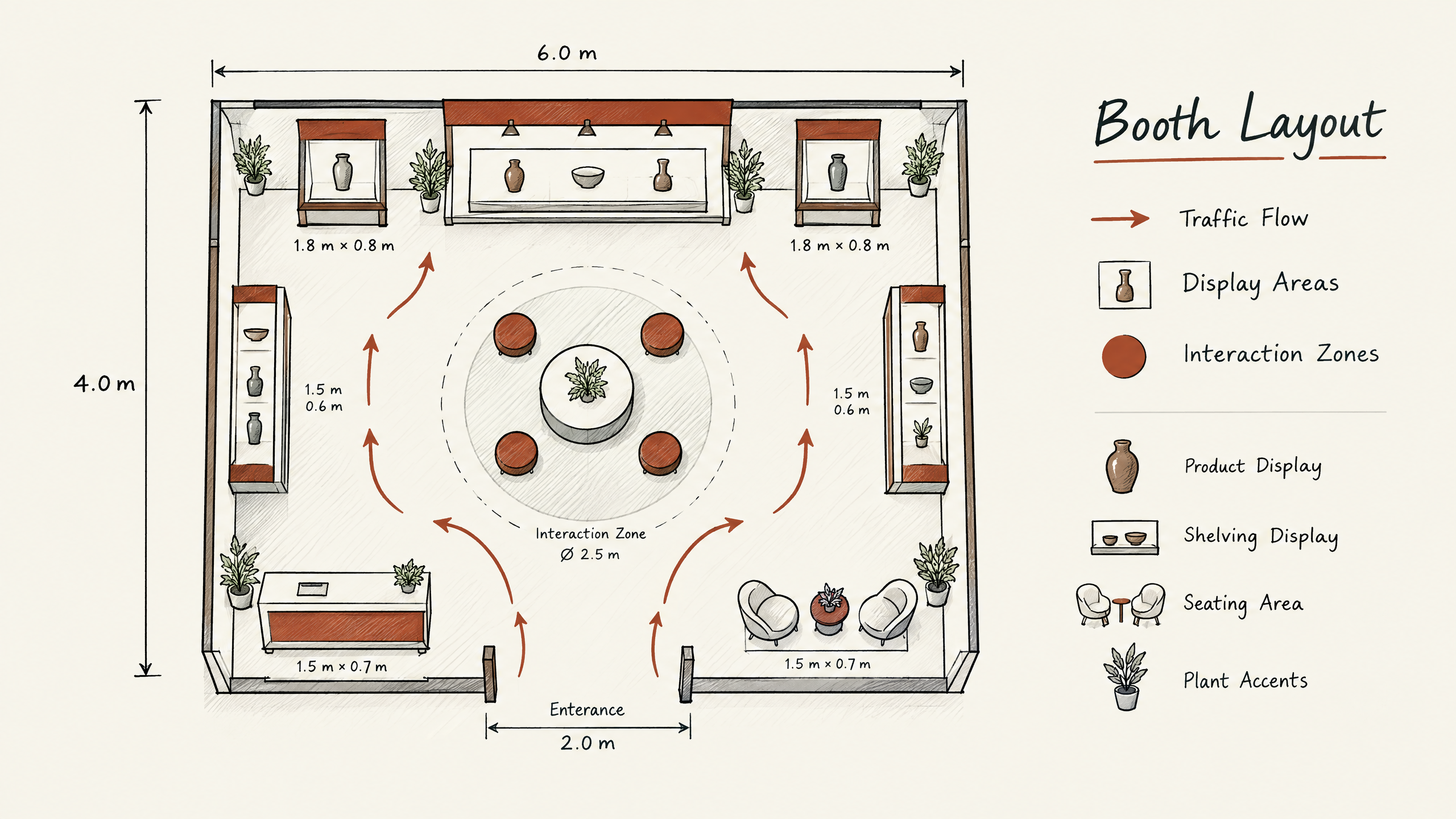
Begin by outlining the primary objectives for your booth.
Are you aiming for maximum visibility, interaction, or moving visitors through a storytelling experience?
Once these goals are clear, use them as a guiding principle to translate into physical space. Consider the flow of foot traffic and how attendees will navigate your booth.
This can greatly influence their experience and your sales team’s effectiveness.
Creating a digital mock-up of the layout is a helpful step.
Use design software to visualize placement and adjust as needed for optimal impact.
This visual tool becomes a reference point, ensuring everyone involved is on the same page.
Factor in space for storage, break areas, and interactive zones.
Be aware of the trade-off between complexity and clarity.
While you want an engaging booth, overcomplicating the layout can confuse your team and the setup crew.
Stick to the essential elements that serve your strategic goals.
This balanced approach keeps your team aligned and ready to execute seamlessly, saving you time and stress on the day of move-in.
2. Coordinate with Vendors Early
To simplify your trade show move-in process, start by engaging vendors early. Begin conversations with your vendors weeks, if not months, before the event.
Secure their services in advance, and confirm logistics like delivery schedules and set-up requirements.
This advance planning can prevent last-minute roadblocks that often arise when details are left unaddressed.
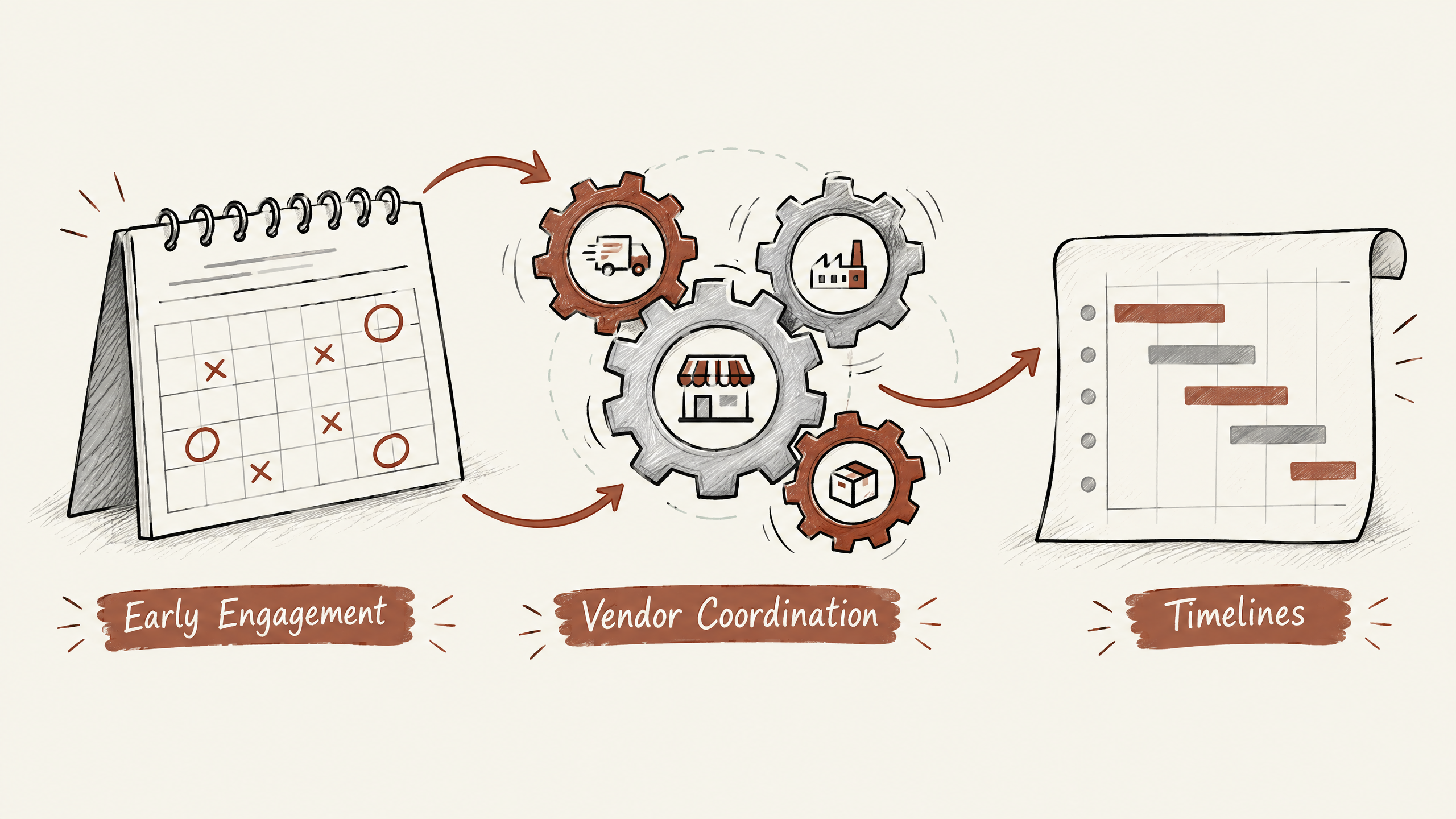
Engaging early also provides ample time to address potential conflicts in scheduling and resources.
For instance, identify if a vendor manages multiple clients at the same venue and adjust timings to avoid overlaps.
Early engagement allows your team to align their internal timelines with vendor schedules, reducing stress and ensuring a smoother process.
Another reason to coordinate early is to allow vendors sufficient time for special requests or customizations.
Whether it’s a unique booth display or branded materials, early communication increases the likelihood of receiving these items by the show date.
Pro Tip: Start coordinating with vendors at least several weeks in advance to avoid last-minute issues, confirm logistics, and allow time for any custom requests.
By doing this, you set clear expectations and can negotiate any necessary adjustments.
Check in regularly to confirm details and remain informed of any changes.
This proactive approach prevents misunderstandings and prepares you for unexpected surprises.
As Exhibitant, we advise using a checklist to track vendor communication milestones, highlighting dates by which critical discussions or confirmations should occur.
However, a common mistake teams make is assuming that initial conversations suffice. Avoid this by maintaining an open line of communication with vendors from start to finish.
This vigilance ensures that nothing falls through the cracks, helping you focus on other essential show details as the event approaches.

 Lorena G.