 Louie J.
Every seasoned exhibitor knows that having a detailed and well-structured exhibitor manual can make or break your success at a trade show.
I’ve seen far too many exhibitors underestimate this crucial document, thinking it’s just another checklist, when in reality, it’s your roadmap to victory on the show floor.
With a comprehensive manual, all your planning and execution needs are in one handy place, saving you countless headaches.
From working alongside diverse teams, I’ve noticed a strong correlation between the depth of preparation and the outcomes of trade events.
A solid manual covers more than just logistics; it’s a full-scale guide encompassing everything necessary for delivering a powerful performance.
This includes strategies for engaging prospects, coordinating staff, and, of course, planning every fine detail pre-show and post-show.
The success of your trade show experience doesn’t start the moment you step onto the convention center floor; it begins long before. A bulletproof exhibitor manual acts as your secret weapon, offering direction and insight even for seasoned pros.
Having all your tactics laid out clearly ensures everyone’s on the same page, reducing the risk of last-minute surprises or oversights.
In this post, I want to talk you through six essential components of a stellar trade show exhibitor manual, from booth design guidelines to a solid post-show follow-up framework.
Let’s try each so you can walk into your next event wholly prepared.
- Include clear guidelines for booth design and layout.
- Outline lead capture methods and data management.
- Detail staffing roles and responsibilities for efficiency.
- Incorporate a timeline for pre-show preparations.
- Provide a checklist for post-show follow-up activities.
Your trade show booth isn’t just a place to display products; it’s where you connect with potential customers and partners.
To make the most of this opportunity, your exhibitor manual needs to be more than just a checklist.
As you read on, you’ll find practical advice on crucial points like staffing and timelines.
Dive deeper to learn how tailored strategies can make a real difference in your trade show success.
1. Comprehensive Booth Design Guidelines
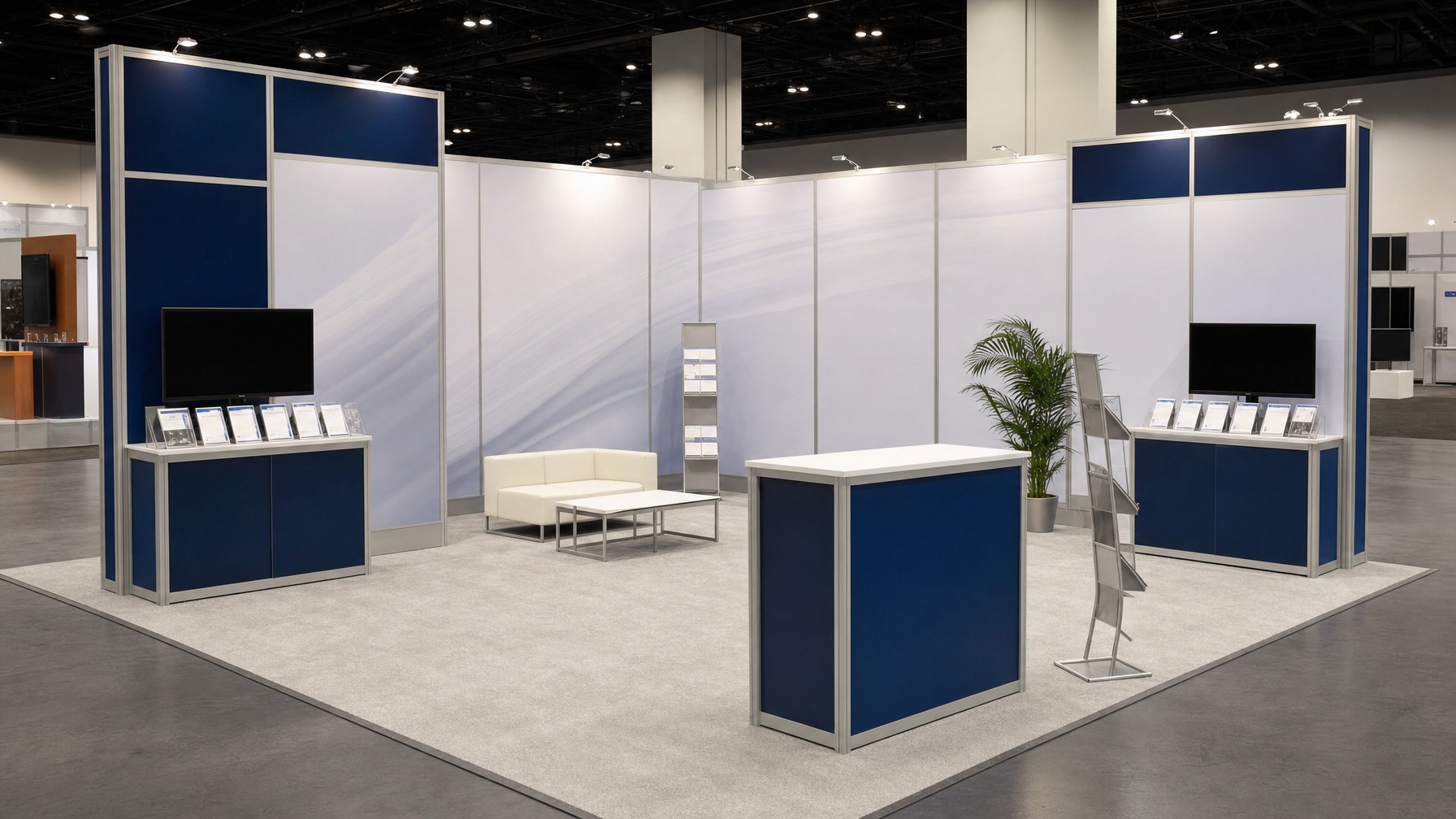
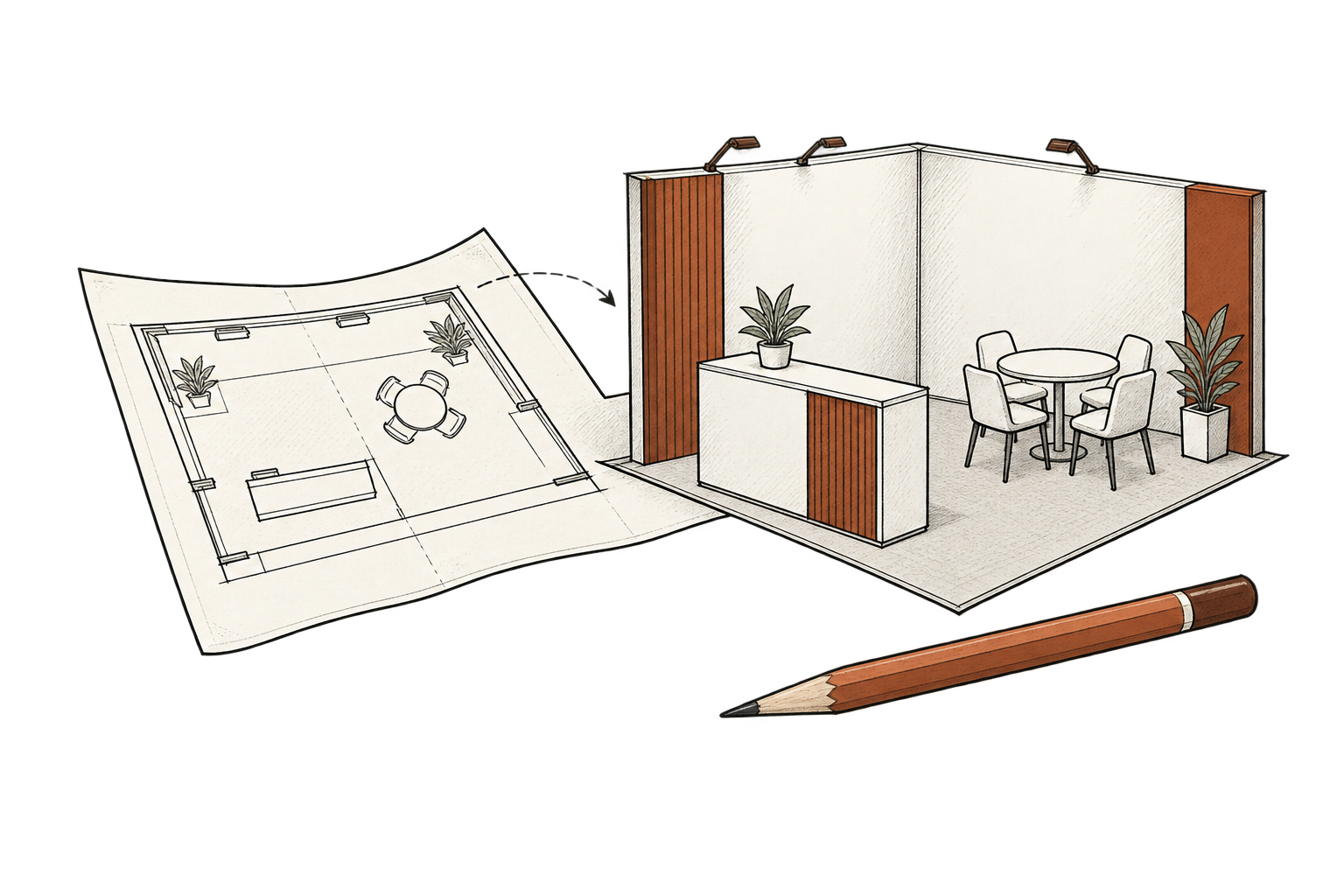
One thing most exhibitors end up doing is crafting a booth that not only attracts attention but also clearly communicates their brand message.
A well-thought-out design incorporates strategic use of lighting, colors, and materials to create an environment that is both inviting and aligned with the company’s identity.
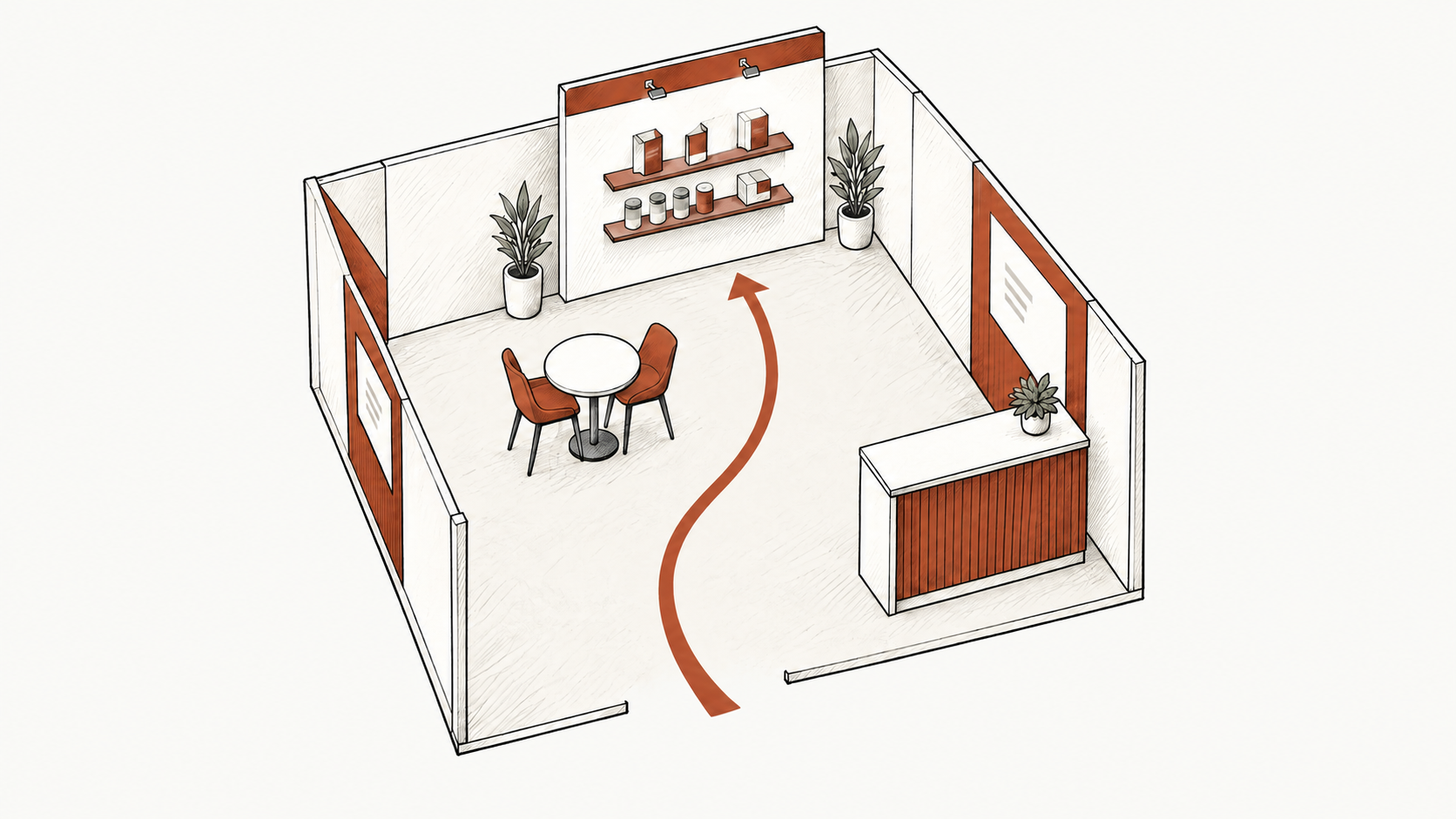
What we have seen work really well is using lighting not just to highlight products but also to draw pathways guiding attendee flow through the space, creating a natural journey through the exhibit.
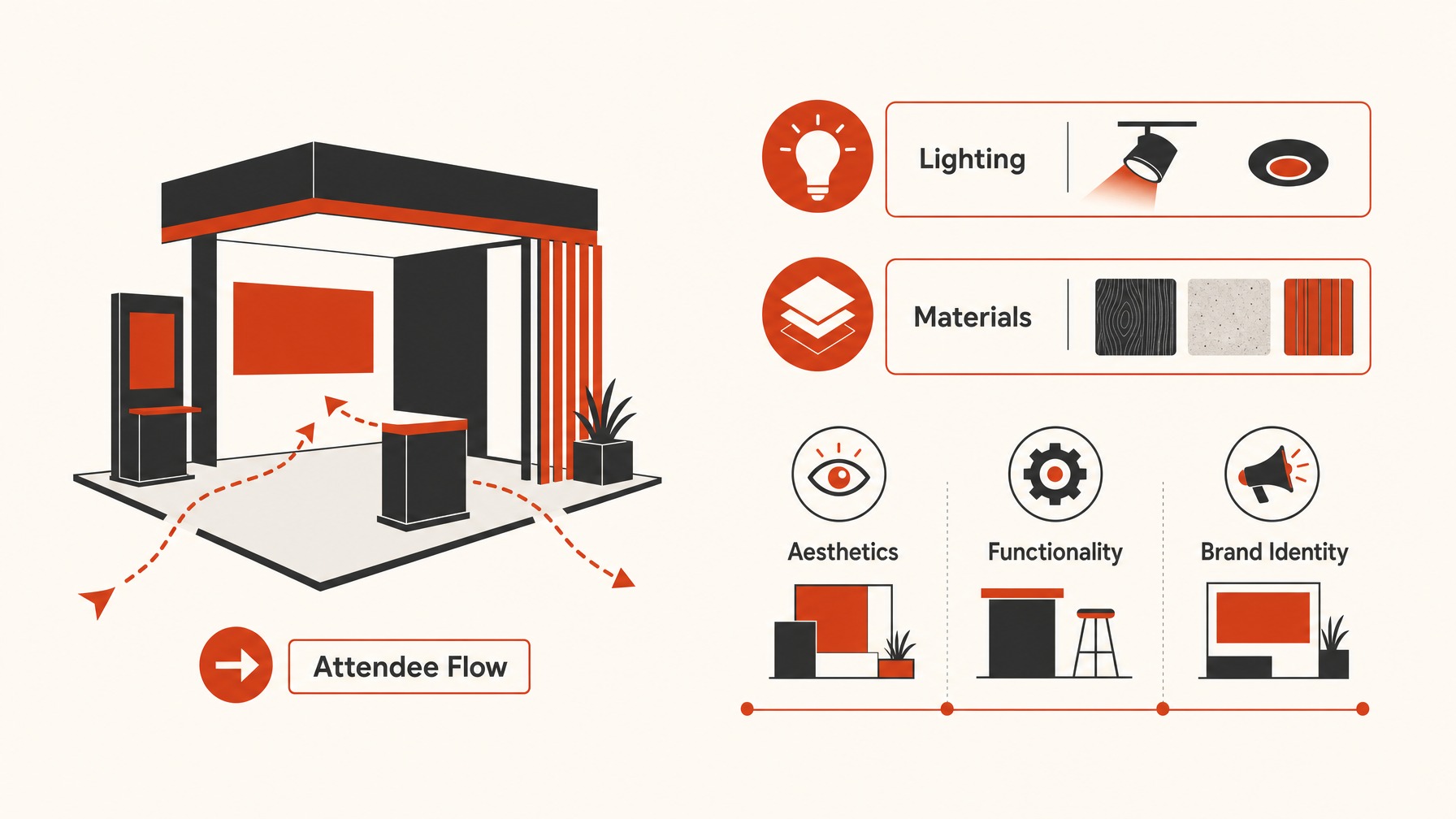
From what I have seen, the ones that get it right usually plan not just for aesthetics but also for functionality, ensuring that every inch of space serves a purpose.
Something that comes up a lot is how important it is to offer interactive elements in your booth design, as these actively engage attendees and hold their attention longer.
Consider incorporating digital displays or touchscreens that show products or provide interactive demonstrations.
Incorporating seating areas can encourage visitors to dwell longer and provide a break for weary feet, fostering deeper engagement.
Another thing to remember is to keep open spaces within the design, which prevents overcrowding and allows for easier navigation, enhancing the overall visitor experience.
From what I have observed, an overlooked yet critical component is placing branding elements at various heights to capture attention as attendees approach from different angles within the event space.
Not to mention, storage solutions should be integrated seamlessly to keep promotional materials organized and the booth free from clutter.
What often stands out is the innovative use of modular setups, allowing for flexibility in adapting to different trade show configurations and spaces. Remember that the goal is not only to draw people in but also to enable productive interactions once they are inside the booth, seamlessly blending form and function.
Lastly, a well-prepared checklist for booth setup and teardown operations can simplify the process, saving time and reducing stress for your team. By mapping out logistics in advance, you can make sure that each aspect of the booth design is executed flawlessly from start to finish, cementing your presence as a polished and professional exhibitor.
Some of the best outcomes come from those who refine their strategy after each event, constantly improving and innovating their booth design over time.
“`
2. Effective Lead Capture Strategies
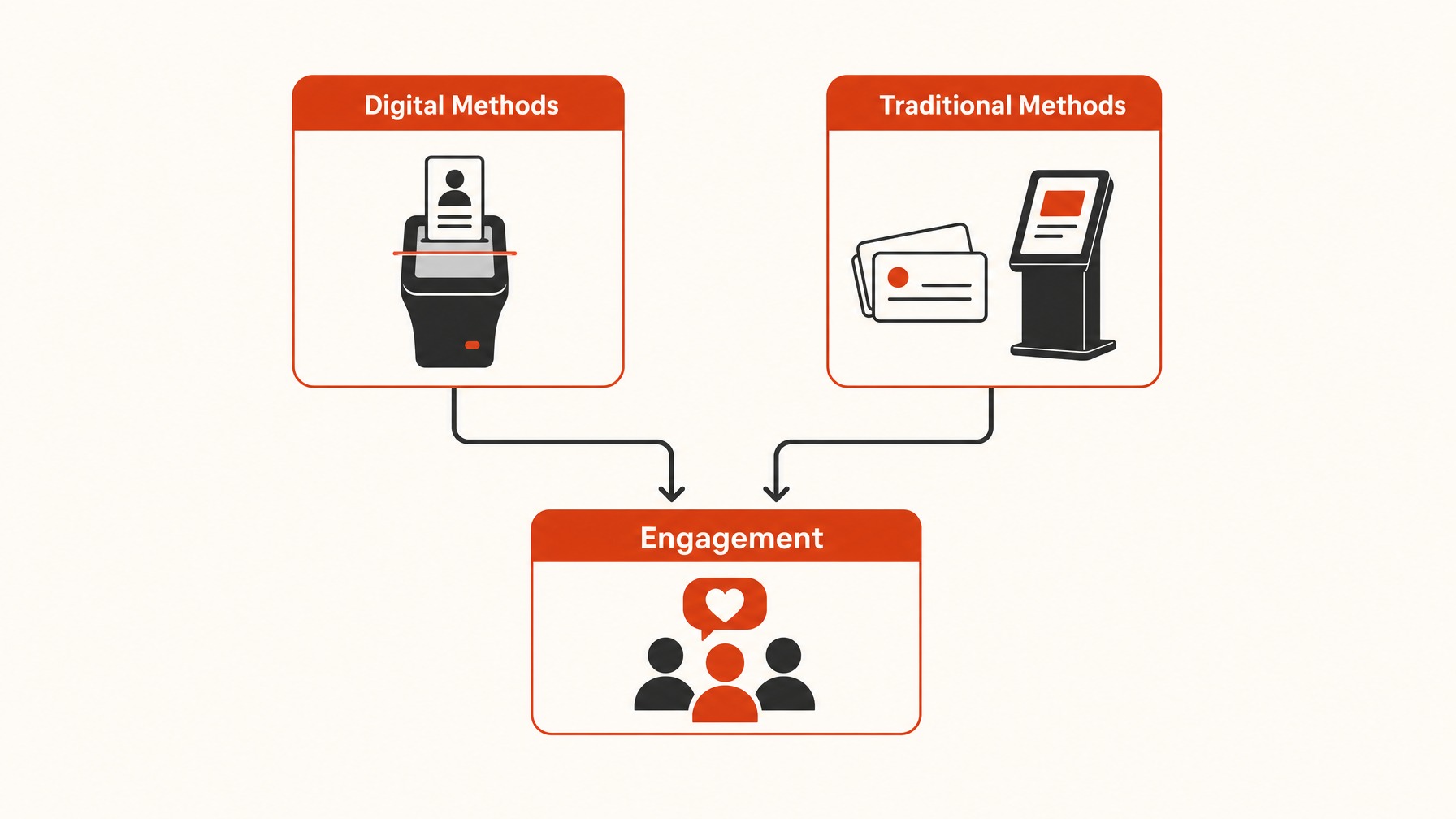
What we have seen work really well on the trade show floor is deploying a multifaceted approach to lead capture, rather than relying solely on one method.
From digital solutions like badge scanning apps to traditional methods like business card exchanges, the key is making the process smooth for both booth staff and attendees. Another technique that some of the more successful exhibitors use is having a designated ‘lead capture’ setup which can include interactive kiosks or tablets for attendees to enter their information directly.
This not only speeds up the information collection process but also frees up your team to engage in deeper conversations.
In my experience, specificity in what you’re looking for in a lead can make a big difference. Prior to the event, identify the key data points you want to gather from potential clients whether it’s about budget, timeframe, or specific needs and tailor your approach accordingly.
One thing most exhibitors end up doing is training their team to qualify leads on the spot, allowing you to gauge the seriousness of each prospect. Given the limited time at a trade show, having criteria for qualifying leads helps prioritize follow-ups post-event.
The Exhibitant team has seen that asking open-ended questions during initial engagement often uncovers valuable context that aids in having more meaningful interactions.
Many exhibitors find value in integrating technology like CRM systems directly into the lead capture process. This ensures that leads don’t just gather dust post-show, but are swiftly added to your sales funnel for further action.
Regarding giveaways, tying them to lead capture can incentivize attendees to share their information.
For example, offering a prize draw for those who provide more detailed information can increase the quality of the captured leads.
A full lead capture strategy, blending various techniques with technology, is what from what I have seen usually wins the day in terms of post-show success.
3. Detailed Staff Coordination Plan
From what I have seen, a successful trade show experience hinges significantly on a well-organized staff coordination plan , enabling your team to work seamlessly throughout the event.
Before you even step onto the exhibition floor, establish clear roles and responsibilities for each team member to avoid confusion and make sure everyone knows exactly what is expected of them during the show.
One crucial aspect to address is how to handle attendee interactions effectively. Strong interpersonal skills are indispensable, and training your team in engagement techniques can significantly enhance the overall visitor experience at your booth.
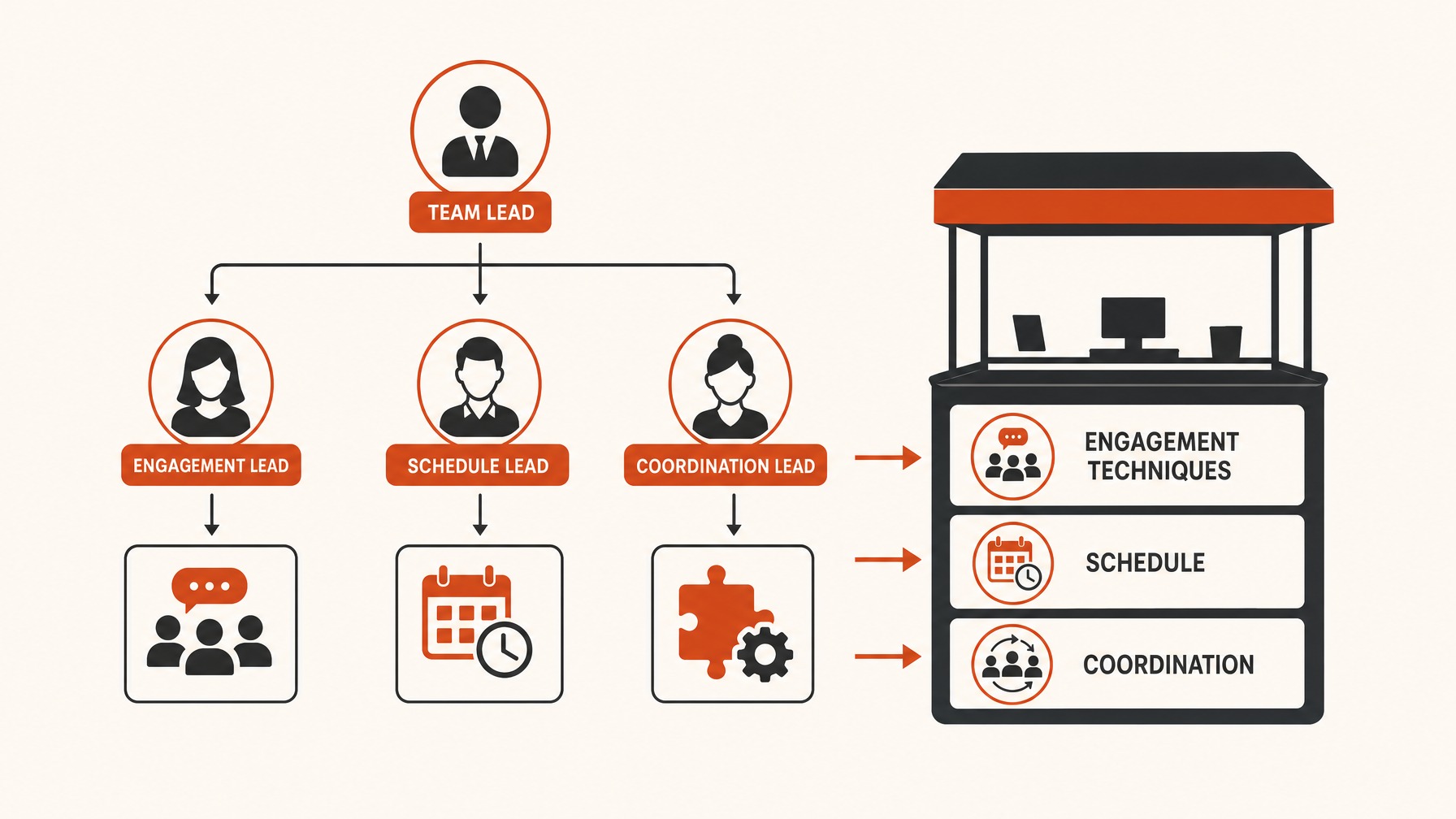
Additionally, setting a schedule for each staff member can prevent burnout, guarantee adequate coverage, and maintain high energy levels.
Something that comes up a lot is the importance of having a dedicated point person who can oversee the coordination efforts.
This individual should be responsible for managing break schedules, troubleshooting issues, and ensuring that the team remains focused on the desired outcomes.
I would say the biggest thing here is to foster an environment of open communication among the team members, so everyone remains aligned throughout the event.
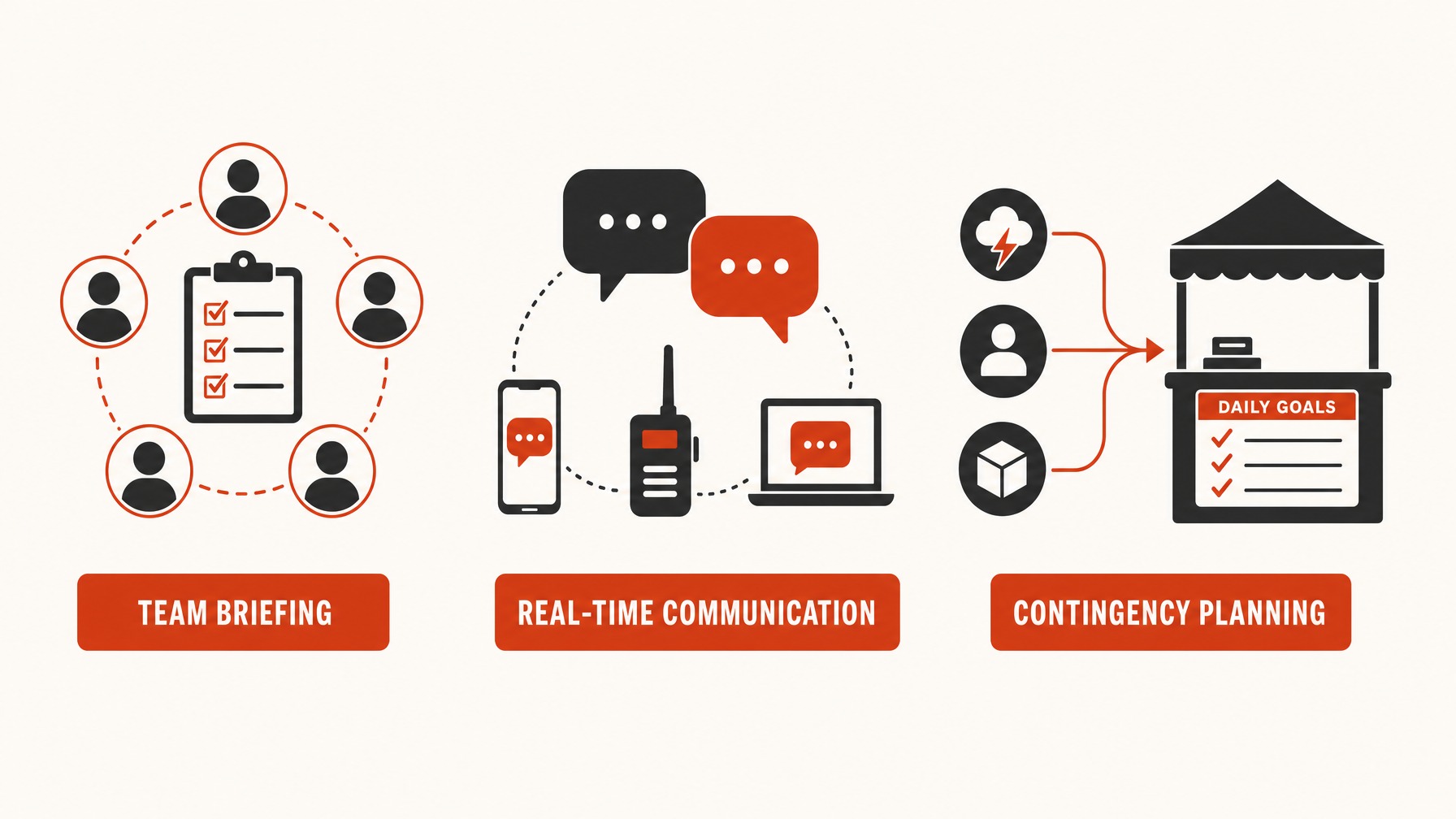
Crafting a plan for real-time feedback and daily debriefs can help you adjust strategies on the fly and improve performance continuously.
In my experience, having short team meetings at the start and end of each day helps everyone feel informed and motivated, keeping them committed to the overall goals.
From what we have seen work really well is when teams discuss individual interactions and share insights on what tactics are working and what adjustments might be needed.
Your detailed staff coordination plan should also incorporate a strategy for handling unexpected situations.
Contingency planning is invaluable as it prepares your team to face unforeseen challenges with agility and resourcefulness. Ultimately, a thoughtfully constructed coordination plan empowers your team to perform optimally, creating a cohesive and skilled presence that effectively represents your brand.
 Lorena G.